
Curated recipes from 193 countries  •  New seasonal Mediterranean issue out now

Overview

St Kitts Coconut Bread

Kittitian Coconut Sweet Bread

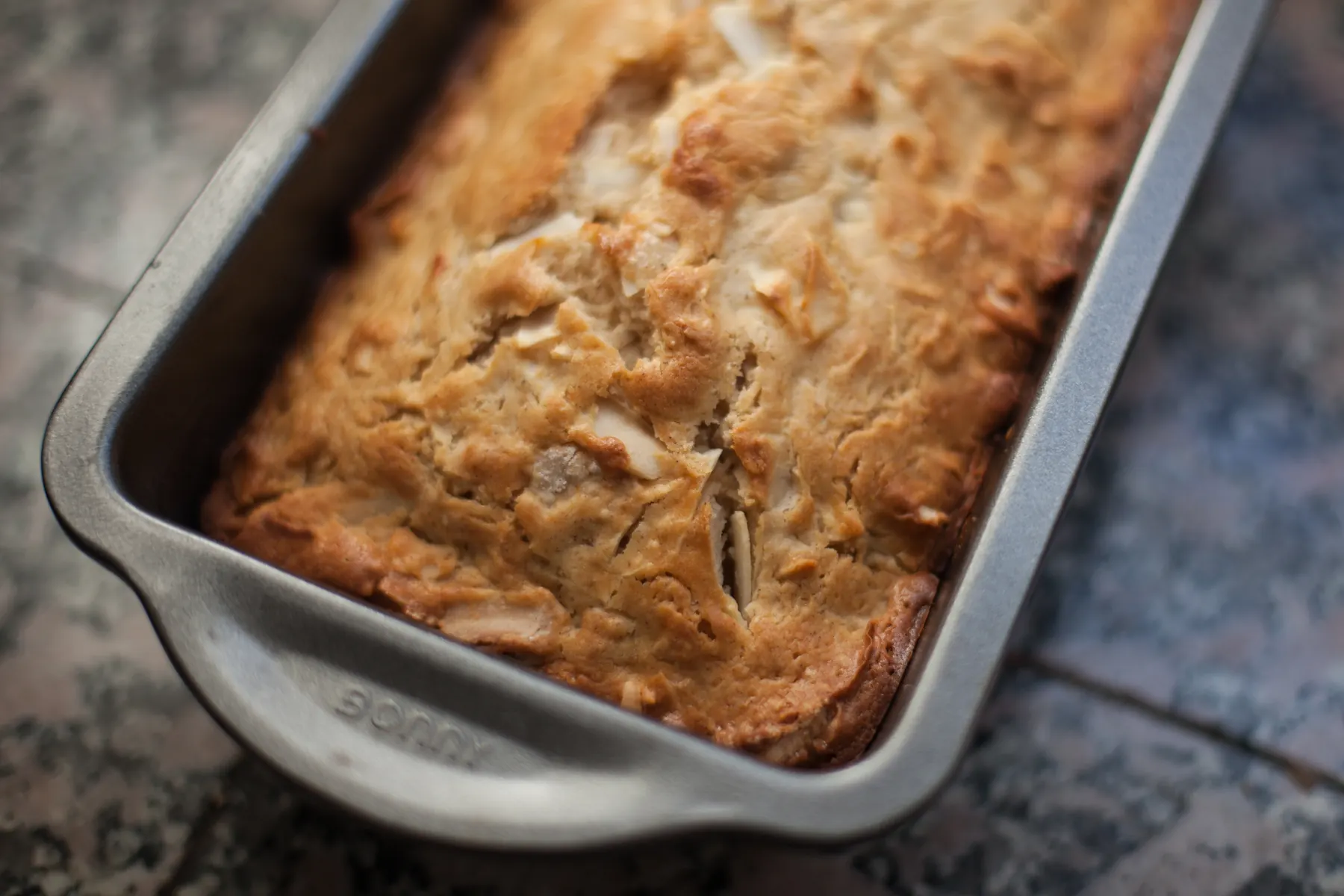
St Kitts coconut bread recipe: a golden loaf of flour, freshly grated coconut, sugar, butter, eggs and milk, spiced with cinnamon and nutmeg and baked in a loaf pan. It is the Kittitian version of the Caribbean coconut sweet bread — moist inside, crisp and golden on top, with visible shreds of coconut in every slice. One serving is about 120 g.

Coconut sweet bread is a shared bake across the Caribbean, carried from island to island with the coconut palm and the sugar trade, and each island makes it its own. In St Kitts the loaf form is the point: a dense, spiced quick bread baked in a loaf pan and sliced thick for breakfast, eaten with tea or alongside stewed saltfish — the island's national breakfast. It is the home-baked counterpart to the sugar cake sold in shops: where sugar cake is coconut boiled in syrup, coconut bread is coconut folded into a buttered flour loaf and baked golden.

Pairs well with: Stewed saltfish, hot tea & butter

Provenance

Saint Kitts and Nevis flag Saint Kitts and Nevis

Kittitian Heritage

Latin America & Caribbean

Time Dedication

1h 15m

20m prep • 55m cook

Batch Yield

10 Servings

439 kcal per serving

1 serving ≈ 120 g

Technical Skill

Easy

Easy (Quick Bread)

Meal Timing & Digestive Fit

Breakfast

Prime Morning Fit

Lunch

Inappropriate

Dinner

Inappropriate

Snack & Tea

Inappropriate

Occasions: Breakfast, tea time, family weekends, holiday mornings, lunchboxes Cost: Low — about $0.60–0.80 per slice at home
Golden coconut bread loaf in a loaf pan, with visible grated coconut

Kittitian Heritage

Photo: Neil Conway, CC BY 2.0, via Wikimedia Commons

The Heritage Formulary

Measured Ingredients

Estimated cost: Low — about $0.60–0.80 per slice at home (USD)

A good Kittitian coconut bread is dense and moist, not fluffy like a cake, with a deep golden crust and visible coconut shreds in every slice.

Execution Methodology & Culinary Technique

Step-by-Step Cooking Guide

Active 1h 15m
P

Prep Stage: Grate the Coconut & Heat the Oven

20 Mins • Grating & Measuring

Heat the oven to 175°C (350°F) and grease a 23 x 13 cm (9 x 5 inch) loaf pan, then line the base with baking paper. Grate the coconut fine — fine shreds fold evenly through the dough and keep the crumb moist, while coarse shreds make the loaf fall apart when sliced. Measure everything before you start mixing: this is a quick bread, and once the wet and dry ingredients meet, the baking powder starts working.

Maestro Tip: If you use desiccated coconut instead of fresh, soak it first — dry flakes drink the milk and leave the loaf dry.

  1. 1

    Mix the Dry Ingredients

    5 Mins Room temperature

    In a large bowl, whisk together the 480g sifted flour, 200g sugar, 2 tsp baking powder, 1/2 tsp salt, 2 tsp cinnamon and 1 tsp nutmeg until evenly combined. Stir in the 200g grated coconut so every shred is coated in flour — this stops the coconut sinking to the bottom of the loaf.

    Whisk for a full minute: baking powder that sits in one spot leaves a bitter, soapy patch in the finished loaf.

    Done when: Dry mixture looks uniform, with coconut shreds evenly scattered through the flour.

  2. 2

    Whisk the Wet Ingredients

    5 Mins Room temperature

    In a second bowl, whisk the 2 beaten eggs with the 240ml milk, the 115g melted and cooled butter, and the 2 tsp vanilla extract until smooth. The butter must feel only warm to the touch — hot butter will start to cook the eggs and make the loaf rubbery.

    Room-temperature eggs and milk mix in smoothly; cold eggs can make the melted butter seize into little lumps.

    Done when: Wet mixture is smooth and uniform, with no streaks of butter or egg.

  3. 3

    Combine Into a Stiff Dough

    5 Mins Room temperature

    Pour the wet mixture into the dry bowl and stir with a wooden spoon just until the flour disappears. The dough should be very stiff and biscuit-like, not a thin cake batter — that stiffness is what gives the loaf its dense, sliceable crumb. Stop as soon as it comes together.

    Do not overmix: stirring past the point where the flour disappears develops the gluten and turns the loaf tough instead of tender.

    Done when: A stiff, slightly sticky dough that holds together when pressed, with no dry flour visible.

  4. 4

    Fill the Loaf Pan

    3 Mins Room temperature

    Scrape the dough into the greased and lined 23 x 13 cm (9 x 5 inch) loaf pan and press it into the corners with damp hands, smoothing the top. Sprinkle a few extra shreds of grated coconut over the top if you like a toasted coconut crust.

    Damp hands stop the sticky dough clinging to your fingers, and a level top bakes evenly instead of doming to one side.

    Done when: Pan is filled evenly to about two-thirds full, surface smooth.

  5. 5

    Bake Until Golden

    50–60 Mins Oven 175°C (350°F)

    Bake on the middle rack at 175°C (350°F) for 50–60 minutes, until the top is deep golden brown and a skewer or toothpick pushed into the centre comes out clean. If the top browns too fast after about 40 minutes, lay a sheet of foil loosely over the pan and keep baking. The eggs must be fully set — the centre should reach about 93°C (200°F) on a thermometer.

    Every oven runs a little hot or cool: start checking at 50 minutes, and trust the skewer, not the clock.

    Done when: Deep golden crust, skewer comes out clean, loaf pulls slightly away from the sides of the pan.

  6. 6

    Cool Before Slicing

    20 Mins Room temperature

    Leave the loaf in the pan for 10 minutes, then turn it out onto a wire rack and cool for at least 20 minutes more before slicing. Cutting a hot quick bread crushes the crumb and the slices fall apart; a cooled loaf cuts into clean, even slices.

    A serrated bread knife and a gentle sawing motion give the neatest slices.

    Done when: Loaf is warm, not hot, and holds its shape when sliced.

Finishing Touches & Plating

Slice the loaf thickly — about 2 cm a slice — and serve warm or at room temperature, plain or with a thin spread of butter. In St Kitts it is breakfast food, eaten with tea or alongside stewed saltfish.

Nutritional Physiology & Benefits

Nutrition

Energy

439

kcal / serving

Protein

8g

Complete AA

Carbs

62g

Complex

Fats

18g

Healthy

Per serving (10 servings · 1 serving ≈ 120 g)
Energy439 kcal
Protein8 g
Carbohydrates62 g
Fat18 g
Fibre3.4 g
Sugar22.7 g
Sodium315 mg
Per 100g
Energy366 kcal
Protein6.5 g
Carbohydrates51.4 g
Fat15.3 g
Fibre2.8 g
Sugar18.9 g
Sodium263 mg

Nutrition values are estimated — calculated from USDA FoodData Central values for the listed ingredients.

Vitamins & minerals: B vitamins and iron (flour, eggs), calcium (milk), manganese and copper (coconut), and small amounts of vitamin E (butter).

Steady Morning Energy

Flour, eggs and milk give a mix of slow-release carbohydrate, protein and fat, so a slice keeps you going longer than a plain white roll.

Fibre From Real Coconut

Freshly grated coconut adds about 3.4 g of fibre per slice, which supports normal digestion and helps the loaf feel satisfying.

Simple, Homemade Ingredients

Flour, coconut, butter, eggs and milk — no preservatives or flavourings beyond cinnamon, nutmeg and vanilla, so you know exactly what is in it.

Food Pairings

What to Eat With

To optimize nutrient absorption and elevate the sensory depth, pair with these authentic accompaniments:

Sides

Stewed Saltfish

The classic Kittitian breakfast pairing: salty, savoury stewed saltfish balances the loaf's sweetness, and the soft bread soaks up the sauce.

Fresh Mango or Banana

Fresh fruit adds moisture, acidity and vitamin C, lightening a dense, buttery slice.

Drinks

Hot Black Tea

Unsweetened tea cuts through the butter richness and refreshes the palate between sweet, spiced bites.

Full Menus

Butter & Guava Jam

A thin spread of butter with a little guava jam turns a slice into a teatime treat — the jam's tartness plays against the warm spices.

Complete menu

Start with a thick slice of coconut bread with stewed saltfish and a cup of hot black tea for breakfast; keep a slice of fresh mango on the side, and save a second slice with butter and guava jam for afternoon tea.

Digestive Guardrails

What NOT to Combine

To prevent digestive distress, sluggishness, or palate clash, avoid pairing the dish with these elements:

Sugary Drinks With the Loaf

The loaf already carries about 22.7 g of sugar per slice, so sweetened juice or soft drinks add a large extra sugar load in one sitting. Water or unsweetened tea is the better match. This is general nutrition information, not medical advice.

Extra Sugar Spreads on Top

Condensed milk, chocolate spread or a thick layer of jam on an already sweet loaf pushes the sugar and energy of the meal much higher. If you want a spread, keep it thin. This is general nutrition information, not medical advice.

General information only, not medical advice — consult a doctor for personal dietary decisions.

Who Should Eat It

Who Should Eat

  • General adultsA satisfying breakfast slice — best as one slice with tea or saltfish, rather than several slices at once.
  • ChildrenSuitable from age 2+ in small slices; the loaf is soft and easy to chew. Keep portions small because it is sweet.
  • ElderlyGood choice — soft, moist and easy to chew; serve with tea and go easy on extra butter.
  • Pregnant womenGenerally suitable; the eggs are fully baked through and the milk is pasteurised. Keep to one slice because of the sugar content.
  • Breastfeeding womenGenerally suitable as an energy-rich breakfast; keep portions moderate and drink water alongside.
  • AthletesUseful as a pre-training carbohydrate snack — one slice about 1–2 hours before exercise, with water.
  • Weight gainA good choice — two slices with butter and a glass of milk add useful energy in a small volume.
  • Weight lossEnjoy one thin slice and pair it with fresh fruit and unsweetened tea, rather than butter and jam.

Health Conditions — Adjust or Avoid

Conditions

  • DiabetesHigh in sugar and refined flour — keep to one thin slice, and pair it with protein such as saltfish or an egg rather than eating it alone. Ask your clinician about portion size.
  • High blood pressureSodium is moderate at about 315 mg per slice; avoid adding salty spreads or very salty saltfish on the same plate, and ask your clinician if you follow a low-sodium diet.
  • Kidney diseaseCoconut and milk add potassium and phosphorus, so keep portions small and ask your clinician whether this loaf fits your diet.
  • GoutThe loaf itself is low in purines, so it is generally fine in small portions; the bigger concern is the saltfish often served with it, which is high in purines.
  • Stomach issuesUsually gentle, but the rich butter and fibre can feel heavy on a sensitive stomach — eat a small slice and chew well.
  • Cardiovascular diseaseButter and coconut are high in saturated fat, so treat this as an occasional food and keep the slice thin; ask your clinician about frequency.
  • Fatty liverHigh in sugar and saturated fat, so keep it occasional and small — one thin slice with fruit rather than a large buttered portion. Ask your clinician if unsure.
  • Food allergiesContains gluten (wheat flour), milk, butter and egg. Coconut is a tree nut for labelling purposes in some countries — check with your clinician if you have a tree-nut allergy. The egg-free substitute changes the texture and is not suitable for egg allergy unless flax is tolerated.
  • Special therapeutic dietsIf you follow a prescribed low-sugar, low-sodium or low-saturated-fat diet, this loaf is unlikely to fit in its standard form — ask your clinician or dietitian before eating it.

If you have a medical condition, consult your doctor before changing your diet.

Storage & Use

Storage & Use

How to store
Cool completely, then wrap the loaf tightly in cling film or foil, or keep in an airtight container.
In the fridge
Up to 5 days in an airtight container; bring slices to room temperature or toast lightly before eating.
In the freezer
Up to 3 months, sliced and wrapped individually; thaw at room temperature for about 30 minutes.
How to reheat
Warm slices in a 160°C (320°F) oven for 5 minutes, or toast lightly. Reheat to 74°C (165°F) if warming a whole stored loaf.
Freezing recommended
Yes — it freezes very well sliced, so you can defrost one slice at a time.
Signs it has spoiled
Mould spots, a sour or rancid smell, or a sticky, slimy surface — discard the whole loaf.

More recipes to explore

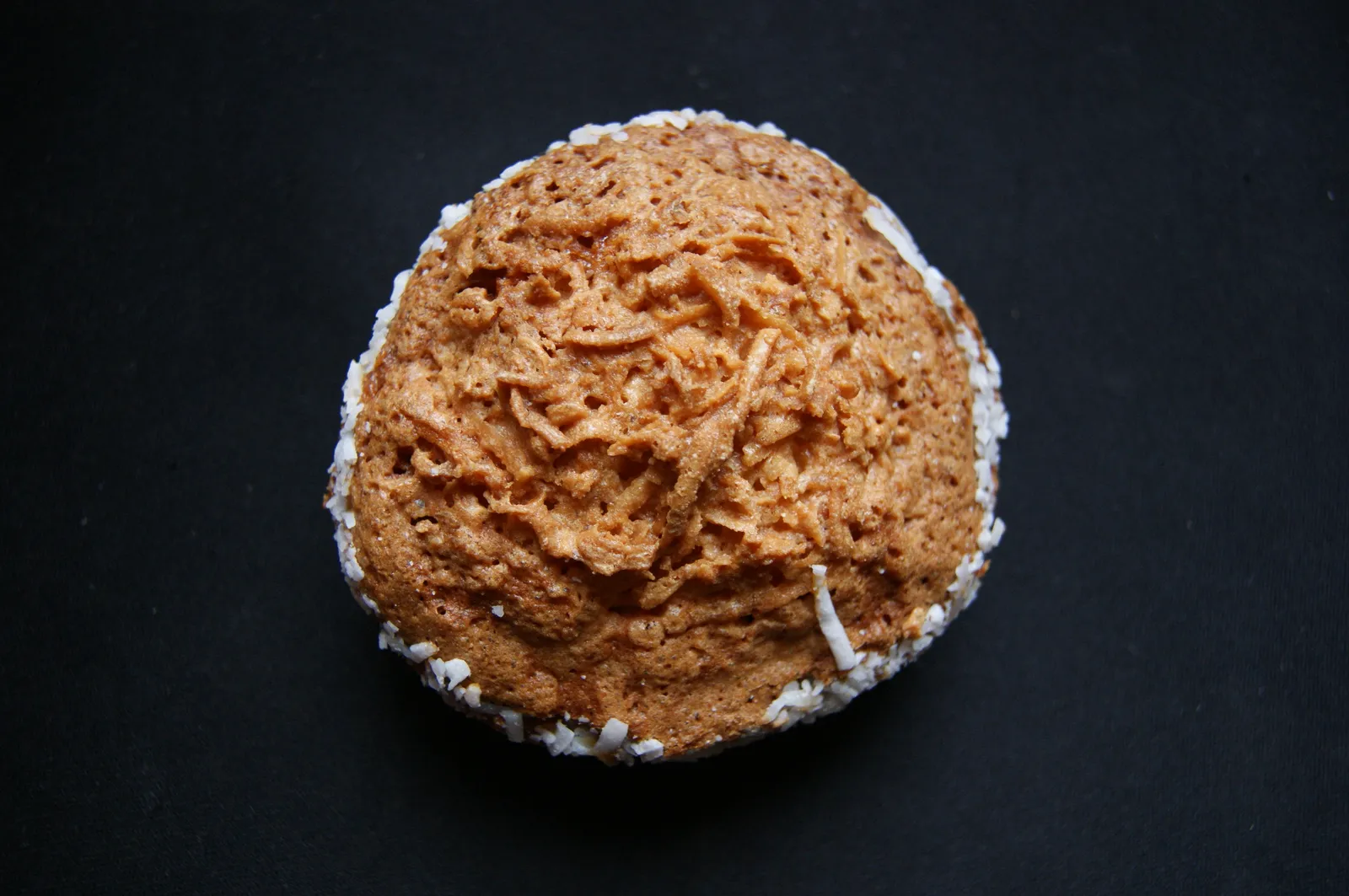
A golden-brown coconut-sugar mound on a black background Saint Kitts and Nevis flag Saint Kitts and Nevis 45m
Snack & Tea •Kittitian Heritage

St Kitts Sugar Cake

St kitts sugar cake recipe: fresh grated coconut boiled in a bay-leaf sugar syrup, then spooned into pink-and-white mounds that set firm as they cool. It is the sweet snack sold in little bags all over Basseterre, chewy, coconutty and very sweet. One serving is about 63 g.

Sweet Treat & Sharing

Grated coconut cooked in sugar syrup with bay leaves, spooned into mounds to share.

Pairs Well With
Strong black tea or coffee, and a glass of cold water
Quick Prep (<30m)

A bowl of Vietnamese phở bò with rare beef, rice noodles and fresh herbs Vietnam flag Vietnam 3h 30m
Breakfast •Hanoi Heritage

Phở Bò Tái Nạm

Slow-simmered star anise and cinnamon bone broth with hand-cut rice noodles, supplying clean restorative warmth and collagen. One serving is about 775 g.

Immunity & Warming

Slow-simmered bone broth with rice noodles, rare beef and fresh herbs.

Pairs Well With
Crispy quẩy, fresh lime & sawtooth coriander
Soups & Broths • High Protein
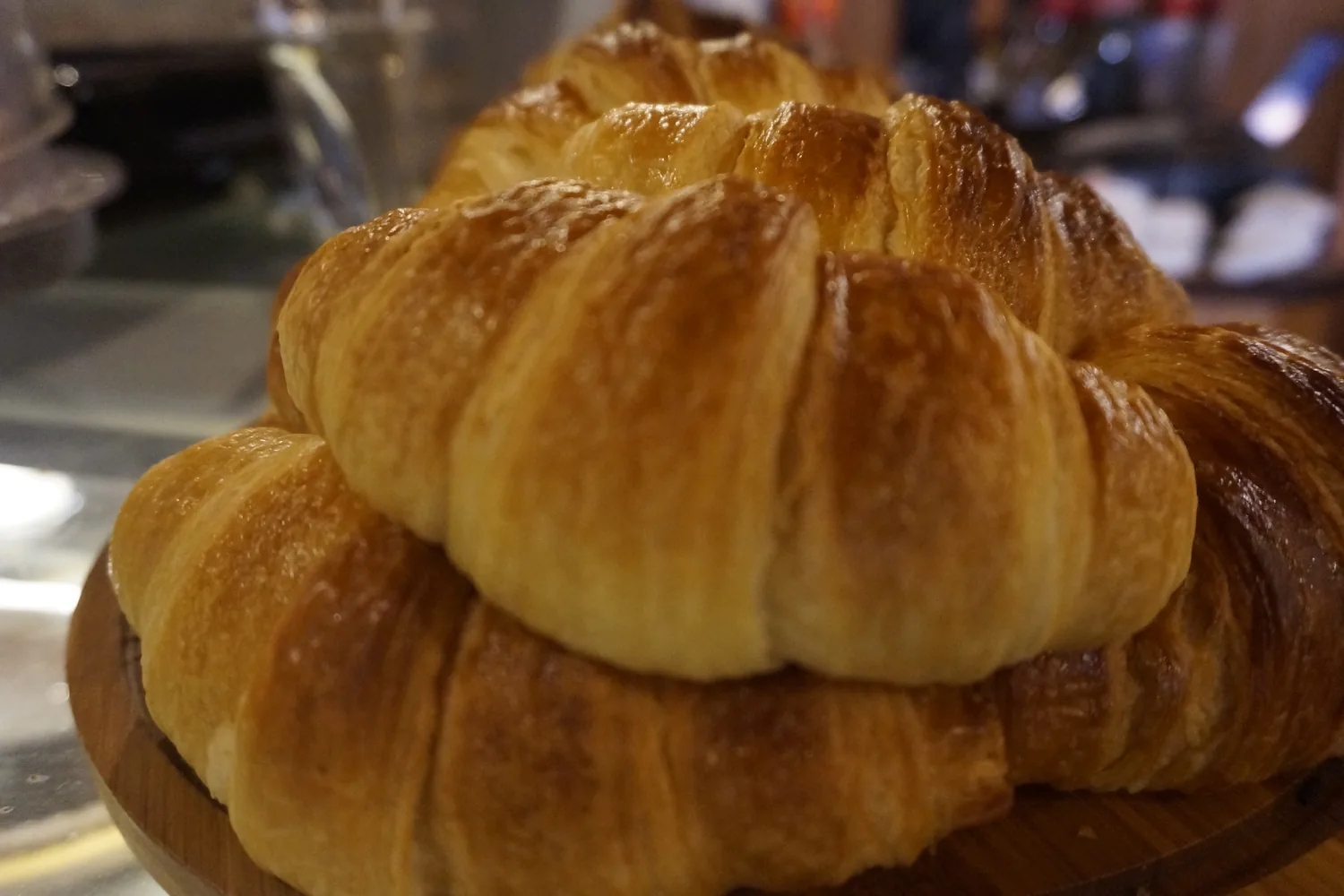
Golden butter croissants on a wooden board France flag France 20m
Breakfast •Parisian Boulangerie

Croissant au Beurre & Café

Laminated cultured butter pastry paired with washed Arabica, for a slow, pleasurable Parisian morning — best with a little protein alongside. One serving is about 390 g.

Sustained Focus

Flaky all-butter croissant with café au lait, Comté and green apple.

Pairs Well With
Comté cheese wedge & Green apple slices
Quick Prep (<30m)
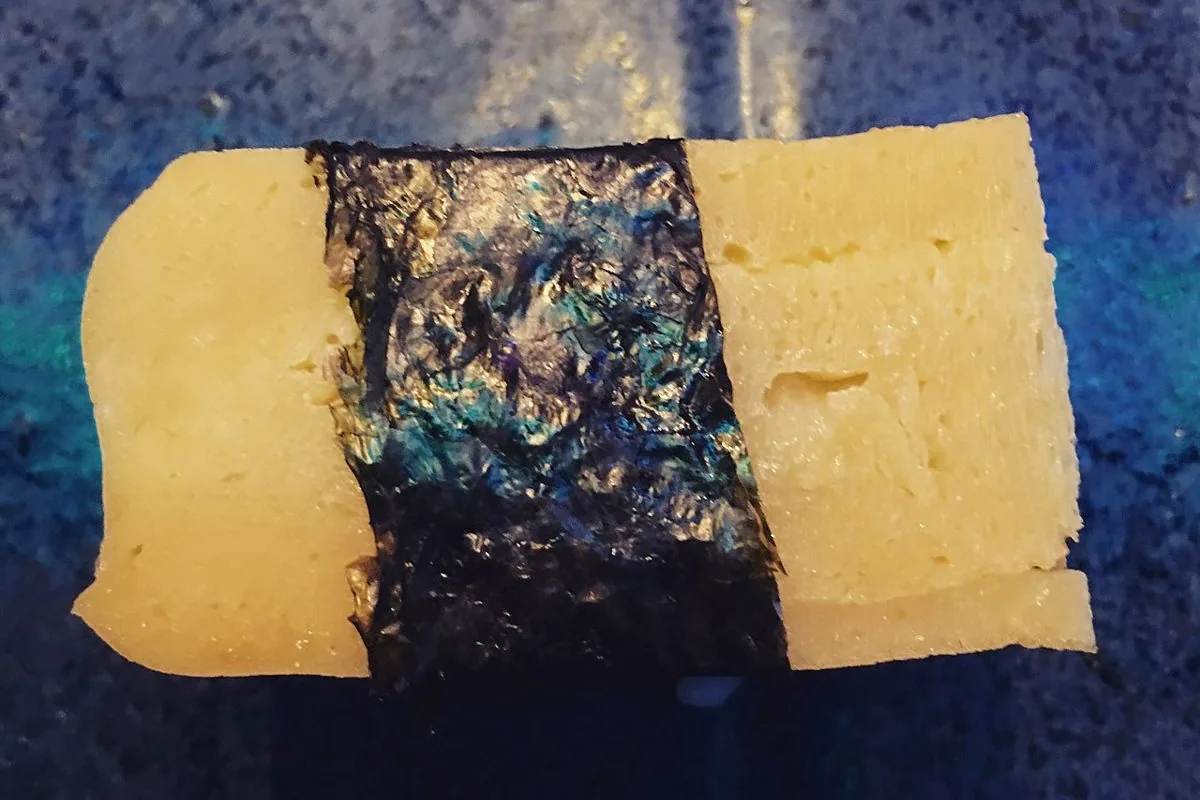
Sliced tamagoyaki rolled omelette wrapped in nori on a blue plate Japan flag Japan 25m
Breakfast •Edo Traditional

Tamagoyaki, Miso & Gohan

Dashi-infused rolled omelet served with live cultured miso broth and sea kelp for foundational gastrointestinal conditioning. One serving is about 580 g.

Digestive Gut Health

Silky rolled omelette with miso soup and steamed rice.

Pairs Well With
Fermented Natto & Sencha Green Tea
High Protein • Fermented / Gut Health • Quick Prep (<30m)

The Dinner Gazette

Never wonder what’s for dinner again

One email a week with easy dinner ideas from around the world — ingredients, steps and nutrition, tested in our kitchen first.

Delivered every Thursday morning. Unsubscribe anytime.