

Curated recipes from 193 countries  •  New seasonal Mediterranean issue out now

Overview

St Vincent Tamarind Balls

Tambran Balls; Tamarind Candy

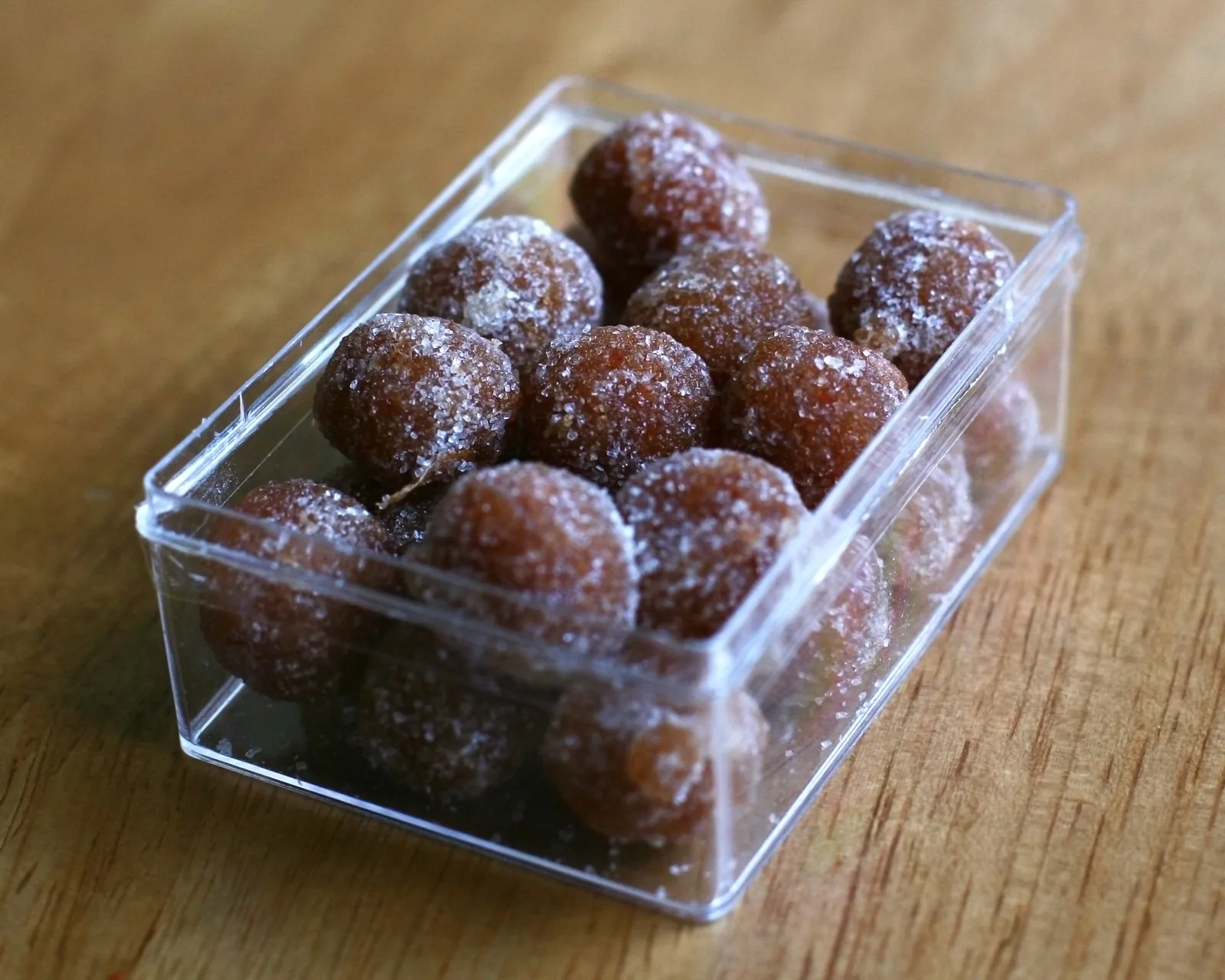
This St Vincent tamarind balls recipe is the Grenadines street sweet: tangy tamarind pulp kneaded with sugar, rolled into bite-sized balls and dusted with more sugar. The seeds are traditionally left in — you suck the fruit off the seed and spit it out, the Caribbean way. One serving is one ball, about 30 g, and the batch makes 12.

Tamarind balls are one of the Caribbean's oldest street sweets: tamarind trees, brought to the islands centuries ago, now grow across the region, and the sour pulp has long been kneaded with sugar and rolled into balls sold in jars in roadside parlours, school canteens and market stalls. In Trinidad and Tobago they are called tambran balls and often carry Scotch bonnet pepper; in Jamaica and across the Grenadines the same sweet-sour balls turn up at markets and in lunchboxes. The Vincentian version follows the same hand-rolled, no-cook tradition — tamarind, sugar, and, if the family likes it, a little garlic or chilli.

Pairs well with: A cup of strong black tea

Provenance

Saint Vincent and the Grenadines flag Saint Vincent and the Grenadines

Vincentian Heritage

Latin America & Caribbean

Time Dedication

25m

25m prep • 0m cook

Batch Yield

12 Servings

89 kcal per serving

1 serving ≈ 30 g

Technical Skill

Easy

Easy (No-Cook)

Meal Timing & Digestive Fit

Breakfast

Not Advised

Lunch

Inappropriate

Dinner

Inappropriate

Snack & Tea

Ideal Light Bite

Quick Prep (<30m) Occasions: After-school snacks, market days, parties, lunchbox treats Cost: Low — about $0.30–0.50 per ball at home
Sugar-coated tamarind balls in a clear plastic box on a wooden table

Vincentian Heritage

Photo: Sanjay Acharya, CC BY-SA 3.0, via Wikimedia Commons

The Heritage Formulary

Measured Ingredients

Estimated cost: Low — about $0.30–0.50 per ball at home (USD)

A good tamarind ball is judged by balance: tart enough to make your mouth water, sweet enough to keep you reaching for another.

Execution Methodology & Culinary Technique

Step-by-Step Cooking Guide

Active 25m
P

Prep Stage: Shell the Tamarind and Set Out the Sugar

10 Mins • Hands-On

Break the 200 g of tamarind pulp apart with your hands and pull out any stalks and woody bits. Leave the seeds in, as is traditional — they come out as you eat. Measure the 120 g of mixing sugar into a bowl and spread the 30 g of rolling sugar on a plate. If you are using garlic or Scotch bonnet, grate and chop them now.

Maestro Tip: Wet hands are your best tool here — tamarind sticks to dry hands, so keep a small bowl of water nearby.

  1. 1

    Shell the Tamarind

    10 Mins Room temperature, about 20°C (68°F)

    If you are starting from pods, crack the brittle shells and pull the sticky pulp away from the pods, discarding the shells and stalks. If you bought a block of pulp, break it into pieces in a wide bowl. Pick out any woody fibres you find, but leave the seeds in — traditionally, you suck the fruit off the seed and spit the seed out when you eat the ball.

    Do not use tamarind paste for this recipe — it already has sugar in it and is far too thin to roll.

    Done when: A bowl of clean, sticky tamarind pulp, seeds still in, no shell or stalk left.

  2. 2

    Knead in the Sugar and Seasoning

    5 Mins Room temperature, about 20°C (68°F)

    Add the 120 g of mixing sugar, the 1 g pinch of salt and the 5 g of grated garlic and 2 g of chopped Scotch bonnet, if using, to the pulp. Press and knead with your hands or a fork until the sugar dissolves into the pulp and the mixture turns very sticky and holds together. Taste a little: if the tamarind is very sour, knead in another tablespoon of sugar at a time until the balance suits you.

    Let your taste be the guide — tamarind varies from sweet to mouth-puckeringly sour, so the sugar is adjusted, never fixed.

    Done when: A thick, sticky paste that holds together when squeezed, sweet-sour on the tongue.

  3. 3

    Roll the Balls

    5 Mins Room temperature, about 20°C (68°F)

    Wet your hands lightly with water. Pull off a piece of the mixture about the size of a walnut — roughly 30 g — and roll it between your palms until it forms a smooth ball. Repeat until all the mixture is used up; you should get 12 balls. They do not need to be perfectly uniform.

    Re-wet your hands every few balls — dry hands make the mixture stick to you instead of rolling.

    Done when: 12 smooth, walnut-sized balls, each about 30 g.

  4. 4

    Coat in Sugar and Set

    5 Mins Room temperature, about 20°C (68°F)

    Roll each ball in the 30 g of sugar on the plate until it is coated all over, then shake off the excess. Set the balls on a sheet of parchment paper. For a firmer outside, leave them uncovered for 30 minutes before packing — they are ready to eat straight away, but the coating sets better with a short rest.

    Roll each ball in the sugar a second time for the classic crunchy coating.

    Done when: Balls evenly dusted white with sugar, firm enough to pick up without sticking.

Finishing Touches & Plating

Pack the balls in a clean jar or airtight tin, with a sheet of parchment between layers so they do not stick together. Serve one or two at a time — they are small, sweet-sour and hard to stop at one.

Nutritional Physiology & Benefits

Nutrition

Energy

89

kcal / serving

Protein

1g

Complete AA

Carbs

23g

Complex

Fats

0g

Healthy

Per serving (12 servings · 1 serving ≈ 30 g)
Energy89 kcal
Protein1 g
Carbohydrates23 g
Fat0 g
Fibre0.9 g
Sugar19.0 g
Sodium37 mg
Per 100g
Energy297 kcal
Protein1.7 g
Carbohydrates76.7 g
Fat0.3 g
Fibre3 g
Sugar63.3 g
Sodium123 mg

Nutrition values are estimated — calculated from USDA FoodData Central values for the listed ingredients.

Vitamins & minerals: Vitamin C and B vitamins (tamarind), magnesium and potassium (tamarind pulp).

Quick Natural Energy

Each ball carries about 23 g of carbohydrate, mostly natural fruit sugars plus added sugar, for a fast little lift between meals.

Fibre from Tamarind

Tamarind pulp is naturally fibrous — about 0.9 g of fibre per ball — which slows the sweetness down a little.

No Cooking, No Added Fat

The balls are made by hand with no heat and no added fat, so there is nothing fried or baked about them.

Food Pairings

What to Eat With

To optimize nutrient absorption and elevate the sensory depth, pair with these authentic accompaniments:

Drinks

A Cup of Strong Black Tea

Bitter, tannic tea balances the balls' sharp sweetness and cleanses the palate between bites.

More Pairings

Fresh Mango and Pineapple

Fresh tropical fruit echoes the sweet-sour flavour of the tamarind and adds juice and freshness to a sticky snack.

Roasted Peanuts

Salty, crunchy peanuts contrast with the soft, chewy balls and turn a sweet into a proper snack.

Complete menu

Serve the tamarind balls after a light Caribbean lunch with a cup of strong black tea, fresh mango and pineapple, and a small bowl of roasted peanuts.

Digestive Guardrails

What NOT to Combine

To prevent digestive distress, sluggishness, or palate clash, avoid pairing the dish with these elements:

Brushing Teeth Right After

Tamarind is acidic, and acid temporarily softens tooth enamel — brushing straight away can wear it down. Wait about 30 minutes, and rinse with water first. This is general food information, not medical advice.

Large Quantities on an Empty Stomach

A handful of these balls is a lot of sugar and fruit acid at once, which can unsettle a sensitive stomach. Enjoy one or two at a time, ideally after food. This is general food information, not medical advice.

General information only, not medical advice — consult a doctor for personal dietary decisions.

Who Should Eat It

Who Should Eat

  • General adultsA cheerful little sweet — fine as an occasional snack, but sugary, so one or two balls at a time is enough.
  • ChildrenChildren love them, but watch the seeds — they are a choking hazard for small children, so pick the seeds out for under-5s and supervise older children.
  • ElderlySoft and easy to chew, but very sugary — a single ball with a cup of tea suits most older diners.
  • Pregnant womenTamarind is a fruit, but the added sugar is high — keep it to one ball and count the carbohydrate. Ask your clinician about your meal plan.
  • Breastfeeding womenGenerally suitable in small amounts; the sugar passes into breast milk only in tiny amounts, but keep portions modest.
  • AthletesA quick carbohydrate snack for energy, best eaten with the peanuts or fruit alongside rather than alone.
  • Weight gainA poor choice for gaining weight in a healthy way — the calories are almost all sugar, with very little protein.
  • Weight lossEnjoy a single ball as a treat and stop there; the sugar adds up fast at 89 kcal a ball.

Health Conditions — Adjust or Avoid

Conditions

  • DiabetesOne ball carries about 23.0 g of carbohydrate, almost all of it sugar — count it in your meal plan and keep it to one ball. Ask your clinician about your meal plan.
  • High blood pressureSodium is low (about 37 mg per ball), so blood pressure is not the main concern here — the sugar is. Ask your clinician about your sugar intake.
  • Kidney diseaseLow in protein and sodium, so a single ball is usually manageable, but the sugar load matters — ask your clinician whether it fits your diet.
  • GoutTamarind is not a purine-rich food, but the sugar is the issue — enjoy rarely and in a small portion. Ask your clinician for guidance.
  • Stomach issuesThe fruit acid can irritate a sensitive stomach, especially on an empty stomach — eat one ball after food and skip the Scotch bonnet. Ask your clinician if unsure.
  • Cardiovascular diseaseAlmost fat-free, but very high in sugar — an occasional single ball only. Ask your clinician about your sugar intake.
  • Fatty liverHigh in sugar, so this is a rare treat rather than a regular snack. Ask your clinician for guidance.
  • Food allergiesContains no common allergens; the optional Scotch bonnet is a chilli, not an allergen. If you are allergic to tamarind, do not eat this dish.
  • Special therapeutic dietsIf you follow a prescribed low-sugar diet, this sweet does not fit — check with your clinician first.

If you have a medical condition, consult your doctor before changing your diet.

Storage & Use

Storage & Use

How to store
Store in an airtight jar or tin at room temperature, with parchment between layers so the balls do not stick together.
In the fridge
Up to 1 month in an airtight container; bring to room temperature before eating so they soften.
In the freezer
Up to 3 months in a sealed bag; thaw at room temperature for 30 minutes.
How to reheat
No reheating — this is a no-cook sweet, served at room temperature.
Freezing recommended
Yes — they freeze well, though the sugar coating may soften on thawing.
Signs it has spoiled
White or green mould, a fermented or alcoholic smell, or balls that have gone slimy or very hard.

More recipes to explore

Brown stew chicken pieces in a dark glossy gravy with rice and cabbage slaw in a foil tray, with ginger beer and hot pepper sauce on the table Saint Vincent and the Grenadines flag Saint Vincent and the Grenadines 1h 20m
Dinner •Vincentian Heritage

St Vincent Stewed Chicken

This st vincent stewed chicken recipe is the brown stew chicken of Vincentian home kitchens: bone-in chicken marinated in green seasoning, seared in a dark caramel, then braised slowly with onion, sweet pepper, tomato and carrot until the gravy turns thick and glossy. One serving is about 425 g of stew.

Everyday Island Main

Bone-in chicken marinated in green seasoning, browned in caramelised sugar and braised in a dark, peppery gravy — the Vincentian everyday main.

Pairs Well With
Steamed rice, fried plantain & cucumber salad
High Protein
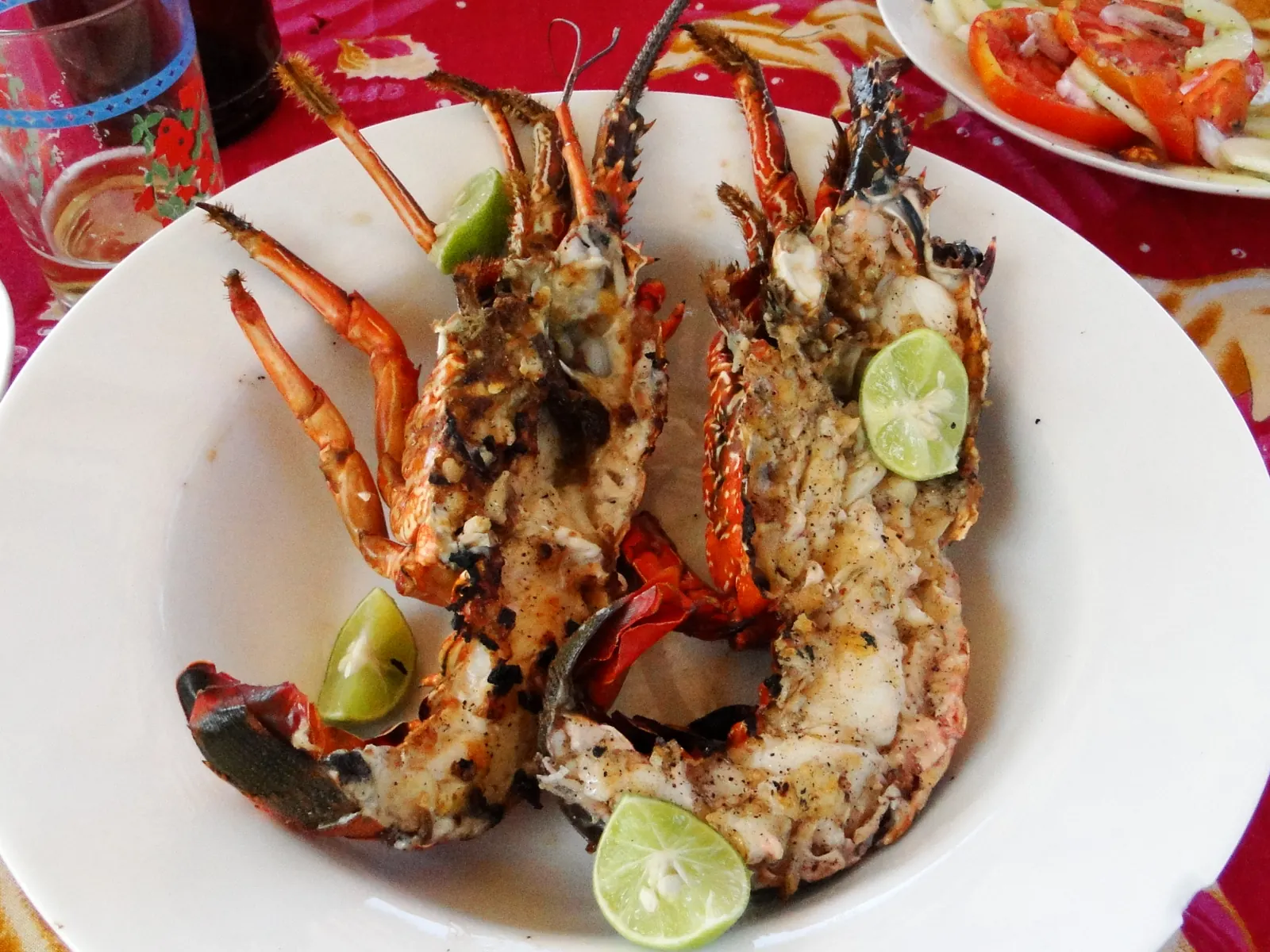
Two grilled spiny lobster halves on a white plate with lime wedges, served in Ramena, Madagascar Saint Vincent and the Grenadines flag Saint Vincent and the Grenadines 40m
Dinner •Vincentian Heritage

St Vincent Grilled Lobster

This St Vincent grilled lobster recipe brings the Grenadines beach barbecue home: a split spiny lobster grilled over high heat, basted with garlic-herb butter, and finished with fresh lemon. There is no heavy sauce here — the butter melts into the charred meat and the lemon keeps every bite bright. One serving is about 220 g.

Beach Barbecue & Celebration

Grilled spiny lobster brushed with garlic-herb butter and finished with lemon.

Pairs Well With
Grilled ripe plantain and a cold lager
High Protein
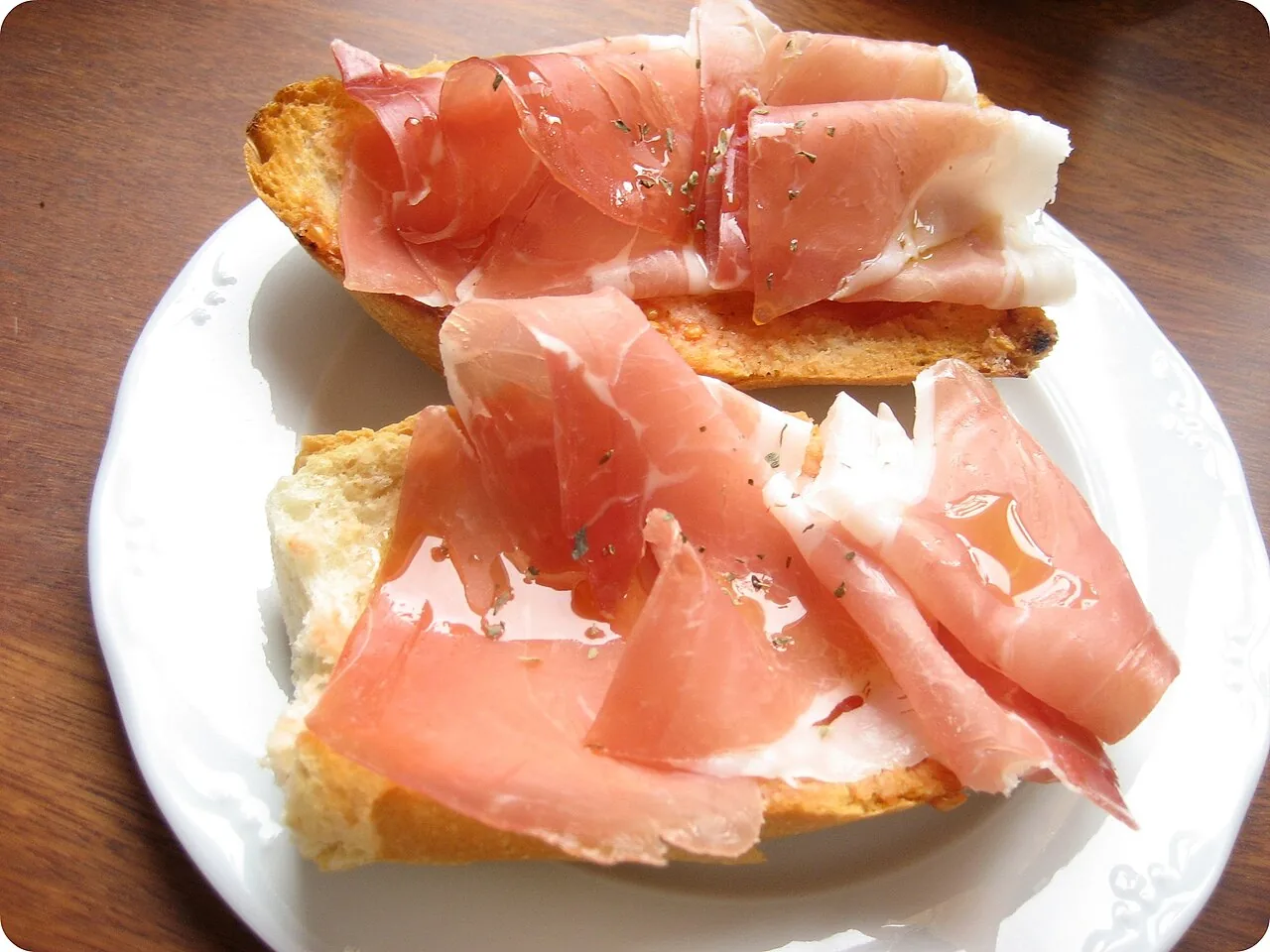
Pan con tomate with jamón ibérico on toasted bread Spain flag Spain 15m
Snack & Tea •Catalan Aperitivo

Pan con Tomate & Jamón Ibérico

Country bread rubbed with ripe Ramallet tomato, drizzled with cold-pressed Arbequina olive oil and topped with jamón ibérico.

Vascular Health

Toasted tomato bread with jamón ibérico, olive oil and olives.

Pairs Well With
Castelvetrano Olives & Sparkling Mineral Water
Quick Prep (<30m)
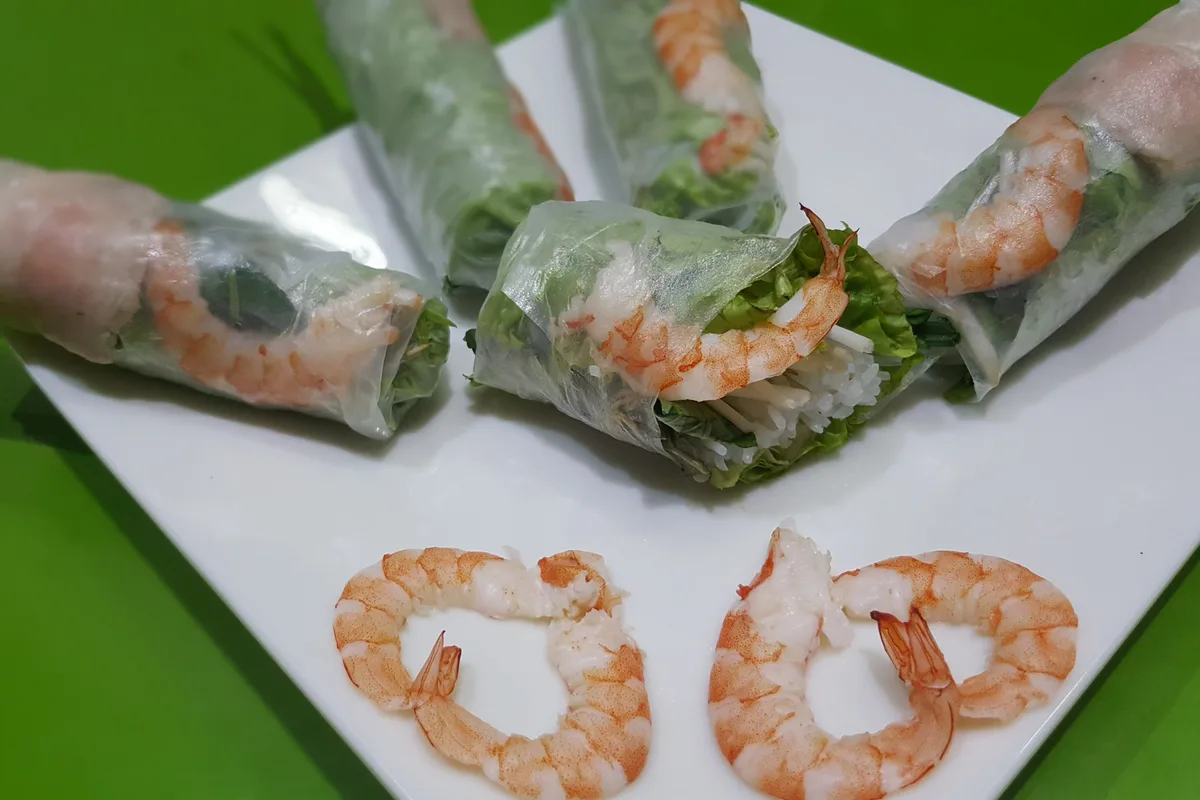
Gỏi cuốn — Vietnamese fresh spring rolls with prawn and pork Vietnam flag Vietnam 1h 5m
Snack & Tea •Saigon Refresh

Gỏi Cuốn Tôm Thịt

Fresh rice paper rolls filled with poached prawns, tender pork, rice vermicelli, lettuce, herbs and carrot, served with a peanut dipping sauce.

Light Digestion

Nothing is fried, so the rolls stay light and fresh — a cool, herb-filled snack for hot days.

Pairs Well With
Artisanal Peanut Dip & Fresh Lotus Root Water
High Protein

The Dinner Gazette

Never wonder what’s for dinner again

One email a week with easy dinner ideas from around the world — ingredients, steps and nutrition, tested in our kitchen first.

Delivered every Thursday morning. Unsubscribe anytime.