

Curated recipes from 193 countries  •  New seasonal Mediterranean issue out now

Overview

Steak Frites

Steak frites

This steak frites recipe pan-sears ribeye steaks in butter, fries the potatoes twice until shatteringly crisp, and finishes everything with garlic, shallot and parsley butter. One serving is about 400 g — a 200 g steak with a generous pile of frites. It is the dish every Paris bistro is judged by: simple, fast and unforgiving of shortcuts.

Steak frites is the dish the Paris bistro was built around: a pan-fried steak, usually entrecôte, served with a pile of thin, crisp frites and nothing to hide behind. The frites are cooked the Belgian way, fried twice — once gently to cook them through, once hot to crisp them — a technique that crossed into France with the brasseries of the 19th century and never left. In Paris the plate is a test of a kitchen: the steak must be browned outside and rosy inside, the frites must be crisp enough to hear, and the butter must be garlic-sharp.

Pairs well with: A glass of red Bordeaux, Dijon mustard and a green salad

Provenance

France flag France

Paris Bistro Classic

Nordic & European

Time Dedication

55m

20m prep • 35m cook

Batch Yield

4 Servings

791 kcal per serving

1 serving ≈ 400 g

Technical Skill

Intermediate

Intermediate (Two-Stage Frying)

Meal Timing & Digestive Fit

Breakfast

Not Advised

Lunch

Hearty Midday Main

Dinner

Ideal Hearty Main

Snack & Tea

Inappropriate

High Protein Occasions: Bistro night, date night, weekend dinner, dinner with friends Cost: Medium — about $8–10 per serving at home
Tags: Beef Savory Fried
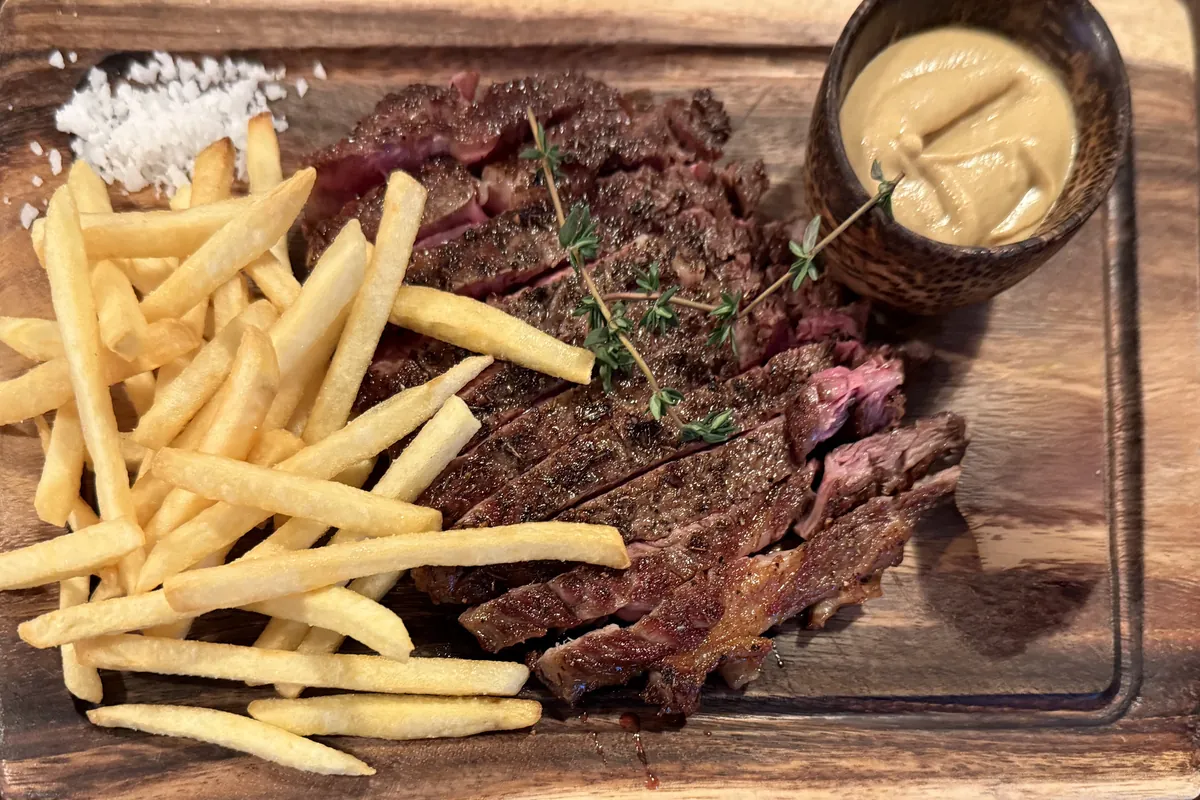
Sliced medium-rare steak with golden French fries and a small bowl of sauce on a wooden board

Paris Bistro Classic

Photo: LuvsMG481, CC BY-SA 4.0, via Wikimedia Commons

The Heritage Formulary

Measured Ingredients

Estimated cost: Medium — about $8–10 per serving at home (USD)

Real steak frites means a ripping-hot pan, a rested steak sliced against the grain, and frites fried twice — never once. Nutrition is estimated from USDA values.

Execution Methodology & Culinary Technique

Step-by-Step Cooking Guide

Active 55m
P

Prep Stage: Cut the Potatoes and Make the Butter

20 Mins • Cutting & Mixing

Peel the potatoes, cut them into even 1 cm batons and soak them in cold water for 20 minutes, then dry them thoroughly in a clean cloth. Mash half the soft butter with the garlic, shallot, parsley and lemon juice into a herb butter and set aside. Take the steaks out of the fridge so they lose their chill.

Maestro Tip: Soaking washes the surface starch off the potatoes — that is what stops the frites sticking together and lets them fry crisp.

  1. 1

    First fry the potatoes

    10 Mins Medium heat, about 160°C (320°F)

    Heat the oil to 160°C (320°F) and fry the dried potato batons in batches for 5–6 minutes until pale, soft and bendable but not coloured. Lift out and drain on a rack.

    The first fry cooks them through; colour comes later, in the second fry.

    Done when: Pale, limp and cooked through — they bend without breaking.

  2. 2

    Sear the steak

    8 Mins High heat, about 200°C (400°F)

    Season the steaks generously with salt and pepper. Melt half the butter in a heavy pan until it foams, lay the steaks in away from you, and sear 3–4 minutes a side for medium. Baste with the foaming butter in the last minute. Cook to 63°C (145°F) at the centre for medium, then rest for 5 minutes.

    Do not move the steak once it is down — leaving it alone is what builds the brown crust.

    Done when: Deep brown crust outside; 63°C (145°F) at the centre for medium.

  3. 3

    Second fry the frites

    5 Mins High heat, about 190°C (375°F)

    While the steak rests, raise the oil to 190°C (375°F) and fry the potatoes again in batches for 2–3 minutes until deep golden and crisp. Drain on the rack and salt at once while they are hot.

    Salt frites the second they leave the oil — salt will not stick to cold frites.

    Done when: Deep golden, crisp enough to hear, fluffy inside.

  4. 4

    Rest, slice and serve

    5 Mins No heat — resting

    Slice the rested steak against the grain into thick strips. Pile the hot frites beside the steak, spoon the garlic-herb butter over the steak so it melts into every cut, and serve at once with Dijon on the side.

    Resting lets the juices settle; cutting a steak straight from the pan floods the board.

    Done when: Rosy slices, glistening butter, and frites still crackling.

Finishing Touches & Plating

Slice the rested steak against the grain, fan it beside a tall pile of hot frites, and spoon the garlic-herb butter over the top so it melts into every cut. Serve at once with Dijon on the side.

Nutritional Physiology & Benefits

Nutrition

Energy

791

kcal / serving

Protein

46g

Complete AA

Carbs

43g

Complex

Fats

48g

Healthy

Per serving (4 servings · 1 serving ≈ 400 g)
Energy791 kcal
Protein46 g
Carbohydrates43 g
Fat48 g
Fibre5.6 g
Sugar2.9 g
Sodium610 mg
Per 100g
Energy198 kcal
Protein11.6 g
Carbohydrates10.8 g
Fat12 g
Fibre1.4 g
Sugar0.7 g
Sodium153 mg

Nutrition values are estimated — calculated from USDA FoodData Central values for the listed ingredients.

Vitamins & minerals: Vitamin B12, niacin and zinc (beef), vitamin C and potassium (potatoes), vitamin K (parsley), iron (beef). Nutrition is estimated.

Serious Protein

About 46.3 g of protein per serving — roughly 23% of the plate's energy — from the ribeye, which also brings iron, zinc and vitamin B12.

Real Potatoes, Real Potassium

The frites are just potatoes, oil and salt — no coating, no additives — and potatoes bring potassium and vitamin C to the plate.

No Sauce from a Jar

The garlic-herb butter is made in a minute from butter, garlic, shallot and parsley — flavour from real ingredients, not a packet.

Food Pairings

What to Eat With

To optimize nutrient absorption and elevate the sensory depth, pair with these authentic accompaniments:

Drinks

Red Bordeaux

A medium-bodied red wine stands up to the ribeye's fat and the garlic butter without overpowering the frites.

Vegetables

Green Salad with Mustard Vinaigrette

A sharp, mustardy salad cuts the richness of the butter and the fried potatoes and keeps the plate balanced.

Sides

Dijon Mustard

A dab of Dijon on the side is the bistro way — its sharpness lifts every bite of steak and every frite.

Full Menus

Roasted Tomatoes

Slow-roasted tomatoes add sweetness and acidity that the rich, salty plate needs.

Complete menu

Serve the steak frites with a green salad and roasted tomatoes, and finish with a simple fruit dessert and coffee.

Digestive Guardrails

What NOT to Combine

To prevent digestive distress, sluggishness, or palate clash, avoid pairing the dish with these elements:

Go Easy on a Second Helping of Frites

The frites carry most of the plate's fat and salt, so a second pile quickly doubles both. One generous pile is the dish. This is general food information, not medical advice.

Do Not Pair with a Creamy Starter

A cream soup or cheesy starter on top of steak, butter and fried potatoes makes the meal very heavy; start with a light salad instead. This is general food information, not medical advice.

General information only, not medical advice — consult a doctor for personal dietary decisions.

Who Should Eat It

Who Should Eat

  • General adultsA full, satisfying bistro dinner — one steak with frites and a salad is a complete plate for most adults.
  • ChildrenChildren usually love the frites; serve the steak sliced thin and let them choose their own mustard.
  • ElderlyThe steak is easy to chew when sliced thin, but the salt and fat mean a smaller portion with extra salad suits older eaters.
  • Pregnant womenBeef cooked to 63°C (145°F) is the safe temperature; keep portions moderate and choose a smaller steak if appetite is low. Ask your clinician about red meat in pregnancy.
  • Breastfeeding womenBreastfeeding mothers can enjoy the protein and iron; keep portions moderate and stay hydrated. Ask your clinician if you have concerns.
  • AthletesAbout 46.3 g of protein per serving makes this a strong post-training dinner; the potatoes give the energy to go with it.
  • Weight gainThe steak, butter and frites give plenty of energy; add bread or a dessert to raise the calories further.
  • Weight lossAbout 791 kcal a serving is a full dinner; a smaller steak with extra salad and fewer frites keeps it lighter. Ask your clinician about a plan that fits you.

Health Conditions — Adjust or Avoid

Conditions

  • DiabetesAbout 43.2 g of carbs per serving, mostly from the frites. Keep the frites modest and add extra salad. Ask your clinician about portion size.
  • High blood pressureAbout 610 mg of sodium per serving, mostly from the salt and mustard. Go light on the salt and the Dijon. Ask your clinician about sodium limits.
  • Kidney diseaseThe steak and butter are rich; a smaller portion with extra salad is kinder. Ask your clinician about your diet.
  • GoutRed meat and butter are rich in saturated fat; a small portion with plenty of salad is the safer way to enjoy it. Ask your clinician about fats in your diet.
  • Stomach issuesFried food and rich butter can irritate a sensitive stomach; keep the portion small and skip the mustard. Ask your clinician if symptoms flare.
  • Cardiovascular diseaseThe ribeye and butter add saturated fat, so eat in moderation with a big salad. Ask your clinician about your diet.
  • Fatty liverThe butter and fried potatoes add fat without much fibre; a leaner steak and fewer frites is gentler. Ask your clinician about your diet.
  • Food allergiesContains milk (butter) and mustard. The dish is naturally gluten-free if no flour is used. Check every label and ask your clinician about your allergies.
  • Special therapeutic dietsThis dish is rich in saturated fat and contains dairy and mustard. A leaner cut and less butter are possible, but check the swaps with your clinician or dietitian first.

If you have a medical condition, consult your doctor before changing your diet.

Storage & Use

Storage & Use

How to store
Keep the steak and frites separate; the frites go soft if stored with the steak.
In the fridge
2 days for the cooked steak, covered; eat the frites the same day.
In the freezer
The steak freezes well for 2 months; the frites do not.
How to reheat
Reheat the steak gently in a low oven at 150°C (300°F) until 74°C (165°F) through; re-crisp frites in a hot oven at 220°C (425°F) for 4–5 minutes.
Freezing recommended
Steak only — frites turn limp on thawing.
Signs it has spoiled
Sour or off smell from the meat, slimy surface, or grey, limp frites.

More recipes to explore

Golden butter croissants on a wooden board France flag France 20m
Breakfast •Parisian Boulangerie

Croissant au Beurre & Café

Laminated cultured butter pastry paired with washed Arabica, for a slow, pleasurable Parisian morning — best with a little protein alongside. One serving is about 390 g.

Sustained Focus

Flaky all-butter croissant with café au lait, Comté and green apple.

Pairs Well With
Comté cheese wedge & Green apple slices
Quick Prep (<30m)

Bœuf bourguignon — French beef braised in red wine France flag France 4h
Dinner •Burgundy Terroir

Bœuf Bourguignon

Beef braised gently in red wine until the connective tissue melts into a velvet, gelatin-rich sauce — the classic Burgundy Sunday dinner.

Cellular Repair

Beef braised in red wine until spoon-tender, with mushrooms and pearl onions.

Pairs Well With
Parsnip Purée & Steamed French Haricots Verts
High Protein
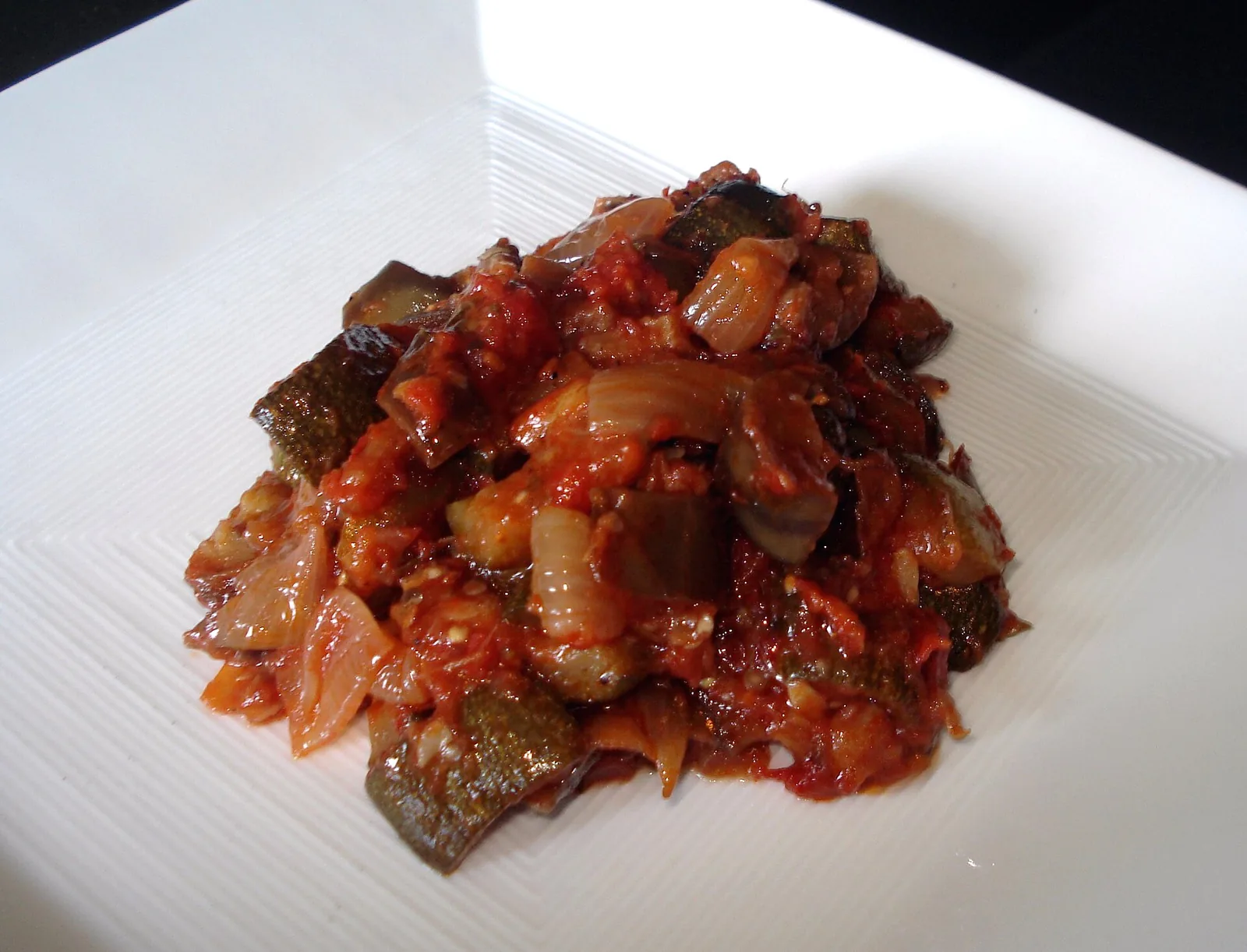
A mound of classic ratatouille with eggplant, zucchini, tomato and onion on a white plate France flag France 1h 15m
Dinner •Nice Provençal

Ratatouille

This ratatouille recipe cooks eggplant, zucchini, peppers and tomatoes separately first, so each vegetable keeps its own texture, then brings them together for a slow, fragrant simmer. One serving is about 400 g.

Light & Vegetable-Rich

Slow-simmered summer vegetables in olive oil — light, fragrant and full of fibre.

Pairs Well With
Crusty sourdough bread, grilled fish or a fried egg
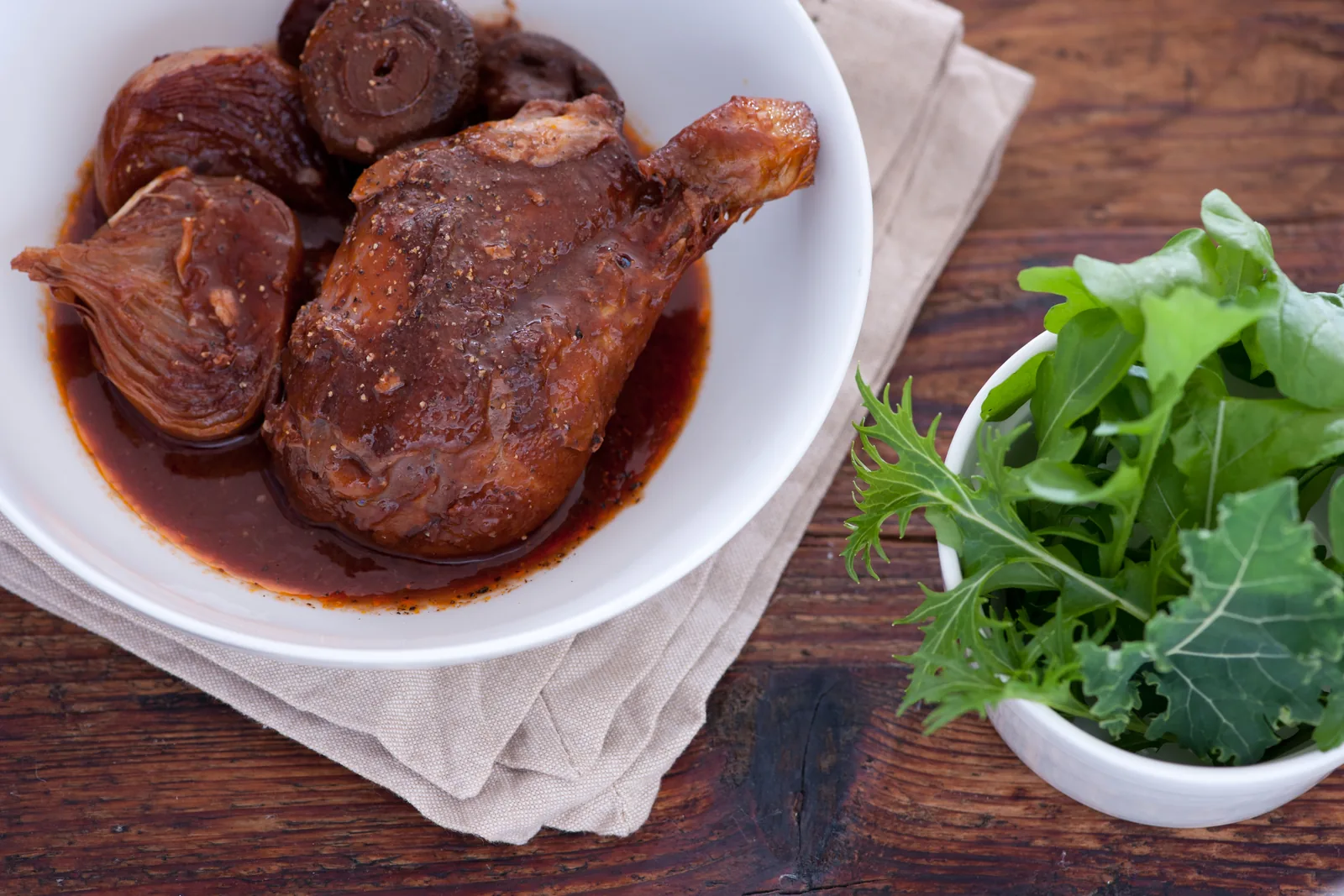
A bowl of coq au vin with a braised chicken leg in dark red wine sauce with mushrooms and onions, greens on the side France flag France 1h 40m
Dinner •Burgundy Classic

Coq au Vin

This coq au vin recipe is the Burgundy classic: chicken thighs browned with bacon, then braised in red wine with mushrooms, pearl onions and carrots until the meat is tender and the sauce is dark and glossy. One serving is about 375 g. It takes 1 hour 40 minutes, most of it hands-off while the pot simmers.

Comfort & Warmth

Chicken braised slowly in red wine with mushrooms, pearl onions and bacon until it falls off the bone.

Pairs Well With
Mashed potatoes, crusty bread & Burgundy wine

The Dinner Gazette

Never wonder what’s for dinner again

One email a week with easy dinner ideas from around the world — ingredients, steps and nutrition, tested in our kitchen first.

Delivered every Thursday morning. Unsubscribe anytime.