Curated recipes from 193 countries  •  New seasonal Mediterranean issue out now

Overview

Surinamese Roti

Roti Kip Masala, Surinamese Chicken Roti, Roti with Masala Chicken

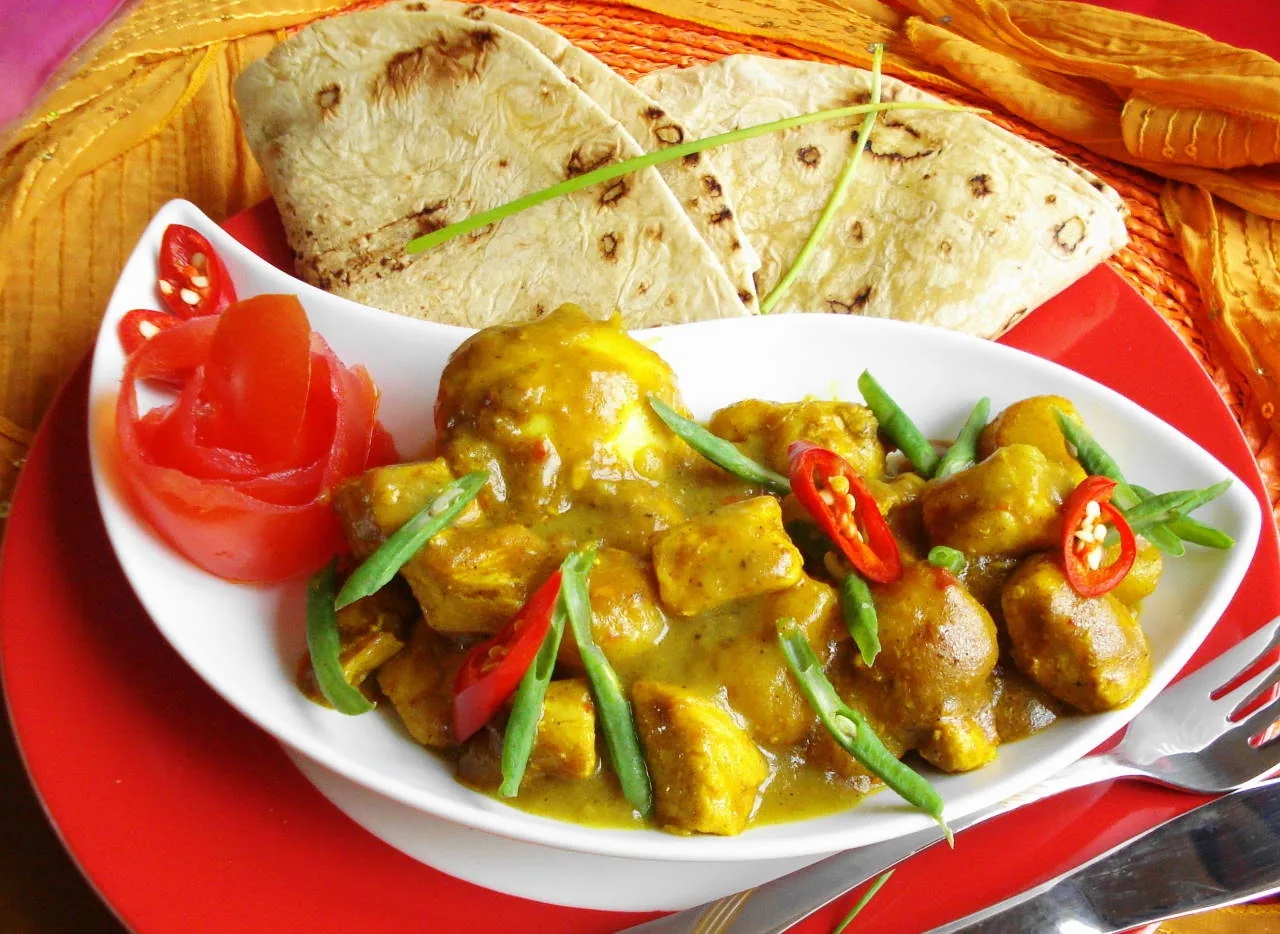
This surinamese roti recipe makes soft, puffy flatbreads to tear and scoop with a golden masala chicken curry, simmered with potatoes and long beans and served with a boiled egg. It is the Indo-Surinamese lunch that Surinamese families cook for weekends and gatherings, eaten with the hands and shared from the middle of the table. One serving is about 630 g.

Roti came to Suriname with Hindustani workers who arrived from India from 1873 to work the plantations, bringing their flatbreads and spice blends with them. In Suriname the bread became the soft, puffy roti served as a whole meal with masala chicken, potatoes, long beans and a boiled egg, a combination that is now one of the country's best-loved lunches and is cooked the same way in Surinamese kitchens in the Netherlands.

Pairs well with: Warm roti, masala chicken and potatoes, long beans, boiled egg and sambal

Provenance

Suriname flag Suriname

Surinamese Heritage

Latin America & Caribbean

Time Dedication

1h 30m

40m prep • 50m cook

Batch Yield

4 Servings

880 kcal per serving

1 serving ≈ 630 g

Technical Skill

Intermediate

Medium (Flatbread & Curry)

Meal Timing & Digestive Fit

Breakfast

Not Advised

Lunch

Prime Metabolic Fit

Dinner

Ideal Hearty Main

Snack & Tea

Inappropriate

Occasions: Family lunches, weekends, festive gatherings, comfort food days Cost: Moderate — about $4–5 per serving at home
A plate of Surinamese roti with yellow masala chicken, potatoes and long beans, folded roti flatbreads behind

Surinamese Heritage

Photo: Laig, CC BY-SA 3.0, via Wikimedia Commons

The Heritage Formulary

Measured Ingredients

Estimated cost: Moderate — about $4–5 per serving at home (USD)

A good Surinamese roti is soft and pliable enough to fold without cracking, and the curry is golden from turmeric, never grey or watery.

Execution Methodology & Culinary Technique

Step-by-Step Cooking Guide

Active 1h 30m
P

Prep Stage: Dough, Chicken & Vegetables

40 Mins • Kneading & Chopping

Mix the flour, baking powder and 5 g salt with 20 ml oil, then add the warm water a little at a time and knead for 5 minutes until the dough is smooth and soft. Cover and rest it for 30 minutes. While it rests, cut the chicken and potatoes into large chunks, chop the onion, garlic and tomato, cut the long beans, and boil the eggs for 9 minutes.

Maestro Tip: A rested dough rolls out without springing back. If it fights you, rest it 10 minutes longer.

  1. 1

    Mix and Rest the Roti Dough

    10 Mins + 30 Mins Rest Room temperature, about 22°C (72°F)

    Combine 400 g flour, 1 tsp baking powder and 5 g salt in a bowl. Rub in 20 ml oil, then add 240 ml warm water gradually, mixing until a soft dough forms. Knead on a clean surface for 5 minutes until smooth, cover with a damp cloth and rest for 30 minutes.

    The dough should feel soft like an earlobe, not stiff. Add water a spoonful at a time if it feels dry.

    Done when: Dough is smooth, soft and no longer sticky.

  2. 2

    Brown the Masala Chicken

    10 Mins Medium-high heat, about 190°C (375°F); chicken must reach 74°C (165°F) later in the simmer

    Heat 15 ml oil in a large heavy pot over medium-high heat. Add the onion and garlic and fry for 2 minutes, then add the chicken chunks and fry for 5 minutes until lightly browned on the outside. Stir in the masala powder, turmeric and cumin and fry for 1 minute more until fragrant.

    Frying the spices in the oil wakes them up; raw masala tastes flat and powdery.

    Done when: Chicken is browned at the edges and the spices smell warm and toasted.

  3. 3

    Simmer with Potatoes and Beans

    35 Mins Gentle simmer, about 95°C (203°F)

    Add the tomato, potatoes, 200 ml chicken stock, 3 g salt and the whole Madame Jeanette pepper. Bring to a gentle simmer, cover and cook for 25 minutes. Add the long beans and cook 10 minutes more until the potatoes are tender and the sauce has thickened. Check the chicken with a thermometer: it must reach 74°C (165°F) at the thickest part.

    Keep the pepper whole for gentle heat; pierce it once if you want the curry hotter.

    Done when: Potatoes break easily with a fork, chicken is tender, sauce coats a spoon.

  4. 4

    Roll and Cook the Roti

    15 Mins Hot dry pan, about 200°C (400°F)

    While the curry simmers, divide the dough into 4 balls. Roll each one on a floured surface into a round about 25 cm across. Cook one at a time in a hot dry frying pan for 1-2 minutes per side, pressing gently with a cloth, until golden spots appear and the roti puffs. Brush lightly with oil and stack under a cloth to stay soft.

    Do not oil the pan: a dry pan gives the golden spots and the puff. If a roti will not puff, the pan is not hot enough.

    Done when: Golden-brown spots on both sides, soft and pliable, not crisp.

  5. 5

    Serve the Roti Plate

    5 Mins Serve hot; curry above 60°C (140°F)

    Spoon the masala chicken, potatoes and long beans onto each plate with plenty of sauce. Lay a warm roti alongside, folded, and add half a boiled egg. Remove the Madame Jeanette pepper or leave it on the side for those who like heat.

    Tear the roti and use it to pick up the chicken and potatoes, the Surinamese way.

    Done when: Curry is steaming, roti is warm and soft, egg is set.

Finishing Touches & Plating

Serve at once while the roti is warm and soft, with sambal on the side for those who want extra heat. Any leftover curry tastes even better the next day, once the spices have settled.

Nutritional Physiology & Benefits

Nutrition

Energy

880

kcal / serving

Protein

56g

Complete AA

Carbs

118g

Complex

Fats

21g

Healthy

Per serving (4 servings · 1 serving ≈ 630 g)
Energy880 kcal
Protein56 g
Carbohydrates118 g
Fat21 g
Fibre10.3 g
Sugar4.3 g
Sodium1194 mg
Per 100g
Energy140 kcal
Protein8.8 g
Carbohydrates18.7 g
Fat3.3 g
Fibre1.6 g
Sugar0.7 g
Sodium190 mg

Nutrition values are estimated — calculated from USDA FoodData Central values for the listed ingredients.

Vitamins & minerals: B vitamins and iron (flour, chicken), vitamin C and potassium (potatoes, tomato), vitamin A and manganese (masala spices). Nutrition values are estimated.

Sustained Energy

Chicken, potatoes and roti together supply protein and slow-release carbohydrate, so this lunch keeps you full for hours.

Protein for Muscle

About 56 g of protein per serving, mostly from chicken and egg, supports muscle maintenance as part of a balanced diet.

Vegetables in Every Bite

Long beans, potato, tomato and onion add fibre, vitamin C and potassium alongside the curry.

Food Pairings

What to Eat With

To optimize nutrient absorption and elevate the sensory depth, pair with these authentic accompaniments:

Sides

Warm Roti

The soft flatbread is the cutlery here: torn pieces scoop up the curry and soak up the sauce, so nothing is wasted.

Vegetables

Cucumber and Tomato Salad

Cool, crisp cucumber and tomato cut through the rich masala and refresh the palate between bites.

Drinks

Iced Ginger Beer

A cold, lightly sweet ginger drink stands up to the masala heat and cleanses the palate.

Sauces

Sambal

A spoonful of hot sambal lets each person set their own heat level without changing the curry itself.

Complete menu

Start with the roti plate as the main dish, masala chicken and potatoes with long beans and half a boiled egg, add a cucumber and tomato salad, and finish with fresh tropical fruit and iced ginger beer.

Digestive Guardrails

What NOT to Combine

To prevent digestive distress, sluggishness, or palate clash, avoid pairing the dish with these elements:

Very Spicy Food on an Empty Stomach

A hot masala curry with chilli on an empty stomach can irritate a sensitive stomach. Eat a little roti first, and keep the pepper whole rather than chopped if you are sensitive. This is general food information, not medical advice.

Sugary Drinks with a Heavy Meal

Very sweet drinks add a lot of sugar to an already filling meal. Water or unsweetened iced tea is a lighter match. This is general food information, not medical advice.

General information only, not medical advice — consult a doctor for personal dietary decisions.

Who Should Eat It

Who Should Eat

  • General adultsA complete, filling lunch: protein, carbohydrate and vegetables in one plate.
  • ChildrenSuitable with the chilli left out and the pepper removed; tear the roti into small pieces and cut the chicken small.
  • ElderlyGood, soft and easy to eat; keep the spice mild and the potatoes well cooked.
  • Pregnant womenGenerally suitable; make sure the chicken is cooked through to 74°C (165°F) and go easy on the chilli.
  • Breastfeeding womenGenerally suitable; the protein and iron support recovery. Very hot chilli can upset some babies, so keep it mild.
  • AthletesA strong post-training lunch: about 56 g protein with plenty of carbohydrate for glycogen.
  • Weight gainA good choice: eat the full plate, add a second roti and an extra spoonful of potatoes.
  • Weight lossTake one roti instead of two, load up on long beans and salad, and keep the curry sauce modest.

Health Conditions — Adjust or Avoid

Conditions

  • DiabetesThe roti and potatoes are the main carbohydrate; take a smaller roti and more beans and chicken. Ask your clinician about portions.
  • High blood pressureThis plate is fairly salty (about 1,194 mg sodium per serving); use half the salt and low-salt stock, and ask your clinician about portions.
  • Kidney diseaseHigh in protein, potassium and sodium; keep the portion modest and ask your clinician about portion size.
  • GoutEat occasionally and in smaller portions; chicken and rich curry are moderately high in purines. Ask your clinician if unsure.
  • Stomach issuesSkip the Madame Jeanette pepper and go easy on the masala if your stomach is sensitive; the plain roti and potato are usually gentle.
  • Cardiovascular diseaseUse skinless chicken and measure the oil; the curry itself is not very fatty. Ask your clinician about portions.
  • Fatty liverKeep the portion modest, favour chicken and beans over extra roti, and skip sugary drinks. Ask your clinician about portions.
  • Food allergiesContains wheat (gluten) in the roti and egg. The masala blend may contain mustard or celery depending on the brand; check the label. Ask your clinician if you have a food allergy.
  • Special therapeutic dietsIf you follow a prescribed low-sodium or low-carbohydrate diet, use less salt and a smaller roti, and check with your clinician.

If you have a medical condition, consult your doctor before changing your diet.

Storage & Use

Storage & Use

How to store
Cool the curry quickly and store curry and roti separately in airtight containers.
In the fridge
Curry 3 days; roti 2 days, wrapped; boiled eggs 2 days, peeled, in a covered container.
In the freezer
Curry 2 months; roti 1 month, stacked with baking paper between them.
How to reheat
Reheat the curry on the hob until steaming hot, to 74°C (165°F). Warm roti in a dry pan for 30 seconds per side.
Freezing recommended
Yes — the curry freezes well; freeze roti separately.
Signs it has spoiled
Sour smell, slimy chicken or potatoes, or mould on the roti.

More recipes to explore

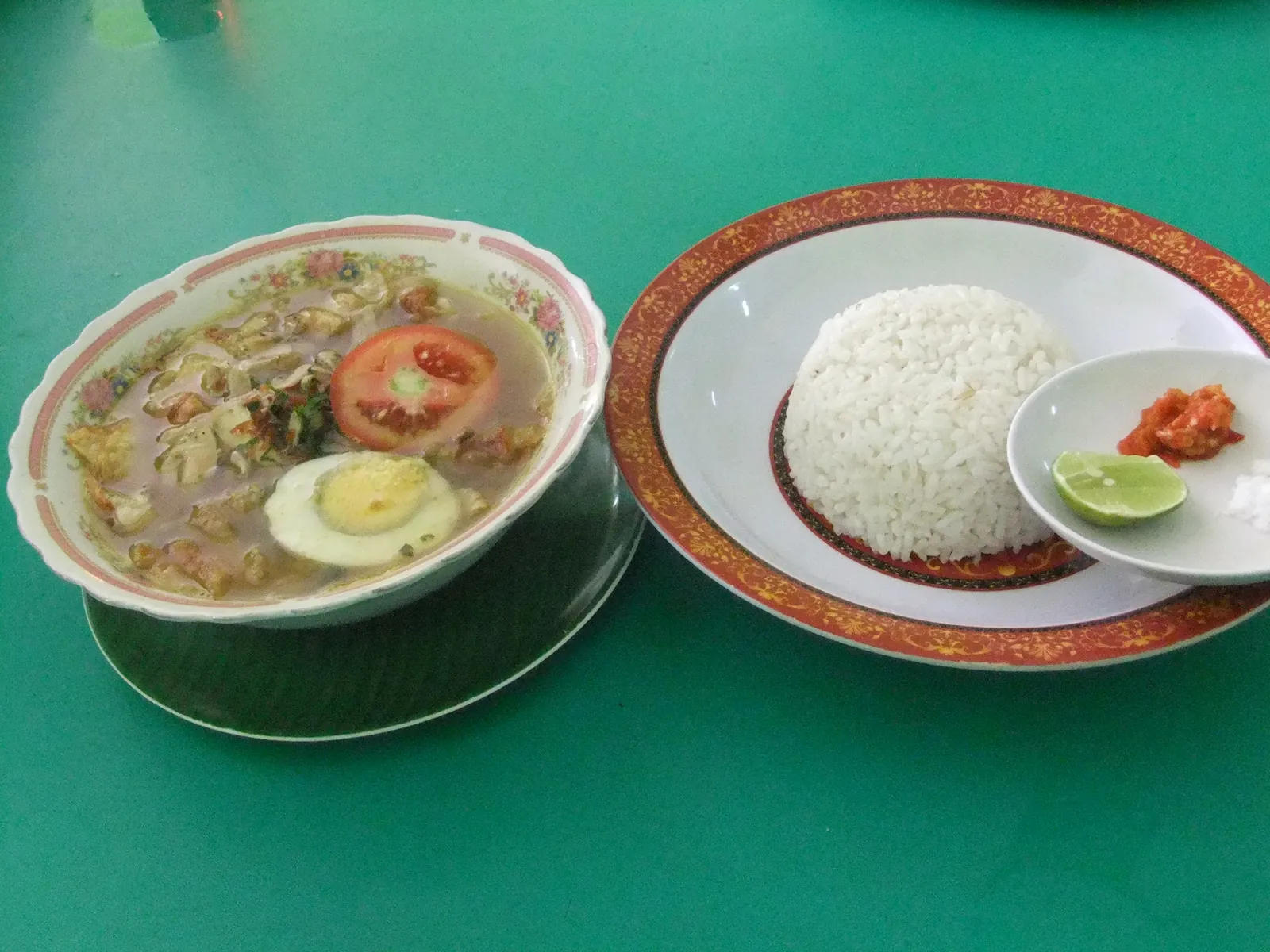
A bowl of saoto soup with shredded chicken, boiled egg and tomato, served with a dome of rice, lime and sambal Suriname flag Suriname 1h 20m
Lunch •Surinamese Heritage

Saoto Soup

This saoto soup recipe is the Surinamese-Javanese answer to chicken soup: a clear, golden turmeric broth simmered with ginger, galangal and lemongrass, ladled over shredded chicken, rice vermicelli, bean sprouts and a boiled egg, then finished with fried shallots, lime and sambal. A dome of rice comes on the side, and everyone seasons their own bowl. One serving is about 870 g, soup and rice together.

Comfort & Warmth

Clear turmeric chicken broth with shredded chicken, bean sprouts, egg and fried shallots, served with rice.

Pairs Well With
Steamed jasmine rice, lime wedges, sambal and kecap manis
Soups & Broths
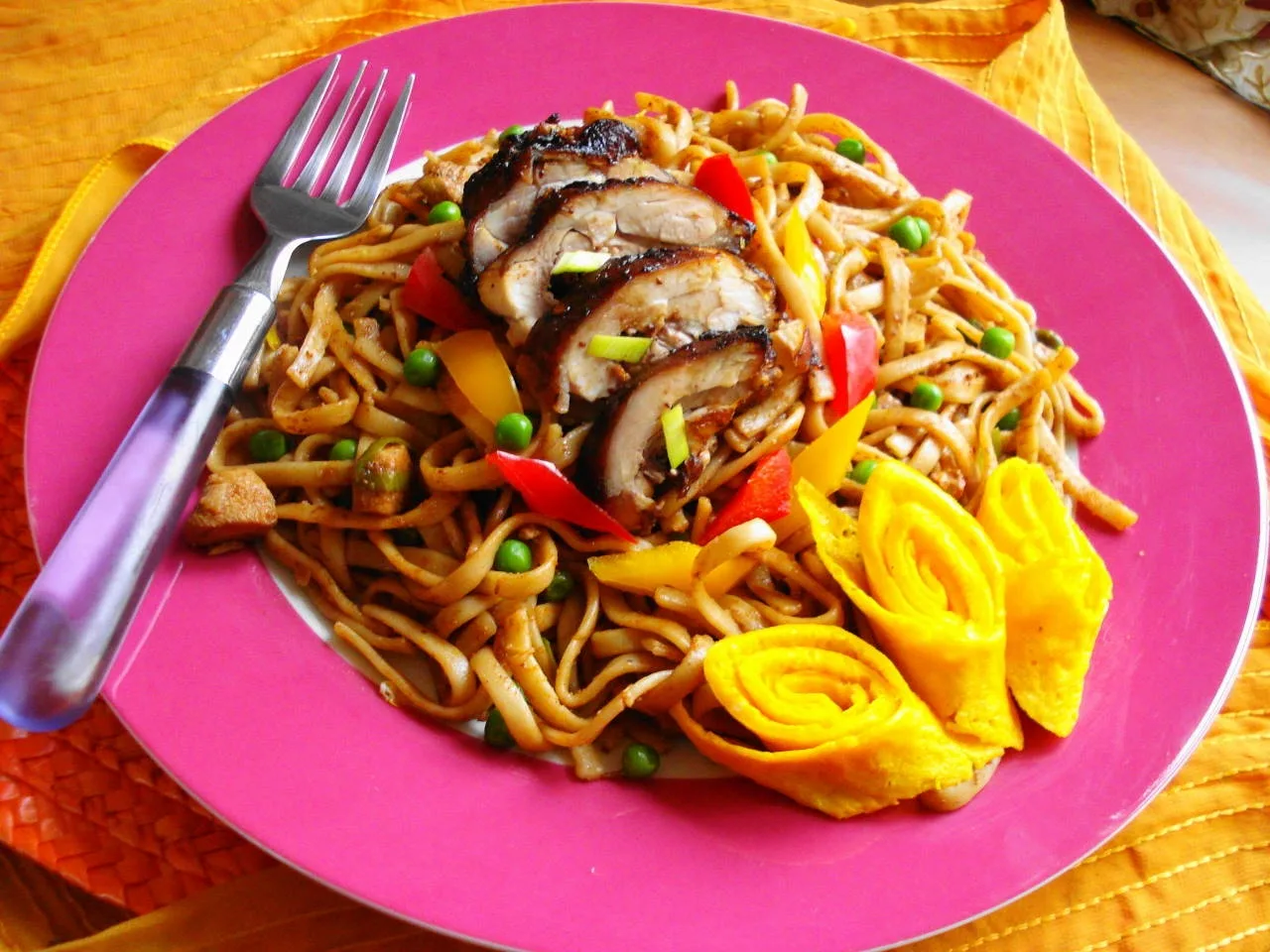
Surinamese bami on a pink plate — dark stir-fried wheat noodles with sliced chicken, red and yellow peppers, green peas and rolled omelette strips Suriname flag Suriname 45m
Dinner •Surinamese Heritage

Surinamese Bami

This surinamese bami recipe turns wheat noodles, chicken and sweet ketjap manis into Suriname's Javanese-style fried noodles, tossed in a hot wok with peppers, peas and fresh herbs until every strand is glossy and dark. It is served with thin omelette strips, just like the plate in the photo, and lands on the table in about 45 minutes. One serving is about 520 g.

Comfort & Warmth

Dark, sweet-savoury fried noodles with chicken and vegetables, served hot with omelette strips.

Pairs Well With
Thin omelette strips and atjar (pickled vegetables) on the side, with a fried egg if you like.
Pasta & Noodles
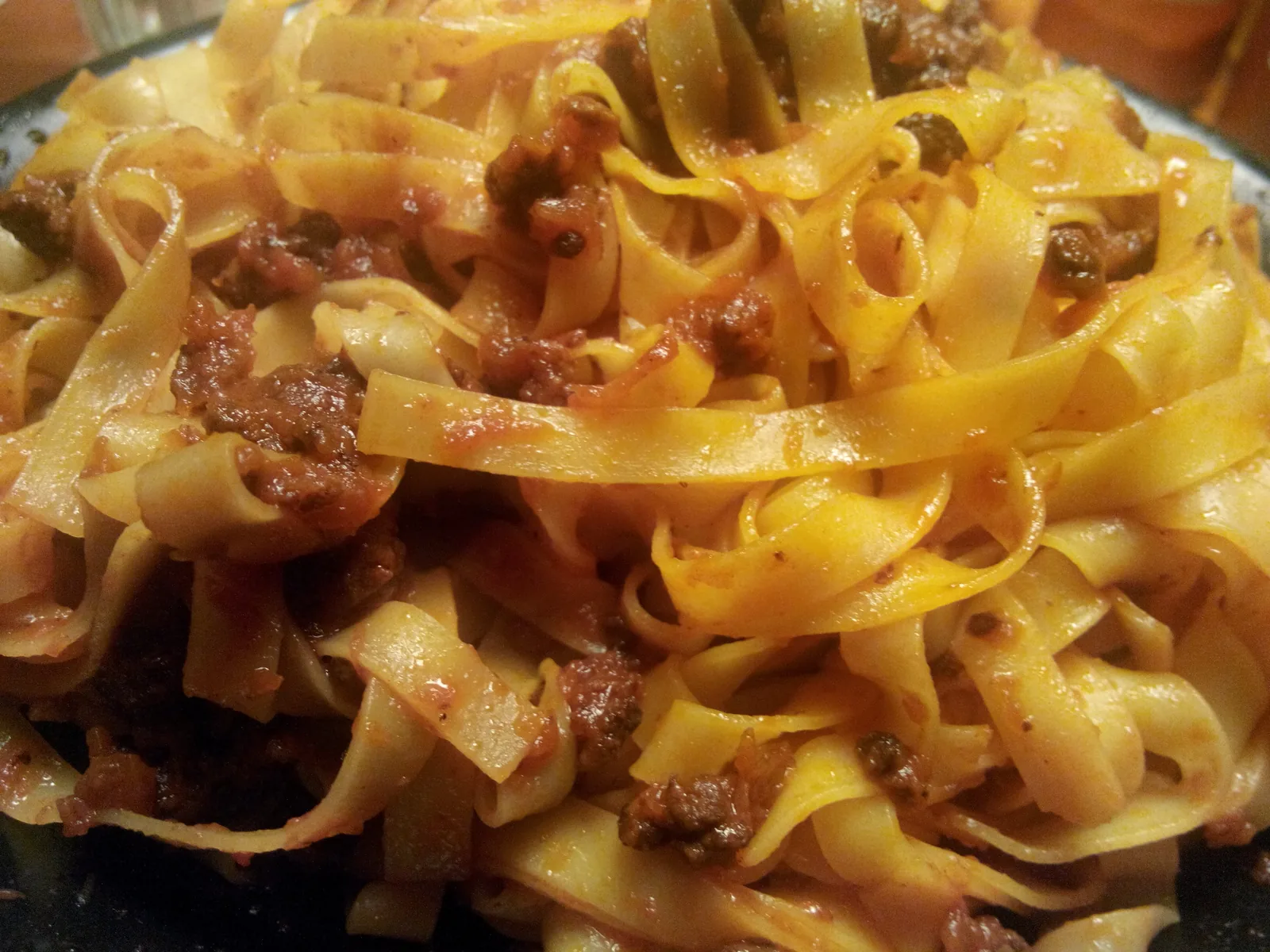
Tagliatelle al ragù Bolognese in a bowl with Parmigiano-Reggiano Italy flag Italy 4h 25m
Lunch •Emilia-Romagna

Tagliatelle al Ragù Bolognese

Slow-braised soffritto and coarse ground heritage meats layered over handmade egg yolk dough for mid-day stamina.

Lean Protein

Slow-simmered beef ragù tossed through fresh egg tagliatelle.

Pairs Well With
Bitter Radicchio & Aged Balsamico di Modena
Pasta & Noodles • High Protein
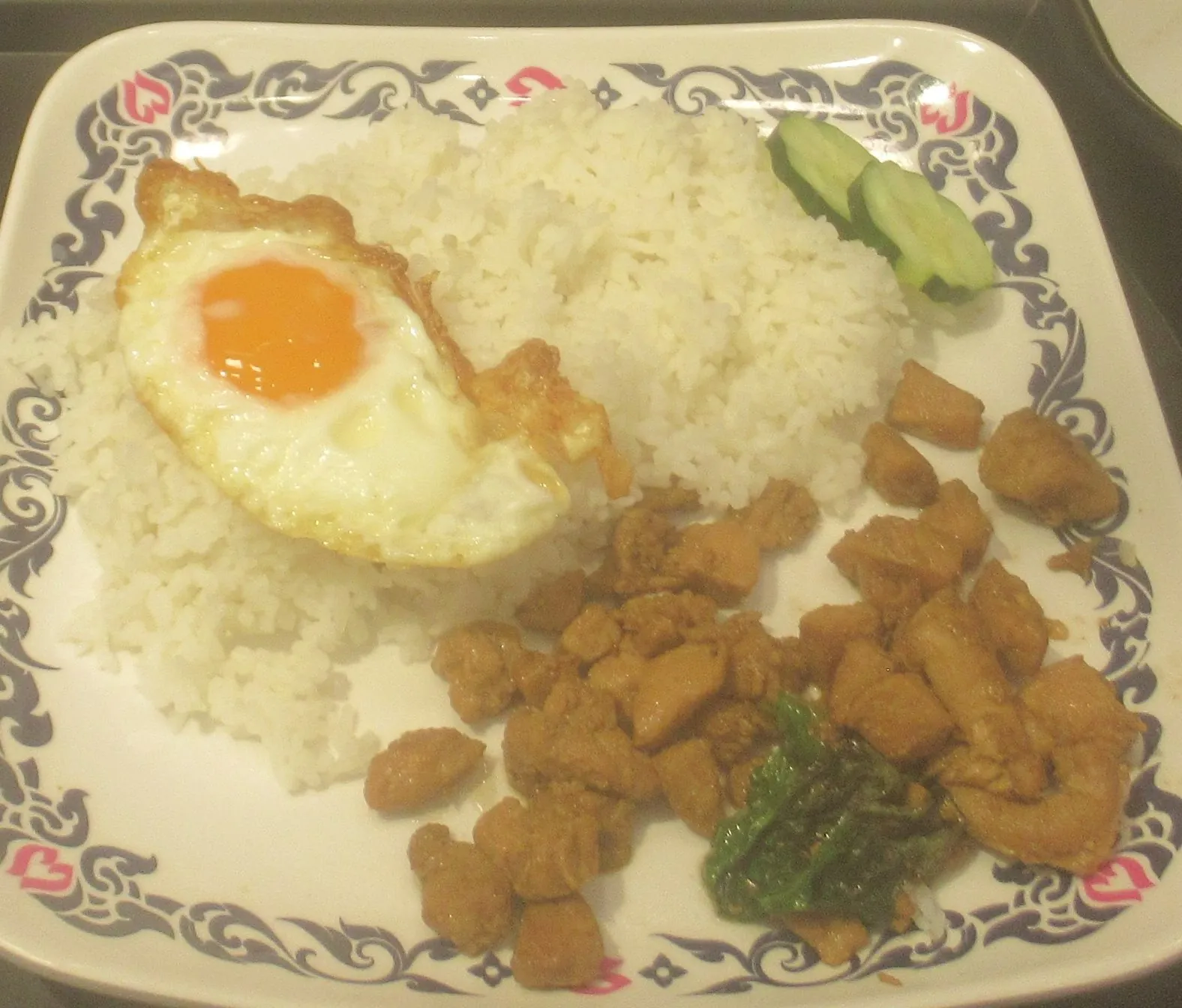
Pad kra pao gai — Thai holy basil chicken with fried egg and rice Thailand flag Thailand 30m
Lunch •Bangkok Street Flame

Pad Kra Pao Gai

High-heat wok flash of holy basil and crushed chillies over minced chicken, served over jasmine rice with a crispy-edged fried egg.

High Energy

Capsaicin brings the heat; holy basil adds a peppery, clove-like aroma.

Pairs Well With
Chilled Cucumber Salad & Fish Sauce Lime Dip
High Protein • Quick Prep (<30m)

The Dinner Gazette

Never wonder what’s for dinner again

One email a week with easy dinner ideas from around the world — ingredients, steps and nutrition, tested in our kitchen first.

Delivered every Thursday morning. Unsubscribe anytime.