Curated recipes from 193 countries  •  New seasonal Mediterranean issue out now

Overview

Suya

Tsire, Nigerian Spiced Beef Skewers

This suya recipe is Nigeria's most famous street food: thin slices of beef coated in yaji, a nutty peanut-spice rub, grilled over charcoal until smoky and charred at the edges, then sliced off the skewers and served with raw onion, tomato and cabbage. Unlike plain grilled skewers, suya gets its flavour from the yaji itself — ground peanuts, cayenne, ginger, garlic and warm spices pressed onto the meat before and after grilling. One serving is about 275 g.

Suya is the evening street food of the Hausa people of northern Nigeria, where vendors known as mai suya grill thin, yaji-coated meat over charcoal at street corners and markets. The meat is traditionally sliced thin, pressed into the peanut-spice rub called yaji, and sold hot off the skewer with raw onion, tomato and cabbage and an extra sprinkle of yaji. From northern Nigeria the dish spread across West Africa — in Cameroon it is called soya, in Ghana chinchinga — and today it is Nigeria's most famous street food, eaten at night markets, parties and roadside stalls across the country.

Pairs well with: Sliced red onion, tomato and cabbage, with extra yaji for sprinkling, and a cold drink

Provenance

Nigeria flag Nigeria

Nigerian Heritage

African Heritage

Time Dedication

1h 10m

55m prep • 15m cook

Batch Yield

4 Servings

510 kcal per serving

1 serving ≈ 275 g

Technical Skill

Intermediate

Intermediate (Charcoal Grill)

Meal Timing & Digestive Fit

Breakfast

Not Advised

Lunch

Hearty Midday Main

Dinner

Ideal Hearty Main

Snack & Tea

Inappropriate

High Protein Occasions: Evening grills, street-food nights, barbecues, parties and celebrations with friends Cost: Medium — about $4–5 per serving at home
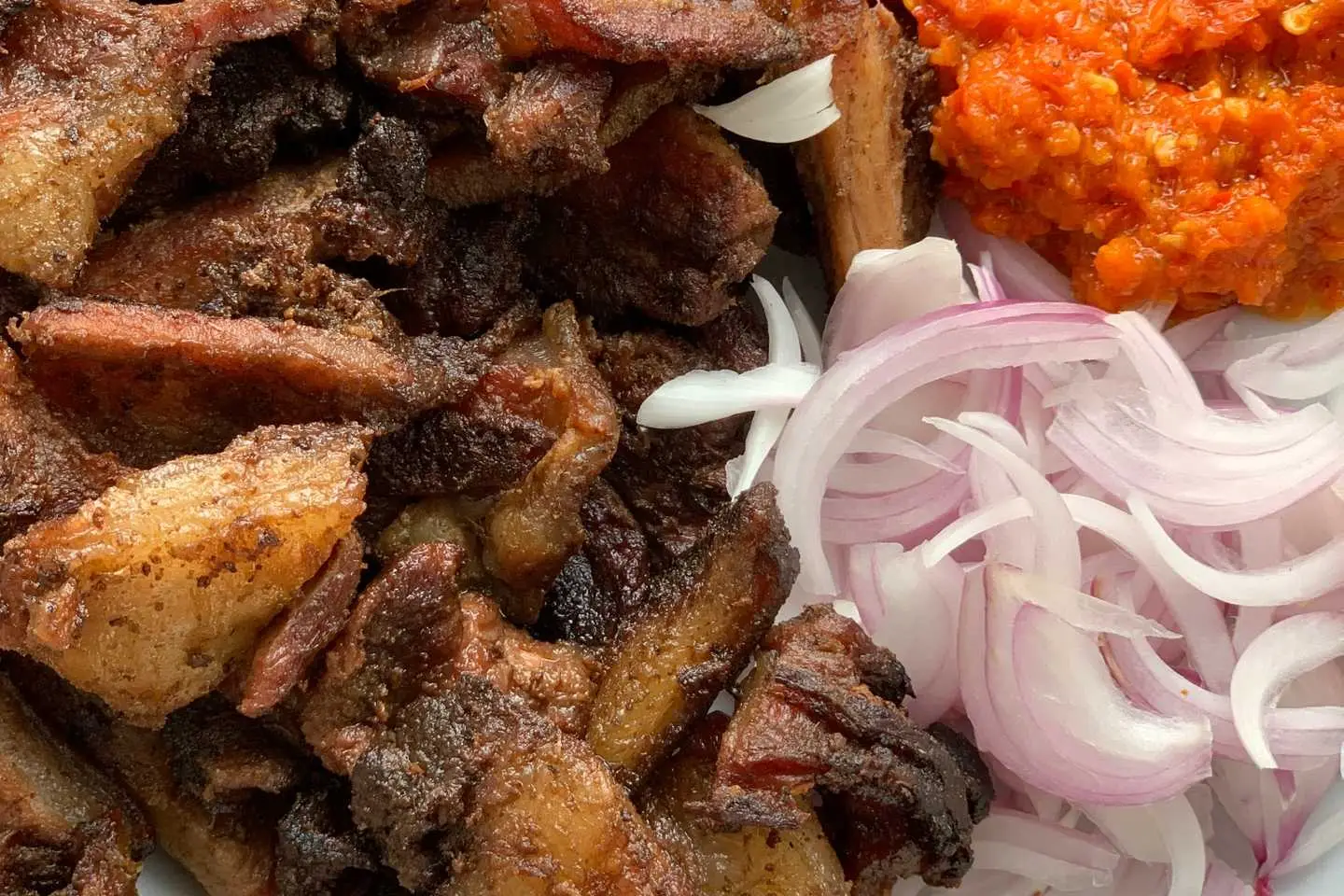
Grilled suya beef pieces with sliced red onions and red pepper sauce on a white plate

Nigerian Heritage

Photo: Bukky658, CC BY-SA 4.0, via Wikimedia Commons

The Heritage Formulary

Measured Ingredients

Estimated cost: Medium — about $4–5 per serving at home (USD)

Good suya is smoky and charred at the edges, juicy inside, and coated in yaji all the way through — the peanut-spice crust is the dish, not a garnish.

Execution Methodology & Culinary Technique

Step-by-Step Cooking Guide

Active 1h 10m
P

Prep Stage: Yaji Rub & Thin-Sliced Beef

55 Mins • Includes 30 Min Marinating

First make the yaji: grind the roasted peanuts fine and mix them with the cayenne, paprika, ground ginger, garlic powder, onion powder, cloves, nutmeg and salt. This dry peanut-spice rub is the heart of suya — it is what makes the dish suya, not just grilled meat. Chill the beef briefly, slice it very thin against the grain, brush the strips lightly with peanut oil, then press the yaji generously onto both sides of every strip. Cover and marinate for at least 30 minutes so the spices sink in. Soak the wooden skewers while the beef marinates, and slice the onion, tomato and cabbage for serving.

Maestro Tip: Slice the beef as thin as you can — thin strips take on far more yaji, cook in minutes, and stay tender instead of chewy. A short chill in the freezer makes thin slicing easy.

  1. 1

    Make the Yaji Rub

    5 Mins • Hands-On No heat

    Grind the roasted peanuts to a fine, dry powder — stop before they turn oily or pasty. Tip them into a bowl and stir in the cayenne, paprika, ground ginger, garlic powder, onion powder, cloves, nutmeg and salt until the mix is one even, rust-red colour. Taste a pinch: it should be nutty first, then warm, then hot. Set aside about 2 tablespoons of the finished yaji in a small bowl for sprinkling at the table.

    Yaji is a dry rub, not a wet marinade — the peanut powder should stay crumbly so it forms a crust on the grill, not a paste.

    Done when: The yaji is an even rust-red powder, nutty and hot to taste.

  2. 2

    Coat the Beef and Marinate

    35 Mins • Includes 30 Min Marinating No heat; chill in the fridge

    Brush the thin beef strips lightly with peanut oil — just enough for the yaji to stick. Sprinkle the yaji over the strips and press it in with your hands so every strip is coated on both sides; do not be shy, a thick coating is the point of suya. Cover and refrigerate for at least 30 minutes, or up to 4 hours. While it marinates, soak the wooden skewers in cold water.

    Use your hands, not a spoon: pressing the yaji into the meat is what makes the coating survive the grill instead of falling off.

    Done when: Every strip is evenly coated in yaji on both sides and has rested at least 30 minutes.

  3. 3

    Thread the Skewers

    10 Mins • Hands-On No heat

    Thread the yaji-coated beef strips onto the soaked skewers in loose accordion folds, piercing each strip two or three times so it stays put. Bunch the folds snugly together — unlike kebabs with gaps, suya strips sit close together on the skewer — and leave a few centimetres of bare skewer at the bottom as a handle. Brush the threaded skewers once more with the remaining peanut oil.

    Two parallel skewers per portion stop the thin strips spinning when you turn them — a street-vendor trick.

    Done when: Skewers are evenly loaded with folded strips, no loose ends flapping free.

  4. 4

    Grill Over Charcoal

    12 Mins • Turning Often Medium-high heat, about 200–230°C (400–450°F); beef to at least 63°C (145°F) inside

    Light a charcoal grill and let the coals burn until glowing and grey-ash coated, about 10 minutes. Lay the skewers on the hot grate and grill for 10–12 minutes, turning every 2–3 minutes. The yaji coating should darken and crisp, the edges should char lightly, and the meat should smell smoky and nutty. Check the thickest fold with a thermometer: it must reach at least 63°C (145°F) inside. If you have no charcoal grill, use a grill pan or the oven broiler at 230°C (450°F).

    Do not press the meat down — pressing squeezes the juices out and knocks the yaji off. Let the heat do the work, and turn gently.

    Done when: Yaji crust dark and crisp, edges lightly charred, centre at least 63°C (145°F); the skewers smell smoky and nutty.

  5. 5

    Slice, Sprinkle and Serve

    3 Mins • Resting Off the heat

    Rest the skewers for 3 minutes, then slide the beef off and cut it into bite-size pieces, the way vendors do at the stall. Pile the hot suya on a plate or on paper, scatter the sliced red onion, tomato and shredded cabbage alongside, and sprinkle the reserved yaji over everything. Eat hot, straight away, with your hands or a fork.

    The extra yaji at the table is not optional garnish — it is part of the dish. Sprinkle generously and let each bite pick up more spice.

    Done when: Hot, juicy pieces with a crisp yaji crust, served with onion, tomato, cabbage and extra yaji.

Finishing Touches & Plating

Serve the suya hot off the charcoal, sliced into bite-size pieces with sliced red onion, tomato and cabbage on the side and a good sprinkle of extra yaji over the top. Eat it the street-food way — hot, by hand, straight off the paper.

Nutritional Physiology & Benefits

Nutrition

Energy

510

kcal / serving

Protein

57g

Complete AA

Carbs

12g

Complex

Fats

26g

Healthy

Per serving (4 servings · 1 serving ≈ 275 g)
Energy510 kcal
Protein57 g
Carbohydrates12 g
Fat26 g
Fibre4.0 g
Sugar4.6 g
Sodium608 mg
Per 100g
Energy186 kcal
Protein20.5 g
Carbohydrates4.3 g
Fat9.5 g
Fibre1.5 g
Sugar1.7 g
Sodium221 mg

Nutrition values are estimated — calculated from USDA FoodData Central values for the listed ingredients.

Vitamins & minerals: Vitamin B12, iron and zinc (beef), vitamin C (tomato, onion and cabbage), niacin and vitamin E (peanuts). Nutrition values are estimated.

Serious Protein

About 56 g of protein per serving makes suya a strong choice after training or a long day.

Iron & B12

Beef is one of the richest sources of iron and vitamin B12, nutrients that support red blood cells and energy.

Fresh Vegetables on the Side

The raw onion, tomato and cabbage add vitamin C and fibre, and the vitamin C helps the body absorb the iron from the beef.

Food Pairings

What to Eat With

To optimize nutrient absorption and elevate the sensory depth, pair with these authentic accompaniments:

Vegetables

Sliced Onion, Tomato & Cabbage

The classic suya accompaniment: cool, crisp, raw vegetables cut through the heat and richness of the yaji crust and refresh the palate between bites.

Sides

Extra Yaji for Sprinkling

A small bowl of reserved yaji at the table is part of the dish — each bite picks up more nutty heat, exactly as vendors serve it.

Fried Plantains or Yam

Sweet, starchy plantain or fried yam balances the chilli heat and turns a street snack into a full dinner.

Drinks

Cold Beer or Zobo

A cold, fizzy drink or a glass of chilled zobo (hibiscus drink) cools the cayenne heat after each smoky bite.

Complete menu

Start with suya hot off the charcoal, sliced into bite-size pieces with onion, tomato and cabbage and extra yaji to sprinkle, then fried plantains and a cold drink to finish.

Digestive Guardrails

What NOT to Combine

To prevent digestive distress, sluggishness, or palate clash, avoid pairing the dish with these elements:

Eating Undercooked Beef

Thin beef must reach at least 63°C (145°F) in the centre, then rest 3 minutes. Undercooked meat can carry harmful bacteria. Use a thermometer rather than guessing. This is general food-safety information, not medical advice.

Charred-to-Black Meat Every Day

Heavily charred meat eaten very often is not ideal for long-term health. Keep the char light, trim blackened edges, and save suya for occasions rather than every night.

General information only, not medical advice — consult a doctor for personal dietary decisions.

Who Should Eat It

Who Should Eat

  • General adultsA satisfying high-protein dinner; balance the plate with the onion, tomato and cabbage, not just meat.
  • ChildrenSuitable from age 3+; cut the beef small, cook it well done, and use much less cayenne in their yaji.
  • ElderlySuitable if the beef is sliced thin and tender; chew well and keep the chilli moderate.
  • Pregnant womenGenerally suitable when the beef is cooked through to at least 63°C (145°F) and rested; avoid rare centres.
  • Breastfeeding womenGenerally suitable; the iron, zinc and B12 support recovery — keep portions moderate.
  • AthletesExcellent post-training: about 56 g protein per serving with fresh vegetables for vitamin C.
  • Weight gainA good choice — protein-rich and filling; add fried plantain or yam for extra energy.
  • Weight lossA good choice in a modest portion with plenty of onion, tomato and cabbage; keep the plantain aside.

Health Conditions — Adjust or Avoid

Conditions

  • DiabetesThe meat and yaji are very low in carbohydrate; watch the plantain or yam portion and ask your clinician.
  • High blood pressureThe yaji is salty, so keep the salt in the rub modest and skip extra salt at the table — ask your clinician.
  • Kidney diseaseBeef is high in potassium and phosphorus; keep portions modest and ask your clinician.
  • GoutBeef is high in purines; eat suya occasionally and in smaller portions — ask your clinician.
  • Stomach issuesGrilled meat and cayenne can be heavy on a sensitive stomach; eat slowly, chew well, and use less cayenne in the yaji.
  • Cardiovascular diseaseRed meat is high in saturated fat; choose lean sirloin, trim fat, and keep portions moderate.
  • Fatty liverKeep the portion modest, trim the fat, and load the plate with onion, tomato and cabbage rather than fried sides.
  • Food allergiesContains peanut — the yaji rub is built on ground peanuts. People with peanut allergy must avoid this dish entirely. Also contains beef — check with your clinician.
  • Special therapeutic dietsIf you follow a prescribed low-sodium or low-purine diet, use less salt in the yaji and a smaller portion, and check with your clinician.

If you have a medical condition, consult your doctor before changing your diet.

Storage & Use

Storage & Use

How to store
Cool quickly and store the cooked suya off the skewers in an airtight container; keep the yaji in a separate dry jar.
In the fridge
Cooked suya 3 days; leftover yaji keeps 2 weeks in a dry jar.
In the freezer
Up to 2 months.
How to reheat
Reheat in a hot oven or pan until steaming hot, to 74°C (165°F); do not microwave on the skewers.
Freezing recommended
Yes for the cooked beef, up to 2 months; the onion and tomato are best served fresh.
Signs it has spoiled
Sour or off smell, slimy surface, or grey discolouration.

More recipes to explore

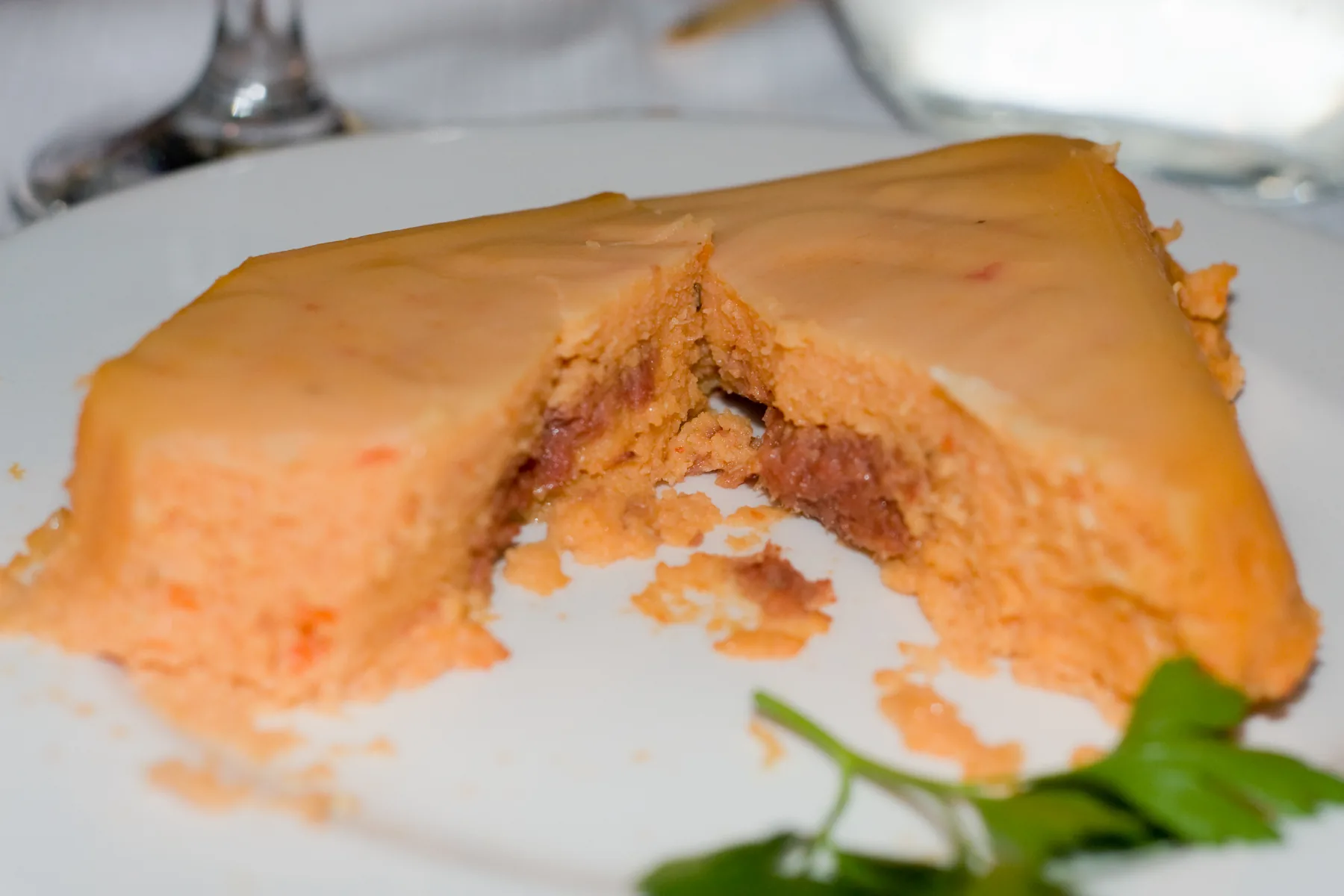
A slice of orange Nigerian moi moi bean pudding cut open to show the filling, on a white plate Nigeria flag Nigeria 1h 30m
Lunch •Yoruba Heritage

Nigerian Moi Moi

This moi moi recipe turns peeled black-eyed peas, red peppers, onion and palm oil into a smooth orange batter, steamed in foil parcels or leaves until it sets into a sliceable pudding with boiled egg inside. One serving is about 280 g. It takes about 90 minutes from soaking the beans to unmoulding the puddings, and most of that time the pot looks after itself.

Comfort & Warmth

A soft, savoury steamed bean pudding that is filling, high in protein and gentle enough for a weekday lunch.

Pairs Well With
Serve warm with pap (akamu), garri, or plain white rice and a spoon of vegetable soup.
High Protein
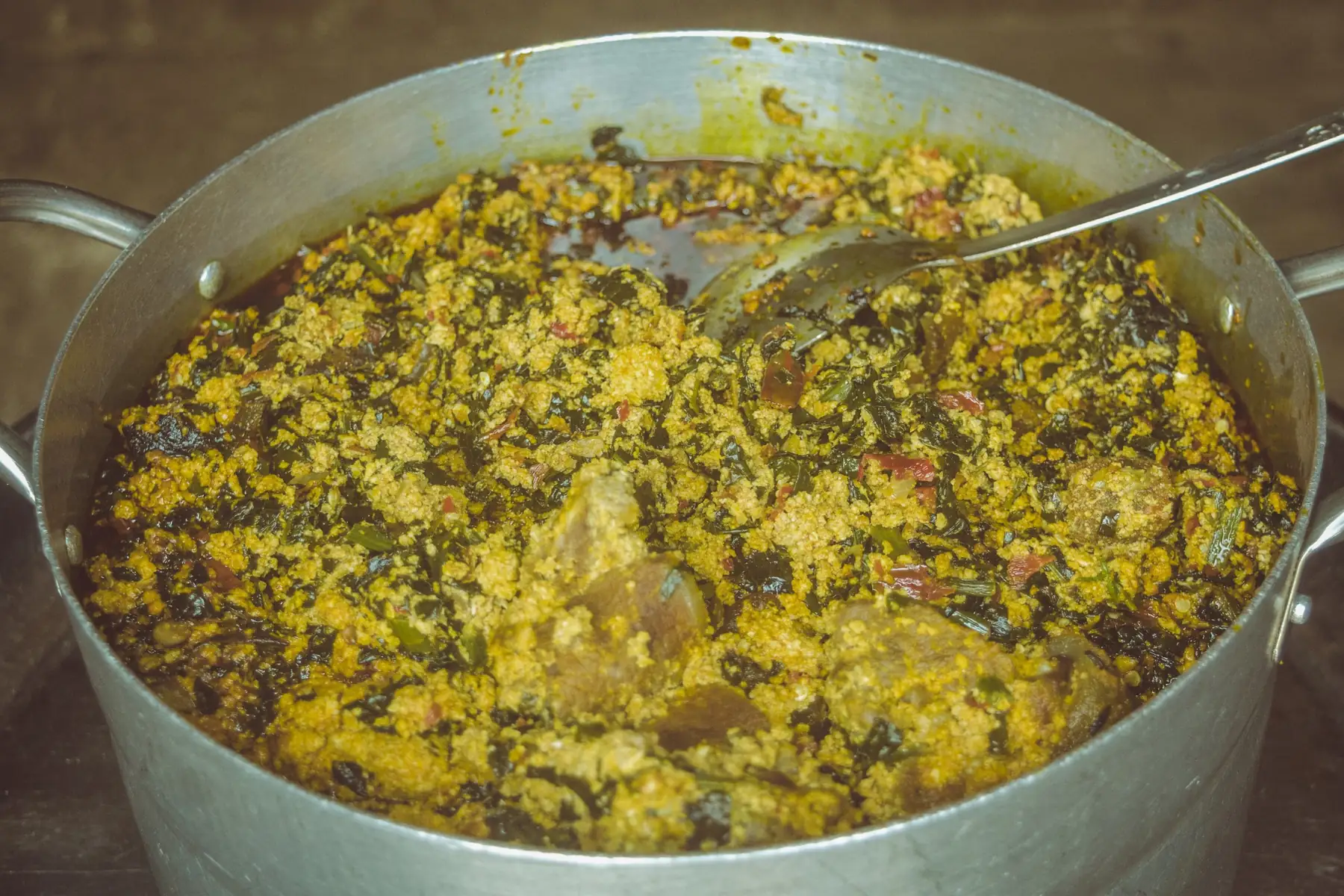
A pot of Nigerian egusi soup, golden ground melon seeds with dark leafy greens and pieces of meat Nigeria flag Nigeria 1h 20m
Dinner •West African Classic

Egusi Soup

This egusi soup recipe simmers ground melon seeds with beef, stockfish, palm oil and ugu leaves into a thick, golden soup with soft egusi lumps and tender meat. One serving is about 450 g. It takes about 80 minutes, most of it a gentle simmer, and serves 4 with a swallow on the side.

Comfort & Warmth

A thick, nutty melon-seed soup with beef, stockfish and leafy greens — the most loved soup in Nigeria, built for pounded yam and eba.

Pairs Well With
Serve hot with pounded yam, eba, amala or fufu, and let the swallow scoop up the soup.
Soups & Broths • High Protein
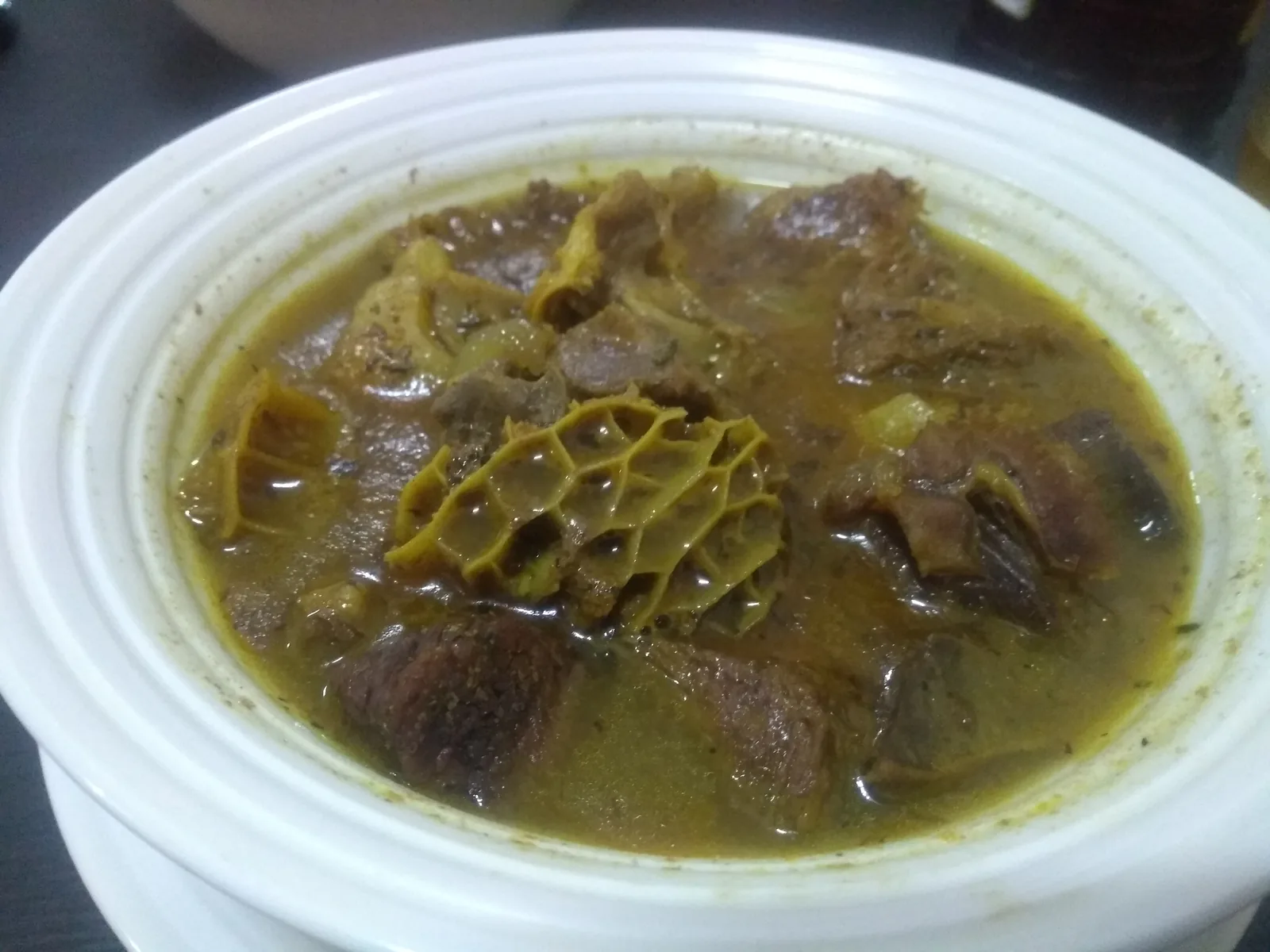
A bowl of Nigerian assorted meat pepper soup, pieces of meat and tripe in a light golden spicy broth Nigeria flag Nigeria 1h 5m
Dinner •Nigerian Street-Food Classic

Nigerian Pepper Soup

This nigerian pepper soup recipe simmers goat meat in a thin, spicy broth with calabash nutmeg, grains of selim, uziza and scent leaves until the meat is tender and the broth is fragrant. One serving is about 400 g. It takes about 65 minutes, serves 4, and needs only one pot and a handful of spices.

Comfort & Warmth

A light, fiery goat-meat broth with native spices and scent leaves — hot, aromatic and easy on the stomach after a long day.

Pairs Well With
Serve steaming hot on its own, or with boiled yam, white rice or a cold drink on the side.
Soups & Broths • High Protein
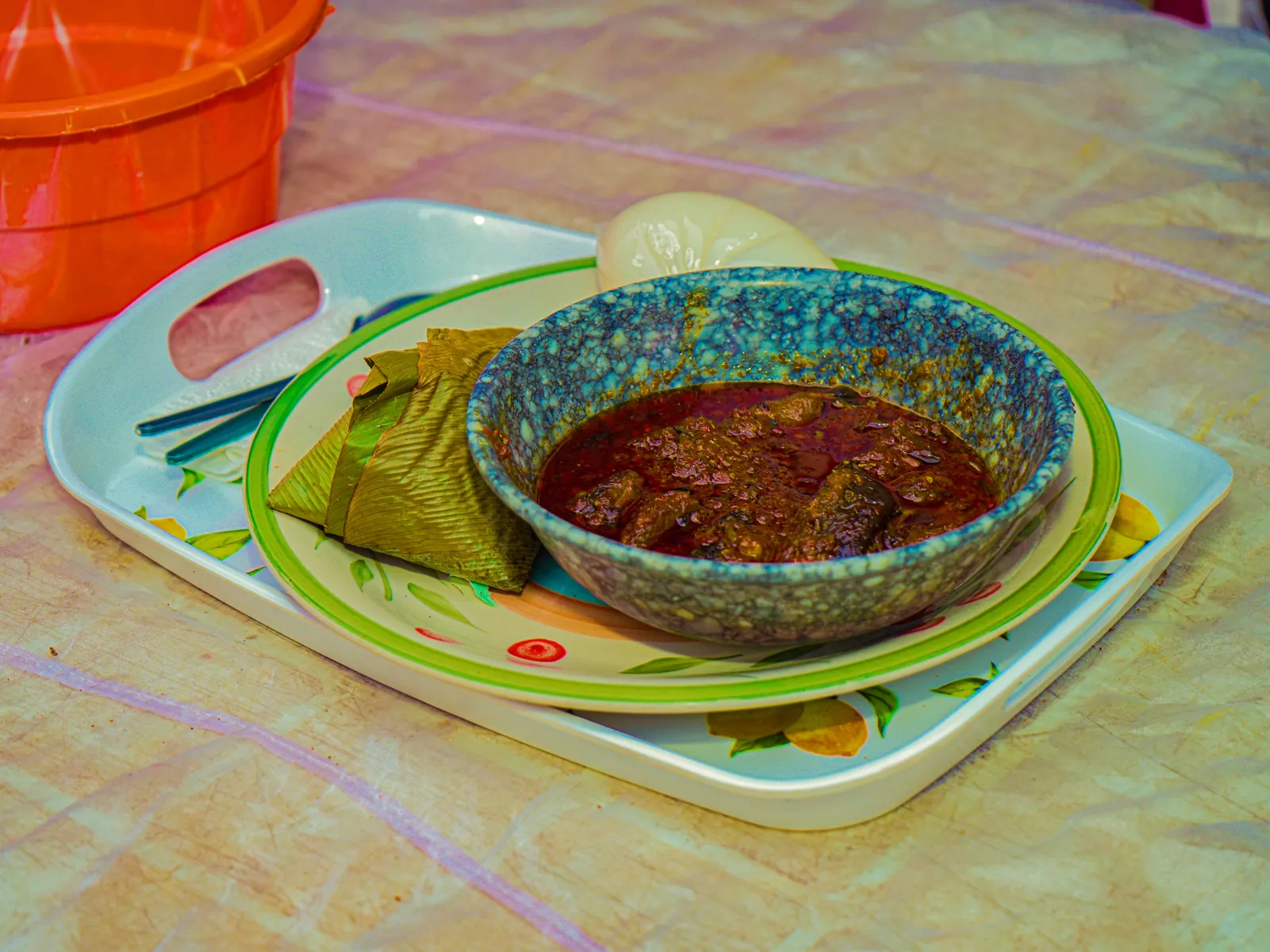
A bowl of dark red Nigerian tomato-pepper stew with pieces of beef, served with leaf-wrapped eko on a tray Nigeria flag Nigeria 1h 35m
Dinner •West African Classic

Nigerian Tomato Stew

This Nigerian tomato stew recipe blends fresh tomatoes, red bell peppers, Scotch bonnet and onions, then fries the base down in oil until it turns deep red and the oil separates and rises to the top. Tender beef is simmered in the finished stew, which is the foundation sauce that so many Nigerian dishes are built on. One serving is about 450 g. It takes about 95 minutes and serves 4, with white rice or a swallow on the side.

Comfort & Warmth

A rich tomato-pepper stew fried down until the oil rises, simmered with tender beef — the base sauce of Nigerian cooking, ladled over rice or scooped with a swallow.

Pairs Well With
Serve hot over white rice, or with pounded yam, eba or amala for scooping — the stew is the sauce, so let the rice or swallow carry it.

The Dinner Gazette

Never wonder what’s for dinner again

One email a week with easy dinner ideas from around the world — ingredients, steps and nutrition, tested in our kitchen first.

Delivered every Thursday morning. Unsubscribe anytime.