

Curated recipes from 193 countries  •  New seasonal Mediterranean issue out now

Overview

Tartiflette

Savoyard Reblochon Potato Bake

Tartiflette is the French Alps on a plate: waxy potatoes and smoky lardons layered with onions and a splash of white wine, then crowned with a whole Reblochon, rind and all, and baked until the cheese collapses into the potatoes. One serving is about 350 g.

Tartiflette is a young dish by French standards: it was created in the 1980s in Savoy, in the French Alps, to promote Reblochon cheese, when the cheese's producers' union asked local cooks for a recipe that would use a whole Reblochon at once. Potatoes, lardons and white wine were already the food of the mountains; the Reblochon on top made it famous.

Pairs well with: Green salad, cornichons & a glass of dry white wine

Provenance

France flag France

Savoy Alpine Classic

Nordic & European

Time Dedication

1h 10m

25m prep • 45m cook

Batch Yield

6 Servings

678 kcal per serving

1 serving ≈ 350 g

Technical Skill

Intermediate

Intermediate (One-Dish Bake)

Meal Timing & Digestive Fit

Breakfast

Not Advised

Lunch

Hearty Midday Main

Dinner

Ideal Hearty Main

Snack & Tea

Inappropriate

Occasions: Winter dinners, ski trips, cold evenings, hearty family meals Cost: Medium — about $5–6 per serving at home
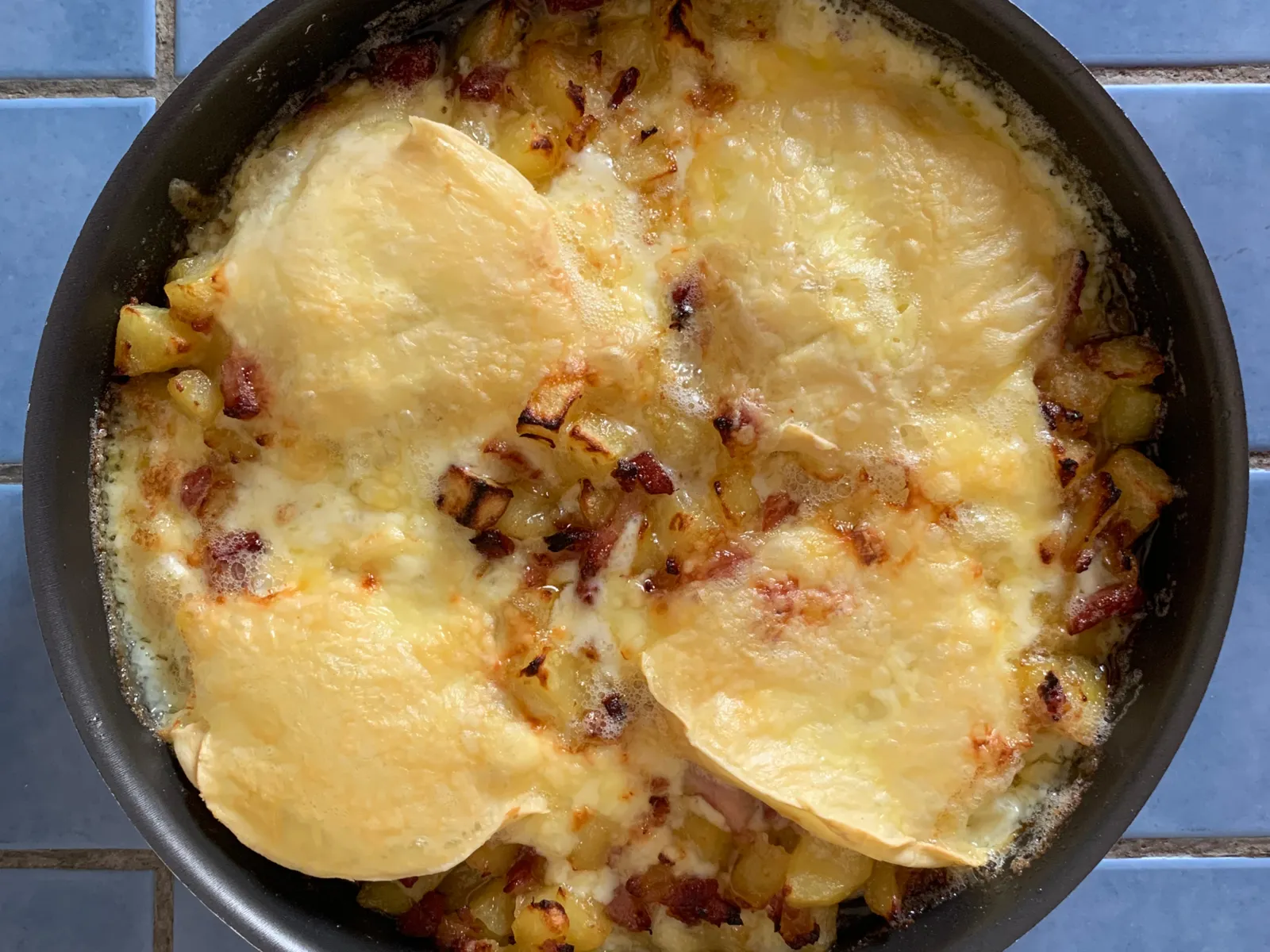
A tartiflette just out of the oven, melted Reblochon over golden potatoes and lardons

Savoy Alpine Classic

Photo: Benoît Prieur, CC0, via Wikimedia Commons

The Heritage Formulary

Measured Ingredients

Estimated cost: Medium — about $5–6 per serving at home (USD)

A good tartiflette is judged by the cheese: fully melted into the potatoes, golden on top, with crisp lardons in every spoonful.

Execution Methodology & Culinary Technique

Step-by-Step Cooking Guide

Active 1h 10m
P

Prep Stage: Parboil the Potatoes & Crisp the Lardons

25 Mins • Knife Work

Cube and parboil the potatoes until just tender at the edges — they finish in the oven, so undercook them now. Meanwhile fry the lardons until crisp and golden, then soften the onion in the same fat. Halve the Reblochon horizontally; the rind goes up, so it crisps while the inside melts down into the potatoes.

Maestro Tip: Parboil, never fully boil: potatoes that are soft now will collapse into mash under the cheese.

  1. 1

    Parboil the Potatoes

    12 Mins Rolling boil, 100°C (212°F)

    Boil the potato cubes in salted water for 8–10 minutes until just tender at the edges but still firm in the centre, then drain well and let the steam escape for 2 minutes.

    Dry potatoes brown and hold their shape; wet ones steam and go soft.

    Done when: A knife meets resistance in the centre; the cubes stay whole when tossed.

  2. 2

    Crisp the Lardons and Onions

    10 Mins Medium heat, ~160°C (320°F)

    Fry the lardons in a wide pan over medium heat until crisp and golden, about 6 minutes. Lift them out, then soften the onion and garlic in the rendered fat for 4 minutes until sweet and translucent. Deglaze with the white wine and let it bubble for 1 minute.

    The wine lifts the browned bits off the pan — that is where the flavour lives.

    Done when: Lardons are crisp, onions are soft and sweet, and the wine has reduced by half.

  3. 3

    Assemble the Dish

    5 Mins Room temperature, ~20°C (68°F)

    Rub a baking dish with a cut garlic clove. Layer half the potatoes, half the lardons and onions, and half the creme fraiche; repeat, then lay the Reblochon halves on top, rind side up.

    Rind up is traditional: the rind crisps while the soft cheese melts down through the layers.

    Done when: Two even layers with the pale Reblochon halves covering the top like a lid.

  4. 4

    Bake Until the Cheese Collapses

    30 Mins 200°C (400°F)

    Bake at 200°C (400°F) for 25–30 minutes until the cheese is fully melted, the rind is golden in spots, and the edges bubble. Rest 5 minutes before serving.

    If the top browns too fast, cover loosely with foil — the inside still needs its time.

    Done when: The cheese has sunk into the potatoes, the top is golden, and the dish bubbles at the edges.

Finishing Touches & Plating

Bring the tartiflette to the table in its dish, steaming, and serve generous spoonfuls with a sharp green salad and cornichons. The salad is not a garnish — its acidity is what makes a second helping possible.

Nutritional Physiology & Benefits

Nutrition

Energy

678

kcal / serving

Protein

27g

Complete AA

Carbs

40g

Complex

Fats

43g

Healthy

Per serving (6 servings · 1 serving ≈ 350 g)
Energy678 kcal
Protein27 g
Carbohydrates40 g
Fat43 g
Fibre4.7 g
Sugar4.2 g
Sodium1252 mg
Per 100g
Energy194 kcal
Protein7.7 g
Carbohydrates11.4 g
Fat12.4 g
Fibre1.3 g
Sugar1.2 g
Sodium358 mg

Nutrition values are estimated — calculated from USDA FoodData Central values for the listed ingredients.

Vitamins & minerals: Vitamin B12 and calcium (Reblochon, creme fraiche), vitamin C and potassium (potatoes), B vitamins (lardons).

Serious Mountain Energy

With about 27 g of protein and 40 g of carbohydrate per serving, tartiflette is built for cold days and hungry appetites — it is no accident it comes from the Alps.

Calcium and B12 from Reblochon

Reblochon supplies calcium and vitamin B12, nutrients that contribute to normal bones and normal energy metabolism.

Potassium from Potatoes

Potatoes are a natural source of potassium and vitamin C, which support normal muscle function and help balance the salt in the dish.

Food Pairings

What to Eat With

To optimize nutrient absorption and elevate the sensory depth, pair with these authentic accompaniments:

Vegetables

Sharp Green Salad

A lemon-dressed green salad cuts through the richness of the melted cheese and resets the palate — in Savoy it is served with every tartiflette.

Sides

Cornichons and Cured Ham

Sharp little pickles and a slice of cured ham add acidity and salt that balance the creamy potatoes without adding more richness.

Drinks

Dry White Wine from Savoy

A dry, mineral white wine from the same mountains echoes the wine in the dish and cleanses the palate between rich bites.

Complete menu

Serve the tartiflette as the main dish with a sharp green salad, cornichons and cured ham; finish with a dry white wine from Savoy.

Digestive Guardrails

What NOT to Combine

To prevent digestive distress, sluggishness, or palate clash, avoid pairing the dish with these elements:

Creamy or Cheesy Sides

Tartiflette is already one of the richest dishes in French cooking; serving it with a cream sauce or a cheese course doubles the richness and leaves the meal heavy. Keep the sides sharp and green. This is general information, not medical advice.

Eating It Straight from a Very Hot Dish

Melted Reblochon holds its heat and can burn the mouth badly. Let the dish rest 5 minutes and serve at a temperature you can taste, not just feel. This is general information, not medical advice.

General information only, not medical advice — consult a doctor for personal dietary decisions.

Who Should Eat It

Who Should Eat

  • General adultsA rich, satisfying winter dinner; best as an occasional meal rather than an everyday one.
  • ChildrenSuitable from age 5+ in a small portion; the flavours are mild, but the dish is very rich and salty.
  • ElderlyKeep the portion small and pair with plenty of salad; the cheese and lardons make it salty and rich.
  • Pregnant womenGenerally suitable in a modest portion; the cheese is cooked through, but use pasteurised Reblochon if you are unsure of the source.
  • Breastfeeding womenGenerally suitable; the protein and energy support recovery — keep the portion moderate.
  • AthletesExcellent after a long, cold workout: about 27 g of protein and 40 g of carbs per serving for recovery.
  • Weight gainA good choice — have a generous helping with bread on the side.
  • Weight lossKeep to a small spoonful with a large salad; this is one of the richest dishes on the site.

Health Conditions — Adjust or Avoid

Conditions

  • DiabetesPotatoes are starchy, so keep to a small portion and fill the plate with salad; ask your clinician about portion size.
  • High blood pressureReblochon and lardons are salty — skip the added salt and keep the portion small; ask your clinician about portion size.
  • Kidney diseaseThe cheese adds potassium and sodium; keep the portion small and ask your clinician about portion size.
  • GoutEat rarely and in small portions — lardons and cheese are high in purines; ask your clinician if you have gout.
  • Stomach issuesThe dish is very rich and fatty, which can trigger discomfort; eat a small portion slowly; ask your clinician if symptoms persist.
  • Cardiovascular diseaseKeep the portion small and favour the potatoes over the cheese; the dish is high in saturated fat; ask your clinician about portion size.
  • Fatty liverKeep to a small portion with a large salad; the dish is high in saturated fat and energy; ask your clinician about portion size.
  • Food allergiesContains milk (Reblochon, creme fraiche). Naturally gluten-free as written — just check the lardons and wine labels if you have coeliac disease.
  • Special therapeutic dietsIf you follow a prescribed low-sodium or low-fat diet, use a smaller portion with extra salad, and check with your clinician.

If you have a medical condition, consult your doctor before changing your diet.

Storage & Use

Storage & Use

How to store
Cool quickly and refrigerate in the baking dish, covered, or in airtight containers.
In the fridge
3 days.
In the freezer
1 month; the cheese texture changes slightly on thawing.
How to reheat
Reheat covered at 180°C (350°F) for 20–25 minutes, until steaming throughout and at least 74°C (165°F) in the centre.
Freezing recommended
Possible, but best eaten fresh — the Reblochon loses some of its silkiness after freezing.
Signs it has spoiled
Sour or ammonia-like smell, slimy cheese surface, or visible mould beyond the normal rind.

More recipes to explore

Golden butter croissants on a wooden board France flag France 20m
Breakfast •Parisian Boulangerie

Croissant au Beurre & Café

Laminated cultured butter pastry paired with washed Arabica, for a slow, pleasurable Parisian morning — best with a little protein alongside. One serving is about 390 g.

Sustained Focus

Flaky all-butter croissant with café au lait, Comté and green apple.

Pairs Well With
Comté cheese wedge & Green apple slices
Quick Prep (<30m)

Bœuf bourguignon — French beef braised in red wine France flag France 4h
Dinner •Burgundy Terroir

Bœuf Bourguignon

Beef braised gently in red wine until the connective tissue melts into a velvet, gelatin-rich sauce — the classic Burgundy Sunday dinner.

Cellular Repair

Beef braised in red wine until spoon-tender, with mushrooms and pearl onions.

Pairs Well With
Parsnip Purée & Steamed French Haricots Verts
High Protein
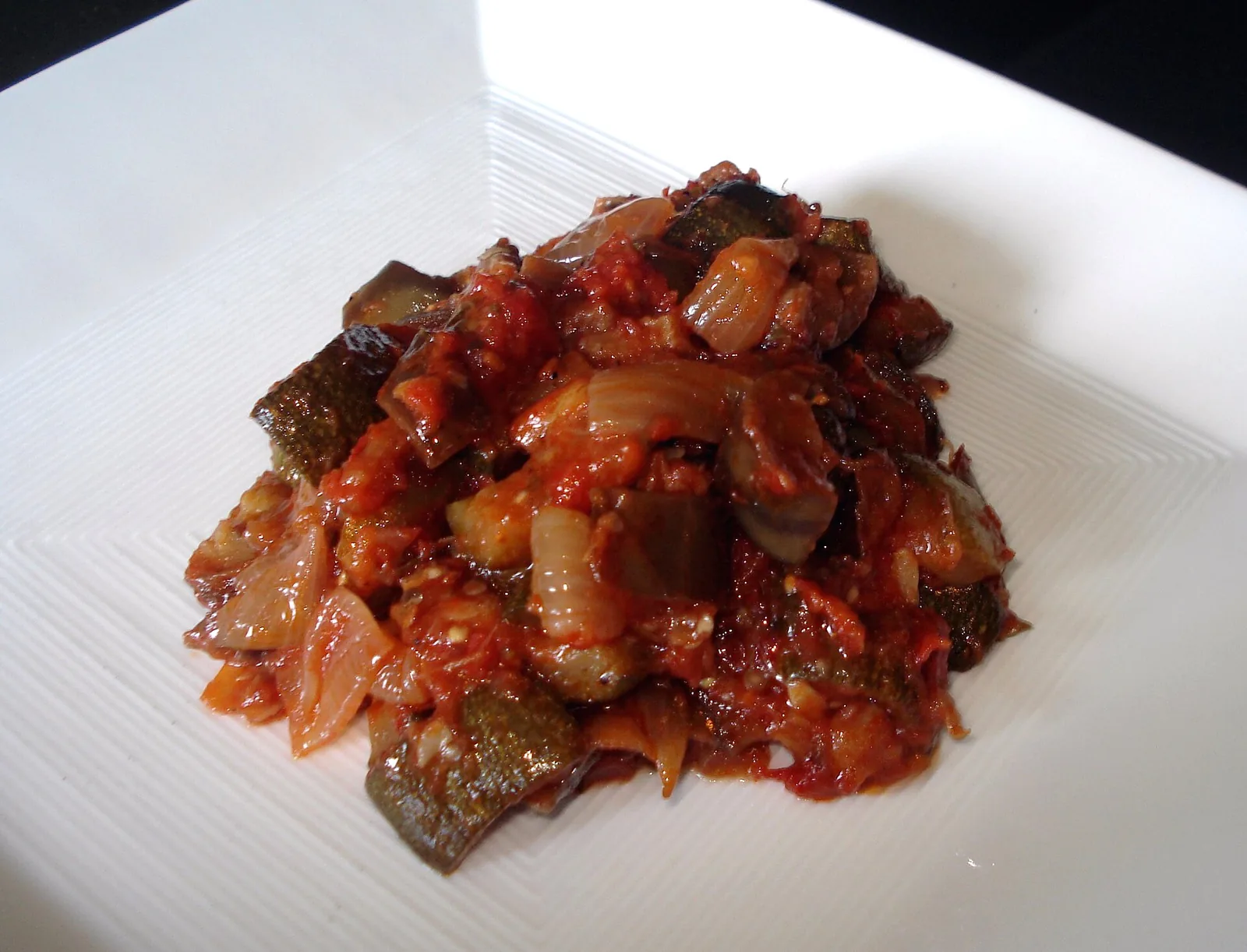
A mound of classic ratatouille with eggplant, zucchini, tomato and onion on a white plate France flag France 1h 15m
Dinner •Nice Provençal

Ratatouille

This ratatouille recipe cooks eggplant, zucchini, peppers and tomatoes separately first, so each vegetable keeps its own texture, then brings them together for a slow, fragrant simmer. One serving is about 400 g.

Light & Vegetable-Rich

Slow-simmered summer vegetables in olive oil — light, fragrant and full of fibre.

Pairs Well With
Crusty sourdough bread, grilled fish or a fried egg
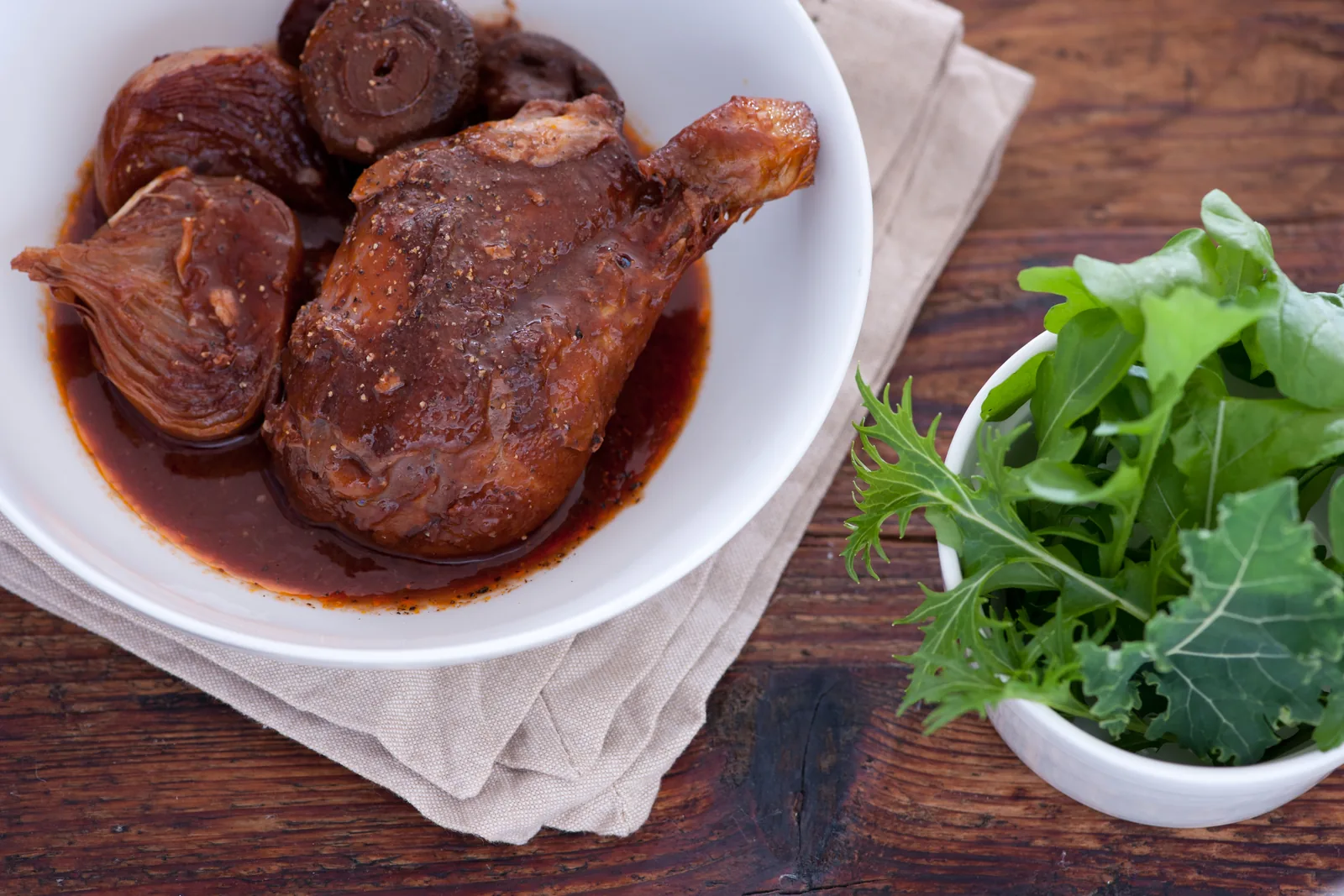
A bowl of coq au vin with a braised chicken leg in dark red wine sauce with mushrooms and onions, greens on the side France flag France 1h 40m
Dinner •Burgundy Classic

Coq au Vin

This coq au vin recipe is the Burgundy classic: chicken thighs browned with bacon, then braised in red wine with mushrooms, pearl onions and carrots until the meat is tender and the sauce is dark and glossy. One serving is about 375 g. It takes 1 hour 40 minutes, most of it hands-off while the pot simmers.

Comfort & Warmth

Chicken braised slowly in red wine with mushrooms, pearl onions and bacon until it falls off the bone.

Pairs Well With
Mashed potatoes, crusty bread & Burgundy wine

The Dinner Gazette

Never wonder what’s for dinner again

One email a week with easy dinner ideas from around the world — ingredients, steps and nutrition, tested in our kitchen first.

Delivered every Thursday morning. Unsubscribe anytime.