
Curated recipes from 193 countries  •  New seasonal Mediterranean issue out now

Overview

Tepsi Kebab

Hatay Tray Kebab, Tepsi Kebabı

This tepsi kebab recipe is the Hatay way of cooking kebab: seasoned minced beef pressed flat into a round tray, topped with tomato and green pepper, and baked until the edges crisp and the juices run savoury. It is a whole tray to carry to the table and cut into wedges, made for sharing. One serving is about 300 g.

Tepsi means tray, and in Hatay — the province around Antakya in south-eastern Turkey — families press spiced minced meat into a round copper tray and carry it to the neighbourhood bakery oven, where it bakes in the residual heat after the morning bread. The dish is a fixture of Hatay home cooking, served straight from the tray at family meals.

Pairs well with: Warm flatbread, ayran and a chopped tomato-onion salad

Provenance

Turkey flag Turkey

Hatay Tray-Kebab Classic

Middle Eastern

Time Dedication

1h

20m prep • 40m cook

Batch Yield

4 Servings

498 kcal per serving

1 serving ≈ 300 g

Technical Skill

Intermediate

Medium (Tray Bake)

Meal Timing & Digestive Fit

Breakfast

Not Advised

Lunch

Hearty Midday Main

Dinner

Ideal Hearty Main

Snack & Tea

Inappropriate

Occasions: Family dinners, weekend lunches, sharing meals, gatherings Cost: Low — about $3–4 per serving at home
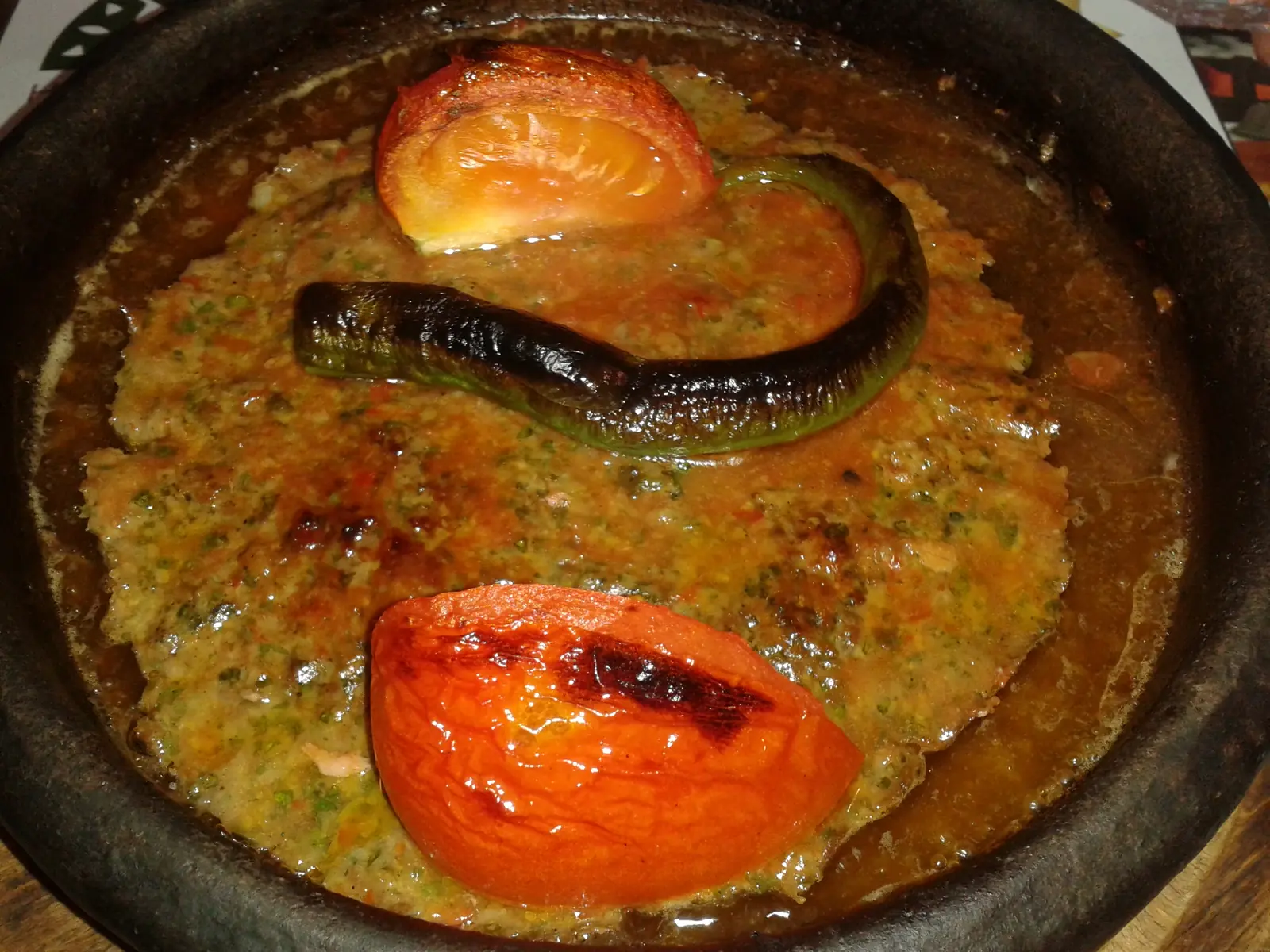
Tepsi kebab — spiced minced beef baked flat in a round tray, topped with roasted tomato and green pepper

Hatay Tray-Kebab Classic

Photo: E4024, CC BY-SA 4.0, via Wikimedia Commons

The Heritage Formulary

Measured Ingredients

Estimated cost: Low — about $3–4 per serving at home (USD)

A true tepsi kebab is judged by its edges: browned and crisp at the rim, juicy in the middle, and firm enough to slice cleanly.

Execution Methodology & Culinary Technique

Step-by-Step Cooking Guide

Active 1h
P

Prep Stage: Mix & Press the Tray

20 Mins • Hands-On

Knead the beef with onion, tomato, pepper, garlic, parsley, tomato paste, breadcrumbs and spices until the mixture turns sticky and holds together — about 5 minutes of firm kneading. Press it evenly into the oiled tray, about 2 cm thick, and score the top into wedges with a knife.

Maestro Tip: Wet your hands before pressing the meat in: it stops the mixture sticking to your fingers and gives a smooth top.

  1. 1

    Mix the Meat

    10 Mins Room temperature, 20°C (68°F)

    Combine the beef, chopped onion, 2 chopped tomatoes, green pepper, garlic, parsley, tomato paste, breadcrumbs, salt, pepper, cumin and paprika in a large bowl. Knead firmly for about 5 minutes until the mixture is sticky and uniform.

    Kneading until sticky is what keeps the tray from crumbling when you slice it.

    Done when: Mixture holds together when squeezed and leaves no loose crumbs.

  2. 2

    Press into the Tray

    5 Mins Room temperature, 20°C (68°F)

    Brush a round 30 cm metal tray or oven dish with olive oil. Press the meat mixture in evenly, about 2 cm thick, smoothing the top with wet hands. Score the surface into 8 wedges and lay the tomato slices and a whole green pepper on top.

    An even thickness cooks evenly — thin spots dry out, thick spots stay pink.

    Done when: Meat is flat, even and scored; tomato and pepper sit on top.

  3. 3

    Bake the Tray

    35 Mins 200°C (400°F)

    Pour the hot water around the edge of the tray, not over the meat. Bake in a preheated oven at 200°C (400°F) for 30–35 minutes until the top is browned at the edges, the juices run clear, and the centre reaches at least 71°C (160°F).

    The water keeps the kebab juicy while the top still browns.

    Done when: Top is browned, juices are clear, centre reads 71°C (160°F) or higher.

  4. 4

    Rest and Serve

    5 Mins Resting, ~60°C (140°F)

    Leave the tray to rest for 5 minutes so the juices settle, then cut along the scored lines and serve straight from the tray with flatbread to mop up the juices.

    Cutting too soon lets the juices run out onto the tray instead of staying in the meat.

    Done when: Wedges lift out cleanly and hold their shape.

Finishing Touches & Plating

Serve the tray in the middle of the table with warm flatbread, ayran and a chopped salad, and let everyone take their own wedge. Spoon the tray juices over each portion — they are the best part.

Nutritional Physiology & Benefits

Nutrition

Energy

498

kcal / serving

Protein

43g

Complete AA

Carbs

19g

Complex

Fats

27g

Healthy

Per serving (4 servings · 1 serving ≈ 300 g)
Energy498 kcal
Protein43 g
Carbohydrates19 g
Fat27 g
Fibre3.4 g
Sugar5.7 g
Sodium624 mg
Per 100g
Energy166 kcal
Protein14.3 g
Carbohydrates6.3 g
Fat9.1 g
Fibre1.1 g
Sugar1.9 g
Sodium208 mg

Nutrition values are estimated — calculated from USDA FoodData Central values for the listed ingredients.

Vitamins & minerals: Tomatoes and peppers add vitamin C, the beef supplies iron, zinc and vitamin B12, and parsley adds vitamin K.

High in Protein

With about 43 g of protein per serving, a wedge of tepsi kebab keeps you full for hours and supports muscle maintenance.

Iron and B12

Beef is one of the richest everyday sources of iron and vitamin B12, nutrients that help carry oxygen and keep energy steady.

Real Vegetables Built In

Onion, tomato and pepper are mixed right into the meat, so every bite carries fibre and vitamin C along with the protein.

Food Pairings

What to Eat With

To optimize nutrient absorption and elevate the sensory depth, pair with these authentic accompaniments:

Sides

Warm Flatbread (Lavaş)

Soft flatbread is the traditional tool for scooping up the meat and its juices — the meal is built around it.

Vegetables

Chopped Tomato-Onion Salad

Crisp raw onion, tomato and parsley with lemon cut through the richness of the baked beef and refresh the palate.

Drinks

Ayran

The cold, salty yoghurt drink is the classic Hatay partner for kebab — its acidity balances the fat and cools the spice.

Şalgam (Pickled Turnip Juice)

For the full Hatay experience, the sour, lightly spiced turnip juice stands up to the cumin and paprika in the meat.

Complete menu

Serve the tepsi kebab tray in the middle of the table with warm flatbread, chopped salad and ayran; finish with fresh fruit and Turkish tea.

Digestive Guardrails

What NOT to Combine

To prevent digestive distress, sluggishness, or palate clash, avoid pairing the dish with these elements:

Heavy Creamy Sauces on the Side

The tray is already rich, so a heavy mayonnaise or cream sauce adds a lot of fat without improving the dish; the chopped salad does the job better. This is general information, not medical advice.

Eating Undercooked Minced Meat

Minced meat must reach 71°C (160°F) all the way through, because grinding spreads bacteria through the meat. Check the centre with a thermometer rather than guessing. This is general food-safety information, not medical advice.

General information only, not medical advice — consult a doctor for personal dietary decisions.

Who Should Eat It

Who Should Eat

  • General adultsA hearty, protein-rich dinner — one wedge with flatbread and salad makes a complete meal.
  • ChildrenSuitable for children if you keep the pepper mild; cut the wedge into small pieces and check for heat.
  • ElderlyGood, but serve a smaller wedge with extra salad — the dish is rich and the meat is soft and easy to chew.
  • Pregnant womenGenerally suitable; make sure the meat is cooked right through to 71°C (160°F) and keep the portion moderate.
  • Breastfeeding womenGenerally suitable; the protein and iron support recovery — pair with salad and flatbread.
  • AthletesAn excellent post-training dinner: about 43 g of protein per serving with vegetables built in.
  • Weight gainA good choice — take a second wedge and an extra piece of flatbread.
  • Weight lossTake a half wedge, load the plate with chopped salad, and skip the second piece of flatbread.

Health Conditions — Adjust or Avoid

Conditions

  • DiabetesThe meat itself is low in carbohydrate; keep flatbread to one small piece and fill up on salad.
  • High blood pressureSkip the added salt in the mix and go easy on the flatbread — most of the sodium is in the seasoning.
  • Kidney diseaseKeep the portion modest and pair with plenty of salad; ask your clinician about portion size.
  • GoutBeef is high in purines, so eat occasionally and in a modest portion.
  • Stomach issuesThe baked meat is usually gentle, but skip the green chilli topping if your stomach is sensitive.
  • Cardiovascular diseaseA rich dish — take a smaller wedge, favour the tomato and pepper, and load up on salad.
  • Fatty liverKeep the portion modest and balance it with salad rather than extra flatbread.
  • Food allergiesContains wheat (breadcrumbs). The flatbread served alongside is also wheat-based — check labels if you have coeliac disease.
  • Special therapeutic dietsIf you follow a prescribed low-sodium or low-purine diet, use less salt and a smaller portion, and check with your clinician.

If you have a medical condition, consult your doctor before changing your diet.

Storage & Use

Storage & Use

How to store
Cool quickly and store wedges in airtight containers with their juices.
In the fridge
3 days.
In the freezer
Up to 3 months, cooked wedges wrapped well.
How to reheat
Reheat in a covered dish in the oven at 180°C (350°F) until the centre reaches 74°C (165°F).
Freezing recommended
Yes — cooked wedges freeze well for up to 3 months.
Signs it has spoiled
Sour smell, slimy surface, or grey discolouration.

More recipes to explore

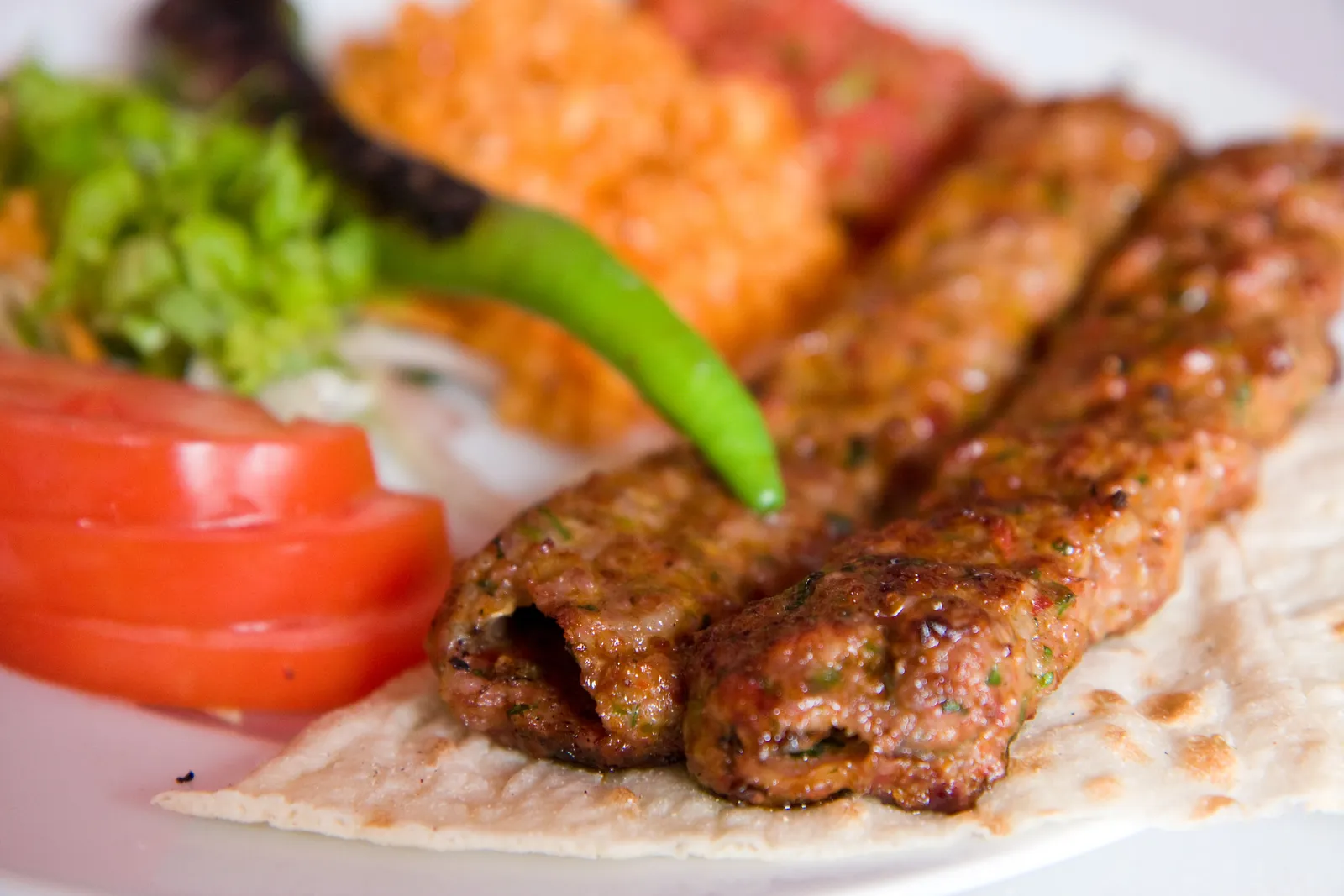
Adana kebab — long grilled minced-meat skewers on lavash with tomato, green chilli and salad Turkey flag Turkey 50m
Dinner •Adana Heritage

Adana Kebab

This adana kebab recipe is Adana's famous charcoal-grilled skewer: hand-minced lamb and beef mixed with lamb tail fat, sweet red pepper and pul biber, pressed onto wide flat skewers and grilled over glowing charcoal until the edges char and the juices run. It is served on warm lavash with grilled tomato, green chillies and a sharp sumac onion salad. One serving is about 439 g.

Adana's Charcoal-Grilled Icon

Hand-minced lamb and beef with tail fat and pul biber, pressed onto wide flat skewers and grilled over charcoal until charred at the edges — Adana's famous kebab.

Pairs Well With
Lavash, grilled tomato & sumac onion salad
High Protein
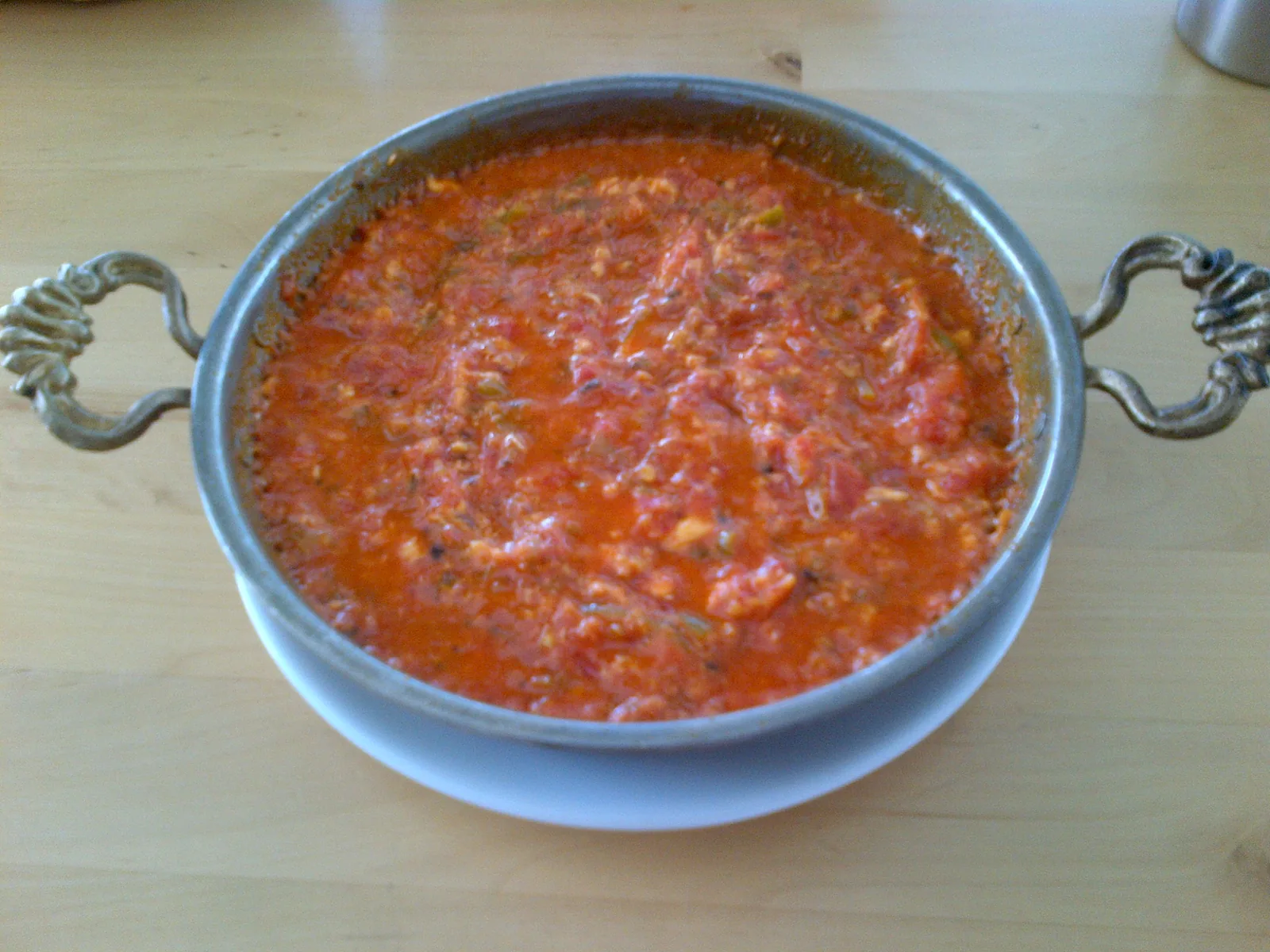
Menemen in a copper sahan pan — soft scrambled eggs stirred through a red tomato and green pepper sauce Turkey flag Turkey 30m
Breakfast •Izmir Breakfast Table

Menemen

This menemen recipe stirs beaten eggs into a soft tomato and green pepper sauce until they set into creamy curds — never poached whole, the way shakshuka does it. Cooked in one pan and served straight from it with bread, it is the classic Turkish breakfast. One serving is about 300 g.

Comfort & Warmth

Beaten eggs stirred into a soft tomato and green pepper sauce, scooped up with warm bread.

Pairs Well With
Crusty white bread, Turkish tea and sliced cucumber and tomato
Quick Prep (<30m)
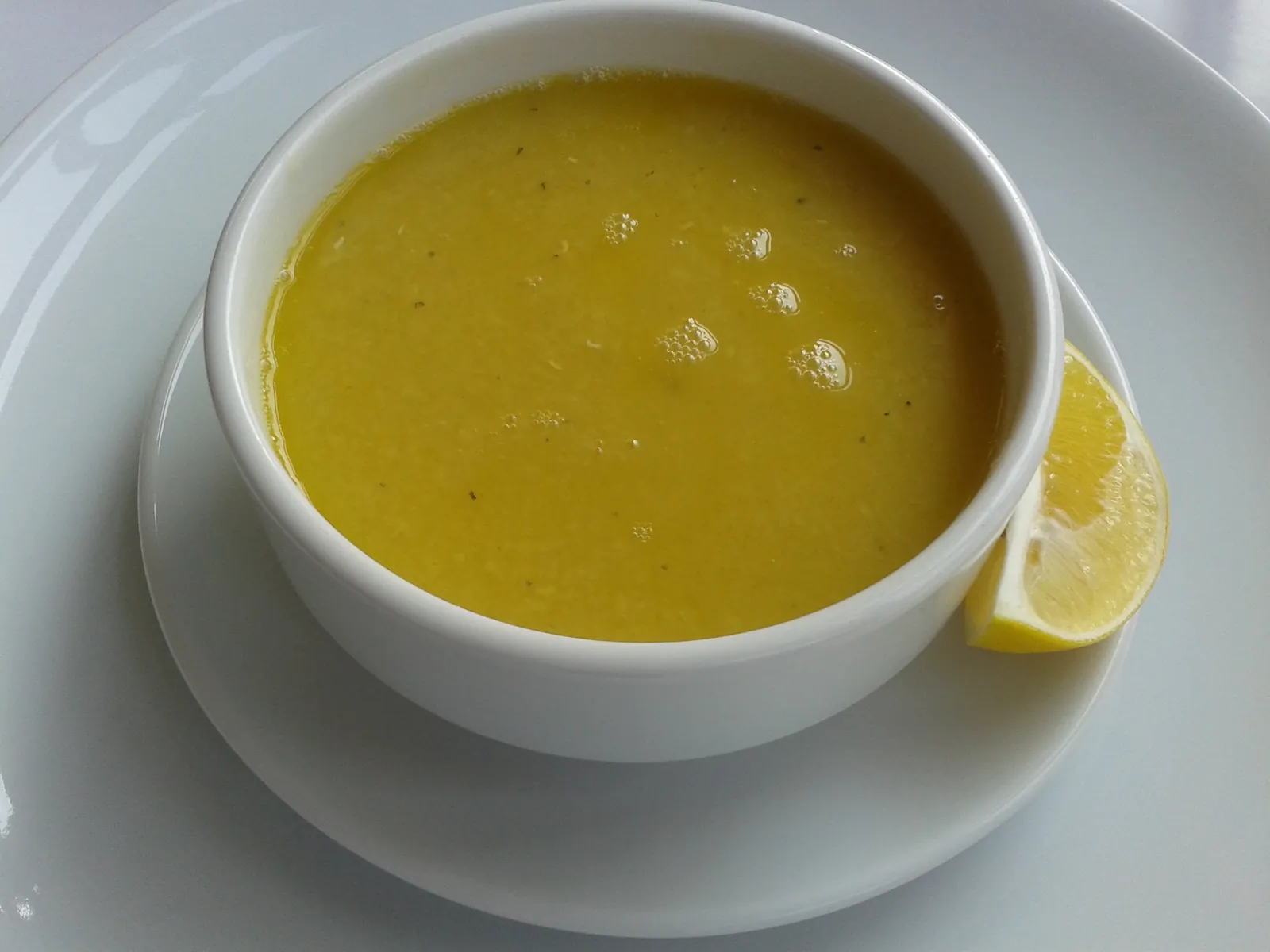
A white bowl of smooth golden Turkish lentil soup with a lemon wedge on the side Turkey flag Turkey 45m
Lunch •Ankara Lokanta Classic

Turkish Lentil Soup

This turkish lentil soup recipe turns red lentils, onion, carrot and potato into a smooth, golden soup, finished with lemon and a drizzle of paprika butter. One serving is about 325 g.

Comfort & Warmth

A silky red lentil soup, light enough for lunch and warm enough for a cold day.

Pairs Well With
Warm pide bread, lemon wedges and ayran
Soups & Broths
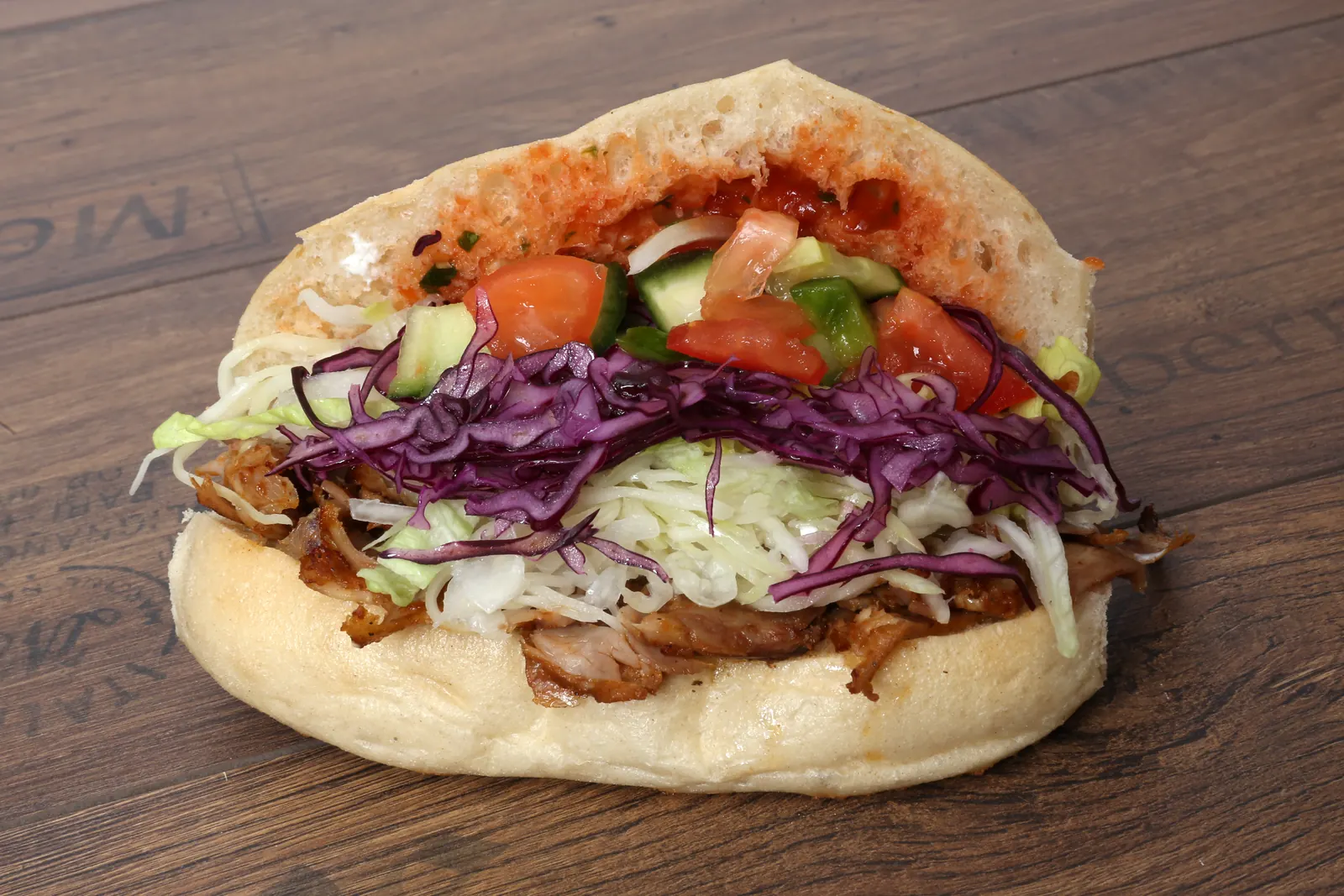
A doner kebab in flatbread filled with sliced lamb, red and white cabbage, tomato and cucumber Turkey flag Turkey 2h 55m
Dinner •Bursa Spit-Roast Heritage

Doner Kebab

This doner kebab recipe brings the Turkish spit-roast home: lamb leg marinated in yogurt, onion and spices, seared until charred at the edges, then sliced thin and tucked into warm pitta bread with crisp salad and a cool garlic yogurt sauce. No vertical spit needed — a ripping-hot pan does the job. One serving is about 415 g.

Charcoal-Grilled & Juicy

Home-style doner kebab — yogurt-marinated lamb, sliced thin and piled into warm pitta with salad and garlic sauce.

Pairs Well With
Serve in warm pitta with salad, garlic sauce and a little chilli sauce.
High Protein

The Dinner Gazette

Never wonder what’s for dinner again

One email a week with easy dinner ideas from around the world — ingredients, steps and nutrition, tested in our kitchen first.

Delivered every Thursday morning. Unsubscribe anytime.