Curated recipes from 193 countries  •  New seasonal Mediterranean issue out now

Overview

Terere

Tereré, Tererê, Cold Yerba Mate

This terere recipe is Paraguay's national drink: yerba mate steeped in ice-cold water with fresh mint and burrito, served in a guampa and sipped through a bombilla. One serving is one guampa, about 250 g. It is not hot mate cooled down — the cold water, the ice and the herbs make a completely different drink: green, grassy, minty and deeply refreshing.

Terere comes from the Guarani people of the Parana region, who drank yerba mate leaves with cold water long before Europeans arrived — the name is said to imitate the slurping sound of the last drops through the bombilla. In Paraguay it became the national drink and a social code: one guampa, one bombilla, refilled with ice water and passed around the circle. In December 2020 UNESCO inscribed the practices and traditional knowledge of terere in the culture of Poha Nana on its Representative List of the Intangible Cultural Heritage of Humanity.

Pairs well with: Chipa (Paraguayan cheese bread) and a plate of fresh fruit

Provenance

Paraguay flag Paraguay

Paraguay's National Drink

Latin America & Caribbean

Time Dedication

15m

10m prep • 5m cook

Batch Yield

4 Servings

5 kcal per serving

1 serving ≈ 250 g

Technical Skill

Easy

Easy (Mix & Sip)

Meal Timing & Digestive Fit

Breakfast

Not Advised

Lunch

Inappropriate

Dinner

Inappropriate

Snack & Tea

Ideal Light Bite

Occasions: Hot afternoons, outdoor gatherings, study sessions, long conversations, Terere Day Cost: Low — about $0.30–0.50 per guampa at home
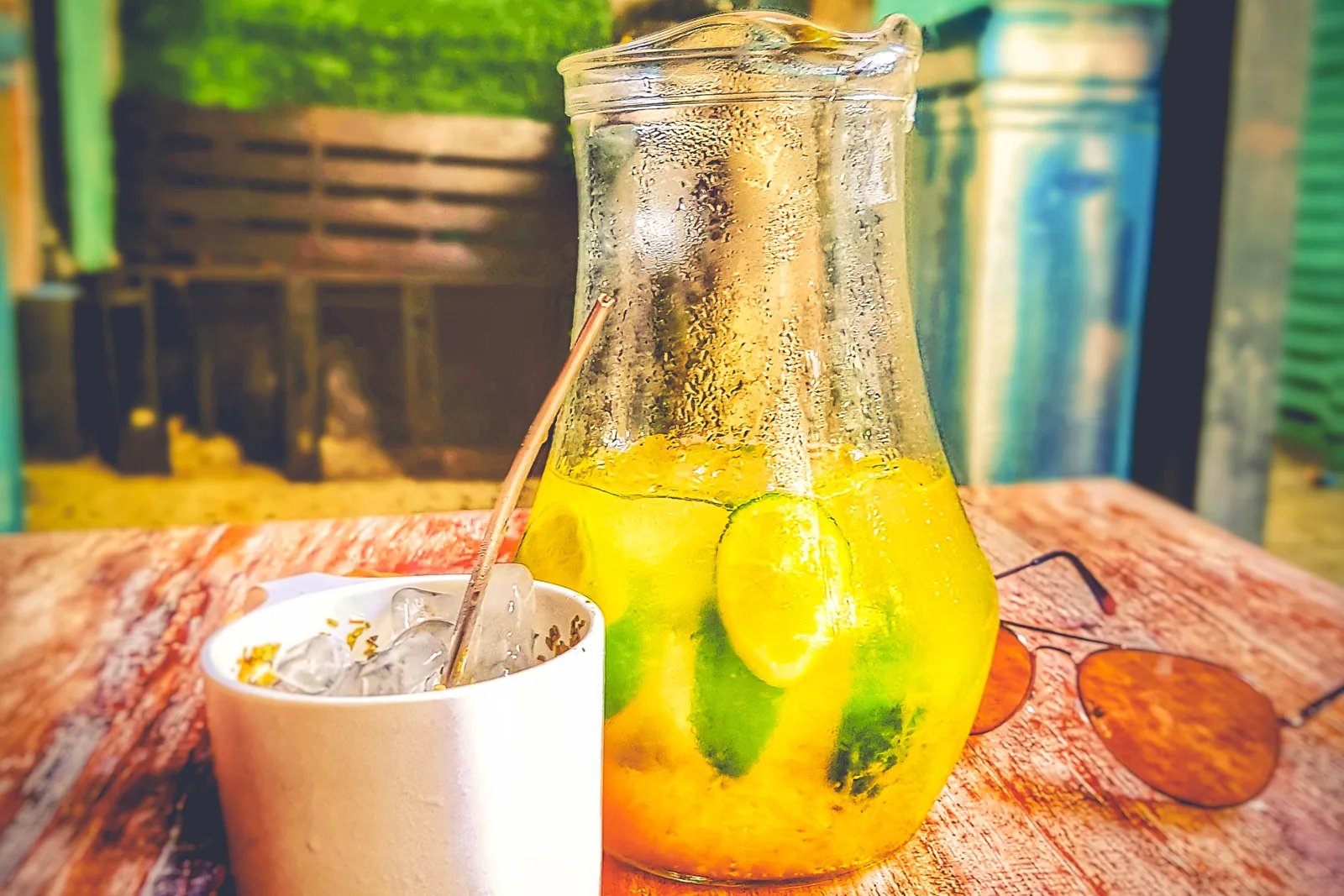
A glass pitcher of ice-cold terere with lime and mint beside a white guampa filled with ice and a metal bombilla straw

Paraguay's National Drink

Photo: TitiNicola, CC BY-SA 4.0, via Wikimedia Commons

The Heritage Formulary

Measured Ingredients

Estimated cost: Low — about $0.30–0.50 per guampa at home (USD)

The Paraguayan classic: yerba mate, ice-cold herbal water and a guampa, sipped through a bombilla and refilled many times.

Execution Methodology & Culinary Technique

Step-by-Step Cooking Guide

Active 15m
P

Prep Stage: Chill the Water and Crush the Herbs

10 Mins

Chill the water hard — it must be 1–5°C (34–41°F), not just cool, so put the jug in the fridge for at least 2 hours and keep the ice ready. Wash the mint and burrito leaves and crush them lightly in a mortar with a spoonful of the cold water: crushing releases their oils into the water, which is the whole point of pohã ñana. Have the guampa and bombilla clean and ready.

Maestro Tip: The water must be genuinely ice-cold. Lukewarm water makes a dull, flat terere — if in doubt, add more ice.

  1. 1

    Crush the Herbs into the Water

    5 Mins Cold water, 1–5°C (34–41°F)

    Put the crushed mint and burrito leaves into the jug of cold water with the ice cubes and stir once. Leave it for 5 minutes so the water takes on the green, herbal flavour — this is the pohã ñana infusion that makes terere more than just cold mate. Add the lime slices to the jug if you like a citrus note.

    Crush, do not chop fine: bruised leaves give up their oils; shredded leaves just float about and clog the bombilla.

    Done when: Water faintly green and smelling of mint; ice still solid.

  2. 2

    Fill the Guampa with Yerba

    3 Mins Room temperature, about 20°C (68°F)

    Fill the guampa about two-thirds full with yerba mate. Cover the mouth with your palm, turn it upside down and shake it firmly 4–5 times to bring the fine dust to the top, then tip the leaves to one side so there is a hollow on the other side.

    The shake matters: it moves the dusty powder to the top so it does not clog the bombilla on the first sip.

    Done when: Leaves in a slope, with a clear hollow on one side.

  3. 3

    Add Ice and Pour the First Round

    2 Mins Ice-cold, 1–5°C (34–41°F)

    Drop 2 or 3 ice cubes into the hollow of the guampa, then pour the cold herbal water over the yerba until the guampa is nearly full. Wait a minute for the leaves to drink it in and settle.

    Ice in the guampa itself, not just in the jug, is what keeps each refill cold to the last sip.

    Done when: Leaves darkened and settled; ice floating in the guampa.

  4. 4

    Place the Bombilla and Sip

    2 Mins Serve ice-cold, 1–5°C (34–41°F)

    Slide the bombilla into the hollow, filter end down, and hold it still — do not stir or move it again, or the leaves will block the filter. Sip through the bombilla straight away: the first sip should be cold, green and minty, with no leaves in the straw. One serving is one guampa, about 250 g.

    Once the bombilla is in, it stays put. Moving it stirs the leaves into the filter.

    Done when: A smooth, cold, herbal sip with no leaves in the straw.

  5. 5

    Refill and Share the Round

    3 Mins Keep the water at 1–5°C (34–41°F)

    When the guampa runs dry, refill it with more ice-cold water from the jug — a single fill of yerba gives many refills. In Paraguay the guampa is passed from hand to hand, each person drinking it all before it is refilled and passed on. Keep the jug iced: when the water warms up, the terere is done.

    The flavour softens with each pour; the guampa is finished when the drink tastes of plain cold water.

    Done when: Refills stay cold and flavourful; the round keeps going as long as the ice lasts.

Finishing Touches & Plating

Drink the terere as soon as it is poured, ice-cold, and keep refilling the same yerba until the flavour fades — one guampa, many pours, shared around the circle, is the whole point of the ritual.

Nutritional Physiology & Benefits

Nutrition

Energy

5

kcal / serving

Protein

0g

Complete AA

Carbs

1g

Complex

Fats

0g

Healthy

Per serving (4 servings · 1 serving ≈ 250 g)
Energy5 kcal
Protein0 g
Carbohydrates1 g
Fat0 g
Fibre0.0 g
Sugar0.0 g
Sodium5 mg
Per 100g
Energy2 kcal
Protein0.1 g
Carbohydrates0.4 g
Fat0 g
Fibre0 g
Sugar0 g
Sodium2 mg

Nutrition values are estimated — calculated from USDA FoodData Central values for the listed ingredients.

Vitamins & minerals: Small amounts of B vitamins, vitamin C and potassium from the yerba leaves and fresh herbs; the drink is mostly water. All nutrition values are estimated.

Gentle, Natural Stimulation

Yerba mate contains caffeine, roughly as much as a cup of black tea, so a cold guampa is a gentle lift on a hot afternoon without coffee's edge.

Almost No Calories, No Sugar

Unsweetened terere has about 5 kcal a guampa, no sugar and no fat — the flavour comes from the leaves and herbs, not from anything added.

A Ritual That Slows You Down

The ritual itself is the benefit: slowing down, sharing one guampa, and talking — terere is Paraguay's excuse to sit together in the shade.

Food Pairings

What to Eat With

To optimize nutrient absorption and elevate the sensory depth, pair with these authentic accompaniments:

Sides

Chipa (Cheese Bread)

Warm, chewy chipa beside an ice-cold guampa is the classic Paraguayan pairing — the salty bread and the bitter, minty drink balance each other.

Fresh Fruit

Watermelon, pineapple or orange slices are the natural partners for terere on a hot day — sweet, juicy and cooling.

Drinks

Terere Rupa (The Snack Before)

In Paraguay a small snack before the first guampa — a sandwich or empanada — is the custom, so nobody drinks terere on a completely empty stomach.

Full Menus

Full Paraguayan Afternoon

Terere with chipa and fruit, shared in the shade, is the Paraguayan afternoon — the guampa keeps being refilled as long as people keep talking.

Complete menu

Serve terere with chipa and fresh fruit for a Paraguayan afternoon, or with empanadas as a light snack.

Digestive Guardrails

What NOT to Combine

To prevent digestive distress, sluggishness, or palate clash, avoid pairing the dish with these elements:

Too Much Terere Late at Night

Terere is a source of caffeine, so a large amount late in the evening can disturb sleep — keep it to the morning and afternoon. This is general information, not medical advice.

Sharing One Bombilla When You Are Ill

Terere is traditionally shared from one guampa, but if you have a cold or a sore throat, use your own guampa — sharing a straw spreads germs easily. This is general information, not medical advice.

General information only, not medical advice — consult a doctor for personal dietary decisions.

Who Should Eat It

Who Should Eat

  • General adultsA fine daily drink for most adults — one or two guampas a day, unsweetened, is the usual habit.
  • ChildrenNot recommended for young children because of the caffeine; older children can have a weak, small cup if the family wishes.
  • ElderlyA light, cold drink that is easy to sip on a hot day; keep the caffeine modest.
  • Pregnant womenTerere contains caffeine, so keep it moderate and talk to your clinician about how much caffeine suits you in pregnancy.
  • Breastfeeding womenCaffeine passes into breast milk in small amounts, so keep terere moderate and watch the baby's sleep. Ask your clinician if unsure.
  • AthletesA low-calorie, caffeine-containing drink that fits well before training; it does not replace water for hydration.
  • Weight gainAlmost no calories, so it will not help with weight gain on its own — pair it with chipa or a snack.
  • Weight lossAbout 5 kcal a guampa unsweetened, so it is an easy swap for sugary drinks — just skip the sugar.

Health Conditions — Adjust or Avoid

Conditions

  • DiabetesUnsweetened terere has no sugar and about 0.9 g of carbohydrate a guampa, so it fits most meal plans. Ask your clinician about portion size.
  • High blood pressureSodium is negligible and the drink is unsweetened; caffeine can raise blood pressure briefly in some people, so keep it moderate. Ask your clinician about portion size.
  • Kidney diseaseVery low in minerals and protein; a moderate amount is usually fine, but ask your clinician first.
  • GoutLow in purines, so generally fine in a normal amount. Ask your clinician about frequency.
  • Stomach issuesThe cold, herbal drink is usually gentle, but strong terere on an empty stomach can cause discomfort — have a snack first if you are sensitive. Ask your clinician if symptoms persist.
  • Cardiovascular diseaseCaffeine can quicken the heart rate in some people, so keep terere moderate and avoid very strong brews. Ask your clinician about portion size.
  • Fatty liverNo sugar and no fat, so it adds nothing to the liver's load when drunk unsweetened. Ask your clinician about portion size.
  • Food allergiesContains no common allergen — just yerba leaves, herbs and water. Ask your clinician if you have any rare plant allergy.
  • Special therapeutic dietsIf you follow a prescribed low-caffeine diet, terere counts towards your caffeine limit; check with your clinician before drinking it regularly.

If you have a medical condition, consult your doctor before changing your diet.

Storage & Use

Storage & Use

How to store
Terere is made fresh each time and drunk at once; store the dry yerba in an airtight container away from light.
In the fridge
Brewed terere does not keep — make it fresh; it turns flat and bitter within an hour.
In the freezer
Do not freeze brewed terere; freeze the ice cubes ahead instead.
How to reheat
Do not heat terere — it is a cold drink by definition; brew a fresh guampa with ice-cold water.
Freezing recommended
No — the dry leaves keep for months in a sealed jar; the drink itself is made fresh.
Signs it has spoiled
Stale, dusty smell from old yerba, or a guampa that smells sour or mouldy — clean and dry the guampa.

More recipes to explore

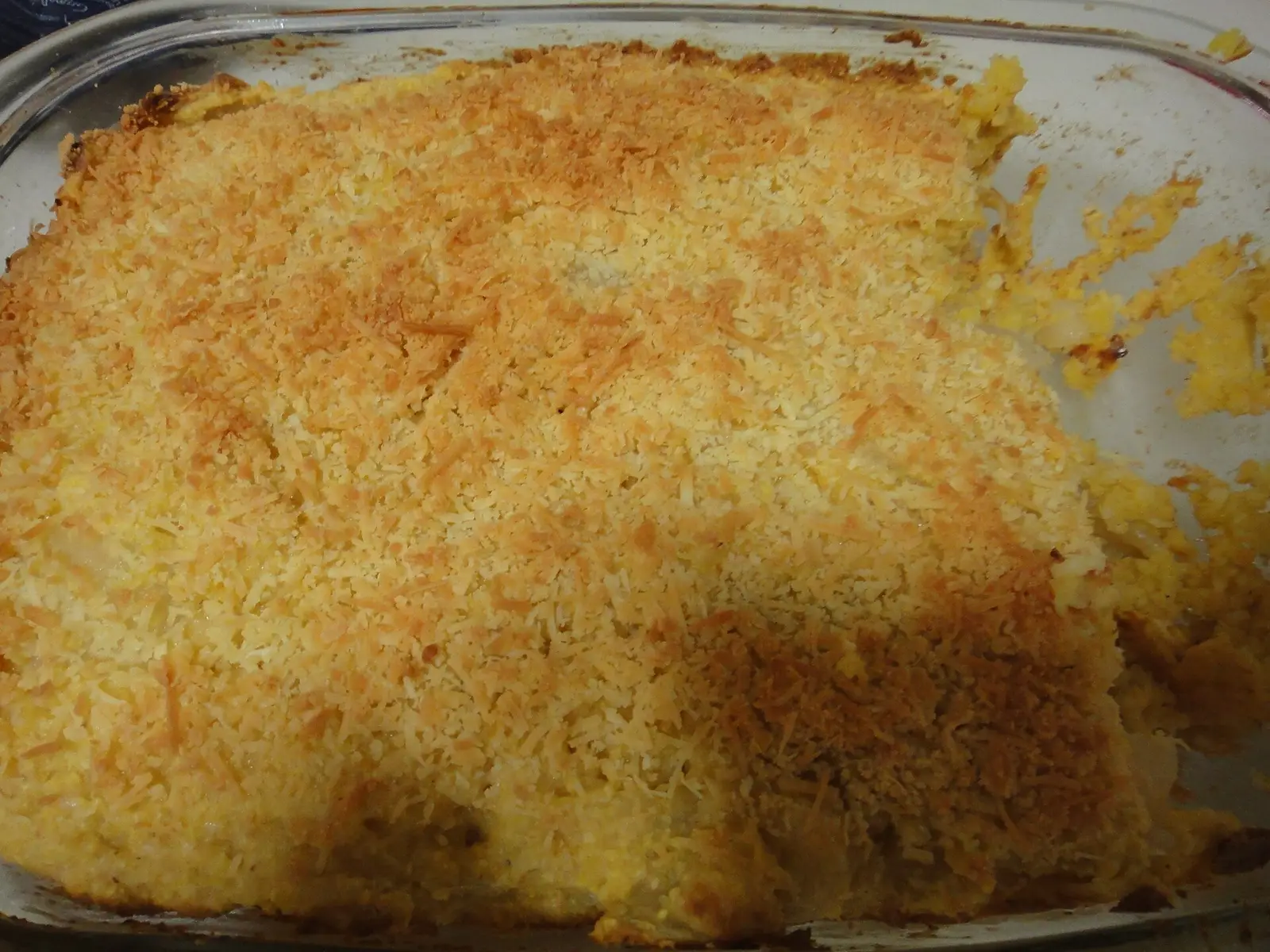
A golden baked sopa paraguaya cornmeal and cheese cake in a glass baking dish with one square cut out Paraguay flag Paraguay 1h 5m
Lunch •Asunción Heritage

Sopa Paraguaya

This sopa paraguaya recipe turns cornmeal, salty Paraguay cheese, onion, milk and eggs into a golden, spongy cake that slices like bread. Despite the name — sopa means soup — there is no broth here: the dish is solid, rich and meant to be cut into squares. One serving is about 180 g.

Comfort & Warmth

A golden, spongy cornmeal and cheese cake — Paraguay’s national dish, baked until the top is crisp and the inside stays soft.

Pairs Well With
Warm squares with grilled meat or a bowl of soup
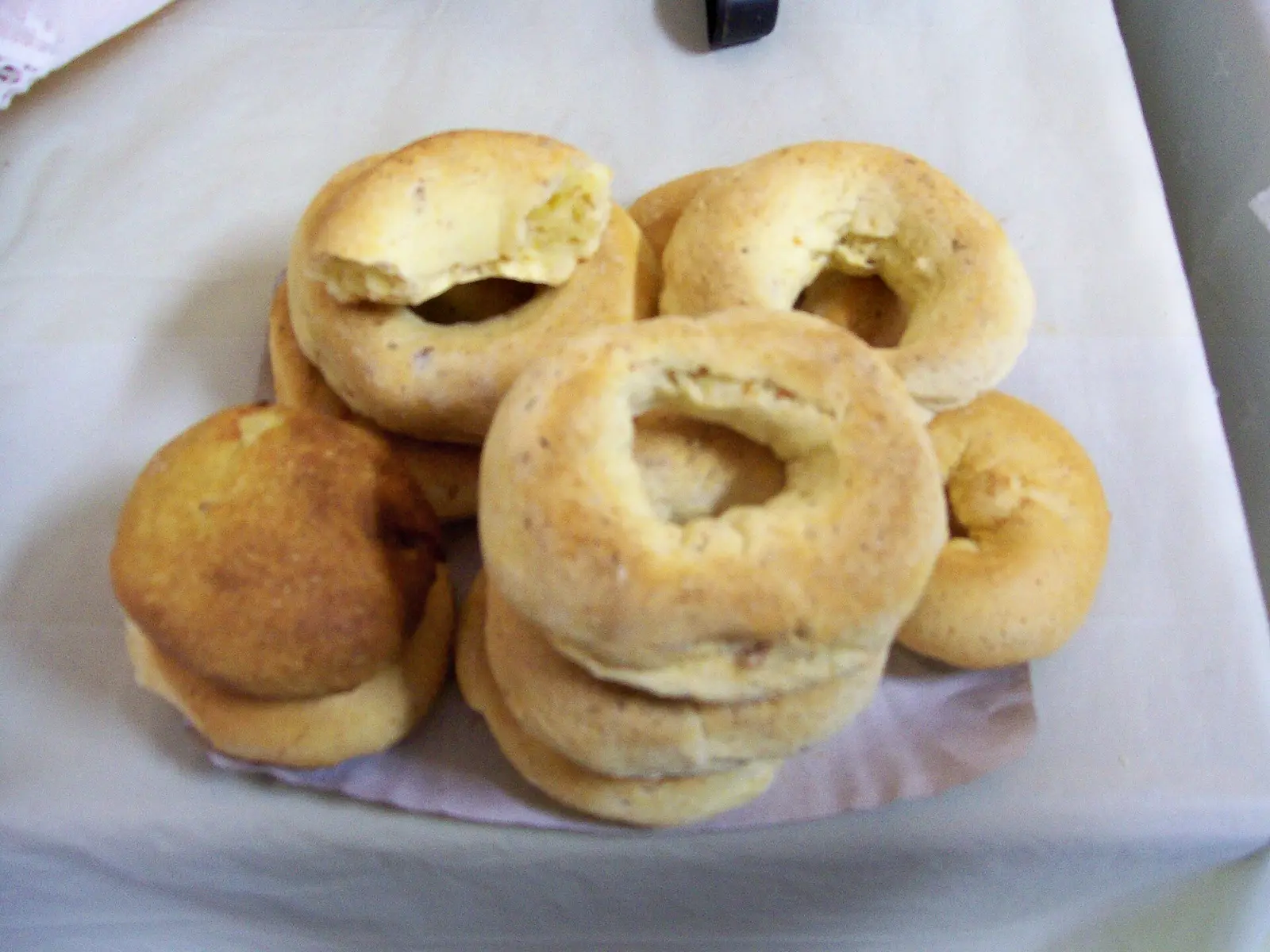
A pile of golden baked chipa cheese bread rings, one broken open to show the soft crumb Paraguay flag Paraguay 50m
Snack & Tea •Paraguayan Heritage

Chipa

This chipa recipe makes 12 golden Paraguayan cheese bread rings from cassava starch, salty cheese, eggs and a pinch of anise. The dough is rolled into ropes, closed into rings and baked until puffed and lightly cracked — crisp on the outside, soft and chewy inside. One serving is about 185 g (two rings).

Snack & Sharing

Small baked cheese bread rings made from cassava starch — crisp outside, chewy inside, best eaten warm.

Pairs Well With
Warm rings with a cup of cocido (mate cocido)
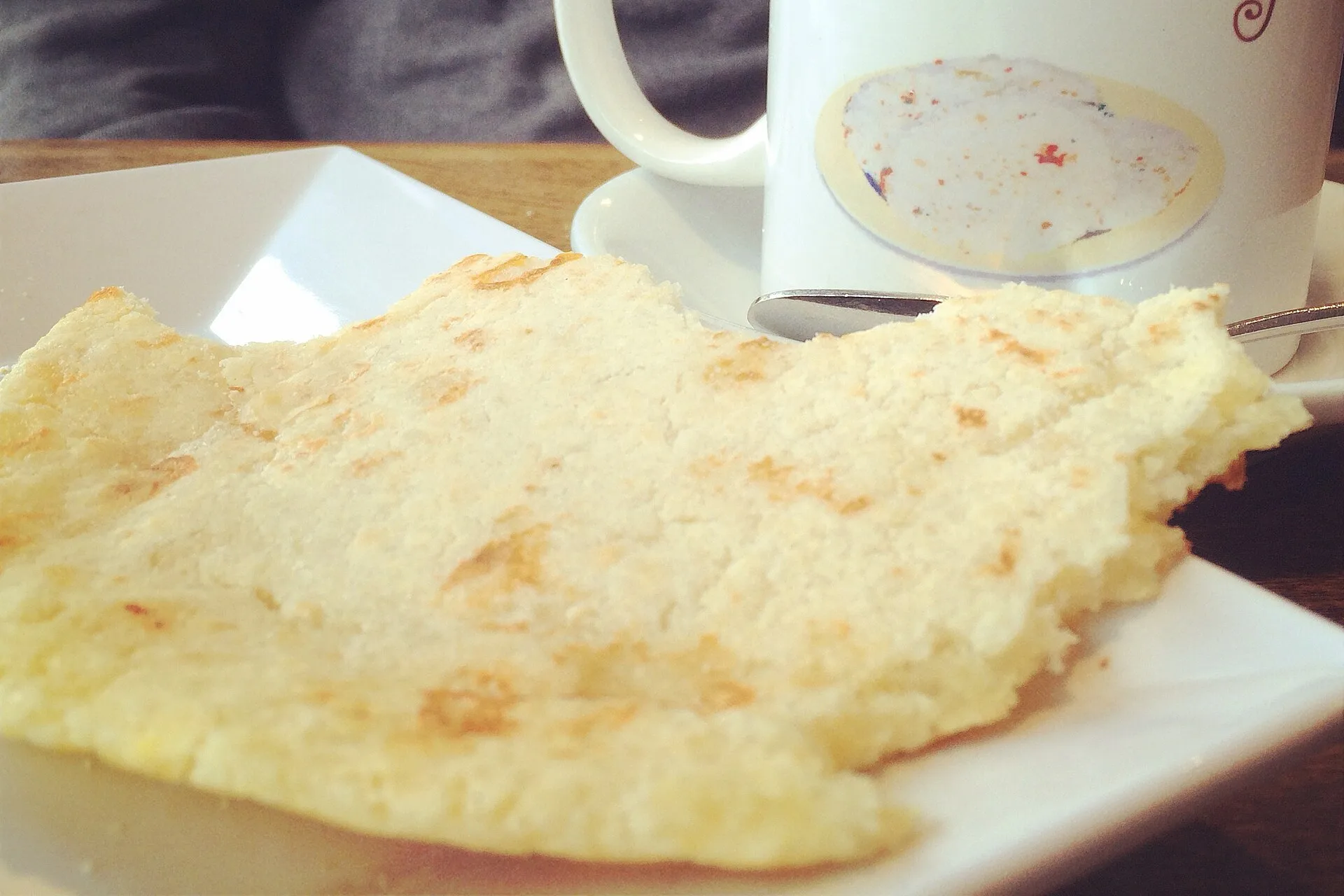
A golden mbejú cassava cheese pancake on a white plate beside a mug of cocido Paraguay flag Paraguay 30m
Snack & Tea •Guaraní Heritage

Mbejú

This mbeju recipe presses cassava starch and cheese into a golden griddled pancake — Paraguay’s classic snack, cooked in a dry pan and flipped once. It shares its two main ingredients with chipa, but the form is entirely different: chipa is kneaded and baked into bread rings, while mbejú stays a crumbly, sandy mixture that is pressed flat in the pan and never sees an oven. One serving is about 215 g (one pancake).

Snack & Sharing

A flat, griddled cassava-starch and cheese pancake — crisp at the edges, soft inside, cooked in a pan, never baked.

Pairs Well With
A warm pancake with a cup of mate cocido
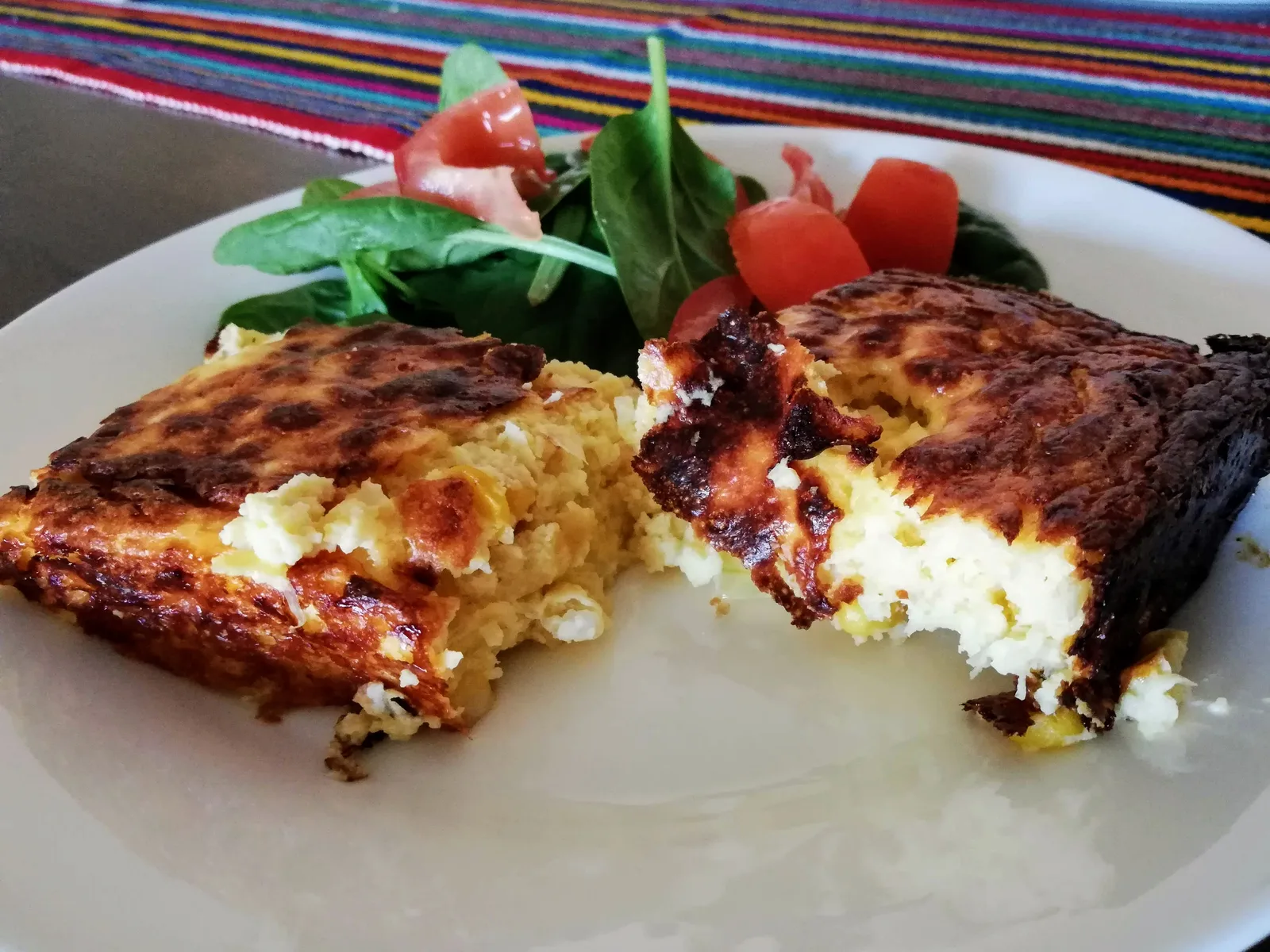
Two golden squares of chipa guasu with a fresh corn and cheese crumb, served with tomato and spinach salad Paraguay flag Paraguay 1h 5m
Lunch •Guaraní Heritage

Chipa Guasu

This chipa guasu recipe blends fresh corn kernels with eggs, milk, onion and salty Paraguay cheese, then bakes the mixture into a golden, moist cake that is cut into squares. It is not sopa paraguaya: chipa guasu is made with whole fresh corn kernels, while sopa paraguaya is made with cornmeal — the two dishes look alike but taste quite different. One serving is about 222 g.

Comfort & Warmth

A golden, moist bake of fresh corn kernels, Paraguay cheese, eggs and milk — the national side dish, served warm in squares.

Pairs Well With
Warm squares of chipa guasu with grilled meat and salad

The Dinner Gazette

Never wonder what’s for dinner again

One email a week with easy dinner ideas from around the world — ingredients, steps and nutrition, tested in our kitchen first.

Delivered every Thursday morning. Unsubscribe anytime.