Curated recipes from 193 countries  •  New seasonal Mediterranean issue out now

Overview

Thai Spicy Pork Rib Soup

Tom Saap, Tom Saap Kraduk Moo, Isan Hot-and-Sour Soup

This thai spicy pork rib soup recipe is tom saap, the hot-and-sour soup of northeastern Thailand: pork spare ribs simmered for over an hour with lemongrass, galangal and kaffir lime leaves, then sharpened at the last minute with tamarind, lime juice, fish sauce and two kinds of chilli, plus a spoonful of nutty roasted rice powder. It is clear and bright, never creamy — a world away from tom yum. One serving is about 500 g.

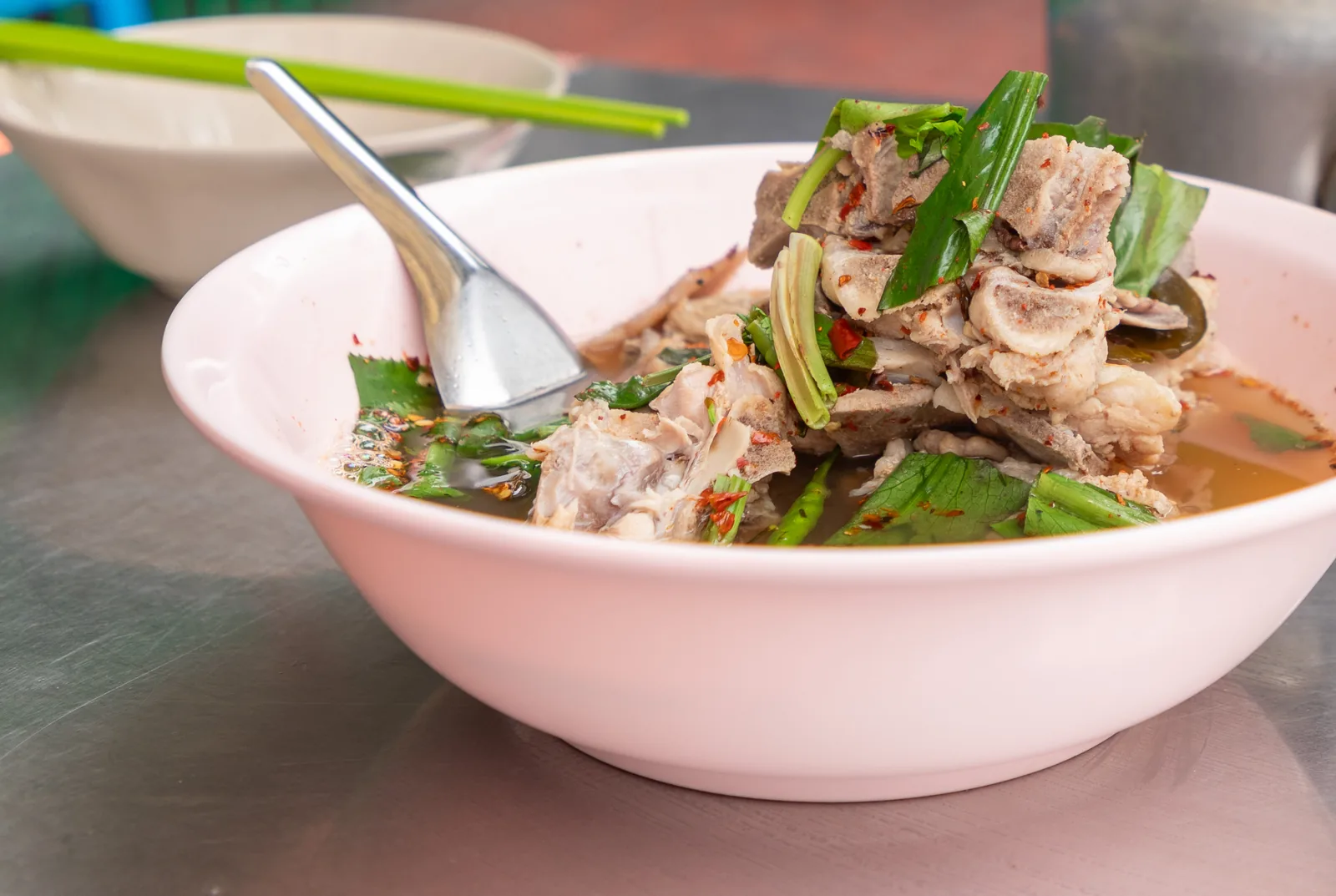
Tom saap comes from Isan, the northeastern region of Thailand, where saap means delicious in the local Lao dialect and tom means to boil. It began as a resourceful country soup that tenderised tough cuts — beef, offal or pork — with long simmering, then brightened them with lemongrass, galangal, kaffir lime leaves and roasted chilli. Street vendors later made the pork-rib version, tom saap kraduk moo, the most popular, and the same broth piled over pork spine became leng saap, the famous tower of bones sold at Bangkok night markets. Unlike tom yum, tom saap never uses coconut milk — its broth stays clear, sour and hot.

Pairs well with: Steamed jasmine rice, sticky rice, green papaya salad and a cold lime soda

Provenance

Thailand flag Thailand

Isan Street Classic

East & South Asia

Time Dedication

1h 50m

20m prep • 90m cook

Batch Yield

4 Servings

460 kcal per serving

1 serving ≈ 500 g

Technical Skill

Intermediate

Medium (Long Simmer)

Meal Timing & Digestive Fit

Breakfast

Not Advised

Lunch

Prime Metabolic Fit

Dinner

Ideal Hearty Main

Snack & Tea

Inappropriate

Soups & Broths Occasions: Family lunches, Isan-style spreads, cold-weather meals and casual gatherings with friends Cost: Low — about $3–4 per serving at home
Thai spicy pork rib soup — pork bones in a hot, sour broth with chillies and herbs, shown in its pork-spine (leng saap) form

Isan Street Classic

Photo: Aaaatu, CC BY-SA 4.0, via Wikimedia Commons

The Heritage Formulary

Measured Ingredients

Estimated cost: Low — about $3–4 per serving at home (USD)

Good tom saap is clear and bright, sharply sour first, salty second and hot third — never creamy or sweet.

Execution Methodology & Culinary Technique

Step-by-Step Cooking Guide

Active 1h 50m
P

Prep Stage: Blanch the Ribs and Ready the Herbs

20 Mins • Hands-On

Put the ribs in a pot, cover with cold water and bring to a rolling boil, 100°C (212°F), for 5 minutes, then drain and rinse them — this keeps the broth clear instead of cloudy. Meanwhile, bruise the lemongrass, slice the galangal into coins, tear the kaffir lime leaves, halve the shallots and crush the garlic. Toast the dried chillies in a dry pan for 1 minute until fragrant, then crush them coarsely. Whisk the tamarind paste with a little warm water until smooth.

Maestro Tip: Blanching the ribs is the difference between a bright, clear tom saap and a murky one — never skip it.

  1. 1

    Blanch the Ribs

    8 Mins • Hob Boiling water, 100°C (212°F)

    Put the rib pieces in a large pot, cover with cold water and bring to a rolling boil. Boil for 5 minutes, skimming off the grey foam, then drain the ribs and rinse them under running water. Wipe the pot clean.

    Skim the foam as it rises — that is what clouds the broth.

    Done when: Ribs clean, foam gone, water clear.

  2. 2

    Simmer with the Aromatics

    75 Mins • Hob Gentle simmer, about 95°C (200°F)

    Return the ribs to the pot with the 1.5 litres of fresh water, lemongrass, galangal, kaffir lime leaves, shallots and garlic. Bring to a gentle simmer — small bubbles, never a rolling boil — cover partly and cook for 75 minutes, skimming now and then, until the meat is tender and nearly falling off the bone.

    A rolling boil makes the broth cloudy and the meat tough; keep it at a lazy simmer.

    Done when: Meat tender, broth clear and fragrant.

  3. 3

    Season Sour, Salty and Hot

    10 Mins • Hob Simmer, about 95°C (200°F)

    Stir in the tamarind paste, fish sauce, sugar and salt, then add the toasted dried chillies and the bruised bird's eye chillies. Simmer for 5 minutes, then taste: it should be sharply sour first, salty second, and hot third. Adjust with a little more lime, fish sauce or chilli to your taste.

    Season in this order — sour, salty, then hot — so each flavour stays distinct.

    Done when: Broth bright, sour, salty and hot in that order.

  4. 4

    Add the Mushrooms and Finish

    7 Mins • Hob Simmer, about 95°C (200°F)

    Add the torn oyster mushrooms and simmer for 5 minutes until just cooked. Take the pot off the heat, stir in the lime juice and sprinkle over the roasted rice powder, sawtooth coriander and spring onion. The lime goes in last so its fresh scent survives.

    Lime juice added while the soup boils loses its brightness — always add it off the heat.

    Done when: Mushrooms tender, herbs bright, broth steaming.

  5. 5

    Serve at Once

    2 Mins • Serving Serve hot, about 80°C (175°F)

    Ladle the ribs and broth into deep bowls, making sure each bowl gets meat, mushrooms and plenty of broth, and serve immediately with steamed rice on the side.

    Tom saap waits for no one — the herbs fade fast once the soup cools.

    Done when: Steaming bowls, meat falling off the bone.

Finishing Touches & Plating

Eat tom saap the moment it is served, while the broth is steaming and the herbs are still bright. Spoon rice into the broth or eat it on the side — either way, the sour-hot broth is the point.

Nutritional Physiology & Benefits

Nutrition

Energy

460

kcal / serving

Protein

24g

Complete AA

Carbs

28g

Complex

Fats

29g

Healthy

Per serving (4 servings · 1 serving ≈ 500 g)
Energy460 kcal
Protein24 g
Carbohydrates28 g
Fat29 g
Fibre4.0 g
Sugar10.8 g
Sodium970 mg
Per 100g
Energy92 kcal
Protein4.8 g
Carbohydrates5.6 g
Fat5.8 g
Fibre0.8 g
Sugar2.2 g
Sodium194 mg

Nutrition values are estimated — calculated from USDA FoodData Central values for the listed ingredients.

Vitamins & minerals: Vitamin C (lime and chillies), vitamin B6 and B12 (pork), iron and zinc (pork ribs), vitamin D (mushrooms). Nutrition values are estimated.

Protein That Fills You Up

About 24 g of protein per serving from the pork ribs makes this a substantial lunch that keeps you full for hours.

Fresh Herbs, Real Flavour

Lemongrass, galangal, lime leaves and chillies bring vitamin C and aromatic oils with no cream, coconut milk or frying.

Light, Clear Broth

The broth is water-based and clear, so the soup feels light and refreshing even though the ribs themselves are rich.

Food Pairings

What to Eat With

To optimize nutrient absorption and elevate the sensory depth, pair with these authentic accompaniments:

Sides

Steamed Jasmine Rice

Plain jasmine rice soaks up the sour-hot broth and tames the chilli, bite by bite.

Sticky Rice

In Isan, sticky rice is the traditional partner — roll a small ball, dip it in the broth, and eat it with the meat.

Vegetables

Green Papaya Salad

Som tam's sour crunch echoes the soup's flavours while adding fresh, raw vegetables to the meal.

Drinks

Cold Lime Soda

A cold, lightly sweet lime soda cools the chilli heat and matches the soup's citrus notes.

Full Menus

Isan Table

Tom saap, sticky rice, som tam and grilled chicken make a classic Isan spread — sour, hot, smoky and fresh at once.

Complete menu

Start with tom saap and sticky rice, add green papaya salad and grilled chicken, and finish with a cold lime soda — a classic Isan table.

Digestive Guardrails

What NOT to Combine

To prevent digestive distress, sluggishness, or palate clash, avoid pairing the dish with these elements:

Undercooked Pork Ribs

Pork must be cooked through until the meat is tender and the juices run clear — undercooked pork can carry harmful bacteria and parasites. Simmer the full 75 minutes and check the meat is tender. This is general food-safety information, not medical advice.

Too Much Fish Sauce and Salt

Fish sauce is very salty, so season a little at a time and taste as you go. A bowl of tom saap is already high in sodium — do not add extra fish sauce at the table if you watch your salt.

Very Hot Chillies for Sensitive Stomachs

Bird's eye chillies and dried chillies make this soup genuinely hot, and too much can irritate a sensitive stomach. Start with half the chillies and add more to your own bowl.

General information only, not medical advice — consult a doctor for personal dietary decisions.

Who Should Eat It

Who Should Eat

  • General adultsA full, satisfying lunch — one generous bowl with rice is a complete meal.
  • ChildrenToo hot as written for most children. Make a mild version with no bird's eye chillies and half the dried chillies, and serve the meat off the bone.
  • ElderlyThe long simmer makes the meat very tender and easy to chew. Go easy on the chilli and the salt.
  • Pregnant womenSafe when the pork is cooked right through. Keep the chilli moderate — very spicy food can worsen heartburn.
  • Breastfeeding womenNo special restriction. Chilli in the mother's food does not harm a breastfed baby, but eat to your own comfort.
  • AthletesAbout 24 g of protein per serving plus rice makes a good recovery lunch after training.
  • Weight gainAdd extra rice and a second helping of ribs — the broth is light, so the meal scales up easily.
  • Weight lossThe broth is low in calories; fill up on broth and mushrooms, keep the ribs to a modest portion, and go easy on the rice.

Health Conditions — Adjust or Avoid

Conditions

  • DiabetesThe soup itself is low in carbohydrate, but the tamarind and sugar add some — and the rice is the main carb. Keep the rice portion modest and ask your clinician.
  • High blood pressureFish sauce and salt make this soup high in sodium, so use less fish sauce, skip the extra salt and do not drink all the broth. Ask your clinician.
  • Kidney diseaseHigh in sodium and protein, so portion size matters — a small bowl with extra mushrooms and less broth may suit better. Ask your clinician.
  • GoutPork ribs and rich bone broth can raise uric acid, so eat it occasionally and in a modest portion. Ask your clinician.
  • Stomach issuesChilli, tamarind and lime can irritate a sensitive stomach — a mild version with half the chillies is gentler. Ask your clinician if symptoms flare.
  • Cardiovascular diseaseThe ribs are fatty, so trim visible fat and eat a modest portion with plenty of vegetables. Ask your clinician about how often it fits.
  • Fatty liverFatty pork ribs in a rich broth are high in saturated fat — keep portions small and infrequent. Ask your clinician.
  • Food allergiesContains fish (fish sauce). The roasted rice powder contains gluten-free rice, but check the label if you are sensitive. Ask your clinician about safe swaps.
  • Special therapeutic dietsThe soup can be made milder and lower in salt, but check every change with your clinician or dietitian first.

If you have a medical condition, consult your doctor before changing your diet.

Storage & Use

Storage & Use

How to store
Cool the soup quickly and store the ribs in their broth in an airtight container.
In the fridge
Keeps 3–4 days refrigerated at 0–4°C (32–39°F). The flavours deepen overnight.
In the freezer
Freezes well for up to 3 months, without the fresh herbs — add those fresh when serving.
How to reheat
Reheat gently to a simmer, about 95°C (200°F), until steaming hot. Reheat to 74°C (165°F) inside, then add fresh lime and herbs.
Freezing recommended
Yes — the broth and ribs freeze very well.
Signs it has spoiled
A sour or off smell beyond the normal tamarind tang, or a slimy surface on the meat, means it must be thrown away.

More recipes to explore

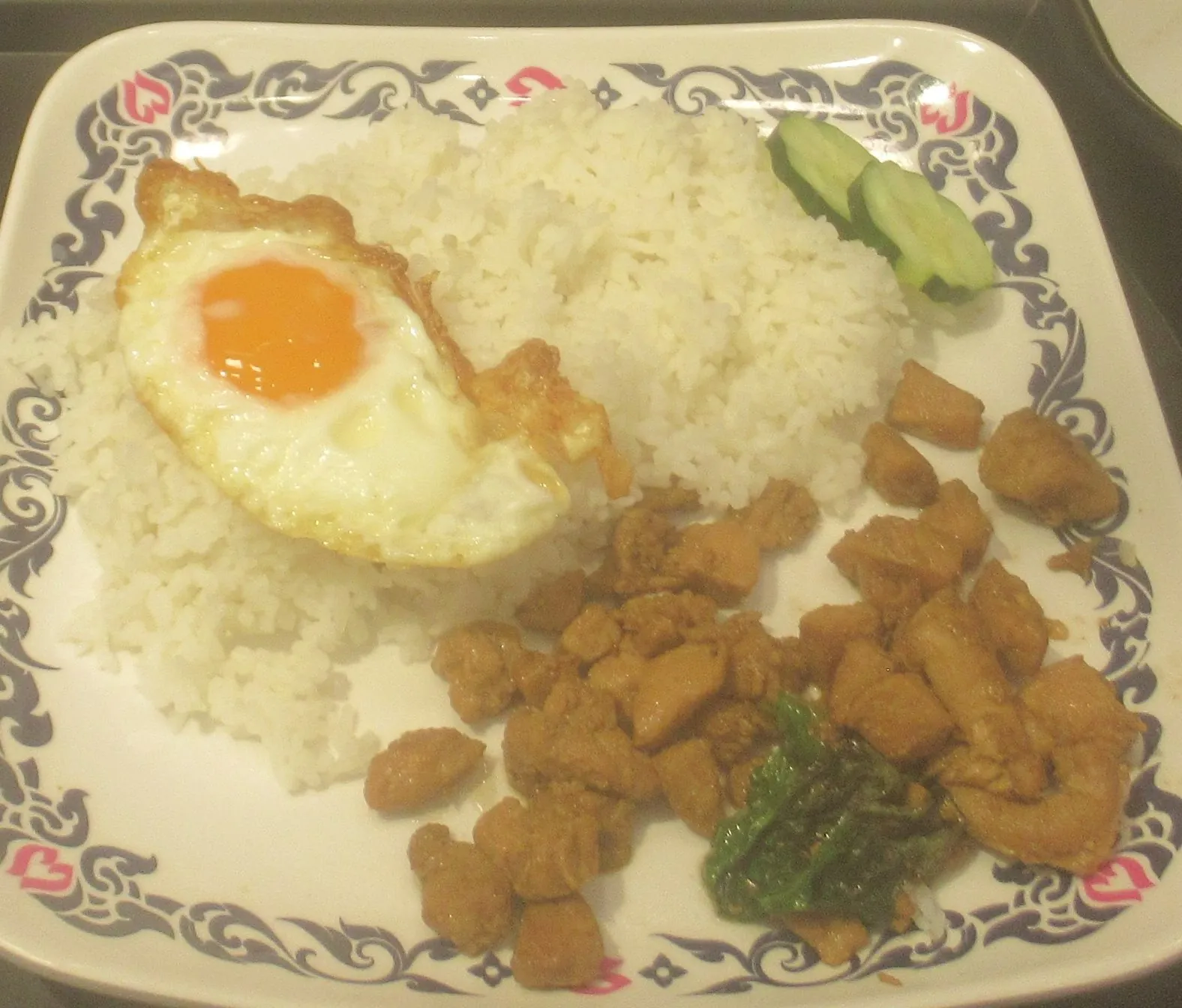
Pad kra pao gai — Thai holy basil chicken with fried egg and rice Thailand flag Thailand 30m
Lunch •Bangkok Street Flame

Pad Kra Pao Gai

High-heat wok flash of holy basil and crushed chillies over minced chicken, served over jasmine rice with a crispy-edged fried egg.

High Energy

Capsaicin brings the heat; holy basil adds a peppery, clove-like aroma.

Pairs Well With
Chilled Cucumber Salad & Fish Sauce Lime Dip
High Protein • Quick Prep (<30m)
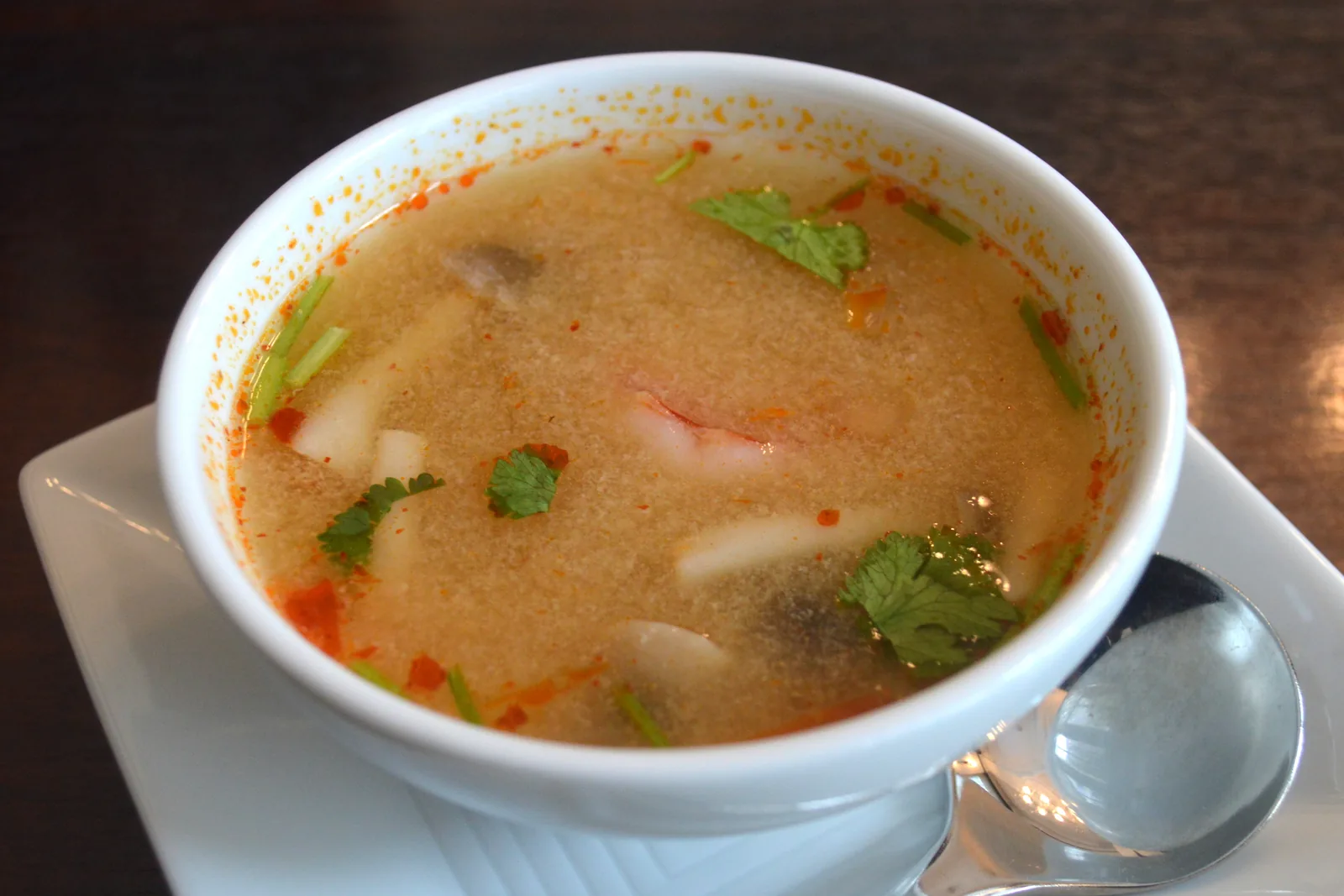
A white bowl of clear tom yum goong with a pink prawn, mushrooms and fresh cilantro Thailand flag Thailand 35m
Lunch •Central Thai Rivers

Tom Yum Goong

This tom yum goong recipe builds a clear, fiery-sour broth from lemongrass, galangal and makrut lime leaves, then finishes it with plump prawns, mushrooms and lime juice. One serving is about 460 g.

Comfort & Warmth

Hot, sour and fragrant prawn soup with lemongrass, galangal and lime.

Pairs Well With
Steamed jasmine rice and a cold Thai iced tea
Soups & Broths • High Protein
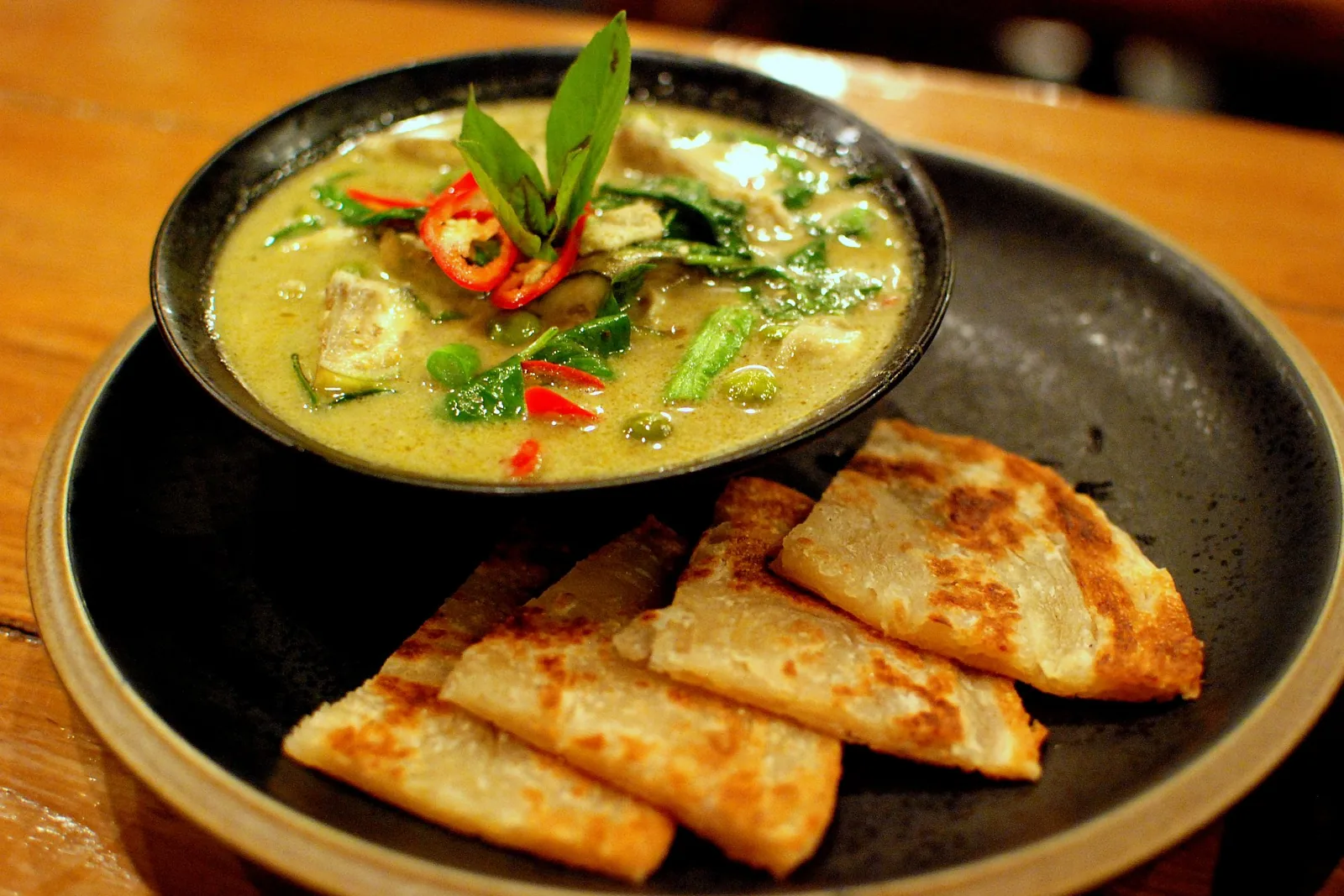
A black bowl of Thai green curry with chicken, Thai basil and red chilli, with roti on the side Thailand flag Thailand 40m
Dinner •Central Thai Classic

Thai Green Curry

This thai green curry recipe simmers chicken in coconut milk with green curry paste, Thai eggplant and bamboo shoots, finished with basil and a squeeze of lime. One serving is about 480 g, rice included.

Comfort & Warmth

Creamy coconut curry with green chillies, Thai basil and tender chicken.

Pairs Well With
Jasmine rice and a cucumber salad
High Protein
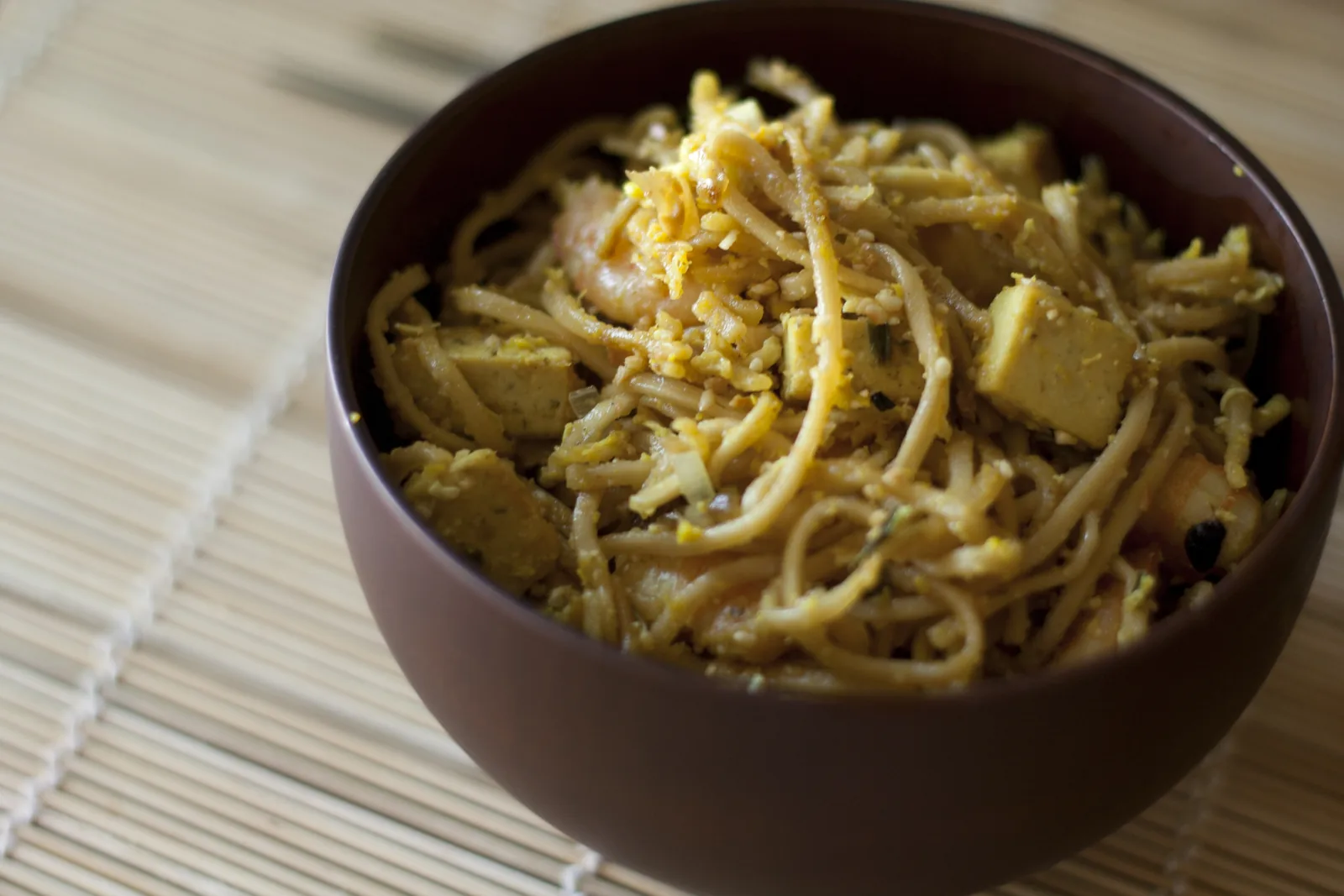
A dark bowl of pad thai with shrimp, tofu and egg, served on a bamboo mat Thailand flag Thailand 35m
Lunch •Thai Street-Food Classic

Pad Thai

This pad thai recipe stir-fries flat rice noodles with shrimp, egg and tofu in a tamarind, fish-sauce and palm-sugar glaze, finished with bean sprouts, peanuts and lime. One serving is about 350 g.

Street-Food Comfort

Stir-fried rice noodles in a sweet, sour and salty tamarind glaze, with shrimp, egg and tofu — the balance of flavours is the whole point.

Pairs Well With
Iced lime tea and a crisp cucumber salad
Pasta & Noodles

The Dinner Gazette

Never wonder what’s for dinner again

One email a week with easy dinner ideas from around the world — ingredients, steps and nutrition, tested in our kitchen first.

Delivered every Thursday morning. Unsubscribe anytime.