
Curated recipes from 193 countries  •  New seasonal Mediterranean issue out now

Overview

Tirggel

Züri Tirggel, Zurich Honey Biscuits

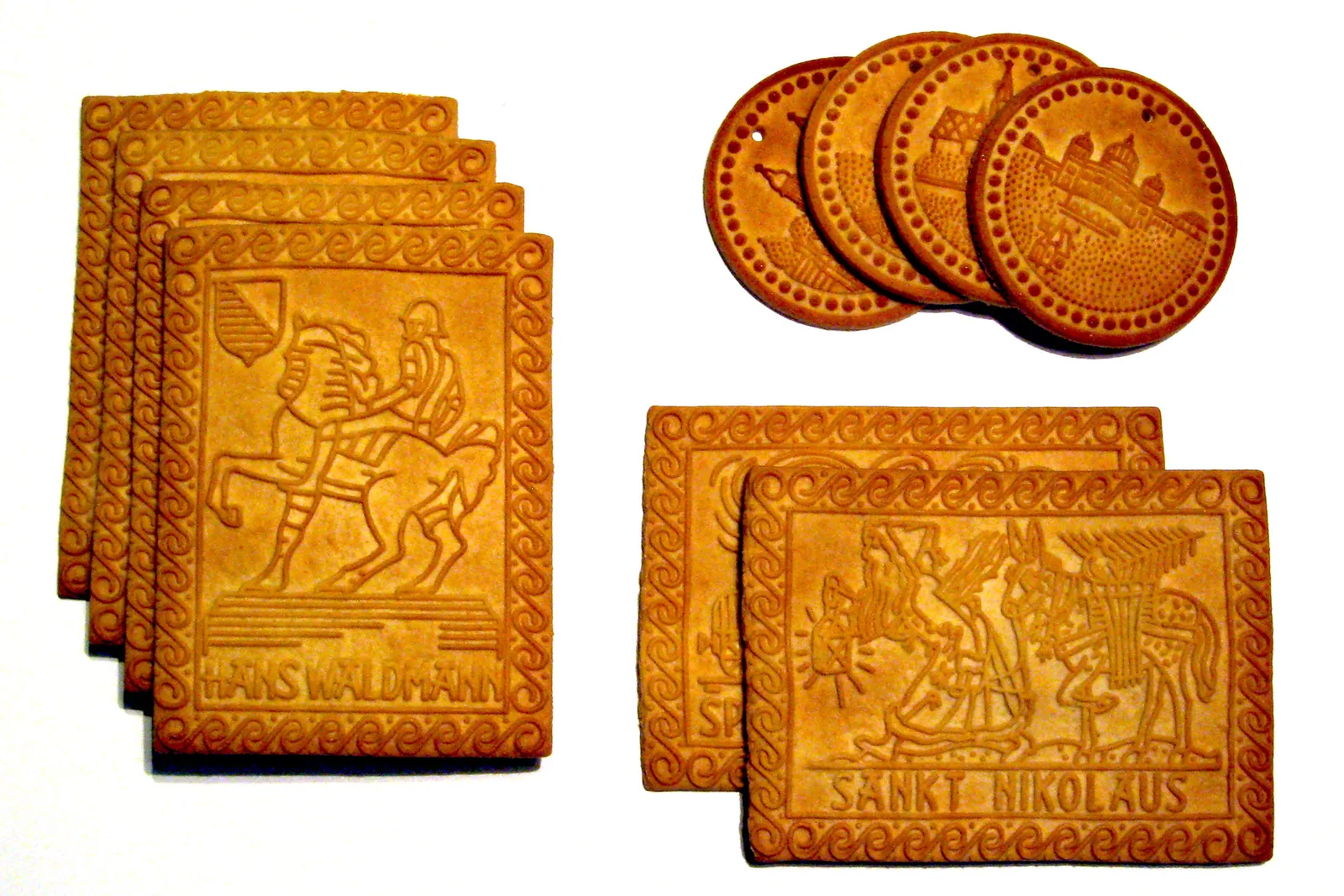
This tirggel recipe makes Zurich's famous honey biscuits: a simple dough of flour, honey and sugar, rolled paper-thin and pressed into carved moulds so each biscuit carries a picture — a horseman, Saint Nicholas, a city view. They bake in minutes to a hard, golden snap and keep for weeks in a tin. One serving is 2 biscuits, about 70 g.

Tirggel are the traditional Christmas biscuits of Zurich, made from flour, honey, sugar and water — the dough is about 29 percent honey — and pressed paper-thin into elaborately carved wooden moulds. Traditionally they were baked at 400°C for only 90 seconds, which takes precise timing, and until 1840 only Zurich's city bakers had the right to make them.

Pairs well with: Black tea, coffee & a glass of milk

Provenance

Switzerland flag Switzerland

Zurich Christmas Classic

Nordic & European

Time Dedication

55m

45m prep • 10m cook

Batch Yield

12 Servings

248 kcal per serving

1 serving ≈ 70 g

Technical Skill

Intermediate

Intermediate (Thin & Stamped)

Meal Timing & Digestive Fit

Breakfast

Not Advised

Lunch

Inappropriate

Dinner

Inappropriate

Snack & Tea

Ideal Light Bite

Occasions: Christmas, coffee breaks, gifts, afternoon tea Cost: Low — about $0.50 per serving at home
Golden tirggel honey biscuits stamped with pictures of Hans Waldmann and Saint Nicholas on a white background

Zurich Christmas Classic

Photo: Sandstein, CC BY 3.0, via Wikimedia Commons

The Heritage Formulary

Measured Ingredients

Estimated cost: Low — about $0.50 per serving at home (USD)

A good tirggel is thin, hard and pale gold, with a picture sharp enough to read — and it snaps, never bends.

Execution Methodology & Culinary Technique

Step-by-Step Cooking Guide

Active 55m
P

Prep Stage: Warm Honey & Rest the Dough

45 Mins • Mixing & Resting

Warm the honey, sugar and rosewater gently until the sugar melts, then stir it into the flour with the cinnamon and salt to make a firm dough. Rest the dough for 30 minutes so it relaxes — stiff dough springs back and will not hold the mould's picture.

Maestro Tip: Do not boil the honey — high heat darkens it and dulls its flavour.

  1. 1

    Warm the Honey & Sugar

    5 Mins Low heat, about 50°C (120°F)

    Put the honey, sugar and rosewater in a small pan over low heat and stir until the sugar has melted and the mixture is smooth and runny. Take it off the heat and let it cool for 5 minutes.

    Warm, never boil — boiling honey loses its delicate flavour.

    Done when: A smooth, runny syrup with no sugar grains left.

  2. 2

    Mix & Rest the Dough

    10 Mins + 30 Mins Rest Room temperature, about 20°C (68°F)

    Whisk the cinnamon and salt into the sifted flour, then pour in the warm honey syrup and the water, a spoonful at a time, and work it into a firm, smooth dough. Knead briefly, wrap in cling film and rest for 30 minutes.

    A firm dough is right — soft dough spreads and loses the stamped picture.

    Done when: A smooth, firm dough that holds a fingerprint without sticking.

  3. 3

    Roll Thin & Stamp the Pictures

    15 Mins Room temperature, about 20°C (68°F)

    Roll the dough out on a lightly floured surface to about 3 mm thick. Press a tirggel mould — or the base of a patterned glass, or a cookie stamp — firmly and evenly into the dough, then cut around each picture with a knife or cutter.

    Press once, hard and straight down — rocking the mould blurs the picture.

    Done when: Thin biscuits with a clear, sharp picture pressed into the surface.

  4. 4

    Bake Until Pale Gold

    8 Mins 200°C (400°F)

    Lay the biscuits on lined baking trays and bake for 6–8 minutes until pale gold at the edges and firm to the touch. They darken fast, so watch them from minute 5.

    Tirggel should stay pale gold — deep brown means the honey has burnt and the biscuit turns bitter.

    Done when: Pale gold biscuits, firm at the edges, with the picture still crisp.

  5. 5

    Cool & Crisp

    10 Mins Room temperature, about 20°C (68°F)

    Lift the biscuits onto a rack. They feel soft straight from the oven but harden as they cool into their famous snap — do not judge them while they are warm.

    Leave them alone for 10 minutes; moving soft tirggel bends them out of shape.

    Done when: Hard, thin biscuits that snap cleanly when broken.

Finishing Touches & Plating

Store in an airtight tin once completely cold. Tirggel actually improve after a few days, as the honey flavour deepens — which is why Zurich bakers make them well before Christmas.

Nutritional Physiology & Benefits

Nutrition

Energy

248

kcal / serving

Protein

4g

Complete AA

Carbs

58g

Complex

Fats

0g

Healthy

Per serving (12 servings · 1 serving ≈ 70 g)
Energy248 kcal
Protein4 g
Carbohydrates58 g
Fat0 g
Fibre1.3 g
Sugar25.6 g
Sodium66 mg
Per 100g
Energy354 kcal
Protein6.2 g
Carbohydrates82.1 g
Fat0.6 g
Fibre1.9 g
Sugar36.5 g
Sodium95 mg

Nutrition values are estimated — calculated from USDA FoodData Central values for the listed ingredients.

Vitamins & minerals: Trace B vitamins from flour and honey; tirggel are a sweet treat, not a source of vitamins.

Light, Lasting Energy

Honey and flour give quick, clean energy in a thin biscuit — two tirggel are enough for a coffee break.

No Fat at All

Traditional tirggel contain no butter, oil or egg, so they are naturally almost fat-free.

Keeps for Weeks

Hard and dry by design, tirggel stay crisp for weeks in a tin — the original travel biscuit.

Food Pairings

What to Eat With

To optimize nutrient absorption and elevate the sensory depth, pair with these authentic accompaniments:

Drinks

Black Tea

Unsweetened black tea balances the honey sweetness and softens the biscuit's hard snap.

Coffee

A strong coffee cuts through the honey and turns two thin biscuits into a proper pause.

Sides

A Slice of Cheese

A mild, creamy cheese with a honey biscuit is a classic Swiss pairing — sweet against savoury.

More Pairings

Vanilla Ice Cream

Crumbled tirggel over ice cream add honey crunch, like a Swiss biscuit crumble.

Complete menu

Serve tirggel with unsweetened black tea or strong coffee, and add a slice of mild creamy cheese for the classic Swiss sweet-and-savoury pairing.

Digestive Guardrails

What NOT to Combine

To prevent digestive distress, sluggishness, or palate clash, avoid pairing the dish with these elements:

Eating Many at Once

Tirggel are mostly honey and sugar, so a handful is a lot of sugar in one sitting. Two biscuits with tea is the intended portion. This is general information, not medical advice.

Storing Them in a Damp Place

Tirggel absorb moisture and go soft in a damp kitchen. Keep them in a dry, airtight tin. This is general information, not medical advice.

General information only, not medical advice — consult a doctor for personal dietary decisions.

Who Should Eat It

Who Should Eat

  • General adultsA light, sweet snack — two biscuits with tea or coffee.
  • ChildrenChildren love the pictures; let them stamp their own. The biscuits are very hard, so they are best for children over 3 who can bite safely.
  • ElderlyVery hard biscuits can be difficult to bite — dunk in tea to soften, or choose a softer biscuit.
  • Pregnant womenGenerally suitable as an occasional treat; tirggel contain no egg. Ask your clinician about honey intake if you have gestational diabetes.
  • Breastfeeding womenGenerally suitable as an occasional treat; honey passes into breast milk only in trace amounts, but keep the portion small.
  • AthletesA quick source of fast energy before training, but low in protein — pair with milk or nuts.
  • Weight gainA good choice — honey and sugar are energy-dense, so a few extra biscuits add calories easily.
  • Weight lossKeep to one biscuit and enjoy it slowly; they are mostly honey and sugar.

Health Conditions — Adjust or Avoid

Conditions

  • DiabetesMostly honey and sugar — keep to one biscuit and pair with unsweetened tea. Ask your clinician about portion sizes.
  • High blood pressureVery low in sodium and fat, but high in sugar — an occasional small portion only. Ask your clinician about portion sizes.
  • Kidney diseaseLow in protein and potassium, but high in sugar — an occasional small portion only. Ask your clinician about portion sizes.
  • GoutLow in purines, so tirggel are a gentler sweet than cream-based desserts. Ask your clinician about portion sizes.
  • Stomach issuesHard, sugary biscuits can feel heavy on a sensitive stomach — eat one slowly, dunked in tea. Ask your clinician if symptoms persist.
  • Cardiovascular diseaseHigh in sugar — keep to a rare, small portion. Ask your clinician about portion sizes.
  • Fatty liverHigh in sugar — keep to a rare, small portion. Ask your clinician about portion sizes.
  • Food allergiesContains gluten (wheat). Honey is not suitable for infants under 12 months. If you have a wheat allergy, do not eat tirggel — ask your clinician about safe substitutes.
  • Special therapeutic dietsIf you follow a prescribed low-sugar diet, keep to a rare single biscuit, and check with your clinician.

If you have a medical condition, consult your doctor before changing your diet.

Storage & Use

Storage & Use

How to store
Cool completely, then store in an airtight tin in a dry place.
In the fridge
Not needed — the tin keeps them crisp for 3–4 weeks at room temperature.
In the freezer
Freeze up to 3 months in a sealed bag; thaw 20 minutes at room temperature.
How to reheat
No reheating needed; warm for 2 minutes in a 150°C (300°F) oven to re-crisp if they soften.
Freezing recommended
Yes — they freeze very well and thaw crisp.
Signs it has spoiled
Soft, chewy texture, damp smell, or mould in humid storage.

More recipes to explore

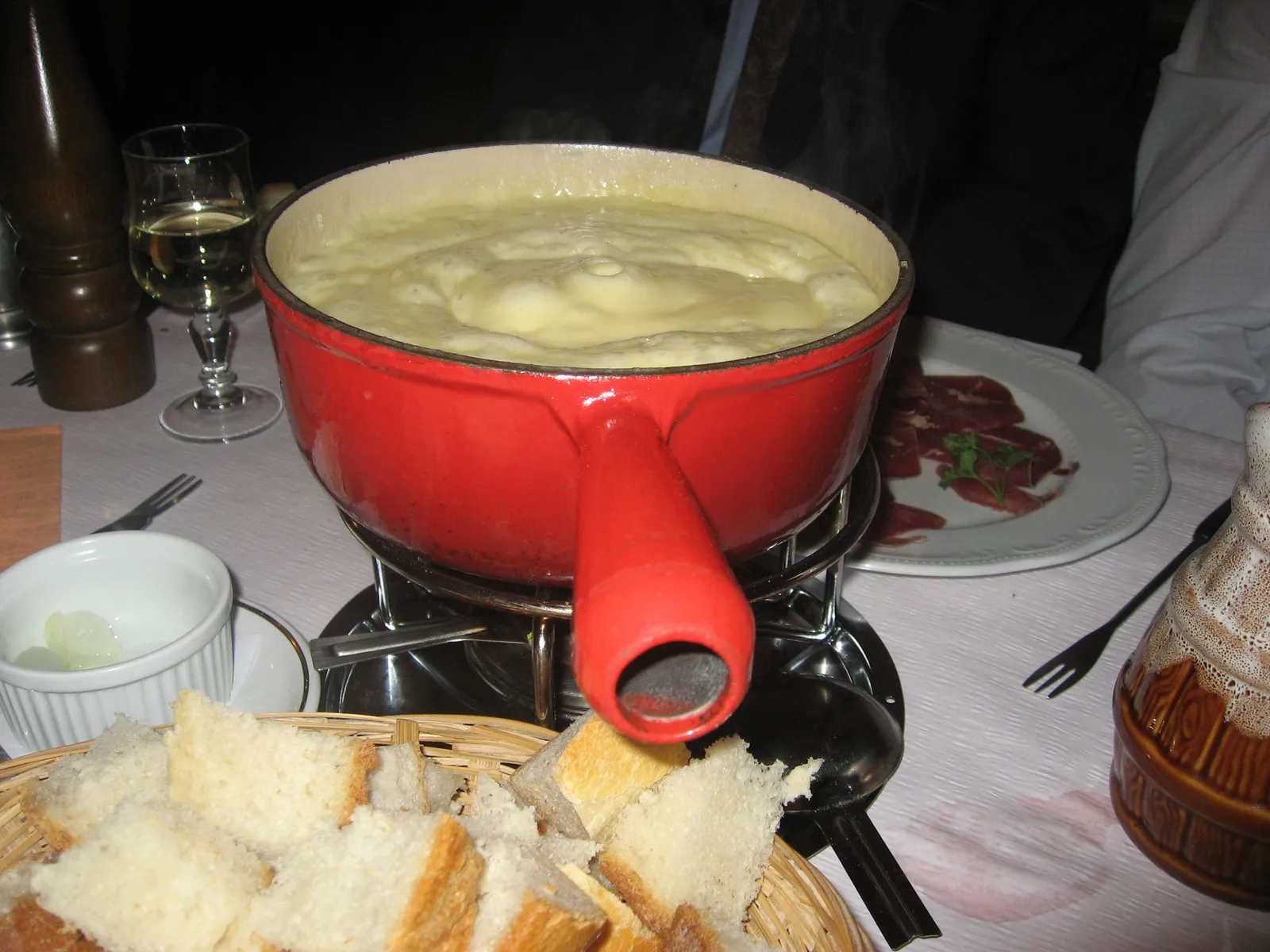
A red fondue pot of melted cheese with bread cubes and a glass of white wine Switzerland flag Switzerland 40m
Dinner •Swiss Alpine Classic

Swiss Cheese Fondue

Swiss cheese fondue is the Alps in a pot: Gruyere and Emmental melted slowly into dry white wine with garlic and a splash of kirsch, kept warm at the table while everyone dips cubes of bread into the bubbling cheese. One serving is about 310 g.

Comfort & Togetherness

Gruyere and Emmental melted in white wine, shared from one pot.

Pairs Well With
Cubes of crusty bread, boiled potatoes and cornichons on the side
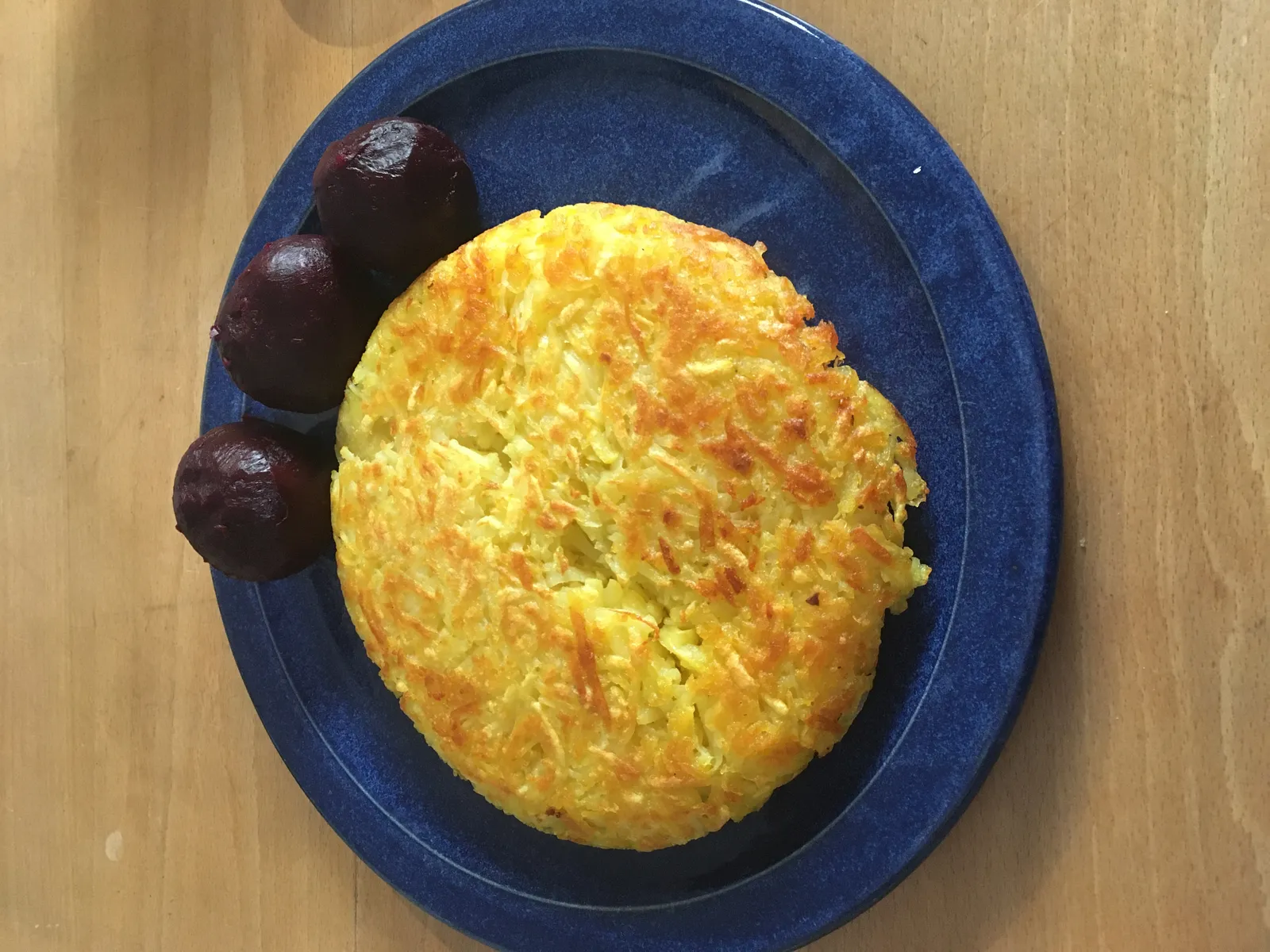
A large golden rosti potato cake on a blue plate Switzerland flag Switzerland 40m
Lunch •Bernese Farmhouse Classic

Rösti

Rösti is Switzerland's crisp potato cake: grated potato pressed into one large golden disc and fried in butter until the outside shatters and the inside stays soft, then topped with a fried egg. One serving is about 240 g.

Simple & Satisfying

One large crisp cake of grated potato, pan-fried in butter and topped with a fried egg.

Pairs Well With
A fried egg on top and a simple green salad with sharp vinaigrette
Quick Prep (<30m)
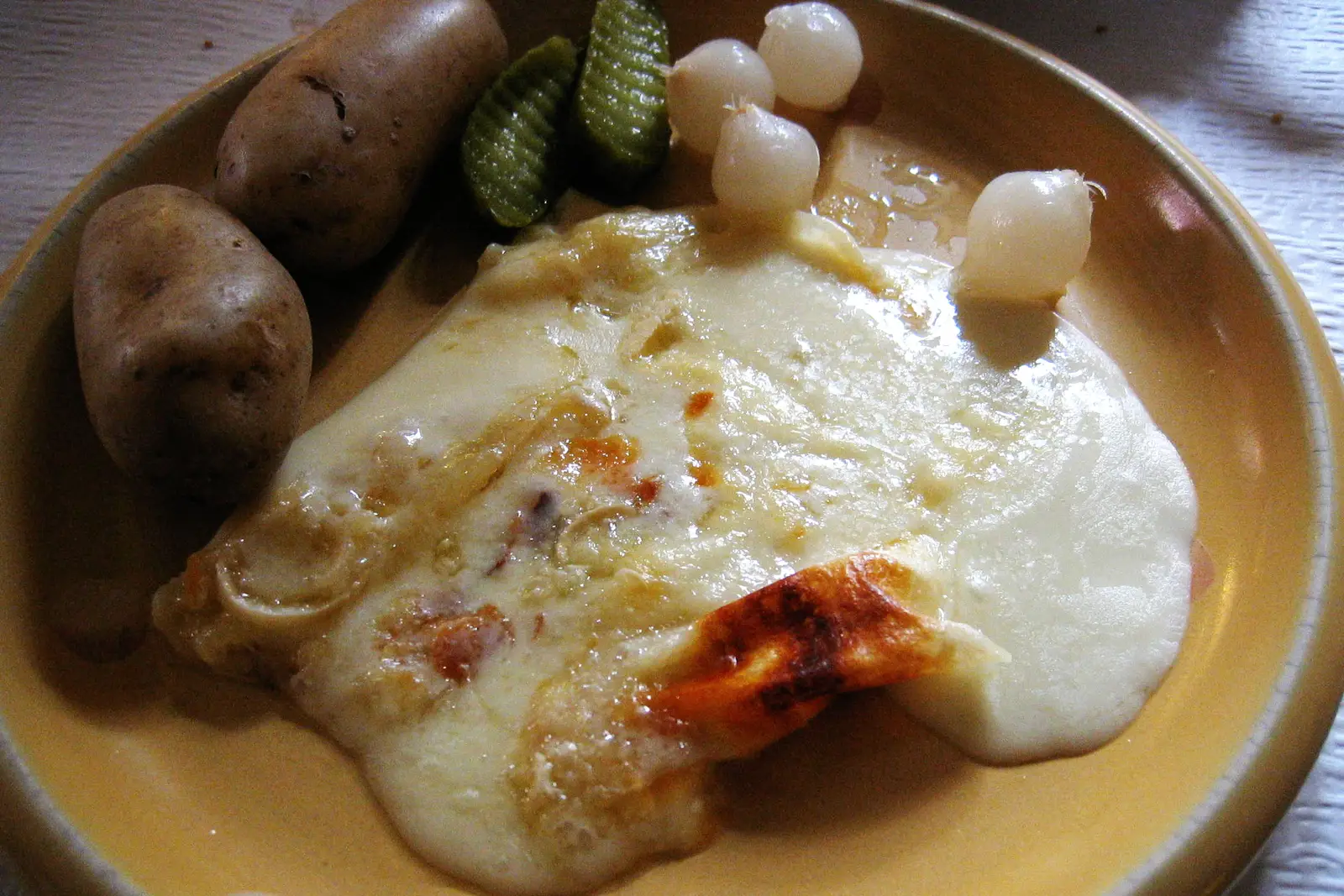
Melted raclette cheese scraped over a plate with boiled potatoes and pickles Switzerland flag Switzerland 40m
Dinner •Valais Alpine Classic

Raclette

Raclette is the Swiss Alps' other great melted-cheese meal: a half-wheel of raclette cheese is warmed until the cut face bubbles, then scraped in ribbons over boiled potatoes, with cornichons and pickled onions to cut the richness. One serving is about 365 g.

Comfort & Togetherness

Melted raclette cheese scraped over boiled potatoes with pickles.

Pairs Well With
Boiled potatoes, cornichons, pickled onions and a green salad
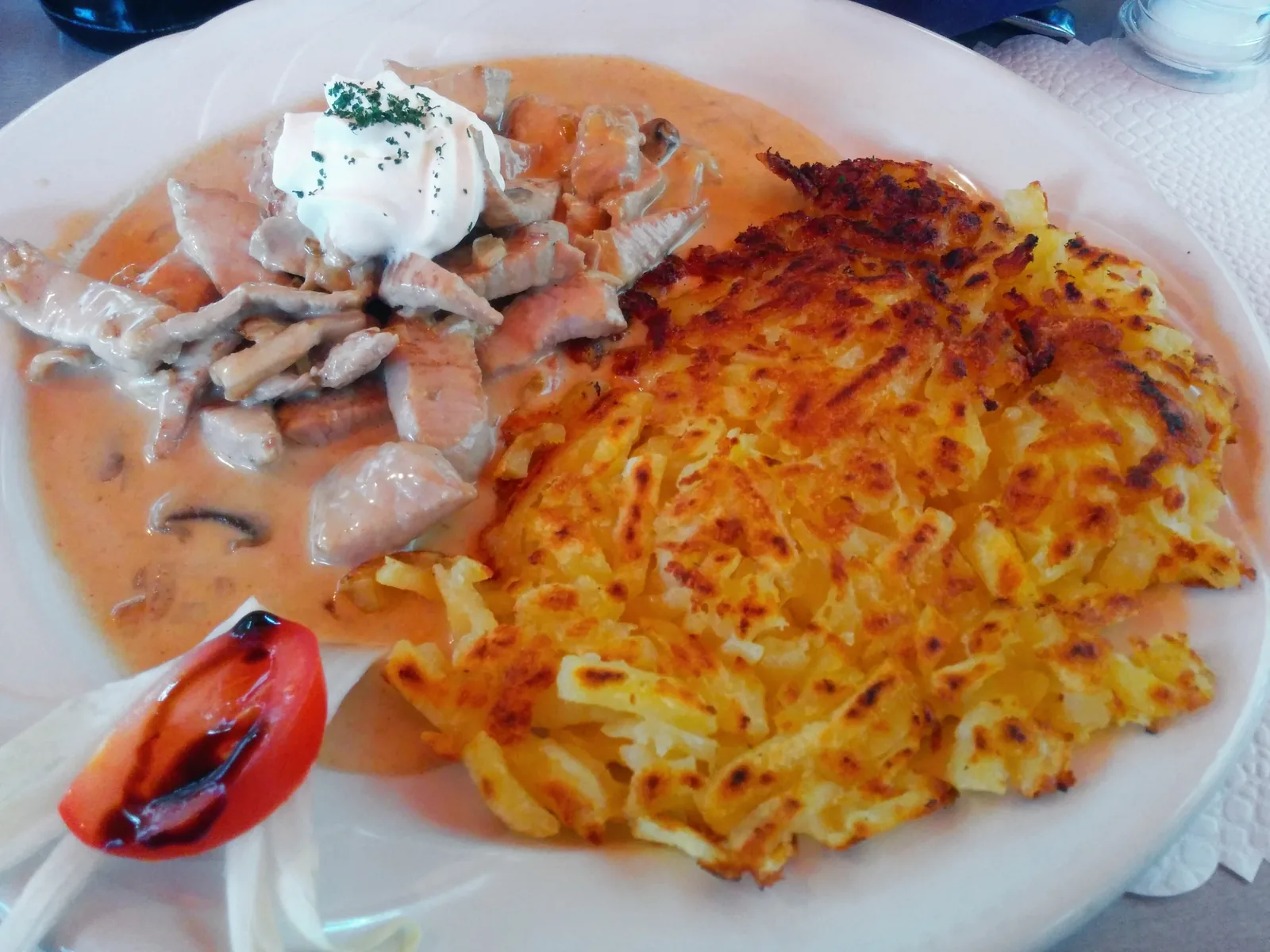
A plate of Zürcher Geschnetzeltes — veal strips in cream sauce with a dollop of cream — beside golden rösti. Switzerland flag Switzerland 40m
Dinner •Zurich Classic

Zürcher Geschnetzeltes

Zürcher Geschnetzeltes is Zurich's signature dish: thin strips of veal quickly seared, then finished in a white-wine and cream sauce with mushrooms and onion. One serving is about 335 g, before the rösti it is traditionally served with.

Rich & Comforting

Tender strips of veal in a white-wine cream sauce with mushrooms — Zurich's classic, with rösti.

Pairs Well With
Serve with golden rösti and a glass of dry Swiss white wine.
High Protein

The Dinner Gazette

Never wonder what’s for dinner again

One email a week with easy dinner ideas from around the world — ingredients, steps and nutrition, tested in our kitchen first.

Delivered every Thursday morning. Unsubscribe anytime.