Curated recipes from 193 countries  •  New seasonal Mediterranean issue out now

Overview

Turkish Borek

Peynirli Tepsi Böreği, Turkish Cheese Borek

This turkish borek recipe is the tray bake Turkey eats at breakfast, tea time and family gatherings: layers of paper-thin phyllo brushed with egg and milk, a salty filling of feta, mozzarella, spinach and parsley, baked in a tray until the top shatters and the middle stays soft. It is a layered tray bake, not fried rolls. One serving is about 178 g.

Börek is one of the oldest pastries of the Turkic world, and the tray version — tepsi böreği — is the home cook's form: yufka, the paper-thin dough stretched by hand, layered in a tray with a filling and baked, rather than rolled or fried. The cheese version, peynirli börek, is the most common, usually beyaz peynir (white cheese, like feta) mixed with parsley; spinach is a classic addition in home kitchens. The related su böreği, or water borek, boils the sheets before layering, which gives an even softer, almost lasagne-like middle. Borek travelled with Ottoman kitchens across the Balkans and the Middle East, and every region now has its own shape — but the tray bake, cut into squares and eaten warm, is the one Turkish families make most.

Pairs well with: Ayran, Turkish tea and a tomato salad

Provenance

Turkey flag Turkey

Anatolian Bakery Classic

Middle Eastern

Time Dedication

1h 5m

25m prep • 40m cook

Batch Yield

8 Servings

427 kcal per serving

1 serving ≈ 178 g

Technical Skill

Intermediate

Medium (Layered Pastry)

Meal Timing & Digestive Fit

Breakfast

Not Advised

Lunch

Inappropriate

Dinner

Inappropriate

Snack & Tea

Ideal Light Bite

Occasions: Breakfasts, tea time, picnics, family gatherings, Ramadan tables, school lunchboxes Cost: Low — about $2–3 per serving at home

Two golden slices of layered cheese borek on a white plate

Anatolian Bakery Classic

Photo: E4024, CC BY-SA 4.0, via Wikimedia Commons

The Heritage Formulary

Measured Ingredients

Estimated cost: Low — about $2–3 per serving at home (USD)
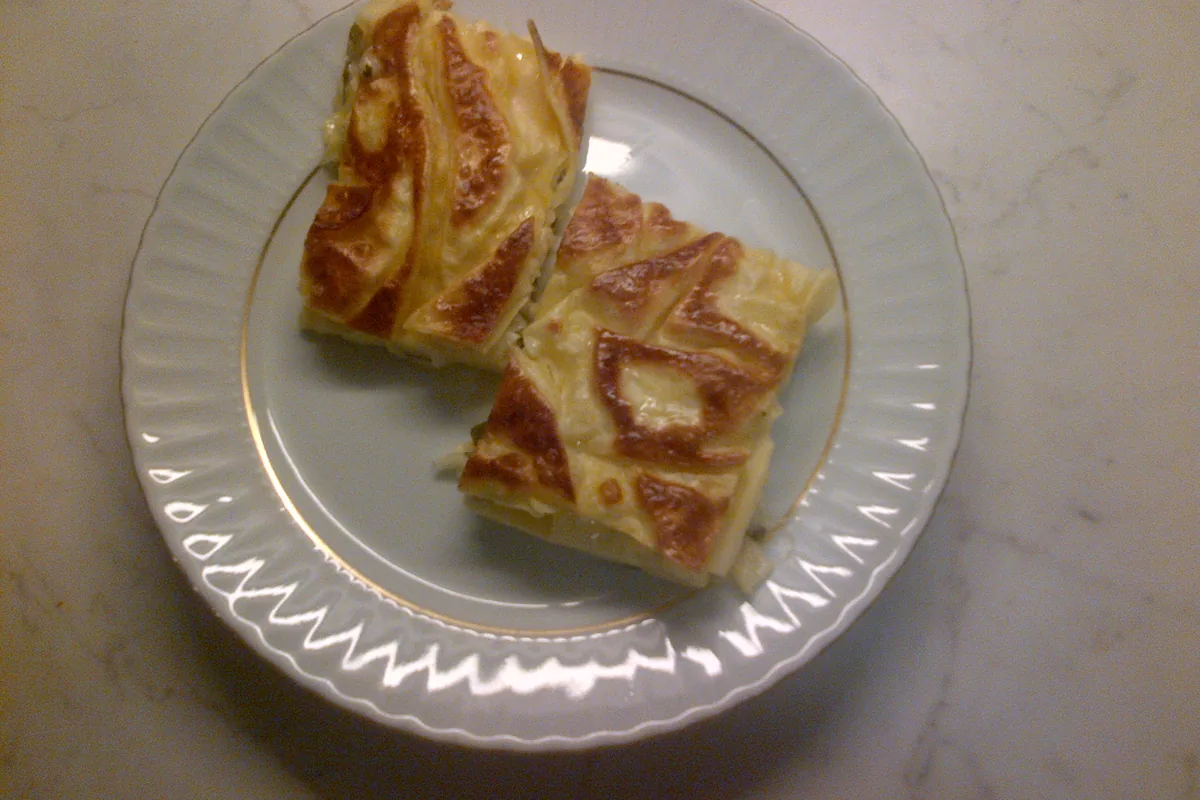
A good turkish borek is judged by its layers: a crisp, deeply golden top, soft buttery sheets inside, and a salty, creamy filling that does not leak out when you cut it.

Execution Methodology & Culinary Technique

Step-by-Step Cooking Guide

Active 1h 5m
P

Prep Stage: Mix the Filling, Whisk the Wash

25 Mins • Knife Work

Wilt the 200 g spinach, squeeze it bone dry and chop it. Crumble the 300 g feta, grate the 150 g mozzarella, chop the 20 g parsley, and mix them all together with 1 of the beaten eggs and a pinch of salt. In a second bowl, whisk the remaining 2 eggs with the 200 ml milk, 60 g melted butter and 30 ml olive oil — this is the wash you will brush between the sheets. Grease a 34 x 24 cm (13 x 9 in) tray with olive oil and heat the oven to 180°C (350°F).

Maestro Tip: Squeeze the spinach until no more water comes out: wet spinach makes the bottom layers soggy and the borek falls apart when you cut it.

  1. 1

    Layer the Base

    8 Mins Oven preheating to 180°C (350°F)

    Lay the first phyllo sheet in the greased tray, letting the edges hang over the sides. Brush it generously with the egg-milk wash. Repeat with 5 more sheets, brushing each one, until you have 6 layers on the bottom.

    Do not skimp on the wash: it is what glues the sheets together and keeps the borek soft inside while the top crisps.

    Done when: Six sheets lie flat in the tray, each one glossy with wash, edges overlapping the sides.

  2. 2

    Add the Filling

    3 Mins No heat — room temperature, about 20°C (68°F)

    Spread the cheese, spinach and parsley filling evenly over the 6th sheet, right to the edges. Press it down gently with the back of a spoon so it sits in one even layer.

    An even layer matters: a thick lump in the middle leaves the edges dry and the centre soggy.

    Done when: The filling covers the whole surface in one even layer, about 1 cm thick.

  3. 3

    Layer the Top and Seal

    8 Mins No heat — room temperature, about 20°C (68°F)

    Lay the remaining 6 phyllo sheets on top, brushing each with wash. Fold the overhanging edges in over the top sheet, brush the top generously with the last of the wash, and cut the borek into 8 squares with a sharp knife, cutting right through to the tray.

    Cut before baking, not after: the top shatters if you try to cut it once it is crisp.

    Done when: The borek is sealed at the edges, glossy on top, and scored into 8 neat squares.

  4. 4

    Bake Until Golden

    40 Mins 180°C (350°F)

    Bake in the middle of the oven at 180°C (350°F) for 35 to 40 minutes, until the top is deeply golden and crisp and the edges pull slightly away from the tray. The egg in the wash must reach 74°C (165°F) in the centre — check with a thermometer if unsure.

    If the top browns too fast, cover it loosely with foil for the last 10 minutes; the inside still needs its full time.

    Done when: The top is deep golden and crackles when tapped, and the squares hold together when lifted.

  5. 5

    Rest and Serve

    10 Mins Room temperature, about 20°C (68°F)

    Take the tray out and rest the borek for 10 minutes. Re-cut along the scored lines if needed and lift out the squares with a spatula. Serve warm.

    Resting is not optional: it lets the cheese set so the squares do not slide apart on the plate.

    Done when: The squares lift out cleanly, with visible layers and a soft, creamy centre.

Finishing Touches & Plating

Serve the turkish borek warm, cut into squares, with ayran or Turkish tea and a tomato salad. It is at its best in the first hour, when the top is still crisp and the cheese is soft.

Nutritional Physiology & Benefits

Nutrition

Energy

427

kcal / serving

Protein

17g

Complete AA

Carbs

32g

Complex

Fats

25g

Healthy

Per serving (8 servings · 1 serving ≈ 178 g)
Energy427 kcal
Protein17 g
Carbohydrates32 g
Fat25 g
Fibre1.6 g
Sugar3.6 g
Sodium1038 mg
Per 100g
Energy240.7 kcal
Protein9.8 g
Carbohydrates18 g
Fat14.2 g
Fibre0.9 g
Sugar2 g
Sodium585 mg

Nutrition values are estimated — calculated from USDA FoodData Central values for the listed ingredients.

Vitamins & minerals: Calcium (cheese and milk), vitamin K and folate (spinach and parsley), vitamin B12 (egg and cheese). Nutrition values are estimated.

Protein and Calcium from the Cheese

One serving gives about 17 g of protein and a good share of calcium from the feta, mozzarella, egg and milk.

Spinach in the Filling

The 200 g of spinach adds vitamin K, folate and fibre to a pastry that is usually cheese alone.

A Vegetarian Main or Snack

With cheese, egg and vegetables and no meat, this borek suits a vegetarian table and works as a snack or a light meal.

Food Pairings

What to Eat With

To optimize nutrient absorption and elevate the sensory depth, pair with these authentic accompaniments:

Drinks

Ayran

Cold, salty yoghurt drink is the classic borek partner: it cools the rich pastry and its tang cuts the fattiness of the cheese.

Turkish Tea

Strong black tea in a tulip glass is how borek is eaten at tea time; its bitterness balances the buttery layers.

Vegetables

Tomato and Cucumber Salad

A sharp, fresh salad with lemon adds acidity and crunch to a soft, rich pastry.

Sides

Olives and Jam

As part of a Turkish breakfast, borek sits beside olives, white cheese and jam — salty, sweet and flaky on one plate.

Complete menu

Serve turkish borek as a snack or light meal with ayran, Turkish tea and a tomato and cucumber salad; it also works as part of a breakfast spread with olives and jam.

Digestive Guardrails

What NOT to Combine

To prevent digestive distress, sluggishness, or palate clash, avoid pairing the dish with these elements:

A Second Rich, Salty Course

One serving already carries about 1,038 mg of sodium and 25 g of fat from the cheese and butter, so skip a creamy dessert or a salty cured meat alongside. This is general information, not medical advice.

Cutting the Borek While Hot

Cutting straight from the oven tears the crisp top and lets the soft cheese filling spill out; rest it for 10 minutes first so the layers set.

General information only, not medical advice — consult a doctor for personal dietary decisions.

Who Should Eat It

Who Should Eat

  • General adultsA hearty, satisfying meal at about 427 kcal per serving.
  • ChildrenSuitable from age 3+ in a small square; the filling is mild and soft, and the pastry is easy to hold. Watch for the hot cheese centre.
  • ElderlyGood in a modest portion — soft to eat and easy to chew; the pastry is quite salty, so one square is enough.
  • Pregnant womenGenerally suitable in a modest portion if the egg is cooked right through; the cheese is salty, so keep it to one square.
  • Breastfeeding womenGenerally suitable; the cheese and egg add protein and calcium.
  • AthletesA useful post-training snack: about 17 g of protein and 32 g of carbohydrate per serving, and it travels well.
  • Weight gainA good choice — two squares with a salad make a hearty, energy-dense meal.
  • Weight lossKeep to one small square with a big salad; at about 427 kcal a serving it is energy-dense, and the cheese and butter add most of the fat.

Health Conditions — Adjust or Avoid

Conditions

  • DiabetesOne serving carries about 31.9 g of carbohydrate, mostly from the phyllo, so it is a moderate carbohydrate load. Ask your clinician about your carbohydrate target.
  • High blood pressureOne serving carries about 1038 mg of sodium, so keep the portion modest and skip salty sides. Ask your clinician about your daily sodium limit.
  • Kidney diseaseCheese and egg are high in protein, so keep the portion small if your clinician has advised limits, and ask about portion size.
  • GoutEat occasionally — cheese is moderately high in purines. Ask your clinician if gout flares are frequent.
  • Stomach issuesThe rich, buttery pastry can feel heavy; a small portion eaten slowly is easier to digest, and the tomato salad helps.
  • Cardiovascular diseaseThe cheese and butter are high in saturated fat and sodium, so enjoy occasionally and keep the portion modest. Ask your clinician about how often it fits your diet.
  • Fatty liverKeep the portion modest and occasional; the pastry is rich in fat and energy. Ask your clinician about frequency.
  • Food allergiesContains wheat (gluten), milk, cheese and egg. Do not serve to anyone with a wheat, milk or egg allergy; the dish is vegetarian but not vegan.
  • Special therapeutic dietsIf you follow a prescribed low-sodium diet, use low-sodium feta and skip the added salt, and check with your clinician.

If you have a medical condition, consult your doctor before changing your diet.

Storage & Use

Storage & Use

How to store
Cool completely and store in an airtight container, or wrap the tray tightly.
In the fridge
3 days at 4°C (39°F) or below; the top softens as it cools.
In the freezer
Up to 1 month, wrapped well; thaw in the fridge overnight.
How to reheat
Reheat in the oven at 180°C (350°F) for 10 minutes until hot throughout, to 74°C (165°F); the microwave makes it soggy.
Freezing recommended
Yes — freeze in squares and reheat from frozen in the oven.
Signs it has spoiled
Sour smell, slimy filling, or mould on the pastry.

More recipes to explore

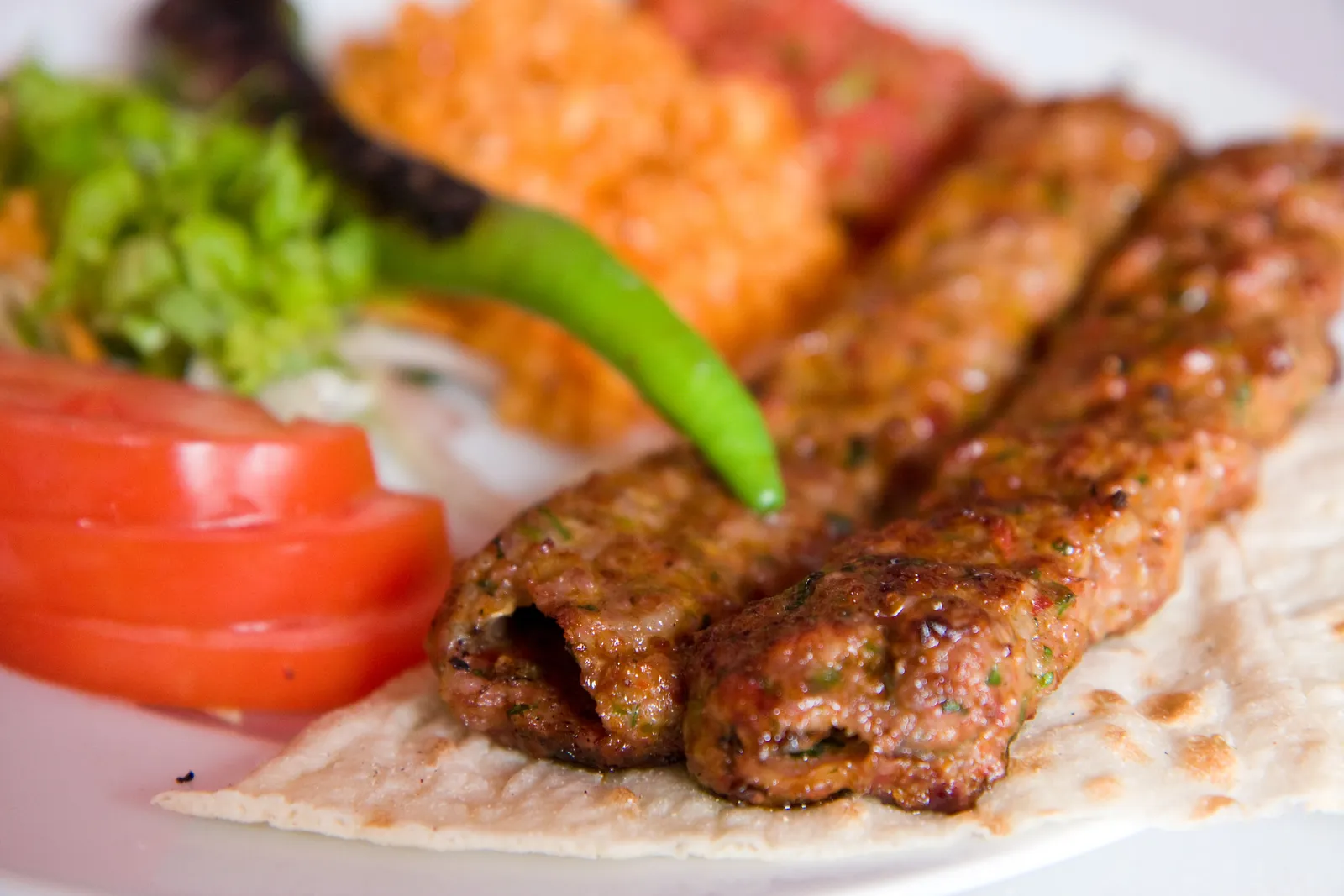
Adana kebab — long grilled minced-meat skewers on lavash with tomato, green chilli and salad Turkey flag Turkey 50m
Dinner •Adana Heritage

Adana Kebab

This adana kebab recipe is Adana's famous charcoal-grilled skewer: hand-minced lamb and beef mixed with lamb tail fat, sweet red pepper and pul biber, pressed onto wide flat skewers and grilled over glowing charcoal until the edges char and the juices run. It is served on warm lavash with grilled tomato, green chillies and a sharp sumac onion salad. One serving is about 439 g.

Adana's Charcoal-Grilled Icon

Hand-minced lamb and beef with tail fat and pul biber, pressed onto wide flat skewers and grilled over charcoal until charred at the edges — Adana's famous kebab.

Pairs Well With
Lavash, grilled tomato & sumac onion salad
High Protein
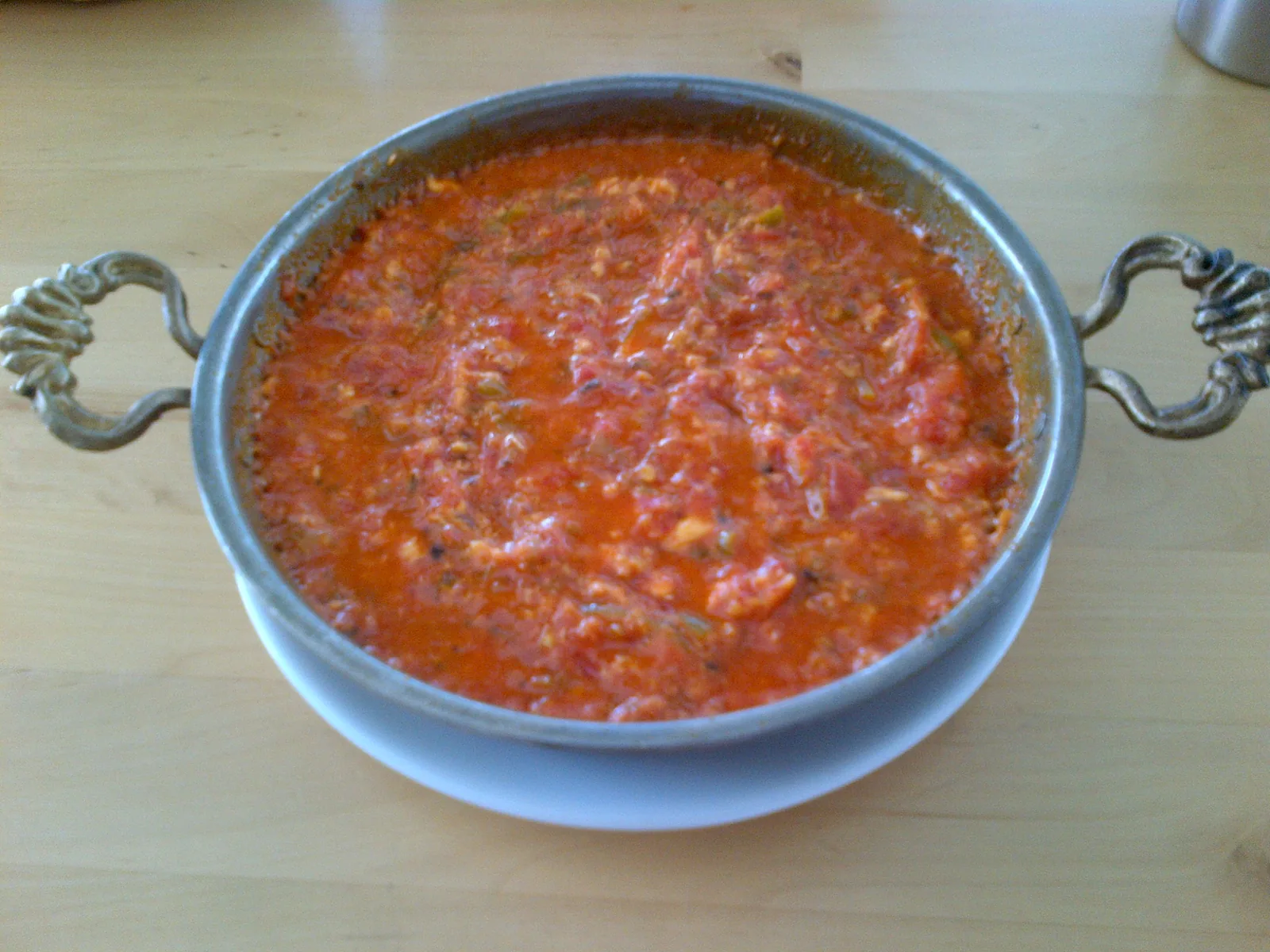
Menemen in a copper sahan pan — soft scrambled eggs stirred through a red tomato and green pepper sauce Turkey flag Turkey 30m
Breakfast •Izmir Breakfast Table

Menemen

This menemen recipe stirs beaten eggs into a soft tomato and green pepper sauce until they set into creamy curds — never poached whole, the way shakshuka does it. Cooked in one pan and served straight from it with bread, it is the classic Turkish breakfast. One serving is about 300 g.

Comfort & Warmth

Beaten eggs stirred into a soft tomato and green pepper sauce, scooped up with warm bread.

Pairs Well With
Crusty white bread, Turkish tea and sliced cucumber and tomato
Quick Prep (<30m)
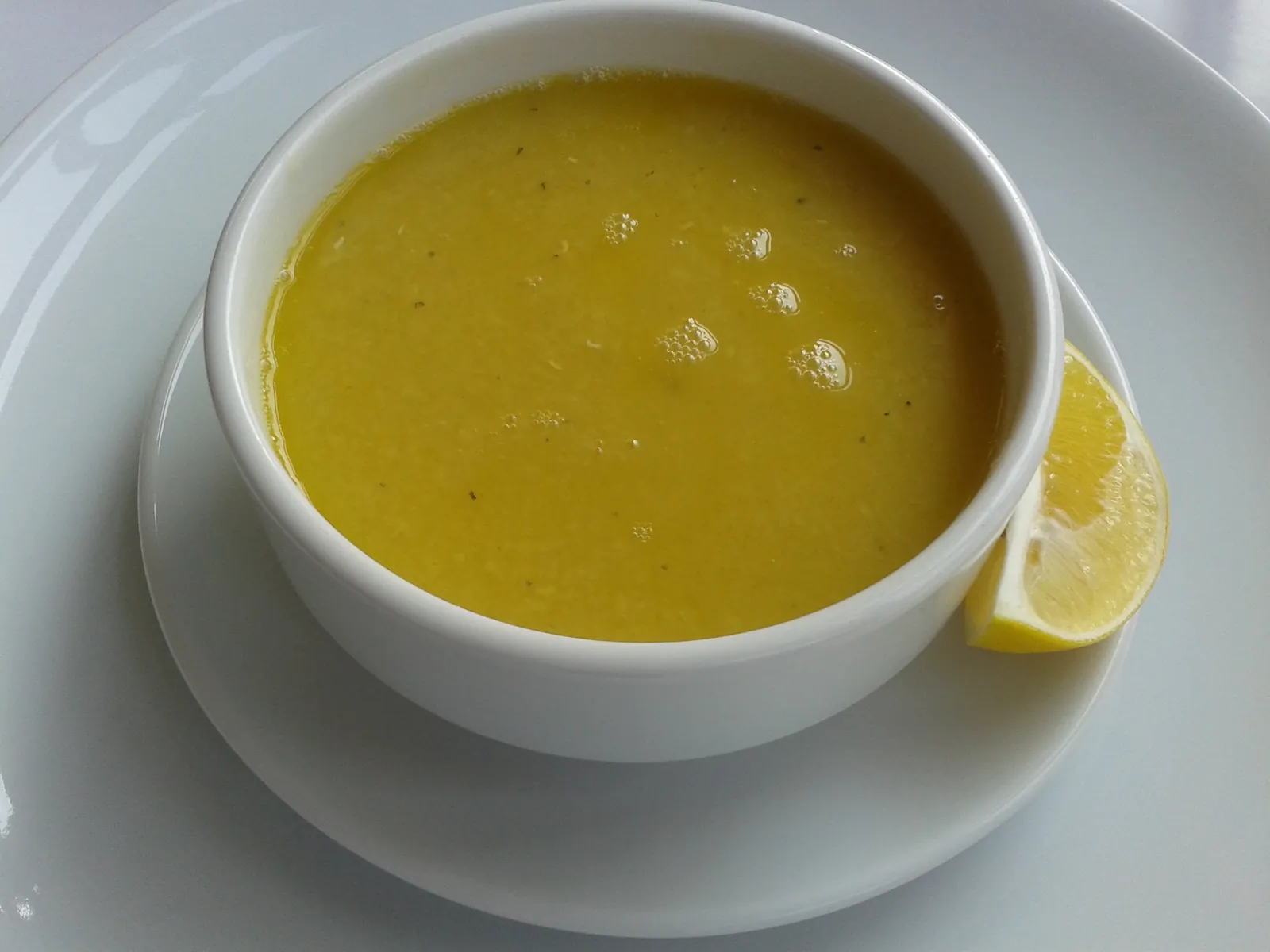
A white bowl of smooth golden Turkish lentil soup with a lemon wedge on the side Turkey flag Turkey 45m
Lunch •Ankara Lokanta Classic

Turkish Lentil Soup

This turkish lentil soup recipe turns red lentils, onion, carrot and potato into a smooth, golden soup, finished with lemon and a drizzle of paprika butter. One serving is about 325 g.

Comfort & Warmth

A silky red lentil soup, light enough for lunch and warm enough for a cold day.

Pairs Well With
Warm pide bread, lemon wedges and ayran
Soups & Broths
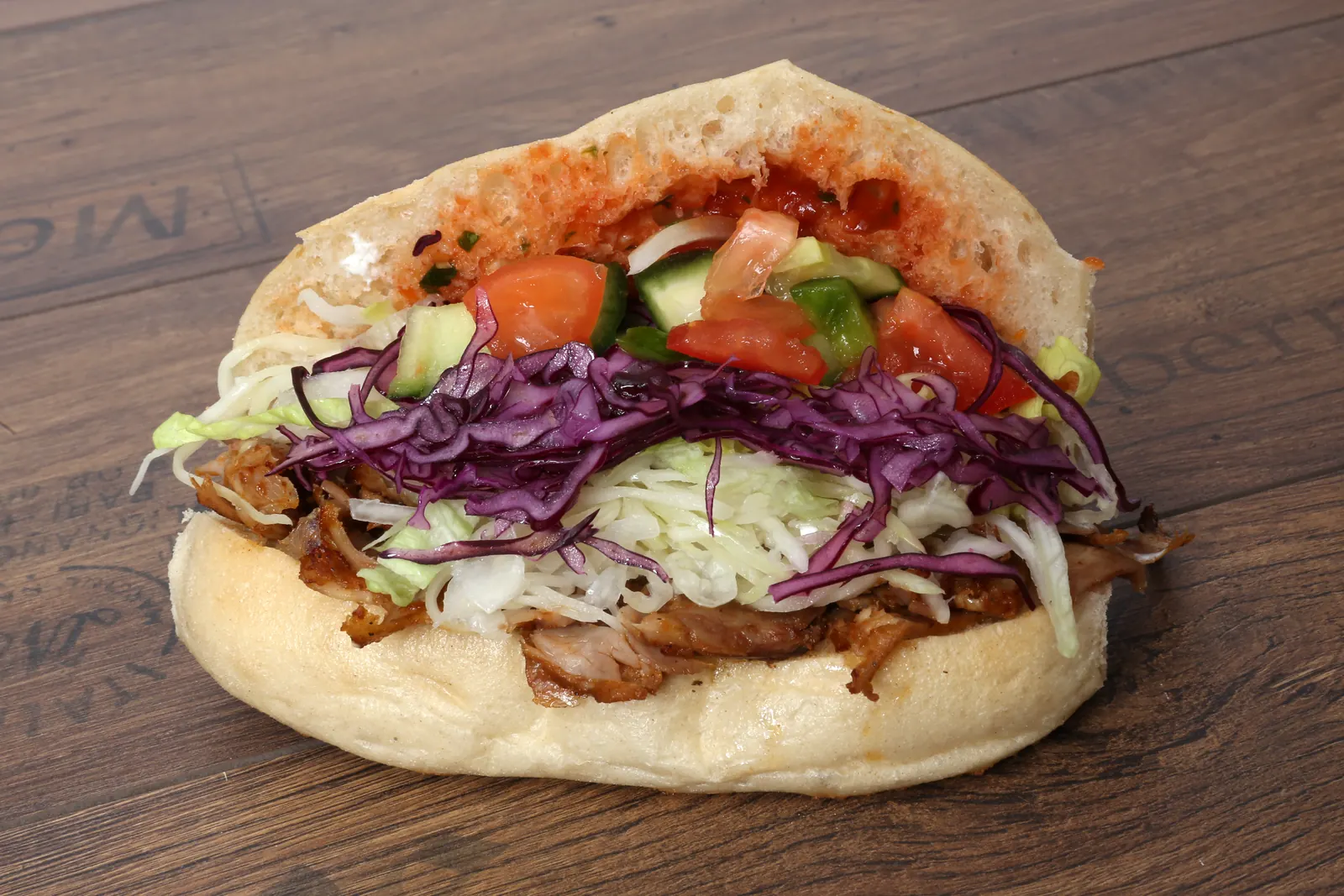
A doner kebab in flatbread filled with sliced lamb, red and white cabbage, tomato and cucumber Turkey flag Turkey 2h 55m
Dinner •Bursa Spit-Roast Heritage

Doner Kebab

This doner kebab recipe brings the Turkish spit-roast home: lamb leg marinated in yogurt, onion and spices, seared until charred at the edges, then sliced thin and tucked into warm pitta bread with crisp salad and a cool garlic yogurt sauce. No vertical spit needed — a ripping-hot pan does the job. One serving is about 415 g.

Charcoal-Grilled & Juicy

Home-style doner kebab — yogurt-marinated lamb, sliced thin and piled into warm pitta with salad and garlic sauce.

Pairs Well With
Serve in warm pitta with salad, garlic sauce and a little chilli sauce.
High Protein

The Dinner Gazette

Never wonder what’s for dinner again

One email a week with easy dinner ideas from around the world — ingredients, steps and nutrition, tested in our kitchen first.

Delivered every Thursday morning. Unsubscribe anytime.