-
1
Soften the Onion and Pepper
5 Mins • Hands-On
Medium heat, about 160°C (320°F)
Heat the olive oil in a heavy pot with a tight lid over medium heat. Add the onion and green pepper and cook for 4–5 minutes, stirring, until the onion is soft and translucent but not browned.
Do not rush this step — a properly softened onion base is what gives the pilaf its sweetness.
Done when: Onion soft and translucent, pepper just tender.
-
2
Toast the Vermicelli and Stir in the Tomato
5 Mins • Hands-On
Medium heat, about 160°C (320°F)
Add the vermicelli and stir for 2–3 minutes until it turns golden brown — watch it closely, because it goes from golden to burnt in seconds. Stir in the tomato paste and cook for 1 minute, then add the grated tomato and cook for 2 minutes more until the raw tomato smell disappears.
Frying the tomato paste briefly in the oil deepens its colour and flavour — raw paste tastes sharp and tinny.
Done when: Vermicelli golden, tomato paste darkened and fragrant.
-
3
Add the Bulgur and the Boiling Water
3 Mins • Hands-On
High heat to the boil, then low
Stir in the rinsed bulgur, the salt, the red pepper flakes and the black pepper, coating every grain in the tomato base. Pour in the boiling water, stir once, and bring the pot back to a gentle boil.
Boiling water, not cold, keeps the grains cooking evenly from the start — cold water makes the bottom overcook while the top stays hard.
Done when: Water bubbling gently around the grains, evenly mixed.
-
4
Steam Until Fluffy
20 Mins • Cooking
Lowest heat; steam about 100°C (212°F)
Turn the heat to the lowest setting, put the lid on tightly, and cook for 18–20 minutes without lifting the lid. Then take the pot off the heat and leave it, still lidded, for 10 minutes — this resting steam is what finishes the grains.
Lifting the lid lets the steam out and the top grains stay hard. Trust the time and the smell instead.
Done when: All the water absorbed, grains tender and separate when fluffed.
-
5
Fluff, Butter and Serve
2 Mins • Hands-On
No heat
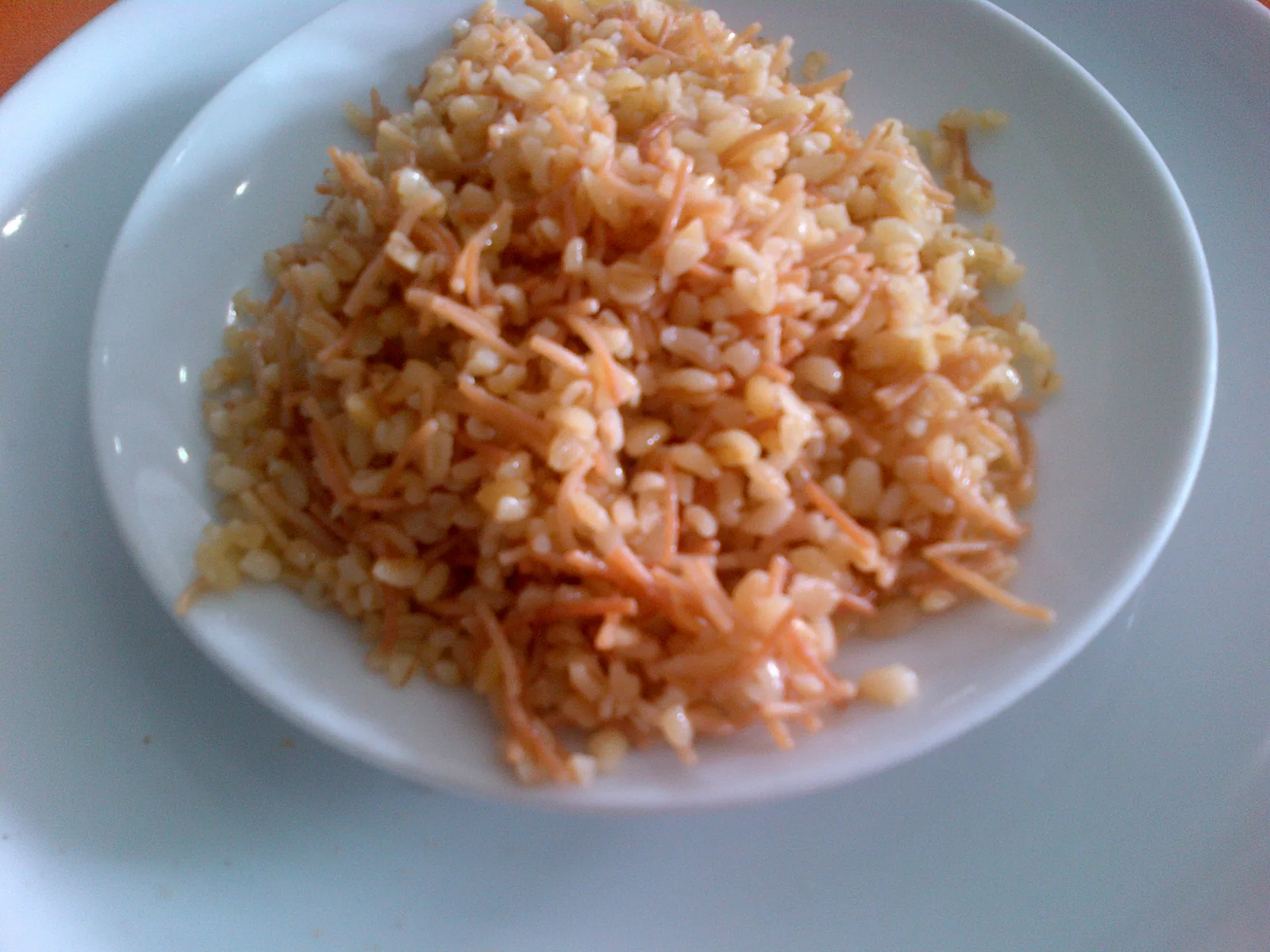
Remove the lid, dot the butter over the top, and fluff the pilaf gently with a fork, lifting the grains rather than stirring them. Taste and adjust the salt, then serve hot.
Fluffing with a fork, not a spoon, keeps the grains separate — stirring mashes them into a porridge.
Done when: Fluffy, separate grains, glossy with butter, evenly seasoned.
auto_awesome Finishing Touches & Plating
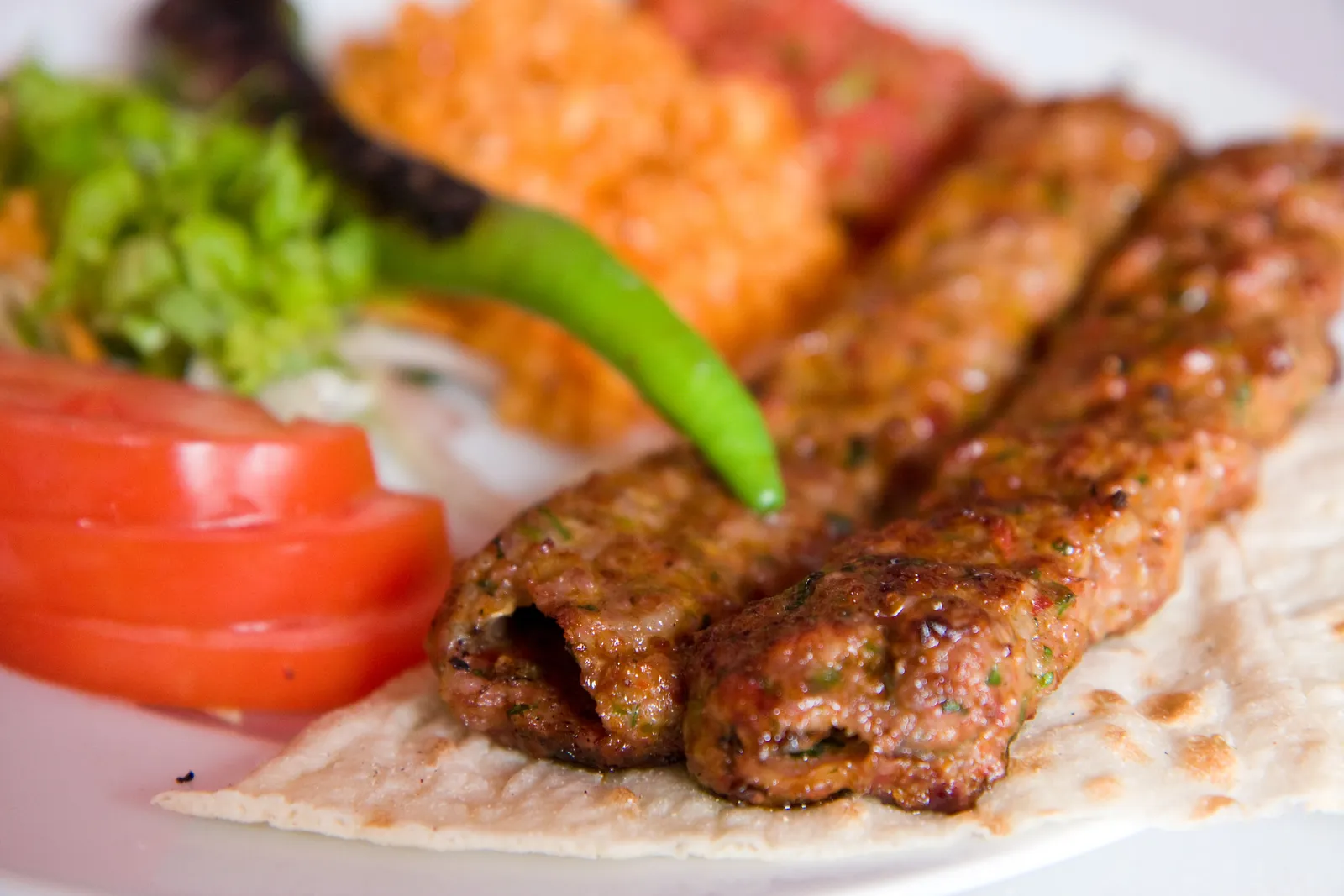
Fluff the pilaf with a fork, dot it with the butter, and serve it hot in a wide bowl so the steam can escape — a mound on a flat plate is how Turkish kitchens serve it, with yoghurt or salad alongside.

 Turkey
50m