Curated recipes from 193 countries  •  New seasonal Mediterranean issue out now

Overview

Turkish Pide

Pide, Turkish Flatbread, Karadeniz Pidesi

This Turkish pide recipe shapes soft yeasted dough into long boats, fills them with spiced ground beef, sucuk and kasar cheese, and bakes them until the crust is golden and the cheese bubbles. One serving is about 379 g.

Pide is Turkey's boat-shaped flatbread, baked in stone ovens across Anatolia for centuries, with the Black Sea region claiming the most famous versions. Unlike the thin, crisp lahmacun, pide dough is soft and thick-rimmed, pinched into a pointed boat and filled while it bakes — the classic fillings are minced meat (kiymali), cheese (kasarli) and sucuk sausage. Pide houses (pideci) bake them to order, and the boats are sliced and eaten hot, straight from the oven, often with salad and ayran.

Pairs well with: Shepherd's salad, pickled chillies and ayran

Provenance

Turkey flag Turkey

Anatolian Bakery Classic

Middle Eastern

Time Dedication

1h 40m

25m prep • 75m cook

Batch Yield

4 Servings

906 kcal per serving

1 serving ≈ 379 g

Technical Skill

Intermediate

Medium (Yeast Dough)

Meal Timing & Digestive Fit

Breakfast

Not Advised

Lunch

Hearty Midday Main

Dinner

Ideal Hearty Main

Snack & Tea

Inappropriate

Occasions: Family dinners, weekend baking, casual gatherings, game nights Cost: Medium — about $3–4 per serving at home
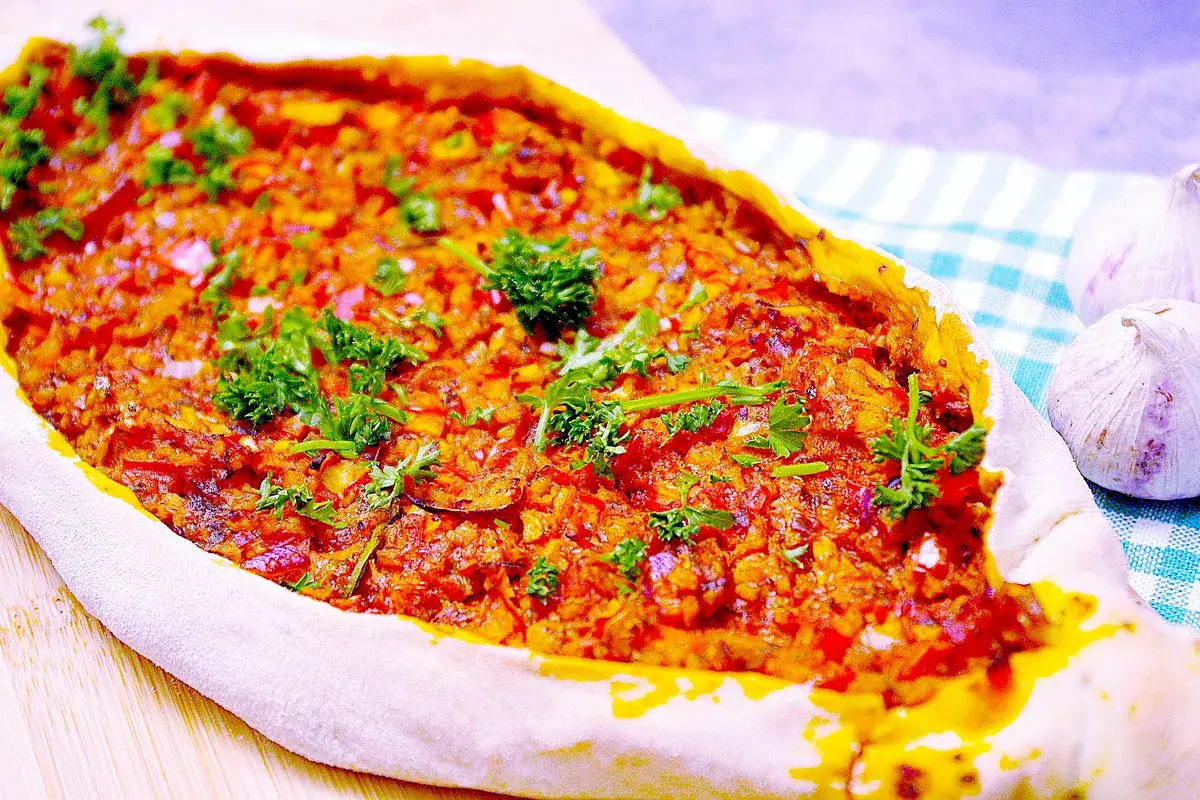
A boat-shaped Turkish pide with a spiced savoury topping and parsley, fresh from the oven

Anatolian Bakery Classic

Photo: HeftigVegan, CC BY-SA 4.0, via Wikimedia Commons

The Heritage Formulary

Measured Ingredients

Estimated cost: Medium — about $3–4 per serving at home (USD)

A real pide has a crisp base and a soft, chewy rim — a hot tray underneath is what makes the difference. Nutrition is estimated from USDA values.

Execution Methodology & Culinary Technique

Step-by-Step Cooking Guide

Active 1h 40m
P

Prep Stage: Dough, Then Topping

25 Mins • Mixing & Chopping

Mix the flour, yeast, sugar and salt, add the lukewarm water and olive oil, and knead for 8–10 minutes until the dough is smooth and springs back when poked. Cover and leave it somewhere warm for 1 hour. While it rises, mix the beef, grated onion, tomato, pepper, tomato paste, half the parsley, salt and pepper into a soft topping, and slice the sucuk and grate the kasar.

Maestro Tip: Knead until the dough passes the windowpane test — stretch a small piece thin and it should not tear.

  1. 1

    Make and Knead the Dough

    15 Mins Room temperature, about 20°C (68°F)

    Stir the flour, yeast, sugar and salt together in a large bowl. Pour in the lukewarm water and 15 ml (1 tbsp) of the olive oil and mix until a shaggy dough forms, then turn it onto a lightly floured surface and knead for 8–10 minutes until smooth, soft and elastic. Shape into a ball, rub with a little oil, and put it back in the bowl.

    If the dough sticks to your hands, wet them instead of adding flour — extra flour makes a tough crust.

    Done when: The dough is smooth, springs back when poked, and no longer sticks to the bowl.

  2. 2

    Let the Dough Rise

    60 Mins Warm place, about 30°C (86°F)

    Cover the bowl with a damp cloth or cling film and leave in a warm spot for about 1 hour, until the dough has doubled in size. Meanwhile, mix the topping: combine the beef, grated onion, tomato, green pepper, tomato paste, half the parsley and a good pinch of black pepper, and mix with your hands until evenly combined.

    A turned-off oven with the light on is the perfect warm spot for rising dough.

    Done when: The dough has doubled and holds a dent when you poke it gently.

  3. 3

    Shape the Boats

    10 Mins Room temperature, about 20°C (68°F)

    Heat the oven to 230°C (450°F) with a baking tray inside. Punch the dough down and divide it into 4 equal pieces. Roll each piece on a floured surface into a long oval, about 30 cm (12 inches) long and 12 cm (5 inches) wide. Pinch and fold the ends in and up to make the pointed boat shape, and fold the long edges in slightly to form a rim.

    Roll the dough thin in the middle and leave the rim thicker — a thin middle cooks through, a thick rim stays chewy.

    Done when: Four neat boat shapes, each with a raised rim and pointed ends.

  4. 4

    Fill and Bake

    15 Mins 230°C (450°F)

    Spread a quarter of the beef topping thinly over each boat, right up to the rim. Scatter the sucuk slices and grated kasar over the top, then brush the rims with beaten egg. Slide the pides onto the hot tray and bake for 12–15 minutes, until the crust is deep gold, the cheese is bubbling and the beef is cooked through with no pink left — at least 71°C (160°F) in the centre.

    A hot tray underneath is what crisps the base; a cold tray makes a pale, soft bottom.

    Done when: The crust is golden and blistered, the cheese is melted and bubbling, and the beef is browned and cooked through.

  5. 5

    Rest, Slice and Serve

    5 Mins Rest at room temperature, about 20°C (68°F)

    Rest the pides for 5 minutes so the cheese sets slightly, then scatter with the remaining parsley, brush the crusts with the rest of the olive oil, and slice each boat into 3–4 pieces. Serve hot, with salad and pickles on the side.

    Resting matters: slicing straight from the oven lets the topping slide off.

    Done when: The cheese has set just enough to slice cleanly, and the crust is crisp outside and soft inside.

Finishing Touches & Plating

Brush the hot crusts with olive oil, scatter with fresh parsley, slice each boat into pieces and serve at once, with shepherd's salad and ayran on the side.

Nutritional Physiology & Benefits

Nutrition

Energy

906

kcal / serving

Protein

48g

Complete AA

Carbs

103g

Complex

Fats

32g

Healthy

Per serving (4 servings · 1 serving ≈ 379 g)
Energy906 kcal
Protein48 g
Carbohydrates103 g
Fat32 g
Fibre5.0 g
Sugar4.4 g
Sodium1336 mg
Per 100g
Energy239 kcal
Protein12.5 g
Carbohydrates27.3 g
Fat8.5 g
Fibre1.3 g
Sugar1.2 g
Sodium352 mg

Nutrition values are estimated — calculated from USDA FoodData Central values for the listed ingredients.

Vitamins & minerals: Provides B vitamins and iron from the beef and sucuk, calcium from the kasar cheese, and vitamin C from the tomato and pepper. Nutrition is estimated.

High in Protein

About 47 g of protein per serving from beef, sucuk and kasar cheese — a genuinely filling dinner.

Calcium and Iron

The kasar cheese adds calcium and the beef adds iron, two nutrients that are easy to fall short on.

Fresh Vegetables in Every Bite

Tomato, pepper, onion and parsley are mixed right into the topping, so the vegetables are part of the dish, not an afterthought.

Food Pairings

What to Eat With

To optimize nutrient absorption and elevate the sensory depth, pair with these authentic accompaniments:

Vegetables

Shepherd's Salad

Cool tomato, cucumber and onion with lemon dressing cuts through the rich cheese and sausage — the classic pide partner.

Drinks

Ayran

Cold, salty yogurt drink cools the spice of the sucuk and cleanses the palate between bites.

Sides

Pickled Chillies

Sharp pickled chillies add acidity and heat that lift the rich, cheesy topping.

Full Menus

As a Bakery-Style Spread

Serve the pides with lentil soup to start and baklava to finish — the way Turkish pide houses build a meal.

Complete menu

Start with lentil soup, serve the pides with shepherd's salad and ayran, and finish with baklava for a full Turkish meal.

Digestive Guardrails

What NOT to Combine

To prevent digestive distress, sluggishness, or palate clash, avoid pairing the dish with these elements:

Overloading the Topping

Piling the topping thick makes the middle soggy and undercooked — spread it thin and let the dough cook through. This is general food information, not medical advice.

Very Salty Sides

Sucuk and kasar are both salty, so salty pickles or heavily salted cheese on the side can push the meal far saltier than intended. This is general food information, not medical advice.

General information only, not medical advice — consult a doctor for personal dietary decisions.

Who Should Eat It

Who Should Eat

  • General adultsA hearty, hands-on dinner — one boat each is a full meal.
  • ChildrenMild and cheesy, and children usually love the boat shape; use mild sucuk or leave it out for young children and cut the pide into strips.
  • ElderlySoft-centred and easy to eat once sliced; serve warm rather than piping hot, and watch the salt.
  • Pregnant womenFine when the beef is fully cooked through with no pink left; the cheese is a cooked hard cheese and the sucuk is baked in the oven.
  • Breastfeeding womenA filling, protein-rich meal; the spice level is a matter of taste and poses no usual concern.
  • AthletesExcellent recovery food — about 47 g of protein and 103 g of carbohydrate per serving; eat it after training.
  • Weight gainEasy to enrich: take a whole boat and add an extra handful of cheese.
  • Weight lossAt 906 kcal a serving this is a big meal — enjoy half a boat with a large salad instead of a whole one.

Health Conditions — Adjust or Avoid

Conditions

  • DiabetesThe dough is the main carb source — about 103 g per serving. Keep to half a boat and ask your clinician about portion size.
  • High blood pressureThe topping carries about 1,336 mg of sodium per serving. Use less salt in the dough and skip salty sides; ask your clinician about your sodium target.
  • Kidney diseaseThis dish is high in protein, sodium and potassium, so it may not suit a restricted diet. Ask your clinician before making it a regular meal.
  • GoutBeef and cured sausage are moderately high in purines. Enjoy occasionally in a small portion, and ask your clinician if flare-ups are frequent.
  • Stomach issuesRich cheese, sausage and spice can bother reflux or a sensitive stomach; use less sucuk and serve the pide warm rather than very hot. Ask your clinician if symptoms persist.
  • Cardiovascular diseaseSucuk and cheese add saturated fat and salt, so keep portions moderate and favour salad on the side. Ask your clinician about fitting it into your eating plan.
  • Fatty liverA rich dish — enjoy it occasionally and in a moderate portion with plenty of salad. Ask your clinician for personal guidance.
  • Food allergiesContains wheat (flour), milk (kasar cheese), egg (wash) and beef. The topping can be made with lamb, but the dough is not gluten-free.
  • Special therapeutic dietsNot suitable for vegetarian, vegan or gluten-free diets as written. A vegetarian version can use mushrooms and spinach in place of the meat. Ask your clinician or dietitian about your specific plan.

If you have a medical condition, consult your doctor before changing your diet.

Storage & Use

Storage & Use

How to store
Cool completely, then wrap each pide tightly in foil or store in a sealed container.
In the fridge
3 days at 4°C (40°F) or below.
In the freezer
Baked pides freeze well for up to 2 months; wrap individually.
How to reheat
Reheat in an oven at 200°C (400°F) for 8–10 minutes until hot through at 74°C (165°F) and the crust crisps again.
Freezing recommended
Yes — baked, up to 2 months; thaw in the fridge overnight before reheating.
Signs it has spoiled
Sour smell, mould on the crust or topping, or a slimy topping.

More recipes to explore

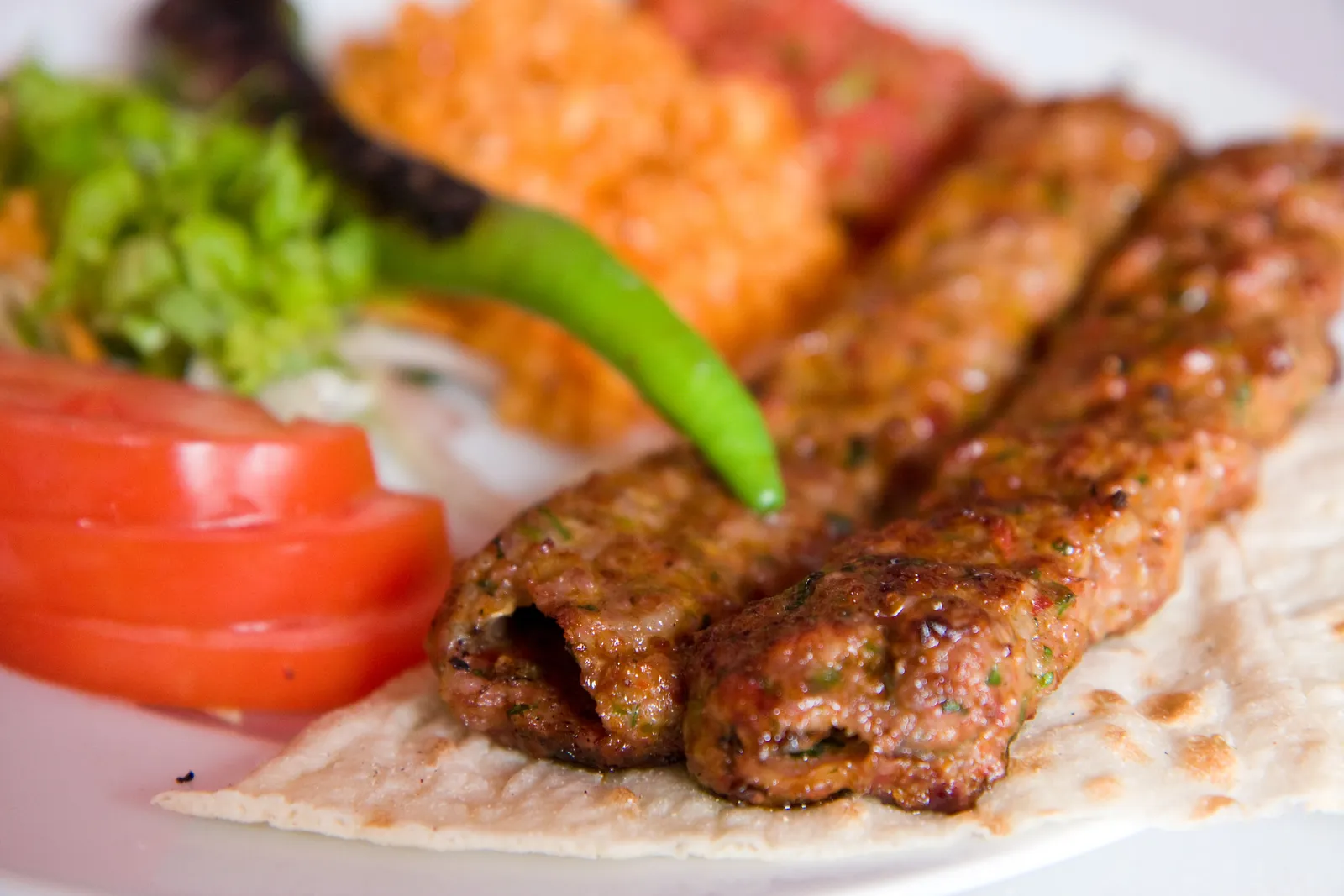
Adana kebab — long grilled minced-meat skewers on lavash with tomato, green chilli and salad Turkey flag Turkey 50m
Dinner •Adana Heritage

Adana Kebab

This adana kebab recipe is Adana's famous charcoal-grilled skewer: hand-minced lamb and beef mixed with lamb tail fat, sweet red pepper and pul biber, pressed onto wide flat skewers and grilled over glowing charcoal until the edges char and the juices run. It is served on warm lavash with grilled tomato, green chillies and a sharp sumac onion salad. One serving is about 439 g.

Adana's Charcoal-Grilled Icon

Hand-minced lamb and beef with tail fat and pul biber, pressed onto wide flat skewers and grilled over charcoal until charred at the edges — Adana's famous kebab.

Pairs Well With
Lavash, grilled tomato & sumac onion salad
High Protein
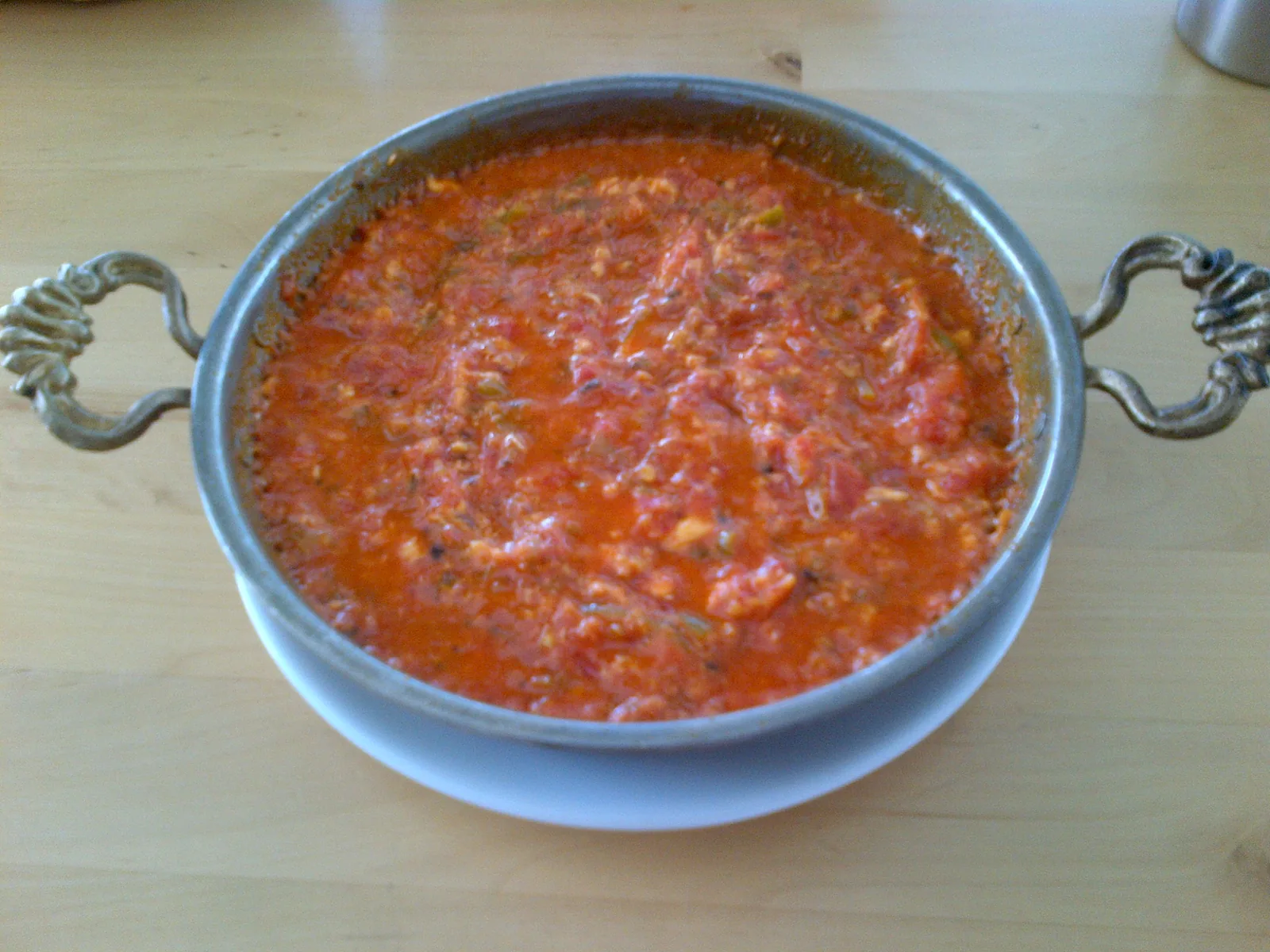
Menemen in a copper sahan pan — soft scrambled eggs stirred through a red tomato and green pepper sauce Turkey flag Turkey 30m
Breakfast •Izmir Breakfast Table

Menemen

This menemen recipe stirs beaten eggs into a soft tomato and green pepper sauce until they set into creamy curds — never poached whole, the way shakshuka does it. Cooked in one pan and served straight from it with bread, it is the classic Turkish breakfast. One serving is about 300 g.

Comfort & Warmth

Beaten eggs stirred into a soft tomato and green pepper sauce, scooped up with warm bread.

Pairs Well With
Crusty white bread, Turkish tea and sliced cucumber and tomato
Quick Prep (<30m)
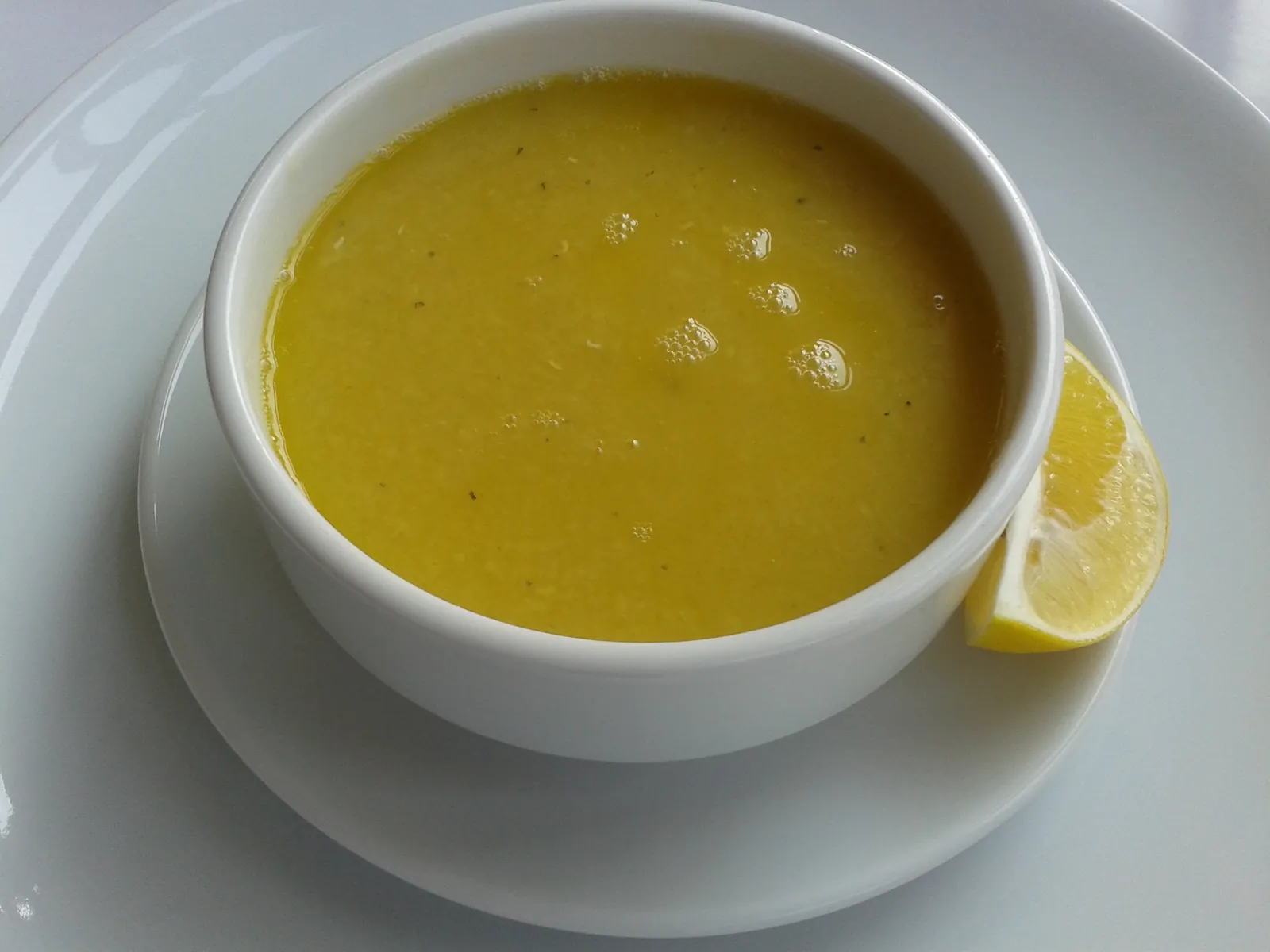
A white bowl of smooth golden Turkish lentil soup with a lemon wedge on the side Turkey flag Turkey 45m
Lunch •Ankara Lokanta Classic

Turkish Lentil Soup

This turkish lentil soup recipe turns red lentils, onion, carrot and potato into a smooth, golden soup, finished with lemon and a drizzle of paprika butter. One serving is about 325 g.

Comfort & Warmth

A silky red lentil soup, light enough for lunch and warm enough for a cold day.

Pairs Well With
Warm pide bread, lemon wedges and ayran
Soups & Broths
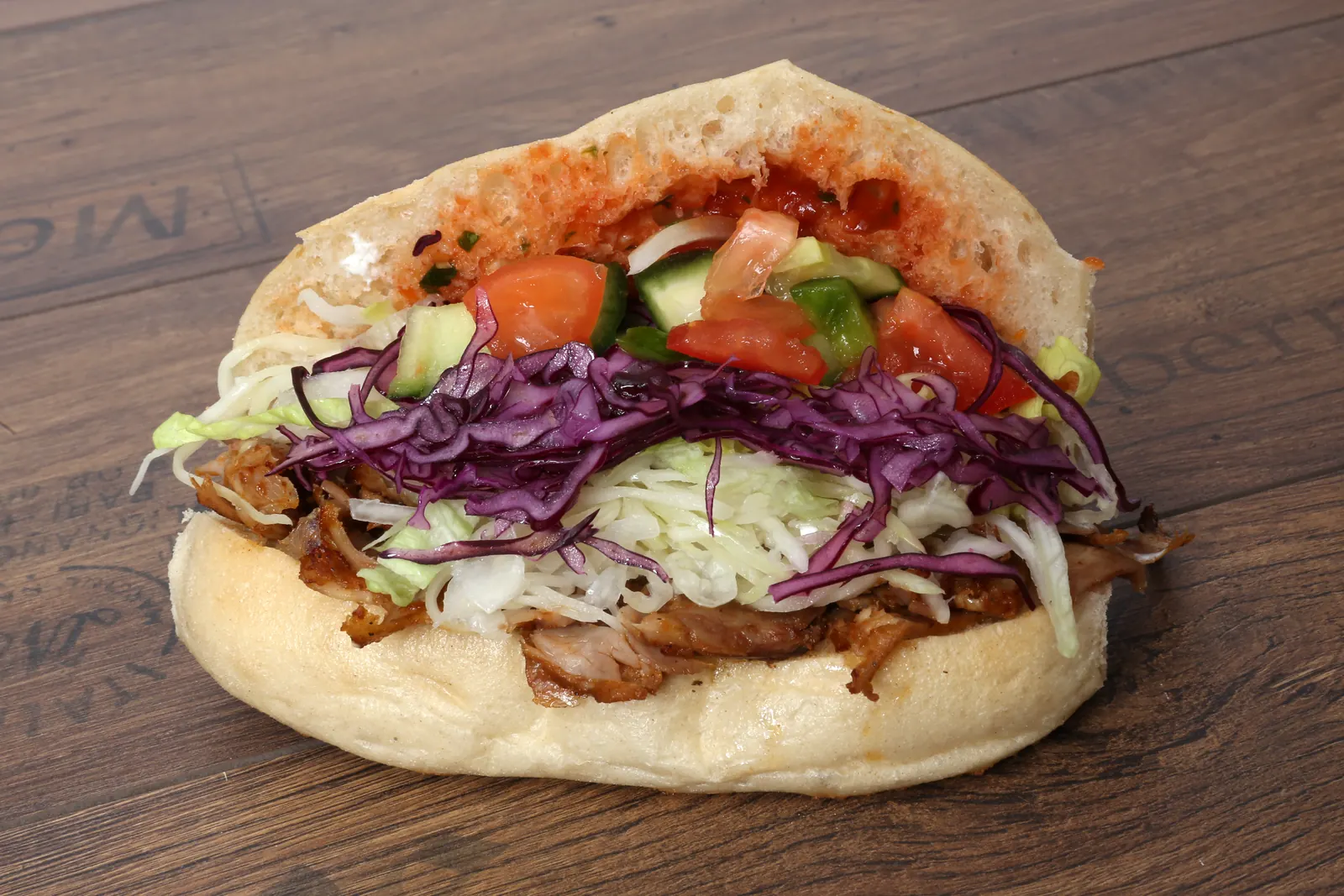
A doner kebab in flatbread filled with sliced lamb, red and white cabbage, tomato and cucumber Turkey flag Turkey 2h 55m
Dinner •Bursa Spit-Roast Heritage

Doner Kebab

This doner kebab recipe brings the Turkish spit-roast home: lamb leg marinated in yogurt, onion and spices, seared until charred at the edges, then sliced thin and tucked into warm pitta bread with crisp salad and a cool garlic yogurt sauce. No vertical spit needed — a ripping-hot pan does the job. One serving is about 415 g.

Charcoal-Grilled & Juicy

Home-style doner kebab — yogurt-marinated lamb, sliced thin and piled into warm pitta with salad and garlic sauce.

Pairs Well With
Serve in warm pitta with salad, garlic sauce and a little chilli sauce.
High Protein

The Dinner Gazette

Never wonder what’s for dinner again

One email a week with easy dinner ideas from around the world — ingredients, steps and nutrition, tested in our kitchen first.

Delivered every Thursday morning. Unsubscribe anytime.