
Curated recipes from 193 countries  •  New seasonal Mediterranean issue out now

Overview

Turlu

Türlü — Turkish Mixed Vegetable Stew

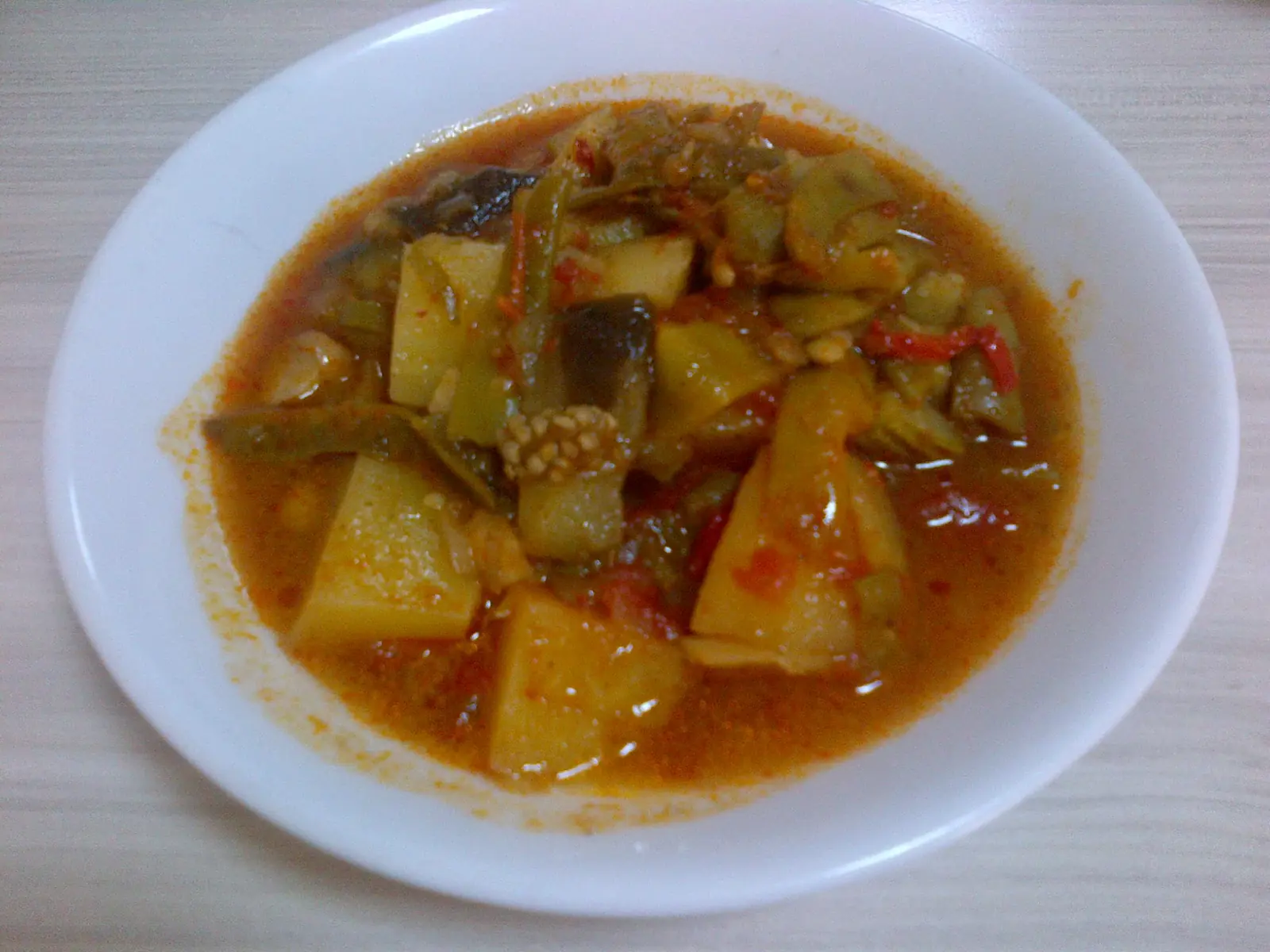
This turlu recipe braises potatoes, green beans, eggplant, zucchini, carrots and peppers in one pot with tomatoes, tomato paste and paprika — a gentle water-braise, not a roast, with no Provençal herbs. One serving is about 549 g.

Turlu takes its name from the old Turkic word türlüg, meaning variety — a fitting name for a dish that is whatever vegetables the season offers, cooked together in one pot. Food historian Priscilla Mary Işın records a türlü recipe from the 18th century, calling for meat, garlic, eggplant, zucchini and okra, with an emphasis on good presentation. The meat-free version, cooked in olive oil, became an everyday staple of Turkish home cooking, and the same idea appears across the Balkans as tourlo, turli and turli tava.

Pairs well with: Crusty bread, plain rice and a spoonful of yoghurt on the side (omit yoghurt to keep it vegan)

Provenance

Turkey flag Turkey

Ottoman Everyday Stew

Middle Eastern

Time Dedication

1h 10m

25m prep • 45m cook

Batch Yield

4 Servings

310 kcal per serving

1 serving ≈ 549 g

Technical Skill

Intermediate

Easy (One Pot)

Meal Timing & Digestive Fit

Breakfast

Not Advised

Lunch

Hearty Midday Main

Dinner

Ideal Hearty Main

Snack & Tea

Inappropriate

Occasions: Weeknight dinners, vegetarian mains, summer harvest meals Cost: Low — about $2–3 per serving at home
A white bowl of turlu, a Turkish mixed vegetable stew with potatoes, green beans and eggplant in a tomato sauce

Ottoman Everyday Stew

Photo: E4024, CC BY-SA 4.0, via Wikimedia Commons

The Heritage Formulary

Measured Ingredients

Estimated cost: Low — about $2–3 per serving at home (USD)

True turlu is a gentle one-pot water-braise with potatoes and green beans at its heart — no roasting, no Provençal herbs, and the vegetables kept whole.

Execution Methodology & Culinary Technique

Step-by-Step Cooking Guide

Active 1h 10m
P

Prep Stage: Cut Every Vegetable for One Pot

25 Mins • Peel, Chop & Salt the Eggplant

Peel and chunk the potatoes, cut the eggplant into large pieces and salt it for 10 minutes, then pat dry. Cut the zucchini into thick half-moons, trim and cut the green beans, slice the carrots, pepper, onion and garlic, and chop the tomatoes. Measure out the olive oil, tomato paste, water, salt, paprika and pepper.

Maestro Tip: Cut everything large — small pieces collapse into mush during the long, gentle braise, and turlu should show whole vegetables.

  1. 1

    Soften the Onion and Garlic

    5 Mins Medium heat, about 160°C (320°F)

    Warm the olive oil in a large, heavy pot over medium heat. Add the onion and cook for 3 minutes until soft and translucent, then add the garlic and paprika and cook for 1 more minute until fragrant.

    Do not let the garlic brown — browned garlic turns bitter and the whole pot tastes of it.

    Done when: The onion is soft and sweet-smelling, the oil is stained red from the paprika.

  2. 2

    Layer the Vegetables

    5 Mins Medium-high heat, about 180°C (350°F)

    Add the potatoes, eggplant, carrots and green beans to the pot, then the zucchini, pepper and tomatoes on top. Spoon over the tomato paste, sprinkle with the salt and black pepper, and pour in the water. Do not stir — the layers protect the softer vegetables below.

    Layering matters: the hard potatoes sit at the bottom near the heat, the soft zucchini stays on top.

    Done when: The pot is full of layered vegetables with tomato paste and water visible at the edges.

  3. 3

    Bring to a Boil

    5 Mins Boiling, 100°C (212°F)

    Cover the pot and bring to a boil over medium-high heat. As soon as it bubbles, turn the heat down low.

    A rolling boil would break the vegetables apart — you want one brief bubble, then a gentle simmer.

    Done when: The liquid is bubbling at the edges and steam is rising under the lid.

  4. 4

    Simmer Until Tender

    35 Mins Low simmer, about 95°C (200°F)

    Simmer covered on the lowest heat for about 35 minutes, without stirring, until the potatoes are completely tender and the eggplant is silky. The vegetables should hold their shape in a light, tomato-red sauce.

    Resist stirring — every stir breaks the soft vegetables. Shake the pot gently instead if a corner catches.

    Done when: A knife slides easily into a potato, the eggplant is soft and glossy, and the sauce coats a spoon.

  5. 5

    Rest and Finish

    5 Mins Off the heat — serve hot, about 60°C (140°F)

    Take the pot off the heat and rest it, covered, for 5 minutes. Scatter over the chopped parsley and serve straight from the pot with bread or rice.

    The rest lets the sauce settle and the flavours marry — turlu tastes better after five quiet minutes than straight off the boil.

    Done when: The stew is steaming and fragrant, with whole vegetables visible in a red tomato sauce, flecked with green parsley.

Finishing Touches & Plating

Rest the pot for five minutes, scatter with parsley, and serve turlu hot from the pot — with bread to mop up the sauce, or rice if you want a fuller meal.

Nutritional Physiology & Benefits

Nutrition

Energy

310

kcal / serving

Protein

7g

Complete AA

Carbs

42g

Complex

Fats

15g

Healthy

Per serving (4 servings · 1 serving ≈ 549 g)
Energy310 kcal
Protein7 g
Carbohydrates42 g
Fat15 g
Fibre10.5 g
Sugar13.6 g
Sodium535 mg
Per 100g
Energy56 kcal
Protein1.3 g
Carbohydrates7.6 g
Fat2.7 g
Fibre1.9 g
Sugar2.5 g
Sodium97 mg

Nutrition values are estimated — calculated from USDA FoodData Central values for the listed ingredients.

Vitamins & minerals: Vitamin C and potassium (tomatoes and peppers), vitamin A (carrots), folate and vitamin K (green beans). Nutrition is estimated.

Seven Vegetables in One Pot

Potatoes, eggplant, zucchini, green beans, carrots, peppers and tomatoes give a wide spread of fibre, vitamin C and potassium in a single dish.

Naturally Light

At about 310 kcal a serving with 10.5 g of fibre, this is a genuinely filling meal that stays light — the olive oil is the only fat.

Fibre That Fills You Up

About 10.5 g of fibre per serving from the vegetables helps the meal feel substantial without heaviness.

Food Pairings

What to Eat With

To optimize nutrient absorption and elevate the sensory depth, pair with these authentic accompaniments:

Sides

Crusty Bread

Bread is made for this sauce — the tomato and olive-oil juices are too good to leave in the pot, and bread is how Turkish tables finish them.

Plain Rice or Bulgur Pilaf

Rice or bulgur turns the stew into a full meal, soaking up the sauce while keeping the vegetables the star. (Bulgur is wheat — skip it if you need the meal gluten-free.)

Sauces

Plain Yoghurt

A cool spoonful of yoghurt against the warm, soft vegetables adds tang and creaminess — the classic Turkish contrast. Leave it out to keep the meal vegan.

Vegetables

Shepherd's Salad

A crisp tomato, cucumber and onion salad adds crunch and freshness next to the soft braised vegetables.

Complete menu

Serve turlu with crusty bread and a shepherd's salad, with plain yoghurt on the side for those who eat dairy.

Digestive Guardrails

What NOT to Combine

To prevent digestive distress, sluggishness, or palate clash, avoid pairing the dish with these elements:

Stirring While It Simmers

Stirring breaks the soft eggplant and zucchini into mush and turns the stew into a porridge. Shake the pot gently instead. This is general information, not medical advice.

Adding Butter or Cream

Butter and cream would break the vegan character of this version and add saturated fat for no gain — olive oil is the traditional fat here. This is general information, not medical advice.

General information only, not medical advice — consult a doctor for personal dietary decisions.

Who Should Eat It

Who Should Eat

  • General adultsA light, fibre-rich main — a full serving is satisfying without being heavy.
  • ChildrenSoft vegetables and mild seasoning make this a good family dish; cut the green beans shorter for very young children.
  • ElderlySoft, easy to chew and gentle on the stomach — serve warm, not piping hot.
  • Pregnant womenGenerally suitable — plant-based, low in fat and easy to digest; use pasteurised yoghurt if you add any.
  • Breastfeeding womenA nourishing, vegetable-rich meal with good fibre; pair it with bread or rice for enough energy.
  • AthletesLight on protein, so add yoghurt, eggs or a bean side if this is your post-training meal.
  • Weight gainAt about 310 kcal a serving, pair it with rice or bread and a protein-rich side to reach enough energy.
  • Weight lossHigh in fibre and low in fat and calories, with plenty of vegetables — a genuinely helpful weight-loss main.

Health Conditions — Adjust or Avoid

Conditions

  • DiabetesThe potatoes and carrots add carbs, so watch the bread or rice alongside — keep the starchy sides modest and ask your clinician.
  • High blood pressureLow in sodium at about 535 mg a serving, which helps; the potatoes are the main thing to portion. Ask your clinician.
  • Kidney diseasePlant-based and low in potassium per serving compared with meat dishes, but tomatoes and potatoes do carry potassium — ask your clinician about portions.
  • GoutVegetables and olive oil are generally well tolerated; the tomato acidity is the main watch point. Ask your clinician if you are unsure.
  • Stomach issuesSoft, well-cooked vegetables are usually gentle, but tomato can irritate sensitive stomachs — eat a modest portion. Ask your clinician about your triggers.
  • Cardiovascular diseaseLow in saturated fat and sodium with plenty of fibre — a heart-friendly plate. Ask your clinician about overall portions.
  • Fatty liverLow in fat and rich in vegetables, which helps; keep the bread portion modest. Ask your clinician.
  • Food allergiesFree from gluten, egg, milk, peanut, tree nuts, fish and shellfish. Made with olive oil only — no butter, no wheat.
  • Special therapeutic dietsSuitable for vegan, gluten-free and low-fat therapeutic diets as written; ask your clinician or dietitian before adapting it.

If you have a medical condition, consult your doctor before changing your diet.

Storage & Use

Storage & Use

How to store
Cool quickly and store in an airtight container in the fridge.
In the fridge
3 days, chilled — the flavour often improves on day two.
In the freezer
2 months; the potatoes soften a little after thawing.
How to reheat
Reheat gently in a covered pot over low heat to 74°C (165°F), adding a splash of water if the sauce has thickened.
Freezing recommended
Yes — it freezes well.
Signs it has spoiled
Sour smell, slimy vegetables, or mould on the surface.

More recipes to explore

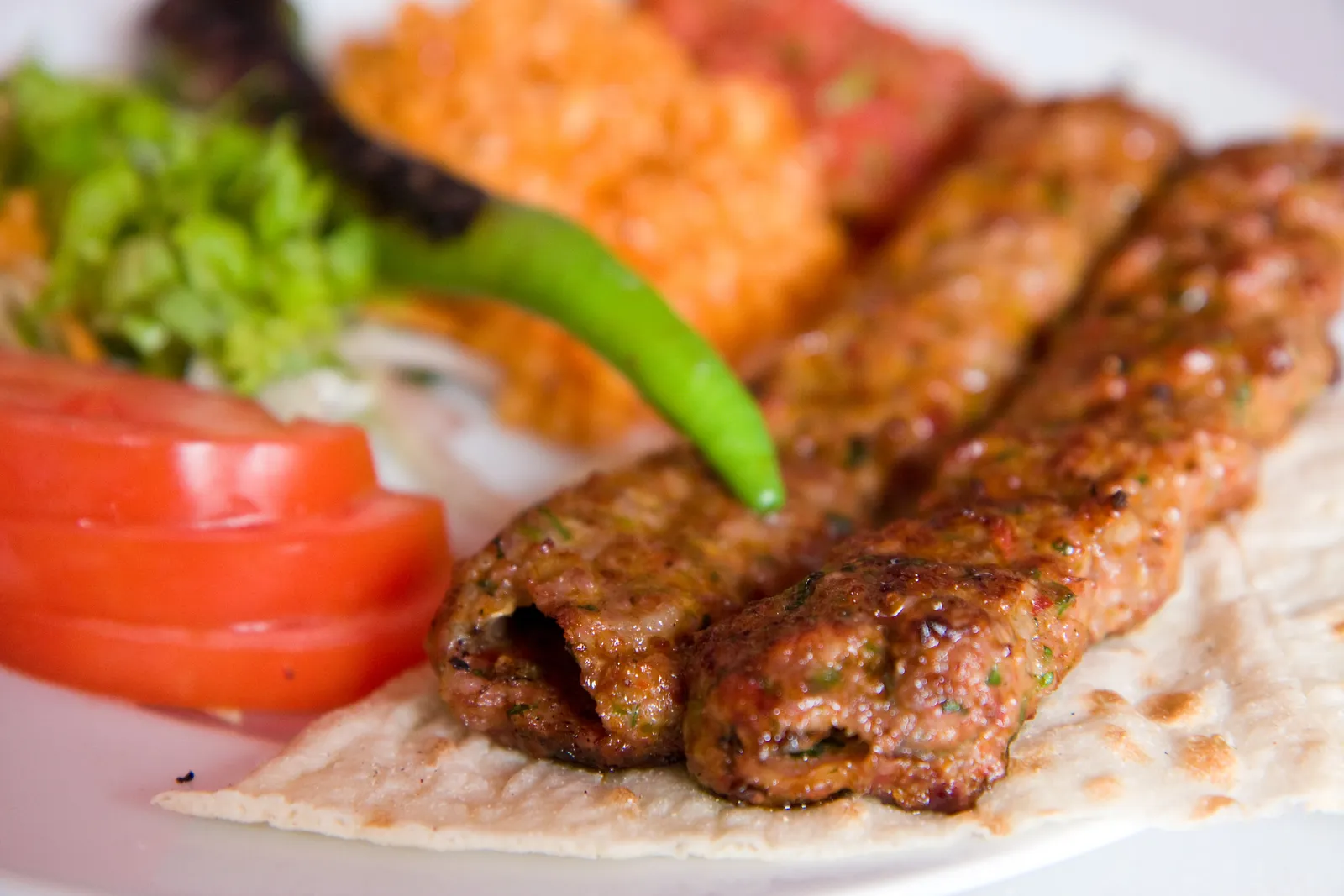
Adana kebab — long grilled minced-meat skewers on lavash with tomato, green chilli and salad Turkey flag Turkey 50m
Dinner •Adana Heritage

Adana Kebab

This adana kebab recipe is Adana's famous charcoal-grilled skewer: hand-minced lamb and beef mixed with lamb tail fat, sweet red pepper and pul biber, pressed onto wide flat skewers and grilled over glowing charcoal until the edges char and the juices run. It is served on warm lavash with grilled tomato, green chillies and a sharp sumac onion salad. One serving is about 439 g.

Adana's Charcoal-Grilled Icon

Hand-minced lamb and beef with tail fat and pul biber, pressed onto wide flat skewers and grilled over charcoal until charred at the edges — Adana's famous kebab.

Pairs Well With
Lavash, grilled tomato & sumac onion salad
High Protein
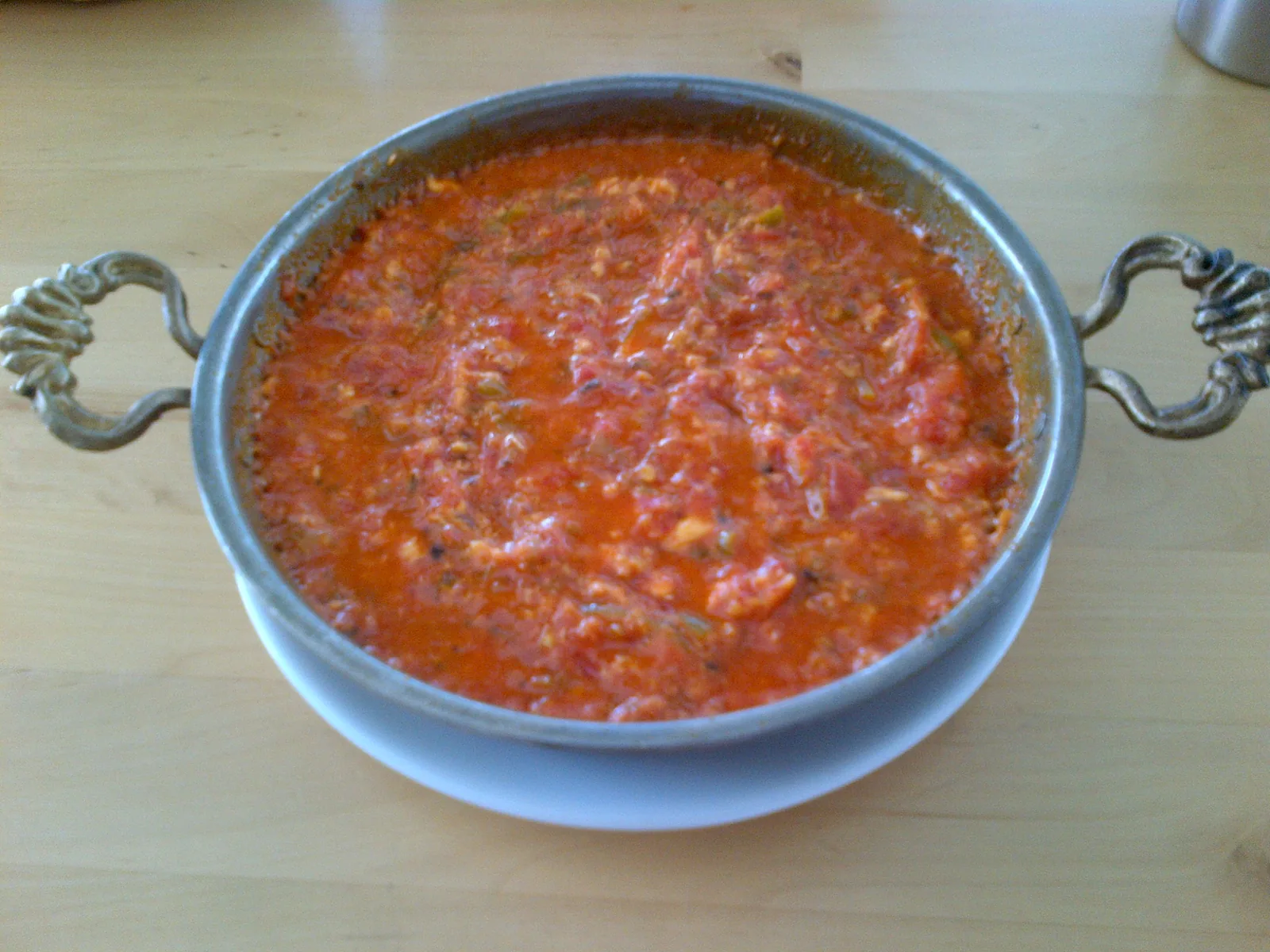
Menemen in a copper sahan pan — soft scrambled eggs stirred through a red tomato and green pepper sauce Turkey flag Turkey 30m
Breakfast •Izmir Breakfast Table

Menemen

This menemen recipe stirs beaten eggs into a soft tomato and green pepper sauce until they set into creamy curds — never poached whole, the way shakshuka does it. Cooked in one pan and served straight from it with bread, it is the classic Turkish breakfast. One serving is about 300 g.

Comfort & Warmth

Beaten eggs stirred into a soft tomato and green pepper sauce, scooped up with warm bread.

Pairs Well With
Crusty white bread, Turkish tea and sliced cucumber and tomato
Quick Prep (<30m)
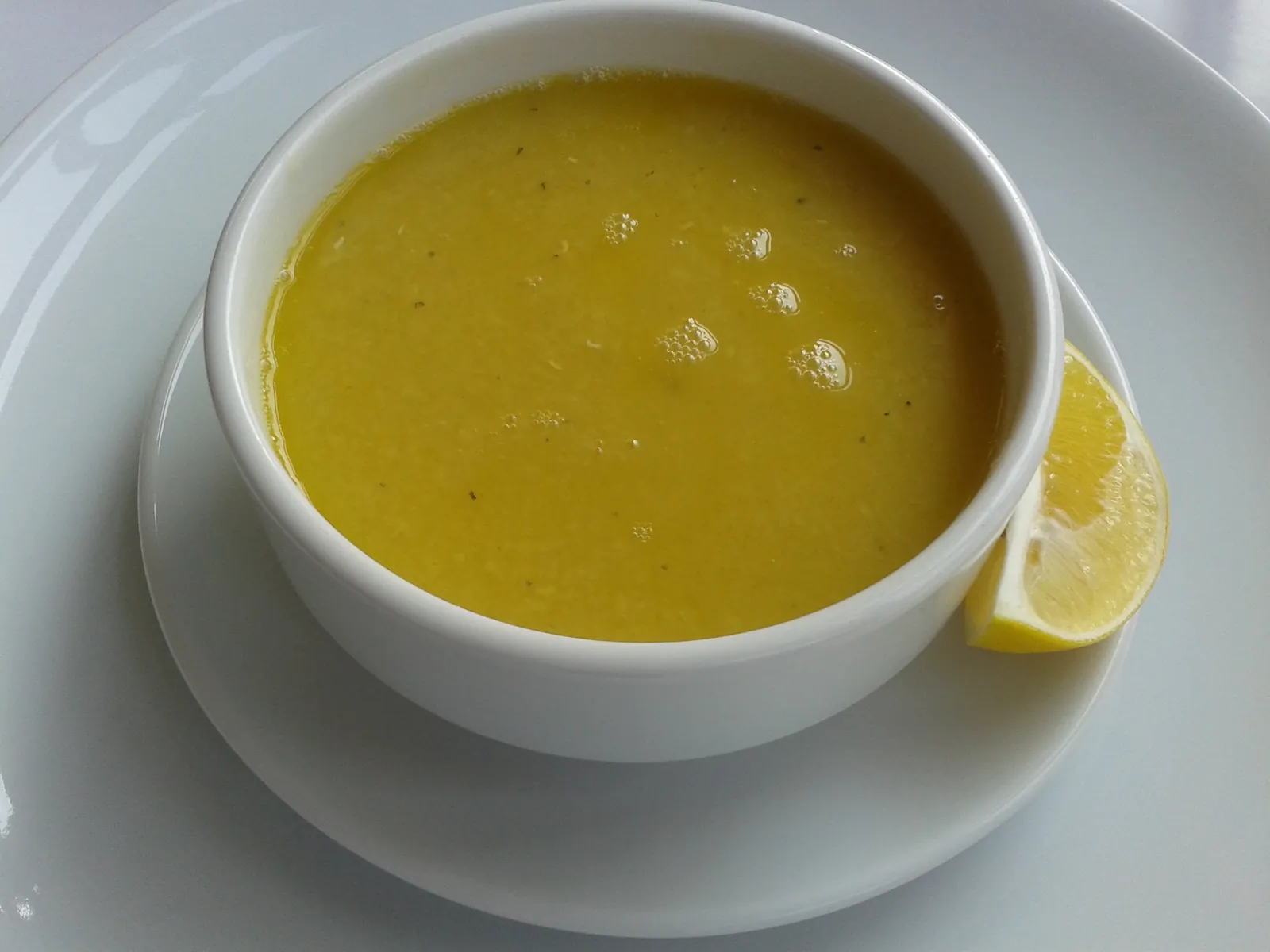
A white bowl of smooth golden Turkish lentil soup with a lemon wedge on the side Turkey flag Turkey 45m
Lunch •Ankara Lokanta Classic

Turkish Lentil Soup

This turkish lentil soup recipe turns red lentils, onion, carrot and potato into a smooth, golden soup, finished with lemon and a drizzle of paprika butter. One serving is about 325 g.

Comfort & Warmth

A silky red lentil soup, light enough for lunch and warm enough for a cold day.

Pairs Well With
Warm pide bread, lemon wedges and ayran
Soups & Broths
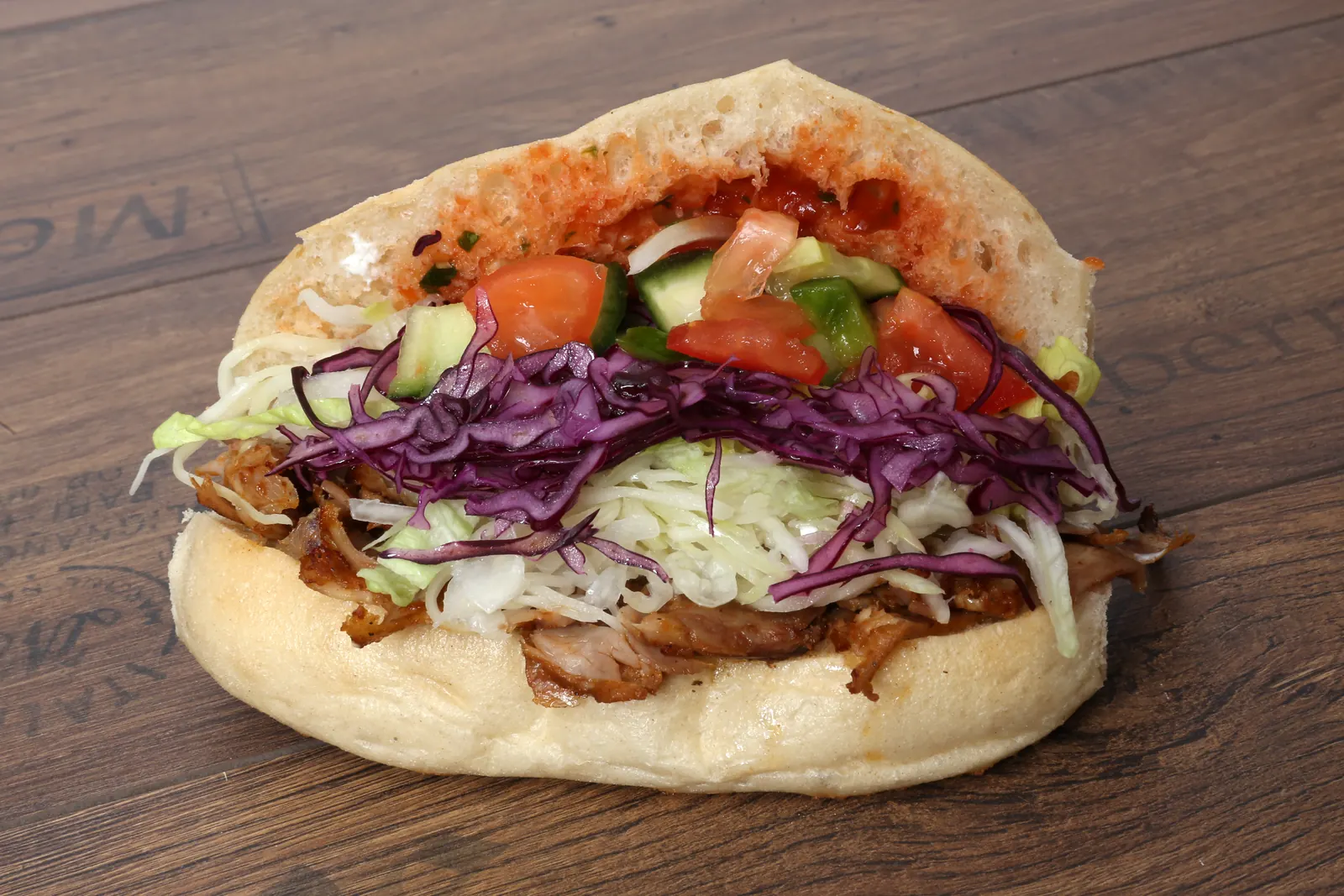
A doner kebab in flatbread filled with sliced lamb, red and white cabbage, tomato and cucumber Turkey flag Turkey 2h 55m
Dinner •Bursa Spit-Roast Heritage

Doner Kebab

This doner kebab recipe brings the Turkish spit-roast home: lamb leg marinated in yogurt, onion and spices, seared until charred at the edges, then sliced thin and tucked into warm pitta bread with crisp salad and a cool garlic yogurt sauce. No vertical spit needed — a ripping-hot pan does the job. One serving is about 415 g.

Charcoal-Grilled & Juicy

Home-style doner kebab — yogurt-marinated lamb, sliced thin and piled into warm pitta with salad and garlic sauce.

Pairs Well With
Serve in warm pitta with salad, garlic sauce and a little chilli sauce.
High Protein

The Dinner Gazette

Never wonder what’s for dinner again

One email a week with easy dinner ideas from around the world — ingredients, steps and nutrition, tested in our kitchen first.

Delivered every Thursday morning. Unsubscribe anytime.