
Curated recipes from 193 countries  •  New seasonal Mediterranean issue out now

Overview

Tutu de Feijao

Tutu a Mineira, Brazilian Bean Puree, Brazilian Refried Beans

This tutu de feijao recipe mashes cooked black beans with toasted cassava flour, smoky bacon and sausage until it holds a soft, crumbly mound — the Minas Gerais classic. Onion, garlic and scallion cook in the bacon fat first, so the whole pan tastes of smoke and garlic. One serving is about 333 g.

Tutu de feijão comes from Minas Gerais, where cooks thickened leftover beans with farinha de mandioca, the cassava flour long used by Indigenous Brazilians. Enriched with bacon and sausage, it became a fixture of the São Paulo lunch plate alongside rice, kale, egg and banana, and it is now loved across Brazil.

Pairs well with: White rice, sautéed kale and a fried egg.

Provenance

Brazil flag Brazil

Minas Gerais Classic

Latin America & Caribbean

Time Dedication

40m

15m prep • 25m cook

Batch Yield

4 Servings

701 kcal per serving

1 serving ≈ 333 g

Technical Skill

Intermediate

Medium (Mash & Thicken)

Meal Timing & Digestive Fit

Breakfast

Not Advised

Lunch

Hearty Midday Main

Dinner

Ideal Hearty Main

Snack & Tea

Inappropriate

Occasions: Family lunches, weekend comfort food, Brazilian barbecue sides Cost: Low — about $3–4 per serving at home
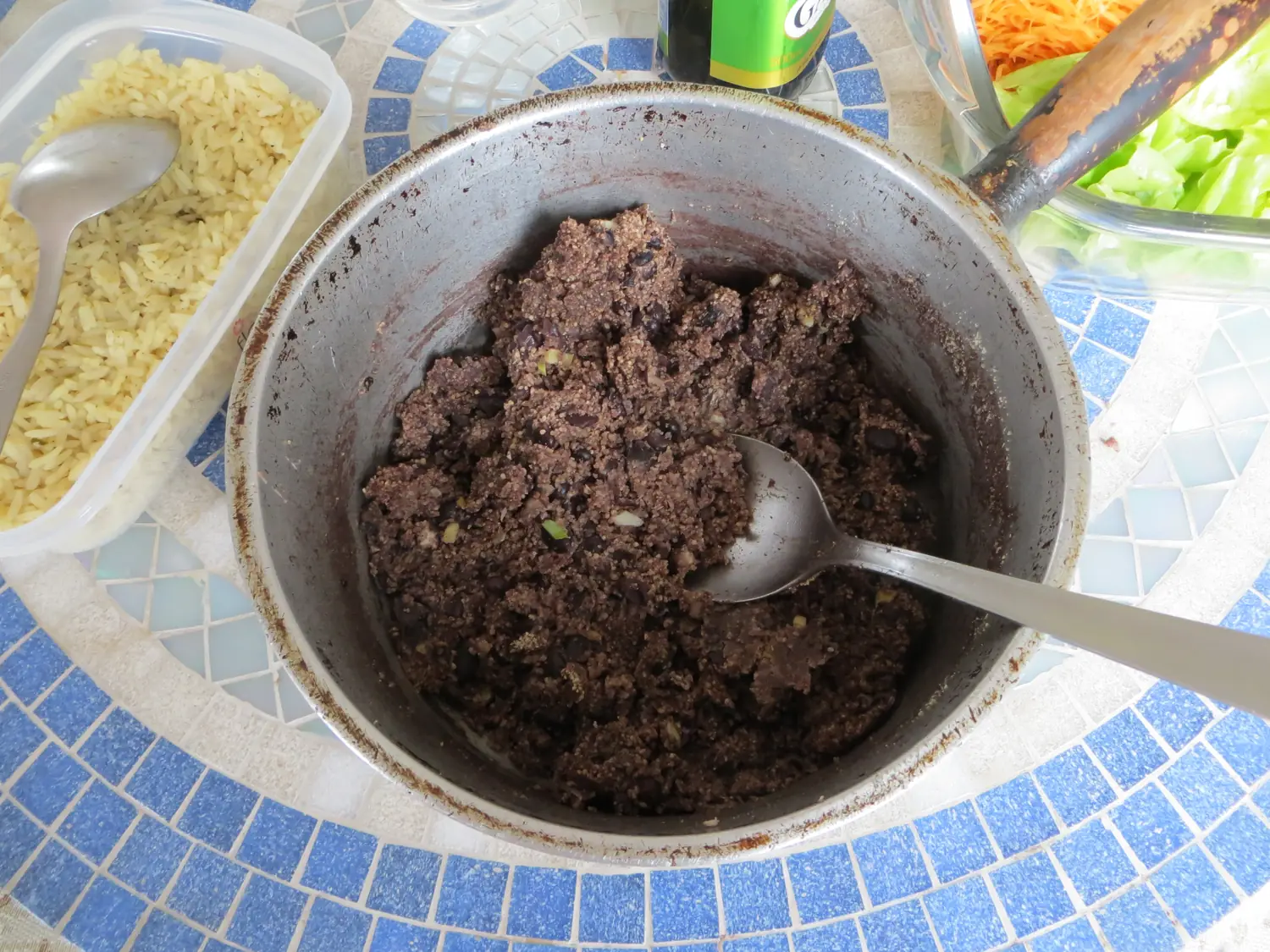
A pan of tutu de feijao, dark bean and cassava flour mash, with a spoon

Minas Gerais Classic

Photo: DAR7, CC BY-SA 4.0, via Wikimedia Commons

The Heritage Formulary

Measured Ingredients

Estimated cost: Low — about $3–4 per serving at home (USD)

Cooked black beans mashed with toasted cassava flour, bacon and sausage.

Execution Methodology & Culinary Technique

Step-by-Step Cooking Guide

Active 40m
P

Prep Stage: Beans, Bacon & Flour

15 Mins • Dicing & Measuring

Have the beans already cooked and tender, with 100 ml of their cooking liquid saved. Dice the bacon, slice the sausage, dice the onion, mince the garlic, slice the scallions (whites and greens apart) and measure the cassava flour into a bowl so you can sprinkle it with one hand while stirring with the other.

Maestro Tip: Everything moves fast once the pan is hot, so measure the flour before you start: you cannot stop to weigh it mid-stir.

  1. 1

    Crisp the bacon and sausage

    8 Mins Medium heat, ~175°C (350°F)

    Put the diced bacon and sliced sausage in a wide, heavy pan over medium heat. Cook for about 8 minutes, stirring now and then, until the bacon is crisp and the sausage is browned at the edges. Lift the meat out with a slotted spoon and set aside, leaving all the fat in the pan.

    Do not drain the fat: it is the flavour base for the whole dish.

    Done when: Bacon crisp, sausage browned at the edges, fat rendered in the pan.

  2. 2

    Soften the aromatics

    5 Mins Medium heat, ~175°C (350°F)

    Add the butter to the bacon fat and melt it. Cook the onion for about 3 minutes until soft, then add the garlic and the scallion whites for 1 minute more, until fragrant.

    Keep the heat medium: browned garlic turns bitter fast.

    Done when: Onion soft and sweet-smelling, garlic fragrant, not brown.

  3. 3

    Mash in the beans

    5 Mins Low heat, ~120°C (250°F)

    Add the cooked black beans and the 100 ml bean liquid to the pan. Simmer for 2 minutes, then mash with a potato masher until the beans are about half smooth, with some whole beans left for texture.

    Half-mashed is the target: fully smooth beans make a gluey tutu.

    Done when: Beans thick, half mashed and steaming.

  4. 4

    Thicken with cassava flour

    5 Mins Low heat, ~120°C (250°F)

    Sprinkle the cassava flour into the pan in three batches, stirring constantly, until all 200 g is in and the tutu thickens into a soft mound that pulls away from the sides of the pan. Fold the bacon and sausage back in, season with salt only if needed, and add the black pepper.

    Sprinkle, do not dump: a handful at once makes lumps that never come out.

    Done when: Tutu holds a soft mound on the spoon and pulls away from the pan.

  5. 5

    Rest and serve

    2 Mins No heat — resting, ~60°C (140°F)

    Rest for 2 minutes, scatter the scallion greens over the top and serve hot, spooned in a mound beside rice, sautéed kale and a fried egg.

    The tutu firms as it rests, so serve it while it is still soft and steaming.

    Done when: Mound holds its shape, scallions bright green on top.

Finishing Touches & Plating

Spoon the tutu into a soft mound on each plate, scatter the scallion greens over it and serve at once with rice, kale and a fried egg, while it is still steaming.

Nutritional Physiology & Benefits

Nutrition

Energy

701

kcal / serving

Protein

31g

Complete AA

Carbs

85g

Complex

Fats

27g

Healthy

Per serving (4 servings · 1 serving ≈ 333 g)
Energy701 kcal
Protein31 g
Carbohydrates85 g
Fat27 g
Fibre14.2 g
Sugar3.6 g
Sodium825 mg
Per 100g
Energy210 kcal
Protein9.4 g
Carbohydrates25.4 g
Fat8 g
Fibre4.3 g
Sugar1.1 g
Sodium248 mg

Nutrition values are estimated — calculated from USDA FoodData Central values for the listed ingredients.

Vitamins & minerals: Black beans supply iron, folate and magnesium; bacon adds vitamin B12 and zinc; scallions add vitamin K and vitamin C.

31 g Protein per Serving

Beans, bacon and sausage together give about 31.2 g of protein per serving, so this is a genuinely filling main dish.

14 g Fibre from Beans

One serving carries about 14.2 g of fibre, almost all of it from the black beans.

Iron & Folate

Black beans supply iron and folate, and the vitamin C in the scallions helps the body absorb the iron.

Food Pairings

What to Eat With

To optimize nutrient absorption and elevate the sensory depth, pair with these authentic accompaniments:

Sides

White Rice

Plain white rice is the classic base: it stretches the rich tutu and soaks up the smoky fat.

Vegetables

Sautéed Kale (Couve Refogada)

Garlicky kale adds a bitter green note that cuts the richness and is the traditional Minas Gerais partner.

More Pairings

Fried Egg

A fried egg on top adds a runny yolk that sauces the tutu and makes the plate complete.

Sliced Banana

Sweet banana is the classic São Paulo touch: its sweetness plays against the salty, smoky beans.

Complete menu

White rice, sautéed kale and a fried egg.

Digestive Guardrails

What NOT to Combine

To prevent digestive distress, sluggishness, or palate clash, avoid pairing the dish with these elements:

Using Undercooked Beans

Beans that are still chalky in the middle stay gritty in the mash and are hard to digest. Cook the beans until fully tender before mashing. This is general food information, not medical advice.

Dumping All the Flour at Once

Cassava flour clumps instantly if it hits the pan in one pile, and the lumps do not stir out. Sprinkle it in batches, stirring constantly. This is general cooking information, not medical advice.

Leaving Tutu Out for Hours

Cooked beans and meat spoil quickly at room temperature. Cool leftovers fast and refrigerate within 2 hours. This is general food information, not medical advice.

General information only, not medical advice — consult a doctor for personal dietary decisions.

Who Should Eat It

Who Should Eat

  • General adultsRich and filling at about 701 kcal per serving — a proper main dish with rice and greens.
  • ChildrenSalty and rich, so serve a small portion with plenty of rice and vegetables.
  • ElderlyA soft mash is easy to eat, but it is salty and rich, so a modest portion is the comfortable choice.
  • Pregnant womenFine when the pork is cooked right through; the dish is salty, so keep the portion modest. Ask your clinician about portions.
  • Breastfeeding womenEnergy-rich and filling; the salt adds up, so drink water with the meal and keep to one serving.
  • AthletesHigh energy with about 31.2 g protein per serving — good fuel after hard training.
  • Weight gainVery energy-dense and easy to eat, so it suits weight gain well.
  • Weight lossAbout 701 kcal per serving — halve the portion and load the plate with kale and salad instead.

Health Conditions — Adjust or Avoid

Conditions

  • DiabetesCassava flour is a fast starch, so keep the portion small and pair it with greens rather than extra rice. Ask your clinician about portions.
  • High blood pressureOne serving carries about 825 mg sodium from bacon and sausage, so add no extra salt and skip extra sausage. Ask your clinician about portions.
  • Kidney diseaseSalty and high in protein, which matter for some kidney diets, so keep portions modest. Ask your clinician about portions.
  • GoutBacon and sausage are rich in purines, so keep to a small portion and eat it rarely. Ask your clinician about portions.
  • Stomach issuesRich and fatty, so it can feel heavy on a sensitive stomach; eat slowly and take a small portion. Ask your clinician about portions.
  • Cardiovascular diseaseHigh in saturated fat from bacon and sausage, so treat it as an occasional dish and serve it with plenty of vegetables. Ask your clinician about portions.
  • Fatty liverEnergy-dense and fatty, so keep the portion modest and do not eat it often. Ask your clinician about portions.
  • Food allergiesContains pork. Cassava flour is naturally gluten-free, but check the packet for cross-contact if you need it. Contains no gluten, egg or milk as written. Ask your clinician about safe alternatives.
  • Special therapeutic dietsNot suitable for a low-fat or low-sodium therapeutic diet as written; a lighter version changes the dish and should be discussed with a clinician.

If you have a medical condition, consult your doctor before changing your diet.

Storage & Use

Storage & Use

How to store
Cool quickly and store in a covered container.
In the fridge
Keeps 3 days in the fridge at 4°C (40°F) or below.
In the freezer
Up to 2 months in a sealed container; the texture softens a little on thawing.
How to reheat
Reheat gently on the hob with a splash of water, stirring, until steaming hot, to 74°C (165°F).
Freezing recommended
Yes — in portions.
Signs it has spoiled
Sour smell, slimy surface, or mould.

More recipes to explore

A black clay pot of golden-orange bobó de camarão, a thick cassava cream with shrimp, with a serving spoon Brazil flag Brazil 1h 5m
Dinner •Bahian Cassava Cream

Bobó de Camarão

This bobo de camarao recipe is Bahia's creamy shrimp dish: fresh shrimp folded into a thick purée of boiled cassava blended with coconut milk, coloured golden-orange with dendê oil and finished with lime and cilantro. Unlike a stew, the cassava is blended smooth, so the whole dish eats like a rich, spoonable cream. One serving is about 470 g.

Rich & Comforting

Shrimp folded into a thick, smooth cassava cream made with coconut milk and red palm oil, served hot with rice.

Pairs Well With
Steamed white rice, farofa and a crisp green salad
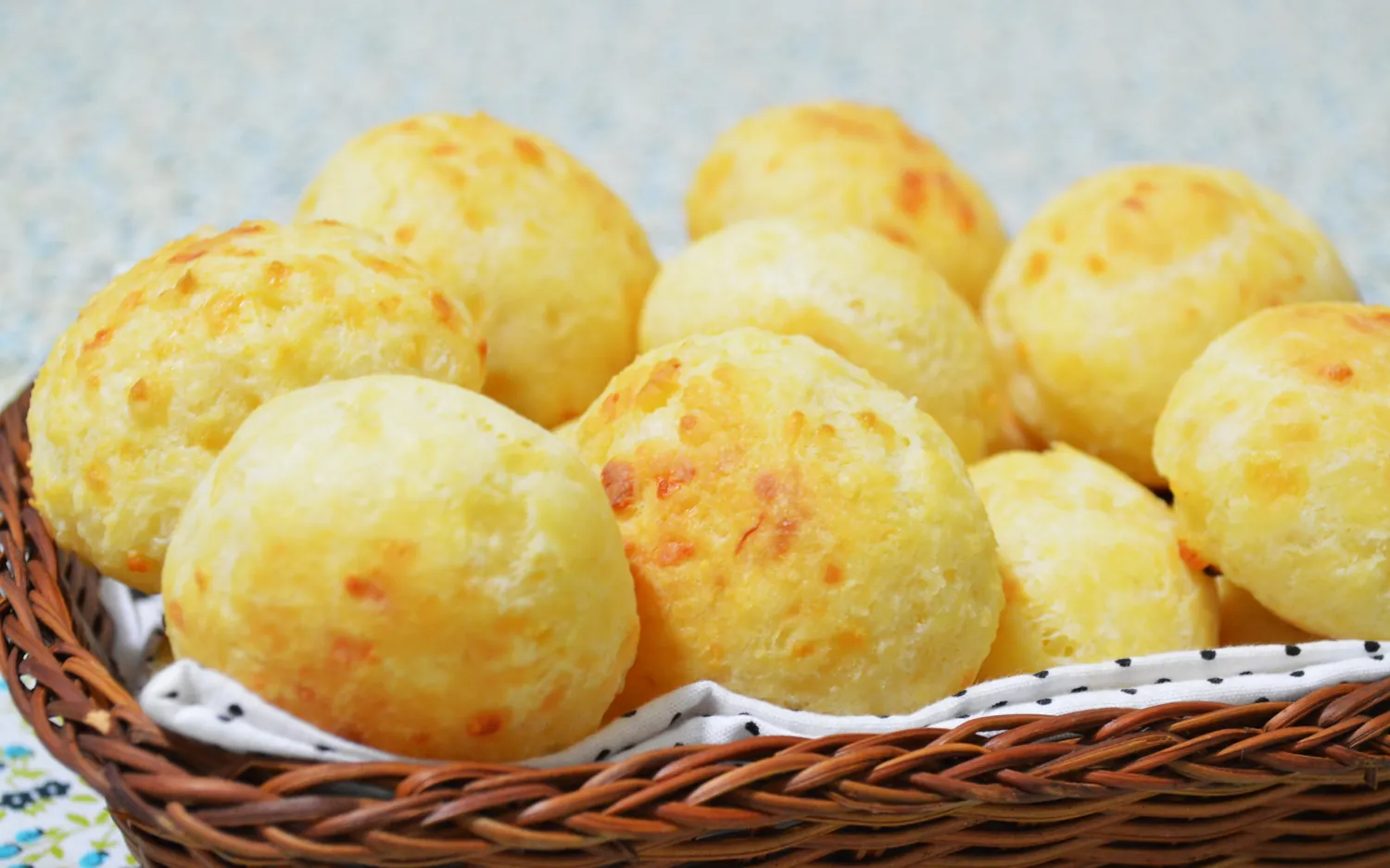
A basket of golden, round pão de queijo, Brazilian cheese bread rolls Brazil flag Brazil 45m
Snack & Tea •Minas Gerais Cheese Bread

Pão de Queijo

This pao de queijo recipe makes Brazil's famous cheese bread: small, golden rolls with a crisp shell and a soft, stretchy, chewy centre, made from tapioca starch, milk, oil, eggs and cheese. There is no wheat flour and no yeast — the rolls puff up on steam in a hot oven. One serving is 4 rolls, about 134 g.

Warm & Chewy Snack

Golden tapioca cheese rolls with a crisp shell and a soft, stretchy centre, baked in under half an hour.

Pairs Well With
Black coffee, fresh fruit, or a light soup
A black clay pot of moqueca baiana, fish chunks in a golden-orange coconut sauce with fresh herbs, beside rice and pirão Brazil flag Brazil 55m
Dinner •Bahian Fish Stew

Moqueca Baiana

This moqueca baiana recipe is Bahia's famous fish stew: thick fillets of white fish layered with onion, peppers and tomato, then simmered gently in coconut milk with dendê oil until the sauce turns golden-orange. The fish stays in whole, flaky pieces in a fragrant broth — a stew, not a purée. One serving is about 450 g.

Coastal & Aromatic

Firm white fish simmered in coconut milk and red palm oil with peppers and tomato, served hot in its clay pot.

Pairs Well With
Steamed white rice, pirão and farofa
A bowl of Brazilian feijoada — black beans with rounds of sausage and pieces of pork Brazil flag Brazil 3h 30m
Dinner •Brazilian National Dish

Brazilian Feijoada

This Brazilian feijoada recipe is the real Saturday lunch: black beans simmered for hours with pork shoulder, smoky linguiça, bacon and beef until the broth turns thick and dark, then served with white rice, garlicky collard greens, orange slices and farofa. It is a slow, generous pot built for sharing. One serving is about 450 g.

Rich & Hearty

Brazil's national dish — black beans slow-cooked with pork, sausage and beef, served with rice, greens and orange.

Pairs Well With
Serve with white rice, sautéed collard greens, orange slices and farofa.

The Dinner Gazette

Never wonder what’s for dinner again

One email a week with easy dinner ideas from around the world — ingredients, steps and nutrition, tested in our kitchen first.

Delivered every Thursday morning. Unsubscribe anytime.