
Curated recipes from 193 countries  •  New seasonal Mediterranean issue out now

Overview

Uzbek Non

Obi Non, Uzbek Flatbread, Lepyoshka

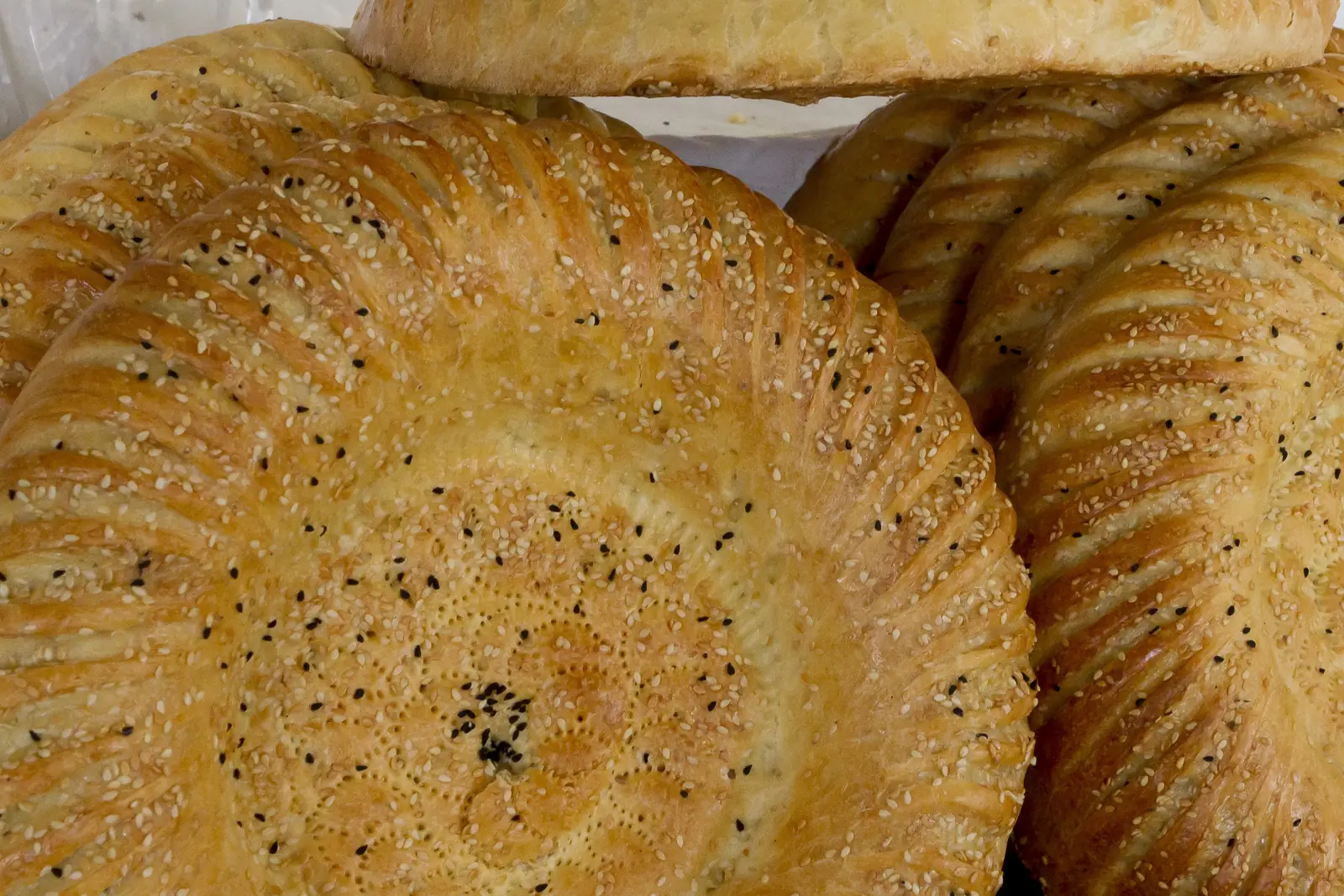
A round, yeast-leavened flatbread baked hot until golden, with a puffed, chewy rim and a thin centre stamped with a pattern — the loaf that sits at the heart of every Uzbek table. One serving is about 155 g.

Non is the loaf at the heart of Uzbek life: a round, yeast-leavened bread baked against the wall of a clay tandyr oven, its thin centre stamped with a chekich — a wooden stamp studded with pins — so the middle stays flat while the rim puffs up. The everyday version is obi non, "water bread", made from just flour, water, yeast and salt, and it is torn by hand at the table, never cut with a knife. Non carries great cultural importance in Uzbekistan and appears in ceremonies marking the phases of life.

Pairs well with: Green tea, fresh cheese & sliced tomatoes

Provenance

Uzbekistan flag Uzbekistan

Tashkent Tandyr Bread

East & South Asia

Time Dedication

1h 55m

90m prep • 25m cook

Batch Yield

8 Servings

425 kcal per serving

1 serving ≈ 155 g

Technical Skill

Intermediate

Intermediate (Yeasted Dough)

Meal Timing & Digestive Fit

Breakfast

Prime Morning Fit

Lunch

Inappropriate

Dinner

Inappropriate

Snack & Tea

Inappropriate

Occasions: Breakfast, tea time, family meals, festive tables Cost: Low — about $0.50–1 per serving at home
Golden rounds of Uzbek obi non with stamped centres, sesame and nigella seeds, stacked in a pile

Tashkent Tandyr Bread

Photo: Benjamin Goetzinger, CC BY-SA 4.0, via Wikimedia Commons

The Heritage Formulary

Measured Ingredients

Estimated cost: Low — about $0.50–1 per serving at home (USD)

A good obi non has a crisp golden crust, a thin stamped centre, and a puffed rim that is chewy, not doughy.

Execution Methodology & Culinary Technique

Step-by-Step Cooking Guide

Active 1h 55m
P

Prep Stage: Mix, Knead, Rise

90 Mins • Hands On + Rising

Bloom the yeast in warm water first — it needs 10 minutes to foam while you weigh the flour. Knead until the dough is smooth and springs back when poked, then let it rise somewhere warm until doubled. Everything after that is shaping and baking, and the oven must be fully hot before the rounds go in.

Maestro Tip: The dough should feel soft and slightly tacky, not stiff — add water a spoonful at a time if it feels dry.

  1. 1

    Mix and Knead the Dough

    15 Mins • Hands On Room temperature

    Stir the yeast and sugar into the warm water and leave for 10 minutes until foamy. Mix the salt into the flour, pour in the yeast water and the oil, and knead on a floured surface for about 10 minutes until the dough is smooth, elastic and springs back when poked.

    Knead properly — a well-kneaded dough holds its shape in the oven instead of spreading flat.

    Done when: The dough is smooth, slightly tacky, and springs back when pressed with a fingertip.

  2. 2

    Let the Dough Rise

    60 Mins • Rising Warm place, about 28°C (82°F)

    Shape the dough into a ball, put it in a lightly oiled bowl, cover with a damp cloth and leave in a warm place until doubled in size, about 1 hour. Knock it back gently and divide into 4 equal pieces, about 350 g each.

    If your kitchen is cool, put the bowl in the oven with just the light on.

    Done when: The dough has doubled and a poked dent stays instead of springing straight back.

  3. 3

    Shape and Stamp the Rounds

    15 Mins • Hands On Room temperature

    Flatten each piece into a disc about 25 cm across, pressing the middle thin — about 1 cm — while leaving a thick rim about 3 cm wide. Prick the thin centre all over with a fork or a dough docker in a circular pattern, the way a chekich stamp does: the holes let steam escape so the middle stays flat while the rim puffs up.

    Do not skip the stamping — an unstamped centre balloons up in the heat and the loaf loses its shape.

    Done when: Each round has a thin, well-pricked centre and a fat, even rim.

  4. 4

    Egg Wash and Seeds

    5 Mins • Hands On Room temperature

    Brush the top of each round with the beaten egg and scatter the sesame and nigella seeds over the rim and centre. Let the rounds rest for 10 minutes while the oven heats.

    Brush gently — a heavy hand pools the egg and makes pale patches.

    Done when: The rounds are glossy with egg and evenly seeded.

  5. 5

    Bake Until Golden

    25 Mins • Baking 220°C (425°F)

    Bake on a hot baking stone or an upturned tray in a fully preheated oven at 220°C (425°F) for 20–25 minutes, until the crust is deep golden and the loaf sounds hollow when tapped underneath. Cool on a rack for at least 15 minutes before tearing — non is torn by hand at the table, never cut with a knife.

    A baking stone makes a real difference: it gives the bottom the crisp bite of a tandyr wall.

    Done when: Deep golden crust, a hollow tap underneath, and a rim that springs back when pressed.

Finishing Touches & Plating

Cool the rounds on a rack, then tear them by hand at the table — that is the Uzbek way. Eat the same day if you can; a fresh non is at its best within hours of baking.

Nutritional Physiology & Benefits

Nutrition

Energy

425

kcal / serving

Protein

12g

Complete AA

Carbs

79g

Complex

Fats

6g

Healthy

Per serving (8 servings · 1 serving ≈ 155 g)
Energy425 kcal
Protein12 g
Carbohydrates79 g
Fat6 g
Fibre3.2 g
Sugar1.6 g
Sodium594 mg
Per 100g
Energy274 kcal
Protein7.7 g
Carbohydrates50.7 g
Fat4 g
Fibre2.1 g
Sugar1 g
Sodium383 mg

Nutrition values are estimated — calculated from USDA FoodData Central values for the listed ingredients.

Vitamins & minerals: B vitamins and iron (enriched wheat flour), calcium and magnesium (sesame seeds), vitamin E (vegetable oil).

Slow-Release Energy

About 79 g of carbohydrate per serving, mostly slow-digesting starch, gives steady energy for the morning.

Simple, Honest Ingredients

Flour, water, yeast, salt and a little oil — no preservatives, no additives, just bread.

Baked, Not Fried

The loaf is baked in a hot oven with no frying, so the only fat is the small amount of oil in the dough and the seeds on top.

Food Pairings

What to Eat With

To optimize nutrient absorption and elevate the sensory depth, pair with these authentic accompaniments:

Sides

Suzma (Strained Yoghurt)

Cool, tangy strained yoghurt spread on warm non is the classic Uzbek breakfast — the sourness balances the bread's mild sweetness.

Vegetables

Tomato & Cucumber

Fresh sliced tomato and cucumber add juice and crunch against the warm, chewy bread.

Drinks

Green Tea

Unsweetened green tea is the everyday drink with non in Uzbekistan — light, cleansing, and it never fights the bread.

Complete menu

Serve the non warm from the oven with suzma, sliced tomato and cucumber, and a pot of green tea; tear the bread by hand at the table.

Digestive Guardrails

What NOT to Combine

To prevent digestive distress, sluggishness, or palate clash, avoid pairing the dish with these elements:

Cutting It While Hot

Slicing a loaf straight from the oven tears the crumb while it is still setting and turns it gummy — let it rest at least 15 minutes, then tear by hand. This is general cooking guidance, not medical advice.

Storing It Warm in Plastic

Wrapping a warm loaf in plastic traps steam and turns the crisp crust soggy within an hour. Cool it fully on a rack first, then keep it in a cloth bag.

General information only, not medical advice — consult a doctor for personal dietary decisions.

Who Should Eat It

Who Should Eat

  • General adultsA filling breakfast bread — one serving with cheese and tea makes a complete morning meal.
  • ChildrenSuitable for children over 2; tear off soft pieces and watch for sesame seed allergy.
  • ElderlySoft and easy to chew when fresh; day-old non can be warmed to soften it again.
  • Pregnant womenGenerally suitable; the bread is plain and mild, but it is high in carbohydrate, so watch the portion.
  • Breastfeeding womenGenerally suitable; pair with protein such as cheese or yoghurt rather than eating bread alone.
  • AthletesA good source of quick carbohydrate before or after training; add cheese or eggs for protein.
  • Weight gainA good choice — the bread is energy-dense, so a serving with butter and jam adds up fast.
  • Weight lossChoose one serving and load the plate with tomato, cucumber and yoghurt instead of a second round.

Health Conditions — Adjust or Avoid

Conditions

  • DiabetesAbout 79 g of carbohydrate per serving — a large portion, so count it carefully and pair with protein.
  • High blood pressureAbout 593 mg of sodium per serving; go easy on salty cheese or pickles alongside.
  • Kidney diseasePlain white bread is low in potassium and easy on the kidneys, but keep the portion modest and ask your clinician.
  • GoutWhite bread is low in purines and generally fine in modest portions.
  • Stomach issuesUsually gentle; eat it fresh and warm rather than stale, which can feel heavy.
  • Cardiovascular diseaseThe bread itself is low in fat; keep spreads light and favour yoghurt over butter.
  • Fatty liverKeep the portion to one serving and favour wholemeal breads most days; this is a white-flour loaf.
  • Food allergiesContains wheat (gluten), egg (wash) and sesame seeds. The nigella seeds are a separate seed — tell your clinician if you have seed allergies.
  • Special therapeutic dietsIf you follow a prescribed gluten-free diet, this bread is not suitable — ask your clinician about a gluten-free loaf.

If you have a medical condition, consult your doctor before changing your diet.

Storage & Use

Storage & Use

How to store
Cool fully on a rack, then keep in a cloth bag or bread bin at room temperature.
In the fridge
Best eaten fresh; keeps 2 days in a cloth bag at room temperature. The fridge dries it out — avoid it.
In the freezer
Up to 1 month, wrapped tightly in foil and a bag.
How to reheat
Warm in a 180°C (350°F) oven for 5 minutes until the crust crisps again.
Freezing recommended
Yes — freeze the same day it is baked, up to 1 month.
Signs it has spoiled
Mould spots, a sour smell, or a rock-hard, stale crumb that does not soften on warming.

More recipes to explore

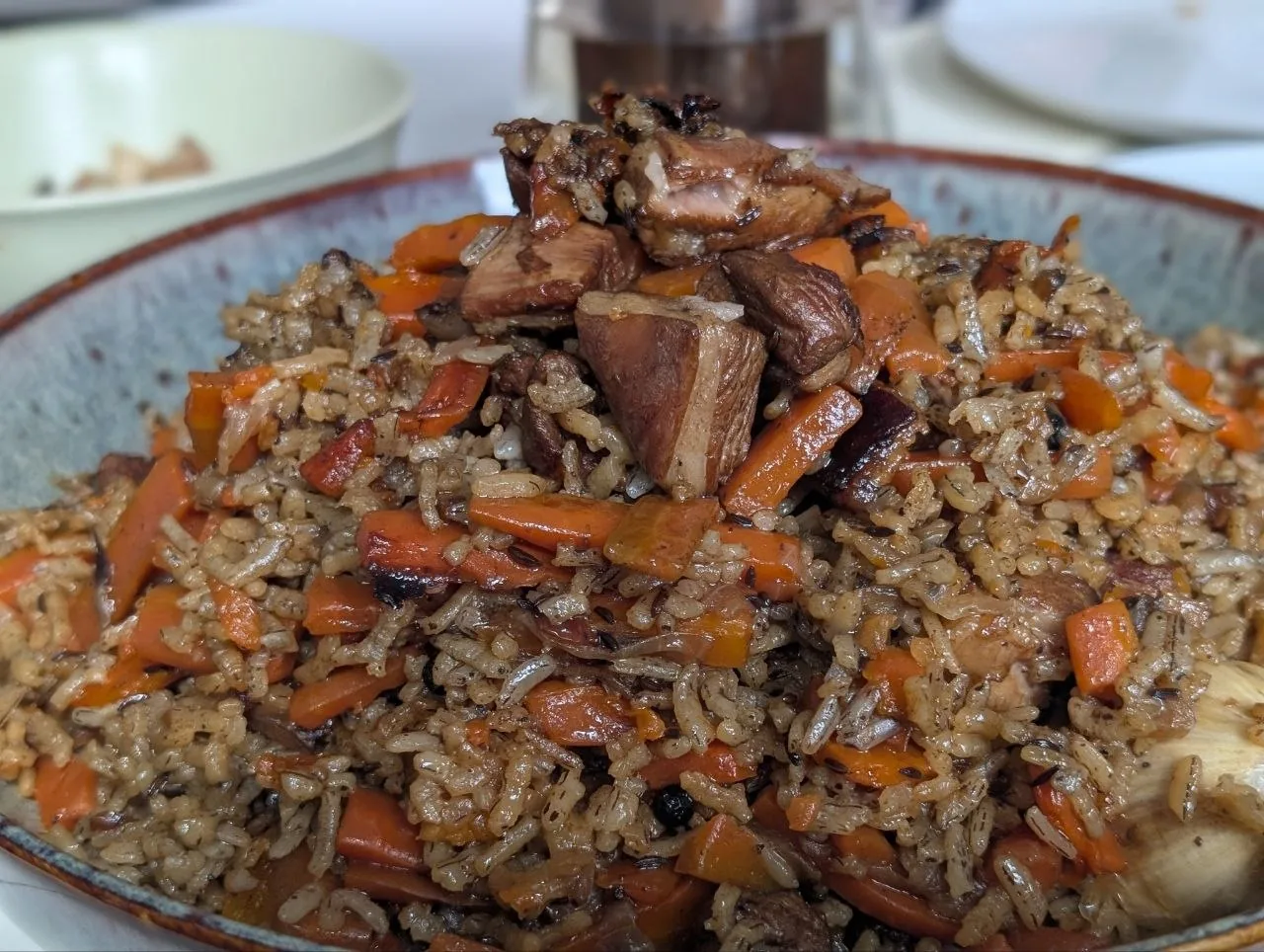
Uzbek plov piled in a ceramic bowl: golden rice with julienned carrots, chunks of lamb and a whole head of garlic Uzbekistan flag Uzbekistan 2h 25m
Dinner •Uzbek Heritage

Uzbek Plov

This uzbek plov recipe is Uzbekistan's national dish: devzira rice steamed over a rich zirvak of browned lamb, sweet yellow carrots, onions, cumin and whole heads of garlic, cooked in a wide kazan and never stirred once the rice goes in. The grains come out separate, glossy and stained golden-orange by the carrots, with tender chunks of lamb and soft, sweet garlic tucked through the pile. One serving is about 470 g.

Celebration Rice

A generous one-pot rice dish built for sharing, with lamb, carrots and rice cooked together in a single kazan.

Pairs Well With
Serve family-style from one big platter with a crisp tomato, onion and cucumber salad and hot green tea.
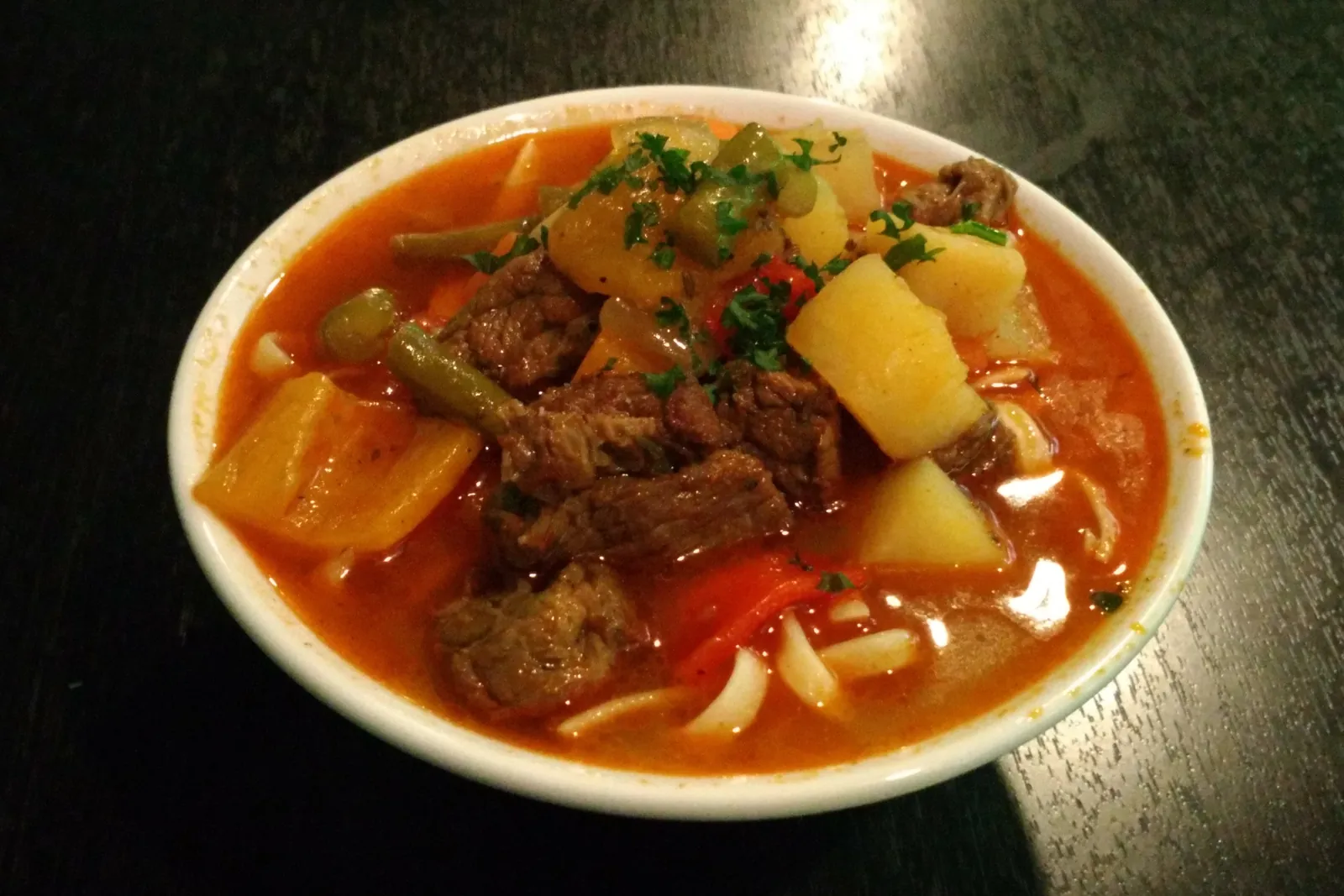
A bowl of Uzbek lagman: hand-pulled noodles in a red tomato broth with beef cubes, potato, green beans and chopped herbs Uzbekistan flag Uzbekistan 1h 55m
Dinner •Uzbek Silk Road Noodles

Uzbek Lagman

This uzbek lagman recipe is Uzbekistan's version of the great Silk Road noodle dish: hand-pulled noodles made with a rich two-egg dough, piled in deep bowls and covered with vaja — a thick, slow-simmered stew of beef cubes, potato, green Margilan radish, green beans, peppers and tomatoes, scented with star anise, cumin and garlic chives. A spoonful of fiery laza-chang on the side lets each person set their own heat. One serving is about 675 g.

Hearty & Warming

Chewy hand-pulled noodles under a thick beef, potato and green radish stew — Uzbekistan's warming Silk Road noodle dish.

Pairs Well With
Tomato and onion salad, non (flatbread) & green tea
Pasta & Noodles
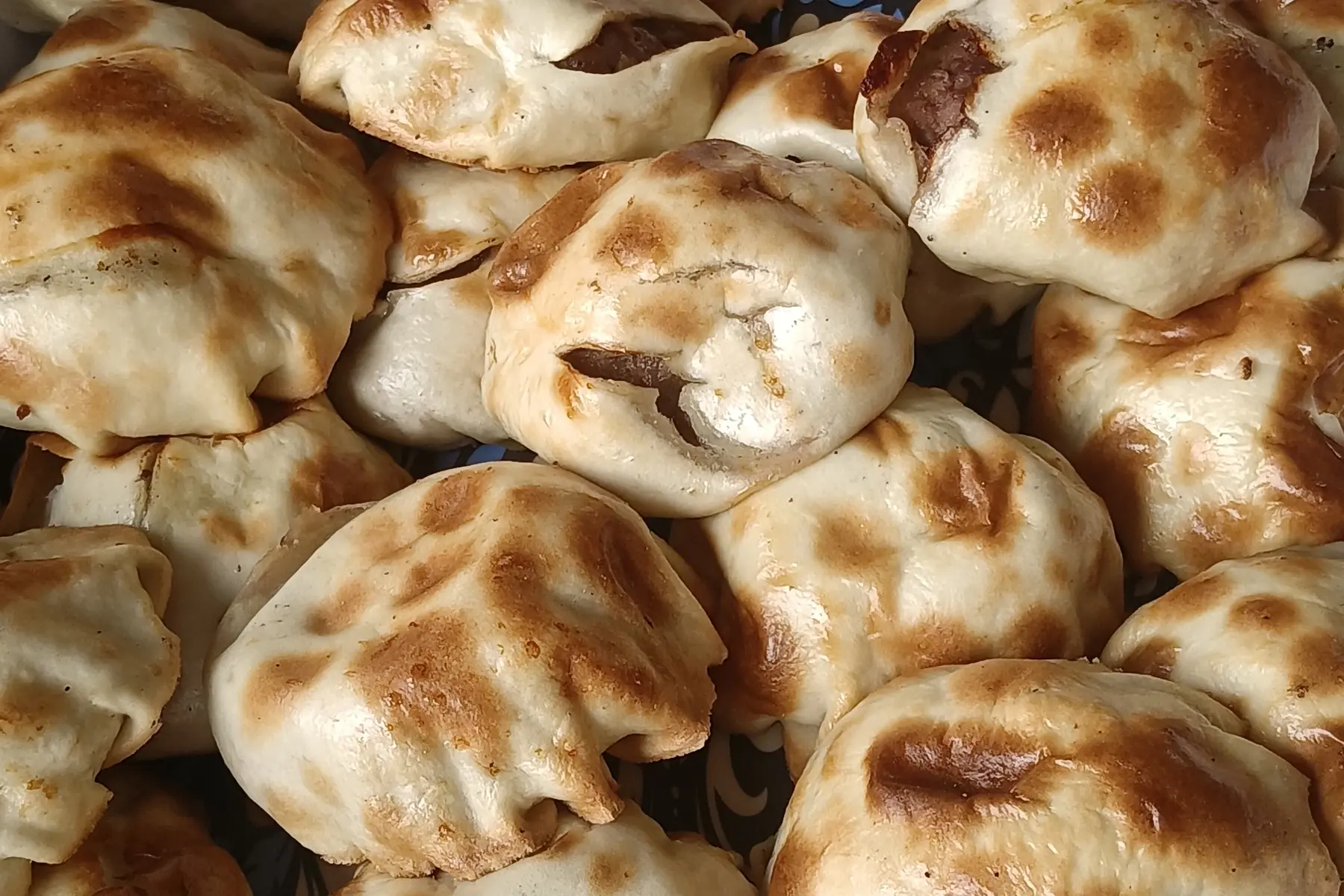
A pile of golden-brown baked Uzbek samsa with blistered flaky pastry, one split open to show the lamb filling Uzbekistan flag Uzbekistan 1h 30m
Snack & Tea •Tashkent Heritage

Samsa

This samsa recipe makes 12 golden, flaky Uzbek lamb pastries: hand-chopped lamb and sweet onion, seasoned with cumin and black pepper, folded into squares of layered pastry and baked until the crust blisters. In Uzbekistan the parcels are pressed onto the hot clay walls of a tandoor; at home a hot oven gives the same crisp, golden finish. One serving is about 225 g (2 samsa).

Hearty & Satisfying

Flaky baked pastry parcels filled with hand-chopped lamb, sweet onion and cumin — a filling, savoury snack from Uzbekistan's tandoor bakeries.

Pairs Well With
Achichuk — a sharp tomato and onion salad — and a pot of green tea.
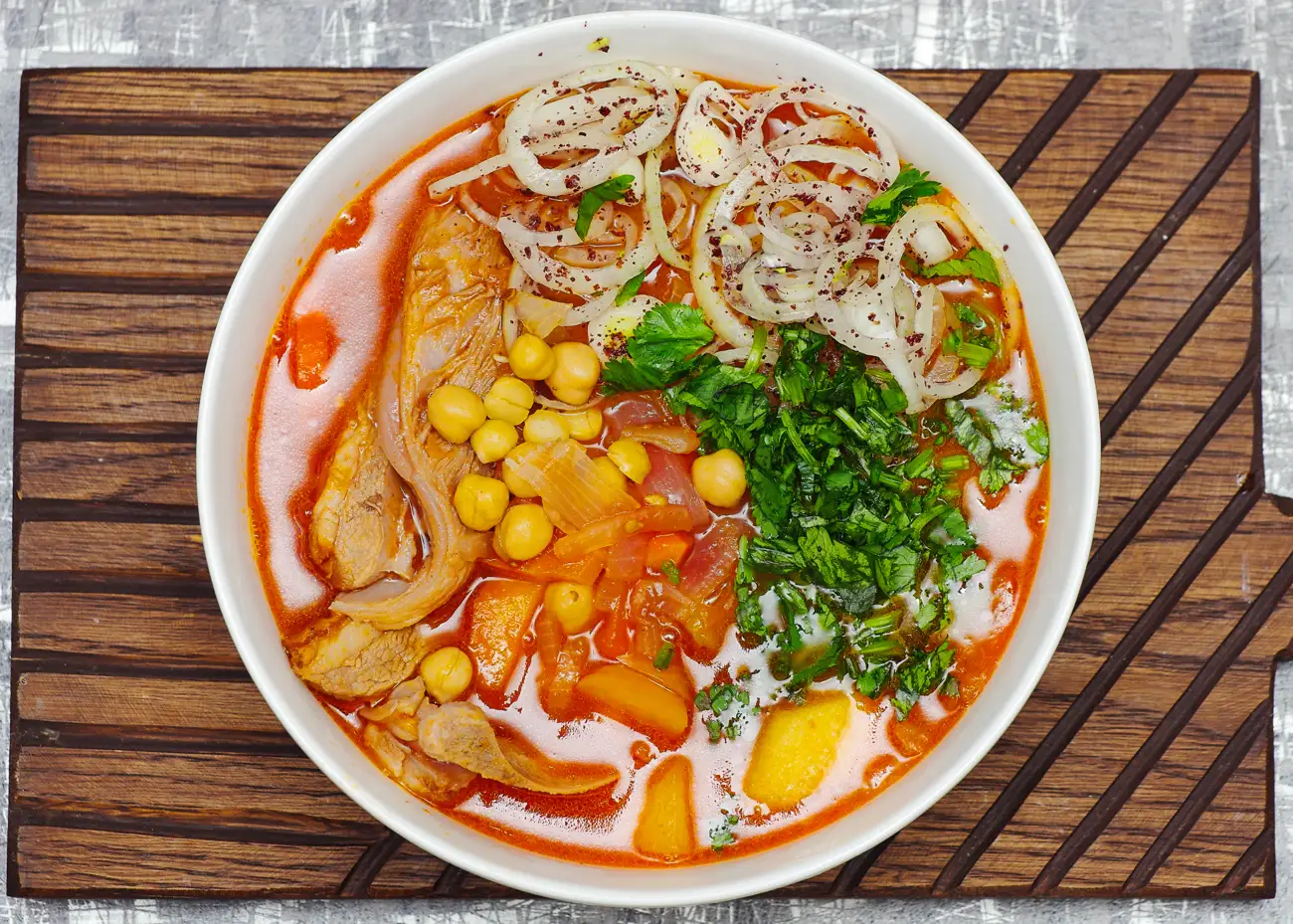
A bowl of Uzbek shurpa: tender lamb, chickpeas and potatoes in a red tomato broth, topped with onion rings and chopped fresh herbs. Uzbekistan flag Uzbekistan 2h 15m
Lunch •Uzbek Family Heritage

Uzbek Shurpa

This uzbek shurpa recipe simmers boneless lamb shoulder low and slow with chickpeas, potatoes, carrots, tomatoes and sweet pepper, until the meat is tender and the broth turns rich and golden. Cumin and coriander give it its warm Central Asian flavour, and fresh herbs and onion go on top. One serving is about 550 g, served in a deep bowl with flatbread.

Comfort & Warmth

A slow-simmered Uzbek soup of lamb, chickpeas, potatoes and vegetables in a tomato broth, seasoned with cumin and finished with fresh herbs.

Pairs Well With
Warm Uzbek flatbread (non) and green tea or sparkling water.
Soups & Broths

The Dinner Gazette

Never wonder what’s for dinner again

One email a week with easy dinner ideas from around the world — ingredients, steps and nutrition, tested in our kitchen first.

Delivered every Thursday morning. Unsubscribe anytime.