
Curated recipes from 193 countries  •  New seasonal Mediterranean issue out now

Overview

Uzbek Shurpa

Shorva, Uzbek lamb soup, Shurpa with chickpeas

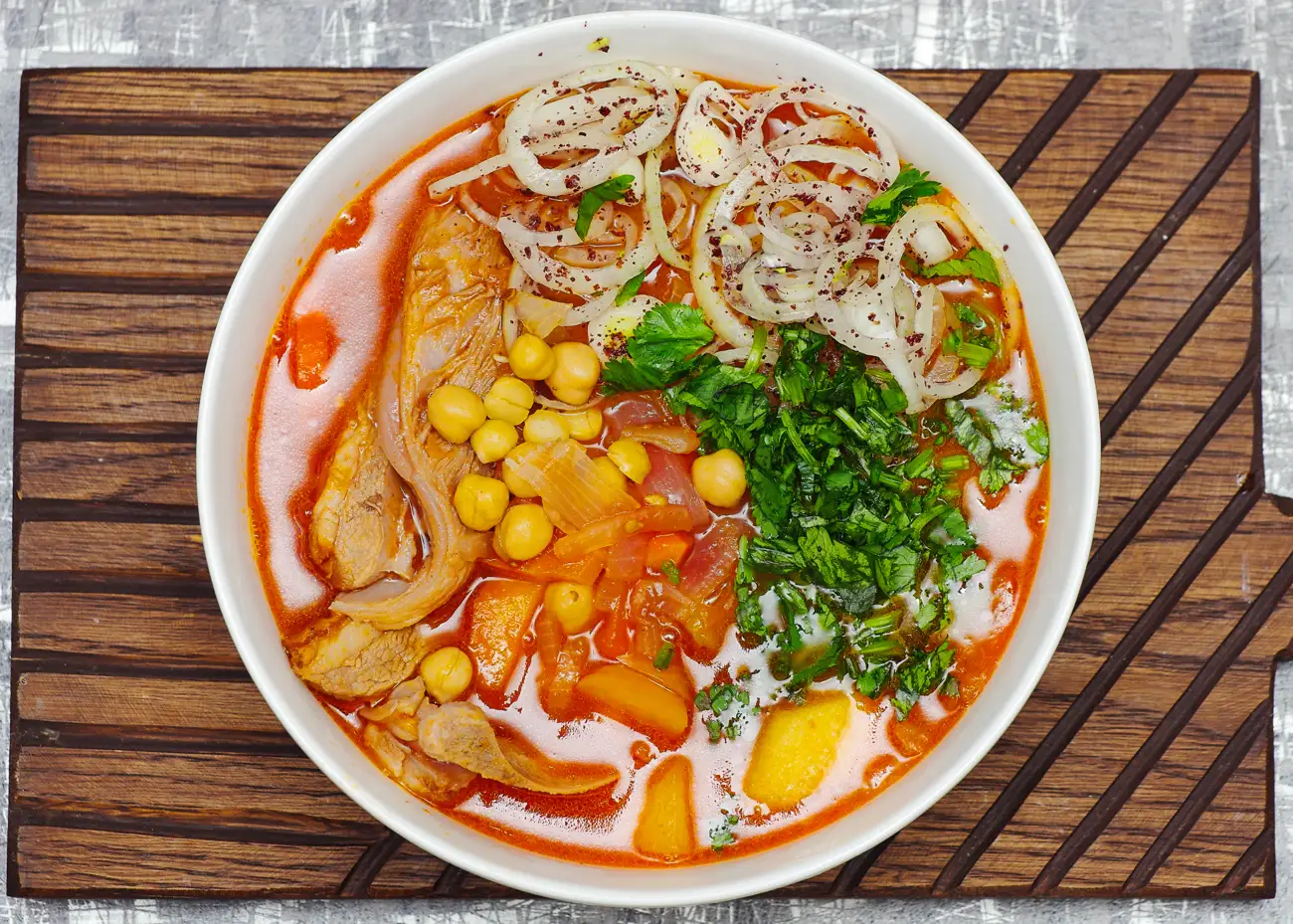
This uzbek shurpa recipe simmers boneless lamb shoulder low and slow with chickpeas, potatoes, carrots, tomatoes and sweet pepper, until the meat is tender and the broth turns rich and golden. Cumin and coriander give it its warm Central Asian flavour, and fresh herbs and onion go on top. One serving is about 550 g, served in a deep bowl with flatbread.

Shurpa, also called chorba or shorba, is a broad class of stews and rich soups found across Central Asia, the Middle East and North Africa, often prepared with meat and vegetables and served with bread. The Uzbek version is a slow-simmered lamb soup with chickpeas, potatoes and tomatoes, seasoned with cumin, and it is one of the most loved soups in Uzbekistan, served at family meals and gatherings. Unlike the clear Kazakh sorpa, which is a plain meat broth with onion, Uzbek shurpa is a hearty, chunky soup full of vegetables.

Pairs well with: Warm Uzbek flatbread (non) and green tea or sparkling water.

Provenance

Uzbekistan flag Uzbekistan

Uzbek Family Heritage

East & South Asia

Time Dedication

2h 15m

25m prep • 110m cook

Batch Yield

6 Servings

472 kcal per serving

1 serving ≈ 550 g

Technical Skill

Intermediate

Intermediate (One Pot)

Meal Timing & Digestive Fit

Breakfast

Not Advised

Lunch

Prime Metabolic Fit

Dinner

Ideal Hearty Main

Snack & Tea

Inappropriate

Soups & Broths Occasions: Family lunch, Cold-weather comfort food, Uzbek-themed dinner, Sunday lunch Cost: Low — about $3-4 per serving at home
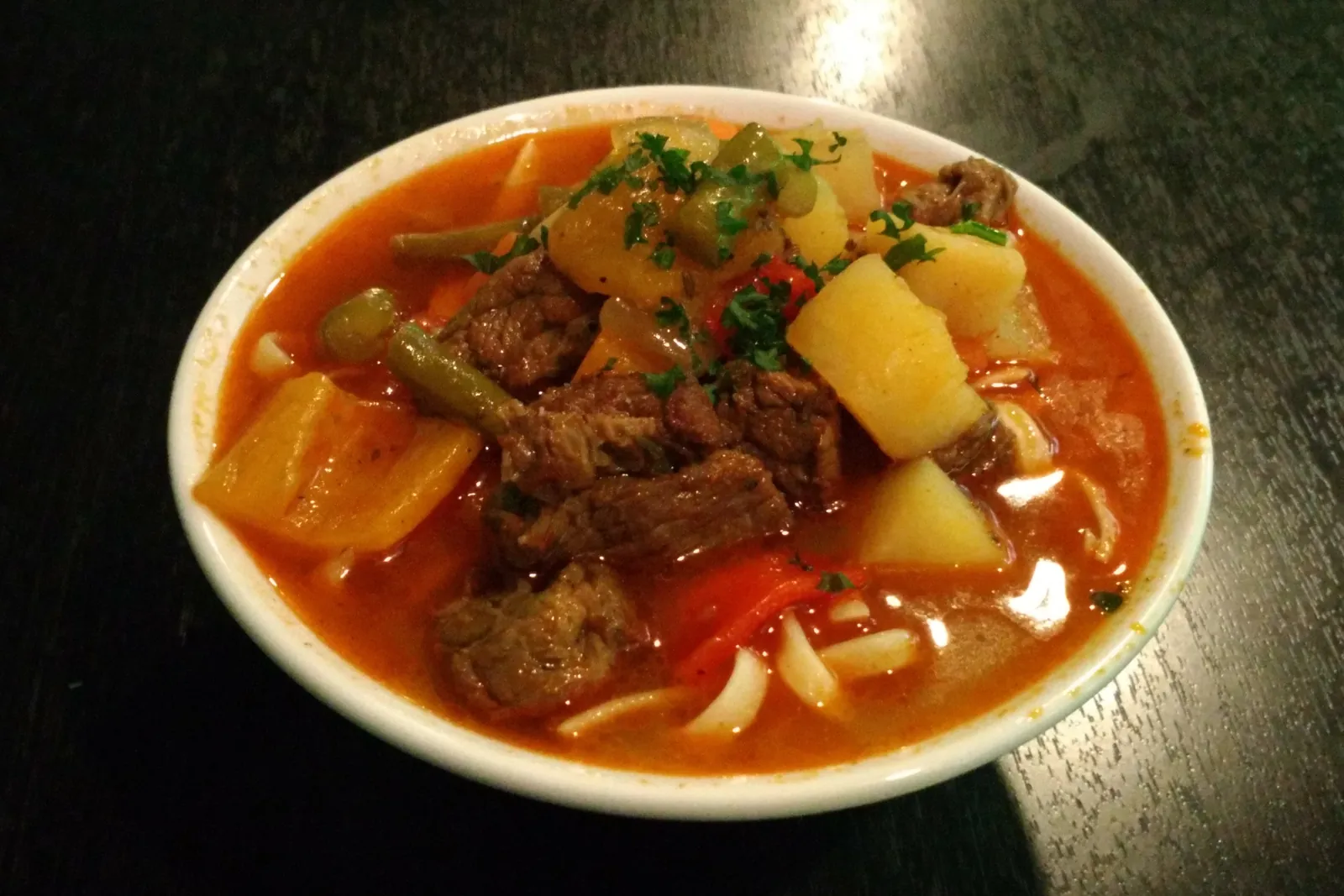
A bowl of Uzbek shurpa: tender lamb, chickpeas and potatoes in a red tomato broth, topped with onion rings and chopped fresh herbs.

Uzbek Family Heritage

Photo: Pannet, CC BY-SA 4.0, via Wikimedia Commons

The Heritage Formulary

Measured Ingredients

Estimated cost: Low — about $3-4 per serving at home (USD)

An Uzbek family soup: seared lamb simmered with chickpeas, potatoes, carrots and tomatoes in a cumin-scented broth.

Execution Methodology & Culinary Technique

Step-by-Step Cooking Guide

Active 2h 15m
P

Cut the lamb, peel and chop the vegetables

25 minutes

Cut the lamb into even 4 cm chunks and pat them dry. Peel and chunk the potatoes, slice the carrots, wedge the onion and tomatoes, strip the pepper, slice the garlic, and measure the tomato paste, oil and spices. Chop the fresh herbs last so they stay bright.

Maestro Tip: Cutting everything to an even size before the pot gets hot is what keeps the meat tender and the vegetables cooked through at the same time.

  1. 1

    Sear the lamb in batches

    10 minutes 200°C (400°F)

    Heat the oil in a large heavy pot or Dutch oven over medium-high heat until it shimmers. Brown the lamb chunks in two batches, turning them until browned on all sides, then lift them out onto a plate.

    Do not crowd the pot: a single crowded layer will boil grey instead of browning, and the browned edges are where the flavour comes from.

    Done when: Lamb is deeply browned on the outside and still pink inside; the pot bottom is coated with brown sticky bits.

  2. 2

    Soften the onion, pepper and garlic

    5 minutes 160°C (320°F)

    Lower the heat to medium and add the onion wedges and sweet pepper strips to the same pot, scraping up the browned bits as they soften. After 3 minutes add the sliced garlic and the tomato paste and cook for 2 minutes more until the paste darkens slightly.

    Frying the tomato paste for a couple of minutes takes away its raw, tinny taste.

    Done when: Onion and pepper are soft and glossy; the paste smells sweet and roasted.

  3. 3

    Add the lamb, chickpeas and water

    5 minutes 100°C (212°F)

    Return the seared lamb to the pot with any juices from the plate. Add the chickpeas, the bay leaves, cumin, ground coriander and half the salt, then pour in the water. Bring to a boil, skim off any foam, then reduce the heat to low.

    Skimming the foam in the first minutes keeps the broth clear and clean-tasting.

    Done when: Broth is at a gentle simmer with only the odd bubble breaking the surface.

  4. 4

    Simmer low and slow

    80 minutes 90°C (194°F)

    Cover the pot with the lid slightly ajar and simmer for about 80 minutes. The lamb should be almost tender before the vegetables go in; check once halfway through and add a splash of hot water only if the liquid drops below the meat.

    A bare simmer keeps the meat tender; a hard boil makes it tough and dry.

    Done when: Lamb yields easily to a fork but still holds its shape.

  5. 5

    Add the potatoes, carrots and tomatoes

    25 minutes 90°C (194°F)

    Add the potatoes, carrots and tomatoes to the pot and simmer for 25 minutes more, until the potatoes are tender all the way through. Taste and add the remaining salt and the black pepper.

    Adding the vegetables late is what keeps them in whole pieces instead of falling apart into the broth.

    Done when: Potatoes are tender, carrots are soft but not mushy, and the broth tastes rich and savoury.

  6. 6

    Rest and serve

    5 minutes 90°C (194°F)

    Take the pot off the heat, lift out the bay leaves, and let the soup rest for 5 minutes with the lid on. Ladle into deep bowls, making sure each serving gets lamb, chickpeas, vegetables and plenty of broth, and scatter the chopped coriander and dill over the top.

    Resting lets the potatoes drink up a little broth and the flavours settle before serving.

    Done when: Soup is steaming hot throughout and the lamb is tender; lamb has cooked well past 63°C (145°F).

Finishing Touches & Plating

Ladle into deep bowls with plenty of broth in each serving, scatter the chopped coriander and dill over the top, and serve with warm flatbread for tearing and dipping.

Nutritional Physiology & Benefits

Nutrition

Energy

472

kcal / serving

Protein

28g

Complete AA

Carbs

36g

Complex

Fats

25g

Healthy

Per serving (6 servings · 1 serving ≈ 550 g)
Energy472 kcal
Protein28 g
Carbohydrates36 g
Fat25 g
Fibre8.2 g
Sugar8.6 g
Sodium502 mg
Per 100g
Energy86 kcal
Protein5.1 g
Carbohydrates6.5 g
Fat4.5 g
Fibre1.5 g
Sugar1.6 g
Sodium91 mg

Nutrition values are estimated — calculated from USDA FoodData Central values for the listed ingredients.

Vitamins & minerals: Nutrition is estimated. Provides vitamin B12 and iron from the lamb, vitamin A from the carrots, vitamin C from the sweet pepper and tomatoes, and potassium from the potatoes and chickpeas.

High in protein

About 28.1 g of protein per serving from the lamb and chickpeas, which helps keep you full after lunch.

Vegetables and fibre

Potatoes, carrots, tomatoes, pepper and chickpeas add about 8.1 g of fibre per serving, plus potassium and vitamin C.

Iron and vitamin B12

Lamb is a natural source of iron and vitamin B12, nutrients that support normal red blood cell formation.

Food Pairings

What to Eat With

To optimize nutrient absorption and elevate the sensory depth, pair with these authentic accompaniments:

Sides

Warm Uzbek flatbread (non)

Soft, warm flatbread is the classic partner; it tears easily for scooping up chickpeas and sopping up the tomato broth.

Vegetables

Thinly sliced onion with vinegar

A small plate of raw onion rings with a splash of vinegar cuts through the richness of the lamb and refreshes the palate.

Drinks

Green tea or sparkling water

Hot green tea is the traditional drink with shurpa; it cleanses the palate between spoonfuls of the rich soup.

Full Menus

A simple tomato and cucumber salad

A crisp, lightly dressed salad adds cool crunch and lightness to a meal that is otherwise soft, hot and rich.

Complete menu

Start with a tomato and cucumber salad, serve the shurpa hot in deep bowls with warm flatbread and green tea, and finish with fresh melon or grapes.

Digestive Guardrails

What NOT to Combine

To prevent digestive distress, sluggishness, or palate clash, avoid pairing the dish with these elements:

Very salty extras

The soup already has about 502 mg of sodium per serving, so avoid adding salty sauces, extra salt or salty snacks in the same meal. This is general information, not medical advice.

Undercooked lamb

Serve the soup only after it is simmering-hot all the way through; lamb should reach at least 63°C (145°F) with a 3-minute rest, and this long simmer goes well past that. This is general information, not medical advice.

Heavy creamy sauces

Cream or mayonnaise-based sauces add more fat to an already rich soup and dull the clean tomato broth. This is general information, not medical advice.

General information only, not medical advice — consult a doctor for personal dietary decisions.

Who Should Eat It

Who Should Eat

  • General adultsA satisfying lunch as written; the portion is generous, so it works best as the main meal of the day.
  • ChildrenSuitable in a smaller portion with the lamb cut small; the broth is mild, and the chickpeas and potatoes are usually a hit.
  • ElderlySoft, easy to chew and rich in protein, but the salt level is high, so a smaller portion with extra vegetables and less added salt is a kinder choice.
  • Pregnant womenFine in moderation if the lamb is cooked all the way through, which this long simmer ensures; the high salt content argues for a modest portion. Ask your clinician if unsure.
  • Breastfeeding womenThe protein and iron are helpful, but keep the portion modest because of the salt; drink water with the meal. Ask your clinician if unsure.
  • AthletesA good post-training lunch: about 28.1 g of protein plus potatoes and chickpeas for energy, and the broth helps replace fluids.
  • Weight gainA useful choice: energy-dense, high in protein, and easy to eat a full portion of with flatbread on the side.
  • Weight lossEat a smaller portion with more vegetables and chickpeas and less potato, and skip the flatbread, to keep the calories down.

Health Conditions — Adjust or Avoid

Conditions

  • DiabetesThe potatoes and chickpeas raise blood sugar, so watch the portion of potato and balance the bowl with extra vegetables; the broth itself is low in carbohydrate. Ask your clinician or dietitian for personal advice.
  • High blood pressureThis dish has about 502 mg of sodium per serving, so it is best eaten occasionally and in a modest portion, with no extra salt. Ask your clinician for personal advice.
  • Kidney diseaseHigh in potassium from the potatoes and vegetables, and high in protein, so it is usually unsuitable without a tailored plan. Ask your clinician or dietitian before eating it.
  • GoutLamb is rich in purines, which can raise uric acid, so people prone to gout should eat this soup rarely and in a small portion. Ask your clinician for personal advice.
  • Stomach issuesOnion and chickpeas can cause gas and bloating for sensitive stomachs; a small portion with well-cooked vegetables is usually gentler. Ask your clinician for personal advice.
  • Cardiovascular diseaseThe soup is fairly high in saturated fat from the lamb, so enjoy it occasionally and in a modest portion, with plenty of vegetables on the plate. Ask your clinician for personal advice.
  • Fatty liverRich in fat and energy, so a small portion with extra vegetables and no flatbread is the kinder choice, and it should not be an everyday meal. Ask your clinician for personal advice.
  • Food allergiesContains no gluten, egg, dairy, nuts or seafood as written. Celery-family herbs (dill) can trigger allergy in people sensitive to that family, so check before serving. Ask your clinician for personal advice.
  • Special therapeutic dietsNot suitable for vegetarian, vegan or low-protein therapeutic diets because of the lamb. Ask your clinician or dietitian before eating it.

If you have a medical condition, consult your doctor before changing your diet.

Storage & Use

Storage & Use

How to store
Cool the soup quickly and store it in a covered container in the fridge; keep the chopped herbs separate.
In the fridge
Keeps 3-4 days in the fridge at or below 4°C (40°F).
In the freezer
Freezes for up to 3 months in a sealed container.
How to reheat
Reheat in a pot over medium heat, or in the microwave, until steaming hot throughout at 74°C (165°F); add a splash of water if it has thickened.
Freezing recommended
Yes, the soup freezes well; the potatoes soften slightly after thawing but the flavour holds up.
Signs it has spoiled
Sour or off smell, slimy texture, mould, or a grey colour in the meat mean the soup should be thrown away.

More recipes to explore

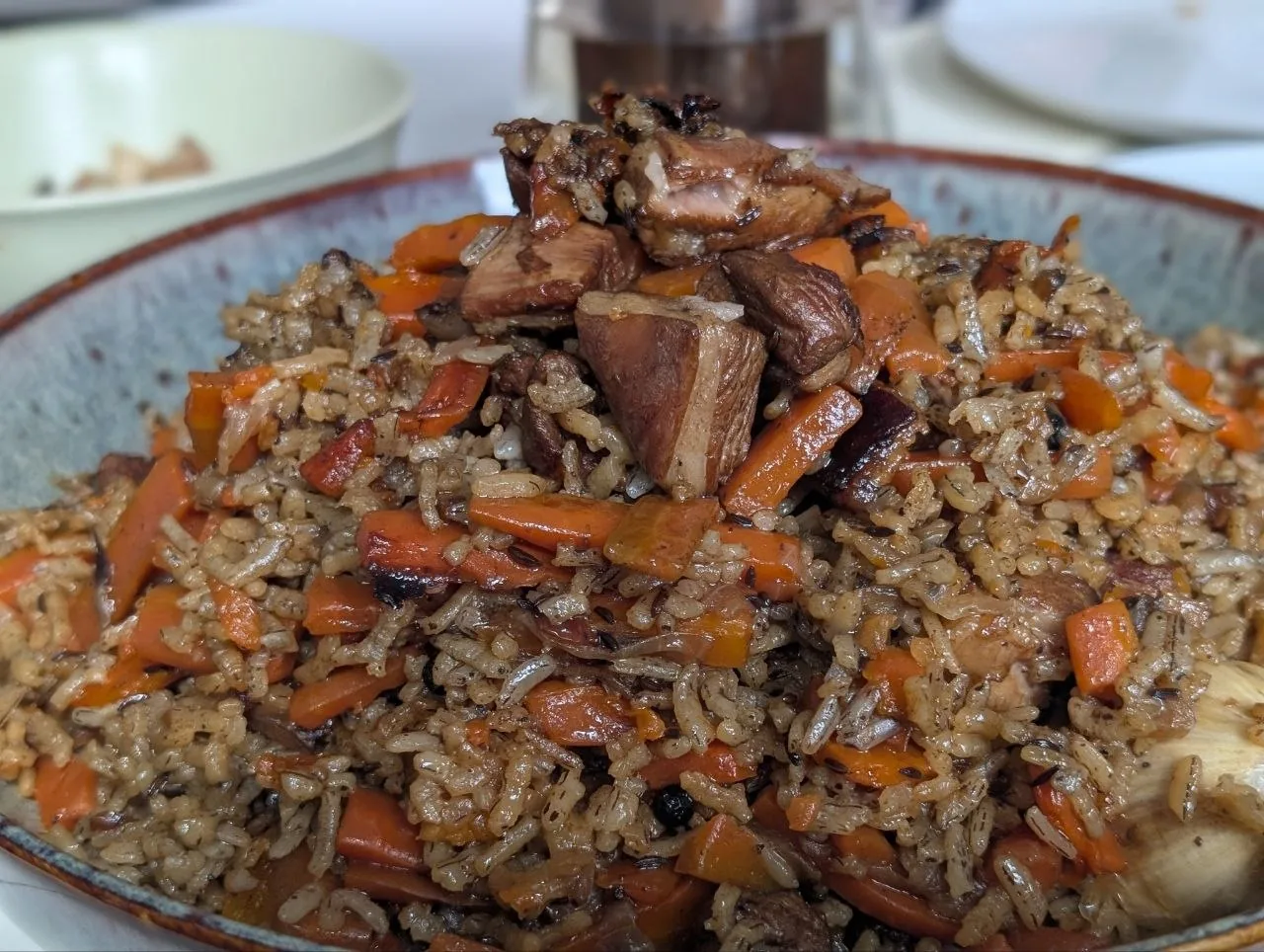
Uzbek plov piled in a ceramic bowl: golden rice with julienned carrots, chunks of lamb and a whole head of garlic Uzbekistan flag Uzbekistan 2h 25m
Dinner •Uzbek Heritage

Uzbek Plov

This uzbek plov recipe is Uzbekistan's national dish: devzira rice steamed over a rich zirvak of browned lamb, sweet yellow carrots, onions, cumin and whole heads of garlic, cooked in a wide kazan and never stirred once the rice goes in. The grains come out separate, glossy and stained golden-orange by the carrots, with tender chunks of lamb and soft, sweet garlic tucked through the pile. One serving is about 470 g.

Celebration Rice

A generous one-pot rice dish built for sharing, with lamb, carrots and rice cooked together in a single kazan.

Pairs Well With
Serve family-style from one big platter with a crisp tomato, onion and cucumber salad and hot green tea.
A bowl of Uzbek lagman: hand-pulled noodles in a red tomato broth with beef cubes, potato, green beans and chopped herbs Uzbekistan flag Uzbekistan 1h 55m
Dinner •Uzbek Silk Road Noodles

Uzbek Lagman

This uzbek lagman recipe is Uzbekistan's version of the great Silk Road noodle dish: hand-pulled noodles made with a rich two-egg dough, piled in deep bowls and covered with vaja — a thick, slow-simmered stew of beef cubes, potato, green Margilan radish, green beans, peppers and tomatoes, scented with star anise, cumin and garlic chives. A spoonful of fiery laza-chang on the side lets each person set their own heat. One serving is about 675 g.

Hearty & Warming

Chewy hand-pulled noodles under a thick beef, potato and green radish stew — Uzbekistan's warming Silk Road noodle dish.

Pairs Well With
Tomato and onion salad, non (flatbread) & green tea
Pasta & Noodles
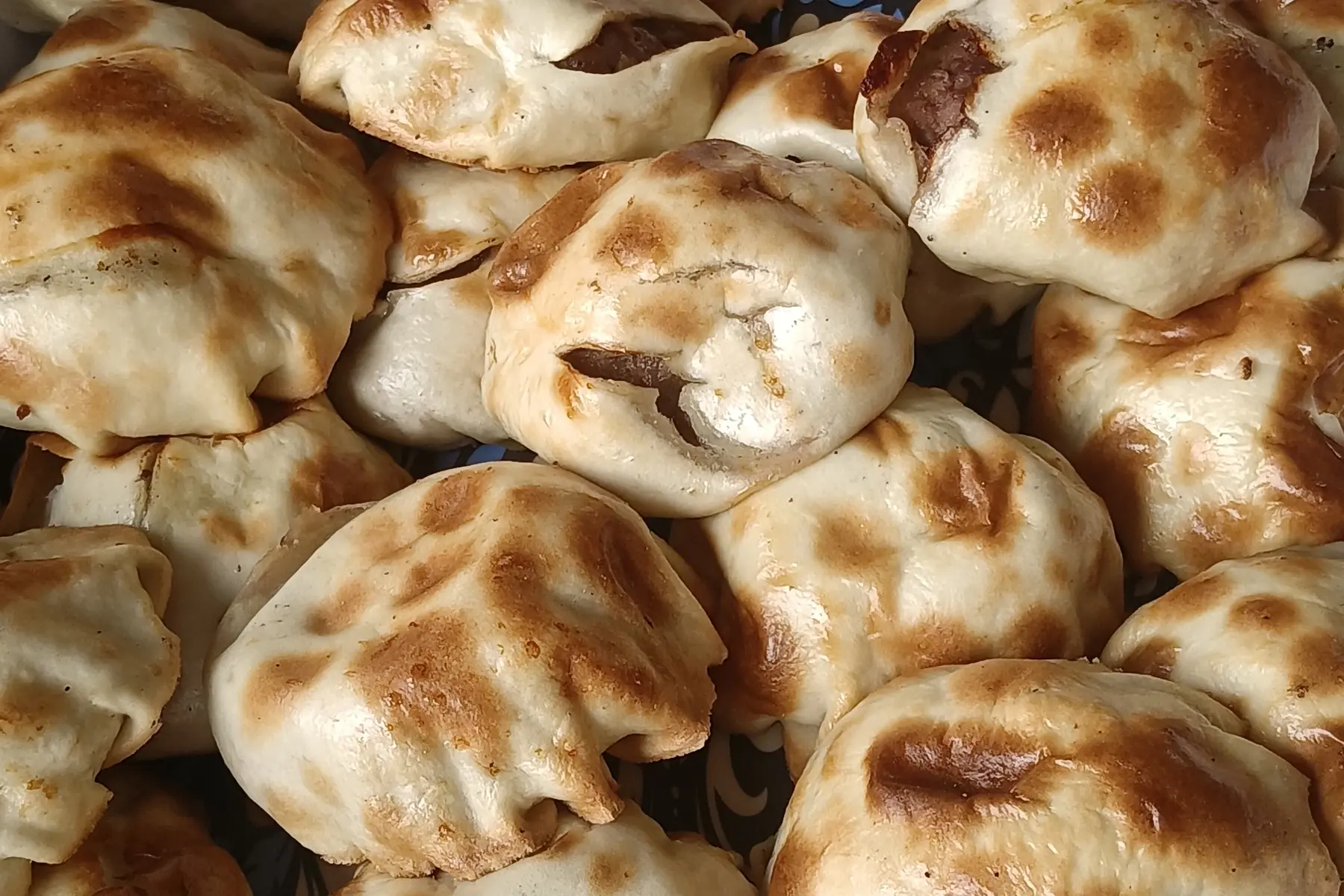
A pile of golden-brown baked Uzbek samsa with blistered flaky pastry, one split open to show the lamb filling Uzbekistan flag Uzbekistan 1h 30m
Snack & Tea •Tashkent Heritage

Samsa

This samsa recipe makes 12 golden, flaky Uzbek lamb pastries: hand-chopped lamb and sweet onion, seasoned with cumin and black pepper, folded into squares of layered pastry and baked until the crust blisters. In Uzbekistan the parcels are pressed onto the hot clay walls of a tandoor; at home a hot oven gives the same crisp, golden finish. One serving is about 225 g (2 samsa).

Hearty & Satisfying

Flaky baked pastry parcels filled with hand-chopped lamb, sweet onion and cumin — a filling, savoury snack from Uzbekistan's tandoor bakeries.

Pairs Well With
Achichuk — a sharp tomato and onion salad — and a pot of green tea.
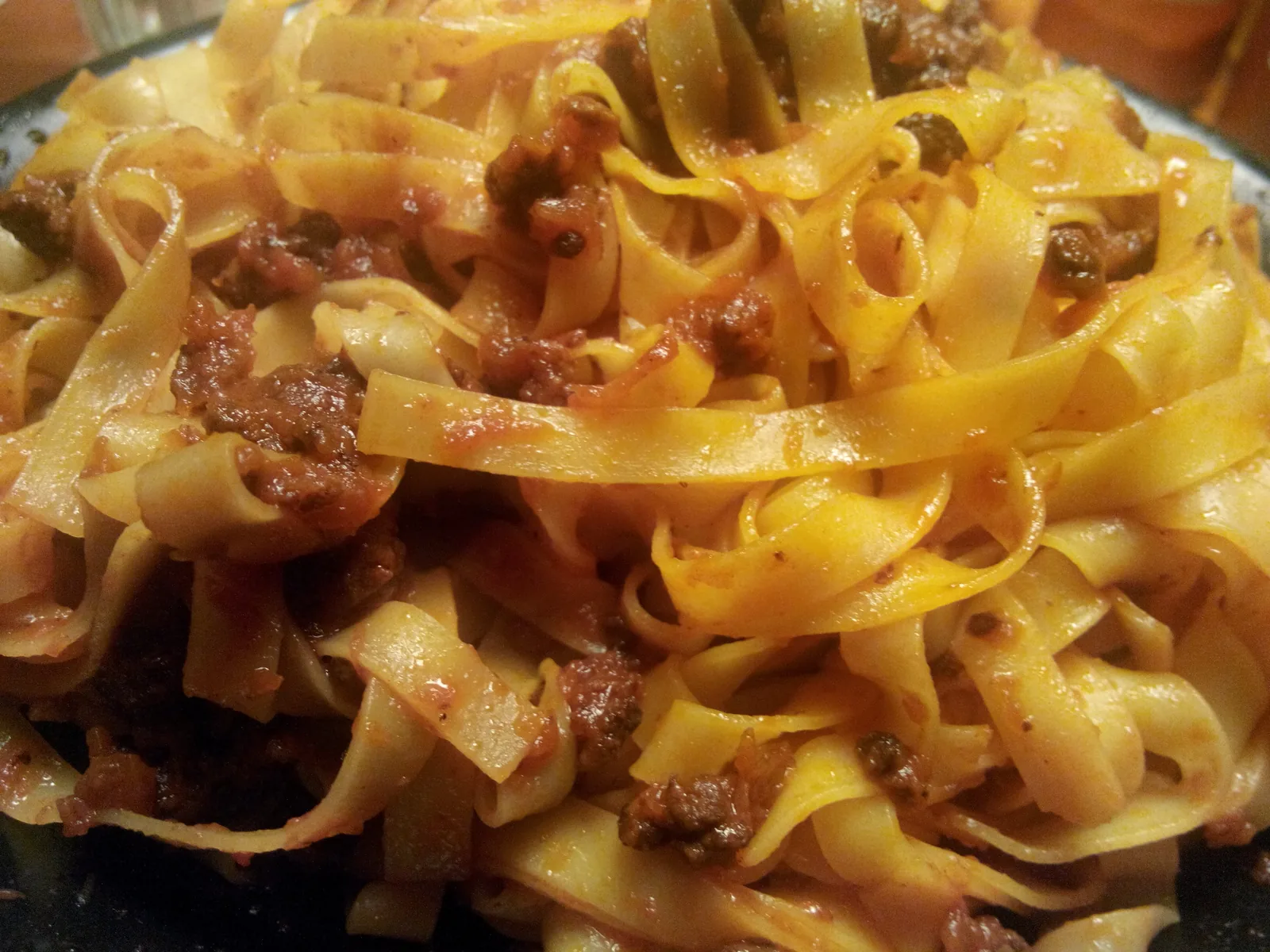
Tagliatelle al ragù Bolognese in a bowl with Parmigiano-Reggiano Italy flag Italy 4h 25m
Lunch •Emilia-Romagna

Tagliatelle al Ragù Bolognese

Slow-braised soffritto and coarse ground heritage meats layered over handmade egg yolk dough for mid-day stamina.

Lean Protein

Slow-simmered beef ragù tossed through fresh egg tagliatelle.

Pairs Well With
Bitter Radicchio & Aged Balsamico di Modena
Pasta & Noodles • High Protein

The Dinner Gazette

Never wonder what’s for dinner again

One email a week with easy dinner ideas from around the world — ingredients, steps and nutrition, tested in our kitchen first.

Delivered every Thursday morning. Unsubscribe anytime.