

Curated recipes from 193 countries  •  New seasonal Mediterranean issue out now

Overview

Vichyssoise

Crème Vichyssoise; Chilled Leek and Potato Soup

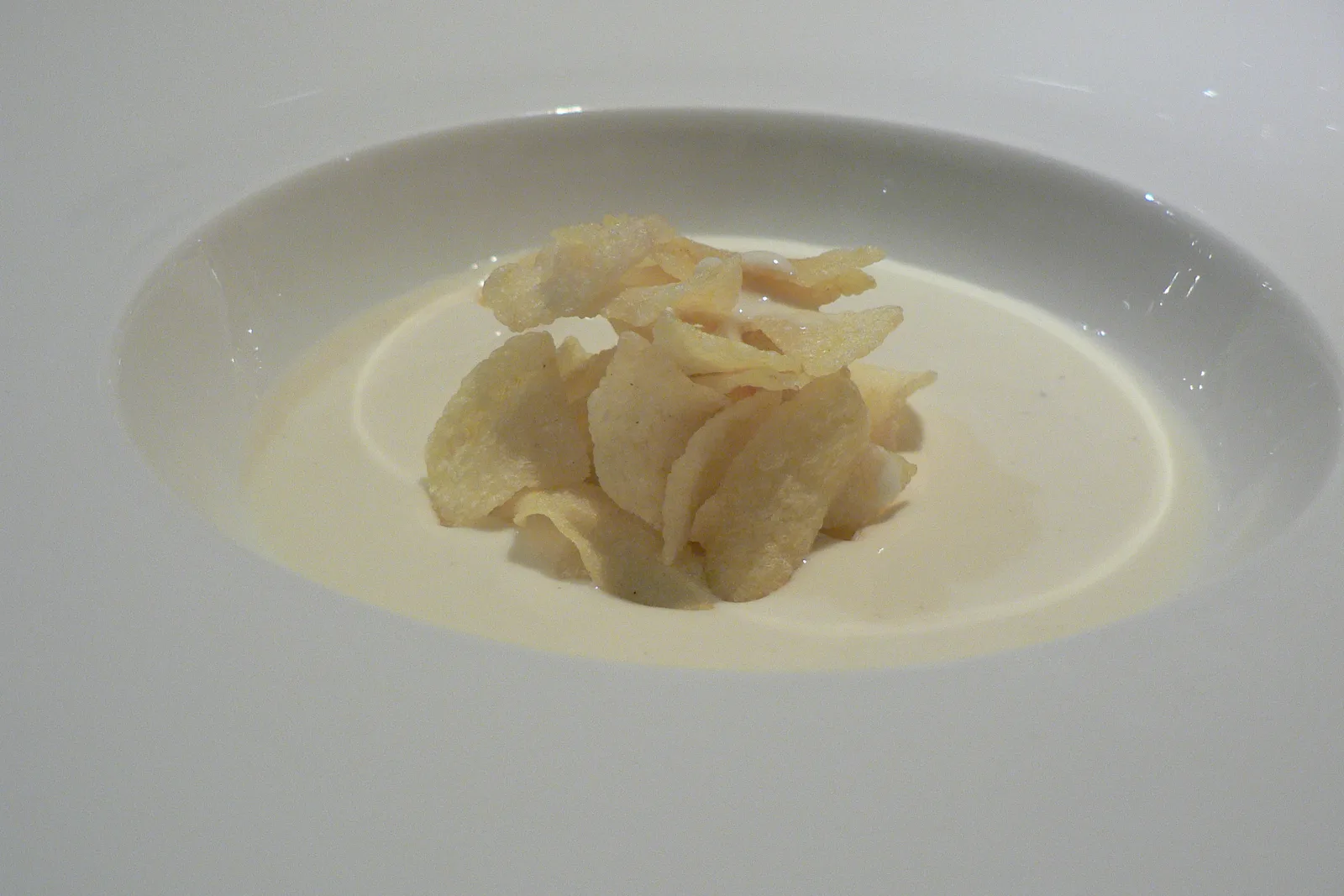
Vichyssoise is the classic chilled soup of leeks and potatoes: the vegetables are sweated gently in butter, simmered in stock, then blended until completely smooth and finished with cream and milk. It is served ice-cold, pale and silky, with snipped chives on top. One serving is about 300 g.

Vichyssoise was created in 1917 by Louis Diat, a French chef working at the Ritz-Carlton in New York, who remembered his mother cooling the leek and potato soup of his childhood with cold milk on hot summer days in the spa town of Vichy. He named the chilled version after Vichy, and it became one of the most famous soups in America. Served hot, the same soup is the French potage Parmentier — the only difference is the temperature.

Pairs well with: Smoked salmon, crusty baguette & white wine

Provenance

France flag France

French Classic

Nordic & European

Time Dedication

55m

20m prep • 35m cook

Batch Yield

6 Servings

232 kcal per serving

1 serving ≈ 300 g

Technical Skill

Intermediate

Medium (Blend and Chill)

Meal Timing & Digestive Fit

Breakfast

Not Advised

Lunch

Prime Metabolic Fit

Dinner

Ideal Hearty Main

Snack & Tea

Inappropriate

Soups & Broths Occasions: Summer lunches, elegant starters, garden parties, hot days Cost: Low — about $1.50 per serving at home
A wide white bowl of pale vichyssoise topped with crisp potato slices

French Classic

Photo: stu_spivack, CC BY-SA 2.0, via Wikimedia Commons

The Heritage Formulary

Measured Ingredients

Estimated cost: Low — about $1.50 per serving at home (USD)

A good vichyssoise is judged by texture and temperature: it must be completely smooth, pale ivory, and properly ice-cold, never just cool.

Execution Methodology & Culinary Technique

Step-by-Step Cooking Guide

Active 55m
P

Prep Stage: Wash the Leeks, Dice the Potatoes

20 Mins • Prep

Split the leeks lengthways and rinse them under cold water until every trace of grit is gone — leeks hide soil between their layers, and one grain of grit ruins a silky soup. Dice the potatoes into even 2 cm pieces so they all cook at the same speed, and have the cream and milk chilled and ready.

Maestro Tip: Use only the white and pale green parts of the leek: the dark tops are tough and make the soup taste grassy.

  1. 1

    Sweat the leeks and onion

    10 minutes Medium-low heat, about 140°C (285°F)

    Melt the butter in a large pot over medium-low heat. Add the leeks and onion with a pinch of salt and cook gently, stirring often, for about 10 minutes until they are completely soft and translucent. They must not colour at all — any browning will darken the soup and add a bitter note.

    If the leeks start to catch, add a spoonful of stock and lower the heat; patience here is what keeps the soup pale.

    Done when: Leeks and onion are soft, sweet-smelling and still white.

  2. 2

    Simmer the potatoes

    25 minutes Low simmer, about 95°C (200°F)

    Add the diced potatoes and the warm stock, bring to a gentle simmer and cook, covered, for about 25 minutes until the potatoes fall apart when pressed with a spoon. Do not boil hard — a rolling boil makes the potatoes gluey.

    The potatoes are done when a piece crushes with no resistance at all; undercooked potato makes a grainy soup.

    Done when: Potatoes are falling apart at a touch; the stock tastes sweet and oniony.

  3. 3

    Blend until completely smooth

    5 minutes No heat — off the stove

    Take the pot off the heat and blend the soup in batches, or with a stick blender, until it is completely smooth — about 2 minutes per batch. Pass it through a fine sieve into a clean bowl, pressing with a ladle, to catch any last fibres. The soup should pour like thin cream.

    Blend in batches and never fill a jug blender more than half full with hot soup, or it can blow the lid off.

    Done when: The soup is velvety and pours in a smooth ribbon with no lumps.

  4. 4

    Stir in cream and milk

    2 minutes No heat — room temperature

    Let the soup cool for 20 minutes, then stir in the cream and milk. Taste and adjust the salt and white pepper — cold food tastes less salty than hot food, so season a little more boldly than you think you need, then check again once it is chilled.

    Do not add the cream while the soup is still steaming hot: it can split and turn grainy.

    Done when: The soup is pale ivory, smooth, and tastes seasoned even at room temperature.

  5. 5

    Chill until ice-cold

    2 hours Fridge, at 4°C (40°F) or below

    Cover the bowl and chill for at least 2 hours, or overnight, until the soup is properly cold all the way through. Stir before serving — it thickens as it chills — and loosen with a splash of cold milk if it is thicker than pouring cream. Serve in chilled bowls with snipped chives on top.

    Chill the serving bowls too: a cold soup in a warm bowl loses its chill before the first spoonful.

    Done when: The soup is ice-cold, silky, and holds a swirl when stirred.

Finishing Touches & Plating

Serve the vichyssoise ice-cold in chilled bowls, with chives snipped over the top just before it reaches the table. It needs at least 2 hours of chilling on top of the cooking time, so make it in the morning for lunch, or the night before.

Nutritional Physiology & Benefits

Nutrition

Energy

232

kcal / serving

Protein

4g

Complete AA

Carbs

28g

Complex

Fats

12g

Healthy

Per serving (6 servings · 1 serving ≈ 300 g)
Energy232 kcal
Protein4 g
Carbohydrates28 g
Fat12 g
Fibre3.5 g
Sugar6.0 g
Sodium456 mg
Per 100g
Energy77 kcal
Protein1.4 g
Carbohydrates9.4 g
Fat4.1 g
Fibre1.2 g
Sugar2 g
Sodium152 mg

Nutrition values are estimated — calculated from USDA FoodData Central values for the listed ingredients.

Vitamins & minerals: Provides vitamin C and vitamin B6 from potato and leek, potassium, and calcium from cream and milk. All nutrition values are estimated.

Light for a Cream Soup

At about 232 kcal a bowl, vichyssoise is lighter than most cream soups because potatoes and leeks, not butter and cream, do most of the work.

Potassium from Leek and Potato

Leeks and potatoes are naturally rich in potassium, which the body uses to balance fluid and support normal blood pressure.

Cooling on a Hot Day

A chilled soup hydrates and refreshes without the heaviness of a hot meal, which is why it became a summer classic.

Food Pairings

What to Eat With

To optimize nutrient absorption and elevate the sensory depth, pair with these authentic accompaniments:

Sides

Smoked Salmon

A few ribbons of smoked salmon add salt and richness that play against the cool, mild soup, and the pink against the pale ivory looks beautiful.

Crusty Baguette

Good bread is the right tool for a smooth soup: it gives the meal something to chew and soaks up the last spoonfuls.

Vegetables

Simple Green Salad

A sharp, lemony salad after the soup wakes the palate back up after all that cool creaminess.

Drinks

Cold White Wine

A dry, cold white wine matches the soup's temperature and its gentle richness without fighting it.

Complete menu

Start with vichyssoise and snipped chives, follow with smoked salmon and a green salad, and finish with a lemon tart; a cold white wine carries the whole meal.

Digestive Guardrails

What NOT to Combine

To prevent digestive distress, sluggishness, or palate clash, avoid pairing the dish with these elements:

Boiling After Adding Cream

Boiling the soup once the cream is in can make it split and turn grainy, so only ever reheat it gently and never let it boil. This is general information, not medical advice.

Leaving a Cream Soup Out for Hours

A cream soup left at room temperature for more than 2 hours can grow bacteria, so chill it promptly and keep it refrigerated. This is general information, not medical advice.

General information only, not medical advice — consult a doctor for personal dietary decisions.

Who Should Eat It

Who Should Eat

  • General adultsA light, elegant starter or lunch; the cold, smooth texture is easy to enjoy on a hot day.
  • ChildrenSuitable for children; the soup is mild and smooth, and the chives can be left off for fussy eaters.
  • ElderlySoft, smooth and easy to swallow; serve it well chilled and keep the salt modest.
  • Pregnant womenFine in normal servings; the soup is mild and the potatoes are easy to digest, so keep portions moderate.
  • Breastfeeding womenA gentle, nourishing bowl; the potatoes and leeks provide energy and the dairy adds calcium.
  • AthletesLight for a cream soup, so pair it with a protein-rich main course rather than eating it alone after training.
  • Weight gainAt 232 kcal a bowl it will not add much energy on its own, so serve it with bread and a protein main.
  • Weight lossA reasonable choice: smooth, filling and modest in calories, especially with the bread kept small.

Health Conditions — Adjust or Avoid

Conditions

  • DiabetesPotatoes raise blood sugar, so keep the portion moderate and skip extra bread; ask your clinician about your meal plan.
  • High blood pressureKeep the salt at the level in the recipe, use low-sodium stock and do not add more at the table; ask your clinician about your daily sodium target.
  • Kidney diseasePotatoes and leeks are high in potassium, so keep servings small and ask your clinician about your potassium limit.
  • GoutThe soup itself is low in purines; the foods you eat it with matter more, so ask your clinician about your overall meal.
  • Stomach issuesSmooth and mild, so it usually suits a sensitive stomach; serve it well chilled and ask your clinician if symptoms persist.
  • Cardiovascular diseaseModest in saturated fat for a cream soup, but keep the portion moderate and ask your clinician about your overall diet.
  • Fatty liverAt 232 kcal with no added sugar it fits well; ask your clinician about your overall diet.
  • Food allergiesContains milk and cream; use lactose-free dairy or a dairy-free cream if you need it, and check the stock label.
  • Special therapeutic dietsNaturally vegetarian and gluten-free; if you follow a prescribed diet, check the dairy and salt with your clinician.

If you have a medical condition, consult your doctor before changing your diet.

Storage & Use

Storage & Use

How to store
Cool quickly, then store in a covered container in the fridge.
In the fridge
Keeps 3 days in the fridge at 4°C (40°F) or below; stir well before serving, as it thickens on chilling.
In the freezer
Do not freeze — the cream separates and the potatoes turn grainy on thawing.
How to reheat
If you want it hot, reheat gently to 74°C (165°F) without boiling; it is traditionally served cold.
Freezing recommended
No — freezing ruins the texture of the cream and potato.
Signs it has spoiled
Sour smell, a grey or yellow tinge, or a slimy surface.

More recipes to explore

Golden butter croissants on a wooden board France flag France 20m
Breakfast •Parisian Boulangerie

Croissant au Beurre & Café

Laminated cultured butter pastry paired with washed Arabica, for a slow, pleasurable Parisian morning — best with a little protein alongside. One serving is about 390 g.

Sustained Focus

Flaky all-butter croissant with café au lait, Comté and green apple.

Pairs Well With
Comté cheese wedge & Green apple slices
Quick Prep (<30m)

Bœuf bourguignon — French beef braised in red wine France flag France 4h
Dinner •Burgundy Terroir

Bœuf Bourguignon

Beef braised gently in red wine until the connective tissue melts into a velvet, gelatin-rich sauce — the classic Burgundy Sunday dinner.

Cellular Repair

Beef braised in red wine until spoon-tender, with mushrooms and pearl onions.

Pairs Well With
Parsnip Purée & Steamed French Haricots Verts
High Protein
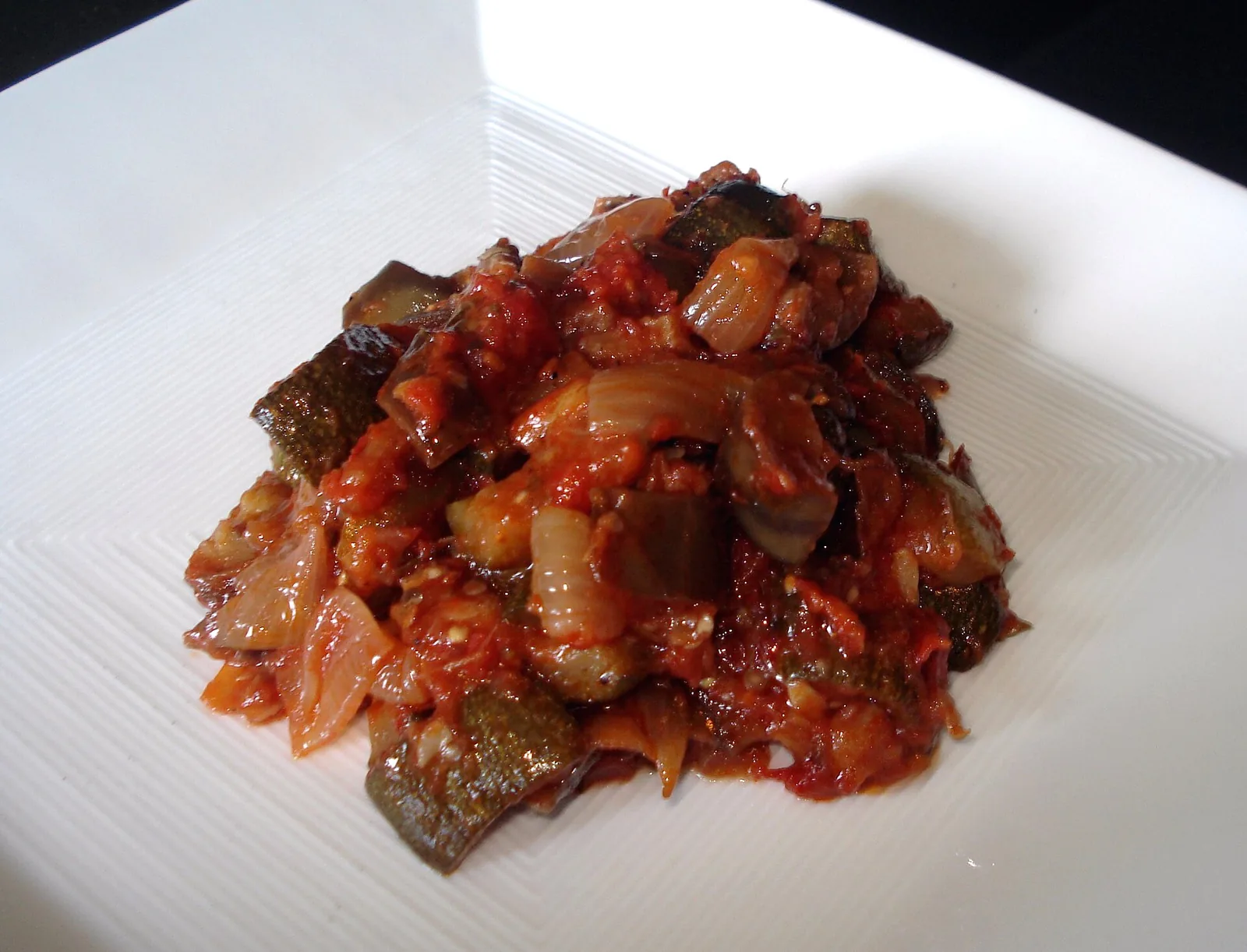
A mound of classic ratatouille with eggplant, zucchini, tomato and onion on a white plate France flag France 1h 15m
Dinner •Nice Provençal

Ratatouille

This ratatouille recipe cooks eggplant, zucchini, peppers and tomatoes separately first, so each vegetable keeps its own texture, then brings them together for a slow, fragrant simmer. One serving is about 400 g.

Light & Vegetable-Rich

Slow-simmered summer vegetables in olive oil — light, fragrant and full of fibre.

Pairs Well With
Crusty sourdough bread, grilled fish or a fried egg
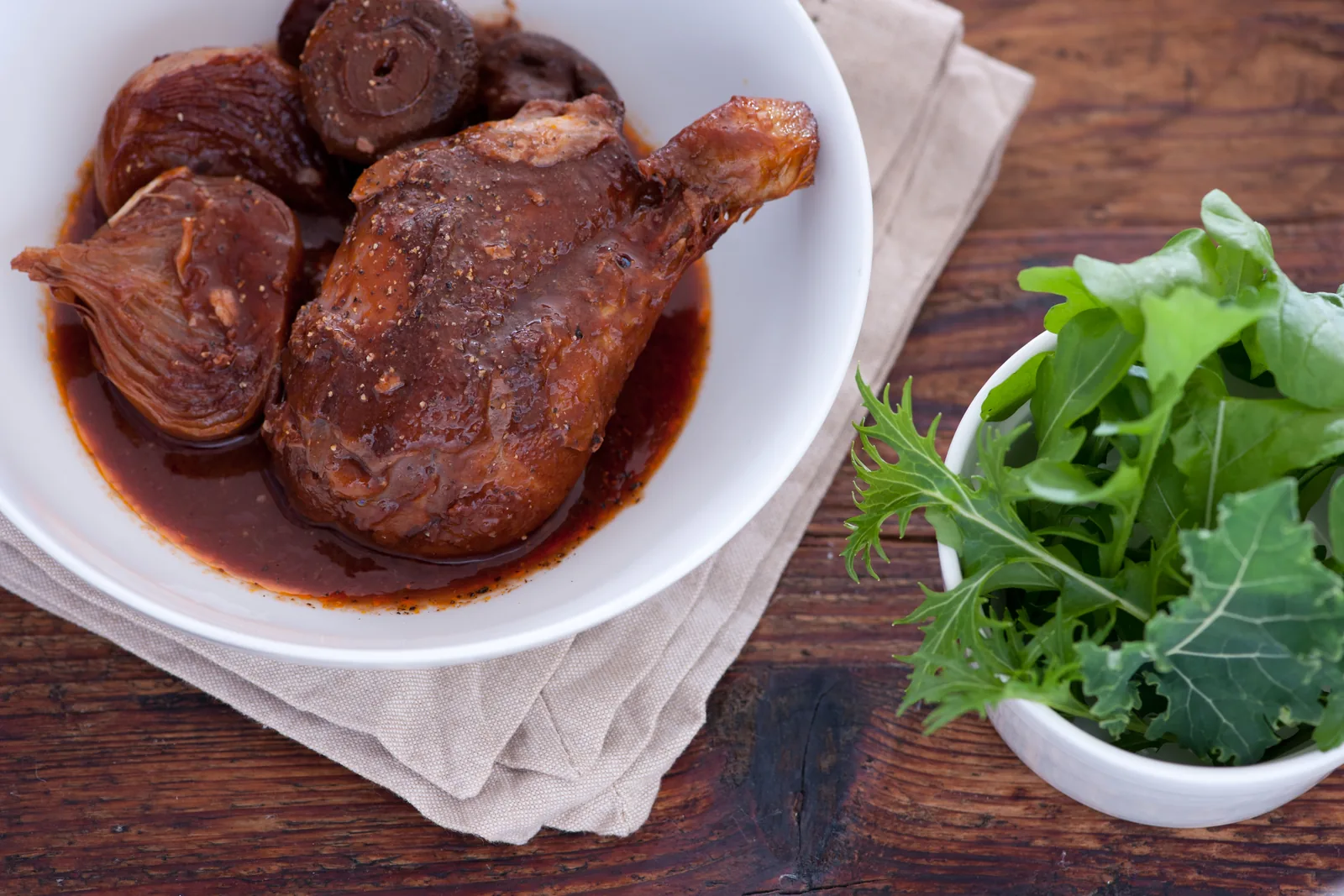
A bowl of coq au vin with a braised chicken leg in dark red wine sauce with mushrooms and onions, greens on the side France flag France 1h 40m
Dinner •Burgundy Classic

Coq au Vin

This coq au vin recipe is the Burgundy classic: chicken thighs browned with bacon, then braised in red wine with mushrooms, pearl onions and carrots until the meat is tender and the sauce is dark and glossy. One serving is about 375 g. It takes 1 hour 40 minutes, most of it hands-off while the pot simmers.

Comfort & Warmth

Chicken braised slowly in red wine with mushrooms, pearl onions and bacon until it falls off the bone.

Pairs Well With
Mashed potatoes, crusty bread & Burgundy wine

The Dinner Gazette

Never wonder what’s for dinner again

One email a week with easy dinner ideas from around the world — ingredients, steps and nutrition, tested in our kitchen first.

Delivered every Thursday morning. Unsubscribe anytime.