
Curated recipes from 193 countries  •  New seasonal Mediterranean issue out now

Overview

Willisauer Ringli

Willisau Ring Biscuits, Ringli, Lucerne Honey Rings

Willisauer Ringli are the famous hard ring biscuits of Willisau in the canton of Lucerne: flour, sugar, honey and citrus zest baked low and slow into crisp, golden rings. This willisauer ringli recipe follows the published home-baking version and makes 24 rings. One serving (2 rings) is about 66 g.

The Willisauer Ringli was first made commercially in 1850, after baker Heinrich Maurer settled in Willisau in 1819 and his wife Martha Peyer brought the recipe into the family. Since then the rings have been made from sugar, water, flour, honey and salt, with an essential oil of lemon and orange peel for their lemony flavour — the exact blend is a guarded secret. The biscuits are listed in the Inventory of Swiss Culinary Heritage, and a court ruling in the 1940s said they may only be made in Willisau. Local custom says the rings taste best when left to melt slowly in the mouth, and that anyone who can break one into four equal pieces with an elbow is a true Swiss.

Pairs well with: Black coffee, herbal tea & a glass of milk

Provenance

Switzerland flag Switzerland

Lucerne Heritage Biscuit

Nordic & European

Time Dedication

1h 15m

35m prep • 40m cook

Batch Yield

12 Servings

227 kcal per serving

1 serving ≈ 66 g

Technical Skill

Intermediate

Intermediate (Piped Rings)

Meal Timing & Digestive Fit

Breakfast

Not Advised

Lunch

Inappropriate

Dinner

Inappropriate

Snack & Tea

Ideal Light Bite

Occasions: Coffee break, Christmas baking, hiking snack, gifts Cost: Low — about $0.50 per serving at home
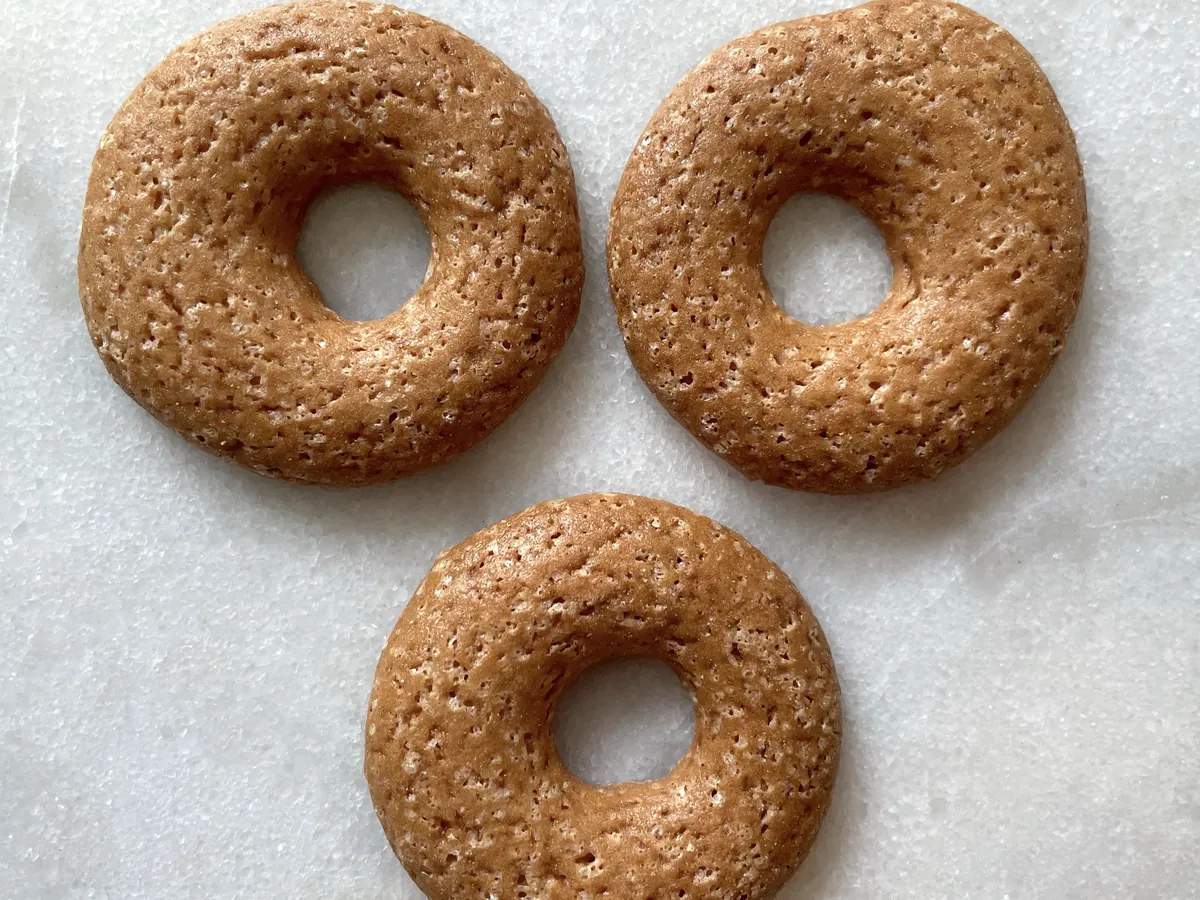
Three golden-brown Willisauer Ringli biscuits on white marble

Lucerne Heritage Biscuit

Photo: Adrian Michael, CC BY-SA 3.0, via Wikimedia Commons

The Heritage Formulary

Measured Ingredients

Estimated cost: Low — about $0.50 per serving at home (USD)

A good Ringli is very hard, deep golden and lemony, with a clear hole and visible sugar crystals.

Execution Methodology & Culinary Technique

Step-by-Step Cooking Guide

Active 1h 15m
P

Prep Stage: Dough, Zest, Piping Bag

35 Mins + 2 Hours Rest • Mixer and Piping Bag

Grate the orange and lemon zest and mix the dry ingredients. Knead in the honey and water for a full 15 minutes — the long knead is what makes the rings hard and crisp — then cover and rest the dough for 2 hours. Have a piping bag with a wide plain nozzle and two lined baking trays ready.

Maestro Tip: Do not shorten the 15-minute knead or the 2-hour rest — both are what give Ringli their famous rock-hard bite.

  1. 1

    Mix the Dry Ingredients

    10 Mins Room temperature

    Put the 280 g of flour, 200 g of sugar, baking soda, salt and citric acid in a large bowl with the grated orange and lemon zest and mix well so the zest is spread evenly through the flour.

    Mix the zest through the flour first — it stops the zest clumping in the wet dough.

    Done when: An even, speckled flour mix with no pockets of zest.

  2. 2

    Knead in the Honey and Water

    15 Mins Room temperature

    Add the 150 g of honey and 80 ml of water and mix with a dough hook on the lowest speed, then knead on the highest speed for 15 minutes until the dough is smooth, firm and a little glossy.

    Scrape the bowl down once halfway so no dry flour hides at the bottom.

    Done when: A smooth, stiff dough that holds its shape when pressed.

  3. 3

    Rest the Dough

    2 Hours Rest Room temperature, covered

    Cover the bowl with a damp cloth or cling film and leave the dough to rest at room temperature for 2 hours so the flour hydrates and the citrus oils spread through the dough.

    Keep the cover tight — a dry skin on the dough makes the rings crack when piped.

    Done when: A relaxed dough that feels slightly softer than when it was kneaded.

  4. 4

    Fold in the Sugar and Pipe the Rings

    15 Mins Room temperature

    Preheat the oven to 140°C (285°F). Work the 120 g of coarse cane sugar into the dough, then fill a piping bag with a wide plain nozzle and pipe rings about 5 cm across onto lined baking trays, leaving space between them.

    Pipe each ring in one steady circle and press the join together so it does not open in the oven.

    Done when: Even rings with a clear hole in the middle and visible sugar crystals.

  5. 5

    Bake Low and Slow

    35-40 Mins 140°C (285°F)

    Bake in the middle of the oven for 35 to 40 minutes until the rings are golden brown and hard all the way through. Leave them on the tray for 10 minutes, then move to a rack to cool completely — they harden further as they cool.

    Do not rush them at a higher heat — Ringli should be hard and crisp, not soft in the middle.

    Done when: Deep golden rings that feel rock-hard and sound hollow when tapped.

Finishing Touches & Plating

Let the rings cool completely before storing — they are at their best after a day, when the citrus flavour has settled in. Eat them the Willisau way: let a ring melt slowly in your mouth instead of biting it.

Nutritional Physiology & Benefits

Nutrition

Energy

227

kcal / serving

Protein

3g

Complete AA

Carbs

55g

Complex

Fats

0g

Healthy

Per serving (12 servings · 1 serving ≈ 66 g)
Energy227 kcal
Protein3 g
Carbohydrates55 g
Fat0 g
Fibre0.8 g
Sugar37.0 g
Sodium147 mg
Per 100g
Energy344 kcal
Protein3.7 g
Carbohydrates83.3 g
Fat0.4 g
Fibre1.2 g
Sugar56.1 g
Sodium223 mg

Nutrition values are estimated — calculated from USDA FoodData Central values for the listed ingredients.

Vitamins & minerals: Small amounts of B vitamins (flour, honey) and vitamin C (citrus zest).

Simple, Honest Ingredients

Flour, sugar, honey, water and citrus zest — no butter, no eggs and nothing artificial.

Long-Lasting Energy

Two rings give about 227 kcal of mostly carbohydrate — a steady, portable snack for a walk or a hike.

Keeps for Weeks

Baked hard and dry, Ringli keep for weeks in a tin, which is why they were a travelling biscuit.

Food Pairings

What to Eat With

To optimize nutrient absorption and elevate the sensory depth, pair with these authentic accompaniments:

Drinks

Black Coffee

Strong black coffee softens the sweetness and is the classic Swiss pairing for a hard biscuit.

Herbal Tea

A mild herbal tea lets the honey and citrus of the rings come through without competing.

Sides

A Glass of Milk

Cold milk gives the hard rings something to soften against and turns two rings into a small meal.

Full Menus

As a Walking Snack

Tuck a few rings in a pocket for a hike — they do not crumble, and the honey gives steady energy.

Complete menu

Serve two rings with black coffee and a glass of milk after a light lunch, as a Swiss coffee-break treat.

Digestive Guardrails

What NOT to Combine

To prevent digestive distress, sluggishness, or palate clash, avoid pairing the dish with these elements:

Biting Down Hard

Ringli are famously hard; biting down can hurt teeth, so let them melt slowly or soften them in coffee first. This is general information, not medical advice.

Storing While Warm

Warm rings trapped in a tin go soft and sticky; cool them completely on a rack before storing. This is general information, not medical advice.

General information only, not medical advice — consult a doctor for personal dietary decisions.

Who Should Eat It

Who Should Eat

  • General adultsA sweet, crunchy biscuit for most adults: two rings with coffee is a proper Swiss break.
  • ChildrenSuitable for children over 5 years: hard and sweet, so let younger children soften a ring in milk and watch that they do not bite down hard.
  • ElderlyGood for older people with strong teeth; soften the rings in tea or coffee if biting is difficult.
  • Pregnant womenGenerally suitable in small amounts; the rings are very sweet, so keep to one serving and ask your clinician if unsure.
  • Breastfeeding womenGenerally suitable; two rings give useful energy, though they are sweet, so keep portions moderate.
  • AthletesA pocket-sized energy snack: about 55 g of carbohydrate per serving for refuelling on a walk.
  • Weight gainEat three rings with milk for a fuller snack.
  • Weight lossKeep to one ring, enjoy it slowly with unsweetened tea, and skip a second serving.

Health Conditions — Adjust or Avoid

Conditions

  • DiabetesTwo rings have about 55 g of carbohydrate and 37 g of sugar, so count them in your meal plan and keep to one serving; ask your clinician if unsure.
  • High blood pressureSodium is about 147 mg per serving; the sugar is the main thing to watch, and ask your clinician about your target.
  • Kidney diseaseHoney and sugar are the main concern; keep portions small if you follow a limit, and ask your clinician.
  • GoutThe rings are low in purines and contain no meat or seafood; the sugar is the main thing to watch, and ask your clinician if unsure.
  • Stomach issuesHard and dry, so chew slowly; soften in tea if your stomach is sensitive, and ask your clinician if unsure.
  • Cardiovascular diseaseVery sweet with almost no fat; enjoy as an occasional treat and balance the day with lighter meals, and ask your clinician about your overall diet.
  • Fatty liverKeep the portion to one ring; the sugar adds up quickly, and ask your clinician if you follow a prescribed diet.
  • Food allergiesContains wheat (flour). Use a gluten-free flour blend if you need to avoid wheat; the recipe also contains honey.
  • Special therapeutic dietsFits a vegetarian diet; for a lower-sugar plan, cut the coarse sugar folded in by half, and check with your clinician.

If you have a medical condition, consult your doctor before changing your diet.

Storage & Use

Storage & Use

How to store
Cool completely, then store in an airtight tin at room temperature.
In the fridge
No need to refrigerate; the fridge makes them sticky.
In the freezer
Freeze up to 3 months in a sealed bag; thaw at room temperature.
How to reheat
Crisp again in a 140°C (285°F) oven for 5 minutes if they soften.
Freezing recommended
Yes — they freeze well, though they already keep for weeks in a tin.
Signs it has spoiled
Soft or sticky texture, damp smell, or mould.

More recipes to explore

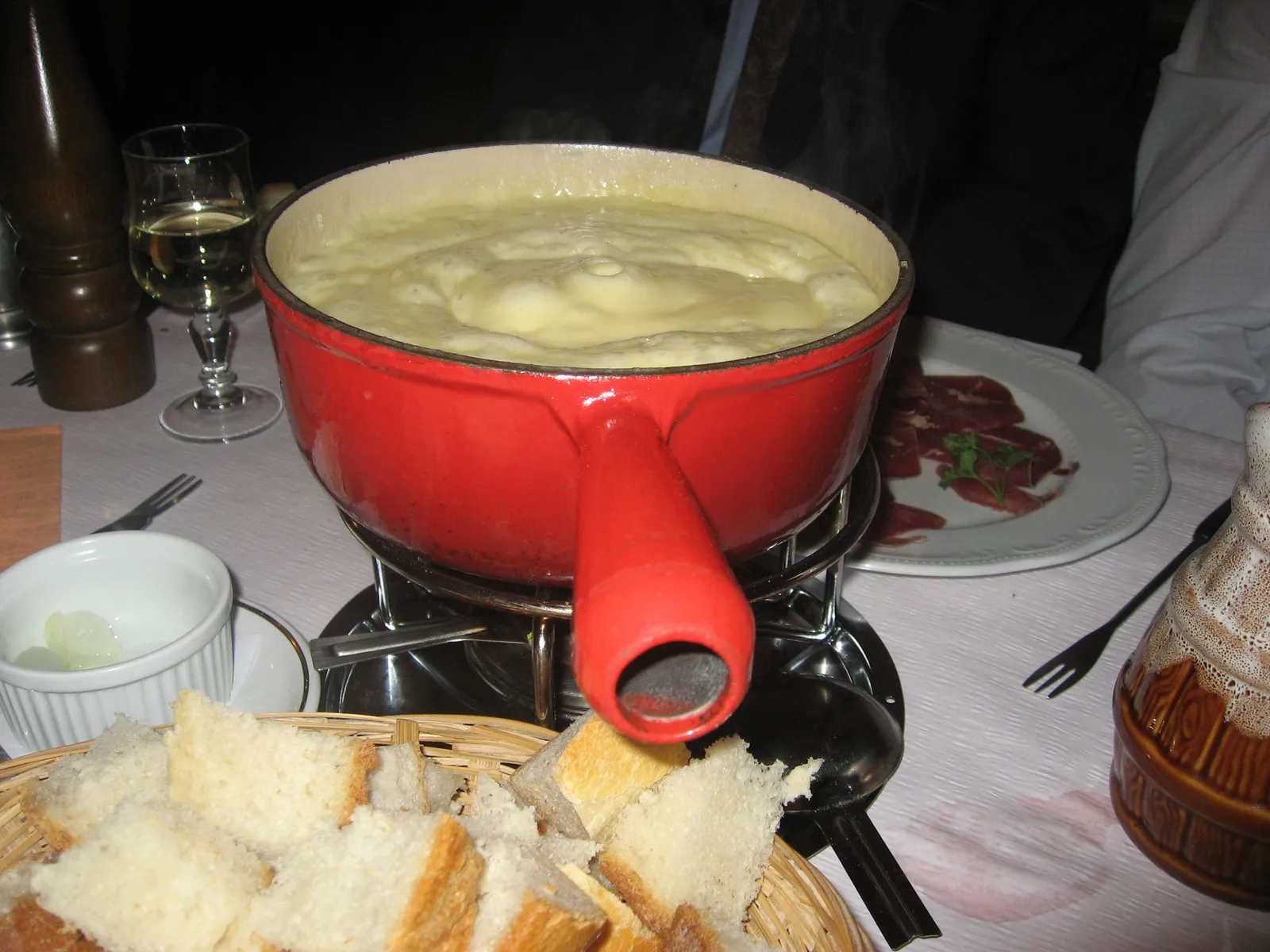
A red fondue pot of melted cheese with bread cubes and a glass of white wine Switzerland flag Switzerland 40m
Dinner •Swiss Alpine Classic

Swiss Cheese Fondue

Swiss cheese fondue is the Alps in a pot: Gruyere and Emmental melted slowly into dry white wine with garlic and a splash of kirsch, kept warm at the table while everyone dips cubes of bread into the bubbling cheese. One serving is about 310 g.

Comfort & Togetherness

Gruyere and Emmental melted in white wine, shared from one pot.

Pairs Well With
Cubes of crusty bread, boiled potatoes and cornichons on the side
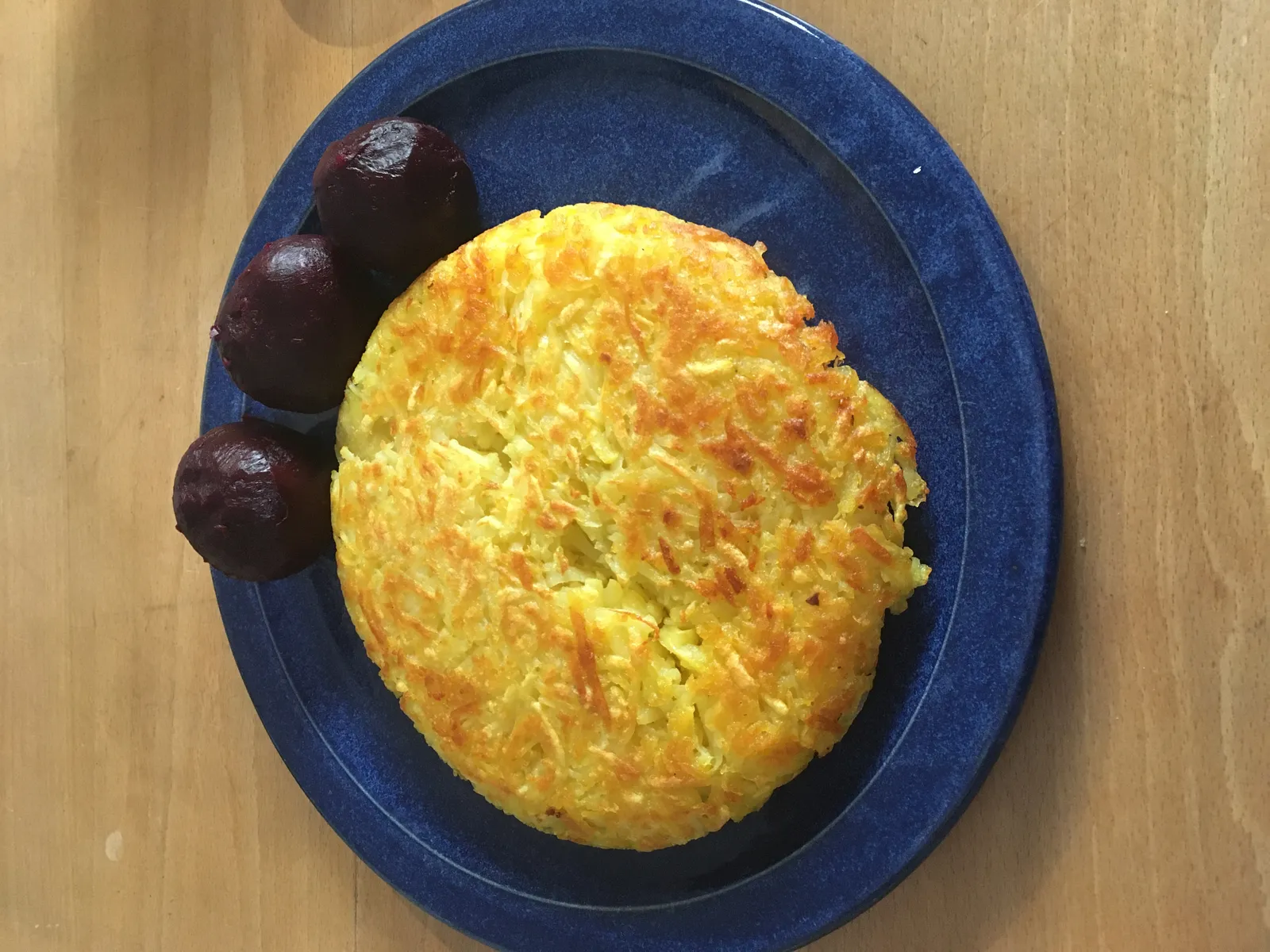
A large golden rosti potato cake on a blue plate Switzerland flag Switzerland 40m
Lunch •Bernese Farmhouse Classic

Rösti

Rösti is Switzerland's crisp potato cake: grated potato pressed into one large golden disc and fried in butter until the outside shatters and the inside stays soft, then topped with a fried egg. One serving is about 240 g.

Simple & Satisfying

One large crisp cake of grated potato, pan-fried in butter and topped with a fried egg.

Pairs Well With
A fried egg on top and a simple green salad with sharp vinaigrette
Quick Prep (<30m)
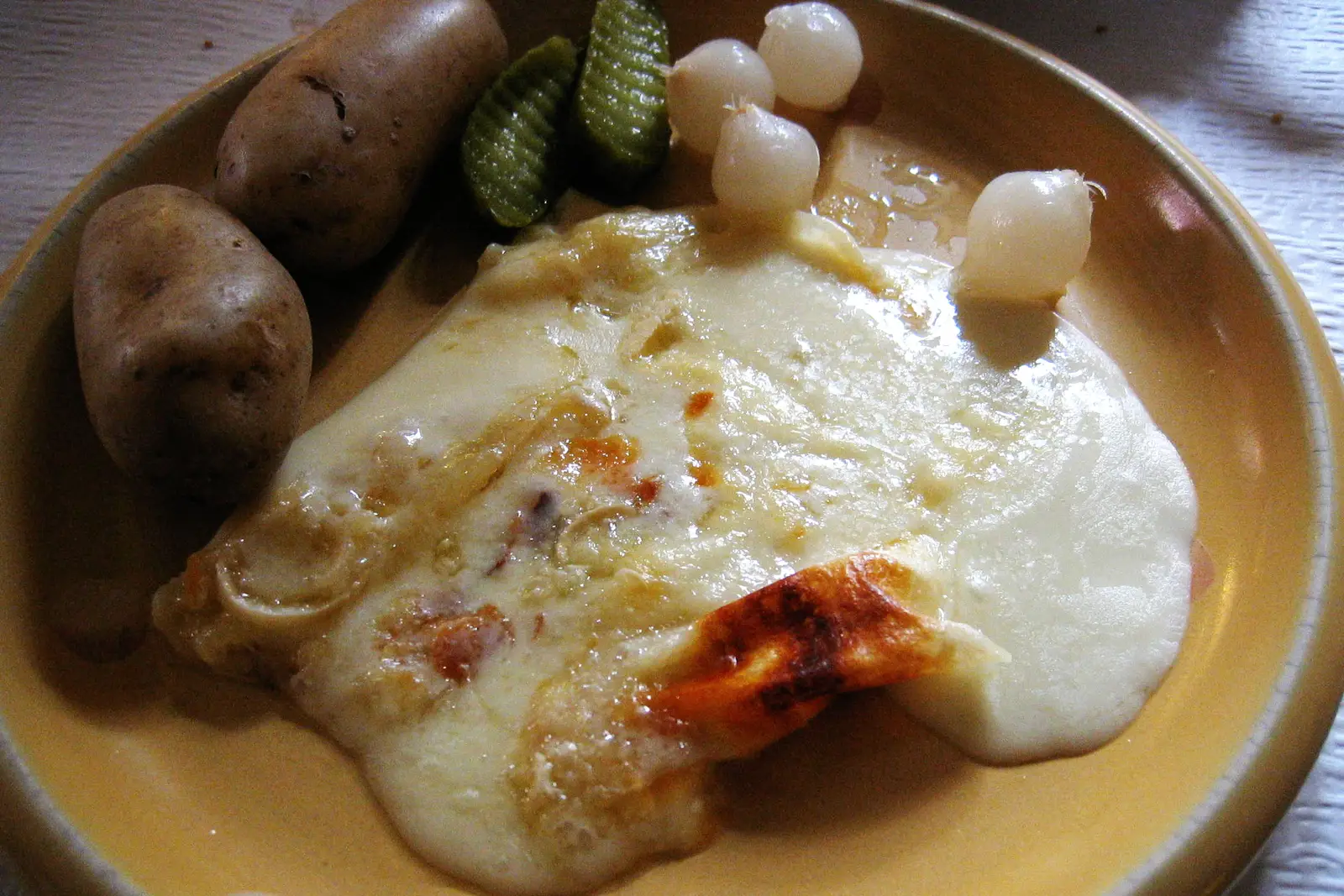
Melted raclette cheese scraped over a plate with boiled potatoes and pickles Switzerland flag Switzerland 40m
Dinner •Valais Alpine Classic

Raclette

Raclette is the Swiss Alps' other great melted-cheese meal: a half-wheel of raclette cheese is warmed until the cut face bubbles, then scraped in ribbons over boiled potatoes, with cornichons and pickled onions to cut the richness. One serving is about 365 g.

Comfort & Togetherness

Melted raclette cheese scraped over boiled potatoes with pickles.

Pairs Well With
Boiled potatoes, cornichons, pickled onions and a green salad
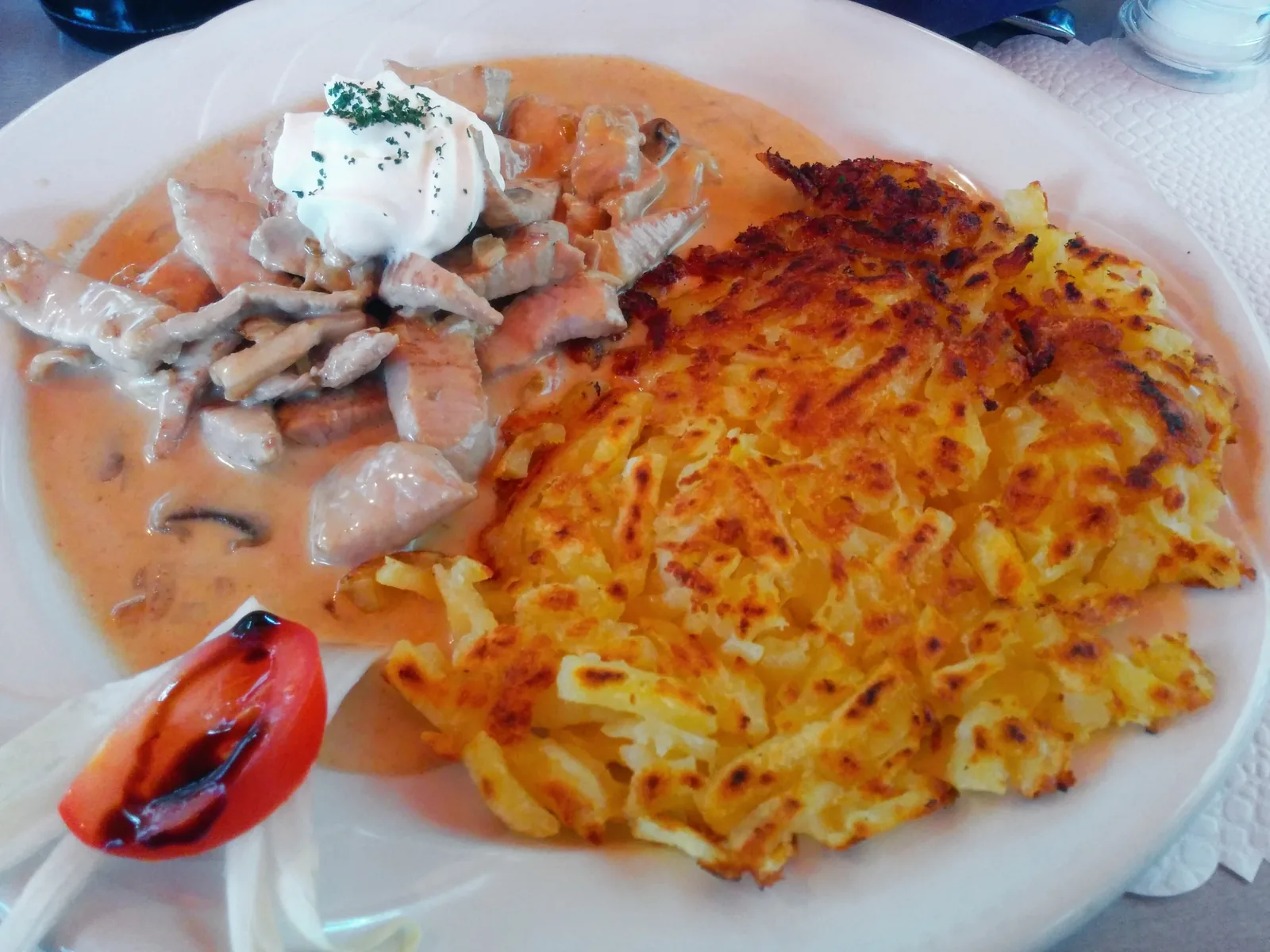
A plate of Zürcher Geschnetzeltes — veal strips in cream sauce with a dollop of cream — beside golden rösti. Switzerland flag Switzerland 40m
Dinner •Zurich Classic

Zürcher Geschnetzeltes

Zürcher Geschnetzeltes is Zurich's signature dish: thin strips of veal quickly seared, then finished in a white-wine and cream sauce with mushrooms and onion. One serving is about 335 g, before the rösti it is traditionally served with.

Rich & Comforting

Tender strips of veal in a white-wine cream sauce with mushrooms — Zurich's classic, with rösti.

Pairs Well With
Serve with golden rösti and a glass of dry Swiss white wine.
High Protein

The Dinner Gazette

Never wonder what’s for dinner again

One email a week with easy dinner ideas from around the world — ingredients, steps and nutrition, tested in our kitchen first.

Delivered every Thursday morning. Unsubscribe anytime.