
Curated recipes from 193 countries  •  New seasonal Mediterranean issue out now

Overview

Acai Bowl

Acai Bowl, Acai na Tigela, Brazilian Acai Bowl

This acai bowl recipe blends frozen acai, banana and blueberries into a thick, spoonable base, then tops it with granola, fresh fruit, chia seeds and coconut. One serving is about 435 g, and breakfast is ready in 15 minutes.

Acai comes from the palm fruit of the Amazon rainforest, where people in the northern Brazilian state of Para have eaten it for generations — traditionally as a thick, unsweetened puree with fish or tapioca, not as a sweet bowl. The sweetened bowl topped with granola and banana grew up in the beach towns of Rio de Janeiro in the 1980s and 1990s, where surfers wanted a cold, energy-rich snack, and from there it spread around the world.

Pairs well with: Serve with a glass of water or coconut water; the bowl is already sweet and filling, so it needs nothing heavy alongside.

Provenance

Brazil flag Brazil

Para Street-Food Classic

Latin America & Caribbean

Time Dedication

15m

15m prep • 0m cook

Batch Yield

2 Servings

479 kcal per serving

1 serving ≈ 435 g

Technical Skill

Easy

Easy (Blender)

Meal Timing & Digestive Fit

Breakfast

Prime Morning Fit

Lunch

Inappropriate

Dinner

Inappropriate

Snack & Tea

Inappropriate

Quick Prep (<30m) Occasions: A weekday breakfast, a post-workout breakfast, a hot morning, when you want something cold and fruity Cost: Moderate — about $4–5 per serving at home
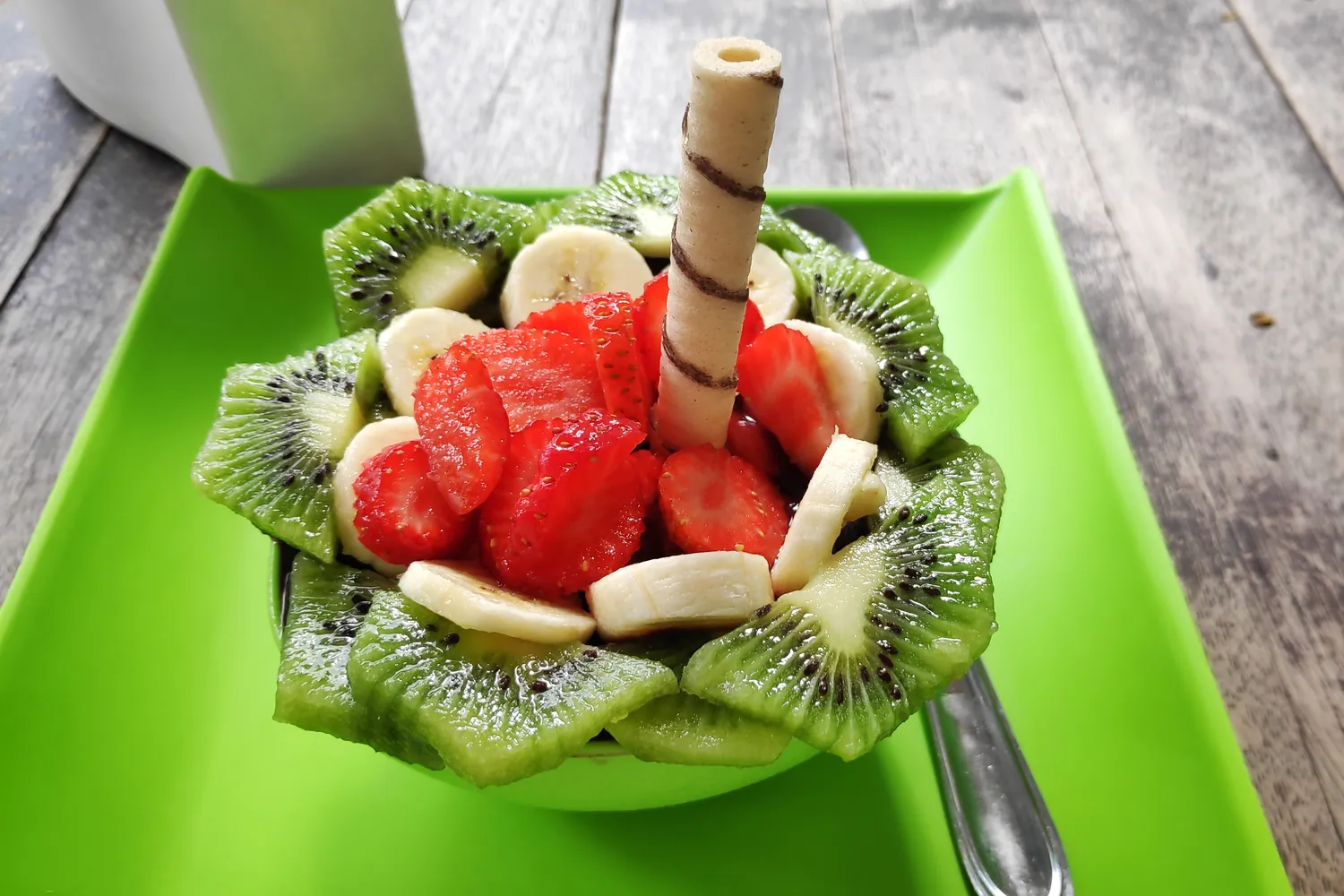
An acai bowl topped with sliced kiwi, strawberries and banana, with a wafer stick, on a green tray

Para Street-Food Classic

Photo: Melsj, CC BY-SA 4.0, via Wikimedia Commons

The Heritage Formulary

Measured Ingredients

Estimated cost: Moderate — about $4–5 per serving at home (USD)

Good acai bowl base is thick enough to eat with a spoon, deep purple and cold — never thin or watery.

Execution Methodology & Culinary Technique

Step-by-Step Cooking Guide

Active 15m
P

Prep Stage: Slice the Fruit

10 Mins • Knife Work

Slice the fresh banana into rounds and halve the strawberries. Break the frozen acai packs into chunks and measure the oat milk, maple syrup, granola, chia seeds and coconut flakes so the blender can run without stopping — the frozen base melts fast once it is blended.

Maestro Tip: Keep everything cold and work quickly — a warm bowl makes a runny base, and the whole point of an acai bowl is that it is thick enough to eat with a spoon.

  1. 1

    Blend the Base

    5 Mins Blender, high speed

    Put the frozen acai chunks, frozen banana, frozen blueberries, oat milk and maple syrup in a blender. Blend on high, stopping to push the mixture down with a tamper or spoon, until the base is thick, smooth and holds its shape — like soft-serve ice cream. Add oat milk only a spoonful at a time if the blender stalls.

    Use as little liquid as possible — too much oat milk turns the bowl into a smoothie you have to drink.

    Done when: The base is thick, smooth and holds its shape on a spoon.

  2. 2

    Check the Thickness

    1 Min Room temperature, ~20°C (68°F)

    Lift the blender lid and check the base: it should be thick enough that a spoon stands in it for a second. If it is too thin, add a few more frozen banana slices and blend again; if it is too thick, add a spoonful of oat milk.

    A spoonable base is the test — if it pours, it is a smoothie, not a bowl.

    Done when: The base is thick and spoonable, like soft-serve.

  3. 3

    Fill the Bowls

    1 Min Chilled, about 4°C (39°F)

    Spoon the base into two cold bowls, mounding it slightly in the middle. Work quickly so the base stays cold and thick.

    Chill the bowls first — a cold bowl keeps the base thick for longer.

    Done when: The bowls are filled with a thick, deep-purple base.

  4. 4

    Add the Toppings

    3 Mins Room temperature, ~20°C (68°F)

    Arrange the granola, banana slices, strawberries, chia seeds and coconut flakes in neat rows over the base. Keep the toppings on top, not stirred in, so each spoonful has crunch and fruit.

    Rows of toppings look good and keep the crunch separate from the cold base.

    Done when: The bowls are topped with neat rows of granola, fruit and seeds.

  5. 5

    Serve Immediately

    1 Min Chilled, about 4°C (39°F)

    Serve the bowls straight away with a spoon — the base softens within minutes at room temperature, so there is no waiting around.

    Eat immediately — an acai bowl waits for no one.

    Done when: The bowls are cold, thick and ready to eat.

Finishing Touches & Plating

Spoon the thick blend into bowls, arrange the toppings in neat rows, and eat straight away while the base is still thick and cold.

Nutritional Physiology & Benefits

Nutrition

Energy

479

kcal / serving

Protein

8g

Complete AA

Carbs

77g

Complex

Fats

17g

Healthy

Per serving (2 servings · 1 serving ≈ 435 g)
Energy479 kcal
Protein8 g
Carbohydrates77 g
Fat17 g
Fibre13.2 g
Sugar40.0 g
Sodium45 mg
Per 100g
Energy110 kcal
Protein1.8 g
Carbohydrates17.8 g
Fat4 g
Fibre3 g
Sugar9.2 g
Sodium10 mg

Nutrition values are estimated — calculated from USDA FoodData Central values for the listed ingredients.

Vitamins & minerals: Vitamin C (strawberries and blueberries), potassium (banana), vitamin E (coconut and chia), folate (acai and banana).

Fruit at the Centre

Acai, banana, blueberries and strawberries give fibre, vitamin C and potassium in every spoonful.

Fibre That Fills You

About 13 g of fibre per serving, from the fruit, granola and chia seeds — a breakfast that keeps you full until lunch.

No Cooking, All Fresh

A raw, plant-based breakfast made in a blender — light, cold and refreshing on a hot morning.

Food Pairings

What to Eat With

To optimize nutrient absorption and elevate the sensory depth, pair with these authentic accompaniments:

Drinks

Coconut Water

Cold coconut water is the classic Brazilian partner — light, refreshing and hydrating alongside the sweet bowl.

Sides

Toast with Peanut Butter

A slice of toast with peanut butter adds protein and staying power to a fruit-heavy breakfast.

Vegetables

Extra Fresh Fruit

More sliced mango, kiwi or passion fruit on the side makes the bowl feel generous without adding heaviness.

Full Menus

As a Light Brazilian Breakfast

In Brazil the bowl is often breakfast on its own, or with a small cheese bread — a light start before a hot day.

Complete menu

Serve the acai bowl with a glass of coconut water and a slice of toast with peanut butter — a bright, filling Brazilian breakfast.

Digestive Guardrails

What NOT to Combine

To prevent digestive distress, sluggishness, or palate clash, avoid pairing the dish with these elements:

Sweetened Acai Packs

Sweetened acai puree already carries a lot of added sugar — with maple syrup and granola on top, the bowl can turn very sweet. Choose unsweetened packs and sweeten lightly. This is general guidance, not medical advice.

A Heavy Cooked Breakfast Alongside

The bowl is already about 479 kcal with granola and fruit — a full cooked breakfast on top of it is more food than most people need in one morning.

General information only, not medical advice — consult a doctor for personal dietary decisions.

Who Should Eat It

Who Should Eat

  • General adultsA fresh, fruity breakfast — cold, filling and easy to make.
  • ChildrenVery suitable for children; use a mild granola and keep the toppings easy to chew.
  • ElderlySoft, cold and easy to eat; use soft fruit toppings and serve the bowl freshly made.
  • Pregnant womenFine as a fresh breakfast, but choose unsweetened acai and keep the maple syrup light.
  • Breastfeeding womenA light, plant-based breakfast; the fruit and chia seeds add fibre and fluids.
  • AthletesA good post-workout breakfast: carbohydrate for recovery, with fruit and fibre — add nut butter for more protein.
  • Weight gainA good choice — take a generous serving with toast and peanut butter.
  • Weight lossA reasonable choice — the bowl is filling for its calories; keep the granola and maple syrup modest.

Health Conditions — Adjust or Avoid

Conditions

  • DiabetesThe bowl is high in natural sugars from fruit, granola and maple syrup — keep the toppings modest and ask your clinician about portion size.
  • High blood pressureOne serving carries only about 45 mg of sodium — a good choice; watch salty foods alongside.
  • Kidney diseaseThe dish is plant-based and low in sodium — a reasonable choice; ask your clinician about portion size.
  • GoutThe bowl is plant-based and low in purines — a reasonable choice for an occasional breakfast.
  • Stomach issuesThe bowl is usually gentle, but cold, acidic fruit can trouble a sensitive stomach — eat slowly and keep the portions modest.
  • Cardiovascular diseaseA good choice — the bowl is rich in fibre and plant fats, with no saturated fat from animal foods.
  • Fatty liverKeep the portion modest and favour the fruit over extra granola and syrup.
  • Food allergiesContains tree nuts (coconut) and seeds (chia); granola may contain nuts — check the label; use certified gluten-free granola.
  • Special therapeutic dietsA plant-based, gluten-free breakfast that suits many therapeutic diets — check with your clinician about sugar and nut restrictions.

If you have a medical condition, consult your doctor before changing your diet.

Storage & Use

Storage & Use

How to store
Store the base and the toppings separately in airtight containers.
In the fridge
1 day for the base — it softens and darkens, so it is best eaten fresh.
In the freezer
1 month for the blended base (freeze without toppings).
How to reheat
Do not reheat — serve cold; let a frozen base thaw in the fridge for 1 hour and stir well.
Freezing recommended
Yes for the base only — freeze it before adding toppings.
Signs it has spoiled
Sour smell, a brown or grey colour, or a slimy texture.

More recipes to explore

A black clay pot of golden-orange bobó de camarão, a thick cassava cream with shrimp, with a serving spoon Brazil flag Brazil 1h 5m
Dinner •Bahian Cassava Cream

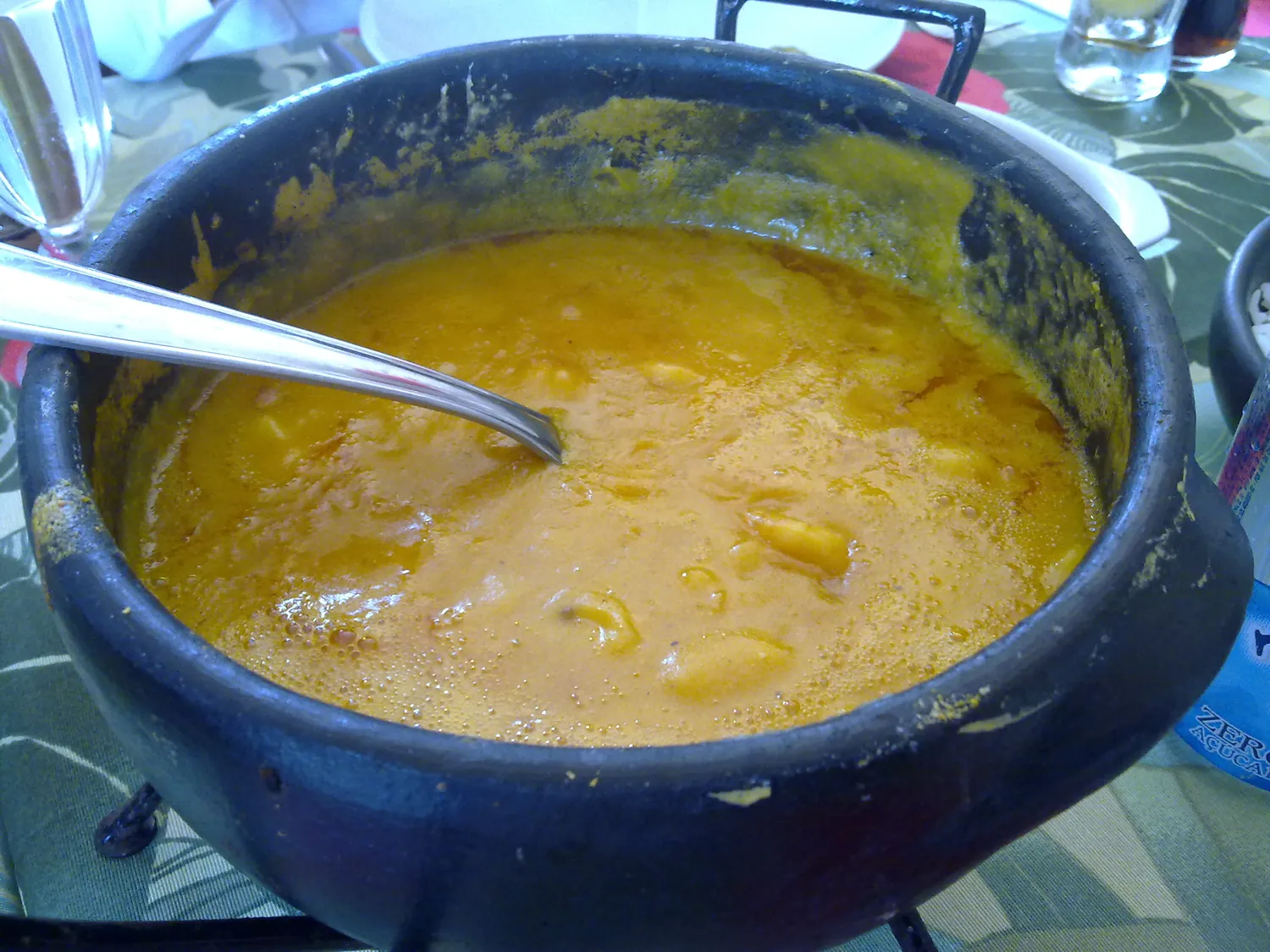
Bobó de Camarão

This bobo de camarao recipe is Bahia's creamy shrimp dish: fresh shrimp folded into a thick purée of boiled cassava blended with coconut milk, coloured golden-orange with dendê oil and finished with lime and cilantro. Unlike a stew, the cassava is blended smooth, so the whole dish eats like a rich, spoonable cream. One serving is about 470 g.

Rich & Comforting

Shrimp folded into a thick, smooth cassava cream made with coconut milk and red palm oil, served hot with rice.

Pairs Well With
Steamed white rice, farofa and a crisp green salad
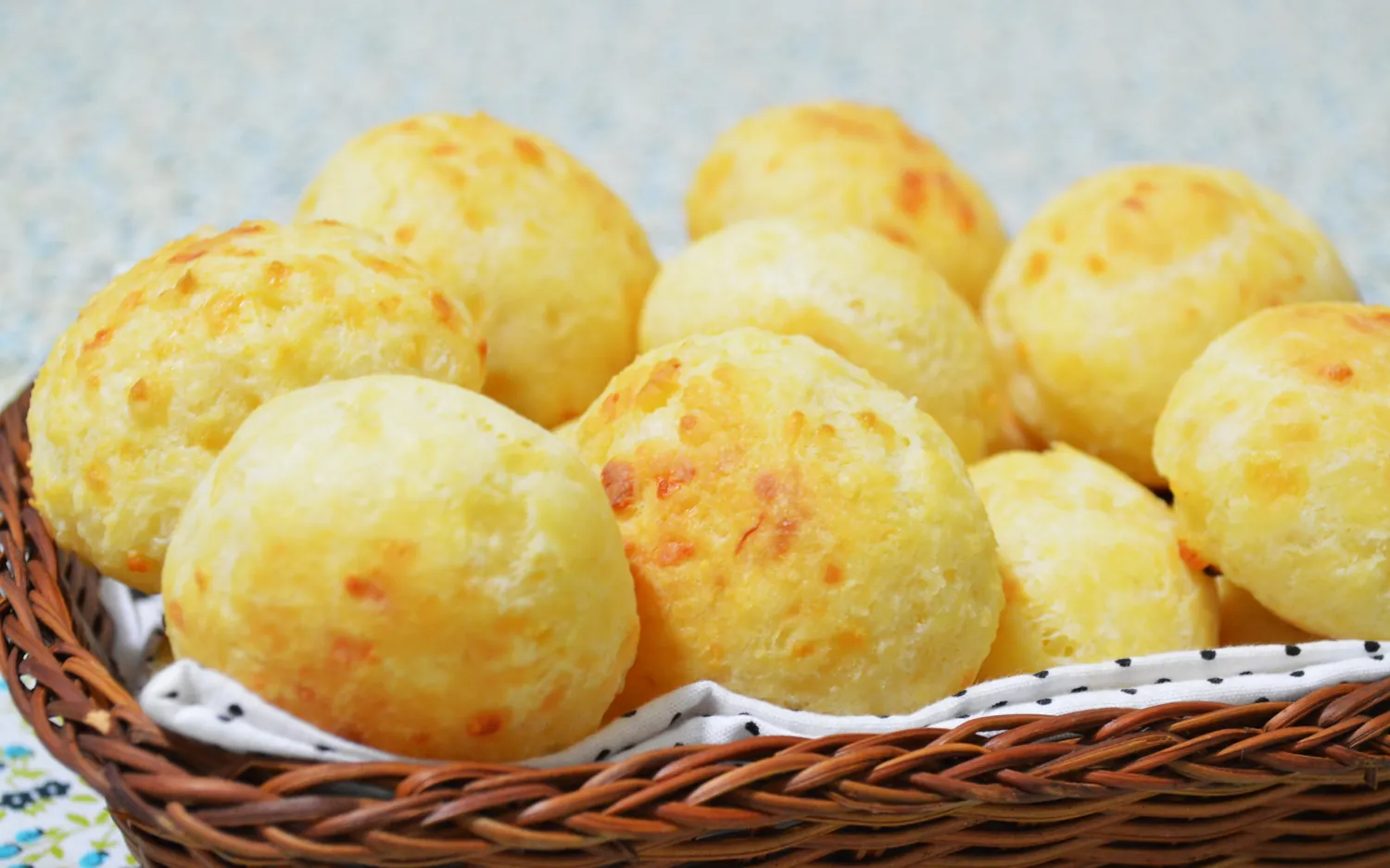
A basket of golden, round pão de queijo, Brazilian cheese bread rolls Brazil flag Brazil 45m
Snack & Tea •Minas Gerais Cheese Bread

Pão de Queijo

This pao de queijo recipe makes Brazil's famous cheese bread: small, golden rolls with a crisp shell and a soft, stretchy, chewy centre, made from tapioca starch, milk, oil, eggs and cheese. There is no wheat flour and no yeast — the rolls puff up on steam in a hot oven. One serving is 4 rolls, about 134 g.

Warm & Chewy Snack

Golden tapioca cheese rolls with a crisp shell and a soft, stretchy centre, baked in under half an hour.

Pairs Well With
Black coffee, fresh fruit, or a light soup
A black clay pot of moqueca baiana, fish chunks in a golden-orange coconut sauce with fresh herbs, beside rice and pirão Brazil flag Brazil 55m
Dinner •Bahian Fish Stew

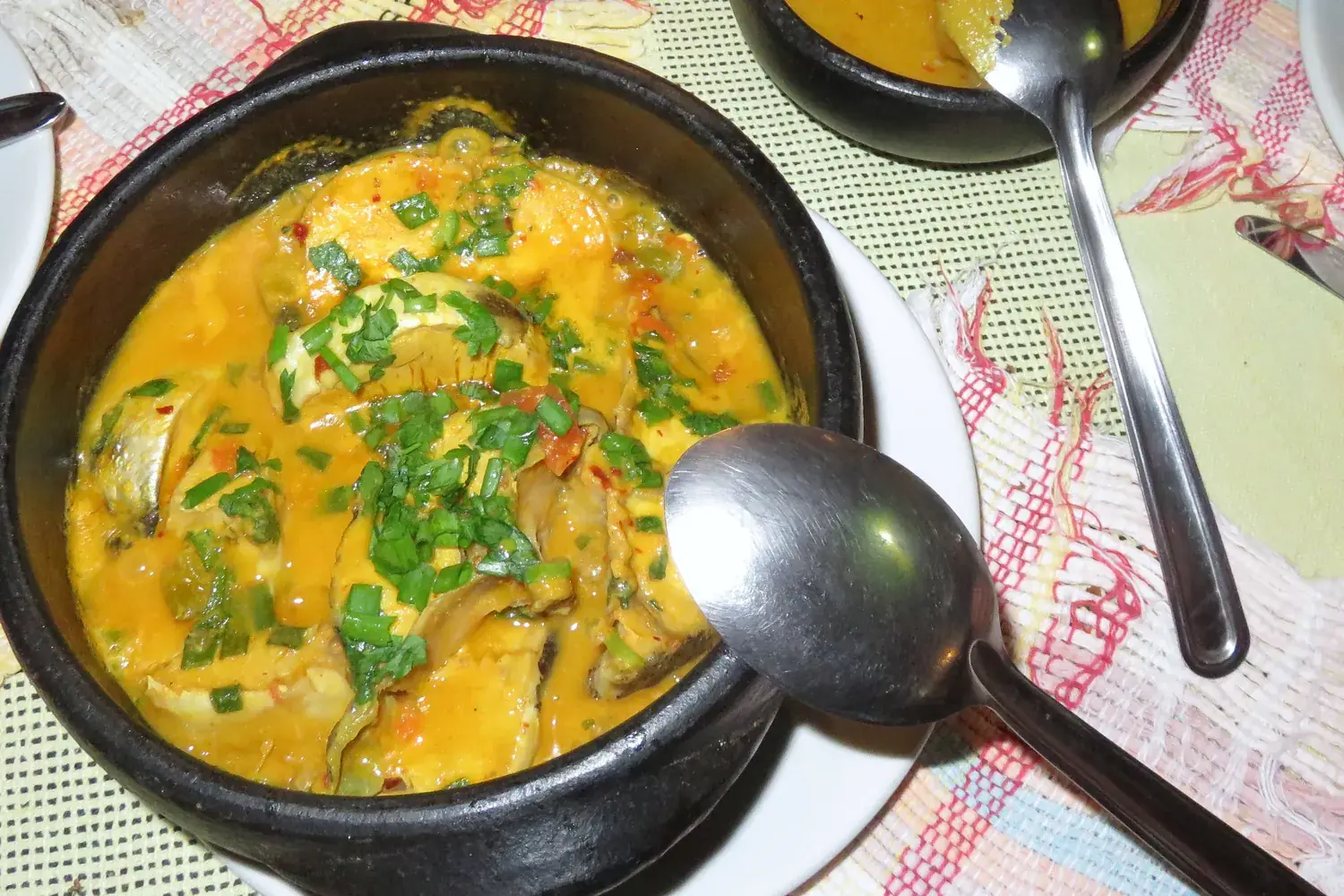
Moqueca Baiana

This moqueca baiana recipe is Bahia's famous fish stew: thick fillets of white fish layered with onion, peppers and tomato, then simmered gently in coconut milk with dendê oil until the sauce turns golden-orange. The fish stays in whole, flaky pieces in a fragrant broth — a stew, not a purée. One serving is about 450 g.

Coastal & Aromatic

Firm white fish simmered in coconut milk and red palm oil with peppers and tomato, served hot in its clay pot.

Pairs Well With
Steamed white rice, pirão and farofa
A bowl of Brazilian feijoada — black beans with rounds of sausage and pieces of pork Brazil flag Brazil 3h 30m
Dinner •Brazilian National Dish

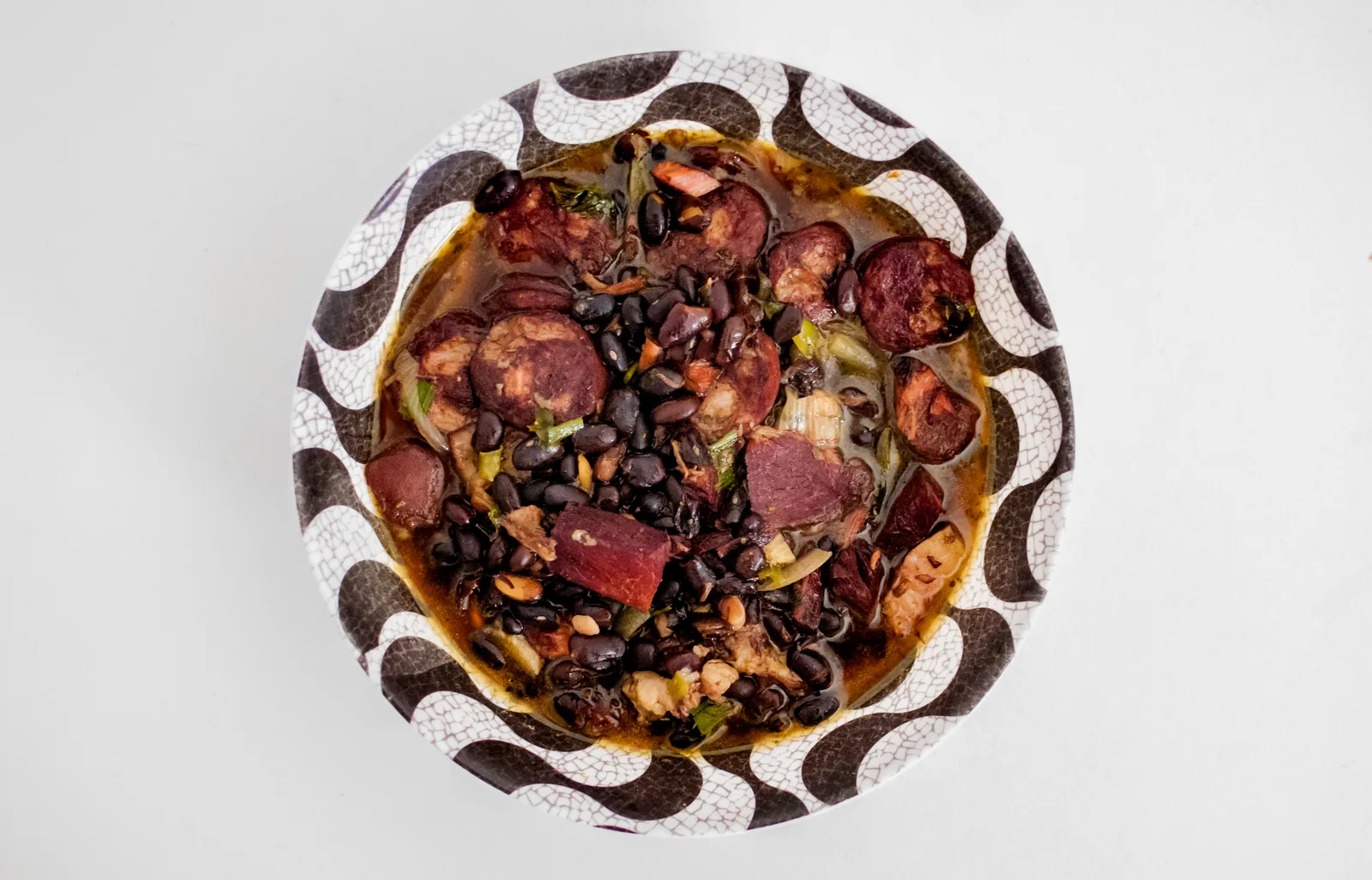
Brazilian Feijoada

This Brazilian feijoada recipe is the real Saturday lunch: black beans simmered for hours with pork shoulder, smoky linguiça, bacon and beef until the broth turns thick and dark, then served with white rice, garlicky collard greens, orange slices and farofa. It is a slow, generous pot built for sharing. One serving is about 450 g.

Rich & Hearty

Brazil's national dish — black beans slow-cooked with pork, sausage and beef, served with rice, greens and orange.

Pairs Well With
Serve with white rice, sautéed collard greens, orange slices and farofa.

The Dinner Gazette

Never wonder what’s for dinner again

One email a week with easy dinner ideas from around the world — ingredients, steps and nutrition, tested in our kitchen first.

Delivered every Thursday morning. Unsubscribe anytime.