
Curated recipes from 193 countries  •  New seasonal Mediterranean issue out now

Overview

Asure

Aşure, Ashure, Noah's Pudding

This asure recipe slowly simmers wheat berries, chickpeas and white beans with dried apricots, raisins and rice, then spoons the thick pudding into bowls topped with pomegranate, walnuts and hazelnuts. One serving is about 210 g.

According to tradition, asure goes back to Noah's Ark: after the flood, Noah is said to have cooked the last of the grains, beans and dried fruit left on board into one pot, and the pudding has been cooked ever since to remember that meal. It is made in Turkey during the month of Muharram, above all on the Day of Ashura, and pots are shared with family and neighbours. There is no single fixed recipe — the number of ingredients is often said to be at least seven — but wheat, beans and dried fruit are always at its heart.

Pairs well with: Turkish tea and a few extra nuts on the side

Provenance

Turkey flag Turkey

Turkish Noah's Pudding

Middle Eastern

Time Dedication

1h 50m

20m prep • 90m cook

Batch Yield

8 Servings

378 kcal per serving

1 serving ≈ 210 g

Technical Skill

Intermediate

Medium (Slow Simmer)

Meal Timing & Digestive Fit

Breakfast

Not Advised

Lunch

Inappropriate

Dinner

Inappropriate

Snack & Tea

Ideal Light Bite

Occasions: The Day of Ashura, a family gathering, an afternoon snack, when you want something sweet and nourishing Cost: Low — about $1–2 per serving at home
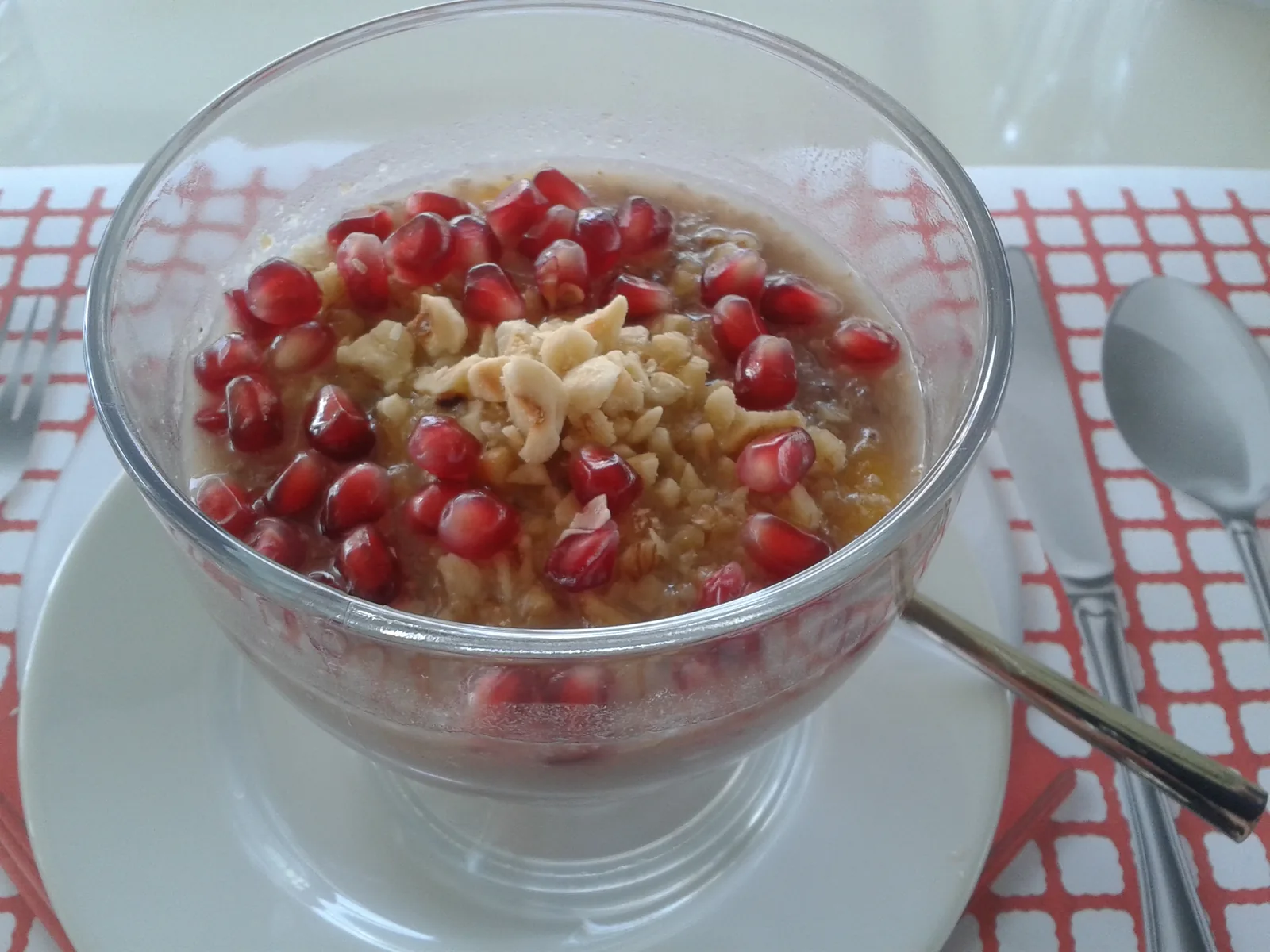
A glass bowl of asure — wheat and dried-fruit pudding topped with pomegranate seeds and chopped nuts

Turkish Noah's Pudding

Photo: E4024, CC BY-SA 4.0, via Wikimedia Commons

The Heritage Formulary

Measured Ingredients

Estimated cost: Low — about $1–2 per serving at home (USD)

Good asure is thick enough to hold a spoon upright for a moment, glossy on top, and crowded with fruit and nuts — never watery or grey.

Execution Methodology & Culinary Technique

Step-by-Step Cooking Guide

Active 1h 50m
P

Prep Stage: Soak Overnight, Then Chop

20 Mins • Soaking + Knife Work

The night before, rinse the wheat berries, chickpeas and white beans, cover each with plenty of cold water and leave them to soak overnight. On the day, drain them, chop the apricots, walnuts and hazelnuts, and zest and juice the orange. Soaking is passive time and is not counted in the 20 minutes of active prep.

Maestro Tip: Do not skip the soak — unsoaked wheat berries can take twice as long to soften and the beans may stay hard in the middle.

  1. 1

    Simmer the Grains and Beans

    60 Mins Low heat, ~95°C (200°F)

    Put the drained wheat berries, chickpeas and white beans in a large pot with the water and bring to a boil. Skim off any foam, turn the heat down to a gentle simmer and cook for 60 minutes, until the wheat is tender and starting to split.

    Keep the lid half on — the pot needs to lose a little steam or the pudding ends up watery.

    Done when: The wheat berries are soft when bitten and the beans are tender all the way through.

  2. 2

    Add the Rice and Dried Fruit

    20 Mins Low heat, ~95°C (200°F)

    Stir in the rice, chopped apricots and raisins and simmer for 20 minutes more, stirring now and then so nothing sticks to the bottom. The rice breaks down and the pudding starts to thicken.

    Stir from the bottom of the pot — the rice sinks and catches first.

    Done when: The pudding is visibly thicker and the rice grains have gone soft and cloudy.

  3. 3

    Sweeten and Scent

    10 Mins Low heat, ~95°C (200°F)

    Stir in the sugar and the orange juice and zest and cook for 10 minutes more. The sugar must dissolve fully and the pudding should fall from a spoon in a thick, slow ribbon. Taste and add a spoonful more sugar only if it needs it.

    Add the sugar late on purpose — sugar added at the start can keep the beans from softening.

    Done when: The pudding coats the back of a spoon and drops in a thick ribbon.

  4. 4

    Cool and Serve in Bowls

    15 Mins Room temperature, ~20°C (68°F)

    Take the pot off the heat and let it cool for 15 minutes — it thickens as it cools. Spoon into small bowls and leave to cool completely, or chill in the fridge.

    If the pudding turns too thick as it cools, stir in a spoonful of cold water before serving.

    Done when: The pudding holds a soft shape in the bowl and the surface is glossy.

  5. 5

    Top and Serve

    5 Mins Room temperature, ~20°C (68°F)

    Scatter the pomegranate seeds, chopped walnuts and hazelnuts over each bowl and dust with cinnamon. Serve at room temperature or chilled.

    Top the bowls just before serving so the nuts stay crunchy and the pomegranate stays bright.

    Done when: Each bowl is crowned with red pomegranate, pale nuts and a dusting of cinnamon.

Finishing Touches & Plating

Serve the asure in small bowls, at room temperature or chilled from the fridge, with a spoon and a glass of Turkish tea. It is made to be shared — the pot serves eight, and neighbours traditionally get a bowl too.

Nutritional Physiology & Benefits

Nutrition

Energy

378

kcal / serving

Protein

11g

Complete AA

Carbs

72g

Complex

Fats

7g

Healthy

Per serving (8 servings · 1 serving ≈ 210 g)
Energy378 kcal
Protein11 g
Carbohydrates72 g
Fat7 g
Fibre9.6 g
Sugar29.7 g
Sodium7 mg
Per 100g
Energy180 kcal
Protein5.4 g
Carbohydrates34.2 g
Fat3.5 g
Fibre4.5 g
Sugar14.1 g
Sodium3 mg

Nutrition values are estimated — calculated from USDA FoodData Central values for the listed ingredients.

Vitamins & minerals: Folate and iron (beans and chickpeas), vitamin A (dried apricots), vitamin C (pomegranate and orange), magnesium (nuts), B vitamins (wheat).

Fibre from Whole Grains and Beans

About 10 g of fibre per serving, from wheat berries, chickpeas and beans — a filling snack that keeps you satisfied.

Plant Protein Without Meat

About 11 g of protein per serving, from beans, chickpeas and nuts — a useful plant-based snack.

Fruit, Not Just Sugar

Dried apricots, raisins and fresh pomegranate bring sweetness with vitamins and minerals, not just added sugar.

Food Pairings

What to Eat With

To optimize nutrient absorption and elevate the sensory depth, pair with these authentic accompaniments:

Drinks

Turkish Tea

Unsweetened Turkish tea is the classic partner — its clean, slightly bitter edge balances the pudding's sweetness.

Mint Tea

Fresh mint tea is a light, fragrant partner — its cool herbal note balances the pudding's sweetness without adding anything to it.

Sides

Extra Nuts on the Side

A small dish of pistachios or almonds adds crunch and lets everyone top their own bowl the way they like.

Vegetables

Fresh Fruit

Sliced apple or orange segments add a fresh, juicy contrast to the thick, sweet pudding.

Complete menu

Serve a small bowl of asure after a light lunch, with Turkish tea and a dish of extra nuts — the classic way to share it.

Digestive Guardrails

What NOT to Combine

To prevent digestive distress, sluggishness, or palate clash, avoid pairing the dish with these elements:

A Very Sweet Drink Alongside

The pudding is already sweet — a sugary soft drink on top can leave the whole snack cloying and push the sugar up for no benefit. This is general guidance, not medical advice.

Adding Sugar Too Early

Sugar stirred in at the start can keep the beans from softening properly, so it goes in near the end, once the grains are tender.

General information only, not medical advice — consult a doctor for personal dietary decisions.

Who Should Eat It

Who Should Eat

  • General adultsA nourishing, naturally vegan snack — filling without being heavy.
  • ChildrenSuitable from age 3+; chop the nuts finely or leave them off for small children, and watch for nut allergies.
  • ElderlyGood — soft, easy to eat and gentle on the stomach; serve it warm rather than fridge-cold.
  • Pregnant womenGenerally suitable; it is made from grains, beans and fruit, with no alcohol and no raw ingredients.
  • Breastfeeding womenGenerally suitable; the beans, grains and nuts give steady energy — keep the portion modest because of the sugar.
  • AthletesA useful snack after training: carbs from the grains and fruit, plus some protein from the beans and nuts.
  • Weight gainA good choice — take a generous bowl with extra nuts.
  • Weight lossA reasonable choice in a small bowl — the sugar and dried fruit add up, so keep the portion small.

Health Conditions — Adjust or Avoid

Conditions

  • DiabetesThe sugar and dried fruit raise blood sugar — keep the bowl small and ask your clinician about portion size.
  • High blood pressureNaturally low in sodium, which helps — but the sugar still matters, so keep the portion modest. Ask your clinician about a suitable portion.
  • Kidney diseaseThe beans and nuts add potassium and protein; keep the portion modest and ask your clinician about portion size.
  • GoutEat occasionally and in smaller portions — beans are moderate in purines, and the pudding is sweet.
  • Stomach issuesUsually gentle on the stomach; the beans can cause gas for some people, so eat slowly and keep the portion modest.
  • Cardiovascular diseaseA reasonable choice — the fats come from nuts, not from butter or cream; keep the portion modest because of the sugar.
  • Fatty liverKeep the portion small — the sugar and dried fruit are the main concern here.
  • Food allergiesContains tree nuts (walnuts, hazelnuts) and wheat (gluten). No milk, egg or sesame in the recipe as written.
  • Special therapeutic dietsIf you follow a prescribed low-sugar diet, use half the sugar and extra cinnamon and orange zest for sweetness, and check with your clinician.

If you have a medical condition, consult your doctor before changing your diet.

Storage & Use

Storage & Use

How to store
Cool completely, cover each bowl or store in an airtight container.
In the fridge
4 days.
In the freezer
1 month (the texture softens on thawing).
How to reheat
Serve cold or at room temperature — no reheating needed. If you prefer it warm, heat gently in a pan until just warm, not boiling.
Freezing recommended
Not ideal — best eaten fresh from the fridge.
Signs it has spoiled
Sour smell, a slimy surface, or mould.

More recipes to explore

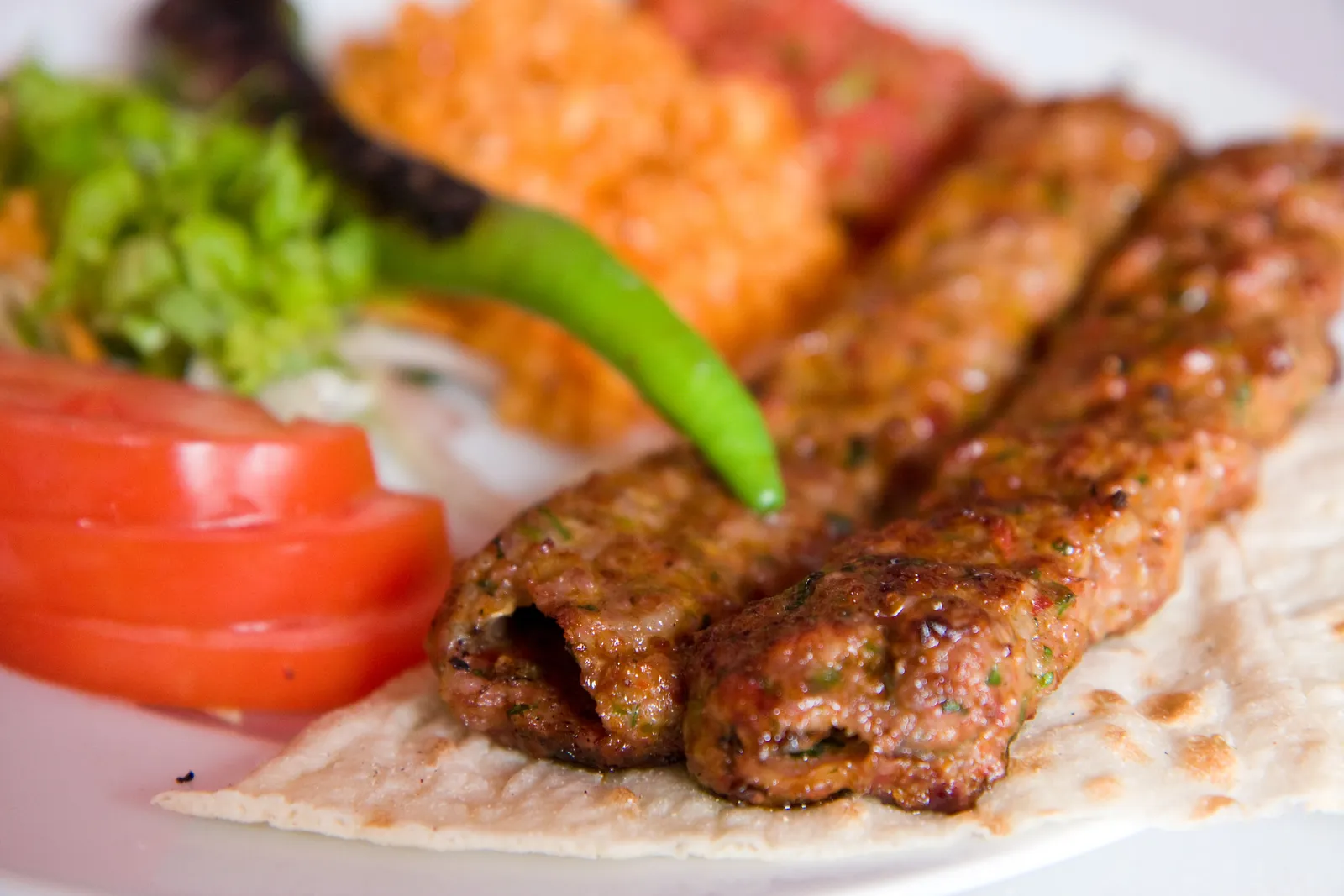
Adana kebab — long grilled minced-meat skewers on lavash with tomato, green chilli and salad Turkey flag Turkey 50m
Dinner •Adana Heritage

Adana Kebab

This adana kebab recipe is Adana's famous charcoal-grilled skewer: hand-minced lamb and beef mixed with lamb tail fat, sweet red pepper and pul biber, pressed onto wide flat skewers and grilled over glowing charcoal until the edges char and the juices run. It is served on warm lavash with grilled tomato, green chillies and a sharp sumac onion salad. One serving is about 439 g.

Adana's Charcoal-Grilled Icon

Hand-minced lamb and beef with tail fat and pul biber, pressed onto wide flat skewers and grilled over charcoal until charred at the edges — Adana's famous kebab.

Pairs Well With
Lavash, grilled tomato & sumac onion salad
High Protein
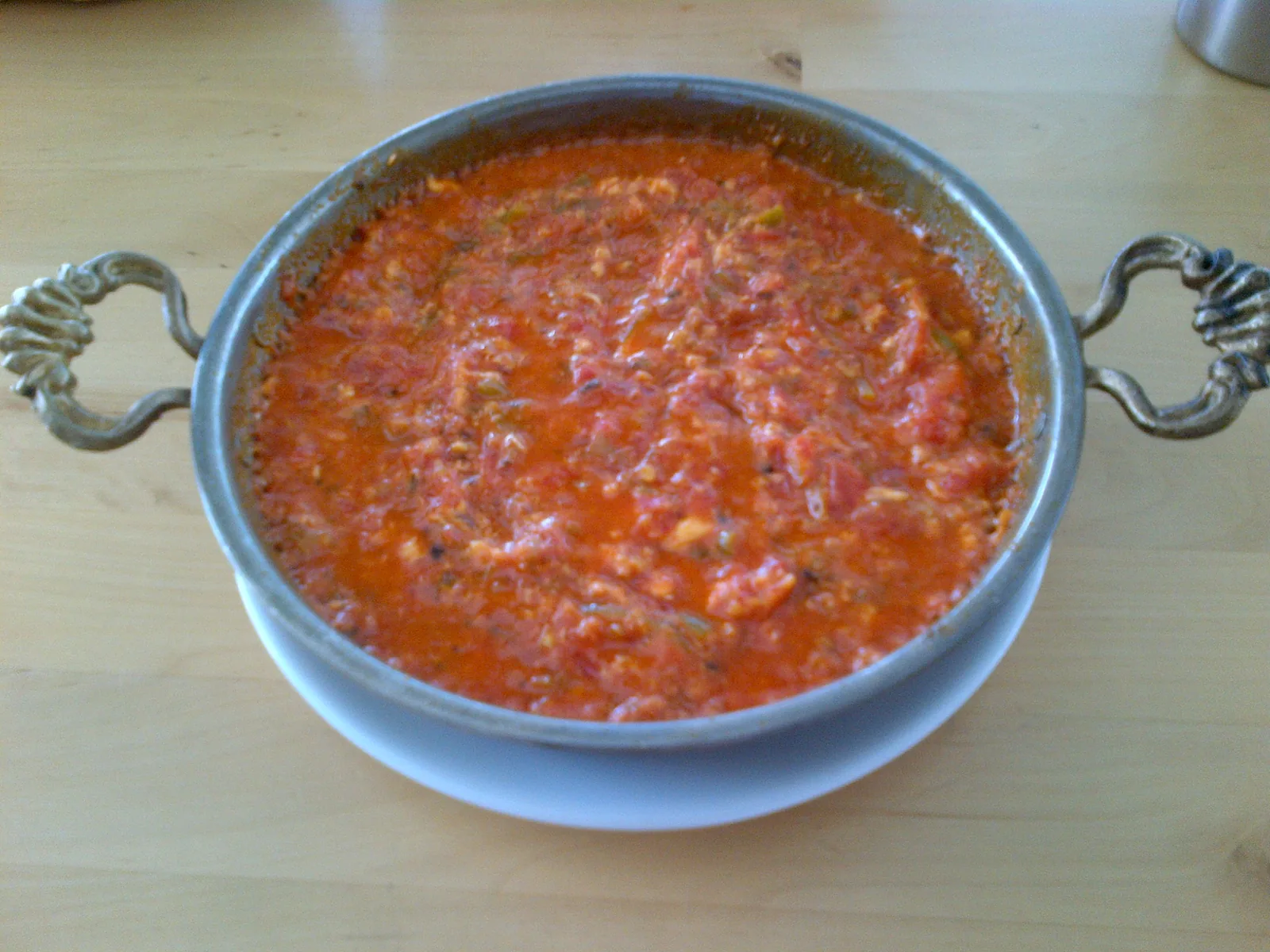
Menemen in a copper sahan pan — soft scrambled eggs stirred through a red tomato and green pepper sauce Turkey flag Turkey 30m
Breakfast •Izmir Breakfast Table

Menemen

This menemen recipe stirs beaten eggs into a soft tomato and green pepper sauce until they set into creamy curds — never poached whole, the way shakshuka does it. Cooked in one pan and served straight from it with bread, it is the classic Turkish breakfast. One serving is about 300 g.

Comfort & Warmth

Beaten eggs stirred into a soft tomato and green pepper sauce, scooped up with warm bread.

Pairs Well With
Crusty white bread, Turkish tea and sliced cucumber and tomato
Quick Prep (<30m)
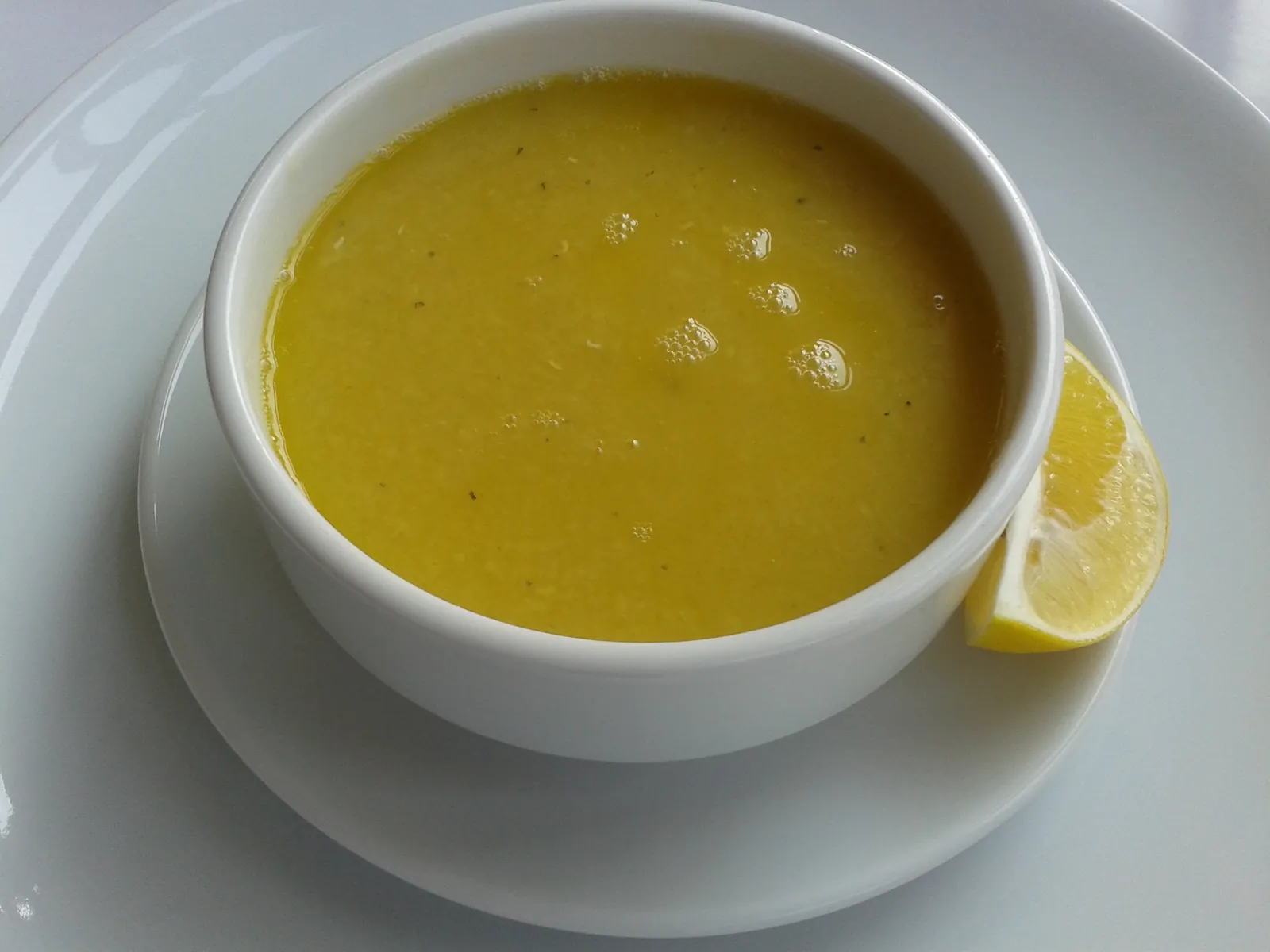
A white bowl of smooth golden Turkish lentil soup with a lemon wedge on the side Turkey flag Turkey 45m
Lunch •Ankara Lokanta Classic

Turkish Lentil Soup

This turkish lentil soup recipe turns red lentils, onion, carrot and potato into a smooth, golden soup, finished with lemon and a drizzle of paprika butter. One serving is about 325 g.

Comfort & Warmth

A silky red lentil soup, light enough for lunch and warm enough for a cold day.

Pairs Well With
Warm pide bread, lemon wedges and ayran
Soups & Broths
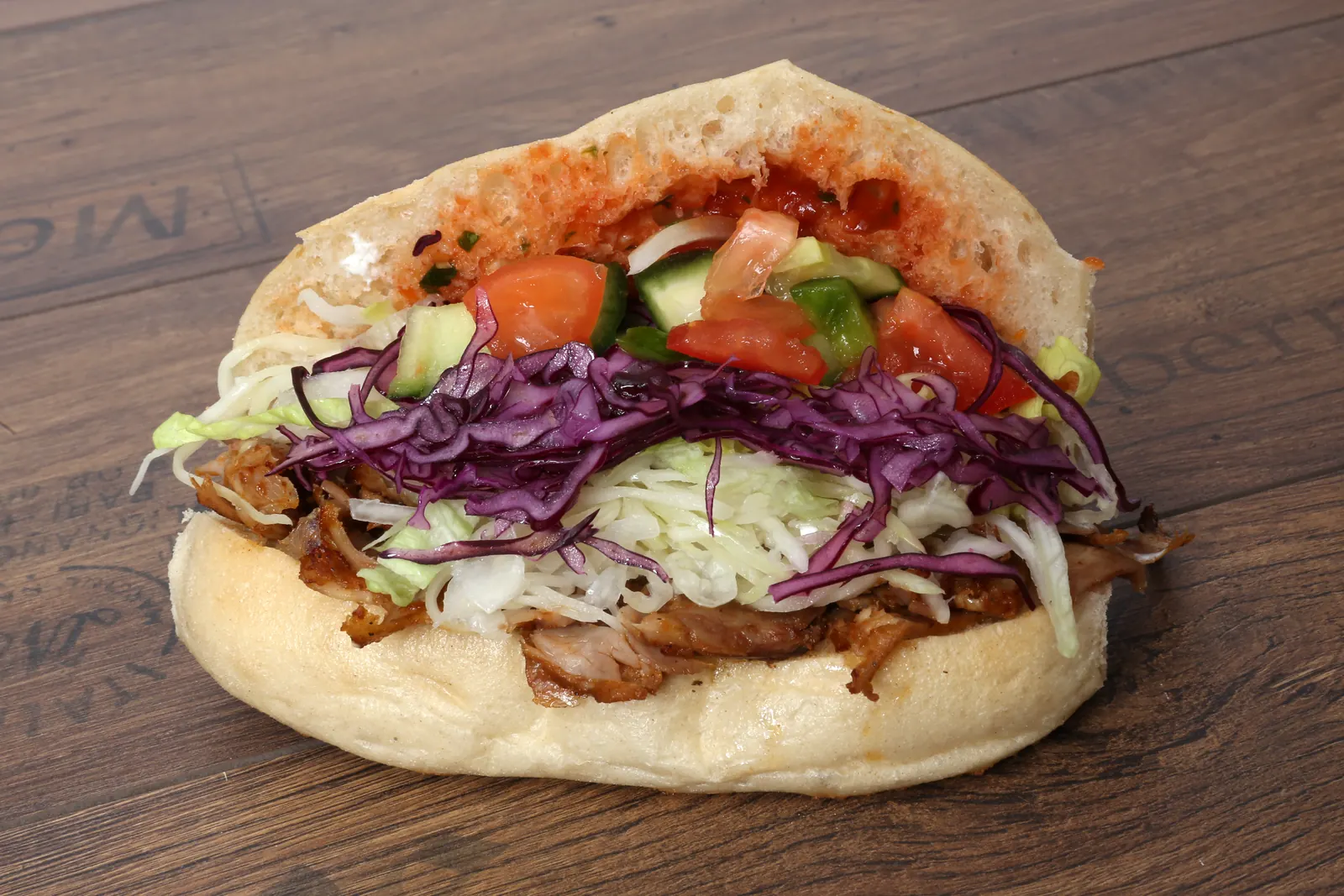
A doner kebab in flatbread filled with sliced lamb, red and white cabbage, tomato and cucumber Turkey flag Turkey 2h 55m
Dinner •Bursa Spit-Roast Heritage

Doner Kebab

This doner kebab recipe brings the Turkish spit-roast home: lamb leg marinated in yogurt, onion and spices, seared until charred at the edges, then sliced thin and tucked into warm pitta bread with crisp salad and a cool garlic yogurt sauce. No vertical spit needed — a ripping-hot pan does the job. One serving is about 415 g.

Charcoal-Grilled & Juicy

Home-style doner kebab — yogurt-marinated lamb, sliced thin and piled into warm pitta with salad and garlic sauce.

Pairs Well With
Serve in warm pitta with salad, garlic sauce and a little chilli sauce.
High Protein

The Dinner Gazette

Never wonder what’s for dinner again

One email a week with easy dinner ideas from around the world — ingredients, steps and nutrition, tested in our kitchen first.

Delivered every Thursday morning. Unsubscribe anytime.