
Curated recipes from 193 countries  •  New seasonal Mediterranean issue out now

Overview

Beef Tataki

Gyuniku Tataki, Seared Rare Beef with Ponzu

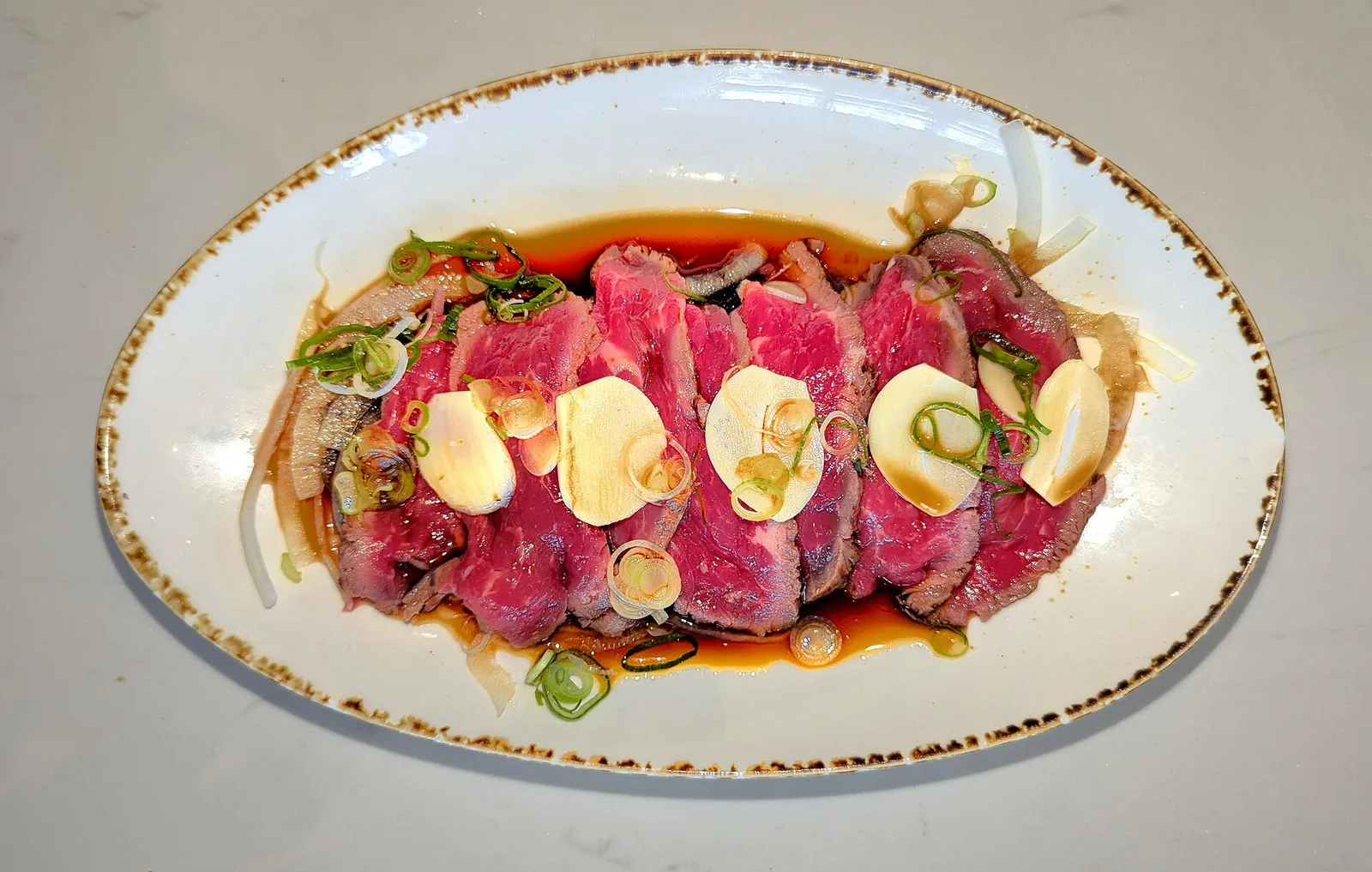
This beef tataki recipe sears a centre-cut piece of beef tenderloin hard on every side, chills it, and slices it thin, then serves the rare, rosy slices with a bright ponzu sauce, garlic, ginger and spring onions. The outside is caramelised and smoky, the inside stays cool and tender, and the citrus-soy dressing cuts through the richness. One serving is about 210 g.

Tataki comes from the Japanese word for pounding or searing, and the method was popularised in the 19th century in Kochi, on Shikoku, where bonito was seared over straw flame. The same quick-sear technique was soon applied to beef: a hard, fast sear on the outside, a cool rare centre, and a sharp citrus-soy sauce to finish. Today beef tataki is a fixture of izakaya menus across Japan, served cold or at room temperature as a starter.

Pairs well with: Steamed rice and a small bowl of miso soup

Provenance

Japan flag Japan

Japanese Izakaya Classic

East & South Asia

Time Dedication

25m

15m prep • 10m cook

Batch Yield

4 Servings

375 kcal per serving

1 serving ≈ 210 g

Technical Skill

Intermediate

Medium (Quick Sear)

Meal Timing & Digestive Fit

Breakfast

Not Advised

Lunch

Hearty Midday Main

Dinner

Ideal Hearty Main

Snack & Tea

Inappropriate

High Protein Occasions: Dinner party starter, izakaya night, light summer dinner Cost: Medium — about $7–9 per serving at home
Thin slices of seared rare beef tataki with ponzu sauce, garlic chips and spring onions on a white plate

Japanese Izakaya Classic

Photo: Daderot, CC0, via Wikimedia Commons

The Heritage Formulary

Measured Ingredients

Estimated cost: Medium — about $7–9 per serving at home (USD)

The beef is seared very hot and very briefly so the outside caramelises while the centre stays rare and cool.

Execution Methodology & Culinary Technique

Step-by-Step Cooking Guide

Active 25m
P

Prep Stage: Make the Ponzu and Ready the Beef

15 Mins • Ponzu + Slicing

Whisk the 60 g soy sauce, 30 g lime juice, 15 g mirin, 10 g rice vinegar and 10 g sesame oil in a small bowl, then stir in the 15 g grated ginger. Slice the 20 g garlic paper-thin, slice the 30 g spring onions on the diagonal, and slice the 60 g white onion paper-thin. Pat the 600 g beef tenderloin very dry, trim off any silver skin, and season it all over with the 2 g salt and 1 g black pepper. IMPORTANT FOOD-SAFETY NOTE: beef tataki is served rare, so the beef must be very fresh, from a trusted source, kept chilled until you cook it, and eaten promptly. Rare or raw beef carries a higher risk of foodborne illness for children, pregnant women, elderly people and anyone with a weakened immune system — those groups should not eat this dish.

Maestro Tip: A dry surface is what lets the beef sear instead of steam — pat it dry twice.

  1. 1

    Fry the Garlic Chips

    3 Mins Medium heat, about 160°C (320°F)

    Warm the 10 g vegetable oil in a small pan over medium heat. Add the 20 g sliced garlic and fry for 2–3 minutes, stirring, until pale gold and crisp. Lift out with a slotted spoon and drain on paper towel — the chips darken fast, so pull them out while they are still light gold.

    Garlic goes from golden to burnt in seconds — keep the heat gentle and watch it.

    Done when: Garlic chips pale gold, crisp, not brown.

  2. 2

    Sear the Beef Hard on Every Side

    4 Mins Very hot pan, about 230°C (450°F)

    Heat a heavy pan over the highest heat until it just starts to smoke, then add the remaining oil. Lay the 600 g beef in the pan and sear for about 1 minute per side, including the ends, until a deep brown crust forms all over. The centre should stay rare and cool — do not cook it through. Work in a well-ventilated kitchen, as the pan will smoke.

    Do not move the beef while it sears — leaving it still is what builds the crust.

    Done when: Deep brown crust on every side, centre still rare and cool to the touch.

  3. 3

    Chill and Slice the Beef Thin

    10 Mins Chilling in an ice bath, about 0°C (32°F)

    Plunge the seared beef into a bowl of iced water for 30 seconds to stop the cooking, then pat it completely dry. Wrap it tightly in cling film and chill in the freezer for 8–10 minutes so it firms up. Unwrap and slice it as thin as you can — about 3 mm — with a very sharp knife, cutting across the grain.

    A brief chill firms the beef just enough to slice it thin without tearing.

    Done when: Slices about 3 mm thick, rosy red inside with a browned edge.

  4. 4

    Plate with Ponzu and Serve at Once

    3 Mins Room temperature, about 20°C (68°F)

    Scatter the 60 g sliced white onion over a cold serving plate. Fan the beef slices over the onion in overlapping rows, spoon the ponzu over the top, and finish with the fried garlic chips, the 30 g spring onions and the 5 g sesame seeds. Serve immediately, while the beef is still cool and the ponzu is bright.

    Serve the tataki the moment it is plated — it is at its best cold and fresh, not left standing.

    Done when: Rosy slices fanned out, ponzu glistening, garlic crisp on top.

Finishing Touches & Plating

Serve the beef tataki cold or at room temperature, with the ponzu spooned over and the garlic chips and spring onions on top, and eat it promptly.

Nutritional Physiology & Benefits

Nutrition

Energy

375

kcal / serving

Protein

33g

Complete AA

Carbs

8g

Complex

Fats

23g

Healthy

Per serving (4 servings · 1 serving ≈ 210 g)
Energy375 kcal
Protein33 g
Carbohydrates8 g
Fat23 g
Fibre0.9 g
Sugar2.7 g
Sodium1108 mg
Per 100g
Energy179 kcal
Protein15.7 g
Carbohydrates3.7 g
Fat10.8 g
Fibre0.4 g
Sugar1.3 g
Sodium528 mg

Nutrition values are estimated — calculated from USDA FoodData Central values for the listed ingredients.

Vitamins & minerals: Provides iron, zinc and vitamin B12 from the beef, vitamin C from the lime juice, and vitamin K from the spring onions.

High in Protein

About 33.0 g of protein per serving from the beef tenderloin, so a plate keeps you full without feeling heavy.

Light and Fresh

The beef is served cool with a citrus ponzu dressing instead of a heavy sauce, so the dish tastes bright and clean.

Iron and Vitamin B12

Beef is a natural source of iron and vitamin B12, nutrients that support normal red blood cell formation.

Food Pairings

What to Eat With

To optimize nutrient absorption and elevate the sensory depth, pair with these authentic accompaniments:

Sides

Steamed Rice

Plain steamed rice soaks up the ponzu and gives the cool, rich beef a warm, neutral base.

Vegetables

Cucumber Salad

Crisp cucumber with rice vinegar echoes the ponzu and refreshes the palate between slices.

Soups

Miso Soup

A small hot bowl of miso soup balances the cool tataki and rounds out the meal.

Drinks

Cold Green Tea

Unsweetened cold green tea is the classic izakaya partner — clean, cold and palate-cleansing.

Complete menu

Serve the beef tataki as a starter with steamed rice and miso soup, or as a light main with a cucumber salad and cold green tea.

Digestive Guardrails

What NOT to Combine

To prevent digestive distress, sluggishness, or palate clash, avoid pairing the dish with these elements:

Eating Tataki When Vulnerable to Foodborne Illness

Because the beef stays rare inside, this dish is not suitable for children, pregnant women, elderly people or anyone with a weakened immune system. Those groups should choose fully cooked beef instead. This is general food information, not medical advice.

Leaving Sliced Tataki Standing

Sliced rare beef should be eaten promptly and never left at room temperature for long, as bacteria grow quickly on raw and rare meat. Keep it chilled and serve at once. This is general food information, not medical advice.

General information only, not medical advice — consult a doctor for personal dietary decisions.

Who Should Eat It

Who Should Eat

  • General adultsA light, protein-rich dinner with about 33.0 g of protein per serving — one plate is a full starter or a light main.
  • ChildrenNot recommended for children, because the beef is served rare. Offer children fully cooked beef instead.
  • ElderlyNot recommended for elderly eaters, because the beef is served rare and the risk of foodborne illness is higher.
  • Pregnant womenNot recommended during pregnancy, because the beef is served rare. Ask your clinician about safe beef options.
  • Breastfeeding womenBest avoided while breastfeeding unless the beef is cooked through — the rare centre carries a foodborne illness risk. Ask your clinician.
  • AthletesAbout 33.0 g of protein and 375 kcal per serving make it good recovery food after training, when the beef is from a trusted source.
  • Weight gainAt about 375 kcal with plenty of protein it suits weight gain when served as a full plate with steamed rice.
  • Weight lossAt about 375 kcal a serving it is a filling choice for weight loss — enjoy one plate and keep the rice portion small.

Health Conditions — Adjust or Avoid

Conditions

  • DiabetesAbout 7.8 g of carbohydrate per serving, so it is low in carbohydrate — the mirin and lime in the ponzu add only a little sugar. Ask your clinician about portions.
  • High blood pressureOne serving carries about 1108 mg of sodium, mostly from the soy sauce in the ponzu — use a low-sodium soy sauce and less ponzu if salt matters for you. Ask your clinician about portions.
  • Kidney diseaseHigh in protein and sodium, so portions should stay modest on some kidney diets. Ask your clinician about portions.
  • GoutBeef contributes purines, so keep to one modest plate and drink water with the meal. Ask your clinician.
  • Stomach issuesThe citrus ponzu and raw onion can irritate a sensitive stomach — skip the onion bed and use less ponzu if needed. Ask your clinician.
  • Cardiovascular diseaseTenderloin is a lean cut, but the dish still carries about 22.7 g of fat per serving — keep portions modest. Ask your clinician.
  • Fatty liverAbout 22.7 g of fat per serving with plenty of lean protein, so a modest plate fits a liver-friendly meal. Ask your clinician.
  • Food allergiesContains soy and wheat in the soy sauce and sesame in the oil and seeds — use tamari and omit the sesame if you are allergic. The dish contains no egg, milk or nuts.
  • Special therapeutic dietsHigh in protein, low in carbohydrate, and served rare — check the soy sauce and the rare beef against your diet plan and ask your clinician.

If you have a medical condition, consult your doctor before changing your diet.

Storage & Use

Storage & Use

How to store
Tataki is best eaten the day it is made. If you must keep it, wrap the unsliced beef tightly and refrigerate at once.
In the fridge
1 day, unsliced beef only, wrapped tightly.
In the freezer
Not recommended — freezing and thawing ruins the rare texture.
How to reheat
Do not reheat — tataki is served cold or at room temperature. Reheating would cook the rare centre through.
Freezing recommended
No.
Signs it has spoiled
Sour or off smell, slimy surface, or grey-brown colour through the centre.

More recipes to explore

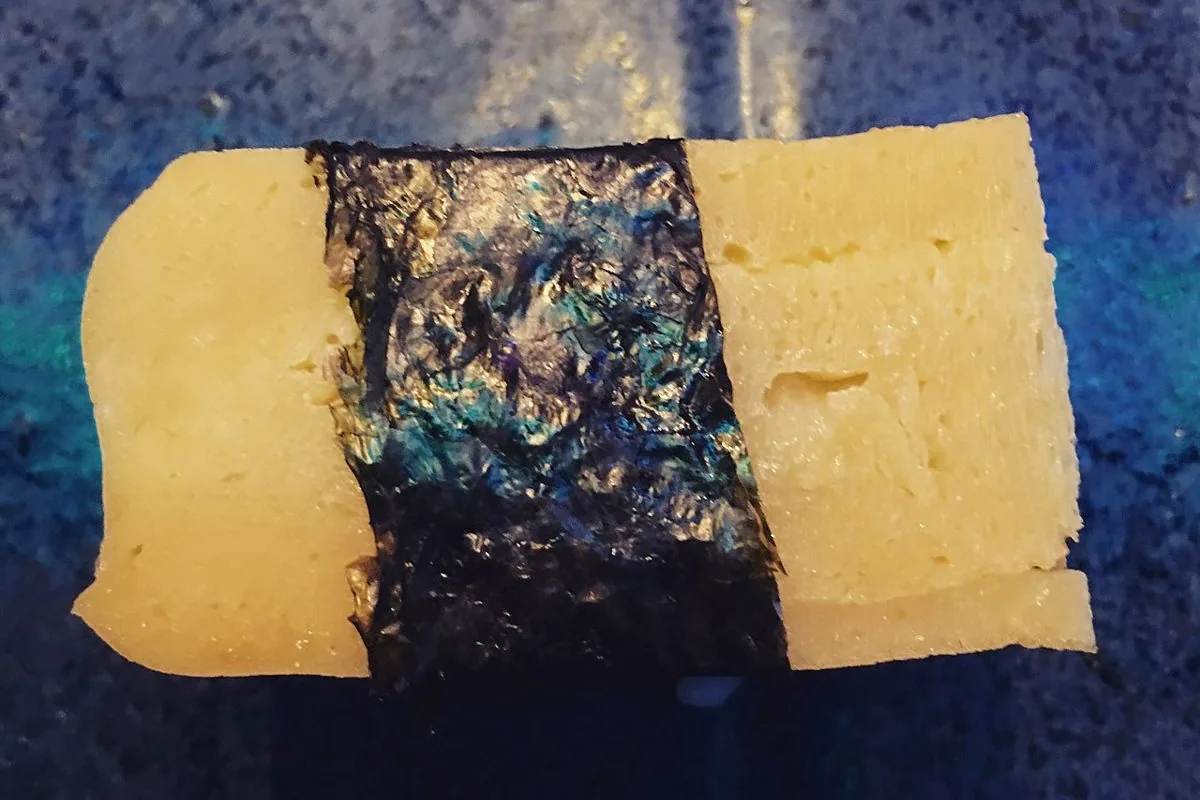
Sliced tamagoyaki rolled omelette wrapped in nori on a blue plate Japan flag Japan 25m
Breakfast •Edo Traditional

Tamagoyaki, Miso & Gohan

Dashi-infused rolled omelet served with live cultured miso broth and sea kelp for foundational gastrointestinal conditioning. One serving is about 580 g.

Digestive Gut Health

Silky rolled omelette with miso soup and steamed rice.

Pairs Well With
Fermented Natto & Sencha Green Tea
High Protein • Fermented / Gut Health • Quick Prep (<30m)
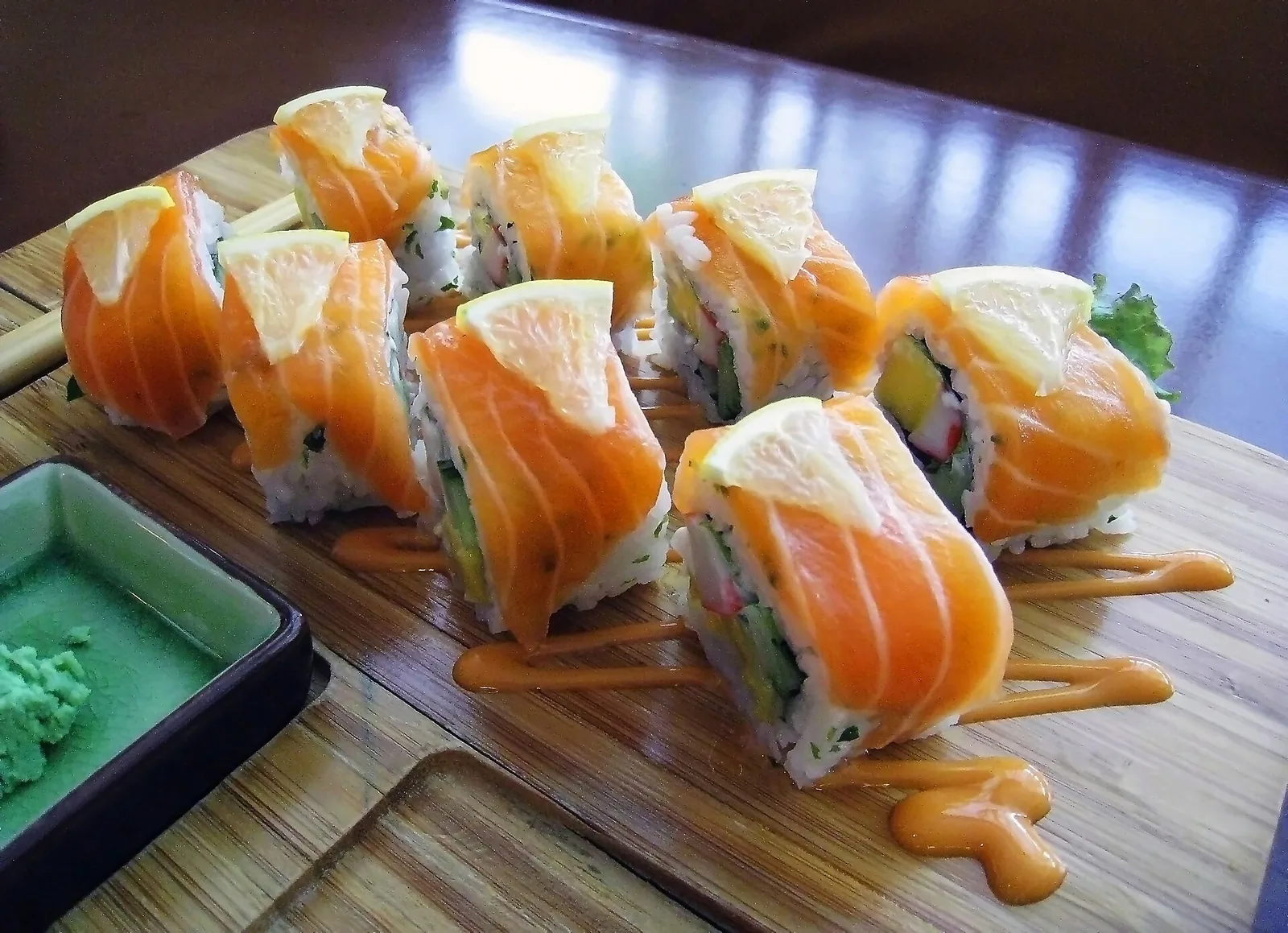
Salmon sushi rolls topped with salmon and lemon wedges on a wooden board, with wasabi Japan flag Japan 1h
Lunch •Edo-Style Sushi

Salmon Sushi Rolls (Maki)

This salmon sushi rolls recipe shows how to season sushi rice, slice sashimi-grade salmon and roll neat maki with cucumber and avocado. One serving is about 393 g — one full roll, cut into 8 pieces.

Light & Fresh

Sushi rice, sashimi-grade salmon and cucumber rolled in nori — light, fresh and protein-rich.

Pairs Well With
Miso soup, pickled ginger and a pot of green tea
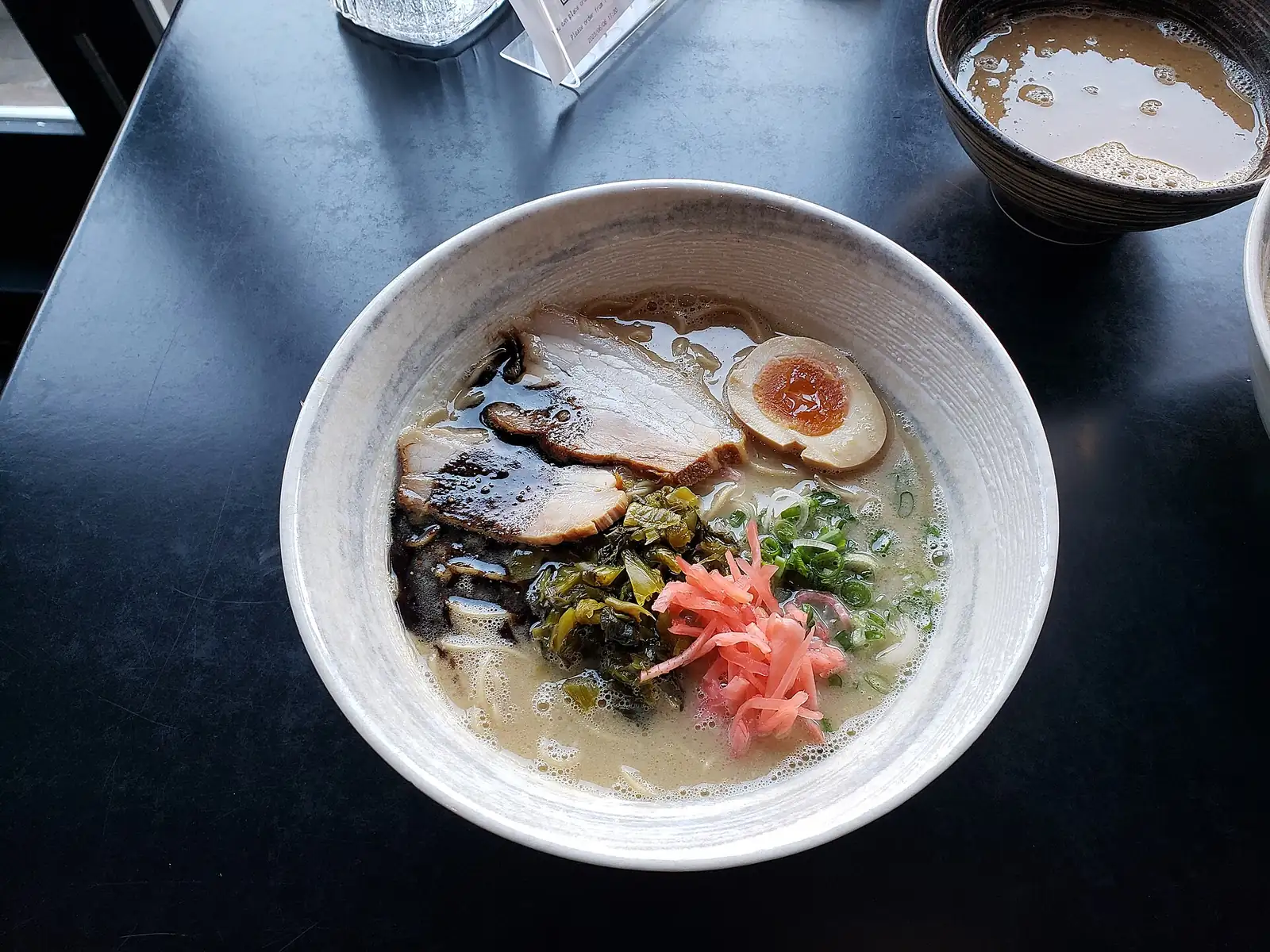
A bowl of tonkotsu ramen with chashu pork, a soft egg, spring onion and pickled ginger Japan flag Japan 3h 30m
Lunch •Hakata Yatai Style

Tonkotsu Ramen

This tonkotsu ramen recipe uses a pressure cooker to get the milky, pork-bone broth that normally takes all day, then builds the bowl with thin noodles, chashu pork and a soft egg. One serving is about 760 g.

Rich & Warming

Milky pork-bone broth, thin noodles, chashu pork and a soft egg — the richest bowl in ramen.

Pairs Well With
Gyoza, pickled ginger and a cold beer or iced barley tea
Soups & Broths • High Protein
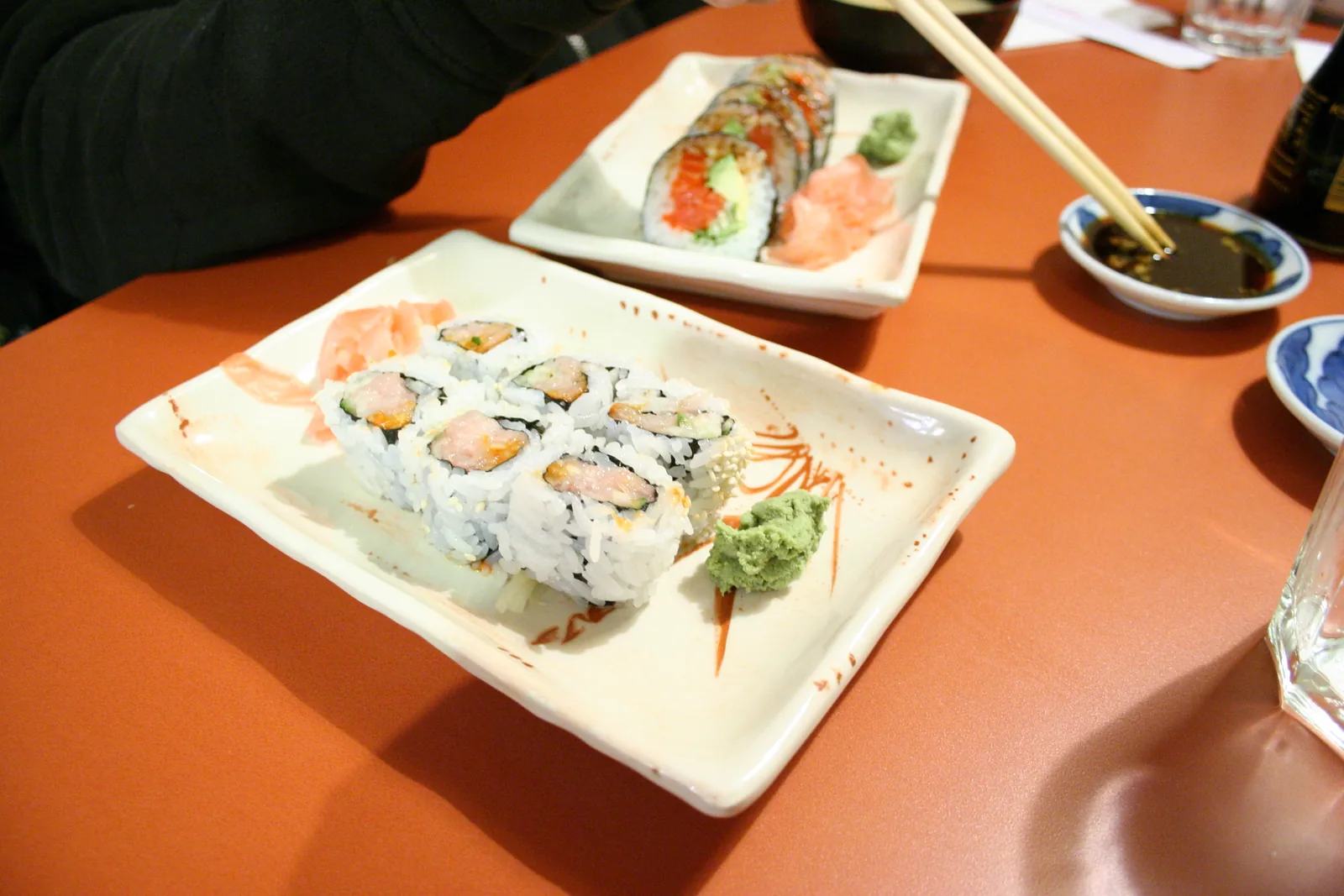
A plate of spicy tuna uramaki rolls with pickled ginger and wasabi, the pink tuna filling visible in the cut rolls Japan flag Japan 1h
Lunch •American Sushi Classic

Spicy Tuna Roll

This spicy tuna roll recipe shows how to season sushi rice, chop sashimi-grade tuna with spicy mayo, and roll neat rice-outside uramaki with cucumber and avocado. One serving is about 355 g — one full roll, cut into 8 pieces.

Light & Fresh

A cool, light sushi roll with raw tuna, cucumber and avocado — fresh, filling and quick to assemble once the rice is ready.

Pairs Well With
Miso soup, pickled ginger and iced green tea

The Dinner Gazette

Never wonder what’s for dinner again

One email a week with easy dinner ideas from around the world — ingredients, steps and nutrition, tested in our kitchen first.

Delivered every Thursday morning. Unsubscribe anytime.