Curated recipes from 193 countries  •  New seasonal Mediterranean issue out now

Overview

Bife de Atum

Bifes de Atum, Portuguese Grilled Tuna Steak, Atum Grelhado

This bife de atum recipe is the grilled tuna steak of Portugal's Algarve coast: thick yellowfin steaks marinated in garlic, lemon juice, white wine, paprika and bay, then grilled over high heat so the outside is marked and savoury while the centre stays pink and juicy. It comes to the table with boiled potatoes and a tomato and red onion salad, the way the seaside restaurants of Tavira serve it. One serving is about 410 g.

Tavira, on the eastern Algarve, was once the tuna capital of Portugal — for centuries the town lived on the great bluefin tuna that migrated past its coast, caught in the huge almadraba nets and celebrated in its restaurants. The local way with a tuna steak is simple: a short marinade of garlic, lemon and white wine, a fierce grill, and boiled potatoes with a tomato salad on the side. Madeira has its own version, marinated for hours, and the Azores another, but the Algarve plate stays the same — hot fish, plain potatoes, sharp salad, and a glass of vinho verde.

Pairs well with: Boiled potatoes, tomato salad and a glass of vinho verde

Provenance

Portugal flag Portugal

Algarve Coastal Classic

Mediterranean & Italy

Time Dedication

40m

25m prep • 15m cook

Batch Yield

4 Servings

477 kcal per serving

1 serving ≈ 410 g

Technical Skill

Easy

Easy (Grill Pan)

Meal Timing & Digestive Fit

Breakfast

Not Advised

Lunch

Prime Metabolic Fit

Dinner

Ideal Hearty Main

Snack & Tea

Inappropriate

High Protein Occasions: Summer lunch, seaside dinner, barbecue, family lunch, light dinner Cost: Medium — about $6–7 per serving at home

Grilled tuna steak with dark crosshatch grill marks and herb salsa, served with potatoes, tomatoes, green beans and egg

Algarve Coastal Classic

Photo: MDRX, CC BY-SA 4.0, via Wikimedia Commons

The Heritage Formulary

Measured Ingredients

Estimated cost: Medium — about $6–7 per serving at home (USD)
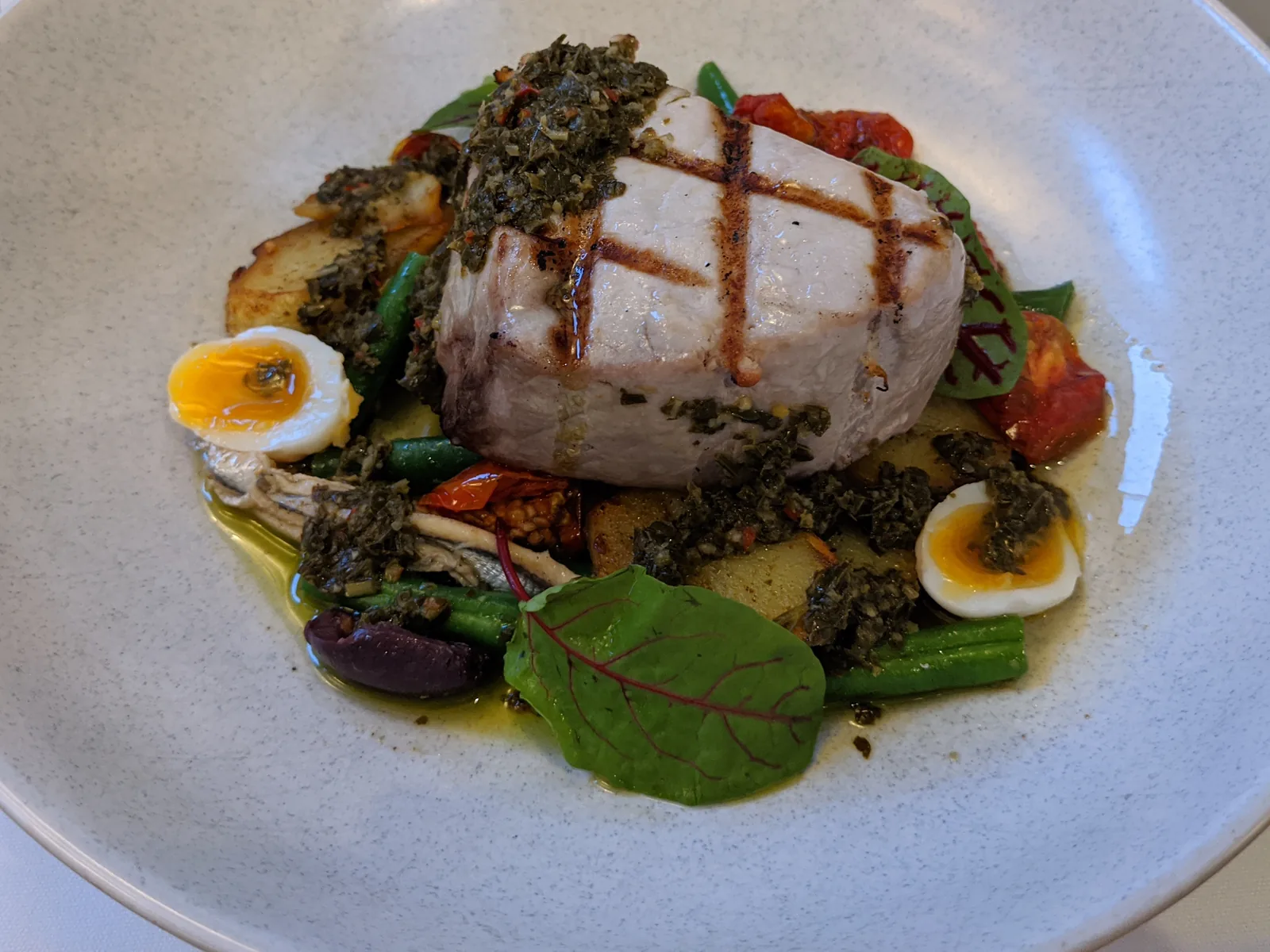
A good bife de atum is marked dark outside and pink inside, with the garlic sauce bright and the potatoes hot — never grey all the way through.

Execution Methodology & Culinary Technique

Step-by-Step Cooking Guide

Active 40m
P

Prep Stage: Marinate the Tuna, Potatoes on the Hob

25 Mins • Bowls and Grill

Whisk the olive oil, crushed garlic, lemon juice and zest, white wine, paprika, bay leaf and half the salt into a shallow dish, lay the tuna steaks in a single layer and turn them once so both sides are coated. Leave them for 15 minutes while you put the potatoes on to boil in salted water and halve the tomatoes and slice the onion for the salad.

Maestro Tip: Fifteen minutes is enough for this marinade — longer in the lemon juice starts to cure the surface of the fish and dulls the grill marks.

  1. 1

    Marinate the Tuna Steaks

    15 Mins Room temperature, about 20°C (68°F)

    Lay the 4 tuna steaks in the marinade in a single layer and turn each one once so both sides are coated. Cover and leave at room temperature for 15 minutes, turning once halfway through. Lift the steaks out, let the excess marinade drip off, and season with black pepper — the marinade left in the dish is saved for the pan sauce.

    Pat the steaks dry-ish before grilling; a wet surface steams instead of searing, and you lose the grill marks.

    Done when: Steaks evenly coated, smelling of garlic, lemon and paprika.

  2. 2

    Boil the Potatoes and Build the Salad

    15 Mins Boiling water, 100°C (212°F)

    Put the potatoes in a pot of cold salted water, bring to the boil and simmer for 12–15 minutes until a knife slides in easily, then drain and keep warm. While they cook, toss the halved cherry tomatoes and sliced red onion with a pinch of salt and a drizzle of olive oil.

    Start the potatoes in cold water so they cook through evenly instead of bursting outside and staying hard inside.

    Done when: Potatoes tender all the way through, tomato salad glossy and lightly salted.

  3. 3

    Grill the Tuna Over High Heat

    8 Mins High heat, about 230°C (450°F); tuna to 63°C (145°F)

    Heat the grill or a heavy grill pan until very hot and brush it with oil. Lay the steaks down and grill for 3–4 minutes on the first side without moving them, until dark grill marks form. Turn once and grill 3–4 minutes more — the centre should still be pink and the fish must reach 63°C (145°F). Rest the steaks for 2 minutes.

    Do not press the steaks down — pressing squeezes out the juices that keep the centre pink and moist.

    Done when: Dark crosshatch marks outside, a pink centre, reading 63°C (145°F).

  4. 4

    Make the Quick Garlic Pan Sauce

    3 Mins Medium heat, about 160°C (320°F)

    Pour the saved marinade into the hot grill pan and let it bubble for 1–2 minutes until it thickens slightly and smells of garlic and wine. Take it off the heat, stir in the chopped parsley and a squeeze of lemon, and taste for salt.

    Boil the marinade hard — it touched raw fish, so it must be cooked through before it goes on the plate.

    Done when: A glossy, garlicky sauce that coats a spoon.

  5. 5

    Plate with Potatoes and Salad

    2 Mins Serve hot, about 70°C (158°F)

    Set a tuna steak on each plate with a spoonful of boiled potatoes and the tomato and onion salad beside it. Spoon the warm garlic sauce over the steaks and scatter the rest of the parsley on top. Serve immediately, with lemon wedges and crusty bread on the table.

    Resting the steaks for 2 minutes first lets the juices settle, so they stay in the fish instead of running onto the plate.

    Done when: Hot plates of pink-centred tuna with potatoes, bright tomato salad and glistening garlic sauce.

Finishing Touches & Plating

Serve the bife de atum hot from the grill, the tuna pink inside and marked outside, with the warm garlic sauce spooned over and the potatoes and tomato salad alongside — eat it while the grill marks are still crisp.

Nutritional Physiology & Benefits

Nutrition

Energy

477

kcal / serving

Protein

52g

Complete AA

Carbs

36g

Complex

Fats

13g

Healthy

Per serving (4 servings · 1 serving ≈ 410 g)
Energy477 kcal
Protein52 g
Carbohydrates36 g
Fat13 g
Fibre4.2 g
Sugar3.6 g
Sodium476 mg
Per 100g
Energy116 kcal
Protein12.7 g
Carbohydrates8.9 g
Fat3.1 g
Fibre1 g
Sugar0.9 g
Sodium116 mg

Nutrition values are estimated — calculated from USDA FoodData Central values for the listed ingredients.

Vitamins & minerals: Vitamin B12, niacin and selenium (tuna), vitamin C (lemon, tomato, parsley), potassium (potato, tomato).

About 52 g of Protein per Serving

A 200 g tuna steak gives about 52 g of lean protein per serving, so this lunch keeps you full for hours without feeling heavy.

Omega-3s and Selenium from Tuna

Tuna is a natural source of omega-3 fats, vitamin B12 and selenium — nutrients that support heart and brain health.

Grilled, Not Fried

Grilling adds flavour with only a brush of olive oil, and the plate is finished with fresh tomato, onion and potato rather than a heavy sauce.

Food Pairings

What to Eat With

To optimize nutrient absorption and elevate the sensory depth, pair with these authentic accompaniments:

Sides

Crusty Bread

Crusty bread is for the garlic pan sauce — it soaks up every drop, and no Portuguese fish lunch is complete without it.

Vegetables

Green Salad

A simple lettuce and cucumber salad adds crunch and coolness beside the hot, rich tuna.

Soups

Caldo Verde

A small bowl of caldo verde before the tuna is the classic Portuguese start — light, green and warming.

Drinks

Vinho Verde

A cold, lightly sparkling vinho verde is the Algarve answer to grilled fish — crisp, low in alcohol and made for lemon and garlic.

Complete menu

Start with caldo verde, then bife de atum with boiled potatoes and tomato salad, and finish with fresh fruit and vinho verde.

Digestive Guardrails

What NOT to Combine

To prevent digestive distress, sluggishness, or palate clash, avoid pairing the dish with these elements:

Overcooking the Tuna

Tuna cooked past 63°C (145°F) all the way through turns grey, dry and chalky — aim for a pink centre and rest it before cutting. This is general cooking guidance, not medical advice.

A Heavy Cream Sauce

A cream sauce drowns the clean flavour of the tuna and the garlic-lemon marinade — the light pan sauce is all it needs.

General information only, not medical advice — consult a doctor for personal dietary decisions.

Who Should Eat It

Who Should Eat

  • General adultsA lean, high-protein lunch — one steak with potatoes and salad is a complete meal for most adults.
  • ChildrenSuitable for children who eat fish; keep the centre cooked a little more for young children and check for bones.
  • ElderlySoft, easy to chew and high in protein; keep the portion to one steak and go easy on the salt.
  • Pregnant womenFine when the tuna is cooked through to 63°C (145°F); tuna is a larger fish, so keep portions moderate and vary the fish you eat.
  • Breastfeeding womenA strong choice — lean protein, B12 and omega-3s; keep the potatoes modest if you are watching carbohydrates.
  • AthletesAn excellent post-training lunch at about 52 g of protein per serving, with potatoes for recovery carbohydrate.
  • Weight gainA good choice — add extra potatoes and bread to raise the energy.
  • Weight lossLean and filling at about 477 kcal a serving; keep the potatoes to one small portion and load up on salad.

Health Conditions — Adjust or Avoid

Conditions

  • DiabetesThe tuna itself is low in carbohydrate; the potatoes are the main carb — keep them to a small portion and ask your clinician if unsure.
  • High blood pressureMost of the sodium is the added salt — season lightly and skip extra salt on the potatoes, and ask your clinician about a suitable portion.
  • Kidney diseaseHigh in protein from the tuna, so keep to one steak and ask your clinician about portion size.
  • GoutTuna is moderate in purines — one steak in a modest portion is usually fine, but ask your clinician if you have frequent flares.
  • Stomach issuesUsually gentle; the garlic, lemon and wine in the marinade are mild, but skip the raw onion if it bothers you.
  • Cardiovascular diseaseA good choice — lean fish rich in omega-3s with olive oil; keep the salt light.
  • Fatty liverLean and low in fat for a fish lunch; keep the potatoes modest and favour the salad.
  • Food allergiesContains fish (tuna) and sulphites from the wine. Not suitable for fish allergy; the wine cooks down but check if you avoid alcohol entirely.
  • Special therapeutic dietsIf you follow a prescribed low-sodium diet, use half the salt and skip salting the potatoes, and check with your clinician.

If you have a medical condition, consult your doctor before changing your diet.

Storage & Use

Storage & Use

How to store
Cool quickly and store the tuna, potatoes and salad in separate airtight containers in the fridge.
In the fridge
Up to 1 day — grilled tuna is best eaten the day it is cooked.
In the freezer
Not recommended — thawed tuna turns dry and the potatoes go grainy.
How to reheat
Warm the tuna gently in a covered pan over low heat with a splash of water until hot through, reaching 74°C (165°F); do not reheat more than once.
Freezing recommended
No — cook only what you will eat.
Signs it has spoiled
Strong fishy or sour smell, slimy surface, or flesh that has turned grey-green.

More recipes to explore

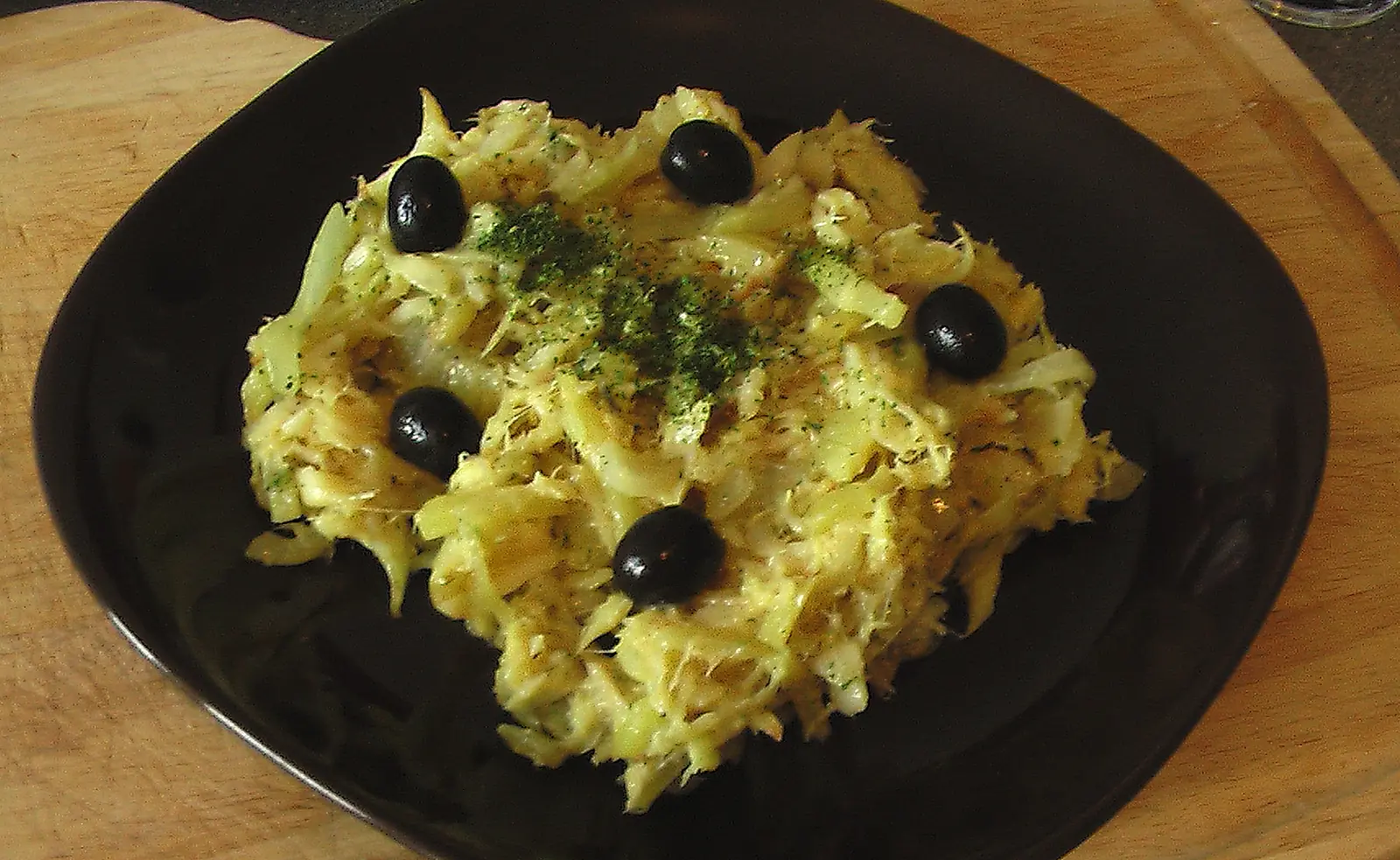
A plate of bacalhau à brás — shredded salt cod with egg and matchstick potatoes, black olives and parsley Portugal flag Portugal 50m
Dinner •Lisbon Tavern Classic

Bacalhau à Brás

Bacalhau à brás recipe: desalted shredded cod, golden matchstick potatoes and softly scrambled egg, finished with black olives and parsley. One serving is about 350 g.

Comfort & Protein

Shredded salt cod folded with egg and crisp matchstick potatoes — a filling, protein-rich Lisbon supper.

Pairs Well With
A simple green salad and a glass of vinho verde
High Protein
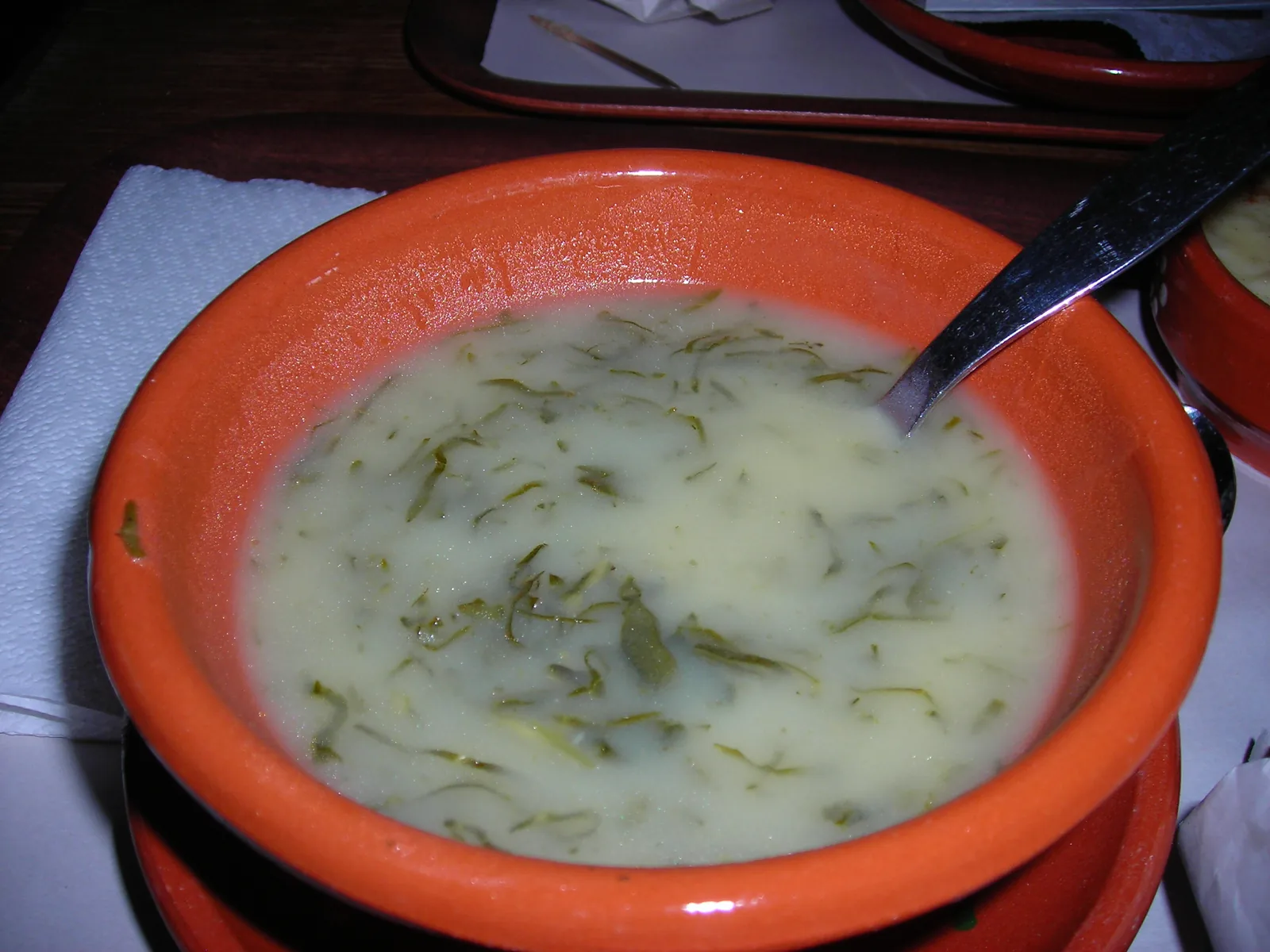
A terracotta bowl of caldo verde — pale potato soup with shredded green kale and a spoon Portugal flag Portugal 50m
Dinner •Minho National Soup

Caldo Verde

Caldo verde recipe: creamy potato soup blended smooth, with ribbons of kale and slices of chouriço, finished with a thread of olive oil. One serving is about 590 g.

Comfort & Warmth

Silky potato soup with finely shredded kale and smoky chouriço — Portugal's best-loved bowl.

Pairs Well With
Crusty broa bread and a glass of vinho verde
Soups & Broths
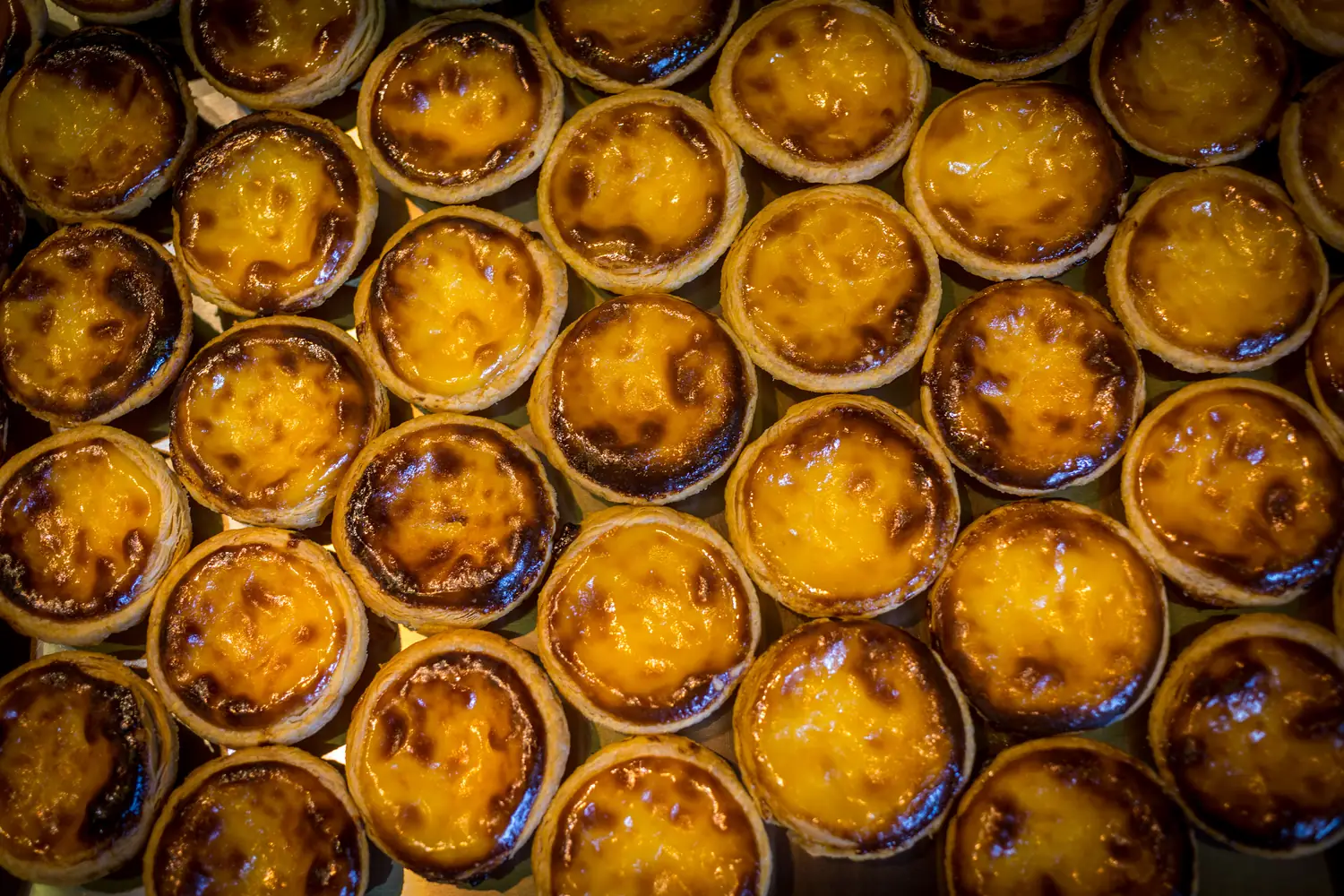
A tray of pastel de nata — golden custard tarts with blistered, caramelised tops in flaky pastry Portugal flag Portugal 50m
Snack & Tea •Belém Monastery Tart

Pastel de Nata

Pastel de nata recipe: shatteringly crisp puff pastry shells filled with warm, vanilla-cinnamon egg custard, baked until blistered on top. One serving is about 187 g (2 tarts).

Sweet Treat

Crisp, flaky pastry cups filled with cinnamon-scented egg custard, blistered in a very hot oven.

Pairs Well With
A small strong coffee (bica) and a dusting of cinnamon
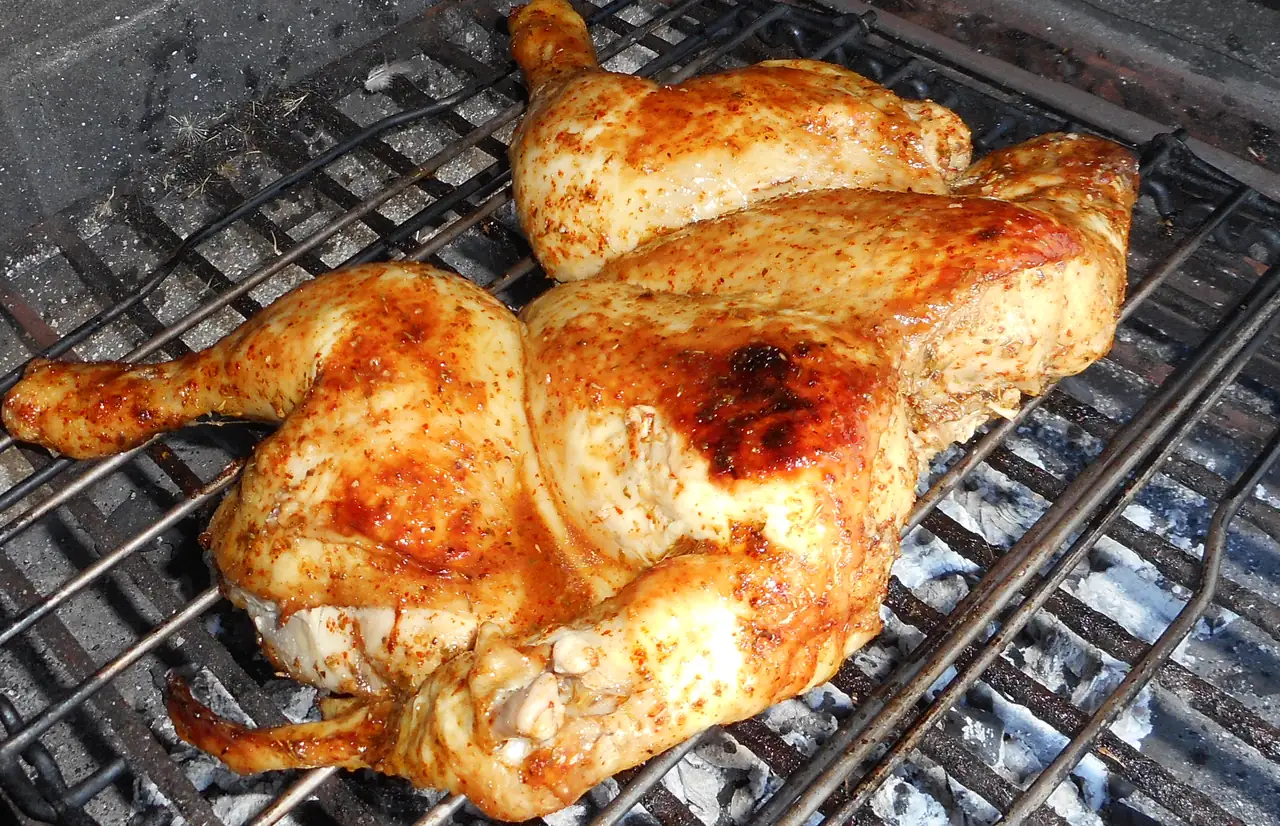
Butterflied piri piri chicken grilling over charcoal, golden-red with chilli spice Portugal flag Portugal 55m
Dinner •Algarve Heritage

Frango Piri Piri

Frango piri piri is Portugal's most famous chicken: a whole bird butterflied flat, rubbed with a fiery paste of piri piri chillies, garlic, lemon and paprika, then grilled over charcoal until the skin turns crisp and red-gold. This piri piri chicken recipe is the Algarve way — an overnight marinade, a hot grill, and a warm butter baste at the end. One serving is about 210 g.

Spicy Char-Grill

A butterflied chicken marinated in piri piri chilli, garlic and lemon, grilled over charcoal until the skin is crisp and reddened.

Pairs Well With
Chips, tomato-onion salad and a cold beer.
High Protein

The Dinner Gazette

Never wonder what’s for dinner again

One email a week with easy dinner ideas from around the world — ingredients, steps and nutrition, tested in our kitchen first.

Delivered every Thursday morning. Unsubscribe anytime.