
Curated recipes from 193 countries  •  New seasonal Mediterranean issue out now

Overview

Biftekia

Greek Grilled Beef Patties, Bifteki

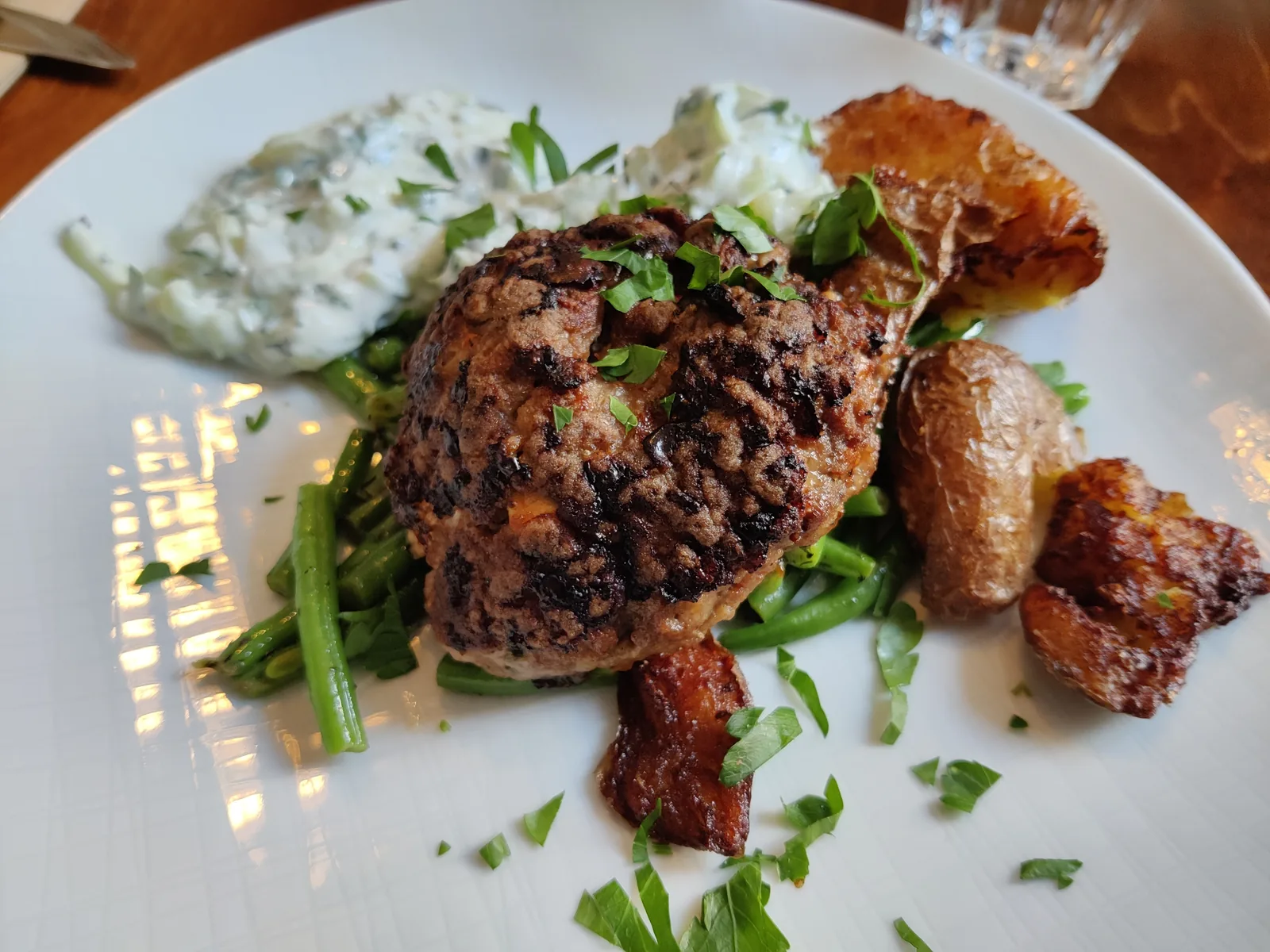
This biftekia recipe makes Greece's big grilled beef patties: minced beef mixed with mint, oregano and parsley, wrapped around a crumbling of feta, then grilled until charred outside and juicy inside. They are the generous cousins of little fried keftedes — twice the size, cooked on the grill, and best eaten hot with tzatziki. One serving is about 200 g, two patties.

Biftekia take their name from the French bifteck, beefsteak, which entered Greek through the tavernas of the 19th century and became bifteki — a large grilled patty rather than a steak. Unlike little fried keftedes, biftekia are made big, grilled over charcoal, and often stuffed with feta, and they remain a staple order on taverna menus across Greece.

Pairs well with: Tzatziki, lemon roast potatoes and a Greek village salad

Provenance

Greece flag Greece

Greek Taverna Classic

Mediterranean & Italy

Time Dedication

1h 5m

50m prep • 15m cook

Batch Yield

4 Servings

562 kcal per serving

1 serving ≈ 200 g

Technical Skill

Intermediate

Medium (Grilled Patties)

Meal Timing & Digestive Fit

Breakfast

Not Advised

Lunch

Hearty Midday Main

Dinner

Ideal Hearty Main

Snack & Tea

Inappropriate

Occasions: Summer grills, taverna nights, family dinners, weekend barbecues Cost: Low — about $3–4 per serving at home
Biftekia — a large grilled Greek beef patty with tzatziki, roast potatoes and green beans on a white plate

Greek Taverna Classic

Photo: Simon Legner, CC BY-SA 4.0, via Wikimedia Commons

The Heritage Formulary

Measured Ingredients

Estimated cost: Low — about $3–4 per serving at home (USD)

A good biftekia is judged by the contrast: charred and crusty outside, juicy inside, with the feta melted into a soft pocket at the centre.

Execution Methodology & Culinary Technique

Step-by-Step Cooking Guide

Active 1h 5m
P

Prep Stage: Mix, Stuff & Chill

50 Mins • Hands-On + Chilling

Mix the beef with onion, breadcrumbs, egg, oil, garlic and herbs until sticky, then divide into 8 portions. Flatten each one, pile feta in the middle, fold the meat around it and seal the edges. Shape into thick oval patties and chill for 30 minutes so they hold together on the grill.

Maestro Tip: Seal the feta in completely — any gap lets the cheese melt out onto the coals.

  1. 1

    Mix the Meat

    10 Mins Room temperature, 20°C (68°F)

    Combine the beef, grated onion, breadcrumbs, beaten egg, half the olive oil, garlic, mint, oregano, parsley, salt and pepper in a large bowl. Mix with your hands for about 5 minutes until the mixture is sticky and holds together.

    The grated onion keeps the patties moist from the inside as they grill.

    Done when: Mixture is sticky and uniform, with herbs flecked through it.

  2. 2

    Stuff with Feta

    10 Mins Room temperature, 20°C (68°F)

    Divide the mixture into 8 equal portions. Flatten each one in your palm, place a spoonful of crumbled feta in the centre, then fold the meat over and pinch the edges shut. Shape into thick oval patties about 2 cm thick.

    Wet hands stop the meat sticking and give a smooth, sealed surface.

    Done when: Each patty is sealed all round, with no feta showing.

  3. 3

    Chill the Patties

    30 Mins Chilled, 4°C (39°F)

    Set the patties on a tray, cover loosely and refrigerate for 30 minutes. Cold, firm patties keep their shape on the grill instead of sagging through the bars.

    Do not skip the chill — warm patties are the main reason biftekia fall apart.

    Done when: Patties are firm and cold to the touch.

  4. 4

    Grill the Biftekia

    15 Mins Medium-high grill, ~220°C (425°F)

    Heat the grill or a ridged griddle pan until very hot and brush it with the remaining olive oil. Grill the patties for 6–7 minutes per side, turning once, until deeply browned outside and the centre reaches at least 71°C (160°F).

    Turn only once — moving them constantly stops the crust forming.

    Done when: Outside is charred in places, centre reads 71°C (160°F) or higher.

  5. 5

    Rest and Serve

    5 Mins Resting, ~60°C (140°F)

    Rest the patties for 5 minutes so the juices settle and the feta inside firms up slightly. Serve hot, two per person, with tzatziki and lemon on the side.

    Cutting straight away lets the melted feta run out onto the plate.

    Done when: Patties are juicy inside, with a soft pocket of melted feta.

Finishing Touches & Plating

Serve two patties per person with a generous spoonful of tzatziki, lemon wedges and warm pita. The first cut should reveal the melted feta in the middle — that is the moment the dish is made for.

Nutritional Physiology & Benefits

Nutrition

Energy

562

kcal / serving

Protein

46g

Complete AA

Carbs

13g

Complex

Fats

35g

Healthy

Per serving (4 servings · 1 serving ≈ 200 g)
Energy562 kcal
Protein46 g
Carbohydrates13 g
Fat35 g
Fibre1.6 g
Sugar1.7 g
Sodium771 mg
Per 100g
Energy281 kcal
Protein23.2 g
Carbohydrates6.3 g
Fat17.4 g
Fibre0.8 g
Sugar0.9 g
Sodium386 mg

Nutrition values are estimated — calculated from USDA FoodData Central values for the listed ingredients.

Vitamins & minerals: The beef supplies iron, zinc and vitamin B12, the herbs add vitamin K and vitamin C, and the feta adds calcium.

High in Protein

With about 46 g of protein per serving, biftekia are a genuinely filling dinner that supports muscle maintenance and keeps hunger away for hours.

Iron and B12

Beef is one of the richest everyday sources of iron and vitamin B12, which help carry oxygen around the body and keep energy steady.

Herbs, Not Just Seasoning

Mint, oregano and parsley bring real flavour plus vitamin K and antioxidants, so the patties need less salt to taste good.

Food Pairings

What to Eat With

To optimize nutrient absorption and elevate the sensory depth, pair with these authentic accompaniments:

Sides

Tzatziki

Cool, garlicky yoghurt is the natural partner — its acidity cuts the richness of the grilled beef and the saltiness of the feta.

Vegetables

Lemon Roast Potatoes

Crisp potatoes roasted with lemon and oregano soak up the meat juices and echo the same Greek flavours.

Greek Village Salad

Tomato, cucumber, red onion and olives with olive oil give a fresh, crunchy contrast to the hot, charred patties.

Drinks

A Glass of Red Wine

A medium-bodied red stands up to the grilled beef without overwhelming the herbs — the taverna pairing.

Complete menu

Serve biftekia as the main plate with tzatziki, lemon roast potatoes and Greek village salad; finish with fresh fruit and a small coffee.

Digestive Guardrails

What NOT to Combine

To prevent digestive distress, sluggishness, or palate clash, avoid pairing the dish with these elements:

Undercooked Minced Meat

Minced meat must reach 71°C (160°F) all the way through, because grinding spreads bacteria through the meat. Check the centre with a thermometer rather than guessing. This is general food-safety information, not medical advice.

Very Salty Sides with the Feta Filling

The feta inside is already salty, so pairing biftekia with another very salty side (olives, salted cheese) can push sodium higher than intended. This is general information, not medical advice.

General information only, not medical advice — consult a doctor for personal dietary decisions.

Who Should Eat It

Who Should Eat

  • General adultsA hearty, protein-rich dinner — two patties with salad and tzatziki make a complete meal.
  • ChildrenSuitable for children if you keep the seasoning gentle; cut the patty open and check the feta is not too hot inside.
  • ElderlyGood in a smaller portion — the meat is soft and easy to chew, but the dish is rich, so one patty with salad is plenty.
  • Pregnant womenGenerally suitable; make sure the meat is cooked right through to 71°C (160°F) and use pasteurised feta.
  • Breastfeeding womenGenerally suitable; the protein and iron support recovery — pair with salad and potatoes.
  • AthletesAn excellent post-training dinner: about 46 g of protein per serving with real vegetables on the side.
  • Weight gainA good choice — take a second patty and an extra spoonful of tzatziki.
  • Weight lossTake one patty, load the plate with village salad, and go easy on the potatoes.

Health Conditions — Adjust or Avoid

Conditions

  • DiabetesThe patties themselves are low in carbohydrate; keep potatoes and pita to a small portion and fill up on salad.
  • High blood pressureThe feta is salty — go light on added salt and skip extra salty sides. Ask your clinician about portion size.
  • Kidney diseaseKeep the portion modest and pair with plenty of salad; ask your clinician about portion size.
  • GoutBeef is high in purines, so eat occasionally and in a modest portion.
  • Stomach issuesThe grilled meat is usually gentle, but the char and the herbs can irritate a sensitive stomach — keep the portion modest.
  • Cardiovascular diseaseA rich dish — take one patty, favour the salad and tzatziki, and skip the fried potatoes.
  • Fatty liverKeep the portion modest and balance it with salad rather than extra bread.
  • Food allergiesContains egg (binder), wheat (breadcrumbs) and milk (feta). Check labels if you have an egg, wheat or milk allergy.
  • Special therapeutic dietsIf you follow a prescribed low-sodium or low-purine diet, use less salt and a smaller portion, and check with your clinician.

If you have a medical condition, consult your doctor before changing your diet.

Storage & Use

Storage & Use

How to store
Cool quickly and store patties in airtight containers, separate from the tzatziki and salad.
In the fridge
3 days.
In the freezer
Up to 3 months, cooked or raw (shape first, freeze on a tray, then bag).
How to reheat
Reheat in a hot oven at 190°C (375°F) until the centre reaches 74°C (165°F); the oven brings back the crust.
Freezing recommended
Yes — biftekia freeze very well, raw or cooked.
Signs it has spoiled
Sour smell, slimy surface, or grey discolouration.

More recipes to explore

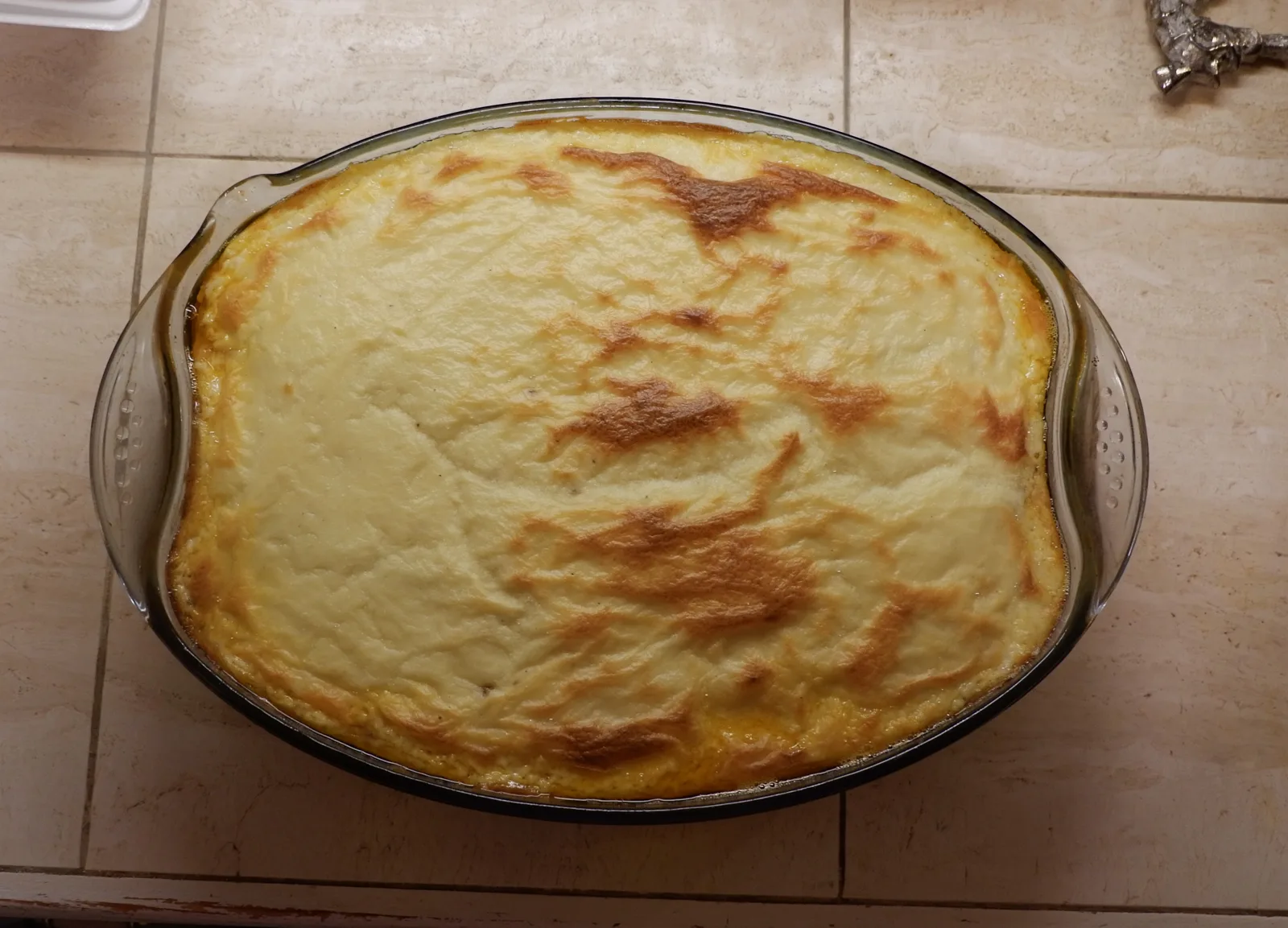
A whole Greek moussaka in a glass baking dish, its bechamel top baked golden brown with darker patches Greece flag Greece 2h
Dinner •Greek Classic

Greek Moussaka

Greek moussaka is a layered bake of fried aubergine and potato, a cinnamon-spiced beef sauce, and a thick bechamel that turns deep gold in the oven. It is the dish most Greek tavernas are judged by, and it is made for sharing at a slow family dinner. One serving is about 412 g.

Comfort & Warmth

A hearty layered bake built around aubergine, potatoes and a spiced meat sauce under a creamy bechamel topping.

Pairs Well With
Serve with a crisp Greek salad, warm bread and a glass of red wine.
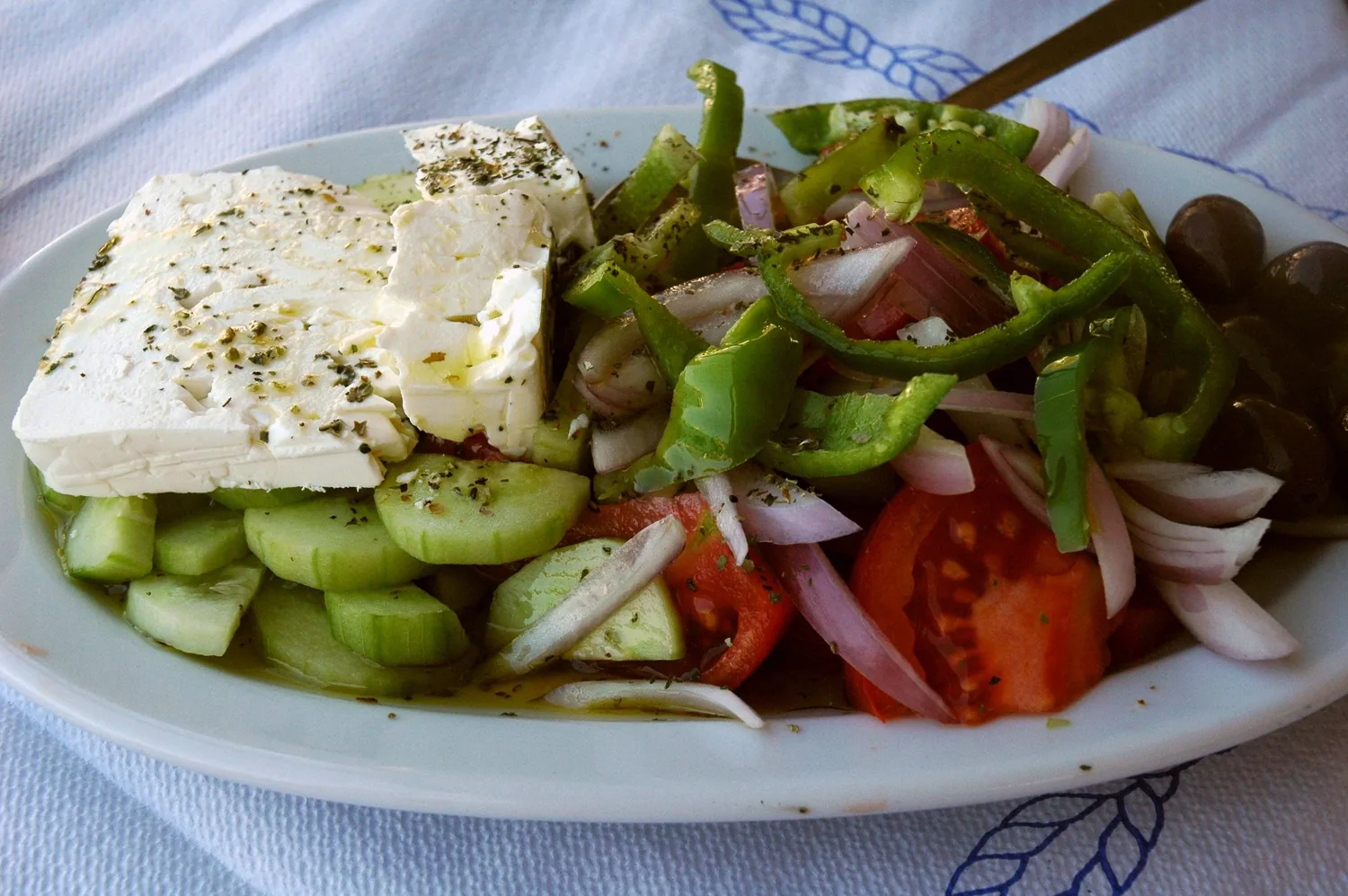
Greek salad (horiatiki) with a slab of feta sprinkled with oregano, Kalamata olives, tomato wedges, cucumber and red onion on a white plate Greece flag Greece 20m
Lunch •Aegean Table Classic

Greek Salad

This Greek salad recipe is the real horiatiki: chunky ripe tomatoes, peeled cucumber, red onion and green pepper, with Kalamata olives and a whole slab of feta on top, dressed with extra-virgin olive oil and dried Greek oregano. There is no lettuce and no heavy dressing — just summer vegetables at their best, ready in twenty minutes. One serving is about 411 g.

Fresh Summer Lunch

Crisp garden vegetables, salty feta and Kalamata olives under good olive oil — a bright, satisfying lunch with no cooking at all.

Pairs Well With
Crusty bread & grilled fish
Quick Prep (<30m)
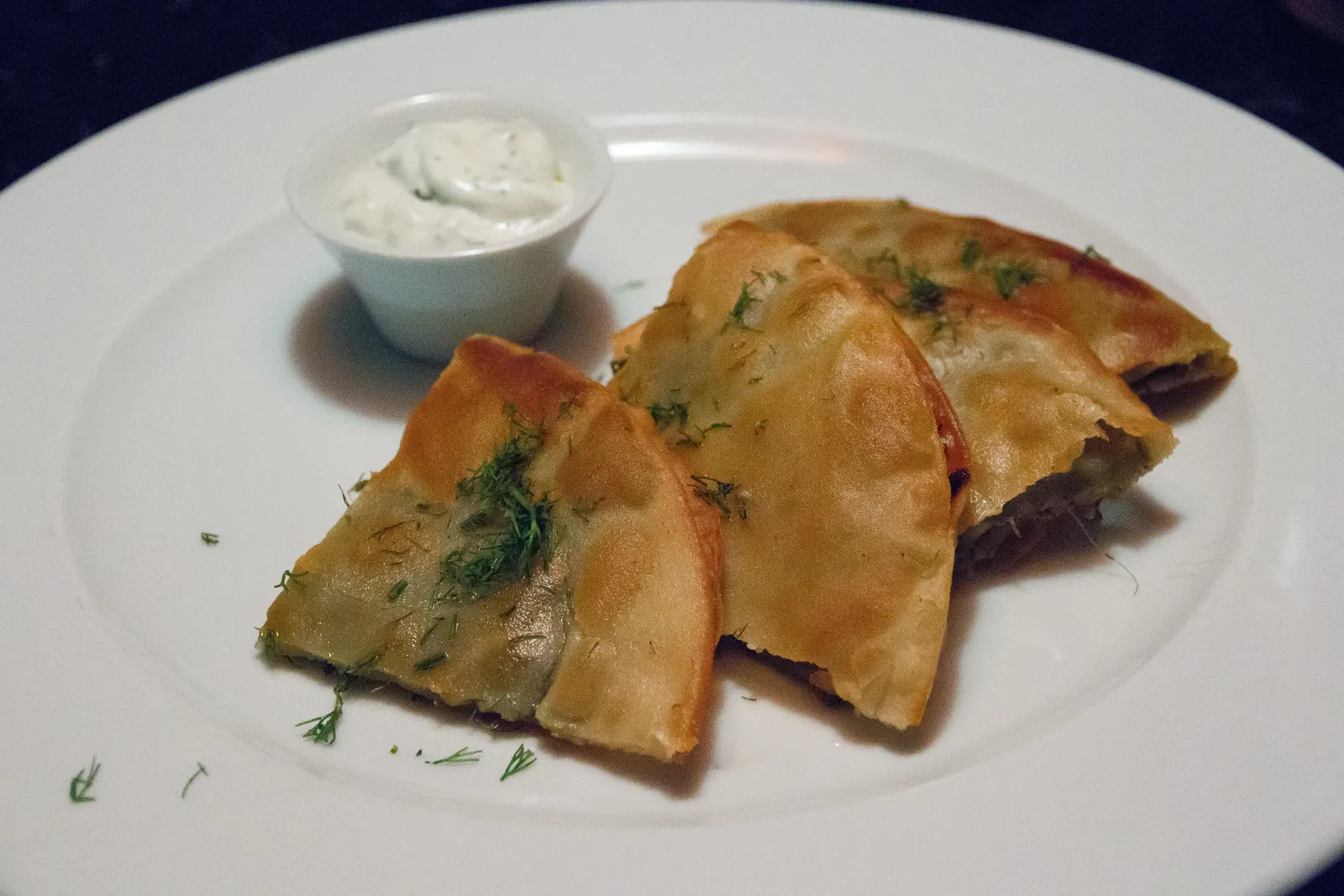
Golden spanakopita triangles sprinkled with fresh dill, served on a white plate with a small bowl of tzatziki Greece flag Greece 1h 20m
Lunch •Greek Bakery Classic

Spanakopita

This spanakopita recipe is the Greek spinach pie found in every bakery in Greece: paper-thin filo brushed with olive oil, layered over a filling of wilted spinach, salty feta, ricotta, leeks and a generous handful of fresh dill, then baked until the top shatters and the inside stays soft and savoury. It is the pie Greeks eat for lunch, take on picnics and set out on a mezze table. One serving is about 220 g.

Crisp Filo, Spinach & Feta

Layers of olive-oil-brushed filo wrapped around a spinach, feta, dill and leek filling, baked until golden and crisp.

Pairs Well With
Greek salad, tzatziki & lemon wedges
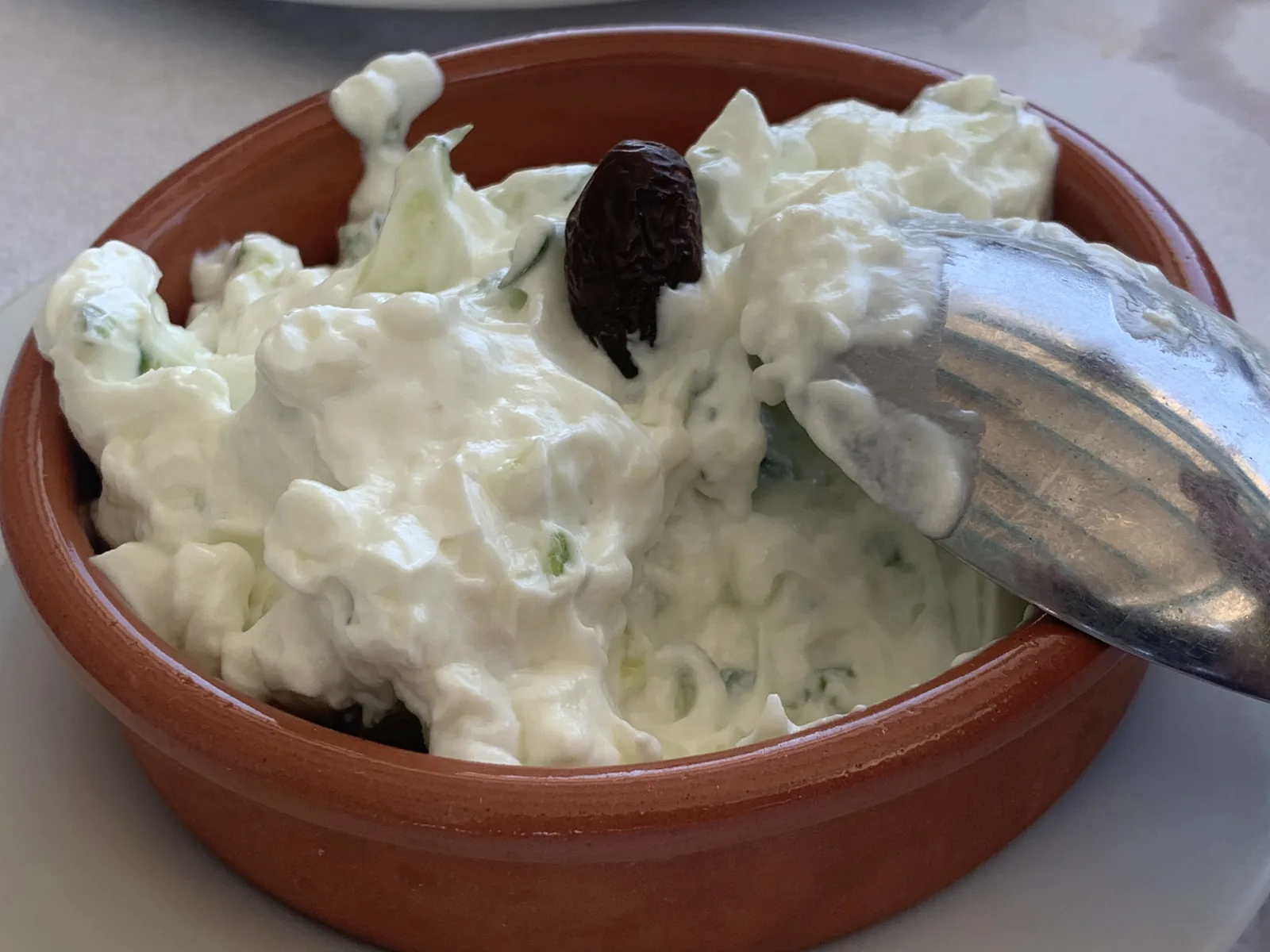
A terracotta bowl of thick white tzatziki with cucumber and a black olive, with a spoon Greece flag Greece 25m
Snack & Tea •Greek Meze Classic

Tzatziki

This tzatziki recipe is the real Greek version: thick strained yogurt, cucumber grated and squeezed bone dry, raw garlic, a thread of olive oil and a handful of dill. No cooking at all — just grating, squeezing and stirring — and the result is cool, creamy and sharp enough to cut through grilled meat. One serving is about 120 g.

Cool & Creamy

Thick Greek yogurt folded with grated cucumber, garlic and dill — the cool white dip at the heart of every Greek meze.

Pairs Well With
Spoon over grilled meat, or serve as a dip with warm pitta and raw vegetables.

The Dinner Gazette

Never wonder what’s for dinner again

One email a week with easy dinner ideas from around the world — ingredients, steps and nutrition, tested in our kitchen first.

Delivered every Thursday morning. Unsubscribe anytime.