
Curated recipes from 193 countries  •  New seasonal Mediterranean issue out now

Overview

Bistecca alla Fiorentina

Florentine Steak, Bistecca Fiorentina

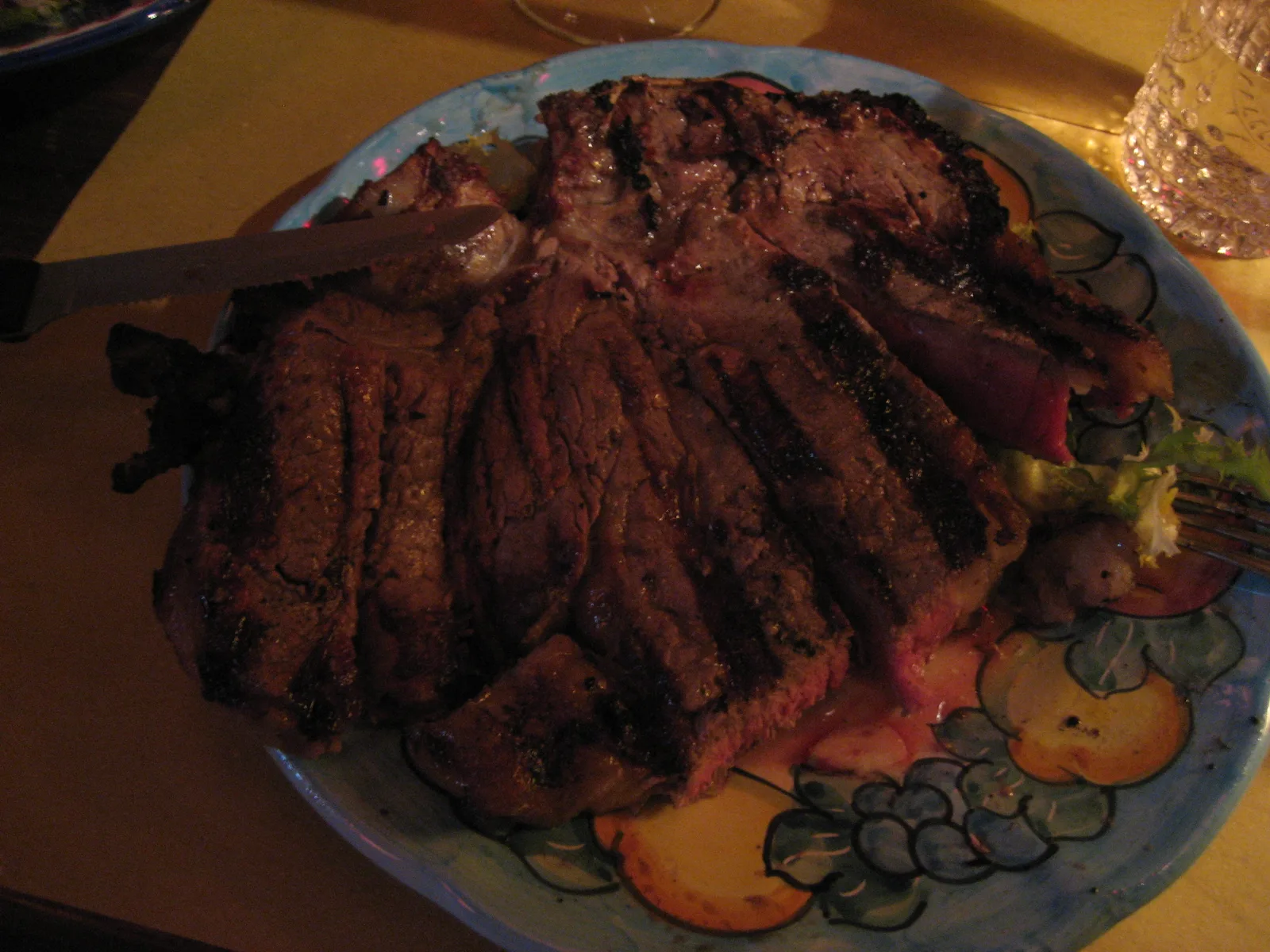
This bistecca alla fiorentina recipe grills a thick T-bone steak over fierce heat until charred outside and rosy inside, then rests and slices it for the table. One serving is about 180 g. Serve it simply, with good olive oil, flaky salt and white beans.

The bistecca alla fiorentina is Florence's most famous steak: a T-bone cut at least three fingers thick, traditionally from the white Chianina cattle of the Val di Chiana, grilled quickly over wood embers and served rare. Legend says English visitors at the Feast of San Lorenzo in Florence shouted for more beef steak, and the locals turned the cry into bistecca. The steak is a shared dish — one great slab feeds the whole table.

Pairs well with: Cannellini beans with sage, crusty Tuscan bread and a glass of Chianti.

Provenance

Italy flag Italy

Tuscan Steakhouse Classic

Mediterranean & Italy

Time Dedication

1h 5m

50m prep • 15m cook

Batch Yield

4 Servings

532 kcal per serving

1 serving ≈ 180 g

Technical Skill

Intermediate

Medium (Grill)

Meal Timing & Digestive Fit

Breakfast

Not Advised

Lunch

Hearty Midday Main

Dinner

Ideal Hearty Main

Snack & Tea

Inappropriate

High Protein Occasions: Celebration dinner, shared family meal, Tuscan-themed evening Cost: High — about $14–18 per serving at home
A grilled bistecca alla fiorentina, sliced T-bone steak with a charred crust and pink centre, on a plate

Tuscan Steakhouse Classic

Photo: Kars Alfrink, CC BY 2.0, via Wikimedia Commons

The Heritage Formulary

Measured Ingredients

Estimated cost: High — about $14–18 per serving at home (USD)

Made with a single thick T-bone, grilled over fierce heat and rested before slicing.

Execution Methodology & Culinary Technique

Step-by-Step Cooking Guide

Active 1h 5m
P

Prep Stage: Temper, Dry & Oil

50 Mins • Tempering & Seasoning

Take the steak out of the fridge 40 minutes before cooking so it grills evenly, pat it very dry, and brush it lightly with olive oil. Seasoning with salt and pepper waits until after the grill.

Maestro Tip: A cold, wet steak steams instead of searing — the 40 minutes at room temperature and the paper towels are what build the crust.

  1. 1

    Bring to Room Temperature

    40 Mins Room temperature, about 22°C (72°F)

    Set the steak on a board and leave it out for 40 minutes. Pat it very dry on both sides with paper towels and brush lightly with olive oil.

    A dry surface is the single biggest factor in a good char — do not skip the patting.

    Done when: Steak at room temperature, surface dry to the touch.

  2. 2

    Grill the First Side

    5 Mins Very hot grill, about 290°C (550°F)

    Lay the steak on the hottest part of the grill with the rosemary sprigs underneath. Grill for 4–5 minutes without moving it until a deep brown crust forms.

    Do not press the steak down — pressing squeezes out the juices.

    Done when: Deep brown crust, edges starting to char.

  3. 3

    Grill the Second Side

    5 Mins Very hot grill, about 290°C (550°F)

    Turn once and grill for 4–5 minutes more. For the last minute, stand the steak on its bone so the heat reaches the meat around it. The centre should be rare, about 52°C (125°F); food-safety guidance recommends steaks reach 63°C (145°F) with a 3-minute rest.

    One turn only — every extra flip cools the grill and softens the crust.

    Done when: Charred on both sides, centre warm and rosy.

  4. 4

    Rest the Steak

    10 Mins Resting temperature, about 60°C (140°F)

    Move the steak to a warm board, cover loosely with foil and rest for 10 minutes so the juices settle back into the meat.

    Cutting too soon lets the juices run out onto the board instead of staying in the steak.

    Done when: Juices settled; steak still warm through.

  5. 5

    Slice & Finish

    2 Mins Serving temperature, about 60°C (140°F)

    Cut the meat off the bone, then slice it across the grain. Arrange on a warm platter, sprinkle with flaky salt and cracked pepper, and drizzle with the remaining olive oil.

    Slicing across the grain keeps each bite tender.

    Done when: Slices rosy inside with a dark crust, glistening with oil.

Finishing Touches & Plating

Slice the steak off the bone and across the grain, arrange it on a warm platter, and finish with a thread of olive oil and flaky salt.

Nutritional Physiology & Benefits

Nutrition

Energy

532

kcal / serving

Protein

46g

Complete AA

Carbs

0g

Complex

Fats

38g

Healthy

Per serving (4 servings · 1 serving ≈ 180 g)
Energy532 kcal
Protein46 g
Carbohydrates0 g
Fat38 g
Fibre0.2 g
Sugar0.0 g
Sodium510 mg
Per 100g
Energy296 kcal
Protein25.3 g
Carbohydrates0.2 g
Fat21 g
Fibre0.1 g
Sugar0 g
Sodium283 mg

Nutrition values are estimated — calculated from USDA FoodData Central values for the listed ingredients.

Vitamins & minerals: Provides protein, iron, zinc and vitamin B12 from the beef, plus vitamin E from the olive oil. Nutrition is estimated.

Very High in Protein

About 46 g of protein per serving, which supports muscle maintenance and keeps you full for hours.

Iron and Vitamin B12

Beef is one of the richest food sources of iron and vitamin B12, which the body uses for healthy blood.

Simple and Unprocessed

Just beef, oil, salt and herbs — no sauces, marinades or additives between you and the steak.

Food Pairings

What to Eat With

To optimize nutrient absorption and elevate the sensory depth, pair with these authentic accompaniments:

Sides

Cannellini Beans with Sage

The classic Florentine partner — creamy white beans with sage and olive oil soak up the steak juices beautifully.

Crusty Tuscan Bread

Unsalted Tuscan bread is made for mopping up the juices on the platter.

Drinks

Chianti Classico

A glass of Sangiovese from Chianti has the acidity and tannin to cut through the rich, fatty steak.

Vegetables

Rocket Salad

Peppery rocket with lemon and shaved Parmesan adds a fresh, sharp contrast to the charred beef.

Complete menu

Start with cannellini beans and rocket salad, share the bistecca sliced at the table with Tuscan bread, and finish with a glass of Chianti.

Digestive Guardrails

What NOT to Combine

To prevent digestive distress, sluggishness, or palate clash, avoid pairing the dish with these elements:

Heavy Creamy Sauces

Rich sauces bury the clean, beefy flavour the whole dish is built around, and they add a lot of extra fat. This is general information, not medical advice.

Cooking It Well Done

A thick T-bone cooked through turns tough and dry — the cut is designed to be served rare or medium-rare, sliced and shared.

General information only, not medical advice — consult a doctor for personal dietary decisions.

Who Should Eat It

Who Should Eat

  • General adultsA rich, celebratory steak — enjoy as a shared dish because one steak serves four.
  • ChildrenChildren can have a small, well-rested slice; cut it small and serve it with beans rather than the charred edges.
  • ElderlySoft and easy to chew once sliced, but the salt and fat mean a modest portion is wiser for those watching either.
  • Pregnant womenMade with fresh beef cooked hot and served immediately; choose a well-done slice and check with your clinician if unsure.
  • Breastfeeding womenFine in normal portions; the protein and iron are useful, but keep the overall fat in mind.
  • AthletesExcellent protein and iron after training, with beans on the side for extra energy.
  • Weight gainEnergy- and protein-dense, so it can help add calories — pair with beans and bread for extra energy.
  • Weight lossVery calorie-dense, so take a modest slice and fill the rest of the plate with salad and beans.

Health Conditions — Adjust or Avoid

Conditions

  • DiabetesVery low in carbohydrate (under 1 g per serving); the beans are the part to count. Ask your clinician about portion size.
  • High blood pressureContains about 510 mg of sodium per serving; take a modest slice and skip extra salty sides. Ask your clinician for personal advice.
  • Kidney diseaseHigh in protein and potassium; usually not suitable in larger portions — ask your clinician.
  • GoutRed meat is rich in purines, so people with gout should take only a small portion; ask your clinician if you are unsure.
  • Stomach issuesRich and fatty, which can trigger reflux or discomfort; a small portion with plain bread is gentler. Ask your clinician if symptoms persist.
  • Cardiovascular diseaseHigh in saturated fat and sodium; treat it as an occasional celebration dish. Ask your clinician.
  • Fatty liverThe saturated fat and energy density make large portions unhelpful; keep it occasional and modest. Ask your clinician.
  • Food allergiesContains beef. No gluten, egg, milk or nuts in the dish as written. Ask your clinician about any allergy concern.
  • Special therapeutic dietsNot suitable for low-fat or low-sodium therapeutic diets; ask your clinician or dietitian before including it.

If you have a medical condition, consult your doctor before changing your diet.

Storage & Use

Storage & Use

How to store
Cool quickly and store sliced steak in a covered container; do not leave out for more than 2 hours.
In the fridge
Keeps 3 days in the fridge at 4°C (40°F) or below.
In the freezer
Keeps 2 months in the freezer in a sealed bag; thaw overnight in the fridge.
How to reheat
Reheat gently in a low oven at 120°C (250°F) until warm through, to 74°C (165°F); do not re-grill hard or it dries out.
Freezing recommended
Yes, if needed — though the texture is best fresh from the grill.
Signs it has spoiled
Sour smell, slimy surface, or grey-green discolouration.

More recipes to explore

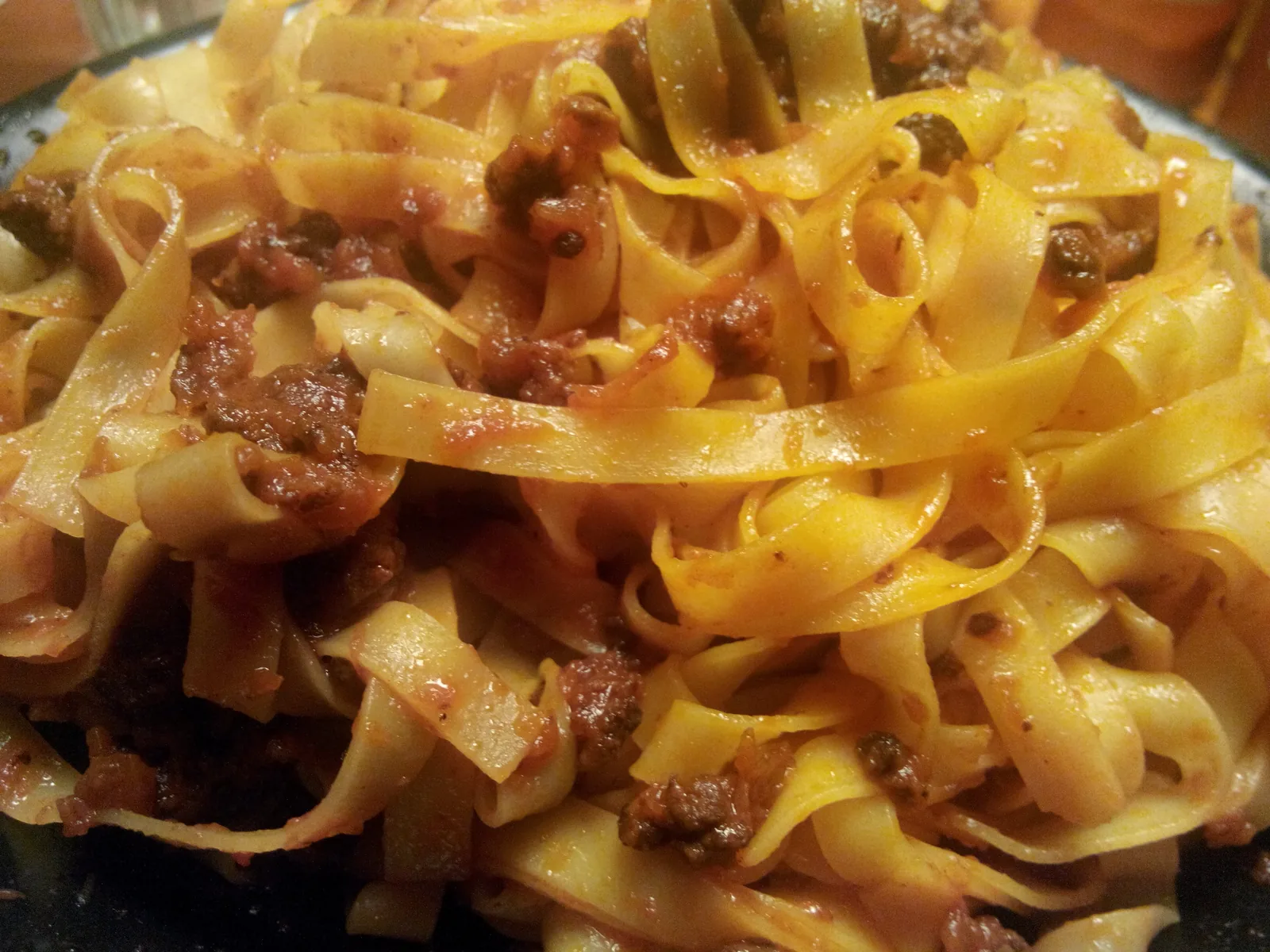
Tagliatelle al ragù Bolognese in a bowl with Parmigiano-Reggiano Italy flag Italy 4h 25m
Lunch •Emilia-Romagna

Tagliatelle al Ragù Bolognese

Slow-braised soffritto and coarse ground heritage meats layered over handmade egg yolk dough for mid-day stamina.

Lean Protein

Slow-simmered beef ragù tossed through fresh egg tagliatelle.

Pairs Well With
Bitter Radicchio & Aged Balsamico di Modena
Pasta & Noodles • High Protein
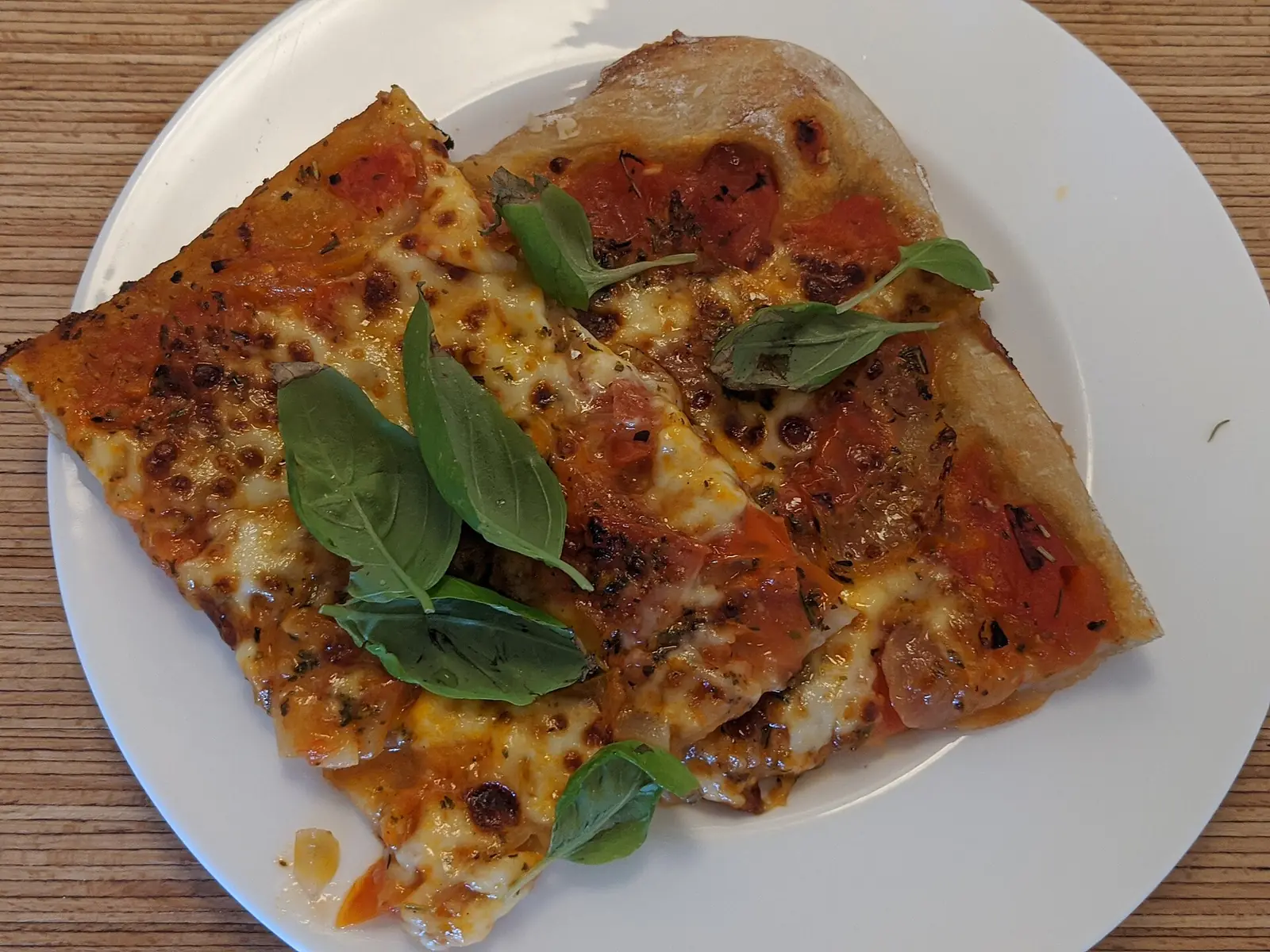
Two slices of pizza margherita with tomato, melted mozzarella and fresh basil on a white plate Italy flag Italy 45m
Dinner •Naples Classic

Pizza Margherita

This pizza margherita recipe makes a proper Neapolitan-style pizza at home: a soft, airy dough, San Marzano tomato sauce, fior di latte mozzarella and fresh basil. One serving is about 325 g — two slices.

Simple & Satisfying

Wood-fired-style pizza with tomato, fior di latte mozzarella and basil — three ingredients, done properly.

Pairs Well With
A simple green salad and a glass of Chianti or sparkling water
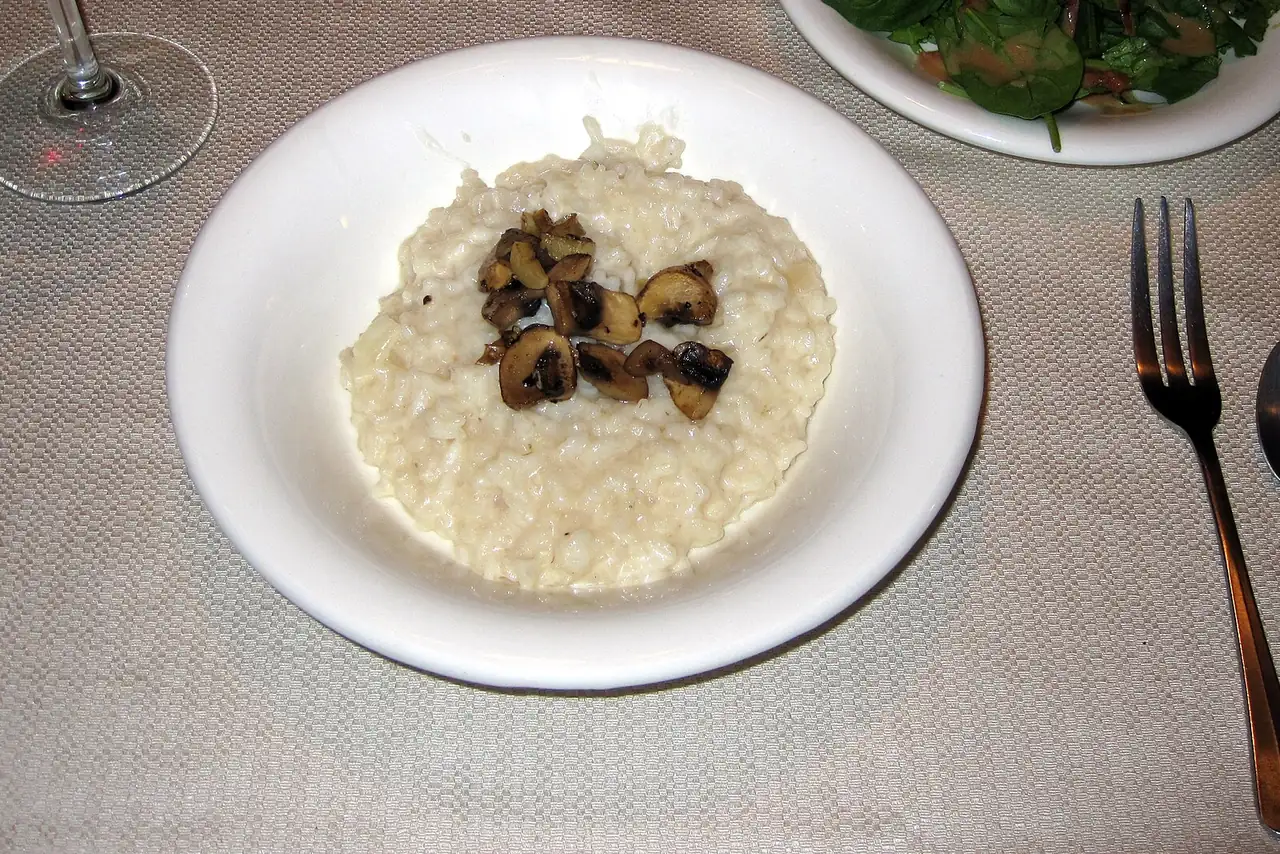
A bowl of creamy mushroom risotto topped with sautéed mushrooms, with a spinach salad beside it Italy flag Italy 50m
Dinner •Milanese Classic

Mushroom Risotto

This mushroom risotto recipe stirs Arborio rice slowly with hot stock, white wine and two kinds of mushrooms, then finishes it the Milanese way with cold butter and Parmesan. One serving is about 500 g.

Comfort & Warmth

Creamy Arborio rice, slowly stirred with mushrooms, white wine and Parmesan.

Pairs Well With
A rocket and Parmesan salad and a glass of dry white wine
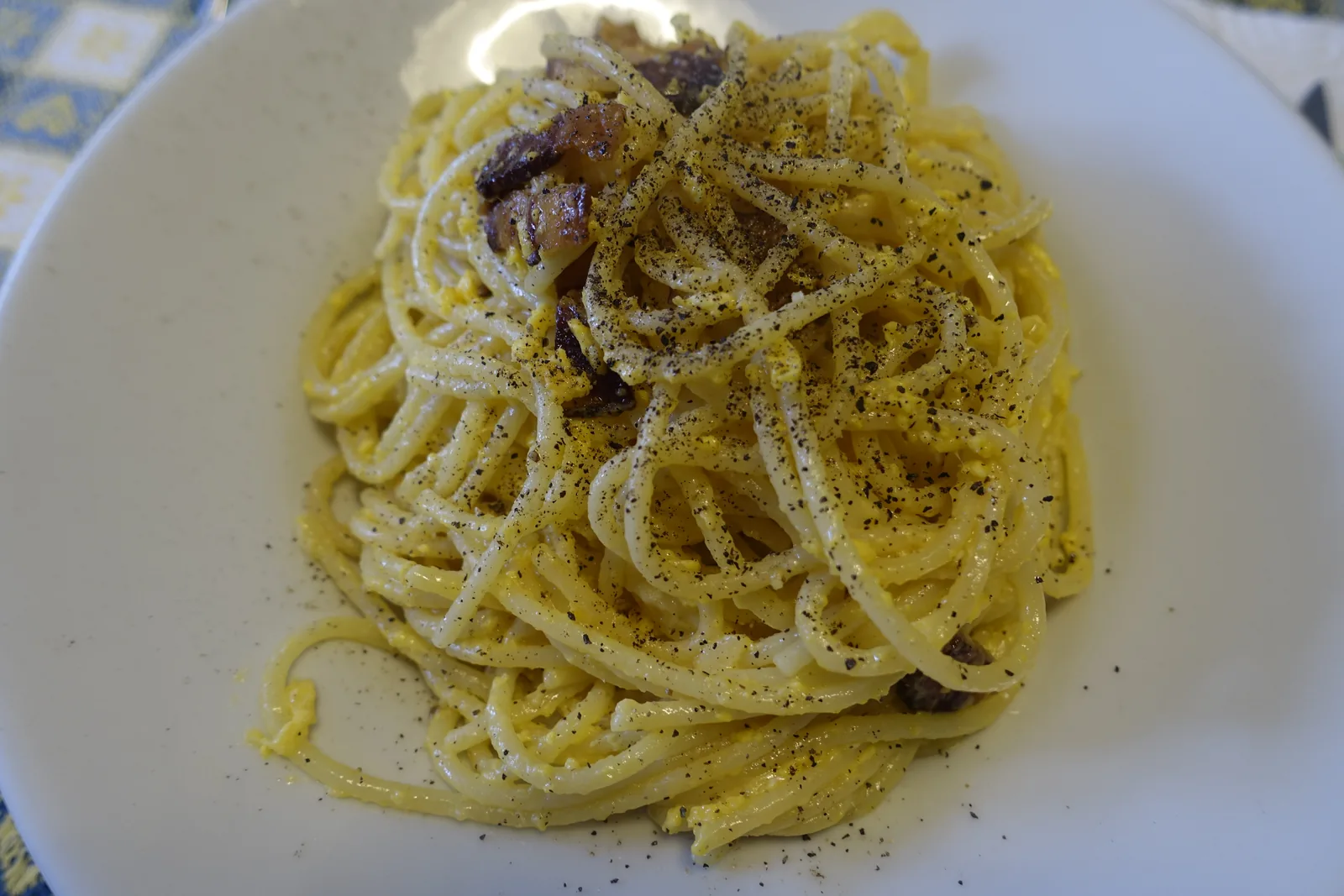
A plate of spaghetti carbonara with golden egg sauce, crisp guanciale and black pepper Italy flag Italy 30m
Dinner •Roman Classic

Spaghetti Carbonara

This spaghetti carbonara recipe is the Roman classic as it should be: spaghetti tossed with crisp guanciale, egg yolks, Pecorino Romano and black pepper — no cream, no bacon, no garlic. One serving is about 275 g. It takes 30 minutes, and the sauce comes together in the time the pasta cooks.

Comfort & Rich

Silky egg-and-cheese sauce over spaghetti with crisp guanciale and black pepper, ready in 30 minutes.

Pairs Well With
Pecorino Romano, black pepper & a crisp white wine
Pasta & Noodles • Quick Prep (<30m)

The Dinner Gazette

Never wonder what’s for dinner again

One email a week with easy dinner ideas from around the world — ingredients, steps and nutrition, tested in our kitchen first.

Delivered every Thursday morning. Unsubscribe anytime.