
Curated recipes from 193 countries  •  New seasonal Mediterranean issue out now

Overview

Boga a la Parrilla

Grilled boga, boga asada

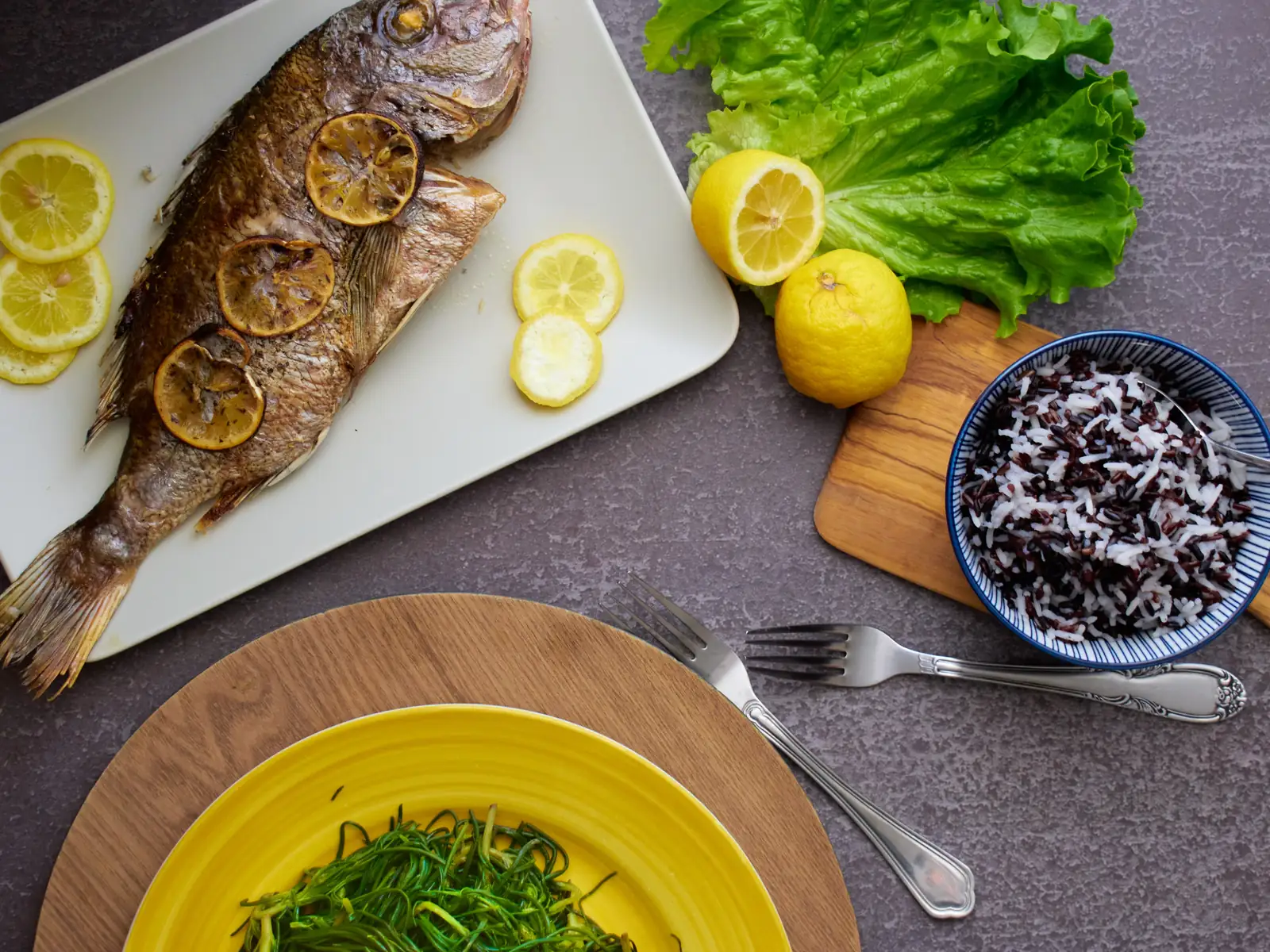
This boga a la parrilla recipe grills the Paraguayan river fish the parrilla way: a whole boga, butterflied and deboned, marinated in lemon, garlic, oregano and white wine, then cooked scale-side down over gentle coals. One serving is about 268 g and carries 341 calories, with 51 g of protein. Lemon slices char on the flesh as it cooks.

Boga is one of the great river fish of the Paraná, the river that runs past Paraguay, and the parrilla is how the region cooks it: the fish is opened flat, deboned, seasoned and laid on the grill scale-side down, so the skin protects the flesh from the coals. It is a different fish and a different grill from its neighbours on the Paraguayan table — dorado, the big golden predator, is grilled whole and stuffed with chimichurri, and surubi, the giant catfish, is grilled as thick steaks or cooked as a stew. Boga is the butterflied whole fish, lemon and garlic, eaten with rice.

Pairs well with: White rice and a green salad, with lemon wedges and chimichurri on the side if you like.

Provenance

Paraguay flag Paraguay

Paraná River Parrilla Classic

Latin America & Caribbean

Time Dedication

1h 50m

75m prep • 35m cook

Batch Yield

4 Servings

341 kcal per serving

1 serving ≈ 268 g

Technical Skill

Intermediate

Intermediate (Grilling)

Meal Timing & Digestive Fit

Breakfast

Not Advised

Lunch

Hearty Midday Main

Dinner

Ideal Hearty Main

Snack & Tea

Inappropriate

High Protein Occasions: Parrilla Sundays, riverside dinners, family grills, summer evenings Cost: Moderate — about $4–5 per serving at home
A whole grilled fish topped with charred lemon slices on a white plate, with a bowl of wild rice, lettuce and lemons beside it

Paraná River Parrilla Classic

Photo: Christin568, CC BY-SA 4.0, via Wikimedia Commons

The Heritage Formulary

Measured Ingredients

Estimated cost: Moderate — about $4–5 per serving at home (USD)

This is the butterflied whole-boga grill: lemon, garlic, oregano and white wine, cooked scale-side down and finished with charred lemon — not the chimichurri-stuffed dorado grill and not surubi steaks or stew.

Execution Methodology & Culinary Technique

Step-by-Step Cooking Guide

Active 1h 50m
P

Prep Stage: Fish, Marinade and Grill

75 Mins • Fish, Marinade and Grill

Have the boga butterflied and deboned, then rinse and pat it dry and score the flesh lightly. Crush the garlic with the salt, whisk it with the lemon juice, white wine, oregano, pepper and half the oil, and rub it over the flesh. Salt the fish, lay the lemon slices and onion rings on top, and leave it to marinate for 1 hour. Light the grill so the coals are gentle and even.

Maestro Tip: The fish must go onto a cold, clean, oiled grill — a hot grill grabs the flesh and tears it when you try to turn it.

  1. 1

    Salt and score the fish

    10 Mins Room temperature, about 20°C (68°F)

    Lay the butterflied boga flesh-side up and sprinkle it with the salt. Score the flesh lightly in a crosshatch so the marinade can reach inside. Leave it for 10 minutes.

    Scoring helps the marinade in and the heat through — but cut shallow, or the flesh falls apart on the grill.

    Done when: The flesh is lightly scored and evenly salted.

  2. 2

    Marinate in lemon and garlic

    60 Mins Room temperature, about 20°C (68°F)

    Whisk the lemon juice, white wine, crushed garlic, oregano, pepper and half the olive oil, and rub it over the flesh. Lay the lemon slices and onion rings on top and leave the fish to marinate for 1 hour.

    An hour is enough: the lemon starts to 'cook' the flesh if you leave it much longer, and the texture turns soft.

    Done when: The flesh smells of lemon and garlic, with the slices sitting flat on top.

  3. 3

    Heat the grill

    15 Mins Medium heat, about 180°C (350°F), coals glowing grey

    Light the charcoal and let it burn down until the coals are covered in grey ash and you can hold your hand above the grill for about 10 seconds. Clean the grill and brush it with the remaining oil while it is still cool.

    Gentle heat is the secret: fierce coals burn the skin before the thick flesh cooks through.

    Done when: The coals glow evenly grey, with no leaping flames.

  4. 4

    Grill scale-side down

    30 Mins Medium heat, about 180°C (350°F)

    Lay the boga on the grill scale-side down, flesh up, and do not move it. Cook for 25 to 35 minutes, basting the flesh with lemon juice now and then, until the flesh is opaque, flakes easily and reaches 63°C (145°F) in the thickest part.

    Do not flip it: the scales protect the flesh from the coals, and turning a butterflied fish breaks it.

    Done when: The flesh is opaque white, flakes with a fork, and reads 63°C (145°F) inside.

  5. 5

    Rest and serve

    5 Mins Room temperature, about 20°C (68°F)

    Lift the fish carefully onto a platter with two wide spatulas, lemon slices and all. Rest for 5 minutes, then serve with lemon wedges, white rice and salad.

    Two spatulas, one under each end — a butterflied fish folds in half if you lift it by one end.

    Done when: The fish holds its shape on the platter, steaming, with charred lemon on top.

Finishing Touches & Plating

Serve the boga straight off the grill on a warm platter, lemon slices still on the flesh, with rice and salad — river fish is at its best in the first ten minutes off the coals.

Nutritional Physiology & Benefits

Nutrition

Energy

341

kcal / serving

Protein

51g

Complete AA

Carbs

6g

Complex

Fats

12g

Healthy

Per serving (4 servings · 1 serving ≈ 268 g)
Energy341 kcal
Protein51 g
Carbohydrates6 g
Fat12 g
Fibre1.3 g
Sugar1.7 g
Sodium714 mg
Per 100g
Energy128 kcal
Protein19.1 g
Carbohydrates2.3 g
Fat4.5 g
Fibre0.5 g
Sugar0.6 g
Sodium267 mg

Nutrition values are estimated — calculated from USDA FoodData Central values for the listed ingredients.

Vitamins & minerals: Vitamin B12 and selenium (fish), vitamin C (lemon), potassium (fish, onion), vitamin D (fish).

Lean Protein, Generously

A serving carries about 51 g of lean protein for 341 calories, which is why grilled river fish is the lightest main on the parrilla.

Omega-3s and B12

River fish brings omega-3 fats, vitamin B12 and selenium — the nutrients that make fish a regular part of a balanced table.

Light but Filling

Grilled, not fried, and served with rice and salad, the dish fills you up without the heaviness of fried food.

Food Pairings

What to Eat With

To optimize nutrient absorption and elevate the sensory depth, pair with these authentic accompaniments:

Sides

White Rice

Plain white rice soaks up the lemony juices from the fish and turns the grill into a complete dinner.

Vegetables

Green Salad

A crisp green salad with tomato gives the plate the fresh crunch that grilled fish needs.

Drinks

White Wine or Terere

A dry white wine, or cold terere, is the Paraguayan answer to grilled fish — light, cold and refreshing.

Full Menus

Grilled Vegetables

Vegetables cooked on the same grill pick up the smoke and make the parrilla a shared table.

Complete menu

Serve boga a la parrilla with white rice, a green salad and lemon wedges, followed by fresh fruit; keep the sides light so the fish stays the star.

Digestive Guardrails

What NOT to Combine

To prevent digestive distress, sluggishness, or palate clash, avoid pairing the dish with these elements:

Fierce Coals Under the Fish

Very hot coals burn the skin and dry the flesh before the thick middle cooks; gentle, grey coals are the right heat. This is general food information, not medical advice.

Eating River Fish Undercooked

River fish must reach 63°C (145°F) in the thickest part; undercooked fish can carry parasites, so check with a thermometer. This is general food safety information, not medical advice.

General information only, not medical advice — consult a doctor for personal dietary decisions.

Who Should Eat It

Who Should Eat

  • General adultsA light, high-protein dinner — one serving with rice and salad is a full meal.
  • ChildrenMild and flaky, but watch for fine bones: pick the flesh over carefully for children.
  • ElderlySoft, flaky and easy to chew; serve a boneless portion with rice.
  • Pregnant womenFine when the fish is fresh and cooked right through to 63°C (145°F); eat it freshly grilled.
  • Breastfeeding womenA lean, protein-rich dinner that supports recovery without heaviness.
  • AthletesExcellent after training: about 341 calories with 51 g of protein per serving, plus rice for energy.
  • Weight gainVery lean — add an extra spoon of rice and a drizzle of olive oil to raise the energy.
  • Weight lossAlmost no carbohydrate in the fish itself; the rice is the part to watch, so keep that portion modest.

Health Conditions — Adjust or Avoid

Conditions

  • DiabetesAbout 6 g of carbohydrate per serving of fish; the rice is the main carbohydrate, so portion the rice and ask a clinician about it.
  • High blood pressureAbout 714 mg of sodium per serving — most of it from the salt on the fish; ask a clinician if you watch sodium.
  • Kidney diseaseFish is a good low-phosphorus protein choice in modest portions, but ask a clinician before making it regular.
  • GoutA lean white fish is low in purines compared with red meat and oily fish, but portions still matter — ask a clinician if gout is a concern.
  • Stomach issuesGentle, mild and easy to digest when grilled plain; the lemon and wine can irritate a sensitive stomach, so use less.
  • Cardiovascular diseaseGrilled lean fish with olive oil is a heart-friendly main; keep the salt modest and ask a clinician about frequency.
  • Fatty liverLean, grilled and low in fat — a good choice in a balanced plate; ask a clinician about portion size.
  • Food allergiesContains fish; the marinade is otherwise simple — check every label and ask a clinician if you have allergies.
  • Special therapeutic dietsAsk a clinician or dietitian before using this dish in a therapeutic diet — it is simple, but the salt and the fish itself matter.

If you have a medical condition, consult your doctor before changing your diet.

Storage & Use

Storage & Use

How to store
Cool quickly, then move the fish to a sealed container; keep the lemon slices with it.
In the fridge
2 days in the fridge at 4°C (39°F) or below.
In the freezer
Up to 2 months, wrapped well; thaw overnight in the fridge. Texture softens after freezing.
How to reheat
Reheat gently in a covered pan or an oven at 160°C (320°F) until steaming hot, about 74°C (165°F); avoid the microwave, which dries fish out.
Freezing recommended
Only if needed — grilled fish is best eaten fresh.
Signs it has spoiled
Sour or ammonia smell, slimy flesh, or dull grey colour — discard it.

More recipes to explore

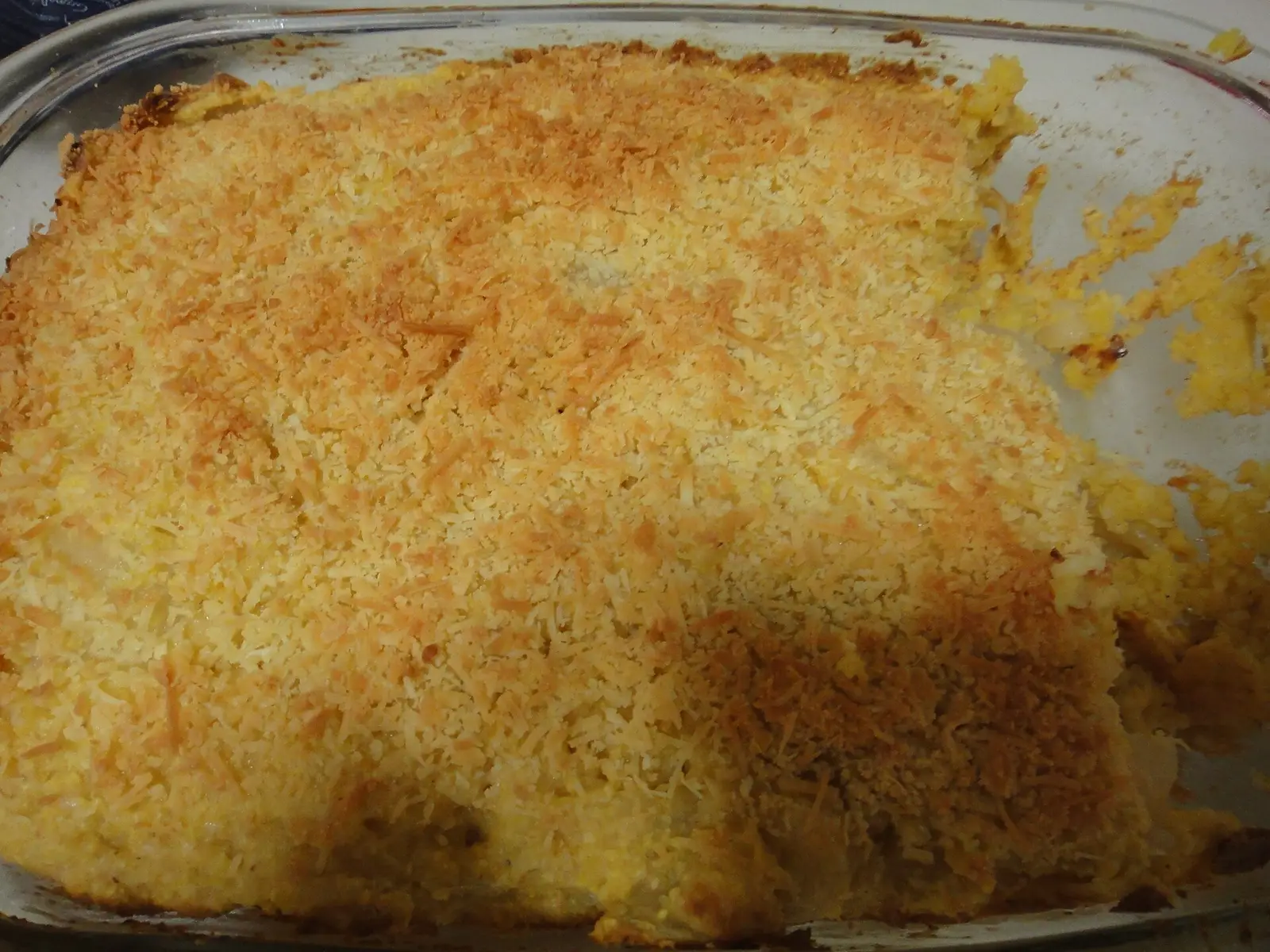
A golden baked sopa paraguaya cornmeal and cheese cake in a glass baking dish with one square cut out Paraguay flag Paraguay 1h 5m
Lunch •Asunción Heritage

Sopa Paraguaya

This sopa paraguaya recipe turns cornmeal, salty Paraguay cheese, onion, milk and eggs into a golden, spongy cake that slices like bread. Despite the name — sopa means soup — there is no broth here: the dish is solid, rich and meant to be cut into squares. One serving is about 180 g.

Comfort & Warmth

A golden, spongy cornmeal and cheese cake — Paraguay’s national dish, baked until the top is crisp and the inside stays soft.

Pairs Well With
Warm squares with grilled meat or a bowl of soup
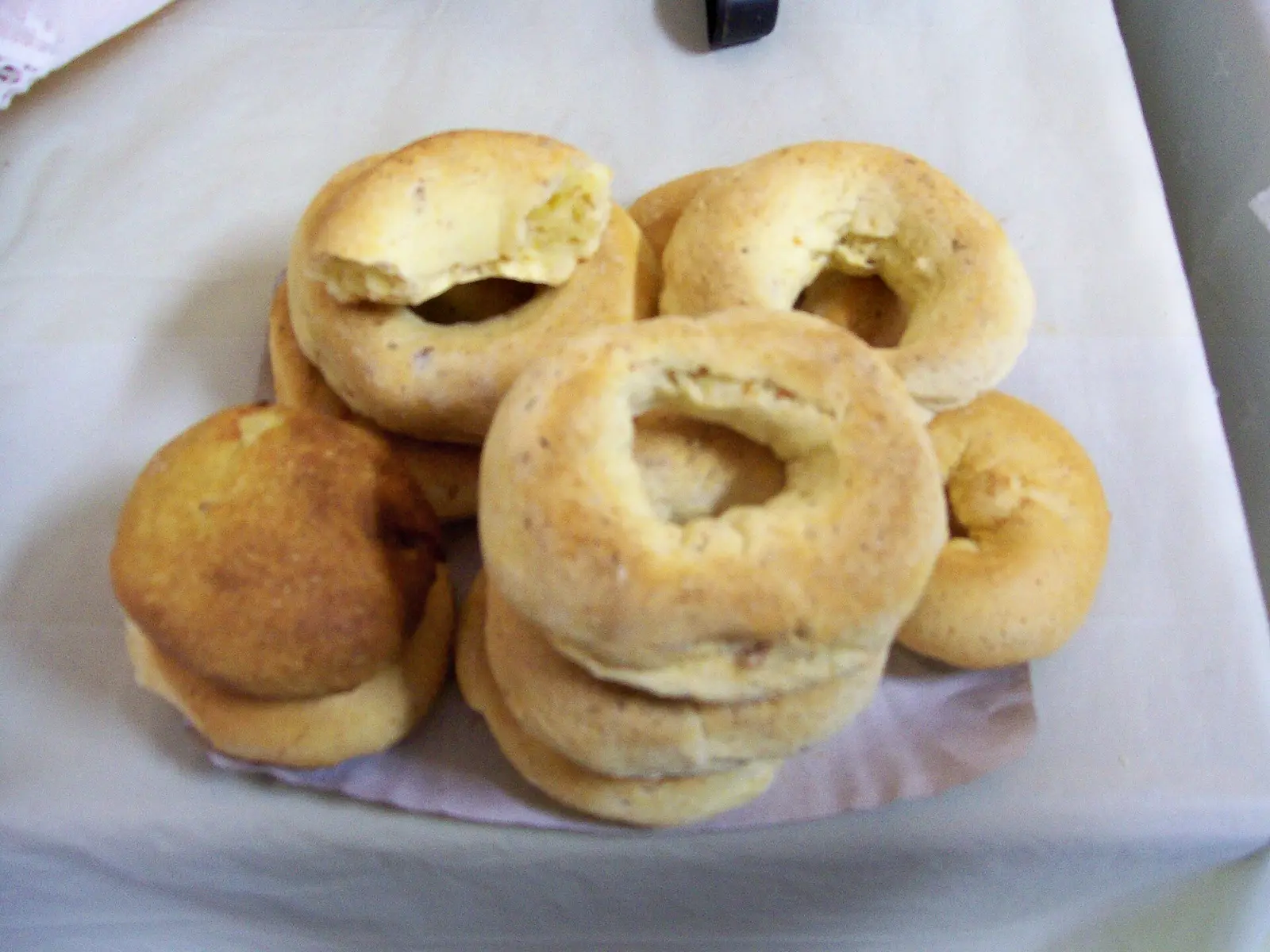
A pile of golden baked chipa cheese bread rings, one broken open to show the soft crumb Paraguay flag Paraguay 50m
Snack & Tea •Paraguayan Heritage

Chipa

This chipa recipe makes 12 golden Paraguayan cheese bread rings from cassava starch, salty cheese, eggs and a pinch of anise. The dough is rolled into ropes, closed into rings and baked until puffed and lightly cracked — crisp on the outside, soft and chewy inside. One serving is about 185 g (two rings).

Snack & Sharing

Small baked cheese bread rings made from cassava starch — crisp outside, chewy inside, best eaten warm.

Pairs Well With
Warm rings with a cup of cocido (mate cocido)
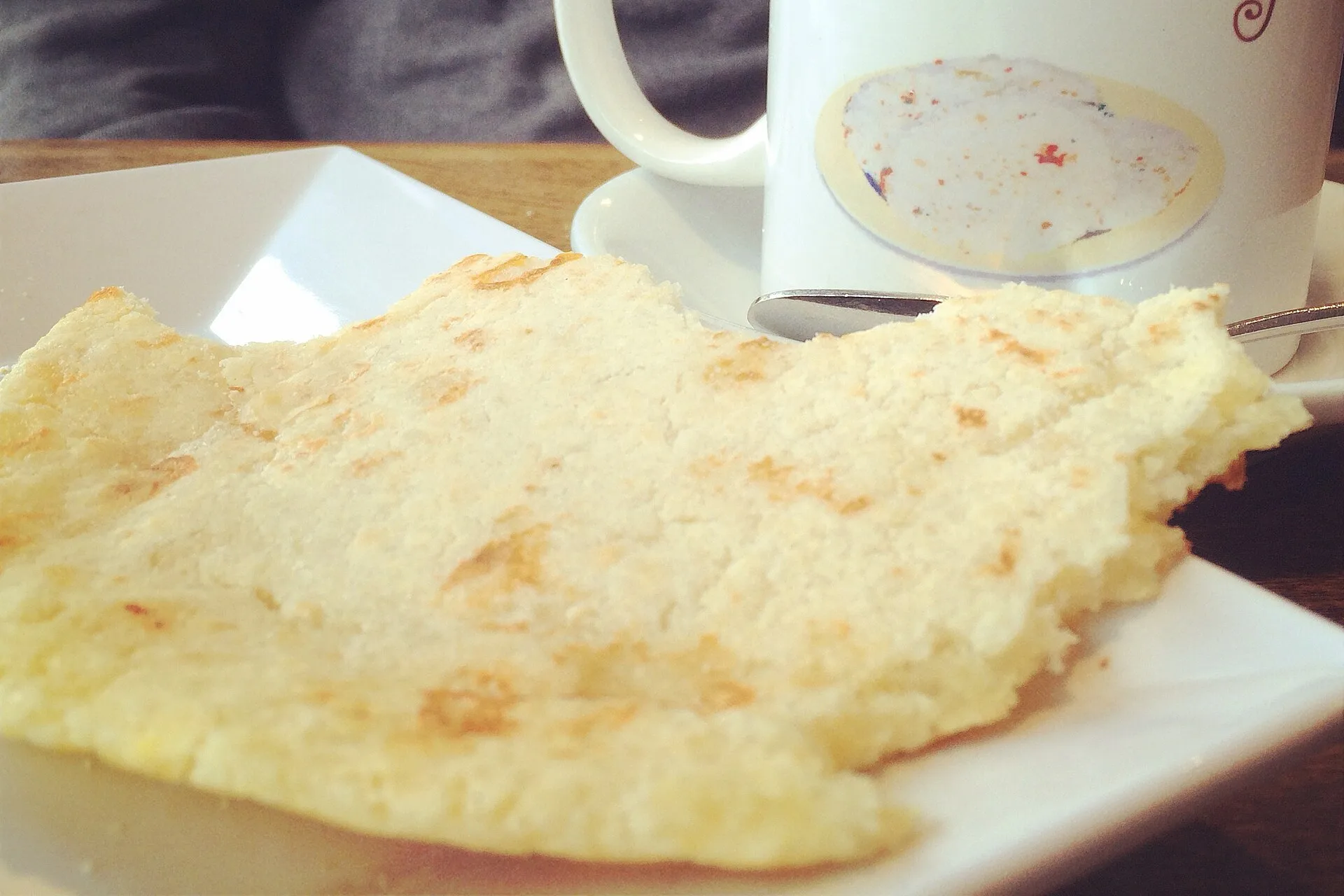
A golden mbejú cassava cheese pancake on a white plate beside a mug of cocido Paraguay flag Paraguay 30m
Snack & Tea •Guaraní Heritage

Mbejú

This mbeju recipe presses cassava starch and cheese into a golden griddled pancake — Paraguay’s classic snack, cooked in a dry pan and flipped once. It shares its two main ingredients with chipa, but the form is entirely different: chipa is kneaded and baked into bread rings, while mbejú stays a crumbly, sandy mixture that is pressed flat in the pan and never sees an oven. One serving is about 215 g (one pancake).

Snack & Sharing

A flat, griddled cassava-starch and cheese pancake — crisp at the edges, soft inside, cooked in a pan, never baked.

Pairs Well With
A warm pancake with a cup of mate cocido
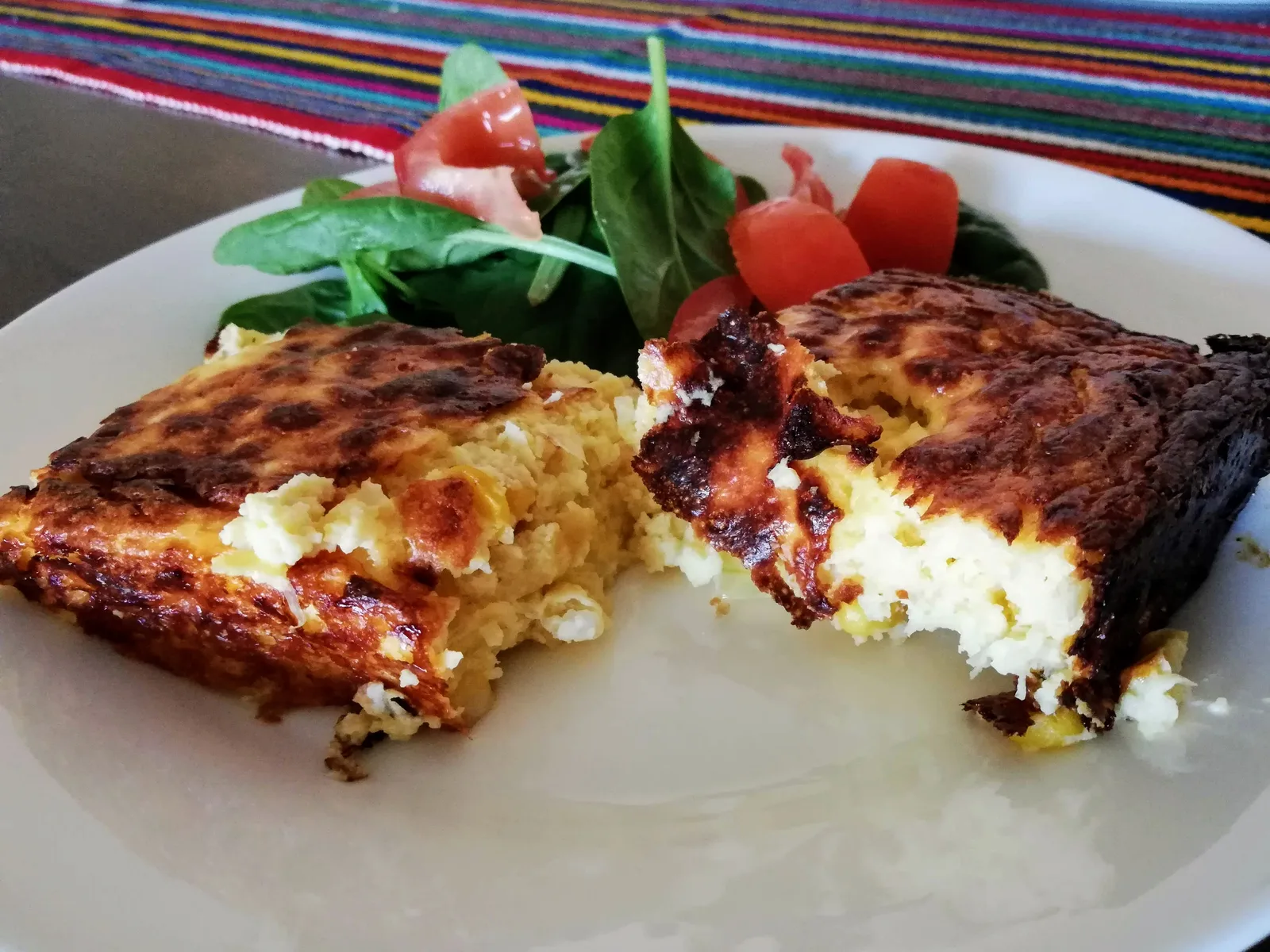
Two golden squares of chipa guasu with a fresh corn and cheese crumb, served with tomato and spinach salad Paraguay flag Paraguay 1h 5m
Lunch •Guaraní Heritage

Chipa Guasu

This chipa guasu recipe blends fresh corn kernels with eggs, milk, onion and salty Paraguay cheese, then bakes the mixture into a golden, moist cake that is cut into squares. It is not sopa paraguaya: chipa guasu is made with whole fresh corn kernels, while sopa paraguaya is made with cornmeal — the two dishes look alike but taste quite different. One serving is about 222 g.

Comfort & Warmth

A golden, moist bake of fresh corn kernels, Paraguay cheese, eggs and milk — the national side dish, served warm in squares.

Pairs Well With
Warm squares of chipa guasu with grilled meat and salad

The Dinner Gazette

Never wonder what’s for dinner again

One email a week with easy dinner ideas from around the world — ingredients, steps and nutrition, tested in our kitchen first.

Delivered every Thursday morning. Unsubscribe anytime.