
Curated recipes from 193 countries  •  New seasonal Mediterranean issue out now

Overview

Bolo de Cenoura

Brazilian Carrot Cake, Bolo de Cenoura com Cobertura de Chocolate

This bolo de cenoura recipe blends carrots, eggs and oil into a smooth golden batter, bakes it in a ring mould until soft and springy, then pours over a glossy chocolate glaze. One serving is one slice, about 110 g.

Bolo de cenoura is a fixture of the Brazilian afternoon coffee — the afternoon coffee — and of children's birthday parties across the country. It is nothing like the spiced, cream-cheese-frosted carrot cake of the United States: the Brazilian version blends raw carrots into the batter, which gives it a bright golden colour and a soft, moist crumb, and it is finished with a thin chocolate glaze, the cobertura, sometimes scattered with chocolate sprinkles. The blender method made it a weekday cake anyone could make, and it has stayed one of Brazil's most searched-for cakes.

Pairs well with: A cup of coffee and a glass of milk

Provenance

Brazil flag Brazil

Brazilian Afternoon Classic

Latin America & Caribbean

Time Dedication

1h

20m prep • 40m cook

Batch Yield

12 Servings

413 kcal per serving

1 serving ≈ 110 g

Technical Skill

Easy

Easy (Blender Cake)

Meal Timing & Digestive Fit

Breakfast

Not Advised

Lunch

Inappropriate

Dinner

Inappropriate

Snack & Tea

Ideal Light Bite

Occasions: Afternoon coffee, a children's birthday, a weekend bake, when you want something sweet and simple Cost: Low — about $1 per slice at home
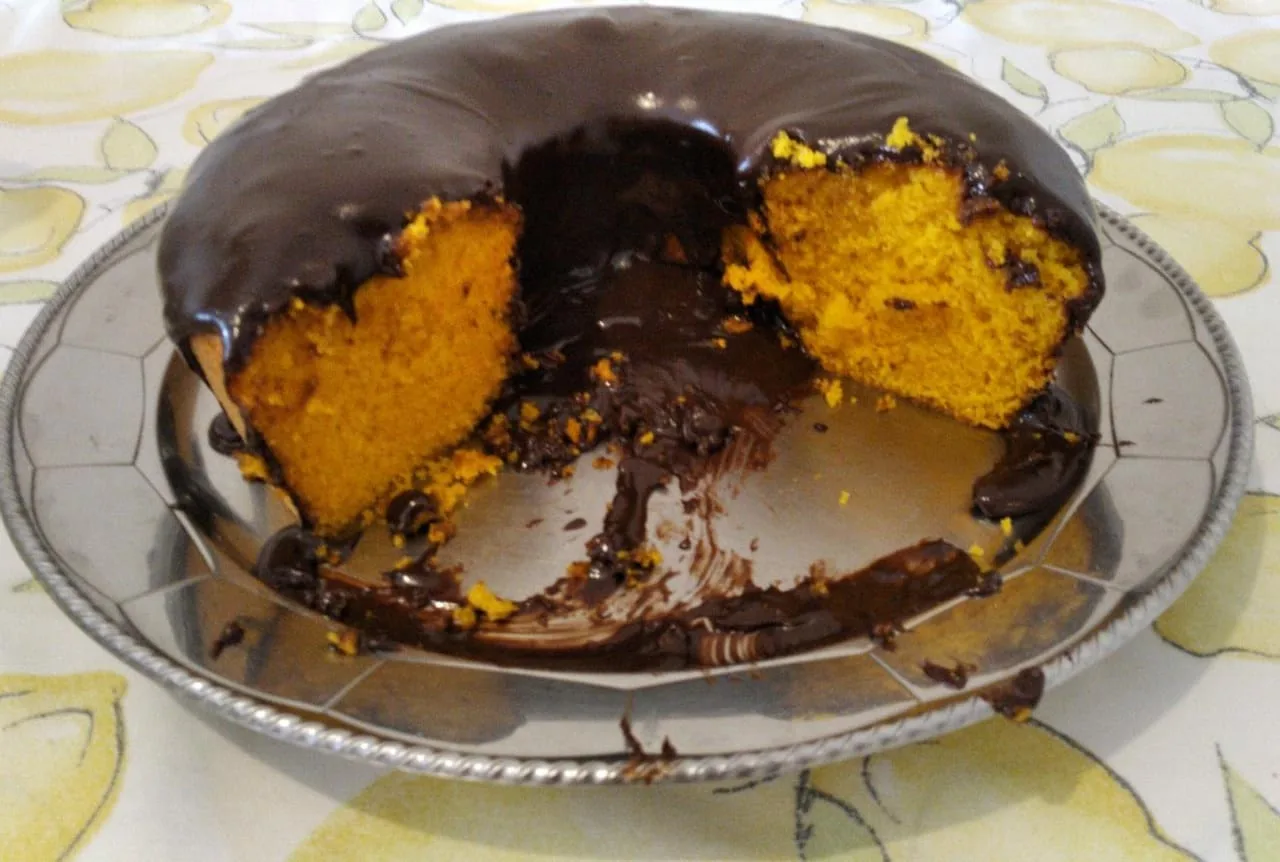
A bolo de cenoura — golden Brazilian carrot cake in a ring shape with chocolate glaze, a slice cut out

Brazilian Afternoon Classic

Photo: Pedro Toniazzo Terres, CC BY-SA 4.0, via Wikimedia Commons

The Heritage Formulary

Measured Ingredients

Estimated cost: Low — about $1 per slice at home (USD)

Good bolo de cenoura is bright golden inside, soft and springy, with a thin glossy chocolate coat — never dry, dense or pale.

Execution Methodology & Culinary Technique

Step-by-Step Cooking Guide

Active 1h
P

Prep Stage: Blend and Sift

20 Mins • Blender Work

Heat the oven to 180°C (350°F) and grease a 24 cm ring mould well, then dust it with flour. Blend the chopped carrots, eggs and oil until completely smooth — no flecks of carrot should remain. Sift the flour with the baking powder and salt into a large bowl.

Maestro Tip: Blend the carrots for a full 2 minutes. Any unblended flecks show up as orange spots in the finished cake.

  1. 1

    Blend the Carrots

    5 Mins Room temperature, ~20°C (68°F)

    Put the chopped carrots, eggs and vegetable oil in a blender and blend for 2 minutes, scraping down the sides once, until the mixture is completely smooth and pale orange.

    If the blender struggles, add the oil first — it helps the blades catch the carrots.

    Done when: The mixture is smooth, with no visible flecks of carrot.

  2. 2

    Mix the Batter

    5 Mins Room temperature, ~20°C (68°F)

    Pour the blended mixture into the bowl of sifted flour, add the sugar and salt, and stir with a spatula just until no dry flour remains. Do not beat it — overmixing makes the cake tough.

    Stop as soon as the flour disappears. A few small lumps are fine and will bake out.

    Done when: The batter is thick, smooth and golden, and falls from the spatula in a slow ribbon.

  3. 3

    Bake the Cake

    40 Mins 180°C (350°F)

    Pour the batter into the prepared ring mould, smooth the top and bake for 35–40 minutes, until the top is golden and a skewer pushed into the thickest part comes out clean or with a few moist crumbs.

    Do not open the oven for the first 25 minutes — the cake can sink if the heat escapes.

    Done when: The cake is golden, springy to the touch, and the skewer comes out clean.

  4. 4

    Make the Chocolate Glaze

    10 Mins Medium heat, ~160°C (320°F)

    While the cake cools for 10 minutes in the mould, put the cocoa, glaze sugar, butter and milk in a small pan over medium heat. Stir until the butter melts and the mixture turns glossy, then simmer for 1–2 minutes until it thickens slightly. Take it off the heat.

    Do not let the glaze boil hard — it turns grainy. A gentle simmer is enough.

    Done when: The glaze is smooth, glossy and coats the back of a spoon.

  5. 5

    Glaze and Serve

    10 Mins Room temperature, ~20°C (68°F)

    Turn the cake out onto a plate and pour the warm glaze over the top, letting it drip down the sides. Leave for 10 minutes so the glaze sets, then slice and serve.

    Pour the glaze while it is still warm — once it cools it thickens and will not spread.

    Done when: The glaze has set into a thin, glossy chocolate coat over the golden cake.

Finishing Touches & Plating

Slice the bolo de cenoura with a warm, dry knife so the glaze cuts cleanly, and serve it at room temperature with coffee. It keeps well for days — the crumb stays soft thanks to the oil in the batter.

Nutritional Physiology & Benefits

Nutrition

Energy

413

kcal / serving

Protein

6g

Complete AA

Carbs

55g

Complex

Fats

20g

Healthy

Per serving (12 servings · 1 serving ≈ 110 g)
Energy413 kcal
Protein6 g
Carbohydrates55 g
Fat20 g
Fibre2.3 g
Sugar33.3 g
Sodium274 mg
Per 100g
Energy375 kcal
Protein5.1 g
Carbohydrates50.3 g
Fat18.2 g
Fibre2.1 g
Sugar30.3 g
Sodium249 mg

Nutrition values are estimated — calculated from USDA FoodData Central values for the listed ingredients.

Vitamins & minerals: Vitamin A (carrots), B vitamins and choline (eggs), calcium (milk), iron (cocoa).

Carrots in Every Slice

Real carrots give the cake its colour and add vitamin A and fibre — a sweet snack with something useful in it.

Energy for the Afternoon

About 55 g of carbohydrate per slice, from flour, sugar and carrots — a filling bite with afternoon coffee.

One Blender, One Bowl

The batter comes together in the blender, so there is almost no washing up — a cake anyone can make on a weekday.

Food Pairings

What to Eat With

To optimize nutrient absorption and elevate the sensory depth, pair with these authentic accompaniments:

Drinks

Black Coffee

Unsweetened coffee is the classic partner — its bitterness balances the sweet cake and the chocolate glaze.

A Glass of Milk

Cold milk with a slice of carrot cake is a childhood favourite in Brazil, and it softens the chocolate glaze.

Vegetables

Fresh Strawberries

A few strawberries on the side add a fresh, tart contrast to the sweet, rich cake.

More Pairings

Whipped Cream

A spoonful of lightly whipped cream makes the cake feel like a party dessert without overpowering it.

Complete menu

Serve a slice of bolo de cenoura with black coffee after lunch, with fresh strawberries on the side — the classic Brazilian afternoon coffee.

Digestive Guardrails

What NOT to Combine

To prevent digestive distress, sluggishness, or palate clash, avoid pairing the dish with these elements:

A Very Sweet Drink Alongside

The cake and its glaze are already sweet — a sugary soft drink on top can leave the whole snack cloying. This is general guidance, not medical advice.

Opening the Oven Too Early

Opening the door in the first 25 minutes lets the heat out and can make the cake sink in the middle — wait until it is set.

General information only, not medical advice — consult a doctor for personal dietary decisions.

Who Should Eat It

Who Should Eat

  • General adultsA cheerful afternoon snack — best with coffee and good company.
  • ChildrenA favourite with children; cut a small slice and keep the coffee for the adults.
  • ElderlyGood — soft, easy to eat and gentle to chew; serve a small slice with milk.
  • Pregnant womenGenerally suitable in a small slice; the cake is baked through and contains no alcohol.
  • Breastfeeding womenGenerally suitable in a small slice; it gives quick energy, but keep the portion modest because of the sugar.
  • AthletesA useful quick energy snack after training, but it is low in protein — pair it with milk or yoghurt.
  • Weight gainA good choice — take a generous slice with a glass of milk.
  • Weight lossA reasonable choice in a small slice — the sugar and refined flour add up, so keep the portion small.

Health Conditions — Adjust or Avoid

Conditions

  • DiabetesThe sugar and refined flour raise blood sugar — keep the slice small and ask your clinician about portion size.
  • High blood pressureLow in sodium as written, which helps — but the sugar still matters, so keep the slice small. Ask your clinician about a suitable portion.
  • Kidney diseaseKeep the slice small (sugar and protein load); ask your clinician about portion size.
  • GoutEat occasionally and in smaller portions — the cake is sweet and rich, and gout calls for moderation with sweet foods.
  • Stomach issuesUsually gentle on the stomach; the chocolate glaze can bother some people with reflux, so keep the slice small.
  • Cardiovascular diseaseKeep the slice small — the cake is high in sugar and refined flour, and the glaze adds saturated fat.
  • Fatty liverKeep the slice small and enjoy it as an occasional treat rather than an everyday snack.
  • Food allergiesContains egg, milk, butter and wheat (gluten). No nuts or soy in the recipe as written.
  • Special therapeutic dietsIf you follow a prescribed low-sugar diet, this cake is not a good fit — save it for a special occasion and check with your clinician.

If you have a medical condition, consult your doctor before changing your diet.

Storage & Use

Storage & Use

How to store
Cool completely, then cover with cling film or store in an airtight container.
In the fridge
5 days (bring back to room temperature before serving).
In the freezer
2 months (freeze unglazed slices, wrapped tightly).
How to reheat
No reheating needed — serve at room temperature. A slice can be warmed for 10 seconds in the microwave if you like it warm.
Freezing recommended
Yes — it freezes well without the glaze.
Signs it has spoiled
Sour smell, a slimy surface, or mould.

More recipes to explore

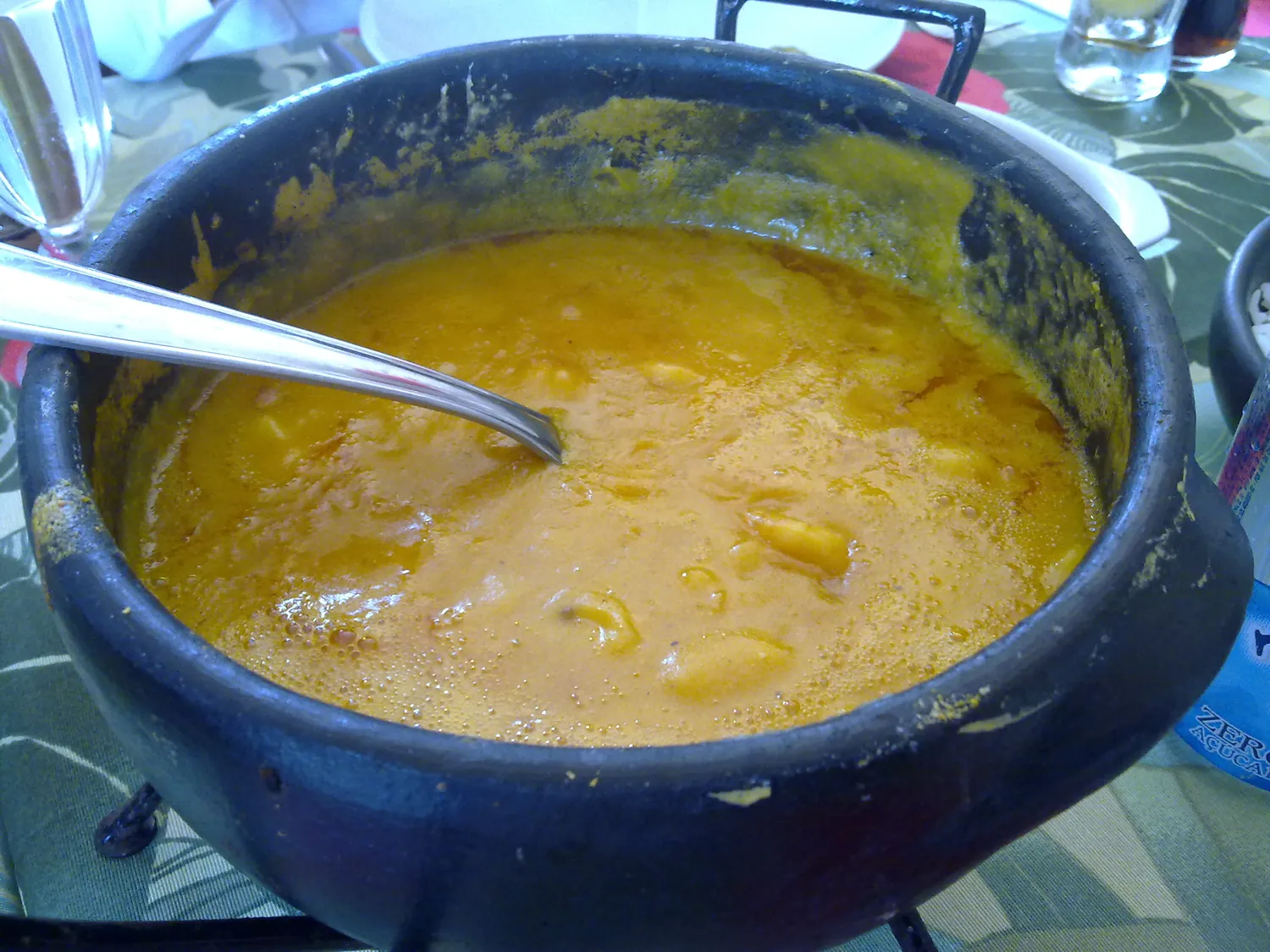
A black clay pot of golden-orange bobó de camarão, a thick cassava cream with shrimp, with a serving spoon Brazil flag Brazil 1h 5m
Dinner •Bahian Cassava Cream

Bobó de Camarão

This bobo de camarao recipe is Bahia's creamy shrimp dish: fresh shrimp folded into a thick purée of boiled cassava blended with coconut milk, coloured golden-orange with dendê oil and finished with lime and cilantro. Unlike a stew, the cassava is blended smooth, so the whole dish eats like a rich, spoonable cream. One serving is about 470 g.

Rich & Comforting

Shrimp folded into a thick, smooth cassava cream made with coconut milk and red palm oil, served hot with rice.

Pairs Well With
Steamed white rice, farofa and a crisp green salad
A basket of golden, round pão de queijo, Brazilian cheese bread rolls Brazil flag Brazil 45m
Snack & Tea •Minas Gerais Cheese Bread

Pão de Queijo

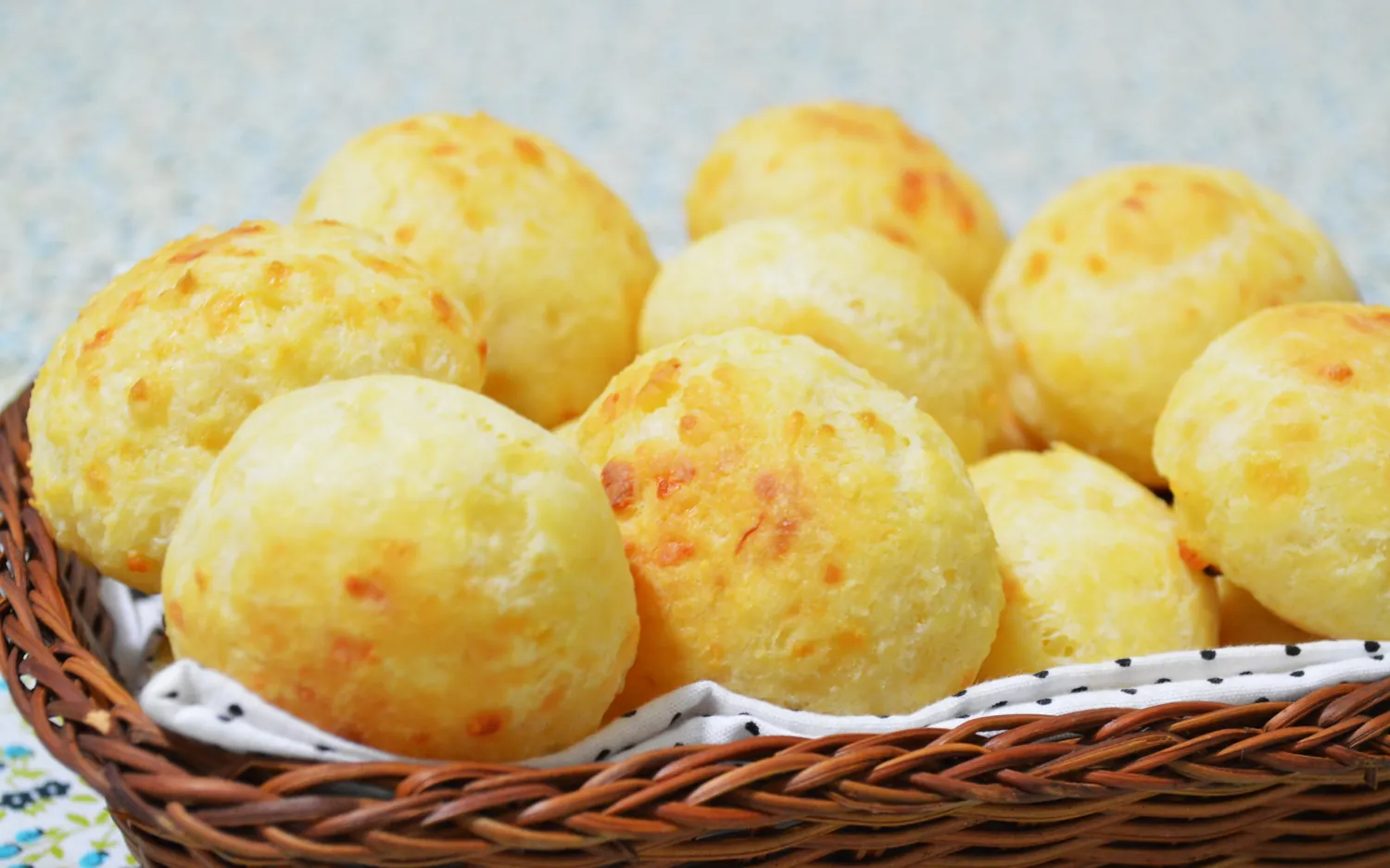
This pao de queijo recipe makes Brazil's famous cheese bread: small, golden rolls with a crisp shell and a soft, stretchy, chewy centre, made from tapioca starch, milk, oil, eggs and cheese. There is no wheat flour and no yeast — the rolls puff up on steam in a hot oven. One serving is 4 rolls, about 134 g.

Warm & Chewy Snack

Golden tapioca cheese rolls with a crisp shell and a soft, stretchy centre, baked in under half an hour.

Pairs Well With
Black coffee, fresh fruit, or a light soup
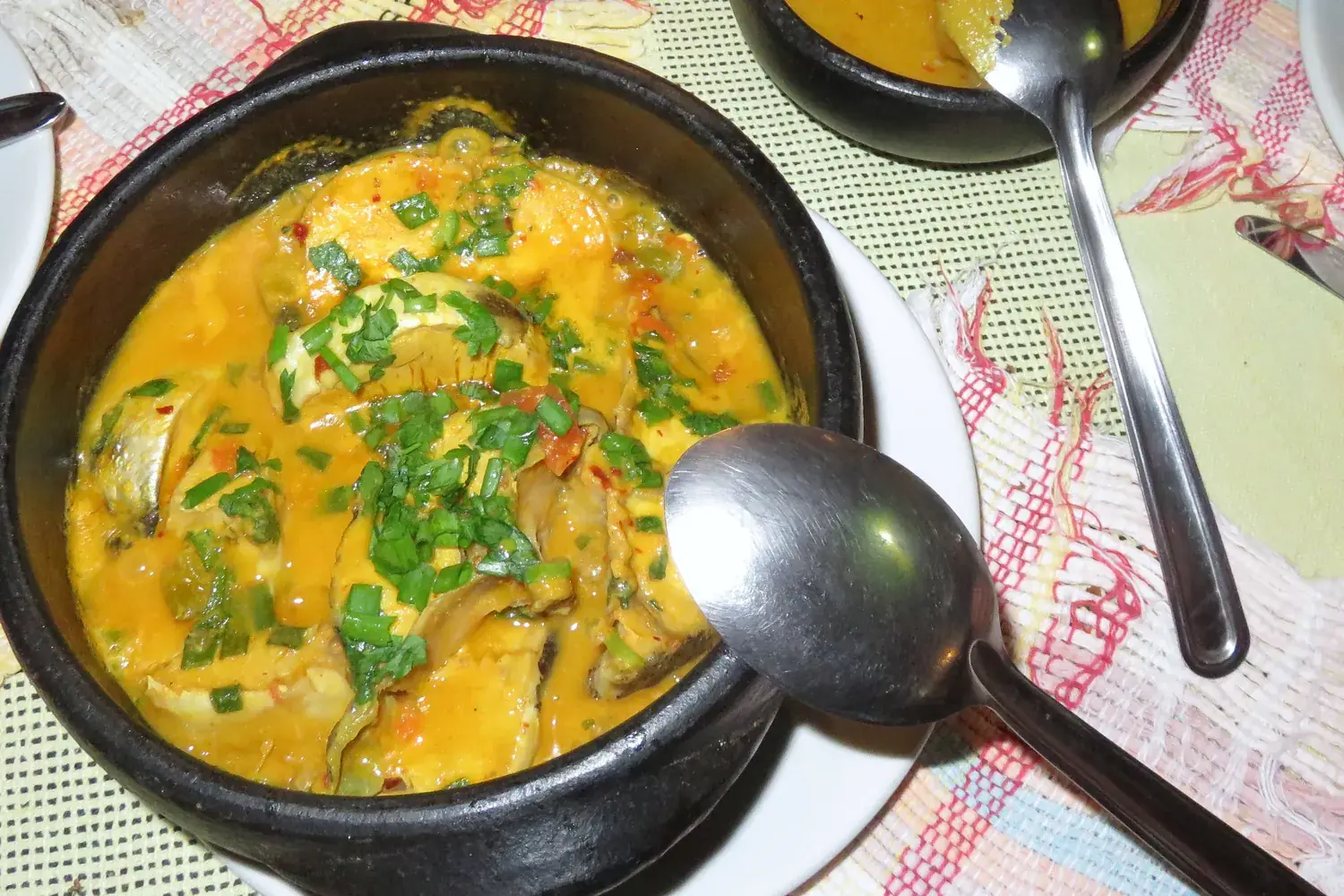
A black clay pot of moqueca baiana, fish chunks in a golden-orange coconut sauce with fresh herbs, beside rice and pirão Brazil flag Brazil 55m
Dinner •Bahian Fish Stew

Moqueca Baiana

This moqueca baiana recipe is Bahia's famous fish stew: thick fillets of white fish layered with onion, peppers and tomato, then simmered gently in coconut milk with dendê oil until the sauce turns golden-orange. The fish stays in whole, flaky pieces in a fragrant broth — a stew, not a purée. One serving is about 450 g.

Coastal & Aromatic

Firm white fish simmered in coconut milk and red palm oil with peppers and tomato, served hot in its clay pot.

Pairs Well With
Steamed white rice, pirão and farofa
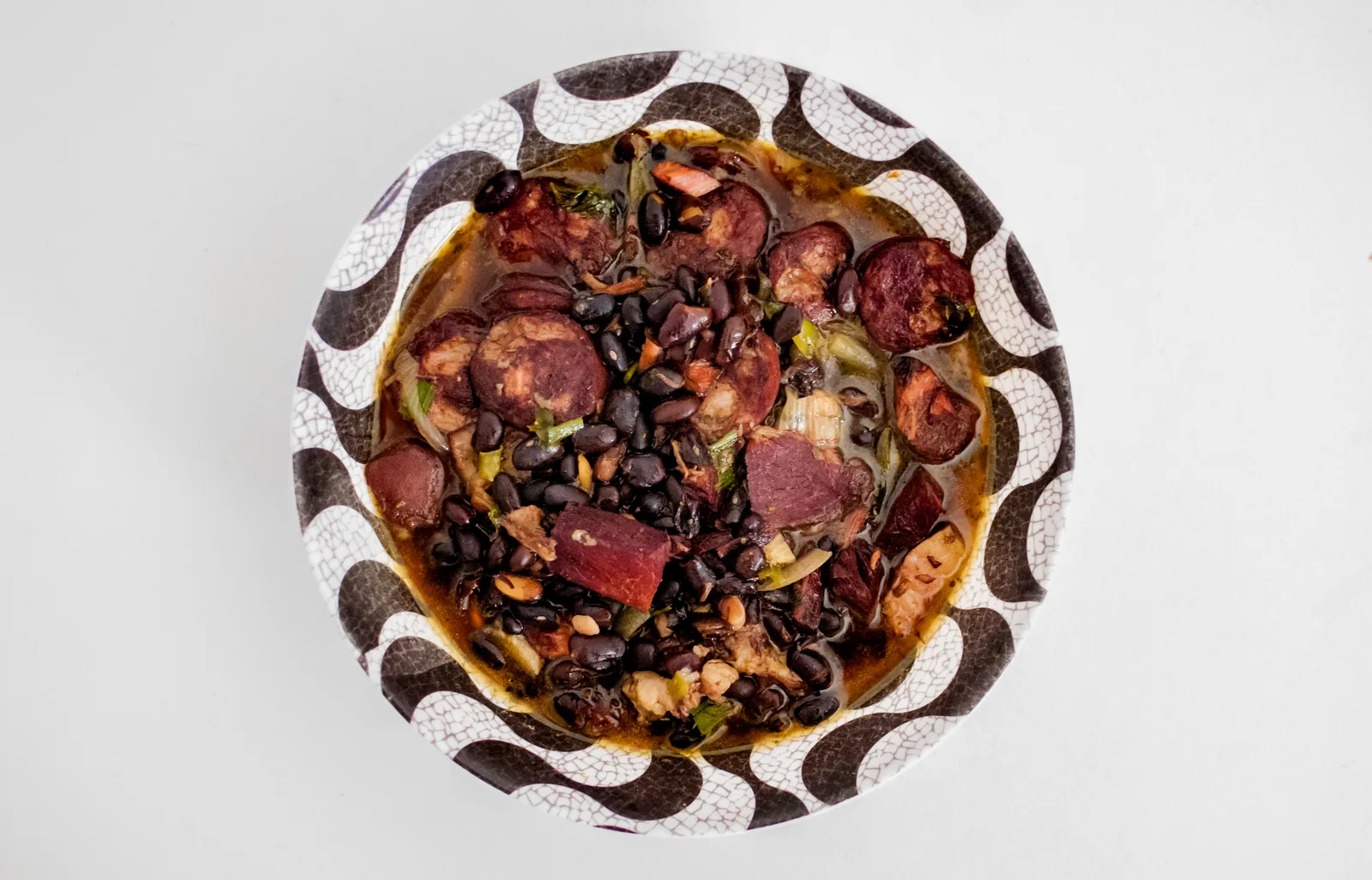
A bowl of Brazilian feijoada — black beans with rounds of sausage and pieces of pork Brazil flag Brazil 3h 30m
Dinner •Brazilian National Dish

Brazilian Feijoada

This Brazilian feijoada recipe is the real Saturday lunch: black beans simmered for hours with pork shoulder, smoky linguiça, bacon and beef until the broth turns thick and dark, then served with white rice, garlicky collard greens, orange slices and farofa. It is a slow, generous pot built for sharing. One serving is about 450 g.

Rich & Hearty

Brazil's national dish — black beans slow-cooked with pork, sausage and beef, served with rice, greens and orange.

Pairs Well With
Serve with white rice, sautéed collard greens, orange slices and farofa.

The Dinner Gazette

Never wonder what’s for dinner again

One email a week with easy dinner ideas from around the world — ingredients, steps and nutrition, tested in our kitchen first.

Delivered every Thursday morning. Unsubscribe anytime.