

Curated recipes from 193 countries  •  New seasonal Mediterranean issue out now

Overview

Caprese Salad

Insalata Caprese

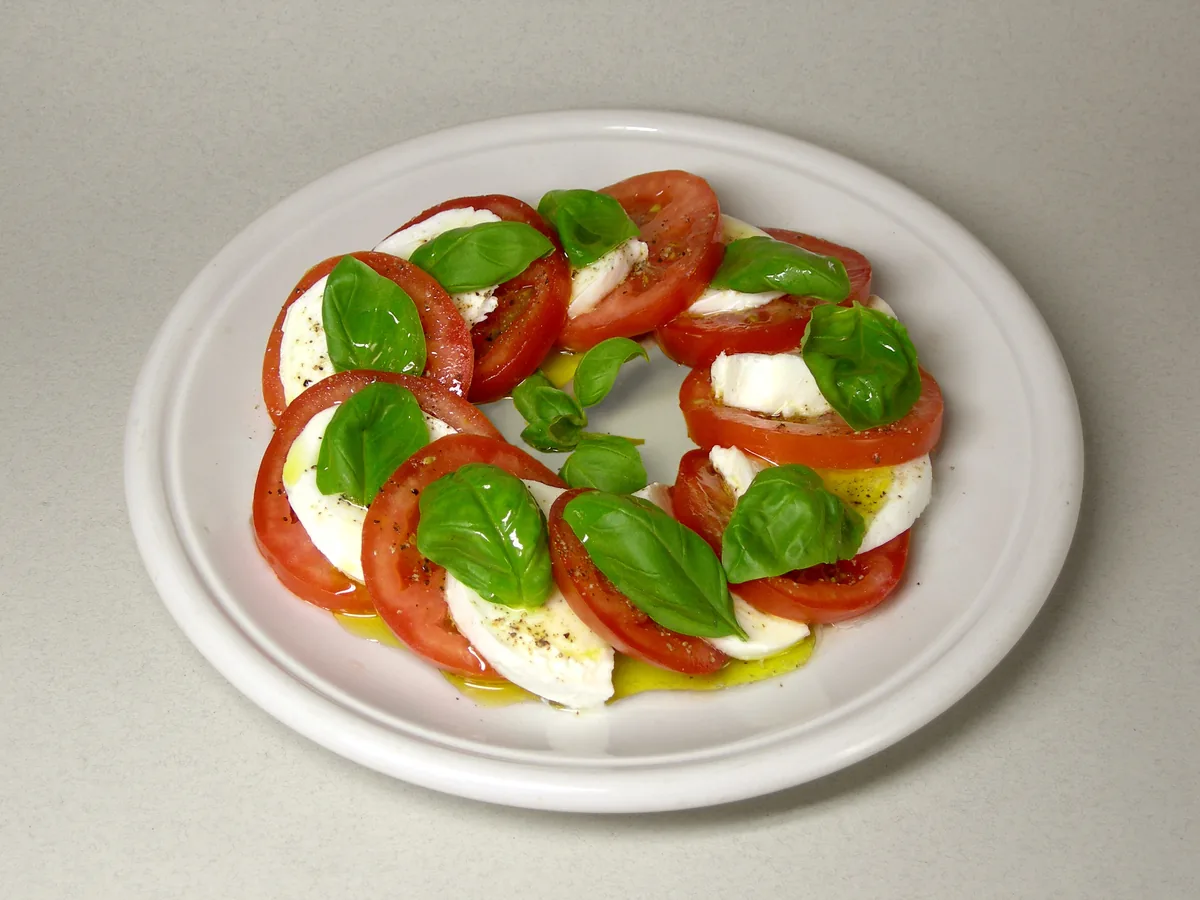
This caprese salad recipe layers ripe tomatoes, creamy fresh mozzarella and basil, then finishes with extra-virgin olive oil and a little balsamic. No cooking, 15 minutes, and the colours of the Italian flag on the plate. One serving is about 232 g.

Insalata caprese comes from the island of Capri, off the coast of Naples, and is said to have been created in the early 20th century — one widely repeated account links it to the 1920s, when it was served to the Futurist poet Filippo Tommaso Marinetti, though the dish's exact origin is not documented. What is certain is its design: tomato, mozzarella and basil echo the green, white and red of the Italian flag, and it became the classic starter of the Campania region, built entirely on ingredients at their peak.

Pairs well with: Crusty bread to mop up the oil and a glass of white wine

Provenance

Italy flag Italy

Capri Classic

Mediterranean & Italy

Time Dedication

15m

15m prep • 0m cook

Batch Yield

4 Servings

309 kcal per serving

1 serving ≈ 232 g

Technical Skill

Easy

Easy (No Cooking)

Meal Timing & Digestive Fit

Breakfast

Not Advised

Lunch

Prime Metabolic Fit

Dinner

Ideal Hearty Main

Snack & Tea

Inappropriate

Quick Prep (<30m) Occasions: Summer lunch, starter, picnic, light dinner Cost: Low — about $2–3 per serving at home
A plate of caprese salad with sliced red tomatoes, white mozzarella and green basil leaves drizzled with olive oil

Capri Classic

Photo: Rainer Zenz, CC BY-SA 3.0, via Wikimedia Commons

The Heritage Formulary

Measured Ingredients

Estimated cost: Low — about $2–3 per serving at home (USD)

A real caprese is only as good as its tomatoes — if they are pale and flavourless, wait for the season.

Execution Methodology & Culinary Technique

Step-by-Step Cooking Guide

Active 15m
P

Prep Stage: Slice and Season the Tomatoes

10 Mins • Knife Work

Slice the tomatoes and mozzarella into even 5 mm rounds. Lay the tomato slices on the serving plate, season them with the salt, and leave for 5 minutes so the salt draws out a little juice — that juice becomes part of the dressing.

Maestro Tip: Salt the tomatoes first, not the finished salad: salted early, they release juice that mixes with the oil.

  1. 1

    Arrange tomato, mozzarella and basil

    5 Mins Room temperature

    Alternate tomato and mozzarella slices in overlapping rows on a wide plate, tucking a basil leaf between each pair. Work in a single layer so every slice shows.

    A wide, flat plate beats a deep bowl — the salad is meant to be seen.

    Done when: Neat overlapping rows, basil visible between the slices.

  2. 2

    Drizzle the oil and balsamic

    2 Mins Room temperature

    Drizzle the olive oil slowly over the whole plate, then the balsamic in thin lines. The oil should pool lightly at the edges, not flood the plate.

    Pour the oil from a height in a thin stream for even coverage.

    Done when: A light sheen of oil on every slice.

  3. 3

    Season and rest

    3 Mins Room temperature

    Grind black pepper over the top and rest for 3 minutes so the flavours settle and the oil picks up the tomato juice.

    Never serve caprese fridge-cold — cold kills the tomato flavour. If the tomatoes were chilled, let the salad sit out for 20 minutes.

    Done when: Pepper specks visible, salad at room temperature.

  4. 4

    Serve with bread

    2 Mins Room temperature

    Bring the plate to the table with crusty bread and a serving spoon. Each person takes tomato, mozzarella and basil together, then uses the bread to mop up the oil and juices left on the plate.

    Serve within the hour — the salad does not improve by waiting.

    Done when: Served at room temperature, bread on the table.

Finishing Touches & Plating

Serve at room temperature, the moment it is dressed, with good bread for the oil and tomato juices left on the plate. This is a salad to eat within the hour — it does not improve by waiting.

Nutritional Physiology & Benefits

Nutrition

Energy

309

kcal / serving

Protein

15g

Complete AA

Carbs

8g

Complex

Fats

25g

Healthy

Per serving (4 servings · 1 serving ≈ 232 g)
Energy309 kcal
Protein15 g
Carbohydrates8 g
Fat25 g
Fibre1.9 g
Sugar5.1 g
Sodium594 mg
Per 100g
Energy133 kcal
Protein6.6 g
Carbohydrates3.4 g
Fat10.6 g
Fibre0.8 g
Sugar2.2 g
Sodium256 mg

Nutrition values are estimated — calculated from USDA FoodData Central values for the listed ingredients.

Vitamins & minerals: Vitamin C and lycopene (tomatoes), calcium (mozzarella), vitamin K and vitamin A (basil).

Lycopene from tomatoes

Ripe tomatoes are a source of lycopene, the pigment that gives them their red colour.

Protein without cooking

About 15 g of protein per serving comes from the fresh mozzarella, with no cooking at all.

Healthy fats

Extra-virgin olive oil supplies monounsaturated fat, the main fat of the Mediterranean diet.

Food Pairings

What to Eat With

To optimize nutrient absorption and elevate the sensory depth, pair with these authentic accompaniments:

Sides

Crusty bread

Bread soaks up the olive oil and tomato juices on the plate, so none of the flavour is wasted.

Drinks

White wine

A crisp white wine matches the salad's acidity and keeps the meal light.

Vegetables

Grilled courgettes

Warm, smoky courgettes add a cooked contrast to the cool, raw salad without overpowering it.

Full Menus

As a starter before pasta

Light and fresh, caprese opens the appetite without filling you up before the main course.

Complete menu

Serve as a starter before a pasta main, or as a light lunch with crusty bread and a glass of white wine.

Digestive Guardrails

What NOT to Combine

To prevent digestive distress, sluggishness, or palate clash, avoid pairing the dish with these elements:

Do not dress it hours ahead

Salt and oil draw water from the tomatoes over time, leaving a soggy plate and diluted flavour — dress just before serving. This is general food guidance, not medical advice.

Skip heavy creamy dressings

Mayonnaise or ranch-style dressings bury the tomato, basil and oil that make this salad what it is.

General information only, not medical advice — consult a doctor for personal dietary decisions.

Who Should Eat It

Who Should Eat

  • General adultsA light, fresh lunch — good on its own or as a starter, with bread on the side.
  • ChildrenVery suitable; the flavours are mild and the textures soft. Cut the tomato slices smaller for young children.
  • ElderlySoft, easy to chew and light — a good choice, though the cheese adds salt, so keep the portion moderate.
  • Pregnant womenGenerally suitable; the mozzarella is a fresh pasteurised cheese. Keep the portion moderate because of the salt.
  • Breastfeeding womenGenerally suitable; calcium and protein from the mozzarella are welcome. Keep the portion moderate.
  • AthletesA light option with about 15 g of protein per serving — better as a starter or side than a post-workout main.
  • Weight gainLight and low in calories for a cheese dish; add bread and olive oil if you want more energy.
  • Weight lossA good choice: about 309 calories a serving, fresh and filling, with no added sugar.

Health Conditions — Adjust or Avoid

Conditions

  • DiabetesLow in carbohydrate (about 8 g per serving) and sugar-free apart from the tomato's natural sugars — a good choice. Ask your clinician about portion size.
  • High blood pressureThe mozzarella carries most of the salt (about 594 mg sodium per serving); a smaller portion helps. Ask your clinician about a suitable portion.
  • Kidney diseaseThe cheese adds sodium and the tomatoes add potassium — keep the portion modest and ask your clinician if unsure.
  • GoutA light, low-purine dish; tomato and mozzarella are generally fine in small amounts.
  • Stomach issuesRaw tomato and vinegar can bother a sensitive stomach — use less balsamic and skip the pepper if it troubles you.
  • Cardiovascular diseaseOlive oil and vegetables are the core of the dish; the saturated fat comes only from the mozzarella. Ask your clinician about how often it fits your eating plan.
  • Fatty liverLow in sugar and modest in fat; a suitable light dish. Ask your clinician for guidance.
  • Food allergiesContains milk (mozzarella). Do not serve to anyone with a milk allergy.
  • Special therapeutic dietsNaturally gluten-free and vegetarian; fits most therapeutic diets as written, but check with your clinician or dietitian first.

If you have a medical condition, consult your doctor before changing your diet.

Storage & Use

Storage & Use

How to store
Best eaten fresh. If needed, cover the undressed slices and keep them in the fridge.
In the fridge
Undressed, up to 1 day; dressed, eat within 2 hours.
In the freezer
Not suitable for freezing.
How to reheat
Do not reheat — this is a raw salad, served at room temperature.
Freezing recommended
No — tomatoes and mozzarella do not freeze well.
Signs it has spoiled
Slimy tomato slices, sour smell from the mozzarella, or wilted black basil.

More recipes to explore

Tagliatelle al ragù Bolognese in a bowl with Parmigiano-Reggiano Italy flag Italy 4h 25m
Lunch •Emilia-Romagna

Tagliatelle al Ragù Bolognese

Slow-braised soffritto and coarse ground heritage meats layered over handmade egg yolk dough for mid-day stamina.

Lean Protein

Slow-simmered beef ragù tossed through fresh egg tagliatelle.

Pairs Well With
Bitter Radicchio & Aged Balsamico di Modena
Pasta & Noodles • High Protein
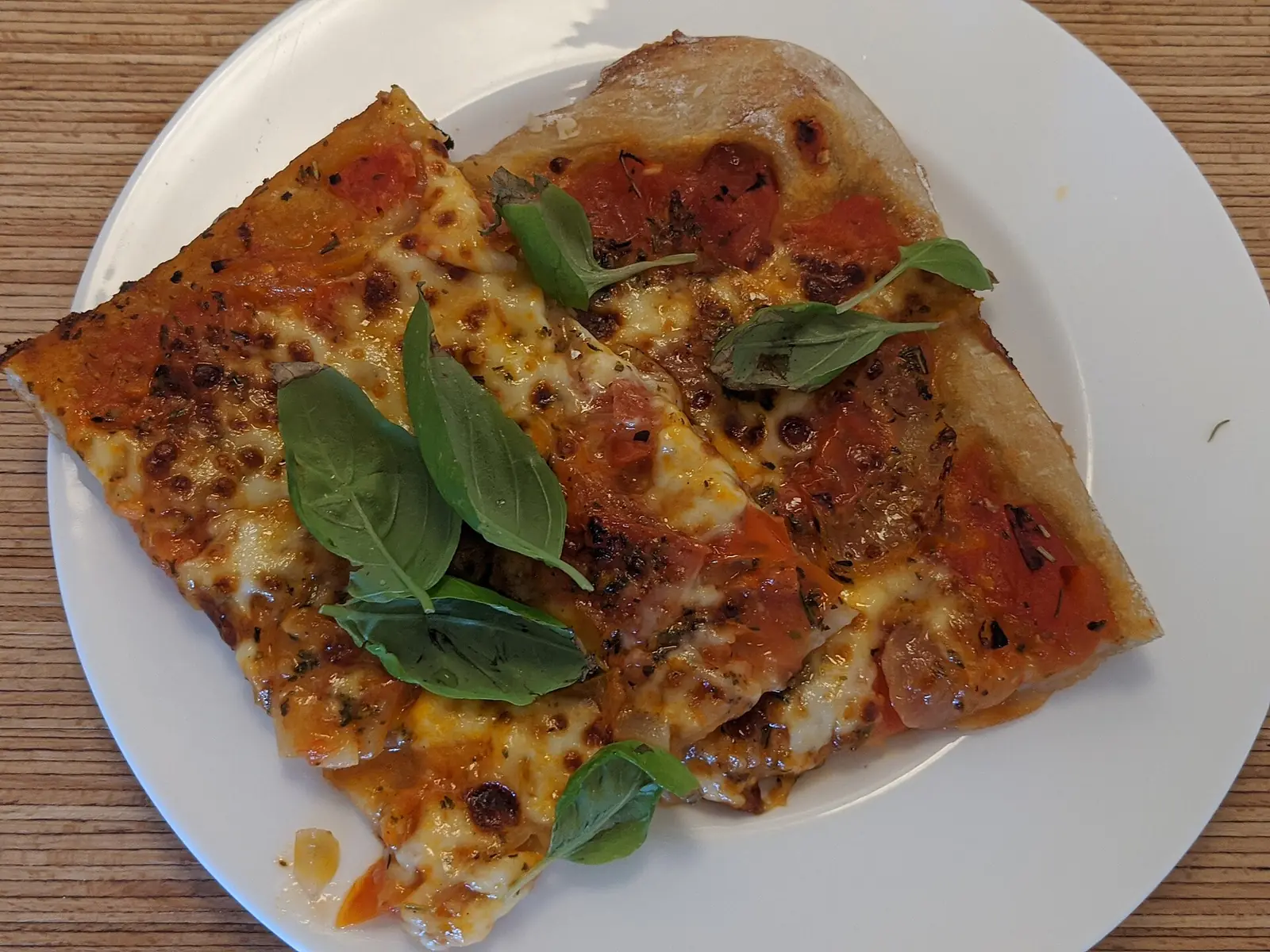
Two slices of pizza margherita with tomato, melted mozzarella and fresh basil on a white plate Italy flag Italy 45m
Dinner •Naples Classic

Pizza Margherita

This pizza margherita recipe makes a proper Neapolitan-style pizza at home: a soft, airy dough, San Marzano tomato sauce, fior di latte mozzarella and fresh basil. One serving is about 325 g — two slices.

Simple & Satisfying

Wood-fired-style pizza with tomato, fior di latte mozzarella and basil — three ingredients, done properly.

Pairs Well With
A simple green salad and a glass of Chianti or sparkling water
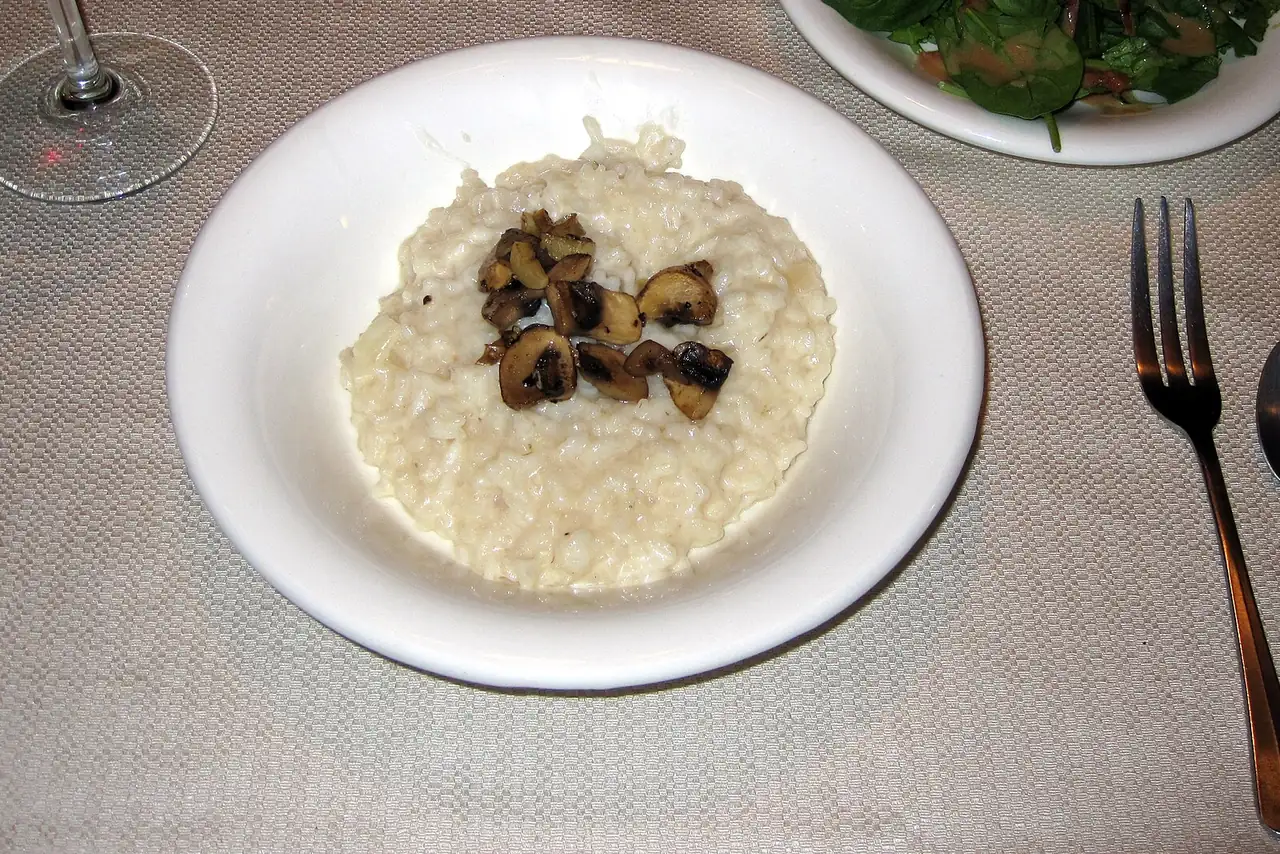
A bowl of creamy mushroom risotto topped with sautéed mushrooms, with a spinach salad beside it Italy flag Italy 50m
Dinner •Milanese Classic

Mushroom Risotto

This mushroom risotto recipe stirs Arborio rice slowly with hot stock, white wine and two kinds of mushrooms, then finishes it the Milanese way with cold butter and Parmesan. One serving is about 500 g.

Comfort & Warmth

Creamy Arborio rice, slowly stirred with mushrooms, white wine and Parmesan.

Pairs Well With
A rocket and Parmesan salad and a glass of dry white wine
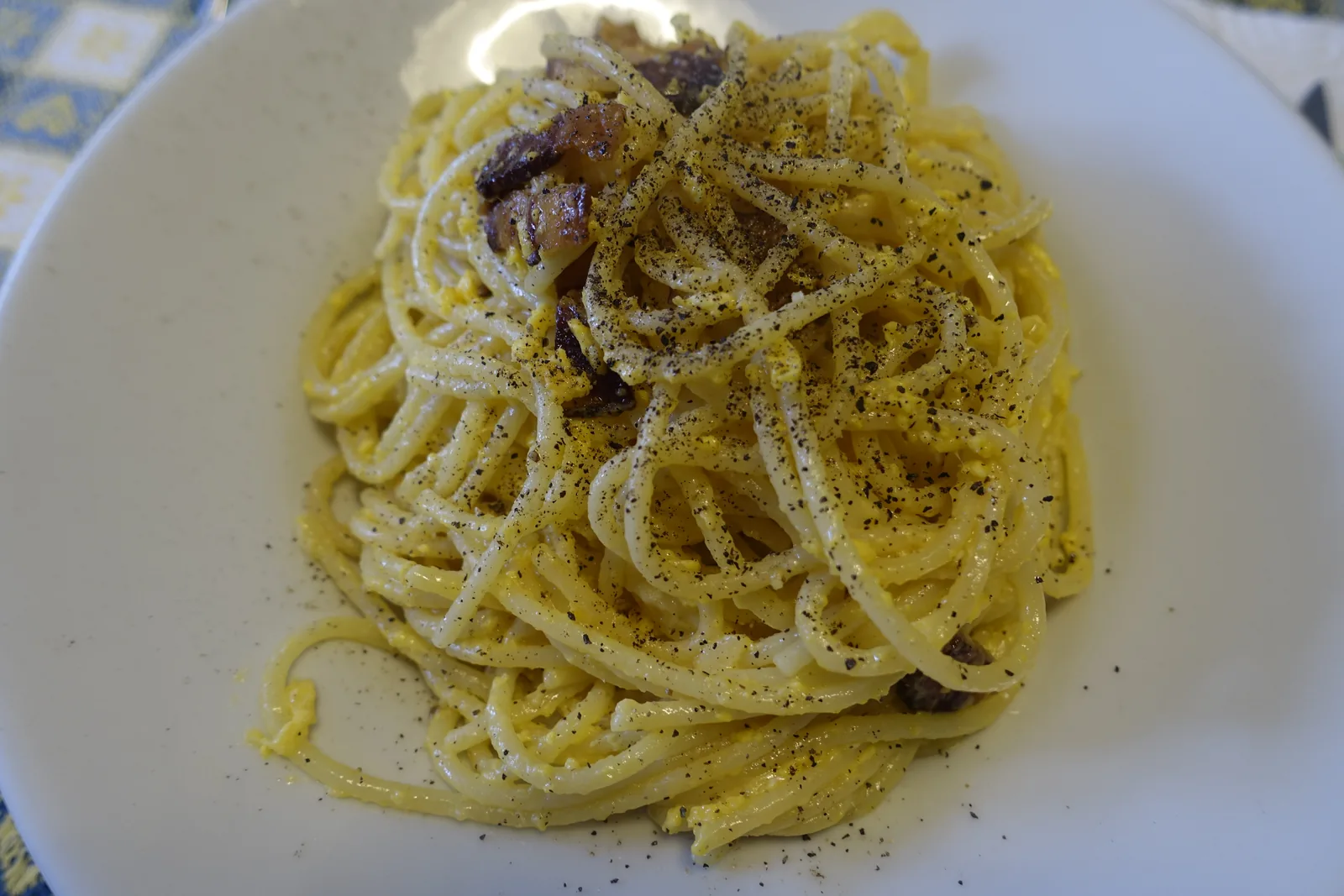
A plate of spaghetti carbonara with golden egg sauce, crisp guanciale and black pepper Italy flag Italy 30m
Dinner •Roman Classic

Spaghetti Carbonara

This spaghetti carbonara recipe is the Roman classic as it should be: spaghetti tossed with crisp guanciale, egg yolks, Pecorino Romano and black pepper — no cream, no bacon, no garlic. One serving is about 275 g. It takes 30 minutes, and the sauce comes together in the time the pasta cooks.

Comfort & Rich

Silky egg-and-cheese sauce over spaghetti with crisp guanciale and black pepper, ready in 30 minutes.

Pairs Well With
Pecorino Romano, black pepper & a crisp white wine
Pasta & Noodles • Quick Prep (<30m)

The Dinner Gazette

Never wonder what’s for dinner again

One email a week with easy dinner ideas from around the world — ingredients, steps and nutrition, tested in our kitchen first.

Delivered every Thursday morning. Unsubscribe anytime.