

Curated recipes from 193 countries  •  New seasonal Mediterranean issue out now

Overview

Choucroute Garnie

Alsatian Dressed Sauerkraut, Choucroute Alsacienne

This choucroute garnie recipe braises sauerkraut in dry Riesling with smoked bacon, cured ham and sausages, then serves it piled high with boiled potatoes. Choucroute garnie means 'dressed sauerkraut' — the cabbage is the star, and the meats are its dressing. It is the signature dish of Alsace, on the French border with Germany, where French and German cooking meet. One serving is about 510 g.

Choucroute garnie is the feast dish of Alsace, the region of eastern France that has passed between French and German rule for centuries. Sauerkraut itself came to Alsace from further east, and Alsatian cooks made it their own by braising it in local Riesling and piling it with the region's smoked pork and sausages — Montbéliard, Strasbourg and Frankfurt sausages are the traditional trio. There is no single fixed recipe: any hot sauerkraut with meat and potatoes can be called choucroute garnie, and every Alsatian family has its own version.

Pairs well with: Boiled potatoes, Dijon mustard and a glass of dry Alsatian Riesling.

Provenance

France flag France

Alsace Heritage

Nordic & European

Time Dedication

2h 25m

25m prep • 120m cook

Batch Yield

6 Servings

721 kcal per serving

1 serving ≈ 510 g

Technical Skill

Intermediate

Medium (Slow Braise)

Meal Timing & Digestive Fit

Breakfast

Not Advised

Lunch

Hearty Midday Main

Dinner

Ideal Hearty Main

Snack & Tea

Inappropriate

Occasions: Winter dinner, Christmas market season, family feast, Oktoberfest-style gathering Cost: Medium — about $5–6 per serving at home
Tags: Pork Sour Savory
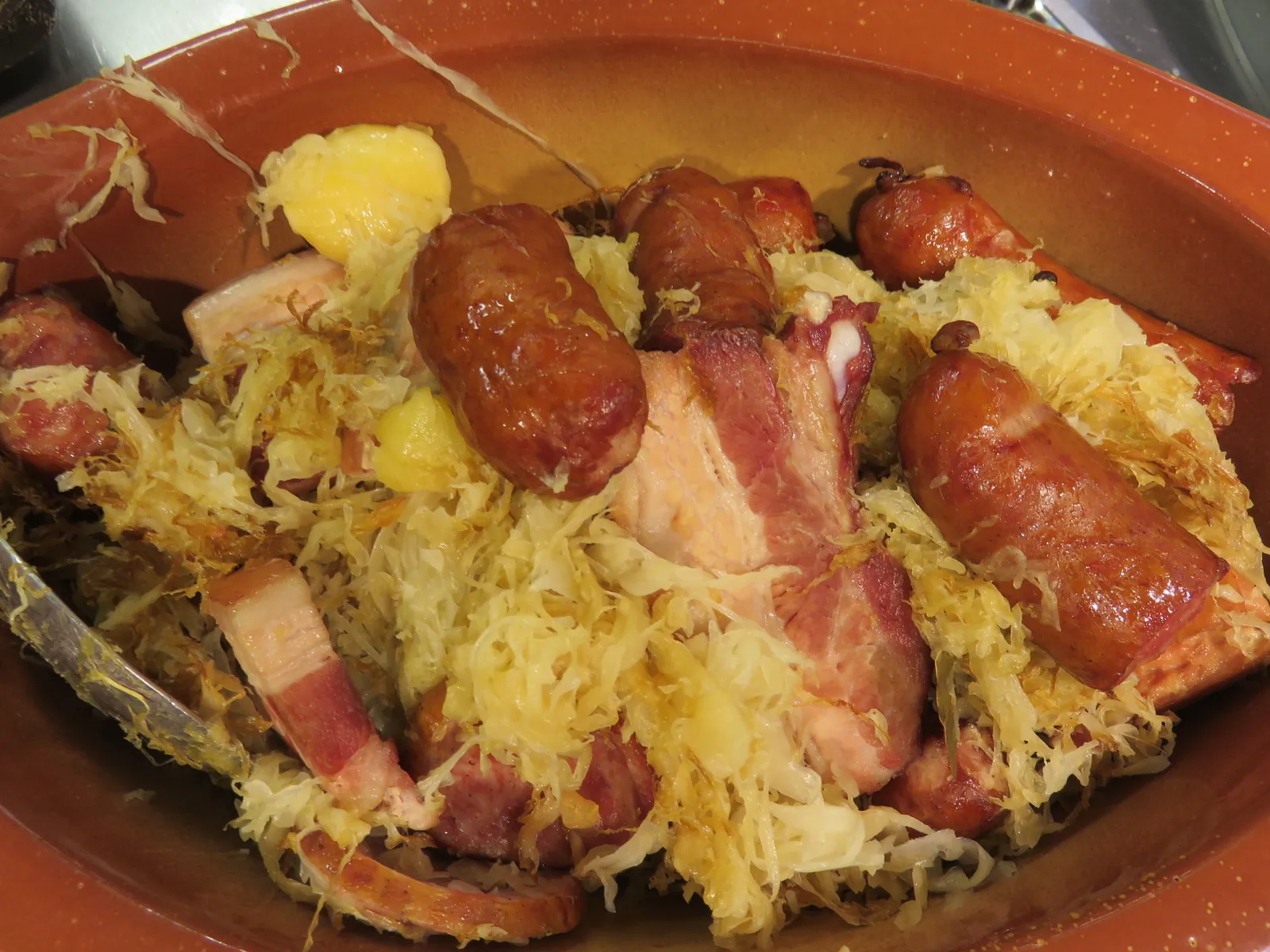
A terracotta dish of choucroute garnie — golden sauerkraut with browned sausages and smoked pork belly

Alsace Heritage

Photo: Arnaud 25, CC BY-SA 4.0, via Wikimedia Commons

The Heritage Formulary

Measured Ingredients

Estimated cost: Medium — about $5–6 per serving at home (USD)

A good choucroute garnie is judged by the cabbage: silky and golden, sour but mellow, with the meats steaming on top.

Execution Methodology & Culinary Technique

Step-by-Step Cooking Guide

Active 2h 25m
P

Prep Stage: Drain, Cut & Layer the Pot

25 Mins • Prep

Drain the sauerkraut well and loosen it with your fingers. Cut the bacon slab into thick lardons and the ham into thick slices, prick the sausages once each, peel the potatoes and slice the onion. Crush the juniper berries lightly. This is a layered braise, not a stir-fry: the sauerkraut goes in first, the meats sit on top of it, and everything cooks slowly together in wine and stock.

Maestro Tip: Drain the sauerkraut properly — a watery pot makes a watery dish.

  1. 1

    Soften the Onion

    10 Mins Medium heat, about 180°C (350°F)

    Melt the lard in a large heavy pot or casserole over medium heat. Add the onion and garlic and cook for 5 minutes until soft and golden. Stir in the bacon lardons and cook for 5 minutes more until they start to brown at the edges.

    Do not rush the onion — soft, sweet onion is the base flavour of the whole dish.

    Done when: The onion is soft and golden, the bacon just starting to colour.

  2. 2

    Layer the Sauerkraut

    5 Mins Medium heat, about 180°C (350°F)

    Add half the sauerkraut to the pot and toss it through the onion and bacon. Scatter in the juniper berries, bay leaves and peppercorns, then add the rest of the sauerkraut. Lay the ham slices on top.

    Layering, not stirring, keeps the meats sitting in the steam above the cabbage.

    Done when: The pot is full of sauerkraut with the ham resting on top.

  3. 3

    Add Wine & Simmer

    90 Mins Low simmer, about 95°C (200°F)

    Pour in the Riesling and the stock — the liquid should come about halfway up the sauerkraut. Bring to a gentle simmer, cover with a tight lid and cook on the lowest heat for 90 minutes. Check now and then that it is barely bubbling; add a splash of water if it looks dry.

    A bare simmer is the secret: the cabbage turns silky and sweet, never mushy.

    Done when: The sauerkraut is tender and golden, the liquid reduced and fragrant.

  4. 4

    Add Sausages & Potatoes

    30 Mins Low simmer, about 95°C (200°F)

    Nestle the bratwurst and knackwurst into the sauerkraut and tuck the potatoes around them. Cover and cook for 25–30 minutes more until the potatoes are tender all the way through and the sausages are hot to the centre, at least 74°C (165°F) for the pork sausages.

    Push the sausages down into the cabbage so they steam rather than dry out.

    Done when: A potato slides off a knife with no resistance; the sausages are plump and hot through.

  5. 5

    Rest & Serve Family-Style

    10 Mins Resting, about 70°C (158°F)

    Rest the pot for 10 minutes off the heat. Remove the bay leaves, then pile the sauerkraut onto a large warm platter, arrange the meats and sausages on top, and set the potatoes around the edge. Serve with Dijon mustard.

    Resting lets the flavours settle and the cabbage stop steaming before it is plated.

    Done when: A heaped platter of golden sauerkraut crowned with glossy sausages and ham.

Finishing Touches & Plating

Serve the choucroute garnie family-style from a big warm platter, with the meats arranged over the sauerkraut and mustard on the table.

Nutritional Physiology & Benefits

Nutrition

Energy

721

kcal / serving

Protein

32g

Complete AA

Carbs

31g

Complex

Fats

48g

Healthy

Per serving (6 servings · 1 serving ≈ 510 g)
Energy721 kcal
Protein32 g
Carbohydrates31 g
Fat48 g
Fibre7.5 g
Sugar5.5 g
Sodium2940 mg
Per 100g
Energy141 kcal
Protein6.3 g
Carbohydrates6 g
Fat9.4 g
Fibre1.5 g
Sugar1.1 g
Sodium576 mg

Nutrition values are estimated — calculated from USDA FoodData Central values for the listed ingredients.

Vitamins & minerals: Sauerkraut supplies vitamin C, vitamin K and fibre; the pork and sausages add thiamine, niacin, vitamin B12 and zinc, and the potatoes add potassium.

Fermented Cabbage

Sauerkraut is fermented cabbage, a source of fibre and vitamin C, and it gives this rich dish its fresh, sour lift.

High in Protein

One serving carries about 32.1 g of protein from the pork, ham and sausages — a genuinely filling winter dinner.

B Vitamins & Zinc

Pork is a good source of thiamine, niacin and vitamin B12, and the potatoes add potassium.

Food Pairings

What to Eat With

To optimize nutrient absorption and elevate the sensory depth, pair with these authentic accompaniments:

Sides

Boiled Potatoes

Waxy potatoes cooked in the pot soak up the wine and pork juices and balance the sour cabbage.

Sauces

Dijon Mustard

Sharp Dijon mustard is the classic partner — its bite cuts through the fat of the sausages and bacon.

Vegetables

Simple Green Salad

A plain salad with a vinegar dressing refreshes the palate between rich, salty bites.

Drinks

Dry Alsatian Riesling

A glass of the same dry Riesling used in the pot matches the sour cabbage and cleanses the palate.

Complete menu

Serve the choucroute family-style with boiled potatoes and Dijon mustard, then a light fruit dessert.

Digestive Guardrails

What NOT to Combine

To prevent digestive distress, sluggishness, or palate clash, avoid pairing the dish with these elements:

Do Not Boil It Hard

A rolling boil turns the sauerkraut mushy and the sausages split. Keep the pot at the barest simmer for the whole cook. This is general food information, not medical advice.

Do Not Serve the Sausages Undercooked

Check the sausages with a thermometer — pork sausages must reach at least 71°C (160°F) at the centre, and this dish is best cooked through to 74°C (165°F). This is general food information, not medical advice.

General information only, not medical advice — consult a doctor for personal dietary decisions.

Who Should Eat It

Who Should Eat

  • General adultsA hearty winter dinner — one generous platter portion with potatoes is a full meal.
  • ChildrenThe sauerkraut is sour and the meats are salty; young children may prefer the potatoes and a small piece of sausage.
  • ElderlySuitable in a modest portion — the meats are tender, but the dish is very salty and rich.
  • Pregnant womenGenerally suitable if the sausages are cooked right through to 74°C (165°F); keep the portion modest because of the salt.
  • Breastfeeding womenGenerally suitable; the pork adds protein and iron — keep the portion modest because of the fat and salt.
  • AthletesA strong meal after a heavy training day: about 32.1 g of protein per serving.
  • Weight gainA good choice — the dish is energy-dense, and extra potatoes add more.
  • Weight lossNot the best choice — keep it to an occasional treat, one modest portion with extra sauerkraut and less sausage.

Health Conditions — Adjust or Avoid

Conditions

  • DiabetesAbout 30.5 g of carbohydrate per serving, mostly from the potatoes. Keep the potatoes to one or two and favour the sauerkraut. Ask your clinician about portion size.
  • High blood pressureVery high in sodium — about 2,940 mg per serving from the sauerkraut, ham and sausages. Keep the portion small and skip extra salt. Ask your clinician about portion size.
  • Kidney diseaseVery high in protein and sodium — limit the portion. Ask your clinician about portion size.
  • GoutPork and processed sausages are moderately high in purines; eat occasionally and in a smaller portion. Ask your clinician about portion size.
  • Stomach issuesThe sauerkraut is acidic and the dish is fatty; it can be heavy for a sensitive stomach — keep the portion small. Ask your clinician about portion size.
  • Cardiovascular diseaseHigh in saturated fat and sodium from the processed meats; keep it to an occasional treat in a small portion. Ask your clinician about portion size.
  • Fatty liverEnergy-dense with a lot of saturated fat; keep the portion modest and favour the sauerkraut over the meats. Ask your clinician about portion size.
  • Food allergiesContains sulphites in the wine and may contain gluten in some sausages — check the sausage label. Mustard is served on the side. Ask your clinician about portion size.
  • Special therapeutic dietsIf you follow a prescribed low-sodium or low-fat plan, this dish is hard to fit — check with your clinician.

If you have a medical condition, consult your doctor before changing your diet.

Storage & Use

Storage & Use

How to store
Cool quickly and store the sauerkraut and meats together in a covered container.
In the fridge
3–4 days in the fridge at 4°C (40°F) or below; the flavour improves on day two.
In the freezer
Up to 3 months, in portions, wrapped tightly.
How to reheat
Reheat gently in a covered pot over low heat until steaming hot, to 74°C (165°F); add a splash of water or wine if it looks dry.
Freezing recommended
Yes — it freezes well and the sauerkraut holds its texture.
Signs it has spoiled
Sour smell beyond the usual tang, slimy cabbage, or grey discolouration of the meats.

More recipes to explore

Golden butter croissants on a wooden board France flag France 20m
Breakfast •Parisian Boulangerie

Croissant au Beurre & Café

Laminated cultured butter pastry paired with washed Arabica, for a slow, pleasurable Parisian morning — best with a little protein alongside. One serving is about 390 g.

Sustained Focus

Flaky all-butter croissant with café au lait, Comté and green apple.

Pairs Well With
Comté cheese wedge & Green apple slices
Quick Prep (<30m)

Bœuf bourguignon — French beef braised in red wine France flag France 4h
Dinner •Burgundy Terroir

Bœuf Bourguignon

Beef braised gently in red wine until the connective tissue melts into a velvet, gelatin-rich sauce — the classic Burgundy Sunday dinner.

Cellular Repair

Beef braised in red wine until spoon-tender, with mushrooms and pearl onions.

Pairs Well With
Parsnip Purée & Steamed French Haricots Verts
High Protein
A mound of classic ratatouille with eggplant, zucchini, tomato and onion on a white plate France flag France 1h 15m
Dinner •Nice Provençal

Ratatouille

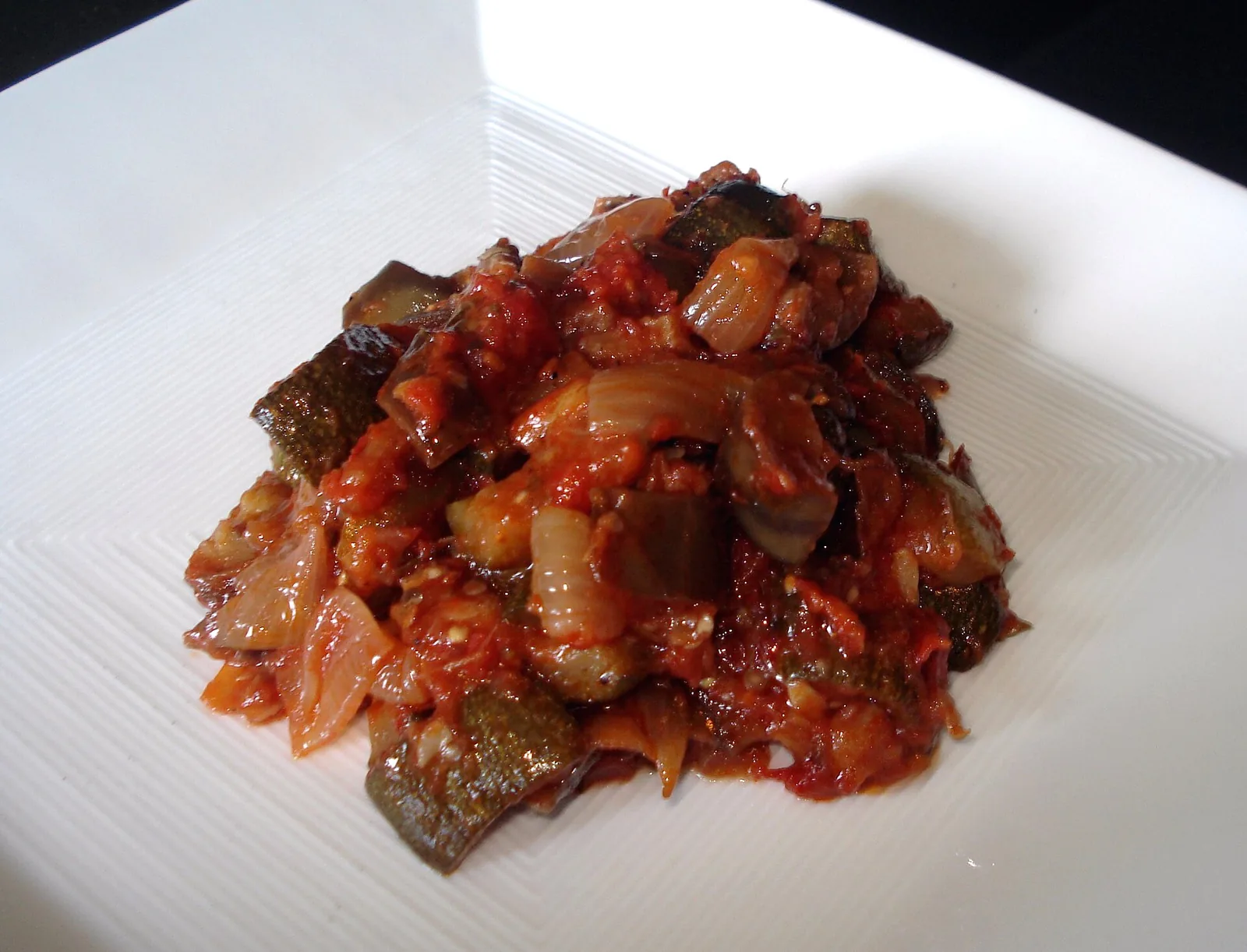
This ratatouille recipe cooks eggplant, zucchini, peppers and tomatoes separately first, so each vegetable keeps its own texture, then brings them together for a slow, fragrant simmer. One serving is about 400 g.

Light & Vegetable-Rich

Slow-simmered summer vegetables in olive oil — light, fragrant and full of fibre.

Pairs Well With
Crusty sourdough bread, grilled fish or a fried egg
A bowl of coq au vin with a braised chicken leg in dark red wine sauce with mushrooms and onions, greens on the side France flag France 1h 40m
Dinner •Burgundy Classic

Coq au Vin

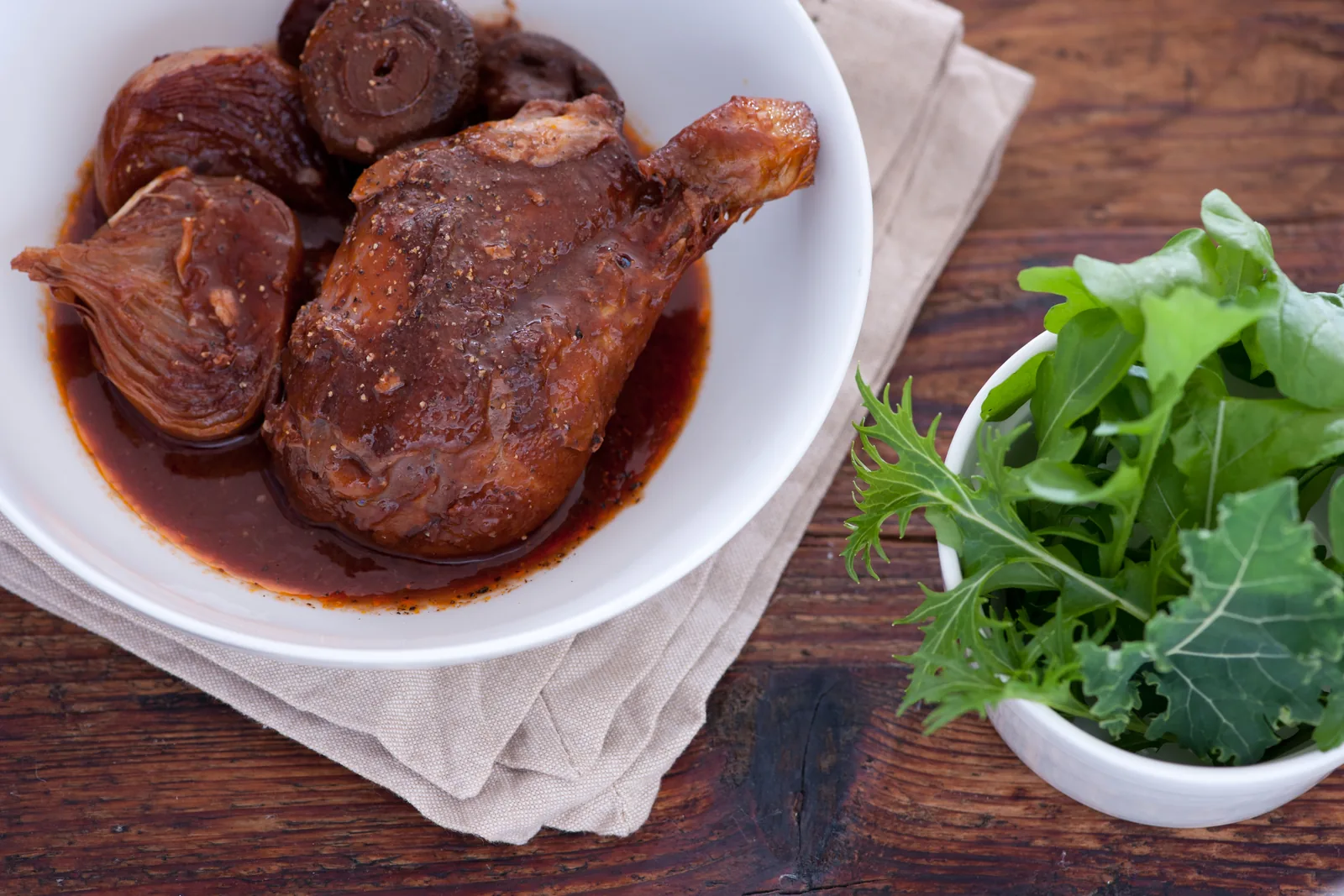
This coq au vin recipe is the Burgundy classic: chicken thighs browned with bacon, then braised in red wine with mushrooms, pearl onions and carrots until the meat is tender and the sauce is dark and glossy. One serving is about 375 g. It takes 1 hour 40 minutes, most of it hands-off while the pot simmers.

Comfort & Warmth

Chicken braised slowly in red wine with mushrooms, pearl onions and bacon until it falls off the bone.

Pairs Well With
Mashed potatoes, crusty bread & Burgundy wine

The Dinner Gazette

Never wonder what’s for dinner again

One email a week with easy dinner ideas from around the world — ingredients, steps and nutrition, tested in our kitchen first.

Delivered every Thursday morning. Unsubscribe anytime.