
Curated recipes from 193 countries  •  New seasonal Mediterranean issue out now

Overview

Clafoutis

Clafoutis aux Cerises

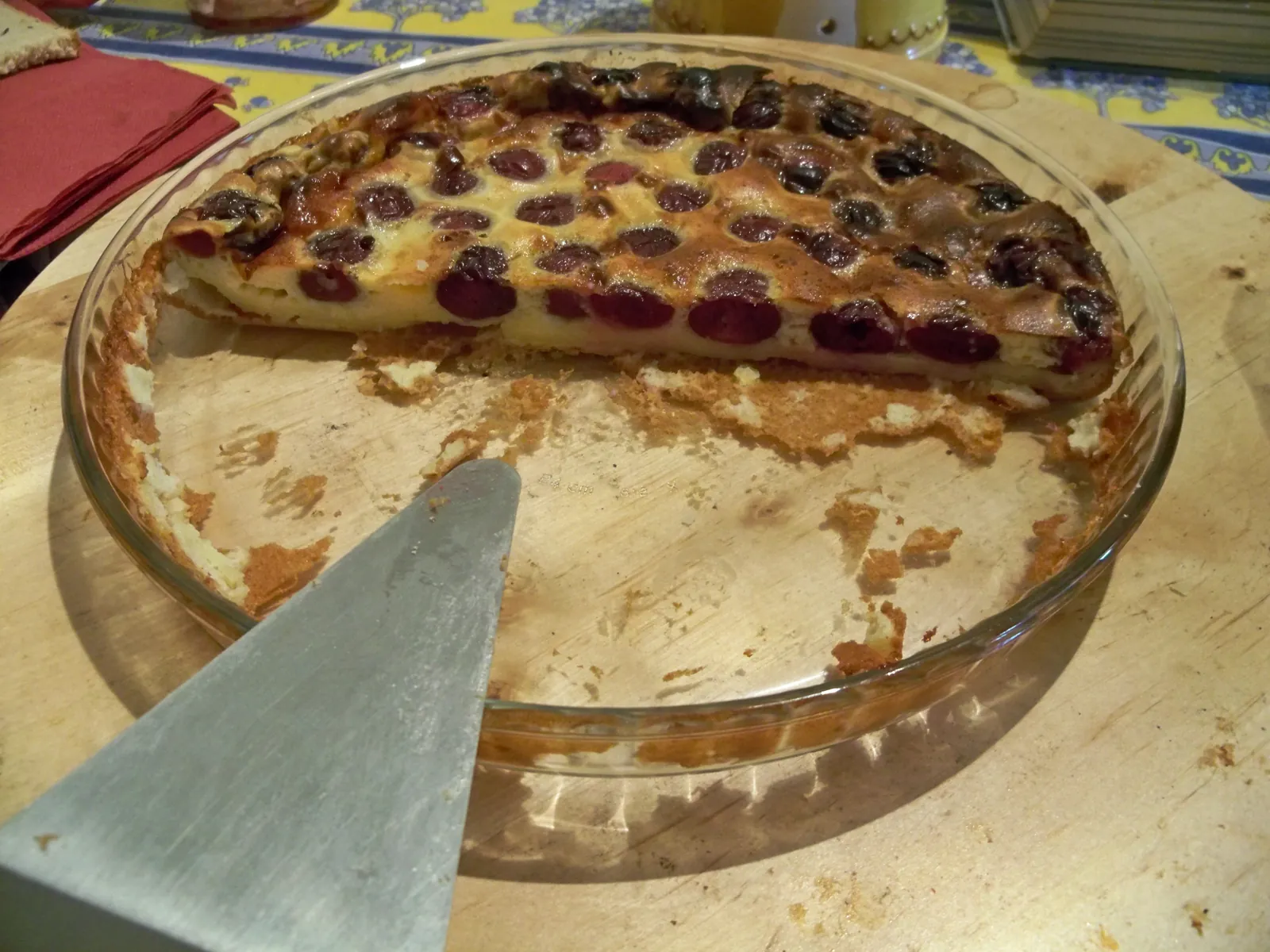
This clafoutis recipe bakes fresh cherries in a light, flan-like custard of eggs, milk, sugar and just enough flour to hold it together — puffed and golden from the oven, soft and creamy inside. One serving is about 165 g.

Clafoutis comes from Limousin in south-west France, where cherry trees fill the farmhouse gardens. Traditionally the cherries went in unpitted — the stones were said to add a faint almond flavour — but modern recipes pit them for safety. The name comes from the old French word clafir, to fill, because the fruit fills the dish before the batter is poured over.

Pairs well with: A spoonful of lightly whipped cream and a cup of tea

Provenance

France flag France

Limousin Cherry Classic

Nordic & European

Time Dedication

55m

15m prep • 40m cook

Batch Yield

6 Servings

240 kcal per serving

1 serving ≈ 165 g

Technical Skill

Easy

Easy (One Dish)

Meal Timing & Digestive Fit

Breakfast

Not Advised

Lunch

Inappropriate

Dinner

Inappropriate

Snack & Tea

Ideal Light Bite

Occasions: Afternoon tea, summer desserts, family lunches, cherry season Cost: Low — about $1–2 per serving at home
A cherry clafoutis in a glass dish, golden and studded with dark cherries, with a slice cut

Limousin Cherry Classic

Photo: Marianne Casamance, CC BY-SA 3.0, via Wikimedia Commons

The Heritage Formulary

Measured Ingredients

Estimated cost: Low — about $1–2 per serving at home (USD)

A true clafoutis is a custard, not a cake — the batter should be thin, the fruit should peek through, and the centre should barely wobble when it leaves the oven.

Execution Methodology & Culinary Technique

Step-by-Step Cooking Guide

Active 55m
P

Prep Stage: Pit the Cherries, Warm the Oven

15 Mins • Oven Work

Heat the oven to 180°C (350°F) and butter a 24 cm baking dish generously. Pit the cherries — a chopstick pushed through the stem end works well — and scatter them in a single layer in the dish. Whisk the eggs, sugar, vanilla and salt in a bowl, then whisk in the flour until smooth before adding the milk.

Maestro Tip: Keep the batter thin, like pouring cream — a thick batter bakes into a cake, not a custard.

  1. 1

    Make the Batter

    5 Mins No heat — room temperature, about 22°C (72°F)

    Whisk the eggs with the sugar, vanilla and salt until pale, then whisk in the sifted flour until no lumps remain. Pour in the milk in a slow stream, whisking all the time, until the batter is smooth and thin like pouring cream.

    Whisk the flour in before the milk — flour added to liquid clumps.

    Done when: The batter is smooth, lump-free and pours in a thin ribbon.

  2. 2

    Fill the Dish

    2 Mins No heat — room temperature, about 22°C (72°F)

    Pour the batter gently over the cherries in the buttered dish, letting it settle around the fruit. The cherries should peek through the surface in a single layer.

    Pour slowly from low down so the cherries stay where you put them.

    Done when: The cherries sit in one layer, just covered by batter.

  3. 3

    Bake Until Puffed and Golden

    40 Mins Oven at 180°C (350°F)

    Bake for 35 to 40 minutes until the clafoutis is puffed, golden at the edges and just set in the middle — it should wobble very slightly when shaken, like a firm jelly. A knife slipped into the centre should come out clean of raw batter.

    Do not open the oven for the first 25 minutes or the puff collapses.

    Done when: The top is golden and puffed, the centre barely wobbles.

  4. 4

    Rest and Dust

    10 Mins Cooling, about 60°C (140°F)

    Rest the clafoutis for 10 minutes — it will sink a little, which is normal — then dust generously with powdered sugar through a sieve.

    Serve it warm, not piping hot: the custard sets as it cools slightly.

    Done when: The clafoutis has settled, the sugar sits in a white dusting.

Finishing Touches & Plating

Serve the clafoutis warm from the dish, spooned into bowls with lightly whipped cream or a scoop of vanilla ice cream.

Nutritional Physiology & Benefits

Nutrition

Energy

240

kcal / serving

Protein

7g

Complete AA

Carbs

39g

Complex

Fats

7g

Healthy

Per serving (6 servings · 1 serving ≈ 165 g)
Energy240 kcal
Protein7 g
Carbohydrates39 g
Fat7 g
Fibre2.0 g
Sugar28.4 g
Sodium142 mg
Per 100g
Energy145 kcal
Protein4.1 g
Carbohydrates23.4 g
Fat4.2 g
Fibre1.2 g
Sugar17.2 g
Sodium86 mg

Nutrition values are estimated — calculated from USDA FoodData Central values for the listed ingredients.

Vitamins & minerals: Vitamin A and C (cherries), vitamin B12 and D (eggs, milk), calcium (milk), potassium (cherries).

Light, Gentle Sweetness

Cherries baked in a thin egg custard make a dessert that feels light rather than heavy — fruit first, sugar second.

Real Fruit, Real Energy

Fresh cherries bring natural sugars, fibre and vitamin C, so the sweetness comes with something useful attached.

Simple, Honest Ingredients

Eggs, milk, flour, fruit and sugar — a short, recognisable list with nothing artificial.

Food Pairings

What to Eat With

To optimize nutrient absorption and elevate the sensory depth, pair with these authentic accompaniments:

More Pairings

Lightly Whipped Cream

Cool, barely sweetened cream softens the warm custard and balances the cherries' tartness.

Drinks

Tea or Coffee

A cup of tea or black coffee cuts the sweetness and turns a slice into a proper afternoon pause.

Sweet White Wine

A small glass of sweet white wine matches the fruit and custard without overpowering them.

Sides

Fresh Berries

A handful of fresh berries adds tartness and colour that echo the cherries in the dish.

Complete menu

Serve the clafoutis warm with lightly whipped cream and tea, as the sweet end of a French lunch.

Digestive Guardrails

What NOT to Combine

To prevent digestive distress, sluggishness, or palate clash, avoid pairing the dish with these elements:

Eating It Straight from a Hot Oven

The custard needs ten minutes to set — cutting it too soon makes it runny and the hot fruit can burn. This is general guidance, not medical advice.

Unpitted Cherries

Always pit the cherries first — a hidden stone can crack a tooth. This is general guidance, not medical advice.

General information only, not medical advice — consult a doctor for personal dietary decisions.

Who Should Eat It

Who Should Eat

  • General adultsA light dessert or afternoon snack — best warm, the day it is baked.
  • ChildrenChildren love the sweet cherries and soft custard, but check every portion for stray stones.
  • ElderlySoft, moist and easy to eat — a gentle dessert, though sweet, so a modest slice suits most older adults.
  • Pregnant womenEggs and milk must be fresh and the clafoutis baked right through; keep portions modest and ask your clinician about sugar intake.
  • Breastfeeding womenA satisfying sweet treat, but sugary — enjoy a small slice and balance the rest of the day.
  • AthletesFruit plus eggs gives quick energy and some protein, but the sugar is fast — better as an occasional treat than a training food.
  • Weight gainEggs, milk and sugar make an energy-rich dessert that suits a weight-gain goal.
  • Weight lossSugary and starchy — a small slice with fresh berries instead of cream is the lighter choice.

Health Conditions — Adjust or Avoid

Conditions

  • DiabetesCherries, sugar and flour all raise blood sugar — keep to a small slice and ask your clinician about portions.
  • High blood pressureLow in sodium naturally, but the sugar is the concern — a small slice is fine for most people; ask your clinician.
  • Kidney diseaseLow in sodium and gentle on the kidneys in small portions; ask your clinician about sugar and dairy.
  • GoutFruit sugars are modest here, but the added sugar counts — a small slice only, and ask your clinician.
  • Stomach issuesSoft and gentle, but the fruit's acidity can bother a sensitive stomach — eat a small portion, warm not hot.
  • Cardiovascular diseaseEggs and fruit are heart-friendly, but the added sugar and butter add up — an occasional dessert, not a daily one.
  • Fatty liverSugary and made with whole milk and butter — keep portions small.
  • Food allergiesContains egg, milk and gluten (wheat flour) — check for these allergies before serving.
  • Special therapeutic dietsNot suitable for low-sugar or gluten-free therapeutic diets without changes — ask your clinician.

If you have a medical condition, consult your doctor before changing your diet.

Storage & Use

Storage & Use

How to store
Cool completely, cover the dish tightly and store in the fridge.
In the fridge
2 days.
In the freezer
1 month, sliced and wrapped, but the custard softens on thawing.
How to reheat
Warm slices in a 160°C (320°F) oven for 8 minutes until heated through, reaching 74°C (165°F) in the centre.
Freezing recommended
Only if you must — up to 1 month; eat it fresh for the best texture.
Signs it has spoiled
Sour smell, weeping liquid, or mould on the surface.

More recipes to explore

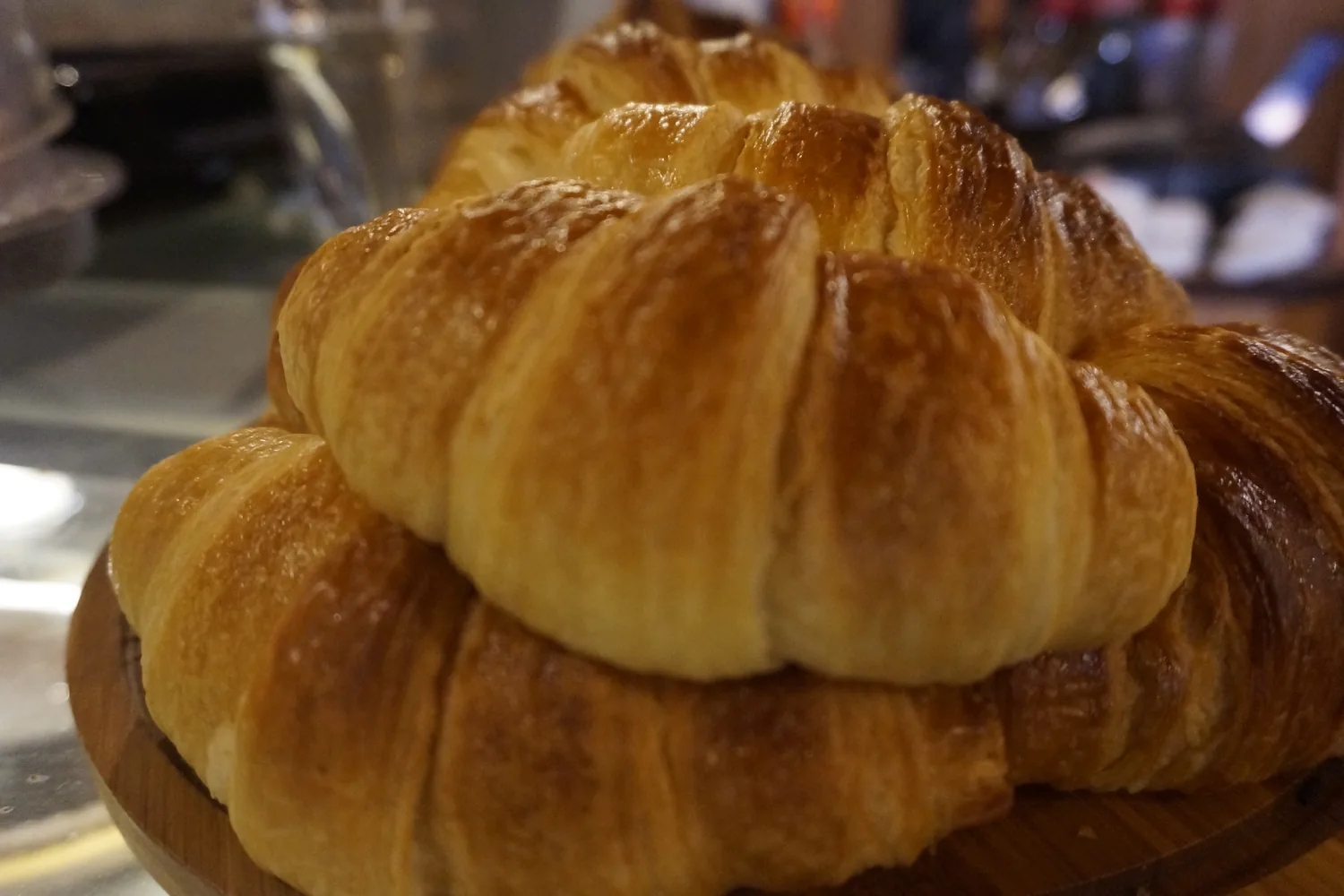
Golden butter croissants on a wooden board France flag France 20m
Breakfast •Parisian Boulangerie

Croissant au Beurre & Café

Laminated cultured butter pastry paired with washed Arabica, for a slow, pleasurable Parisian morning — best with a little protein alongside. One serving is about 390 g.

Sustained Focus

Flaky all-butter croissant with café au lait, Comté and green apple.

Pairs Well With
Comté cheese wedge & Green apple slices
Quick Prep (<30m)

Bœuf bourguignon — French beef braised in red wine France flag France 4h
Dinner •Burgundy Terroir

Bœuf Bourguignon

Beef braised gently in red wine until the connective tissue melts into a velvet, gelatin-rich sauce — the classic Burgundy Sunday dinner.

Cellular Repair

Beef braised in red wine until spoon-tender, with mushrooms and pearl onions.

Pairs Well With
Parsnip Purée & Steamed French Haricots Verts
High Protein
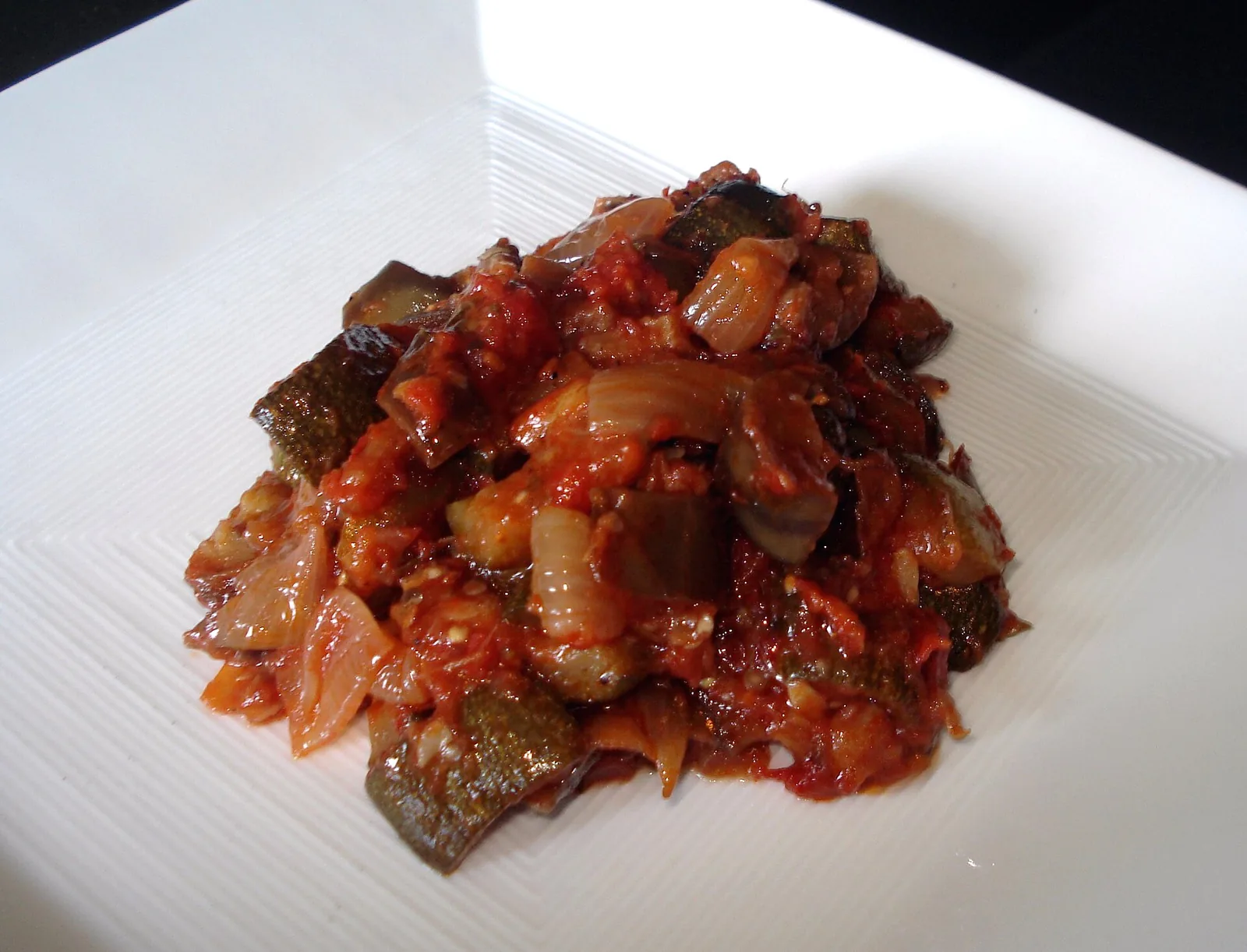
A mound of classic ratatouille with eggplant, zucchini, tomato and onion on a white plate France flag France 1h 15m
Dinner •Nice Provençal

Ratatouille

This ratatouille recipe cooks eggplant, zucchini, peppers and tomatoes separately first, so each vegetable keeps its own texture, then brings them together for a slow, fragrant simmer. One serving is about 400 g.

Light & Vegetable-Rich

Slow-simmered summer vegetables in olive oil — light, fragrant and full of fibre.

Pairs Well With
Crusty sourdough bread, grilled fish or a fried egg
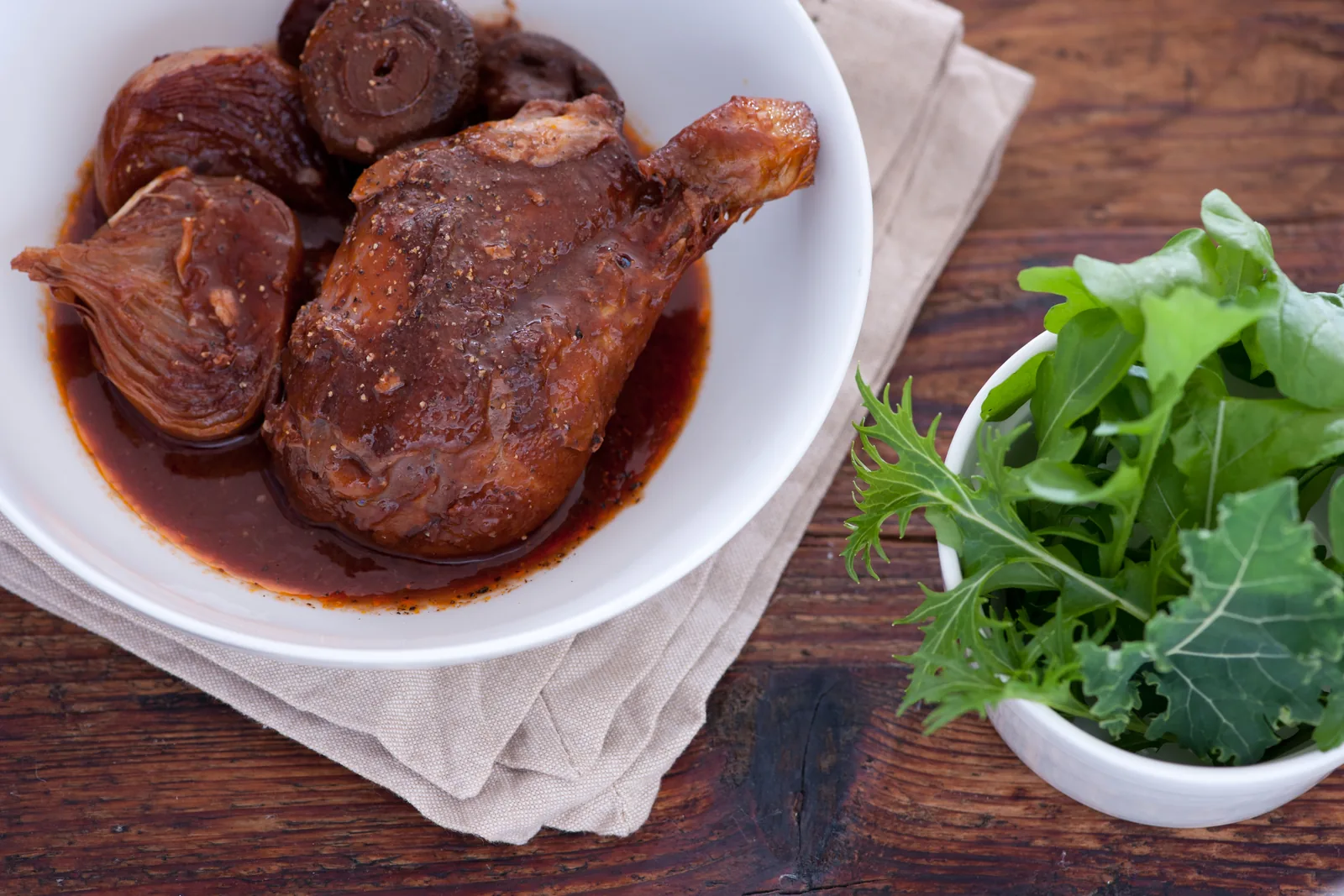
A bowl of coq au vin with a braised chicken leg in dark red wine sauce with mushrooms and onions, greens on the side France flag France 1h 40m
Dinner •Burgundy Classic

Coq au Vin

This coq au vin recipe is the Burgundy classic: chicken thighs browned with bacon, then braised in red wine with mushrooms, pearl onions and carrots until the meat is tender and the sauce is dark and glossy. One serving is about 375 g. It takes 1 hour 40 minutes, most of it hands-off while the pot simmers.

Comfort & Warmth

Chicken braised slowly in red wine with mushrooms, pearl onions and bacon until it falls off the bone.

Pairs Well With
Mashed potatoes, crusty bread & Burgundy wine

The Dinner Gazette

Never wonder what’s for dinner again

One email a week with easy dinner ideas from around the world — ingredients, steps and nutrition, tested in our kitchen first.

Delivered every Thursday morning. Unsubscribe anytime.