Curated recipes from 193 countries  •  New seasonal Mediterranean issue out now

Overview

Dondurma

Turkish Ice Cream, Maras Dondurma, Stretchy Turkish Ice Cream

This dondurma recipe turns milk, cream, sugar, salep and a pinch of mastic into Turkey's famous stretchy ice cream: dense and chewy instead of soft and scoopy, so it holds its shape in the sun and stretches like warm dough when you pull a spoon through it. Salep, the ground tuber of a wild orchid, and mastic resin are what make it different from every other ice cream you have tried. One serving is about 116 g.

Dondurma is the Turkish name for ice cream, and the stretchy kind most people picture comes from Kahramanmaras, a city in south-eastern Turkey, where it is known as Maras dondurmasi. It is made from cream, salep — the ground tuber of a wild orchid — mastic resin and sugar, and the salep makes it so dense and elastic that street vendors famously tease customers with it, stretching a whole tub on a long metal paddle before handing over the cone. Because wild orchids are now protected, true salep is scarce and expensive, which is why many modern shops use starch instead — but the chewy, slow-melting character is what still marks real dondurma out.

Pairs well with: Turkish tea, baklava & fresh figs

Provenance

Turkey flag Turkey

Kahramanmaras Classic

Middle Eastern

Time Dedication

45m

20m prep • 25m cook

Batch Yield

8 Servings

192 kcal per serving

1 serving ≈ 116 g

Technical Skill

Intermediate

Medium (Churned)

Meal Timing & Digestive Fit

Breakfast

Not Advised

Lunch

Inappropriate

Dinner

Inappropriate

Snack & Tea

Ideal Light Bite

Occasions: Summer afternoons, street-food cravings, family desserts, festive meals Cost: Low — about $1–2 per serving at home
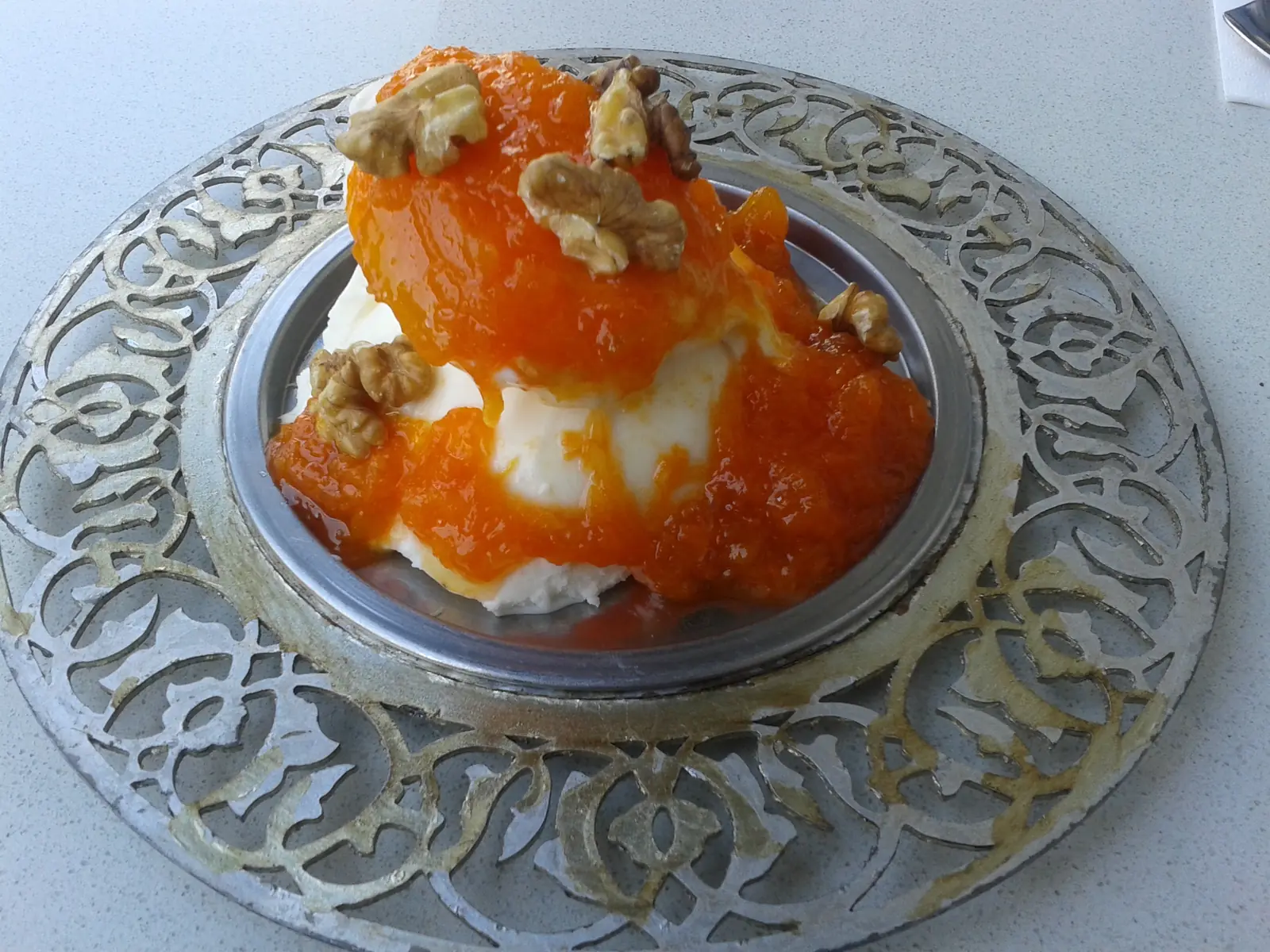
Scoops of white dondurma topped with orange pumpkin sauce and walnuts on a metal plate

Kahramanmaras Classic

Photo: E4024, CC BY-SA 4.0, via Wikimedia Commons

The Heritage Formulary

Measured Ingredients

Estimated cost: Low — about $1–2 per serving at home (USD)

A stretchy Turkish ice cream thickened with salep and mastic, dense, chewy and slow to melt.

Execution Methodology & Culinary Technique

Step-by-Step Cooking Guide

Active 45m
P

Prep Stage: Salep Measured, Mastic Ground, Bowl Frozen

20 Mins active + 4 hrs chilling + 4 hrs freezing

Put the ice cream maker's freezer bowl in the coldest part of the freezer at least 24 hours before you start, at -18°C (0°F), and chill a lidded, freezer-safe container too. Freeze the mastic tears for 10 minutes, then grind them to a fine powder with a teaspoon of the sugar. Whisk the salep into a little of the cold milk until smooth, and measure out everything else.

Maestro Tip: Mastic turns gummy if ground warm — chill it first, and grind it with sugar so it does not clump.

  1. 1

    Grind the Mastic and Whisk the Salep

    5 minutes Room temperature, about 22°C (72°F)

    Grind the chilled mastic tears with 1 teaspoon of the sugar until powdery. Whisk the salep into 100 ml of the cold milk until completely smooth, with no lumps.

    If the salep clumps, whisk it into cold milk only — hot milk makes the lumps set at once.

    Done when: A smooth, milky liquid with no dry flecks.

  2. 2

    Warm the Milk, Cream and Sugar

    5 minutes Medium heat, about 80°C (175°F)

    Pour the rest of the milk and the cream into a heavy saucepan, add the sugar and the salt, and warm over medium heat, stirring, until the sugar dissolves and steam rises. Do not let it boil.

    Stir constantly so the milk does not catch on the bottom of the pan.

    Done when: Sugar fully dissolved; the milk is steaming but not bubbling.

  3. 3

    Cook the Base Until It Thickens

    10 minutes Low heat, about 85°C (185°F)

    Whisk in the salep milk and the ground mastic, then the vanilla. Cook on low heat, stirring all the time, for about 10 minutes, until the mixture coats the back of a spoon and stretches in a thick ribbon when you lift the spoon.

    The base should thicken like thin custard — if it stays runny, cook 2 minutes longer, still stirring.

    Done when: The base coats a spoon and falls in a slow, stretchy ribbon.

  4. 4

    Chill the Base Until Cold

    4 hours Fridge temperature, about 4°C (39°F)

    Pour the base into a clean bowl, press cling film directly onto the surface, and chill in the fridge for at least 4 hours, or overnight, until completely cold.

    The film stops a skin forming on the surface while it chills.

    Done when: The base is cold all the way through and thicker than before.

  5. 5

    Churn Until Thick and Stretchy

    25 minutes Freezer bowl temperature, about -18°C (0°F)

    Churn the cold base in the ice cream maker for about 25 minutes, until it is thick, dense and stretchy. No ice cream maker? Pour it into a shallow freezer container and stir hard with a fork every 30 minutes for 3 hours, pulling and folding it so it stays stretchy.

    Stop churning while it is still soft-serve thick — over-churning makes it hard and icy.

    Done when: The ice cream is thick, holds its shape on a spoon, and stretches when pulled.

  6. 6

    Freeze Firm and Scoop

    4 hours Freezer temperature, about -18°C (0°F)

    Pack the dondurma into the chilled container, press film onto the surface, and freeze for at least 4 hours until firm. Let it sit at room temperature for 10 minutes before scooping, then serve in small scoops with chopped pistachios.

    A warm, dry spoon cuts clean scoops; dip it in hot water between servings.

    Done when: Firm but sliceable, and it stretches instead of crumbling when scooped.

Finishing Touches & Plating

Serve small, dense scoops in chilled bowls, scattered with chopped pistachios — the classic way is plain, so the chew and the faint pine scent of the mastic speak for themselves.

Nutritional Physiology & Benefits

Nutrition

Energy

192

kcal / serving

Protein

3g

Complete AA

Carbs

21g

Complex

Fats

11g

Healthy

Per serving (8 servings · 1 serving ≈ 116 g)
Energy192 kcal
Protein3 g
Carbohydrates21 g
Fat11 g
Fibre0.3 g
Sugar19.7 g
Sodium89 mg
Per 100g
Energy165 kcal
Protein3 g
Carbohydrates18.2 g
Fat9.2 g
Fibre0.3 g
Sugar17 g
Sodium77 mg

Nutrition values are estimated — calculated from USDA FoodData Central values for the listed ingredients.

Vitamins & minerals: Milk and cream supply calcium, phosphorus and vitamin B12, and the pistachio topping adds vitamin B6, potassium and a little fibre. All nutrition values are estimated.

Slow to melt, easy to enjoy

Salep and mastic make dondurma dense and chewy, so a small 116 g serving lasts longer and melts far more slowly than ordinary ice cream.

Milk, cream and little else

The base is just milk, cream, sugar and two natural thickeners — no eggs, no colouring and no long list of additives.

Calcium in every scoop

With about 3.4 g of protein and the calcium of whole milk in each serving, dondurma is a dessert that still brings something useful to the table.

Food Pairings

What to Eat With

To optimize nutrient absorption and elevate the sensory depth, pair with these authentic accompaniments:

Drinks

Turkish tea

Hot, unsweetened tea in a small glass cuts the richness of the cream and resets the palate between spoonfuls.

Sour cherry sherbet

A cold glass of tart cherry sherbet is the traditional sharp contrast to dondurma's rich, milky chew.

Sides

Baklava

A small piece of syrupy baklava next to a scoop of dondurma is the classic Turkish pairing — cold and chewy against warm, crisp and sweet.

Vegetables

Fresh figs

Ripe figs add gentle sweetness and a soft texture that matches the ice cream without competing with the mastic.

Complete menu

Serve a small scoop of dondurma with a piece of baklava and a glass of Turkish tea for a classic Turkish dessert course.

Digestive Guardrails

What NOT to Combine

To prevent digestive distress, sluggishness, or palate clash, avoid pairing the dish with these elements:

Very sweet syrups and sauces

Dondurma already carries about 19.7 g of sugar per serving. Drowning it in chocolate sauce or honey makes the dessert cloying and pushes the sugar far higher. This is general information, not medical advice — ask a clinician about your own sugar limits.

Refreezing melted dondurma

Once dondurma has melted, refreezing it ruins the stretchy texture and lets bacteria grow in the warm milk base. Serve what you scoop and keep the rest frozen.

General information only, not medical advice — consult a doctor for personal dietary decisions.

Who Should Eat It

Who Should Eat

  • General adultsA small, dense scoop is a satisfying treat. Enjoy one serving and balance the rest of the day with lighter foods.
  • ChildrenChildren love the chewy texture. Serve a small scoop and keep the pistachio topping off for very young children who cannot chew nuts safely.
  • ElderlySoft, smooth and easy to eat, with no chewing needed. Serve a small portion, well chilled.
  • Pregnant womenFine when made with pasteurised milk and cream and kept frozen. Avoid ice cream that has melted and been refrozen; ask your clinician if unsure.
  • Breastfeeding womenA calcium-rich dessert that fits well as an occasional treat between feeds. Drink water alongside it.
  • AthletesWith about 21 g of carbohydrates per serving it works as a quick energy top-up, but it is low in protein, so pair it with a protein-rich meal.
  • Weight gainAt about 192 calories a serving, a scoop with pistachios is an easy way to add energy — a second small scoop does the job.
  • Weight lossKeep to one small scoop and skip extra syrups; the dense texture makes a modest portion feel like more.

Health Conditions — Adjust or Avoid

Conditions

  • DiabetesAbout 21 g of carbohydrates and 19.7 g of sugar per serving, so portion size matters and blood sugar should be monitored. A half serving is wiser; ask your clinician or dietitian for a portion that fits your plan.
  • High blood pressureSodium is low at about 89 mg per serving. Avoid salty toppings and keep portions modest; ask your clinician about your own sodium limits.
  • Kidney diseaseMilk, cream and pistachios add potassium and phosphorus, so portions should be small. Ask your clinician or dietitian whether it fits your plan.
  • GoutDondurma is low in purines, so it is not a gout trigger. The sugar is the bigger concern; keep portions small and ask your clinician for personal advice.
  • Stomach issuesCold, rich dairy can bother a sensitive stomach. Eat a small portion slowly and stop if it causes discomfort; ask your clinician if symptoms persist.
  • Cardiovascular diseaseCream and butterfat bring saturated fat, so this is an occasional treat rather than an everyday dessert. Keep portions small and ask your clinician about your diet.
  • Fatty liverThe sugar and cream add energy, so a small portion once in a while is wiser than a large bowl. Ask your clinician or dietitian for guidance.
  • Food allergiesContains milk and tree nuts (pistachio). Salep comes from orchid tubers — anyone with a plant allergy should check first. Ask a clinician if you are unsure.
  • Special therapeutic dietsNot suitable for a dairy-free or low-sugar diet as written. Ask your clinician or dietitian before adapting it.

If you have a medical condition, consult your doctor before changing your diet.

Storage & Use

Storage & Use

How to store
Store in a lidded, freezer-safe container with cling film pressed onto the surface.
In the fridge
Do not store in the fridge — it will melt. Keep frozen at all times.
In the freezer
Up to 2 weeks in the freezer at -18°C (0°F) or colder; best within the first week.
How to reheat
No reheating. Let it sit at room temperature for 10 minutes before scooping.
Freezing recommended
Yes — this is a frozen dessert; keep it frozen and do not refreeze after melting.
Signs it has spoiled
Ice crystals and a grainy texture after long storage, sour or off smell, or a melted and refrozen surface.

More recipes to explore

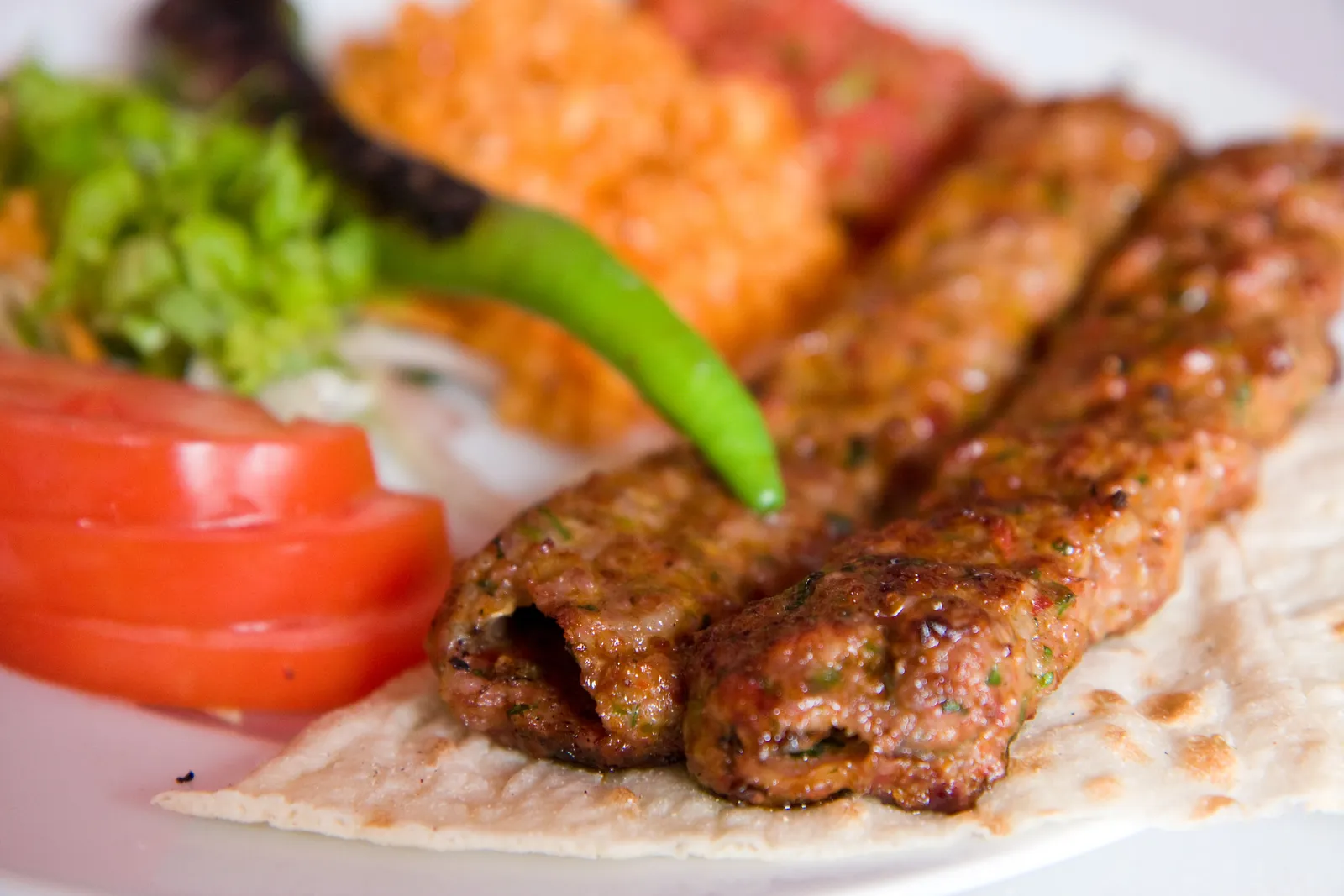
Adana kebab — long grilled minced-meat skewers on lavash with tomato, green chilli and salad Turkey flag Turkey 50m
Dinner •Adana Heritage

Adana Kebab

This adana kebab recipe is Adana's famous charcoal-grilled skewer: hand-minced lamb and beef mixed with lamb tail fat, sweet red pepper and pul biber, pressed onto wide flat skewers and grilled over glowing charcoal until the edges char and the juices run. It is served on warm lavash with grilled tomato, green chillies and a sharp sumac onion salad. One serving is about 439 g.

Adana's Charcoal-Grilled Icon

Hand-minced lamb and beef with tail fat and pul biber, pressed onto wide flat skewers and grilled over charcoal until charred at the edges — Adana's famous kebab.

Pairs Well With
Lavash, grilled tomato & sumac onion salad
High Protein
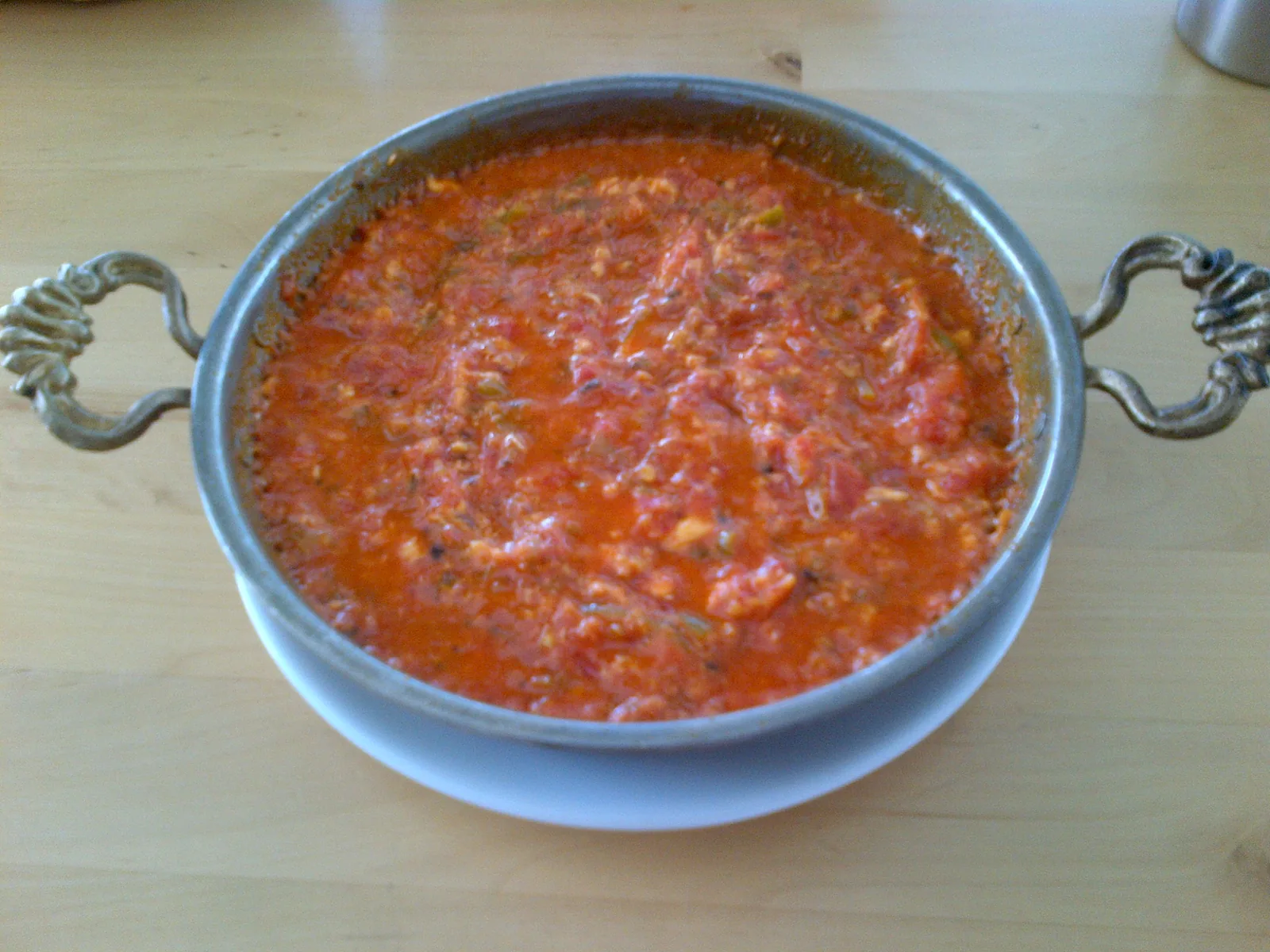
Menemen in a copper sahan pan — soft scrambled eggs stirred through a red tomato and green pepper sauce Turkey flag Turkey 30m
Breakfast •Izmir Breakfast Table

Menemen

This menemen recipe stirs beaten eggs into a soft tomato and green pepper sauce until they set into creamy curds — never poached whole, the way shakshuka does it. Cooked in one pan and served straight from it with bread, it is the classic Turkish breakfast. One serving is about 300 g.

Comfort & Warmth

Beaten eggs stirred into a soft tomato and green pepper sauce, scooped up with warm bread.

Pairs Well With
Crusty white bread, Turkish tea and sliced cucumber and tomato
Quick Prep (<30m)
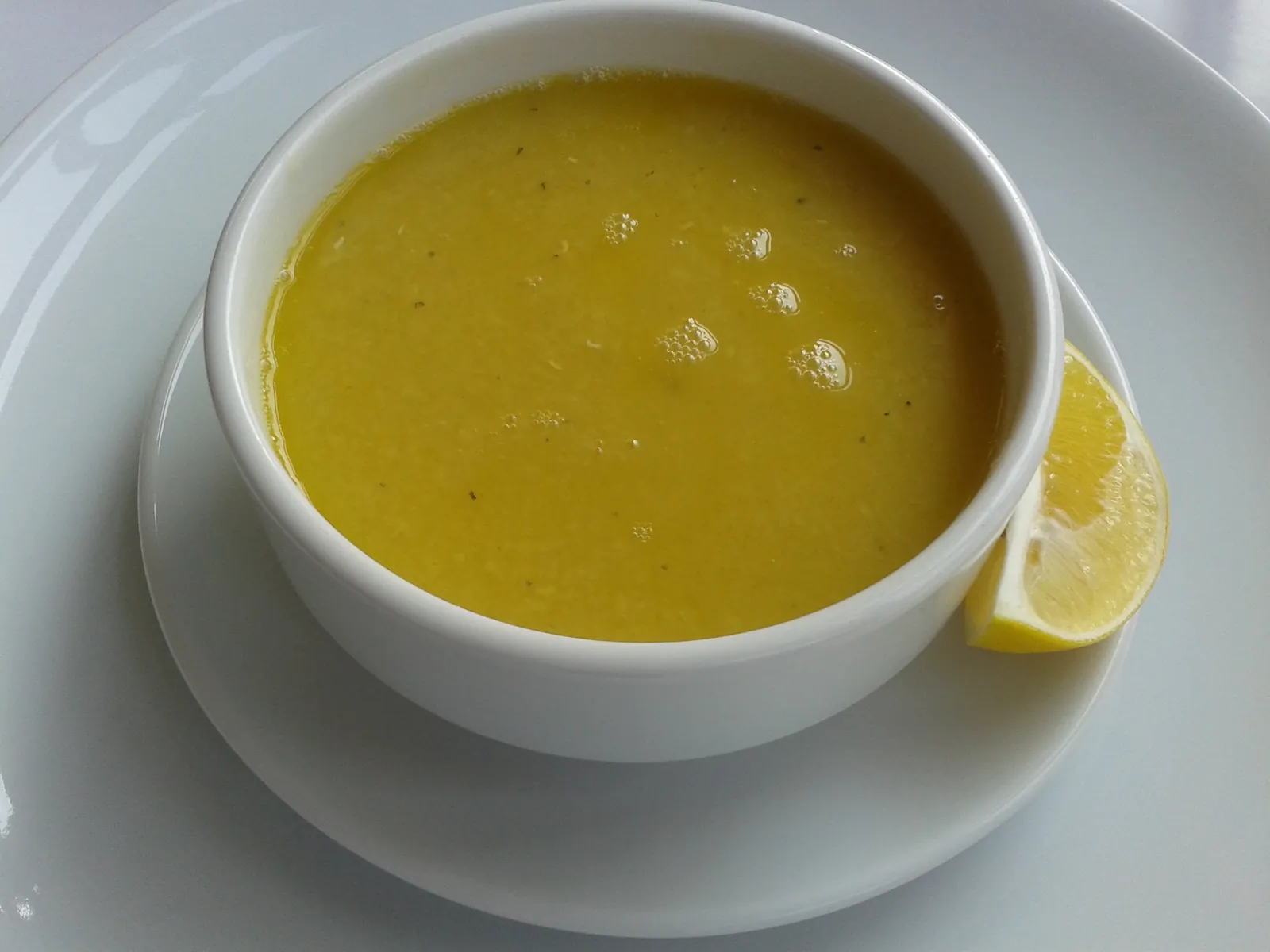
A white bowl of smooth golden Turkish lentil soup with a lemon wedge on the side Turkey flag Turkey 45m
Lunch •Ankara Lokanta Classic

Turkish Lentil Soup

This turkish lentil soup recipe turns red lentils, onion, carrot and potato into a smooth, golden soup, finished with lemon and a drizzle of paprika butter. One serving is about 325 g.

Comfort & Warmth

A silky red lentil soup, light enough for lunch and warm enough for a cold day.

Pairs Well With
Warm pide bread, lemon wedges and ayran
Soups & Broths
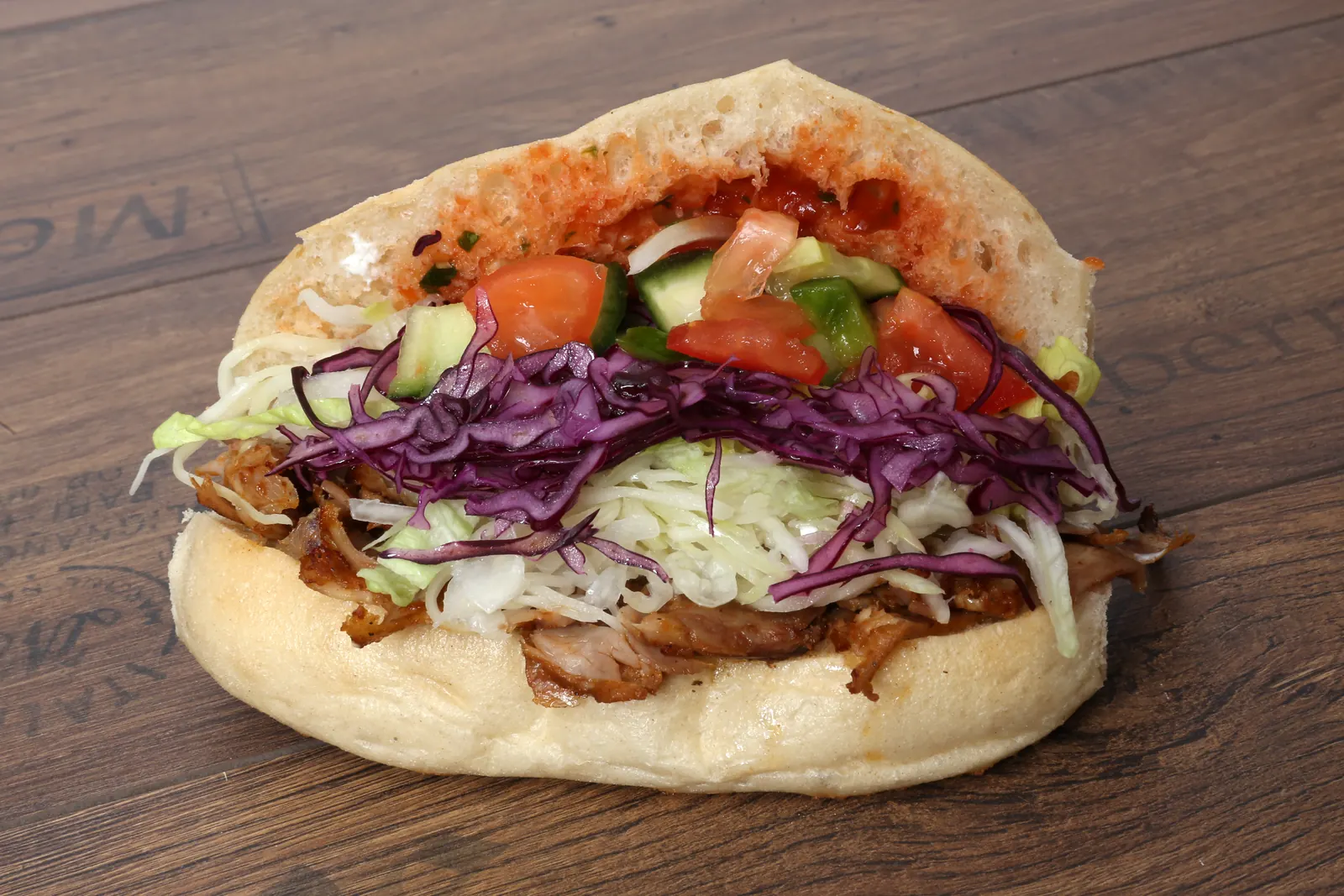
A doner kebab in flatbread filled with sliced lamb, red and white cabbage, tomato and cucumber Turkey flag Turkey 2h 55m
Dinner •Bursa Spit-Roast Heritage

Doner Kebab

This doner kebab recipe brings the Turkish spit-roast home: lamb leg marinated in yogurt, onion and spices, seared until charred at the edges, then sliced thin and tucked into warm pitta bread with crisp salad and a cool garlic yogurt sauce. No vertical spit needed — a ripping-hot pan does the job. One serving is about 415 g.

Charcoal-Grilled & Juicy

Home-style doner kebab — yogurt-marinated lamb, sliced thin and piled into warm pitta with salad and garlic sauce.

Pairs Well With
Serve in warm pitta with salad, garlic sauce and a little chilli sauce.
High Protein

The Dinner Gazette

Never wonder what’s for dinner again

One email a week with easy dinner ideas from around the world — ingredients, steps and nutrition, tested in our kitchen first.

Delivered every Thursday morning. Unsubscribe anytime.