Curated recipes from 193 countries  •  New seasonal Mediterranean issue out now

Overview

Espumilla

Espumillas, Ecuadorian meringue cream, guava espumilla

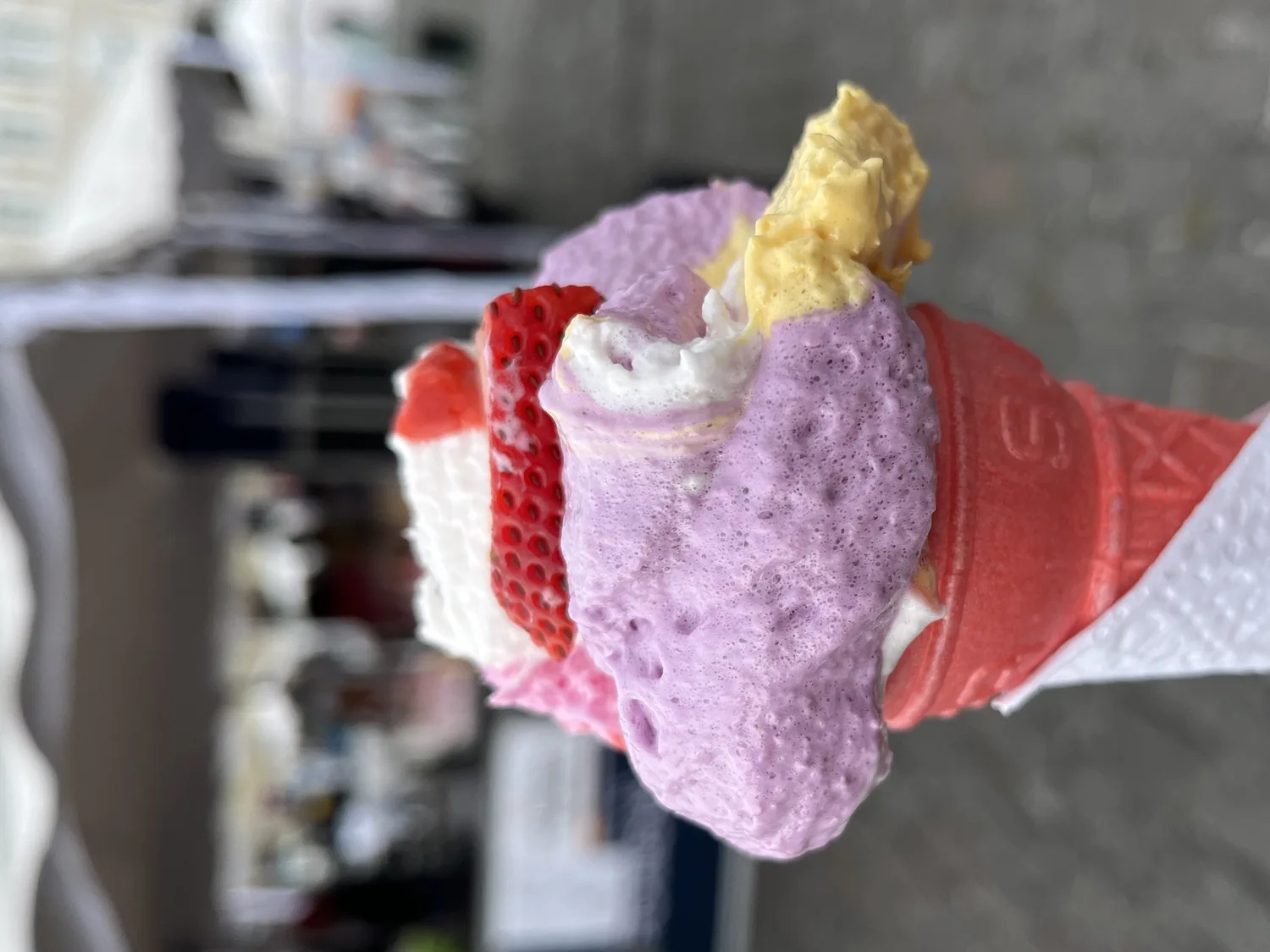
This espumilla recipe makes six cones of Ecuador's fruity meringue cream — guava, blackberry and passion fruit whipped with egg white and hot sugar syrup, served in crisp cones with fresh strawberries. One cone is about 156 g.

Espumilla — 'little foam' — came out of Ecuador's convent sweet-making tradition, where egg whites, sugar and local fruit were whipped by hand into a soft meringue. Guava is the classic flavour, with blackberry and passion fruit close behind, and Quito street vendors still pile it into ice cream cones, finished with berry syrup and sprinkles. It looks like ice cream but is never frozen, so it never melts — it simply softens, which is why it is eaten on the spot.

Pairs well with: A glass of iced passion fruit juice, with the cones eaten straight away while the foam still holds its shape.

Provenance

Ecuador flag Ecuador

Ecuadorian Heritage

Latin America & Caribbean

Time Dedication

35m

25m prep • 10m cook

Batch Yield

6 Servings

232 kcal per serving

1 serving ≈ 156 g

Technical Skill

Intermediate

Medium (Whipped Meringue)

Meal Timing & Digestive Fit

Breakfast

Not Advised

Lunch

Inappropriate

Dinner

Inappropriate

Snack & Tea

Ideal Light Bite

Quick Prep (<30m) Occasions: Street food, afternoon snack, summer dessert, children's treat Cost: Low — about $1–2 per serving at home
Colourful espumilla meringue in pink, purple and yellow with fresh strawberry slices, piled in a red ice cream cone at a street stall in Quito

Ecuadorian Heritage

Photo: LittleT889, CC BY 4.0, via Wikimedia Commons

The Heritage Formulary

Measured Ingredients

Estimated cost: Low — about $1–2 per serving at home (USD)

Quito's street-vendor meringue cream: egg whites whipped with hot sugar syrup and three fruit purees, served in a cone.

Execution Methodology & Culinary Technique

Step-by-Step Cooking Guide

Active 35m
P

Prep Stage: Three Fruit Purees

25 Mins • Prep

Peel and seed the guavas and keep 200 g of pulp. Blend and strain the blackberries, keeping 150 g of pulp and setting 30 g aside for drizzling. Scoop and strain the passion fruits for 100 g of pulp. Stir 50 g of the sugar into the mixed purees. Separate the egg whites into a large, scrupulously clean bowl and let them come to room temperature.

Maestro Tip: Make the purees first and chill them — cold puree folds into the meringue without melting it.

  1. 1

    Make the Three Fruit Purees

    10 Mins Room temperature

    Peel the guavas, halve them and scoop out the seeds, then mash or blend the flesh until smooth — you need 200 g of pulp. Blend the blackberries briefly and push them through a sieve for 150 g of pulp, setting 30 g aside in a small jug for drizzling. Halve the passion fruits, scoop out the pulp and strain it for 100 g. Stir the three purees together with 50 g of the sugar until the sugar dissolves.

    Strain the blackberry and passion fruit well — seeds in the foam spoil the smooth texture.

    Done when: Three smooth, seedless purees, deep pink, purple and gold, with the sugar dissolved.

  2. 2

    Cook the Sugar Syrup

    10 Mins 115°C (240°F)

    Put the remaining 150 g of sugar and the 80 ml of water in a small pan over medium heat. Stir once to dissolve, then stop stirring and boil until a sugar thermometer reads 115°C (240°F) — the soft-ball stage, about 8 minutes. Take the pan off the heat at once.

    Do not stir once it boils, or the syrup can crystallise; swirl the pan instead.

    Done when: A clear syrup at 115°C (240°F) that forms a soft ball when a drop is rolled between wet fingers.

  3. 3

    Whip the Egg Whites

    5 Mins Room temperature

    While the syrup cooks, whip the egg whites with the cream of tartar and the pinch of salt on medium-high speed until they hold soft peaks — the peaks flop over when you lift the whisk.

    The bowl must be spotlessly clean and dry — a trace of fat or yolk stops the whites whipping.

    Done when: Glossy soft peaks that flop at the tip.

  4. 4

    Pour in the Hot Syrup

    5 Mins Syrup at 115°C (240°F)

    With the mixer running on high, pour the hot syrup into the whites in a slow, thin stream, aiming between the whisk and the side of the bowl. Keep whipping for about 4 minutes until the meringue is thick, glossy and cool enough to hold stiff peaks.

    Pour slowly — a fast pour cooks the whites into lumps instead of a smooth foam.

    Done when: A thick, glossy meringue that stands in stiff peaks and barely feels warm to the touch.

  5. 5

    Fold in the Fruit Puree

    3 Mins Room temperature

    Spoon the mixed fruit puree over the meringue and fold it in with a large spatula, turning the bowl as you go, until the colours marble together — pink, purple and gold — and no white streaks remain. Stop as soon as it is mixed.

    Fold, do not stir — stirring knocks the air out and the foam goes flat.

    Done when: A light, marbled foam, thick enough to hold its shape on a spoon.

  6. 6

    Fill the Cones and Serve

    2 Mins Serving temperature, about 10°C (50°F)

    Spoon the espumilla generously into the wafer cones, piling it high. Drizzle each one with a little of the reserved blackberry puree and top with strawberry slices. Serve at once.

    Fill the cones at the last minute — the foam starts to soften after about an hour.

    Done when: Tall, colourful cones, the foam holding its shape, with strawberries on top.

Finishing Touches & Plating

Serve the espumilla at once, while the foam is tall and the cones are still crisp. It is a street sweet made to be eaten on the spot — do not leave it standing.

Nutritional Physiology & Benefits

Nutrition

Energy

232

kcal / serving

Protein

4g

Complete AA

Carbs

53g

Complex

Fats

1g

Healthy

Per serving (6 servings · 1 serving ≈ 156 g)
Energy232 kcal
Protein4 g
Carbohydrates53 g
Fat1 g
Fibre5.4 g
Sugar40.5 g
Sodium122 mg
Per 100g
Energy149 kcal
Protein2.6 g
Carbohydrates34.3 g
Fat0.8 g
Fibre3.4 g
Sugar26.1 g
Sodium78 mg

Nutrition values are estimated — calculated from USDA FoodData Central values for the listed ingredients.

Vitamins & minerals: Guava and blackberry add vitamin C and fibre, passion fruit adds vitamin A and potassium, and the egg white adds a little protein.

Light as Air

About 232 kcal a cone with only 1.3 g of fat — a sweet that feels generous without being heavy.

Real Fruit, Three Ways

Guava, blackberry and passion fruit bring vitamin C, fibre and colour — no artificial flavouring.

No Baking Needed

The hot syrup sets the meringue, so the dessert comes together in 35 minutes with no oven at all.

Food Pairings

What to Eat With

To optimize nutrient absorption and elevate the sensory depth, pair with these authentic accompaniments:

Drinks

Iced Passion Fruit Juice

Cold, sharp passion fruit juice echoes the yellow swirl in the espumilla and cuts the sweetness.

Ecuadorian Coffee

A small cup of strong coffee balances the sugar — the way Quito cafes serve their afternoon sweets.

Sides

Fresh Strawberries

A few extra sliced strawberries on the side add a fresh, tart bite against the sweet foam.

Full Menus

Quito Street-Food Afternoon

Serve as the sweet finish to a light Ecuadorian lunch, or as a street-food treat on its own.

Complete menu

Serve as the sweet finish to an Ecuadorian lunch, or as a street-food treat on its own with iced fruit juice.

Digestive Guardrails

What NOT to Combine

To prevent digestive distress, sluggishness, or palate clash, avoid pairing the dish with these elements:

Do Not Whip in a Greasy Bowl

Any fat — butter, oil or a trace of yolk — stops egg whites whipping, and the foam will never set. This is general food information, not medical advice.

Do Not Serve Raw Egg Whites to Vulnerable People

The hot syrup warms the whites but does not fully cook them. For pregnant women, young children, elderly people or anyone immunocompromised, use pasteurised egg whites. This is general food information, not medical advice.

Do Not Make It Hours Ahead

Espumilla is a fresh foam — after about an hour it weeps liquid and collapses, so whip it close to serving. This is general food information, not medical advice.

General information only, not medical advice — consult a doctor for personal dietary decisions.

Who Should Eat It

Who Should Eat

  • General adultsA light street sweet — one cone each, eaten fresh.
  • ChildrenChildren love the colours and the cone; use pasteurised egg whites and serve it at once.
  • ElderlyA soft, light sweet that is easy to eat; use pasteurised egg whites.
  • Pregnant womenBest made with pasteurised egg whites, since the whites are not fully cooked.
  • Breastfeeding womenA light sweet; use pasteurised egg whites and keep to one cone.
  • AthletesA quick, light carbohydrate sweet after training — about 53 g of carbohydrate a cone.
  • Weight gainAt about 232 kcal a cone, it adds energy without heaviness.
  • Weight lossAt about 232 kcal a cone, it fits as an occasional treat — share a cone or take half.

Health Conditions — Adjust or Avoid

Conditions

  • DiabetesAbout 53.4 g of carbohydrate and 40.5 g of sugar per cone. Keep to half a cone and skip the extra drizzle. Ask your clinician about portion size.
  • High blood pressureOnly about 122 mg of sodium per cone, so it suits a low-salt day. Ask your clinician about portion size.
  • Kidney diseaseEgg white is a concentrated protein; keep to one small cone if protein is restricted. Ask your clinician about portion size.
  • GoutFruit puree and egg white are low in purines. Ask your clinician about portion size.
  • Stomach issuesA light, soft sweet that is usually gentle on the stomach; the acidity of passion fruit can bother some people. Ask your clinician about portion size.
  • Cardiovascular diseaseAlmost fat-free, with no saturated fat to speak of. Ask your clinician about portion size.
  • Fatty liverLow in fat and light, but high in sugar — keep it an occasional treat. Ask your clinician about portion size.
  • Food allergiesContains egg and wheat (the wafer cone). It is dairy-free and nut-free as written. Ask your clinician about portion size.
  • Special therapeutic dietsA high-sugar dessert; for a lower-sugar version, use half the sugar and serve in a cup instead of a cone. Ask your clinician about portion size.

If you have a medical condition, consult your doctor before changing your diet.

Storage & Use

Storage & Use

How to store
Espumilla is best eaten at once. If you must hold it, keep the filled cones upright in a covered container in the fridge.
In the fridge
Up to 2 hours in the fridge; after that the foam weeps and collapses.
In the freezer
Do not freeze — the foam collapses on thawing.
How to reheat
Do not reheat — this is a cold dessert.
Freezing recommended
No — the foam collapses on freezing and thawing.
Signs it has spoiled
Liquid weeping from the foam, a sour smell, or a flat, runny texture.

More recipes to explore

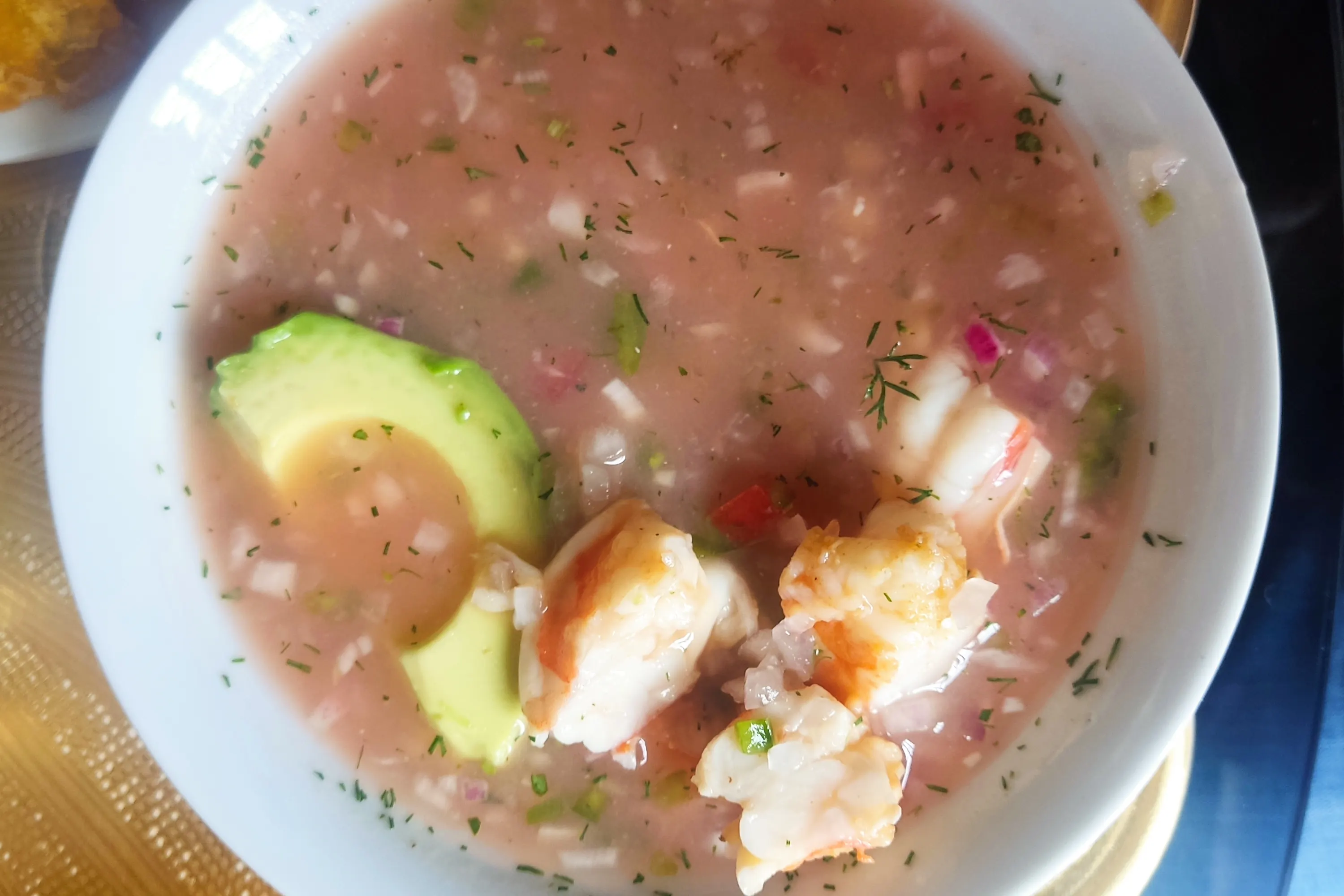
A white bowl of Ecuadorian shrimp ceviche in pink tomato-citrus sauce with cooked shrimp, red onion, cilantro and an avocado slice Ecuador flag Ecuador 30m
Lunch •Coastal Ecuador

Ecuadorian Ceviche

Ecuadorian ceviche is a bowl of poached shrimp in a pink-orange sauce of tomato, lime and orange juice, with red onion and cilantro. Unlike the Peruvian version, where raw fish is cured in lime juice, the shrimp here is cooked first, so the dish is saucy, cold and gentle rather than sharp. One serving is about 341 g.

Light & Fresh

Poached shrimp in a bright lime, orange and tomato sauce, served chilled with crunchy sides.

Pairs Well With
Chifles, popcorn and avocado slices
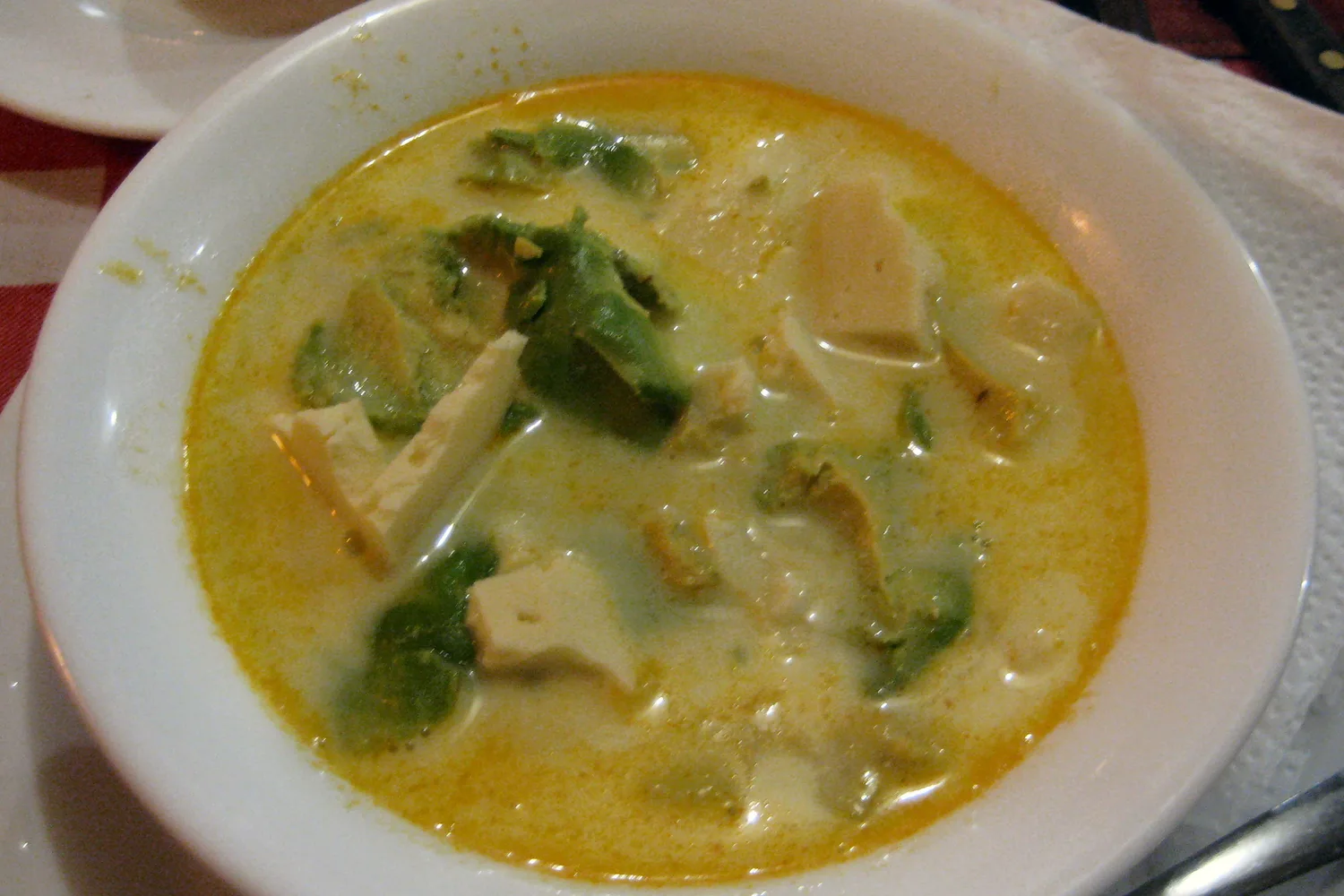
A bowl of golden locro de papa, Ecuadorian potato and cheese soup, topped with avocado chunks and cubes of white cheese Ecuador flag Ecuador 55m
Dinner •Andean Heritage

Locro de Papa

Locro de papa is Ecuador's golden potato and cheese soup, thickened by the potatoes themselves and finished with creamy avocado and crumbled queso fresco. One serving is about 675 g. It is a one-pot, meat-free dinner that tastes like the cool Andean evenings it comes from.

Comfort & Warmth

A thick, golden potato and cheese soup from the Ecuadorian highlands, finished with fresh avocado.

Pairs Well With
Crusty bread and a simple lettuce and tomato salad, with hot panela water or herbal tea to drink.
Soups & Broths
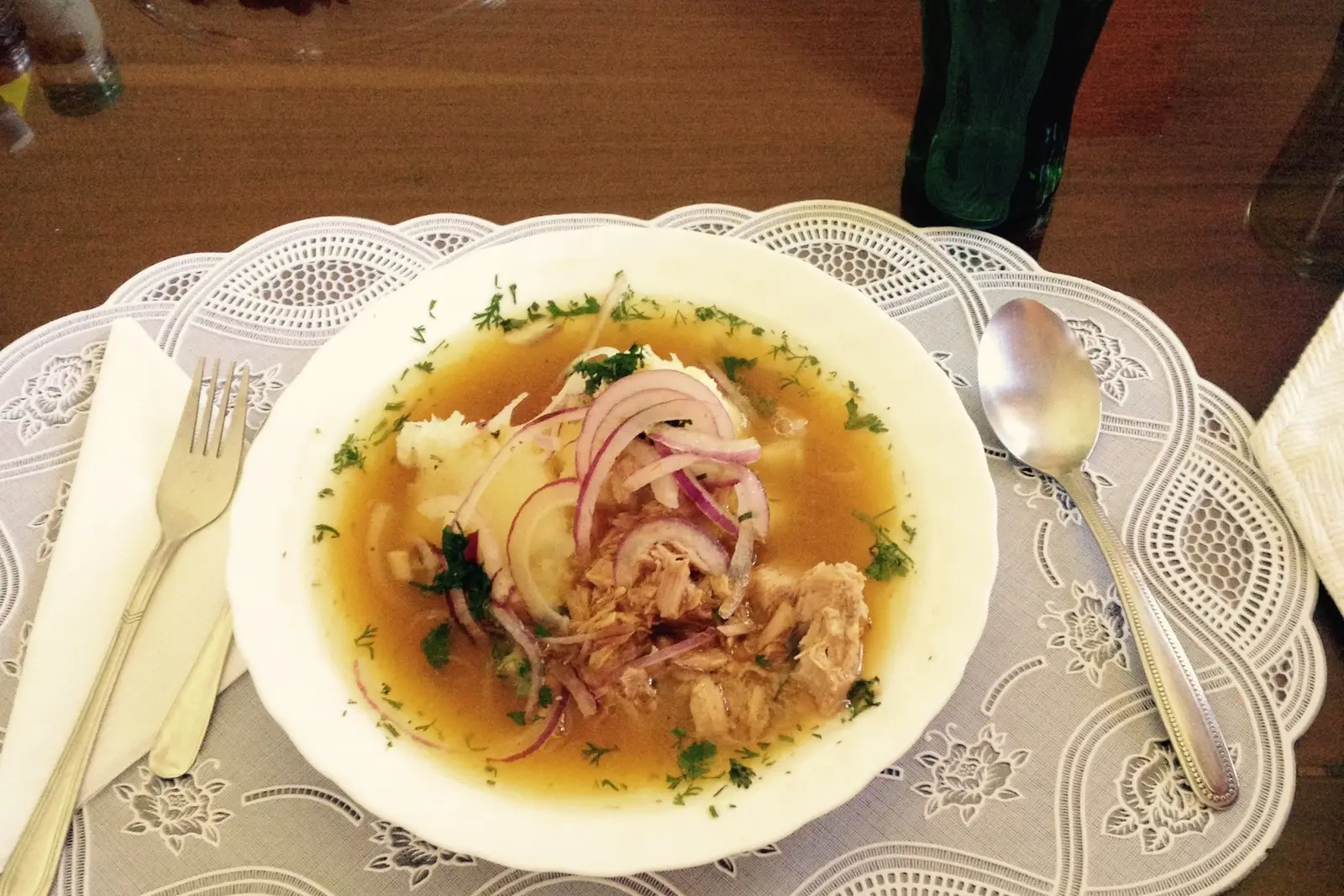
A bowl of encebollado with flaked tuna, pickled red onion rings, yuca and golden broth, sprinkled with cilantro Ecuador flag Ecuador 1h 20m
Lunch •Guayaquil Heritage

Encebollado

This encebollado recipe is Ecuador's beloved coastal soup: fresh albacore tuna simmered in a tomato, onion and cumin broth with tender chunks of yuca, then ladled into bowls under a bright mound of lime-pickled red onion and tomato. The broth is light and savoury, the onion topping is sharp and fresh, and the chifles and tostado on the side add the crunch every Ecuadorian expects. One serving is about 600 g, soup and toppings together.

Comfort & Warmth

Fresh tuna and yuca simmered in a tomato-cumin broth, finished with lime-pickled red onion and crunchy plantain chips.

Pairs Well With
Chifles (plantain chips) and tostado (toasted corn) for crunch, avocado slices, and lime wedges to squeeze over the bowl.
Soups & Broths
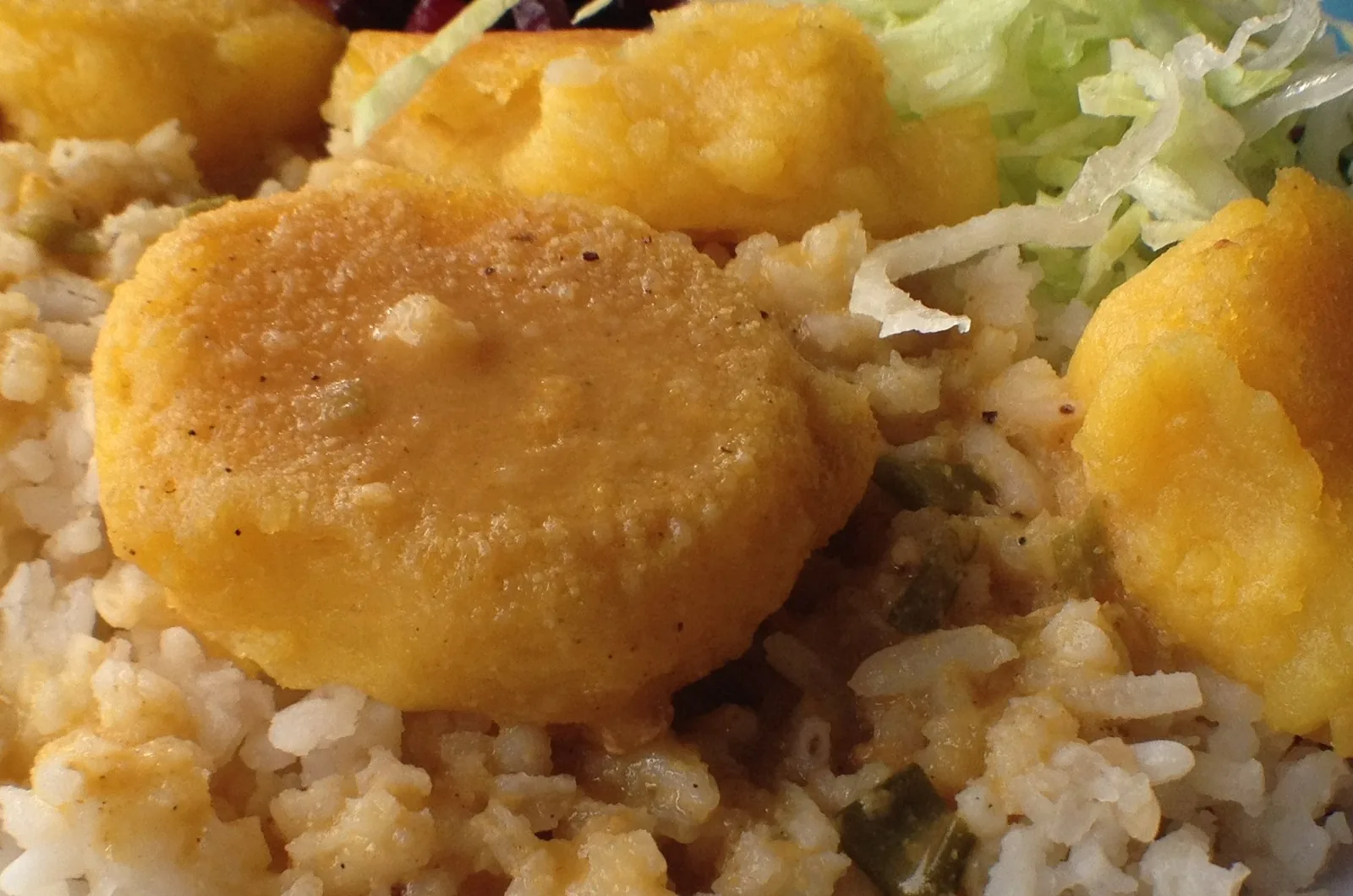
Golden llapingacho potato patties on rice with peanut sauce and shredded lettuce Ecuador flag Ecuador 1h
Lunch •Andean Heritage

Llapingacho

Llapingacho is Ecuador's most loved potato dish: mashed potato mixed with onion and annatto oil, wrapped around fresh cheese, flattened into cakes and fried until the outside is crisp and golden and the centre turns gooey. It is served with a fried egg, peanut sauce and a little salad. One serving is about 464 g.

Golden & Comforting

Mashed potato mixed with onion and annatto oil, stuffed with fresh cheese and fried golden.

Pairs Well With
Fried egg, peanut sauce and a fresh salad

The Dinner Gazette

Never wonder what’s for dinner again

One email a week with easy dinner ideas from around the world — ingredients, steps and nutrition, tested in our kitchen first.

Delivered every Thursday morning. Unsubscribe anytime.