Curated recipes from 193 countries  •  New seasonal Mediterranean issue out now

Overview

Fritanga Colombiana

Picada Colombiana, Picada, Colombian Mixed Meats Platter

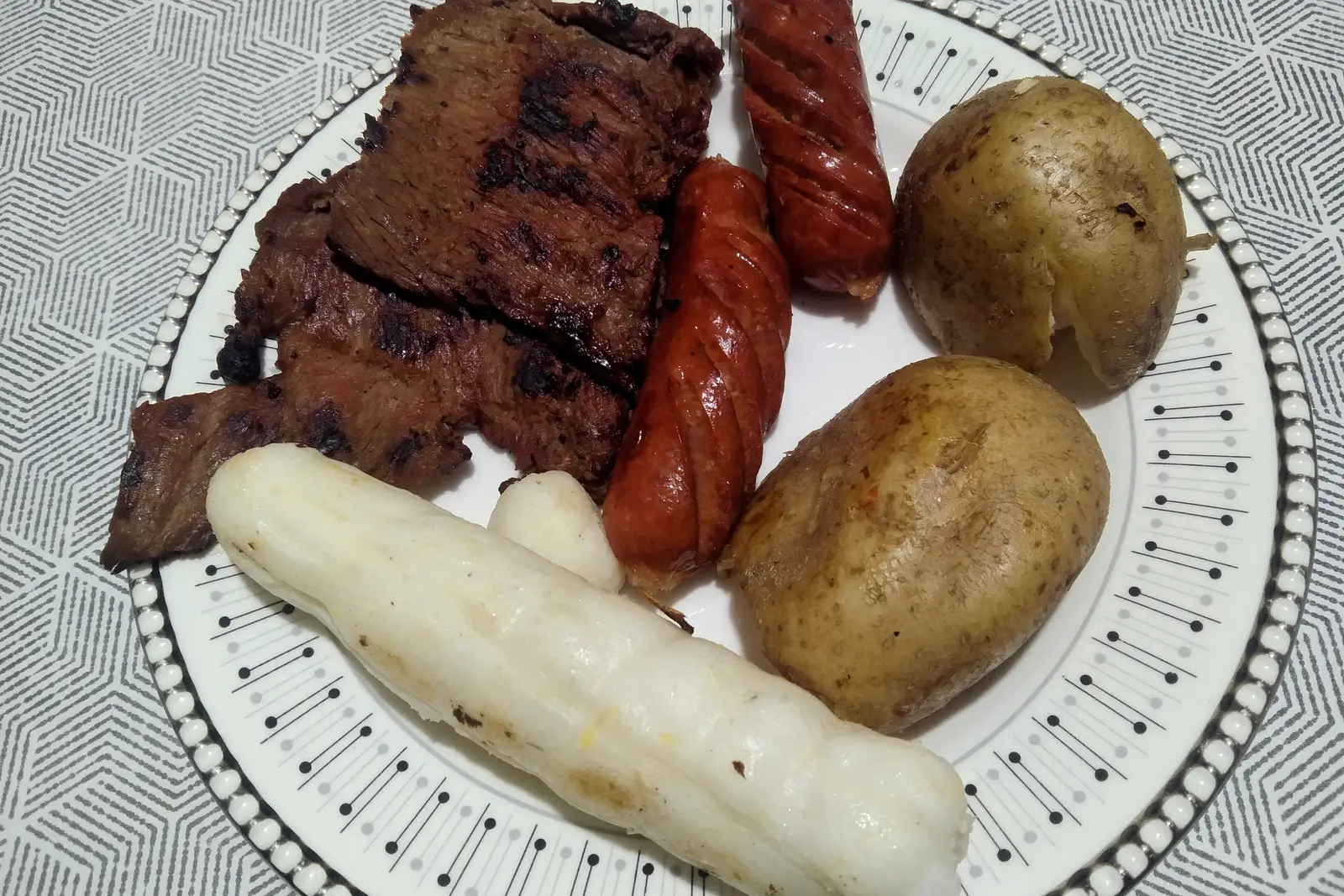
This fritanga colombiana recipe builds the market platter of the Bogotá highlands: crisp chicharrón, pork ribs, chorizo and morcilla, grilled chicken and beef, fried papas criollas and sweet plantain, with warm arepas and lime on the side. Everything is cooked separately, then piled onto one big tray so everyone picks with toothpicks and fingers. One serving is about 542 g. Photo note: no freely licensed photo of an actual Colombian fritanga platter exists, so the photo shows a Colombian mixed grill plate (grilled beef, chorizo, papa criolla, bollo) as a visual equivalent; the alt text describes only what the photo shows.

Fritanga belongs to the Andean highlands around Bogotá, in the department of Cundinamarca, where market stalls and roadside grills pile fried and grilled pork onto one tray for sharing. It is also called picada, because everyone picks at it with toothpicks, and it is a weekend dish: families and friends gather around the tray instead of sitting down to separate plates. The mix changes from stall to stall — chicharrón, chorizo, morcilla, ribs, papas criollas, plantain and arepa are the usual parts — but the idea never changes: a lot of meat, a lot of starch, and one big shared plate.

Pairs well with: Ají picante on the side, with cold beer or panela lemonade and lime wedges.

Provenance

Colombia flag Colombia

Cundinamarca Heritage

Latin America & Caribbean

Time Dedication

1h 40m

25m prep • 75m cook

Batch Yield

6 Servings

1515 kcal per serving

1 serving ≈ 542 g

Technical Skill

Advanced

Hard (Big Platter)

Meal Timing & Digestive Fit

Breakfast

Not Advised

Lunch

Hearty Midday Main

Dinner

Ideal Hearty Main

Snack & Tea

Inappropriate

High Protein Occasions: Weekend family gatherings, market days, parties, a big shared dinner Cost: Medium — about $7–9 per serving at home
Grilled beef, spiral-cut chorizo, boiled potatoes and yuca on a plate

Cundinamarca Heritage

Photo: PapiPijuan, CC BY-SA 4.0, via Wikimedia Commons

The Heritage Formulary

Measured Ingredients

Estimated cost: Medium — about $7–9 per serving at home (USD)

Made the traditional way: each meat cooked separately, the chicharrón fried until the skin crackles, and everything piled hot onto one tray.

Execution Methodology & Culinary Technique

Step-by-Step Cooking Guide

Active 1h 40m
P

Prep Stage: Season & Cut the Meats

25 Mins • Seasoning & Cutting

Cut the pork belly into strips and score the skin, cut the ribs between the bones, and cut the chicken and beef into serving pieces. Rub all the meats with garlic, cumin, salt and pepper and leave them while you scrub the potatoes and slice the plantain.

Maestro Tip: Season early: even 20 minutes with salt and garlic makes a difference to fried and grilled pork.

  1. 1

    Crisp the Chicharrón

    25 Mins Medium-high heat, about 190°C (375°F), to 71°C (160°F)

    Dry the pork belly strips very well, season with salt, and fry skin-side down in a little oil for about 20 minutes, turning once, until the skin is blistered and crisp and the meat is cooked through to 71°C (160°F). Drain on a rack, not paper, so the skin stays crisp.

    Dry skin is the whole secret: pat the belly very dry and do not crowd the pan, or the skin steams instead of crackling.

    Done when: Skin deeply golden and crackling-crisp; meat juicy, no pink.

  2. 2

    Grill the Ribs, Chicken and Beef

    25 Mins Medium-high heat, about 200°C (400°F), to 74°C (165°F) for chicken

    Grill the ribs over medium-high heat for about 20 minutes, turning often, until browned and cooked through. Grill the chicken thighs for about 6 minutes per side until they reach 74°C (165°F) inside, and the beef flank for about 4 minutes per side until 63°C (145°F), then rest the beef for 5 minutes before slicing.

    Rest the beef before slicing or the juices run out onto the board instead of staying in the meat.

    Done when: Ribs browned and tender; chicken juices run clear; beef pink in the middle, rested.

  3. 3

    Fry the Chorizo and Morcilla

    10 Mins Medium heat, about 175°C (350°F), to 71°C (160°F)

    Prick each chorizo once and fry with the morcilla for about 8 minutes, turning often, until browned outside and heated right through to 71°C (160°F). Cut the chorizo into thick slices on the diagonal.

    One prick stops the skins bursting; more holes let the juices out.

    Done when: Sausages browned and firm, hot all the way through.

  4. 4

    Fry the Papas Criollas

    15 Mins Medium-high heat, about 190°C (375°F)

    Boil the papas criollas in salted water for about 10 minutes until just tender, drain well, then fry in the hot oil for about 5 minutes until the skins are golden and crisp. Season with salt while hot.

    Boil first, fry second: the boil cooks them through and the fry makes the skins crisp.

    Done when: Potatoes golden outside, soft and buttery inside.

  5. 5

    Fry the Plantain and Warm the Arepas

    10 Mins Medium heat, about 175°C (350°F)

    Fry the plantain slices for about 3 minutes per side until deep golden and caramelised at the edges. Warm the arepas on a dry griddle or in the same pan for about 2 minutes per side until hot and lightly toasted.

    Very ripe plantain burns fast, so watch the edges: deep gold is perfect, dark brown is bitter.

    Done when: Plantain golden and soft inside; arepas hot with toasted spots.

  6. 6

    Build the Platter

    5 Mins Serve hot, about 65°C (150°F)

    Pile the chicharrón, ribs, chicken, beef, chorizo and morcilla in the middle of a large tray or wooden board, tuck the potatoes, plantain and arepas around the edges, and set out lime wedges and a bowl of ají. Put toothpicks on the table and let everyone pick.

    Serve everything hot at once: a fritanga is one shared tray, eaten together, not a row of separate plates.

    Done when: A full, colourful tray with every part hot and within reach.

Finishing Touches & Plating

Serve immediately, while the chicharrón is still crackling and the plantain is hot, with ají and lime on the side for anyone who wants more.

Nutritional Physiology & Benefits

Nutrition

Energy

1515

kcal / serving

Protein

71g

Complete AA

Carbs

56g

Complex

Fats

111g

Healthy

Per serving (6 servings · 1 serving ≈ 542 g)
Energy1515 kcal
Protein71 g
Carbohydrates56 g
Fat111 g
Fibre4.7 g
Sugar9.3 g
Sodium1386 mg
Per 100g
Energy280 kcal
Protein13.2 g
Carbohydrates10.4 g
Fat20.5 g
Fibre0.9 g
Sugar1.7 g
Sodium256 mg

Nutrition values are estimated — calculated from USDA FoodData Central values for the listed ingredients.

Vitamins & minerals: Pork and beef supply iron, zinc and vitamin B12, the potatoes and plantain add potassium and vitamin C, and the chicken adds niacin. All nutrition values are estimated.

Protein from Three Meats

Pork, chicken and beef together give one serving a large amount of protein, which is why this platter is a weekend feast, not a weekday dinner.

Potassium from Potato & Plantain

Papas criollas and plantain add potassium and a little fibre alongside the meats.

Iron & Vitamin B12

The pork, beef and morcilla supply iron and vitamin B12, nutrients the body uses to make red blood cells.

Food Pairings

What to Eat With

To optimize nutrient absorption and elevate the sensory depth, pair with these authentic accompaniments:

Sauces

Ají Picante

The sharp vinegar sauce cuts through the rich fried pork and sausage and is the classic fritanga partner.

Drinks

Panela Lemonade

Cold lemonade sweetened with panela refreshes the palate between bites of fried meat.

Light Lager

A cold, light Colombian lager matches the fried, salty food the way it does at market stalls across Bogotá.

Vegetables

Simple Green Salad

Lettuce, tomato and onion with lime give a crisp, sharp contrast to the soft potatoes and fried meats.

Complete menu

Serve the fritanga on one big tray with ají picante, a simple green salad and panela lemonade, and finish with a small cup of Colombian coffee.

Digestive Guardrails

What NOT to Combine

To prevent digestive distress, sluggishness, or palate clash, avoid pairing the dish with these elements:

A Second Heavy Main

One serving already carries a full day's worth of energy for many people, so skip another rich main course at the same meal. This is general food information, not medical advice.

Very Salty Extras

The chorizo, morcilla and seasoning are already salty, so extra cured meats, salty cheese or soy sauce push one meal too far. This is general food information, not medical advice.

General information only, not medical advice — consult a doctor for personal dietary decisions.

Who Should Eat It

Who Should Eat

  • General adultsA very filling dinner for active adults; one serving is a large meal, so eat slowly and stop when full.
  • ChildrenChildren usually need a half portion: a little chicken, potato, plantain and arepa, with the salty sausages kept small.
  • ElderlyBest in a smaller portion; the fried pork and sausages are hard work for slower digestion, so keep the chicken and potatoes as the base.
  • Pregnant womenThe fried meats, salt and large portion make this a rare treat rather than a regular meal; ask your clinician about portions.
  • Breastfeeding womenA filling meal that covers protein and energy, but keep the portion modest and drink water with it.
  • AthletesThe high protein and energy suit a hard training day, but the fat is heavy, so it fits better after training than before.
  • Weight gainOne full serving is genuinely energy-dense, which helps when more calories are needed.
  • Weight lossA full serving is too energy-dense for most weight-loss plans; a half portion with extra salad fits better.

Health Conditions — Adjust or Avoid

Conditions

  • DiabetesPotatoes, plantain and arepa are all starchy, so keep the portion of each small and favour the chicken. Ask your clinician about portions.
  • High blood pressureThe chorizo, morcilla and seasoning are salty and the serving is large; a half portion with less sausage is safer. Ask your clinician about portions.
  • Kidney diseaseCured meats, pork and salt are all high in potassium or sodium, so this is not a regular choice. Ask your clinician about portions.
  • GoutPork, beef and organ-style sausage are rich in purines, so keep this as an occasional small portion. Ask your clinician about portions.
  • Stomach issuesThe fried pork, sausage and large portion can sit heavily; eat slowly and keep the fried items small. Ask your clinician about portions.
  • Cardiovascular diseaseThe saturated fat and salt in the fried meats and sausages make this a poor regular choice. Ask your clinician about portions.
  • Fatty liverThe platter is high in energy and saturated fat, so it is best kept as a rare treat in a small portion. Ask your clinician about portions.
  • Food allergiesContains pork, beef, chicken and corn (arepa). The morcilla may contain rice and spices; check the label of bought sausage. Ask your clinician about allergies.
  • Special therapeutic dietsThe size, salt and fat make it hard to fit most therapeutic diets; a small, sausage-free portion is the closest fit. Ask your clinician about portions.

If you have a medical condition, consult your doctor before changing your diet.

Storage & Use

Storage & Use

How to store
Store each part separately in covered containers; keep the arepas and plantain apart from the meats.
In the fridge
Cooked meats and potatoes keep 3 days in the fridge at 4°C (40°F) or below.
In the freezer
Grilled meats freeze up to 2 months; chicharrón and fried plantain do not freeze well and go soft.
How to reheat
Reheat meats in a hot oven or pan until steaming hot, to 74°C (165°F); crisp the chicharrón in a hot oven for a few minutes.
Freezing recommended
Yes — grilled meats only.
Signs it has spoiled
Sour smell, slimy meat, or mould on the arepa.

More recipes to explore

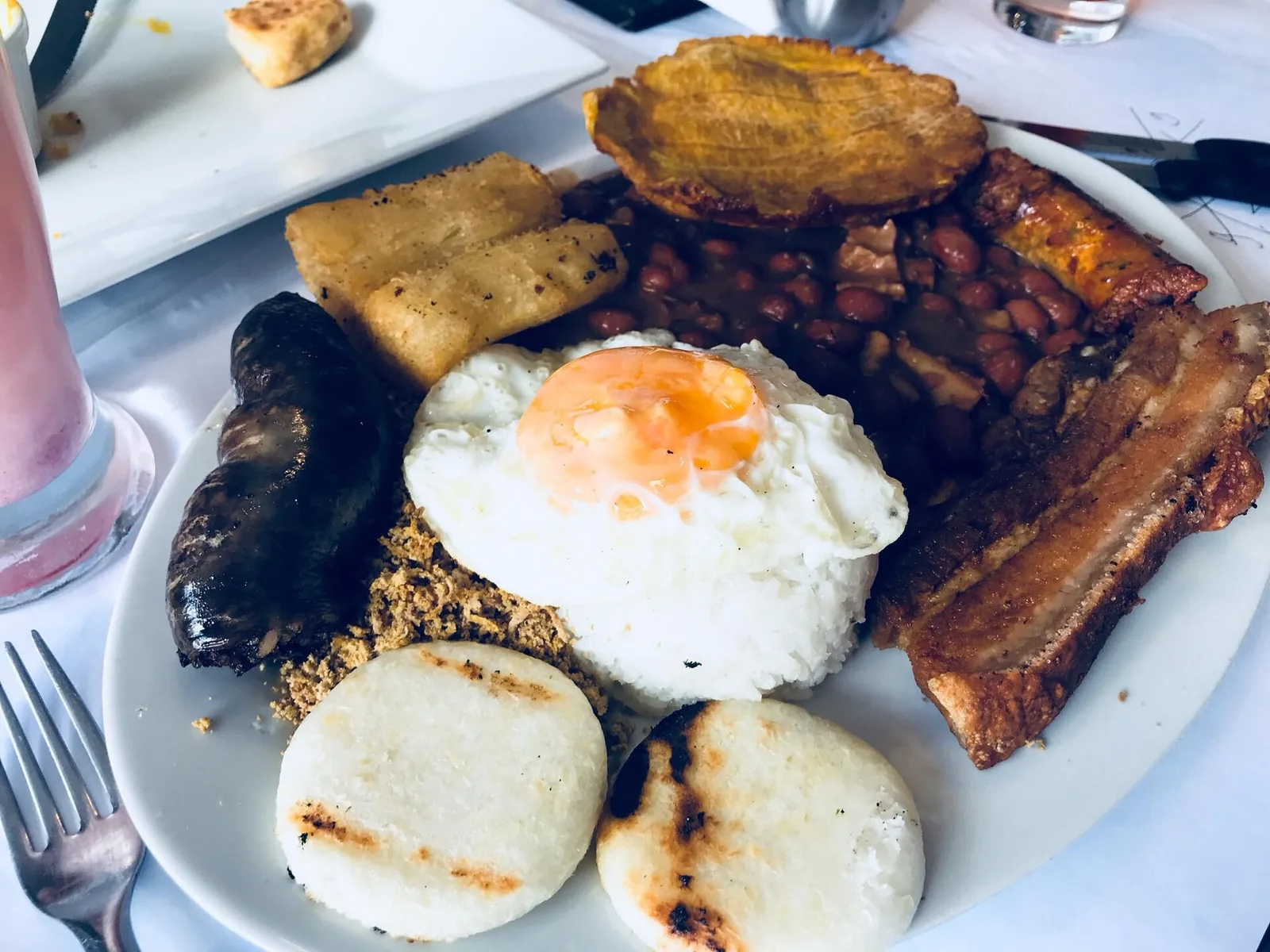
Bandeja paisa on a white plate with red beans, white rice, a fried egg, chicharrón, morcilla, chorizo, fried plantain and two small arepas Colombia flag Colombia 2h
Lunch •Antioquia Heritage

Bandeja Paisa

This bandeja paisa recipe builds the famous platter from Antioquia: red beans simmered with pork, white rice, crisp chicharrón, seasoned ground beef, chorizo and morcilla, a fried egg, sweet fried plantain, avocado, hogao sauce and a small grilled arepa. Every part is cooked separately, then piled onto one wide plate so each bite can mix a little of everything. One serving is about 894 g.

Hearty & Filling

A generous Antioquia platter of beans, rice, meats, egg, plantain and avocado, built to fuel a long working day.

Pairs Well With
A cold glass of panela lemonade or a light lager, with a small green salad on the side.
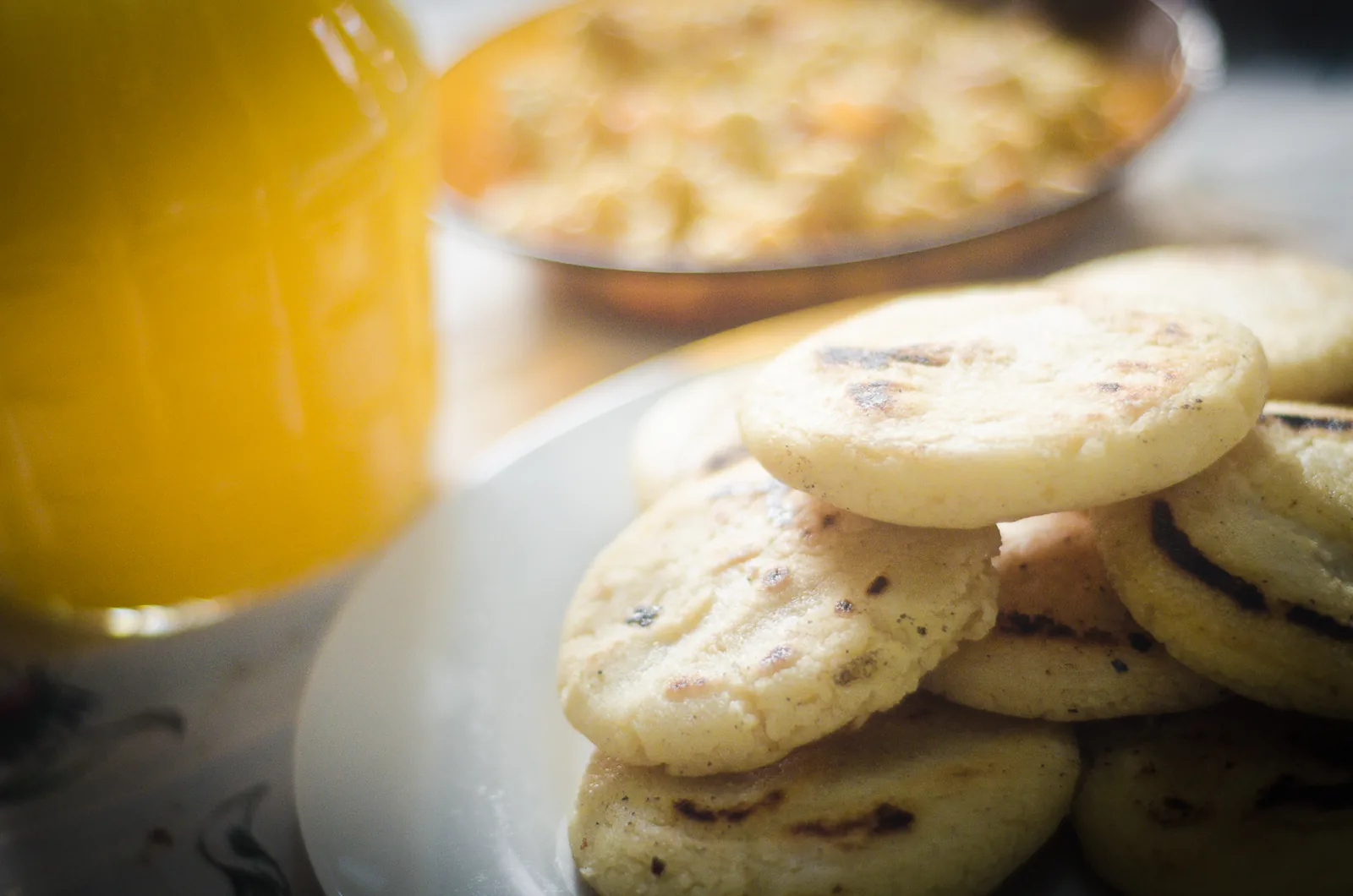
A stack of golden grilled Colombian arepas on a white plate, with a glass of orange juice beside them Colombia flag Colombia 35m
Breakfast •Andean Heritage

Colombian Arepas

This Colombian arepas recipe turns pre-cooked white cornmeal, warm water, butter and cheese into round corn cakes that are grilled until crisp outside and soft inside. The cheese is kneaded right into the dough, so every bite is savoury and gently melty. Colombian arepas are thinner and plainer than the stuffed Venezuelan kind: they are a breakfast bread, split open and filled at the table. One serving is about 220 g, two arepas.

Comfort & Warmth

Golden grilled corn cakes made from white masarepa, with melting cheese kneaded into the dough.

Pairs Well With
Hot chocolate or coffee, with butter and a slice of fresh cheese on the side.
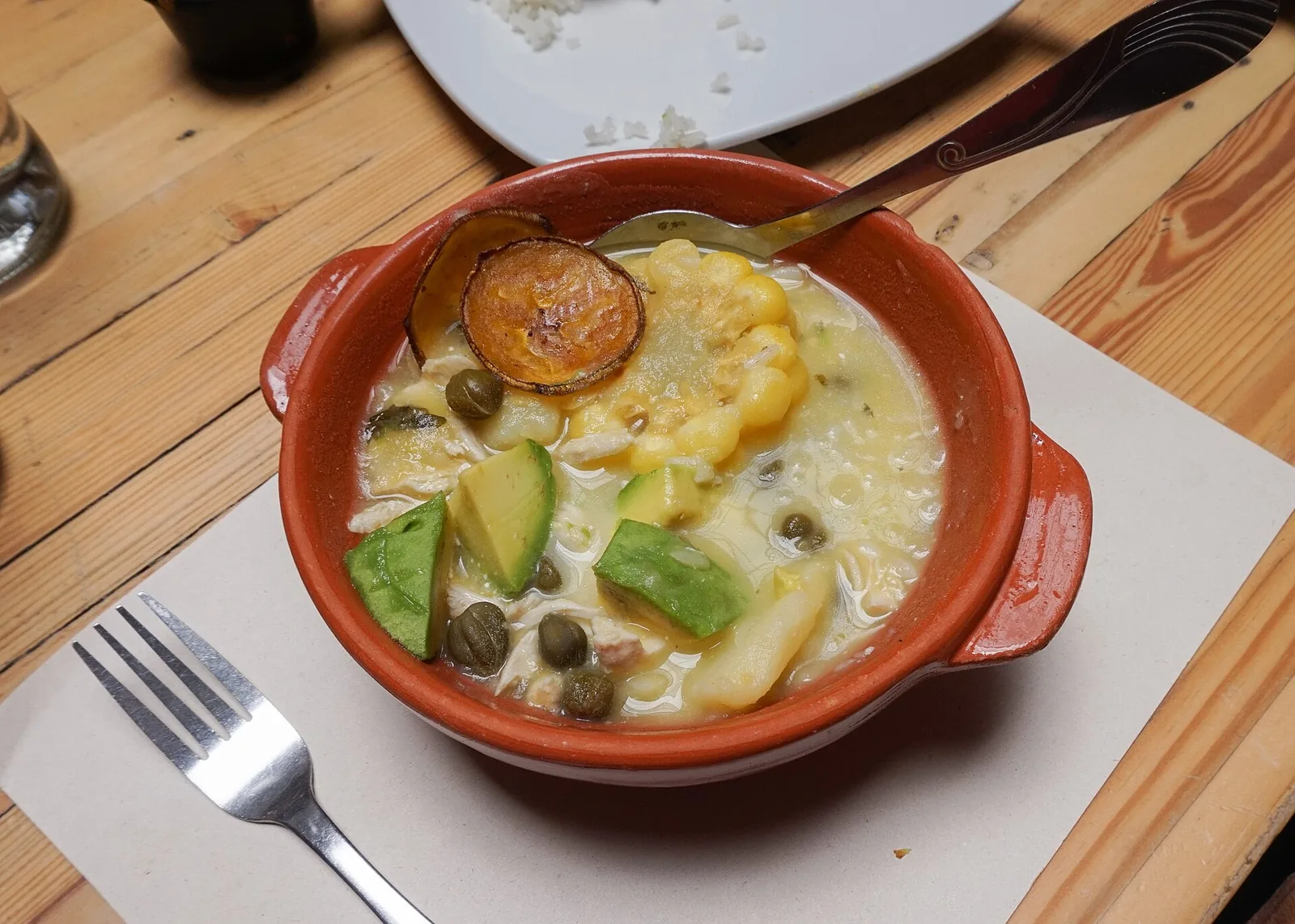
A bowl of ajiaco in a clay bowl, thick golden soup with corn, avocado, capers and shredded chicken Colombia flag Colombia 1h 30m
Lunch •Bogotá Heritage

Ajiaco

This ajiaco recipe is Bogotá's signature soup: chicken simmered with corn on the cob and three kinds of potato — pastusa, sabanera and criolla — until the criolla melts and thickens the broth golden. The herb guascas gives it its unmistakable earthy flavour, and every bowl is finished at the table with heavy cream, briny capers and sliced avocado. One serving is about 750 g, soup and toppings together.

Comfort & Warmth

Bogotá's thick chicken and potato soup, flavoured with guascas and served with cream, capers and avocado.

Pairs Well With
White rice and a small side salad, with the cream, capers and avocado passed around the table.
Soups & Broths
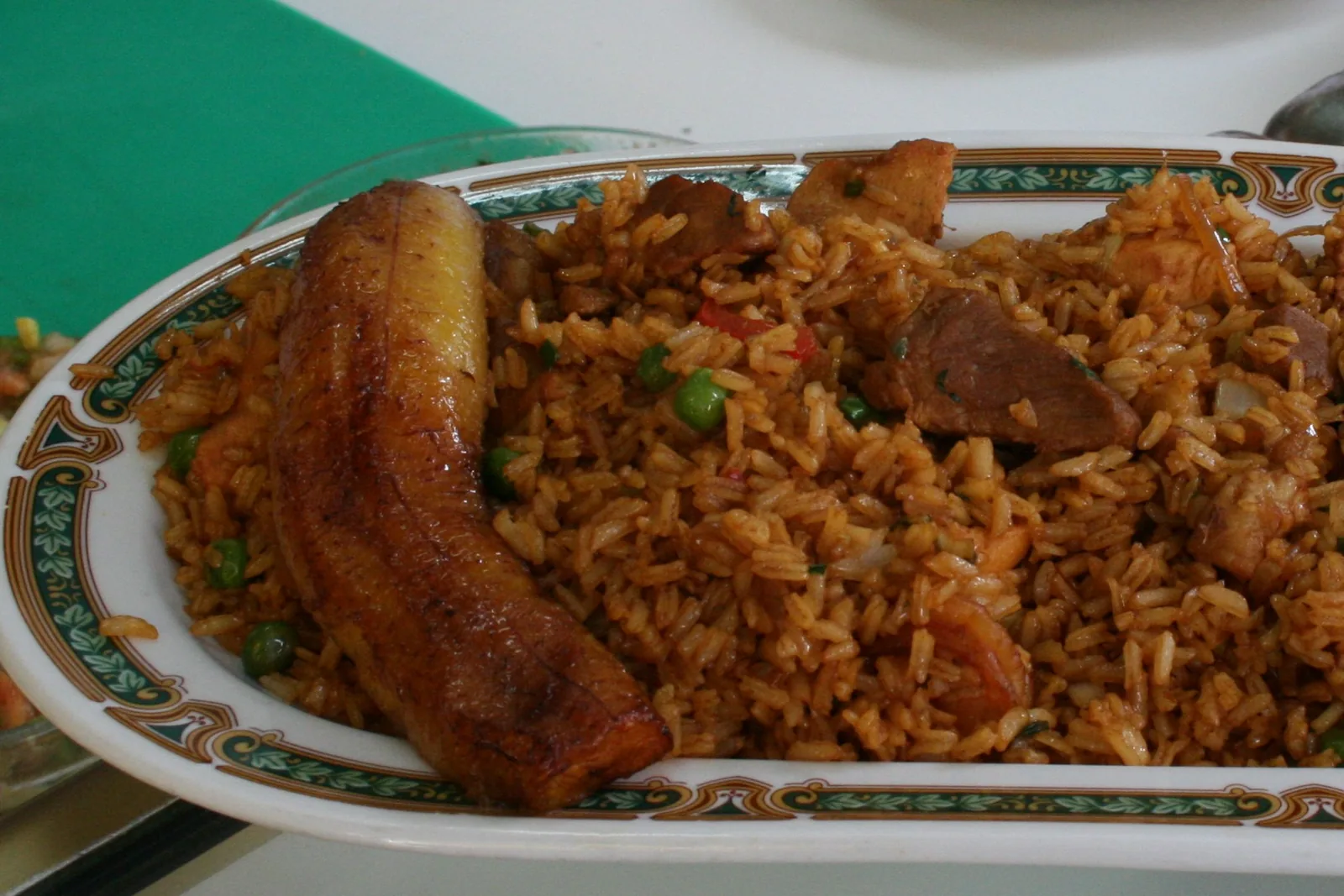
A platter of lechona with golden rice, roast pork pieces, green peas and a fried plantain Colombia flag Colombia 6h
Dinner •Tolima Heritage

Lechona

Lechona is Tolima's great festive roast: a deboned pig — here a pork shoulder with its skin — stuffed with rice and peas, sewn shut and roasted for hours until the meat is spoon-tender and the skin crackles. It is served chopped, a spoon of golden rice with every piece of pork, with arepas and fried plantain on the side. One serving is about 444 g.

Festive & Filling

Pork shoulder stuffed with rice and peas, roasted for hours until the meat is tender and the skin crackles.

Pairs Well With
White arepas, fried plantain and a cold beer
High Protein

The Dinner Gazette

Never wonder what’s for dinner again

One email a week with easy dinner ideas from around the world — ingredients, steps and nutrition, tested in our kitchen first.

Delivered every Thursday morning. Unsubscribe anytime.