Curated recipes from 193 countries  •  New seasonal Mediterranean issue out now

Overview

Iraqi Dolma

Dolma Baghdad, Stuffed Vine Leaves and Vegetables

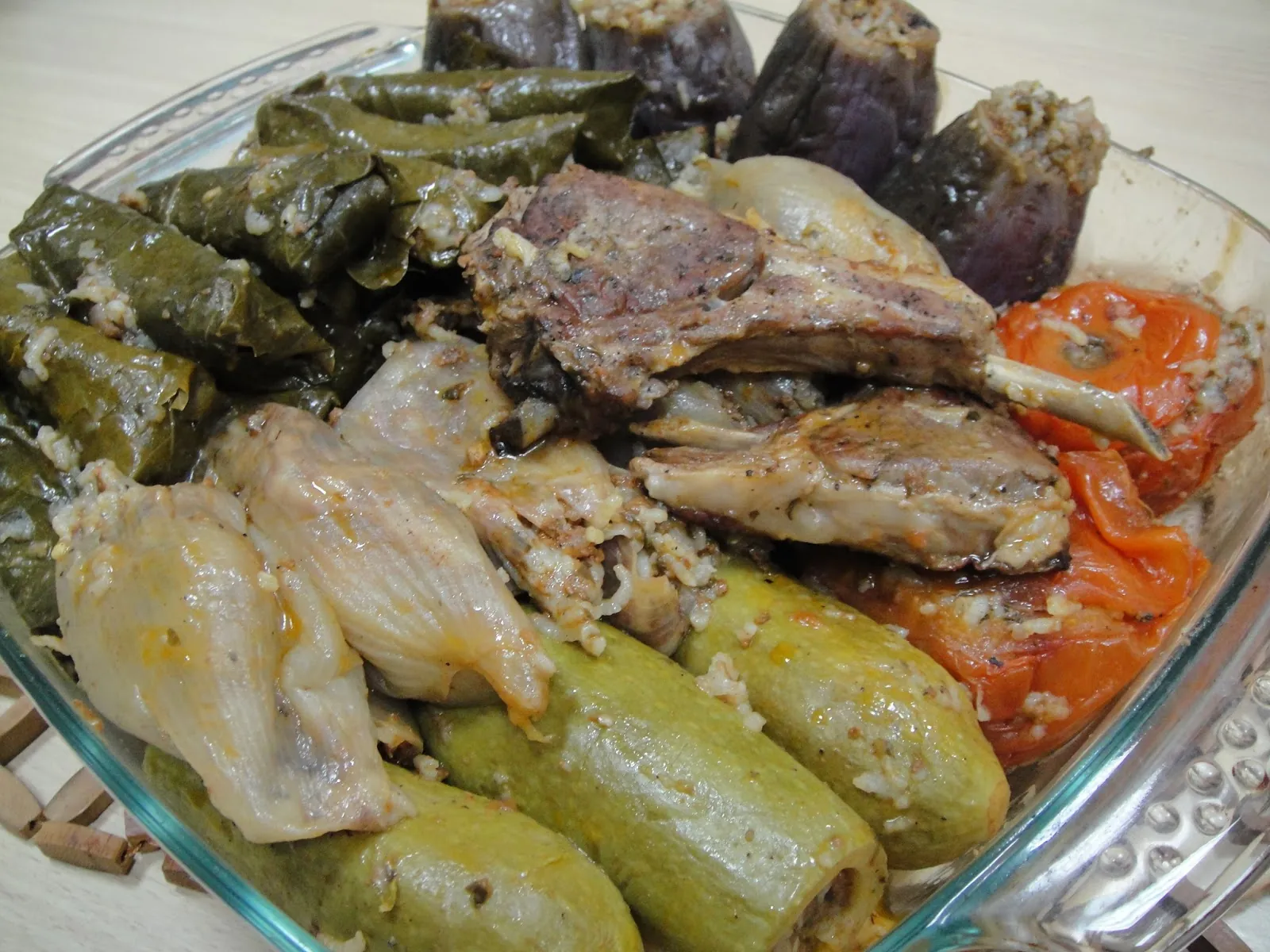
This Iraqi dolma recipe is the Baghdad form: vine leaves and Swiss chard leaves rolled around a filling of ground beef, rice and herbs, cooked in the same pot as stuffed aubergine, tomato, pepper and onion, all simmered over lamb chops in a sour broth of pomegranate molasses and dried limes. The leaves turn tender, the vegetables soften, and the pot is turned out onto a platter with the caramelised lamb chops on top. One serving is about 390 g.

Dolma — stuffed leaves and vegetables — travelled across the old Ottoman world, and in Baghdad it settled into its own generous form: not grape leaves alone, but vine leaves and Swiss chard together, with aubergine, tomato, pepper and onion stuffed from the same pot. The Baghdad signature is the sourness — pomegranate molasses and dried limes in the cooking broth — and the lamb chops laid at the bottom of the pot, which caramelise as the dolma steams and are turned out on top as the prize of the platter. It is a Friday family dish, made in a big pot and eaten together from the platter.

Pairs well with: Plain yoghurt, warm flatbread, cucumber & tomato salad

Provenance

Iraq flag Iraq

Baghdad Home-Cooking Heritage

Middle Eastern

Time Dedication

2h 30m

60m prep • 90m cook

Batch Yield

6 Servings

562 kcal per serving

1 serving ≈ 390 g

Technical Skill

Advanced

Advanced (Stuffing & Rolling)

Meal Timing & Digestive Fit

Breakfast

Not Advised

Lunch

Hearty Midday Main

Dinner

Ideal Hearty Main

Snack & Tea

Inappropriate

Occasions: Family dinner, Friday lunch, festive gatherings Cost: Moderate — about $4–5 per serving at home
A platter of Iraqi dolma with stuffed vine leaves, aubergine, tomatoes and onions, topped with lamb chops

Baghdad Home-Cooking Heritage

Photo: Hill93, CC BY-SA 4.0, via Wikimedia Commons

The Heritage Formulary

Measured Ingredients

Estimated cost: Moderate — about $4–5 per serving at home (USD)

Good Iraqi dolma holds its roll, the leaf is tender but not torn, the rice inside is cooked through, and the broth is sharply sour from pomegranate and dried lime.

Execution Methodology & Culinary Technique

Step-by-Step Cooking Guide

Active 2h 30m
P

Prep Stage: Rinse the Leaves, Hollow the Vegetables & Mix the Filling

60 Mins • Hands-On

Rinse the brined grape leaves in several changes of cold water, trim the stems and lay them flat, shiny side down. Cut the thick rib out of the chard leaves and blanch them for 30 seconds if they are stiff. Hollow the aubergines, tomatoes, peppers and one onion, keeping the tomato tops as lids. Rinse the rice and drain it well. Mix the ground beef with the rice, chopped onion, half the tomato paste, garlic, herbs, spices, olive oil and salt, kneading gently with your hands until it holds together.

Maestro Tip: Taste a pinch of the filling for salt before you roll — the brined leaves add salt of their own, so the filling should taste slightly under-salted, not salty.

  1. 1

    Prepare the Leaves and Vegetables

    20 Mins Cold water

    Rinse the grape leaves in 2–3 changes of cold water, rubbing gently to wash off the brine, then snip off the stems and lay them flat, shiny side down. Cut the rib from the chard leaves and blanch them for 30 seconds if stiff. Hollow the aubergines, tomatoes, peppers and one onion with a small knife or spoon, leaving a 1 cm wall, and keep the tomato tops as lids. Set aside the torn leaves to line the pot.

    If the grape leaves still taste very salty after rinsing, soak them in cold water for 10 minutes and rinse again.

    Done when: Leaves are pliable and clean-tasting; vegetables are hollowed with walls thick enough to hold the filling.

  2. 2

    Make the Filling

    10 Mins Room temperature

    Put the ground beef in a large bowl and add the rinsed rice, chopped onion, half the tomato paste, garlic, herbs, spices, olive oil and salt. Mix with your hands until everything is evenly combined, but do not overwork it — the filling should be loose and soft, not a tight paste.

    Mix with a light hand. A filling packed too hard cooks up dense and dry inside the leaf.

    Done when: Filling holds together when squeezed but still looks loose and flecked with herbs.

  3. 3

    Roll the Leaves and Stuff the Vegetables

    25 Mins Room temperature

    Lay one leaf shiny side down and put about 1 tablespoon of filling near the stem end. Fold the two sides in, then roll up snug but not tight — the rice needs room to swell. Do the same with the chard leaves, folding them a little looser because they are thicker. Fill the aubergines, tomatoes, peppers and onion layers about two-thirds full and cap the tomatoes with their lids.

    Fill the vegetables only two-thirds full — rice that swells with nowhere to go pushes the filling out of the top.

    Done when: Neat, finger-sized rolls that hold their shape, and vegetables filled loosely with room for the rice to expand.

  4. 4

    Layer the Pot Over the Lamb Chops

    5 Mins Room temperature

    Line the bottom of a heavy pot with the torn leaves, then lay the lamb chops over them, fat side down. Pack the leaf rolls in tightly, seam side down, in neat circles, then nestle the stuffed vegetables in the gaps, heaviest at the bottom. Lay a few more leaves over everything to protect the top layer.

    Packing tight is the secret: pieces with no room to move cannot unravel, and the chops stop the bottom layer scorching.

    Done when: Pot is full, rolls are snug with no gaps, and the lamb chops are flat on the bottom.

  5. 5

    Add the Sour Broth and Simmer

    80 Mins Gentle simmer, ~95°C (203°F)

    Stir the remaining tomato paste, the pomegranate molasses and 500 ml (2 cups) of hot water together, and pour it over the pot with the pierced dried limes. Set a heatproof plate upside down on top to weight everything down, cover, and bring to a gentle simmer. Cook for 75–80 minutes without lifting the lid, until the leaves are tender and the rice inside is cooked through. The ground beef must reach at least 71°C (160°F) in the centre of a roll — cut one open to check.

    Keep the heat low and steady. A hard boil shakes the rolls apart; a gentle simmer cooks them evenly and lets the chops caramelise underneath.

    Done when: Leaves are tender, rice is soft all the way through, and the beef inside reaches 71°C (160°F).

  6. 6

    Rest and Turn Out

    10 Mins Off the heat

    Take the pot off the heat and leave it covered for 10 minutes so the pieces settle and the juices are absorbed. Lift out the plate and the top leaves, then turn the whole pot out onto a large platter in one confident flip, so the lamb chops end up on top. Serve warm with plain yoghurt spooned over the top or on the side.

    If you are nervous about the flip, serve straight from the pot instead — lift the pieces out gently with a large spoon, chops first.

    Done when: The platter shows the chops on top, the pieces hold together when lifted, and the broth is glossy and sour.

Finishing Touches & Plating

Serve the dolma warm from the platter, the lamb chops and vegetables on top and the leaf rolls tucked around them, with cold plain yoghurt and a scattering of fresh herbs. Each piece should be picked up whole — leaf, meat and rice in one bite.
Nutritional Physiology & Benefits

Nutrition

Energy

562

kcal / serving

Protein

27g

Complete AA

Carbs

53g

Complex

Fats

28g

Healthy

Per serving (6 servings · 1 serving ≈ 390 g)
Energy562 kcal
Protein27 g
Carbohydrates53 g
Fat28 g
Fibre7.9 g
Sugar15.0 g
Sodium548 mg
Per 100g
Energy143 kcal
Protein6.8 g
Carbohydrates13.6 g
Fat7 g
Fibre2 g
Sugar3.8 g
Sodium140 mg

Nutrition values are estimated — calculated from USDA FoodData Central values for the listed ingredients.

Vitamins & minerals: Vitamin A and vitamin K (grape leaves and chard), iron and vitamin B12 (beef and lamb), vitamin C (tomato, pepper and herbs), folate (rice and chard). Nutrition values are estimated.

Fibre from Leaves and Vegetables

Vine leaves, chard, aubergine, tomato and pepper bring about 7.9 g of fibre per serving, which supports normal digestion and helps a modest plate feel filling.

Iron and B12 from the Meat

The beef and lamb supply iron and vitamin B12, and the vitamin C in the tomatoes, peppers and herbs helps the body absorb the iron from the meal.

Sour, Not Heavy

The sourness here comes from pomegranate molasses and dried limes, not from a heavy sauce, so the dish stays bright and aromatic for its size.

Food Pairings

What to Eat With

To optimize nutrient absorption and elevate the sensory depth, pair with these authentic accompaniments:

Sides

Plain Yoghurt

Cool, tangy plain yoghurt is the classic partner: its acidity matches the sour pomegranate broth and its creaminess softens the briny leaves.

Warm Flatbread

Warm flatbread is for scooping up the sour broth left in the pot — the best part of the dish — and it turns the dolma into a full dinner.

Vegetables

Cucumber and Tomato Salad

A crisp cucumber and tomato salad adds crunch and a clean, fresh flavour that balances the slow-cooked, richly sour pot.

Drinks

Still Water with Lemon

The dolma is salty and sour by nature, so plain water with lemon is the best drink — it refreshes the palate without adding more salt or sugar.

Complete menu

Serve the dolma as the main dish from a large platter, with cold plain yoghurt on the side, warm flatbread, and a simple cucumber and tomato salad for the table.

Digestive Guardrails

What NOT to Combine

To prevent digestive distress, sluggishness, or palate clash, avoid pairing the dish with these elements:

Letting the Pot Run Dry

The rice inside the parcels needs enough liquid and time to cook through. If the pot runs dry before the rice is soft, the filling stays crunchy and the leaves scorch. Keep the heat low and check the liquid once halfway through. This is general information, not medical advice.

Undercooked Minced Meat

Ground beef must reach at least 71°C (160°F) in the centre of a roll, and the lamb chops must be cooked through. Cut one roll open and check before serving. This is general information, not medical advice.

General information only, not medical advice — consult a doctor for personal dietary decisions.

Who Should Eat It

Who Should Eat

  • General adultsA complete dinner in one pot — meat, rice, leaves and vegetables, with the lamb chops from the bottom as a treat.
  • ChildrenSuitable from age 6+; give them a stuffed tomato or pepper and a few leaf rolls, and watch out for the dried-lime pieces.
  • ElderlyGood — everything in the pot is soft and slow-cooked, and the portions are easy to serve one piece at a time.
  • Pregnant womenGenerally suitable when the meat is cooked right through to 71°C (160°F) and the dish is served hot.
  • Breastfeeding womenGenerally suitable; the beef, lamb and yoghurt supply protein, iron and calcium.
  • AthletesA solid protein and carbohydrate portion for training days; add extra flatbread for carbohydrate.
  • Weight gainA good choice — a full plate with the lamb chops and extra yoghurt.
  • Weight lossKeep to 2–3 pieces, load up on the leaves, and skip the lamb chops and the bread.

Health Conditions — Adjust or Avoid

Conditions

  • DiabetesRice is the main carbohydrate; keep the portion to 2–3 pieces and fill the plate with leaves. Ask your clinician about portions.
  • High blood pressureBrined grape leaves are salty even after rinsing, so do not add extra salt and skip salty sides. Ask your clinician about your daily sodium limit.
  • Kidney diseaseGrape leaves, chard and rice are high in potassium; keep the portion modest if your clinician has advised a low-potassium diet, and ask about portion size.
  • GoutBeef and lamb are moderate in purines; eat in moderate portions. Ask your clinician if gout flares are frequent.
  • Stomach issuesUsually gentle, but the sour pomegranate and dried-lime broth can bother a sensitive stomach; eat the parcels with yoghurt and skip the raw onion on the side if needed.
  • Cardiovascular diseaseThe filling is beef and the pot base is lamb, so keep the portion modest and balance the plate with leaves and yoghurt. Ask your clinician about how often red meat fits your diet.
  • Fatty liverKeep the portion modest and fill the plate with the leaves and vegetables. Ask your clinician about red-meat portions.
  • Food allergiesContains wheat only if served with flatbread; the dolma itself contains milk (yoghurt served alongside) — do not serve yoghurt to anyone with a milk allergy.
  • Special therapeutic dietsIf you follow a prescribed low-sodium diet, rinse the leaves thoroughly, use half the salt, and check with your clinician.

If you have a medical condition, consult your doctor before changing your diet.

Storage & Use

Storage & Use

How to store
Cool quickly and store in an airtight container with a little of the cooking liquid.
In the fridge
Cooked dolma 3–4 days.
In the freezer
Up to 1 month; the leaves soften a little on thawing.
How to reheat
Reheat gently in a covered pan with a splash of water until steaming hot throughout, to 74°C (165°F).
Freezing recommended
Yes, up to 1 month.
Signs it has spoiled
Sour or off smell, slimy leaves, or mould.

More recipes to explore

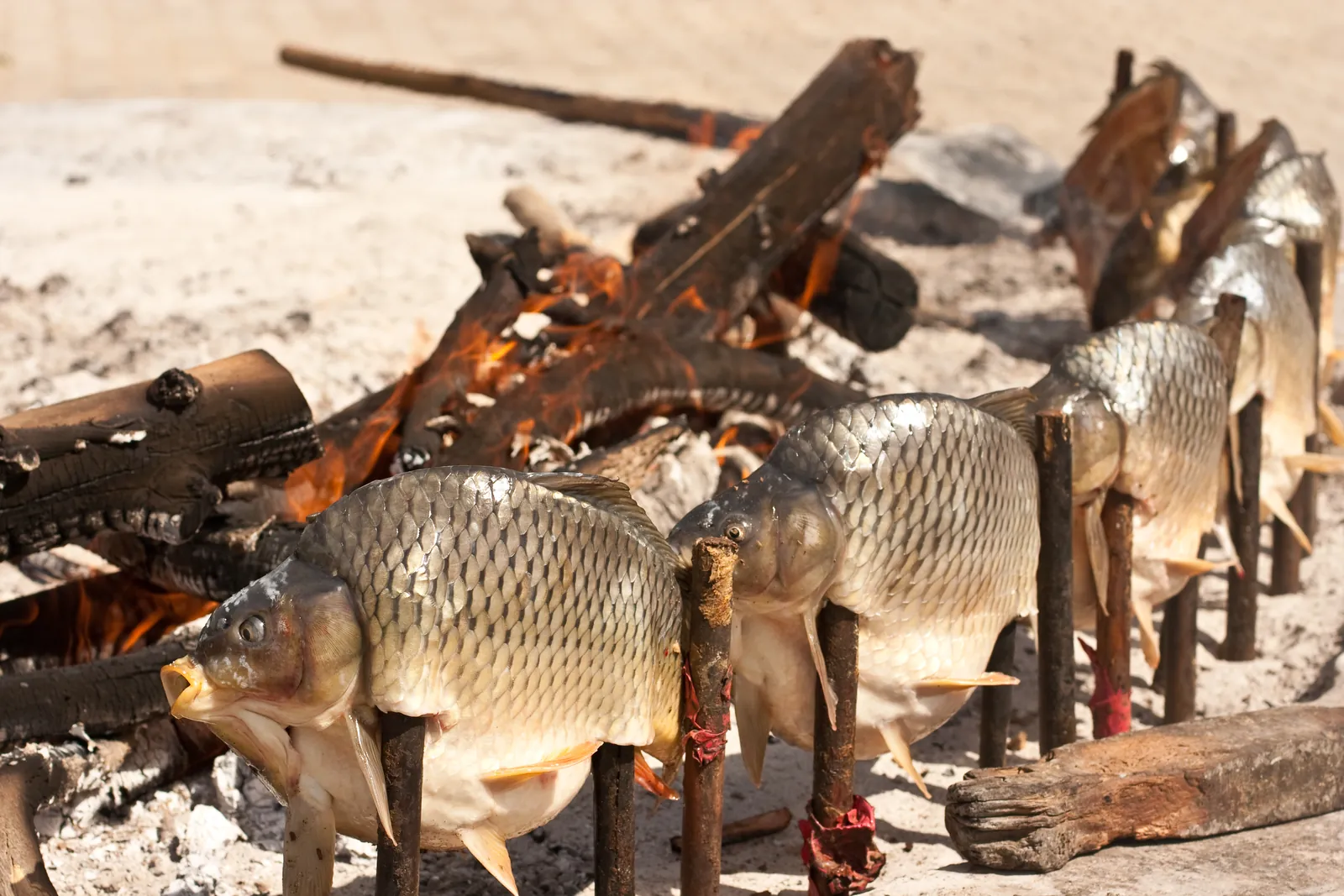
Whole carp staked upright around an open wood fire, grilling in the traditional masgouf style Iraq flag Iraq 1h 30m
Dinner •Iraq's National Dish

Masgouf

This masgouf recipe is Iraq's national dish: a whole carp, butterflied open, rubbed with a tamarind and tomato marinade, then grilled upright beside an open fire until the skin turns crisp and golden and the flesh stays moist and smoky. At home it works just as well on a barbecue or under a hot grill, served with charred tomatoes, onion and warm flatbread. One serving is about 410 g.

Whole Grilled Carp Over Open Fire

A whole butterflied carp, rubbed with tamarind, tomato and spices, slow-grilled beside an open fire until the skin is crisp and the flesh is smoky and tender.

Pairs Well With
Grilled tomatoes & onion, warm flatbread, Iraqi pickles
High Protein
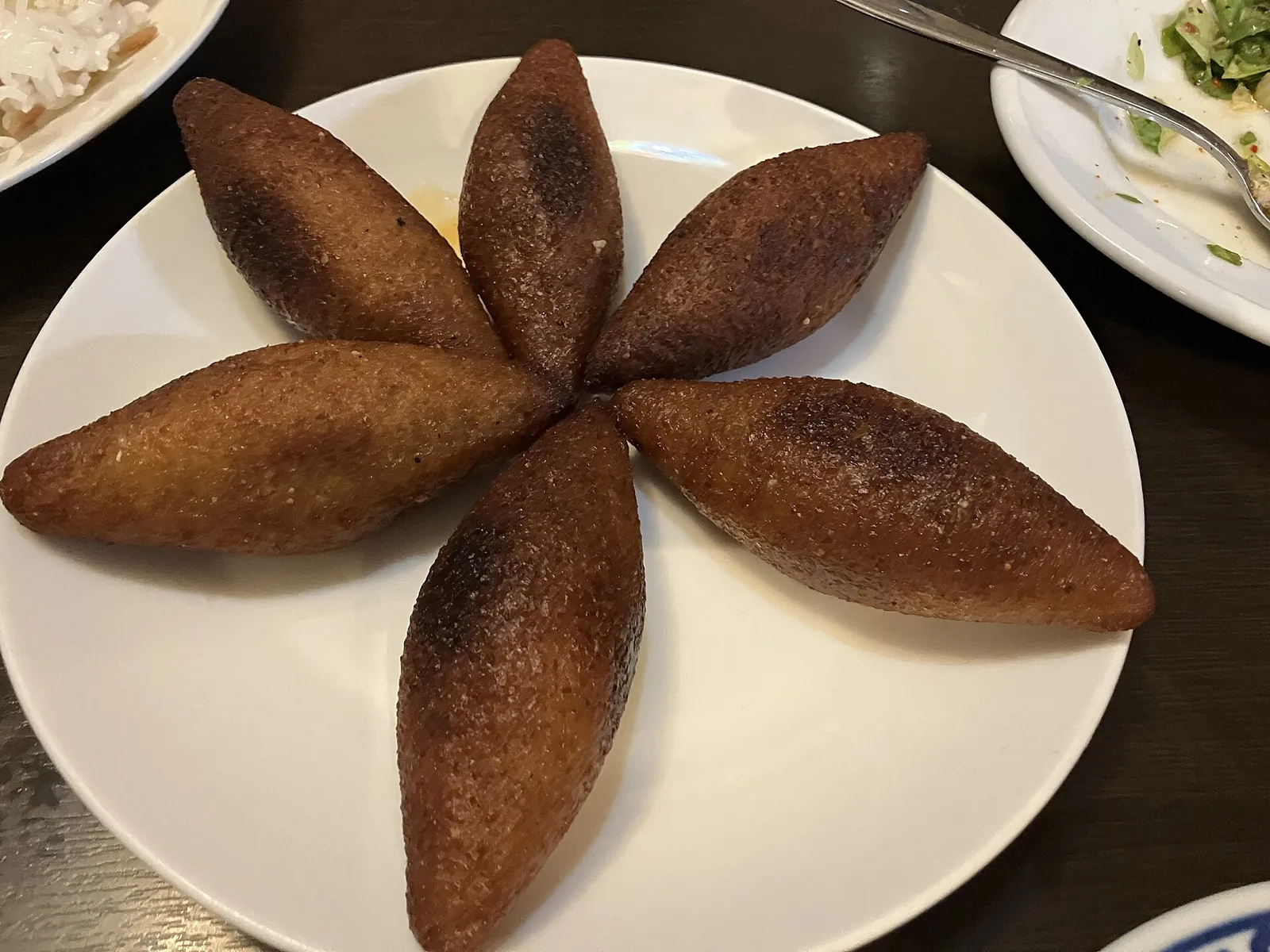
Six golden fried kubba, pointed oval bulgur shells, arranged in a circle on a white plate Iraq flag Iraq 1h 5m
Dinner •Iraqi Home-Cooking Heritage

Kubba

This kubba recipe makes the Iraqi fried form: fine bulgur kneaded with a little minced beef into a smooth shell, wrapped around a filling of spiced minced beef, onion, walnuts and raisins, shaped into pointed ovals and fried until deep golden and crisp. Unlike the baked tray kibbeh of Lebanon, Iraqi kubba are individual shells, eaten hot with salad and yoghurt. One serving is about 260 g — three shells.

Crisp Fried Bulgur Shells with Spiced Beef

Fine bulgur shells wrapped around a filling of spiced minced beef, onion, walnuts and raisins, fried until golden and crisp.

Pairs Well With
Cucumber & tomato salad, plain yoghurt, lemon wedges
Bœuf bourguignon — French beef braised in red wine France flag France 4h
Dinner •Burgundy Terroir

Bœuf Bourguignon

Beef braised gently in red wine until the connective tissue melts into a velvet, gelatin-rich sauce — the classic Burgundy Sunday dinner.

Cellular Repair

Beef braised in red wine until spoon-tender, with mushrooms and pearl onions.

Pairs Well With
Parsnip Purée & Steamed French Haricots Verts
High Protein
Vietnamese braised pork belly with golden eggs in caramel sauce Vietnam flag Vietnam 1h 45m
Dinner •One Pot

Vietnamese Braised Pork and Eggs

Pork belly slowly braised in coconut water and caramel until meltingly tender, with golden eggs that soak up the sweet-savoury sauce — the Vietnamese family dish that tastes better the next day.

Comfort & Sustained Energy

Slow-braised pork belly and eggs in coconut water and caramel.

Pairs Well With
Steamed rice & pickled mustard greens
High Protein

The Dinner Gazette

Never wonder what’s for dinner again

One email a week with easy dinner ideas from around the world — ingredients, steps and nutrition, tested in our kitchen first.

Delivered every Thursday morning. Unsubscribe anytime.