Curated recipes from 193 countries  •  New seasonal Mediterranean issue out now

Overview

Kalalou Djon Djon

Poul ak Djon Djon, Chicken with Djon Djon, Poulet au Djon-Djon

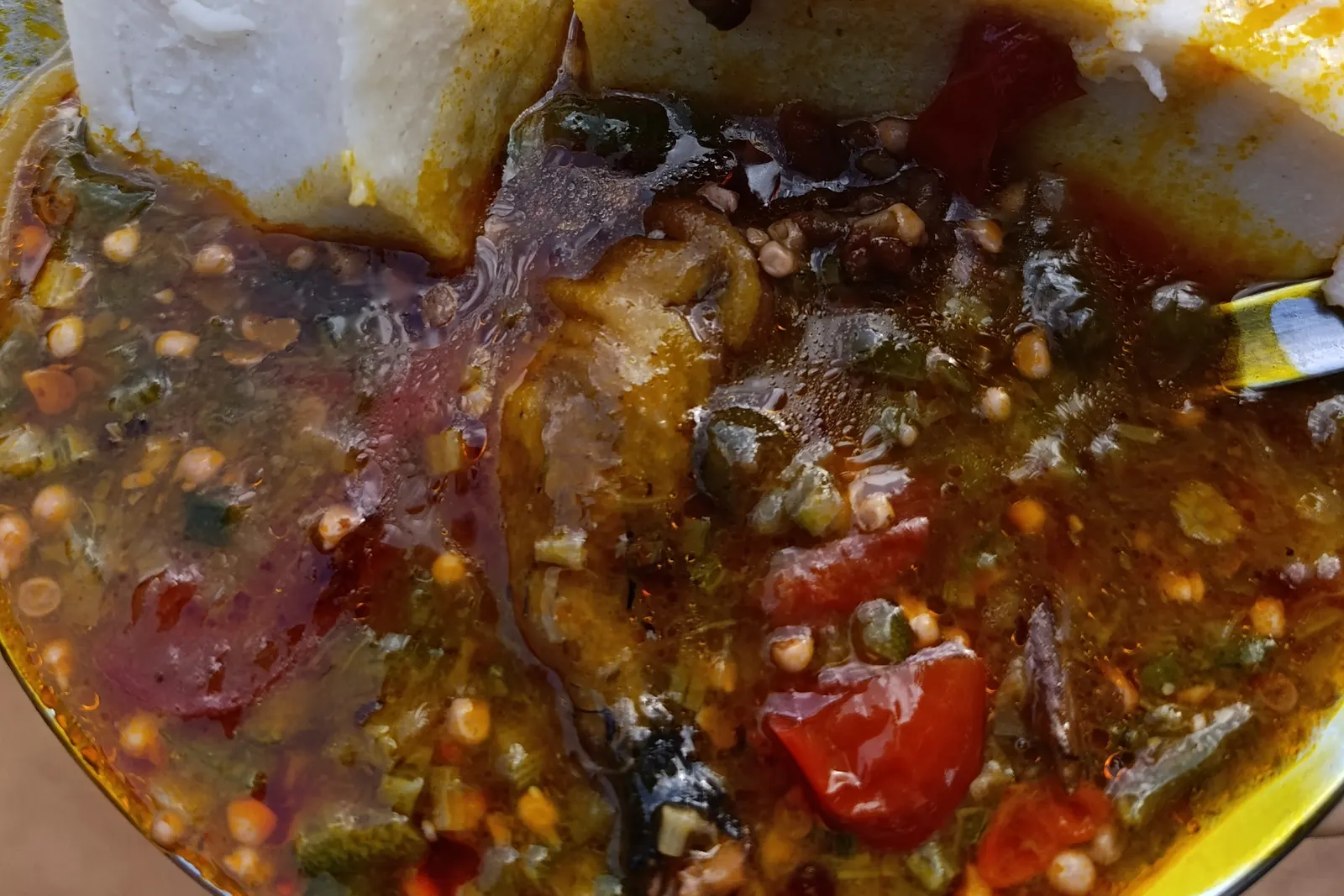
This kalalou djon djon recipe is the Haitian stew of chicken and okra in a dark sauce made from djon djon, the black mushrooms that grow in the mountains of the Artibonite valley: the mushrooms are soaked and boiled, their black liquid becomes the sauce, and the okra goes in last so it stays whole. One serving is about 375 g. The photo shows a West African sauce gombo, the same kind of chopped-okra stew, used as a visual stand-in because no freely licensed photo of kalalou djon djon exists.

Djon djon are the black mushrooms of Haiti, gathered in the mountains around the Artibonite River valley and dried for the pantry. Soaked and boiled, they give up a black, smoky liquid that colours everything it touches, which is why the most famous djon djon dish is the black rice, diri djon djon. The same liquid turns up in stews, and chicken with okra is one of the best-loved of them, a home favourite served with white rice.

Pairs well with: White rice with bean sauce (sos pwa), with fried plantain and pikliz on the side.

Provenance

Haiti flag Haiti

Haitian Heritage

Latin America & Caribbean

Time Dedication

1h 55m

60m prep • 55m cook

Batch Yield

6 Servings

487 kcal per serving

1 serving ≈ 375 g

Technical Skill

Intermediate

Medium (Two Pots)

Meal Timing & Digestive Fit

Breakfast

Not Advised

Lunch

Hearty Midday Main

Dinner

Ideal Hearty Main

Snack & Tea

Inappropriate

Occasions: Sunday dinners, family gatherings, celebration meals, slow weekend cooking Cost: Moderate — about $4–5 per serving at home
A bowl of okra sauce with chopped okra, tomato and a piece of meat, served with white maize paste

Haitian Heritage

Photo: Agoundote09, CC BY-SA 4.0, via Wikimedia Commons

The Heritage Formulary

Measured Ingredients

Estimated cost: Moderate — about $4–5 per serving at home (USD)

Made the traditional way: dried djon djon soaked and boiled for their black liquid, chicken cleaned with lime and marinated in epis, okra added last so it stays whole.

Execution Methodology & Culinary Technique

Step-by-Step Cooking Guide

Active 1h 55m
P

Prep Stage: Mushrooms & Marinating

60 Mins • Soaking, Cleaning & Marinating

Soak the dried djon djon in hot water for 45 minutes while you clean the chicken the Haitian way, scrubbing it with lime and salt, then rinse and pat dry. Make the epis from parsley, scallions, garlic, half the bell pepper, thyme and lime juice, rub it into the chicken with salt and pepper, and leave it to marinate while you chop the onion, bell pepper and okra.

Maestro Tip: Do not throw the mushroom soaking water away: that black liquid is the sauce, and it carries the whole flavour of the dish.

  1. 1

    Soak & Boil the Djon Djon

    55 Mins Boiling, 100°C (212°F)

    Put the dried djon djon in a bowl, cover with 500 ml of hot water and leave to soak for 45 minutes. Tip the mushrooms and their water into a saucepan, bring to the boil and boil for 10 minutes, then strain through a fine sieve, pressing the mushrooms to get every drop. Keep the black liquid; chop the softened mushrooms and set them aside to go back into the pot later.

    The liquid should be almost black and smell smoky and earthy; if it is only pale brown, your mushrooms are stale and the sauce will not colour properly.

    Done when: A dark, almost black liquid that smells smoky and earthy.

  2. 2

    Clean & Marinate the Chicken

    15 Mins No heat

    Make the epis first: blend the parsley, half the scallions, half the garlic, half the bell pepper, the thyme and half the lime juice into a coarse green paste. Scrub the chicken with the remaining lime juice and a little salt, rinse with cold water and pat dry. Rub the meat all over with the epis, salt and black pepper, and leave to marinate for at least 15 minutes while you chop the rest.

    Washing chicken in lime water is the Haitian way of cleaning meat; it freshens the flavour and the acid starts tenderising it.

    Done when: Every piece coated green with epis, resting in the bowl.

  3. 3

    Brown the Chicken

    12 Mins High heat, ~200°C (400°F)

    Heat the olive oil in a heavy pot over high heat. Brown the chicken in batches, 3 to 4 minutes a side, until deeply golden on all sides. Do not crowd the pot, or the chicken will steam instead of browning. Set the pieces aside as they brown.

    Leave each piece alone until it releases from the pot on its own; that is when the crust has formed.

    Done when: Deep golden, crusty pieces with dark, sticky bits left in the pot.

  4. 4

    Build the Sauce & Simmer

    30 Mins Low heat, gentle simmer ~95°C (200°F)

    Lower the heat, add the onion, the remaining bell pepper, garlic and scallions to the pot, and cook for 5 minutes, scraping up the browned bits. Stir in the tomato paste and cook for 2 minutes until it darkens, then pour in the djon djon liquid and the chopped mushrooms. Return the chicken to the pot with any juices, add the whole Scotch bonnet, cover, and simmer gently for 25 minutes until the chicken is cooked through to 74°C (165°F).

    Keep the simmer lazy: a rolling boil toughens chicken and clouds the sauce.

    Done when: Chicken cooked through, sauce dark and glossy.

  5. 5

    Add the Okra & Finish

    12 Mins Low heat, gentle simmer ~95°C (200°F)

    Stir in the okra, cover, and simmer for 10 to 12 minutes more, until the okra is tender but still holds its shape. Taste and adjust the salt; the sauce should coat a spoon and taste deeply earthy, with heat at the back of the throat.

    Do not stir hard once the okra is in, or it will break up and turn the sauce slimy; shake the pot gently instead.

    Done when: Tender okra that still holds its shape, thick dark sauce.

  6. 6

    Rest & Serve

    5 Mins No heat

    Take the pot off the heat, rest for 5 minutes, and skim any fat from the surface. Lift out the Scotch bonnet and serve in deep bowls over white rice, spooning the dark sauce over each portion.

    The rest lets the sauce settle and the flavours come together, so do not skip it.

    Done when: A rich, fragrant stew with tender chicken and whole okra.

Finishing Touches & Plating

Rest the pot for 5 minutes, lift out the Scotch bonnet, and serve in deep bowls over white rice, spooning the dark sauce over each portion.

Nutritional Physiology & Benefits

Nutrition

Energy

487

kcal / serving

Protein

32g

Complete AA

Carbs

17g

Complex

Fats

33g

Healthy

Per serving (6 servings · 1 serving ≈ 375 g)
Energy487 kcal
Protein32 g
Carbohydrates17 g
Fat33 g
Fibre4.7 g
Sugar4.5 g
Sodium486 mg
Per 100g
Energy130 kcal
Protein8.5 g
Carbohydrates4.6 g
Fat8.8 g
Fibre1.3 g
Sugar1.2 g
Sodium130 mg

Nutrition values are estimated — calculated from USDA FoodData Central values for the listed ingredients.

Vitamins & minerals: Chicken supplies B vitamins, iron and zinc, okra adds vitamin C, vitamin K and folate, and the djon djon mushrooms bring B vitamins and minerals.

High in Protein

About 31.9 g of protein per serving from the chicken, which makes this a deeply satisfying main course.

Okra for Fibre

Okra brings about 4.7 g of fibre per serving, along with vitamin C, vitamin K and folate.

Naturally Gluten-Free

The stew contains no wheat or gluten, so the dish fits a gluten-free table as written.

Food Pairings

What to Eat With

To optimize nutrient absorption and elevate the sensory depth, pair with these authentic accompaniments:

Sides

White Rice & Bean Sauce

Rice with sos pwa is the classic base: the beans and rice soak up the dark mushroom sauce and turn the stew into a full meal.

Fried Plantain

Sweet fried plantain adds a caramelised contrast to the earthy, savoury stew, a pairing Haitians love.

Vegetables

Pikliz

The sharp, pickled heat of pikliz cuts through the richness of the stew and wakes the whole plate up.

Drinks

Haitian Lemonade

A cold, lightly sweet lime drink refreshes the palate between rich, spicy mouthfuls.

Full Menus

Haitian Bread

A thick slice of crusty Haitian bread is made for mopping up the sauce left in the bowl.

Complete menu

Serve the stew over white rice with bean sauce, fried plantain and pikliz, and finish with Haitian coconut flan.

Digestive Guardrails

What NOT to Combine

To prevent digestive distress, sluggishness, or palate clash, avoid pairing the dish with these elements:

Overcooking the Okra

Okra left too long in the pot turns slimy and falls apart; it needs only 10 to 12 minutes, added at the end, so it stays tender and whole. This is general food information, not medical advice.

Storing Warm Leftovers

Cool the stew quickly and refrigerate within 2 hours; leaving a large pot warm on the stove lets bacteria grow. Reheat until steaming hot, to 74°C (165°F). This is general food information, not medical advice.

General information only, not medical advice — consult a doctor for personal dietary decisions.

Who Should Eat It

Who Should Eat

  • General adultsA rich, satisfying dinner, about 31.9 g protein per serving, best with white rice and bean sauce.
  • ChildrenChildren can eat a small portion with the Scotch bonnet left out; pick out the boneless meat and okra for them.
  • ElderlyOlder eaters will enjoy it if the chicken is cooked until very tender and served without bones on the plate.
  • Pregnant womenPregnant women should eat it only when the chicken is cooked right through, to 74°C (165°F), and served piping hot.
  • Breastfeeding womenBreastfeeding women can eat it as part of a varied diet; the spice level is a matter of personal comfort.
  • AthletesAthletes get a protein-rich main with rice for energy, well suited to a post-training dinner.
  • Weight gainFor weight gain, add a generous portion of rice, bean sauce and fried plantain on the side.
  • Weight lossFor weight loss, keep the portion as stated, choose skinless pieces, and fill half the plate with pikliz and salad instead of extra rice.

Health Conditions — Adjust or Avoid

Conditions

  • DiabetesThe stew itself is low in carbs, about 17.2 g per serving, but rice and bean sauce add more, so keep the rice portion modest. Ask your clinician about portions.
  • High blood pressureSodium is about 486 mg per serving; the usual salty sides can push it higher, so watch the extras. Ask your clinician about portions.
  • Kidney diseaseThe dish is high in protein, so people with kidney disease should keep portions small and check with their clinician.
  • GoutChicken is moderate in purines; a smaller portion with more vegetables is the safer way to enjoy it. Ask your clinician about portions.
  • Stomach issuesScotch bonnet heat can irritate a sensitive stomach; leave it out entirely if you have reflux or gastritis. Ask your clinician if symptoms persist.
  • Cardiovascular diseaseThe stew is rich in fat from the chicken skin, about 33.0 g per serving; choose skinless pieces to lighten it. Ask your clinician about portions.
  • Fatty liverThe stew itself is low in sugar, but fried plantain and sweet drinks add sugar quickly, so keep those small. Ask your clinician about portions.
  • Food allergiesContains chicken; people with a mushroom allergy should leave out the djon djon and use plain water instead, which changes the colour and flavour.
  • Special therapeutic dietsOn a therapeutic diet, ask your clinician or dietitian whether the protein and sodium levels fit your plan.

If you have a medical condition, consult your doctor before changing your diet.

Storage & Use

Storage & Use

How to store
Cool the stew within 2 hours and store in a covered container; the flavour deepens overnight.
In the fridge
Keeps 4 days in the fridge at 4°C (40°F) or below.
In the freezer
Up to 3 months in a sealed container; freeze the chicken and sauce together, without the rice.
How to reheat
Reheat gently on the hob, stirring, until steaming hot throughout, to 74°C (165°F); add a splash of water if the sauce has thickened.
Freezing recommended
Yes — the stew freezes well, though the okra softens a little on reheating.
Signs it has spoiled
A sour smell, mould on the surface or a slimy texture means it should be thrown away.

More recipes to explore

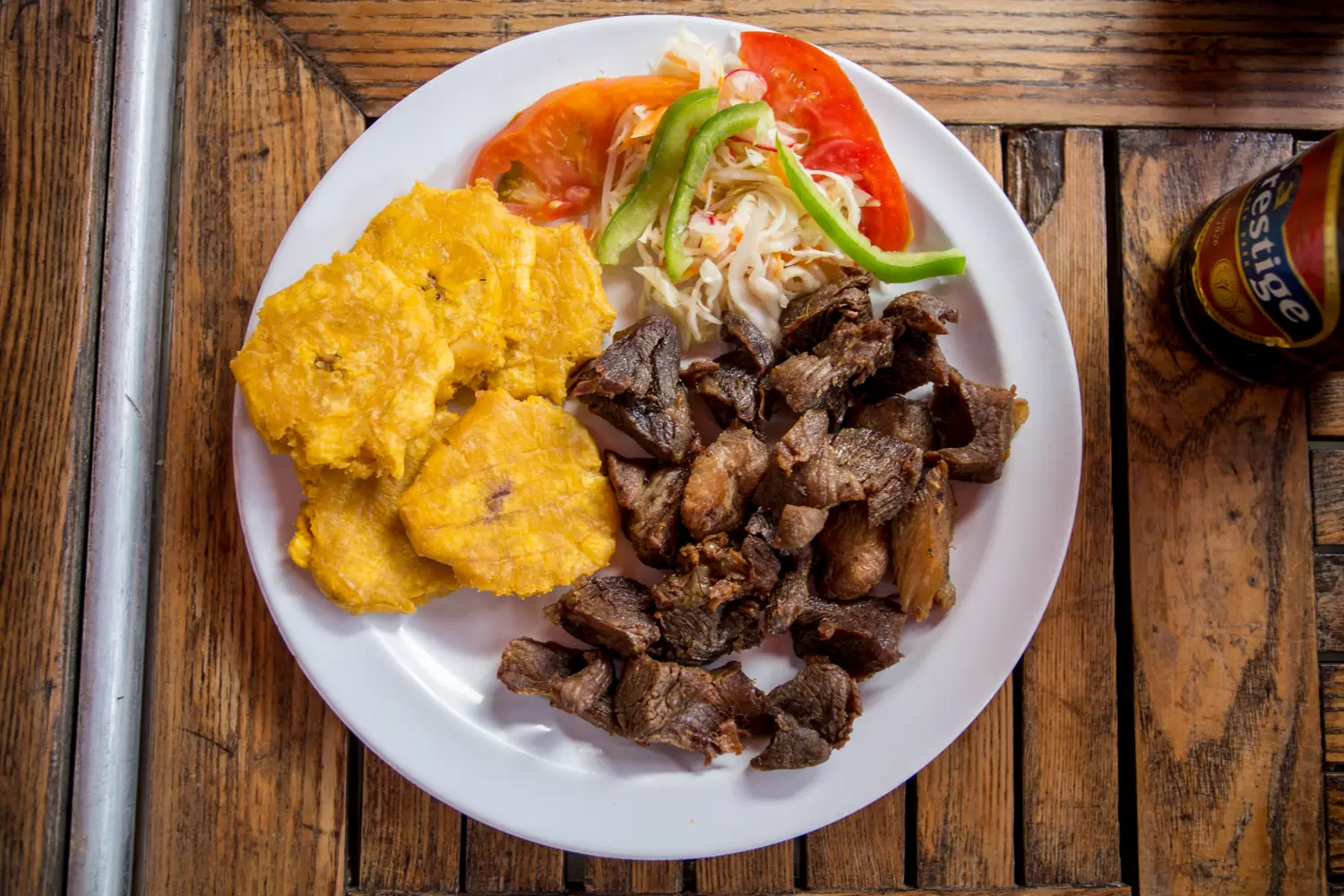
A plate of Haitian griot: dark crisp fried pork cubes with fried plantains and pikliz slaw with tomato and green pepper Haiti flag Haiti 2h 10m
Dinner •Haiti Heritage

Haitian Griot

This Haitian griot recipe starts with pork shoulder rubbed in sour citrus and epis, Haiti's green seasoning paste of scallions, garlic, parsley and Scotch bonnet, then braised in its own marinade until tender and fried in hot oil until the edges turn dark and crisp. It is served with pikliz, a sharp pickled cabbage slaw that cuts through the richness. One serving is about 215 g of crisp fried pork with pikliz.

Hearty & Celebratory

Haiti's most loved party dish: citrus-marinated pork, braised tender, then fried until crisp and served with fiery pickled pikliz.

Pairs Well With
Fried plantains (bannann peze) and rice and beans, with pikliz on the side.
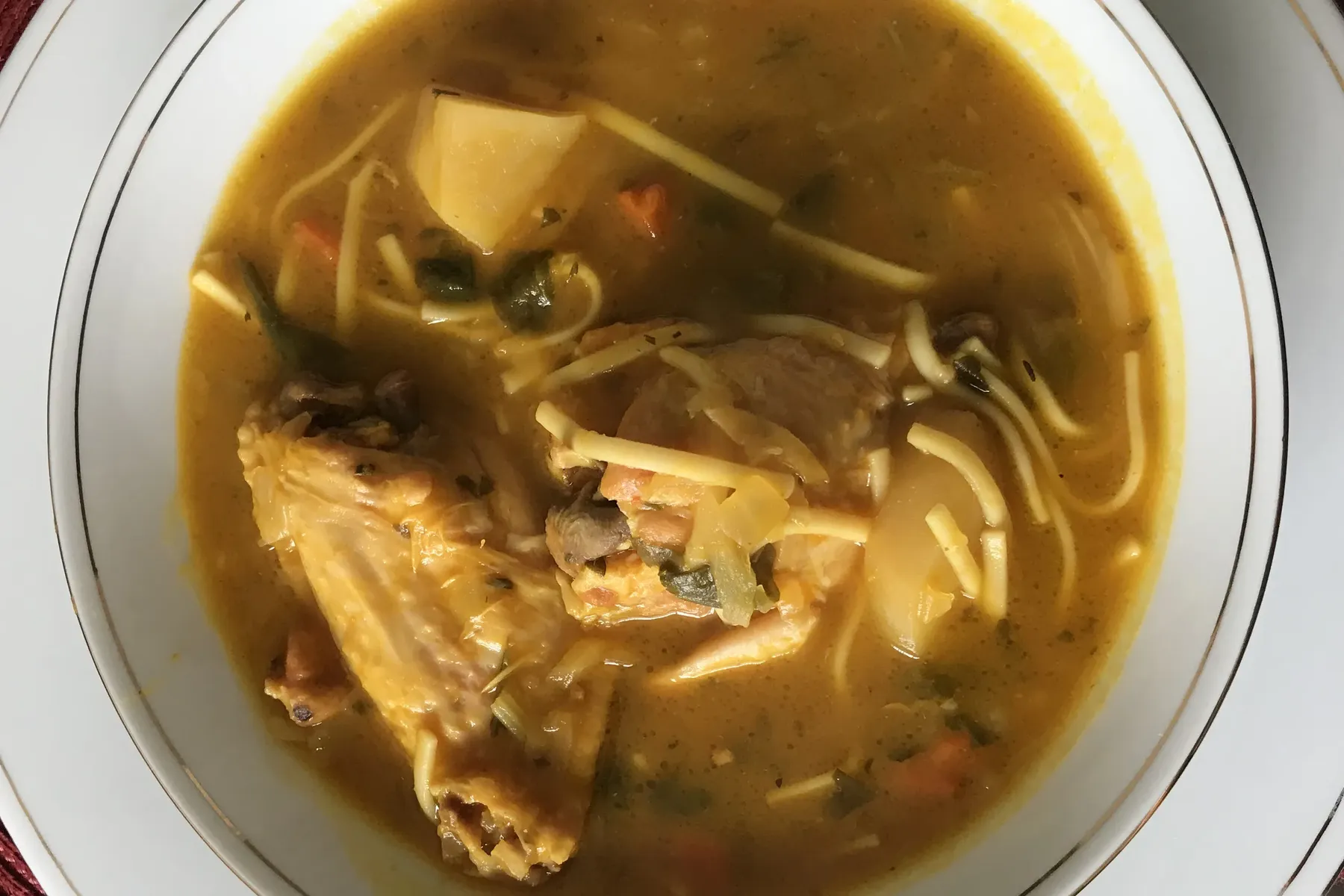
A bowl of Soup Joumou with beef, spaghetti, potato and golden pumpkin broth Haiti flag Haiti 2h 40m
Lunch •Haiti's Independence Soup

Soup Joumou

Soup joumou is Haiti's golden pumpkin soup: tender beef simmered in a thick purée of giraumon squash, with root vegetables, cabbage and spaghetti in a rich, spiced broth. This soup joumou recipe follows the home-cooked method Haitian families use every 1 January, when the soup marks Independence Day. One serving is about 480 g.

Comfort & Warmth

A hot, hearty bowl of pumpkin, beef and vegetables that warms up a family lunch on a cold day or a festive table.

Pairs Well With
Serve hot with crusty French bread for dipping and a spoonful of pikliz on the side.
Soups & Broths
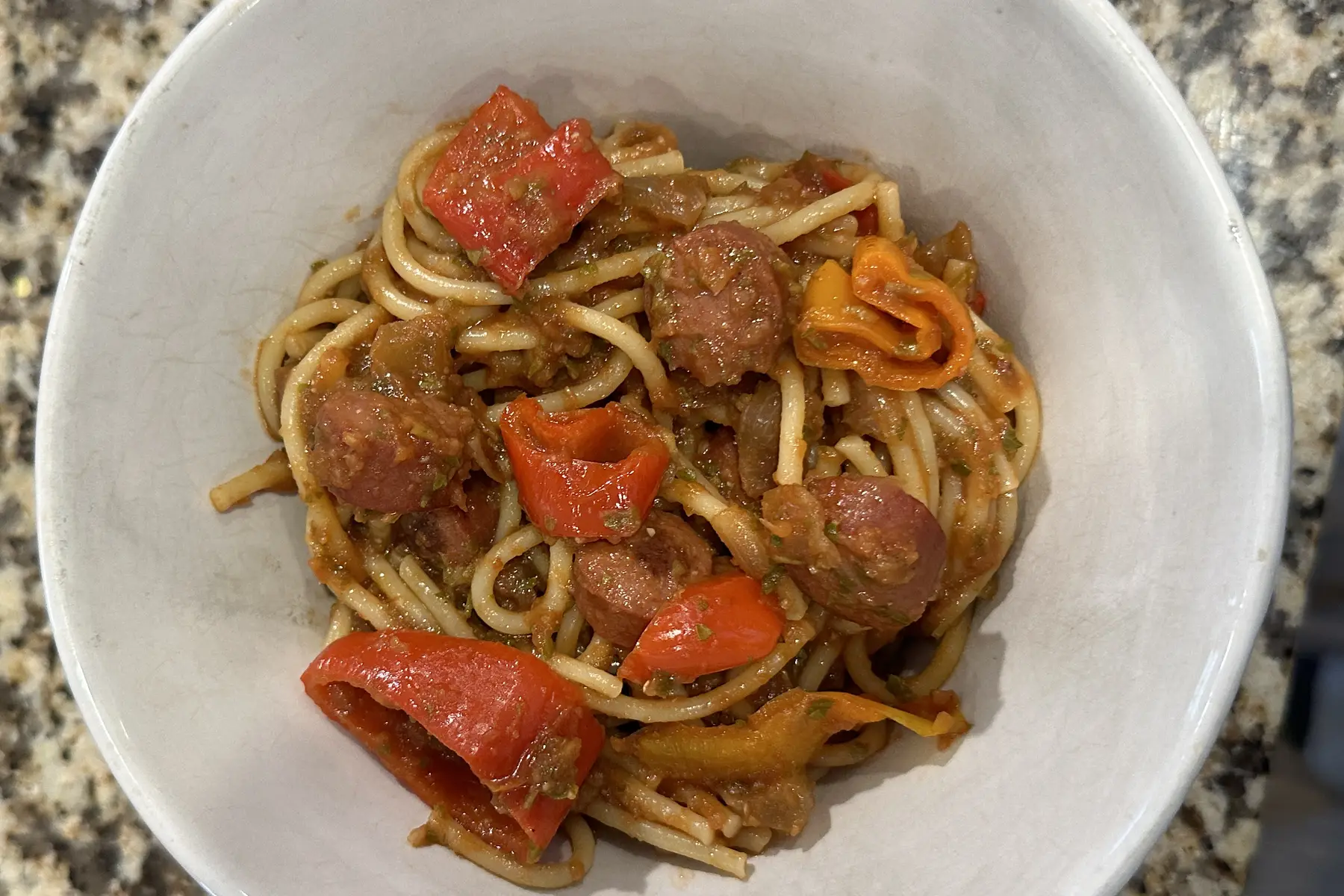
Haitian spaghetti in a white bowl — spaghetti in a rust-red epis and tomato sauce with sliced hot dogs and red peppers Haiti flag Haiti 40m
Breakfast •Haitian Breakfast Espageti

Haitian Spaghetti

This haitian spaghetti recipe is Haiti's beloved breakfast pasta: dried spaghetti cooked in one pot with epis, the green Haitian seasoning base, tomato paste, sweet peppers, onion and sliced hot dogs, until every strand is stained rust-red and full of flavour. It is pantry cooking at its best — cheap, fast and boldly seasoned — and it lands on the table in about 40 minutes. One serving is about 380 g.

Hearty & Comforting

One-pot spaghetti coated in a savoury epis and tomato sauce with sliced hot dogs, peppers and onion — a filling Haitian breakfast.

Pairs Well With
Boiled egg, avocado & pikliz
Pasta & Noodles • Quick Prep (<30m)
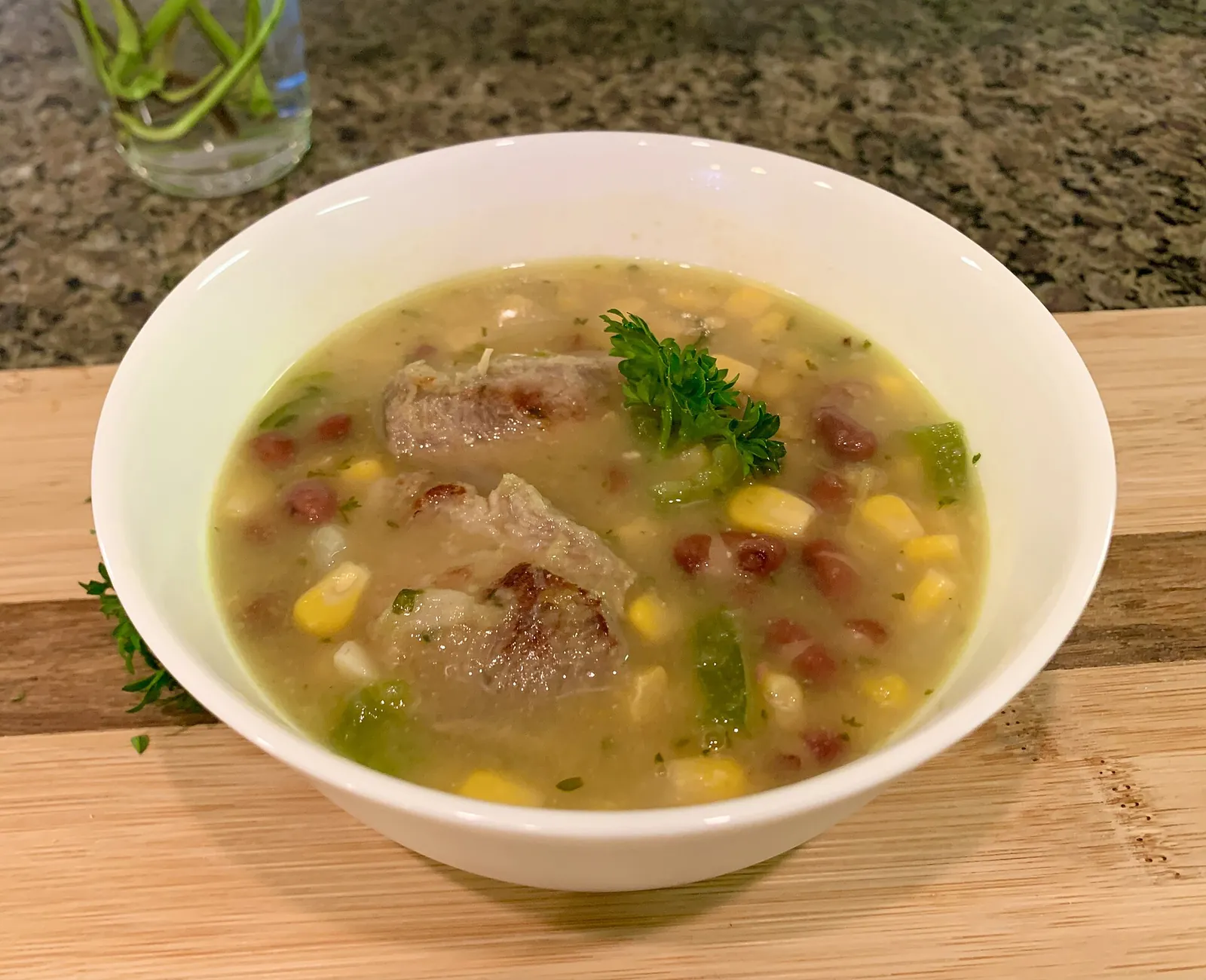
A white bowl of Haitian tchaka with corn kernels, red beans and smoked pork chunks in a light broth, garnished with parsley Haiti flag Haiti 3h 20m
Lunch •Haitian Heritage Stew

Tchaka

This tchaka recipe soaks dried corn and red kidney beans overnight, then simmers them for hours with smoked pork, pumpkin and a fragrant epis of garlic, scallion, parsley and thyme until the pot turns thick and hearty. The smoked pork is what gives tchaka its deep, salty flavour, and the Scotch bonnet — left whole so it perfumes the stew without burning — is the quiet heat underneath it all. One serving is about 400 g.

Comfort & Warmth

Dried corn and red beans simmered for hours with smoked pork, pumpkin and epis until thick — Haiti's slow, hearty celebration stew.

Pairs Well With
Crusty bread, pikliz & avocado
Soups & Broths

The Dinner Gazette

Never wonder what’s for dinner again

One email a week with easy dinner ideas from around the world — ingredients, steps and nutrition, tested in our kitchen first.

Delivered every Thursday morning. Unsubscribe anytime.