Curated recipes from 193 countries  •  New seasonal Mediterranean issue out now

Overview

Kazakh Nauryz Kozhe

Nauryz kozhe; Nooruz kozho; Nauryz-kozhe; Kazakh seven-ingredient soup

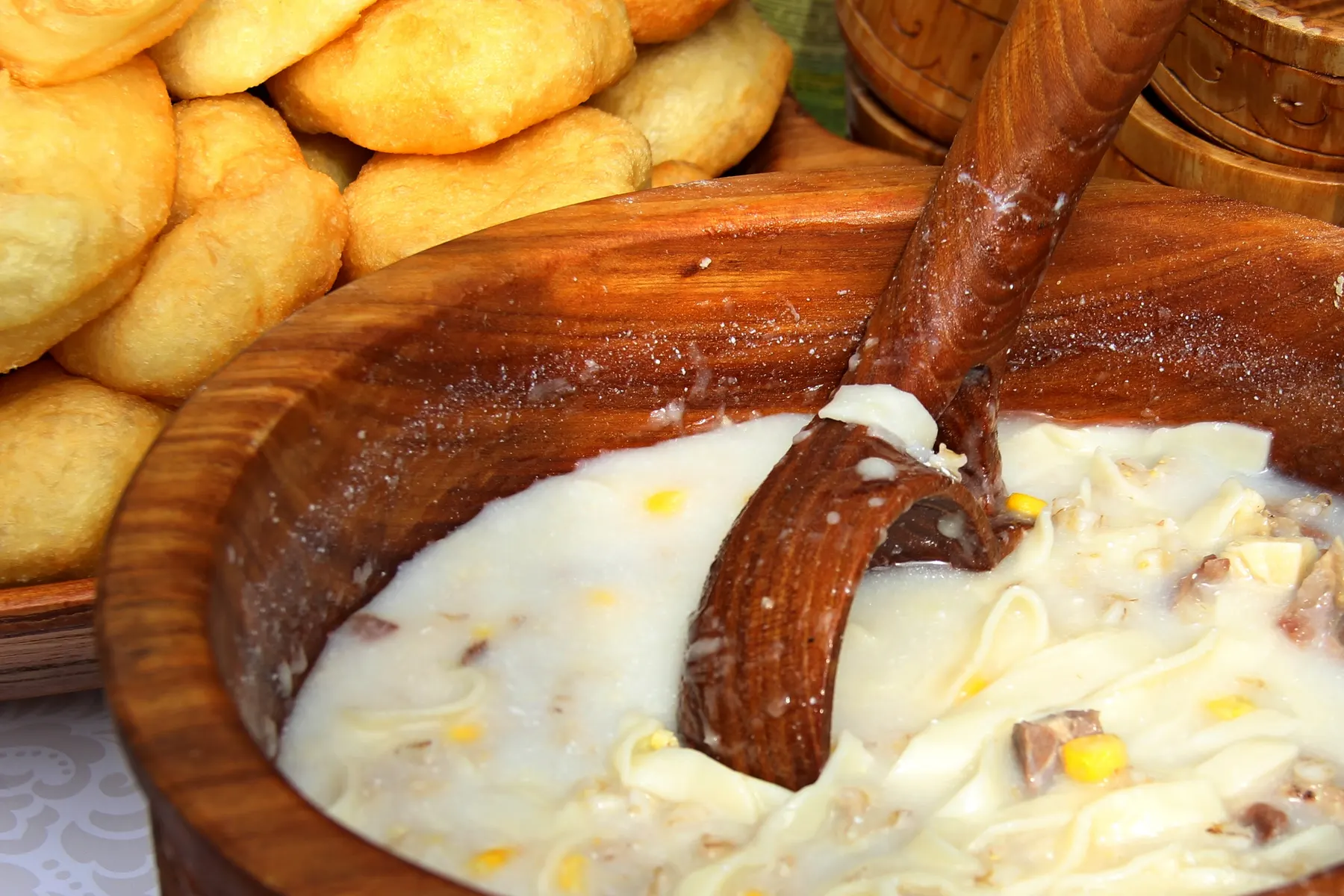
This kazakh nauryz kozhe recipe is the soup at the heart of Nauryz, the Kazakh spring new year: tender beef simmered into a clear broth, then thickened with millet, rice and barley, hand-cut noodles and sweet corn, and finished with warm milk, ayran and crumbled kurt until it turns creamy white and gently sour. By tradition it holds seven obligatory ingredients — water, meat, salt, fat, flour, a cereal and milk — each one a wish for the year ahead. One serving is about 610 g, a generous bowl that works as a full lunch.

Nauryz kozhe is the signature dish of Nauryz Meiramy, the Kazakh spring new year celebrated on 21–23 March, when families clean their homes, settle debts and share a meal to wish each other prosperity. By tradition the soup must hold seven obligatory ingredients — water, meat, salt, fat, flour, a cereal and milk — each one standing for a blessing such as health, wealth and happiness, and it is ladled into seven bowls for the elders first. Horse meat is the traditional festive meat, often kept back from the winter store; outside Central Asia, beef is the meat every accessible recipe uses. Nowruz, the wider spring new year of which Nauryz is part, was inscribed on UNESCO's Representative List of the Intangible Cultural Heritage of Humanity in 2009, in a multinational listing that includes Kazakhstan.

Pairs well with: Warm baursak, black tea & pickled vegetables

Provenance

Kazakhstan flag Kazakhstan

Nauryz Spring New Year Dish

East & South Asia

Time Dedication

2h 15m

30m prep • 105m cook

Batch Yield

6 Servings

569 kcal per serving

1 serving ≈ 610 g

Technical Skill

Intermediate

Medium (Long Simmer)

Meal Timing & Digestive Fit

Breakfast

Not Advised

Lunch

Prime Metabolic Fit

Dinner

Ideal Hearty Main

Snack & Tea

Inappropriate

Soups & Broths Occasions: Nauryz (21-23 March), spring festivals, family gatherings, cold-weather lunches, celebrations Cost: Low — about $3–4 per serving at home
Kazakh nauryz kozhe in a carved wooden bowl — creamy milky soup with flat noodles, corn kernels and pieces of beef, a wooden ladle resting in the bowl, golden baursak behind

Nauryz Spring New Year Dish

Photo: Игорь Улитин, CC BY-SA 4.0, via Wikimedia Commons

The Heritage Formulary

Measured Ingredients

Estimated cost: Low — about $3–4 per serving at home (USD)

Kazakh festive cooking: beef simmered in broth with three grains and hand-cut noodles, finished with milk, ayran and kurt.

Execution Methodology & Culinary Technique

Step-by-Step Cooking Guide

Active 2h 15m
P

Prep Stage: Beef Simmering, Grains Soaking, Dough Resting

30 Mins • Simmering, Soaking & Kneading

Put the beef in the pot with cold water first and bring it to the boil, skimming the foam, then turn it down to the gentlest simmer. While it cooks, rinse the millet, rice and barley and leave them to soak. Mix the noodle dough from flour, salt and cold water, knead it until smooth and leave it wrapped to rest. Chop the onion and crumble the kurt so everything is ready when the broth is.

Maestro Tip: Start the beef before anything else — it needs 90 minutes, and the grains and dough are both ready in the time it simmers.

  1. 1

    Simmer the Beef

    90 Mins • Simmering Gentle simmer, about 95°C (200°F); beef cooked through to at least 74°C (165°F)

    Put the beef in a large pot, cover with the 2 litres of cold water and bring to the boil over high heat. Skim off the grey foam as it rises — this keeps the broth clear. Add the peppercorns, turn the heat down to the gentlest simmer, cover and cook for about 90 minutes, until the beef is so tender it pulls apart with a fork. Stir in 5g of the salt in the last 30 minutes. Do not let the pot boil hard, or the broth turns cloudy and the meat dries out.

    Skim twice in the first 15 minutes — that is when most of the foam appears, and a clear broth is the base the milky soup is built on.

    Done when: Beef pulls apart easily with a fork; broth clear and golden.

  2. 2

    Soak the Grains and Mix the Noodle Dough

    15 Mins + 30 Mins Rest • Soaking & Kneading Room temperature, about 20°C (68°F)

    While the beef simmers, rinse the millet, rice and barley together in cold water and leave them to soak in a bowl. Sift the flour into a wide bowl, add 1g of salt, make a well in the middle and pour in the 60 ml of cold water a spoonful at a time. Mix with your hands until a stiff dough forms — it should feel firm, like a dumpling dough, not soft like bread dough. Knead on a floured board for 5 minutes until smooth, then wrap in cling film and rest for 30 minutes. The rest relaxes the gluten so the dough rolls out thin without springing back.

    Do this step while the beef is on the stove — the dough needs its rest and the beef needs its simmer, so the timing works out neatly.

    Done when: Grains plumped in their soaking water; smooth, firm dough that holds its shape when pressed.

  3. 3

    Add the Grains to the Broth

    30 Mins • Simmering Gentle simmer, about 95°C (200°F)

    Lift the beef out of the pot onto a plate and keep it warm under foil. Drain the soaked millet, rice and barley and tip them into the simmering broth with the chopped onion. Simmer gently for 25–30 minutes, stirring now and then so the grains do not settle and stick, until the barley is tender and the broth has thickened a little. The grains should be soft but still hold their shape.

    Stir from the bottom of the pot — barley sinks as it cooks and catches easily if it sits still.

    Done when: Barley tender all the way through; broth lightly thickened and cloudy with grain starch.

  4. 4

    Roll, Cut and Cook the Noodles with the Corn

    12 Mins • Boiling Rolling boil, 100°C (212°F)

    Roll the rested dough on a well-floured board into a sheet about 2 mm (1/16 inch) thick and cut it into short ribbons about 5 cm (2 inches) long. Bring the broth back to a rolling boil, shake the excess flour off the noodles and drop them in a handful at a time, stirring gently so they do not clump. Add the corn kernels and cook for 8–10 minutes until the noodles are tender and silky. Shred or dice the warm beef into bite-size pieces and return it to the pot.

    Cook the noodles in the broth, not in plain water — they absorb the beef flavour and arrive in the bowl already seasoned.

    Done when: Noodles tender and silky, holding their shape; corn bright yellow; beef warmed through.

  5. 5

    Stir in the Milk, Ayran and Kurt

    10 Mins • Gentle Heating Gentle heat, about 80°C (175°F) — do not boil

    Take the pot off the heat and let it settle for 2 minutes. Warm the milk gently in a separate pan until it is hot to the touch, about 80°C (175°F), and stir in the crumbled kurt and the butter until they melt. Whisk the ayran with a ladle of the warm milk, then pour the milk mixture into the pot in a slow stream, stirring all the time. Taste and add the remaining salt. This is the moment the soup turns milky-white and gently sour — the flavour that makes it nauryz kozhe and not a plain beef soup.

    Never let the soup boil after the dairy goes in — boiling splits the milk and ayran into grainy curds. If it starts to bubble, lift the pot off the heat at once.

    Done when: Soup creamy white and lightly sour, smooth with no curdled flecks; grains and noodles evenly mixed.

  6. 6

    Rest and Ladle into Bowls

    10 Mins • Resting Serving hot, above 60°C (140°F)

    Cover the pot and leave the soup to rest for 10 minutes off the heat so the flavours settle and the grains drink in a little more of the milky broth. Ladle into deep bowls, making sure each bowl gets beef, noodles, grains and corn. Scatter the chopped dill over the top and serve at once, with baursak on the table. At Nauryz the soup is traditionally ladled into seven bowls for the elders first, then shared with everyone at the table.

    If the soup thickens as it rests, loosen it with a splash of hot milk, not water — water would wash out the milky sourness.

    Done when: Bowls steaming, soup thick enough to coat a spoon, dill bright green on top.

Finishing Touches & Plating

Ladle the soup into deep bowls so every bowl gets beef, noodles, grains and corn, scatter the dill over the top and serve steaming hot with a basket of baursak. Eat it at once, while the broth is still creamy — it thickens as it cools.

Nutritional Physiology & Benefits

Nutrition

Energy

569

kcal / serving

Protein

32g

Complete AA

Carbs

57g

Complex

Fats

24g

Healthy

Per serving (6 servings · 1 serving ≈ 610 g)
Energy569 kcal
Protein32 g
Carbohydrates57 g
Fat24 g
Fibre4.3 g
Sugar9.2 g
Sodium722 mg
Per 100g
Energy93 kcal
Protein5.2 g
Carbohydrates9.4 g
Fat3.9 g
Fibre0.7 g
Sugar1.5 g
Sodium118 mg

Nutrition values are estimated — calculated from USDA FoodData Central values for the listed ingredients.

Vitamins & minerals: Vitamin B12, iron and zinc (beef), B vitamins and magnesium (millet, barley, rice), calcium (milk, ayran, kurt), vitamin A (butter, milk). All nutrition values are estimated.

A Bowl That Carries a Whole Lunch

About 569 kcal and 31.5 g of protein per serving make this a genuinely substantial lunch — one bowl is enough, with no need for a second course.

Whole Grains and Simple Ingredients

Millet, rice and barley bring 4.3 g of fibre per serving, and the soup is built from meat, grains, flour and dairy — nothing processed, no packet mixes.

Iron, B12 and Calcium Together

Beef supplies iron and vitamin B12, nutrients that support normal red blood cell formation, while the milk, ayran and kurt add calcium to the same bowl.

Food Pairings

What to Eat With

To optimize nutrient absorption and elevate the sensory depth, pair with these authentic accompaniments:

Sides

Warm Baursak

Puffy fried baursak is the classic Nauryz table bread — torn pieces soak up the milky broth and turn the soup into a feast.

Drinks

Black Tea

Plain black tea, served after the soup, settles a rich, milky meal and is how a Kazakh festive lunch traditionally ends.

Ayran on the Side

A small glass of cold ayran echoes the soup's own sour note and cools the palate between spoonfuls of the hot, creamy broth.

Vegetables

Pickled Cucumber or Tomato

A sharp, vinegary pickle cuts through the richness of the milk and butter, and its crunch is a welcome contrast to the soft grains and noodles.

Complete menu

Serve the soup in deep bowls with a basket of warm baursak and pickled cucumber on the table, a glass of ayran alongside, and black tea to finish.

Digestive Guardrails

What NOT to Combine

To prevent digestive distress, sluggishness, or palate clash, avoid pairing the dish with these elements:

Boiling the Soup After the Dairy Goes In

Boiling splits milk and ayran into grainy curds and turns the smooth broth lumpy — keep the pot at a gentle heat, about 80°C (175°F), once the dairy is in. This is a cooking note, not medical advice.

Leaving the Soup Out for Hours

A warm, milky soup left at room temperature cools into the range where bacteria grow fastest. Serve hot and refrigerate leftovers within 2 hours. This is general food-safety information, not medical advice.

General information only, not medical advice — consult a doctor for personal dietary decisions.

Who Should Eat It

Who Should Eat

  • General adultsA rich, filling lunch — one bowl of about 610 g is a full meal for most adults.
  • ChildrenChildren can eat the beef, noodles and grains; cut the beef small and hold back the black pepper in their portion.
  • ElderlySoft, easy to chew once the beef is shredded; watch the salt and serve a modest bowl.
  • Pregnant womenServe freshly cooked and piping hot, with the beef heated all the way through. Ask your clinician about portion size.
  • Breastfeeding womenFilling and energy-rich, with about 31.5 g of protein per serving; balance the bowl with the pickled vegetables rather than a second helping.
  • AthletesAbout 31.5 g of protein and 57.3 g of carbohydrate per serving make this a strong post-training lunch; the grains and noodles replace glycogen after a hard session.
  • Weight gainEnergy-dense at 569 kcal a serving — take a full bowl with extra beef and a piece of baursak.
  • Weight lossAt 569 kcal a serving it is a big lunch — take a smaller bowl, load up on the beef and grains, and skip the baursak.

Health Conditions — Adjust or Avoid

Conditions

  • DiabetesAbout 57.3 g of carbohydrate per serving from the grains, noodles and milk — keep to a modest bowl and add more beef and vegetables. Ask your clinician about portion size.
  • High blood pressureAbout 722 mg of sodium per serving is high, mostly from the salt and the salty kurt — keep the portion modest and go easy on the kurt. Ask your clinician about portion size.
  • Kidney diseaseHigh in protein, potassium and sodium from the beef, grains and dairy — keep portions moderate. Ask your clinician about portion size.
  • GoutBeef and broth are rich in purines — enjoy in a modest portion on occasion rather than as a regular meal. Ask your clinician about portion size.
  • Stomach issuesThe milky, sour broth can be heavy for a sensitive stomach; eat slowly and keep the portion small. Ask your clinician about portion size.
  • Cardiovascular diseaseBeef, butter and full-fat dairy add saturated fat, and the sodium is high — treat this as a celebration meal and keep the portion modest. Ask your clinician about portion size.
  • Fatty liverA rich, energy-dense soup — keep the portion modest, use semi-skimmed milk and go easy on the butter. Ask your clinician about portion size.
  • Food allergiesContains wheat (noodles, barley), milk and dairy (milk, ayran, kurt, butter); corn is present too. This is general information, not medical advice.
  • Special therapeutic dietsNot suitable for gluten-free, dairy-free or low-sodium plans as written; the noodles and grains cannot be removed without changing the dish. Ask your clinician or dietitian before adapting it.

If you have a medical condition, consult your doctor before changing your diet.

Storage & Use

Storage & Use

How to store
Cool within 2 hours, then store in a sealed container in the fridge.
In the fridge
3 days, in a sealed container.
In the freezer
2 months for the beef broth with grains before the dairy is added; the finished milky soup does not freeze well.
How to reheat
Reheat gently in a pan, stirring, until steaming hot all the way through, to 74°C (165°F); do not let it boil or the dairy will split.
Freezing recommended
No for the finished soup — the milk and ayran split on thawing; freeze the beef broth with grains before adding the dairy.
Signs it has spoiled
Sour smell sharper than the usual gentle tang, slimy surface, or any mould.

More recipes to explore

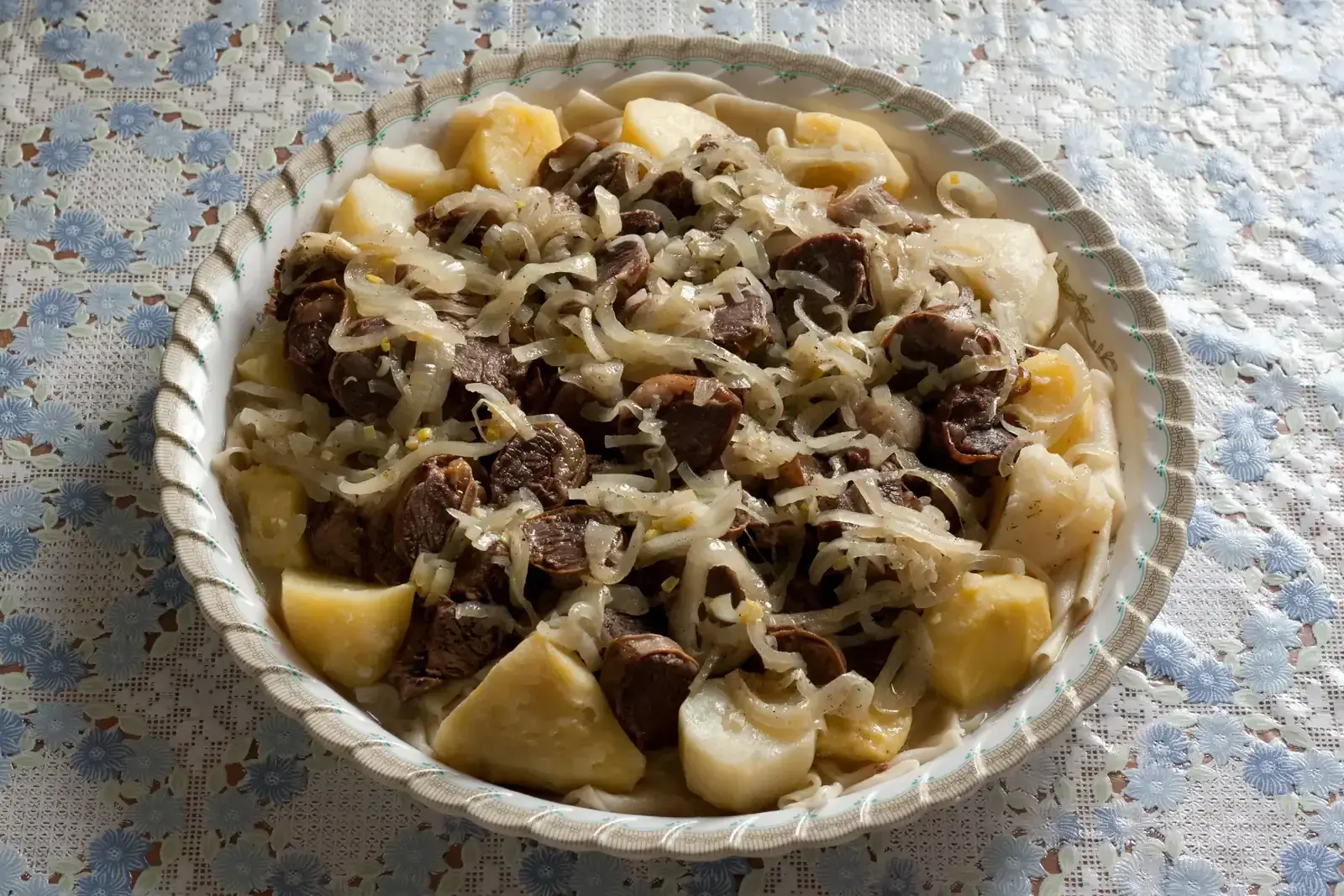
Kazakh beshbarmak on a large platter — sliced boiled horse meat and potatoes over flat noodles, topped with soft onions in broth Kazakhstan flag Kazakhstan 3h 45m
Dinner •Kazakh National Dish

Kazakh Beshbarmak

This kazakh beshbarmak recipe is Kazakhstan's national dish: horse meat simmered slowly on the bone until it falls apart, sliced and laid over wide, silky squares of homemade noodle, then covered with soft onions steeped in the rich cooking broth. The broth itself — sorpa — is served in bowls to sip alongside, and the whole platter is set in the middle of the table for everyone to share. One serving is about 560 g, including a bowl of sorpa.

Hearty & Celebratory

Tender boiled horse meat served over wide flat noodles with soft onions and hot sorpa broth — Kazakhstan's national feast dish.

Pairs Well With
Sorpa broth, pickled onions & kumis
Pasta & Noodles • High Protein
Kazakh baursak — four golden puffy fried dough balls in a bowl with a small dish of white kaymak cream Kazakhstan flag Kazakhstan 1h 40m
Snack & Tea •Kazakh Celebration Bread

Kazakh Baursak

This kazakh baursak recipe makes the puffy fried bread that sits at the heart of every Kazakh celebration: a soft yeast dough, rolled and cut into little pillows, fried until golden and hollow inside, light as air and crisp outside. The smell of frying baursak is said to rise to the sky so loved ones who have passed can share the feast. One serving is about 130 g — three warm baursak with a spoonful of sour cream.

Warm & Comforting

Golden, hollow, puffy fried bread — the sweet-smelling centrepiece of Kazakh celebrations and tea time.

Pairs Well With
Kaymak or sour cream, honey & black tea
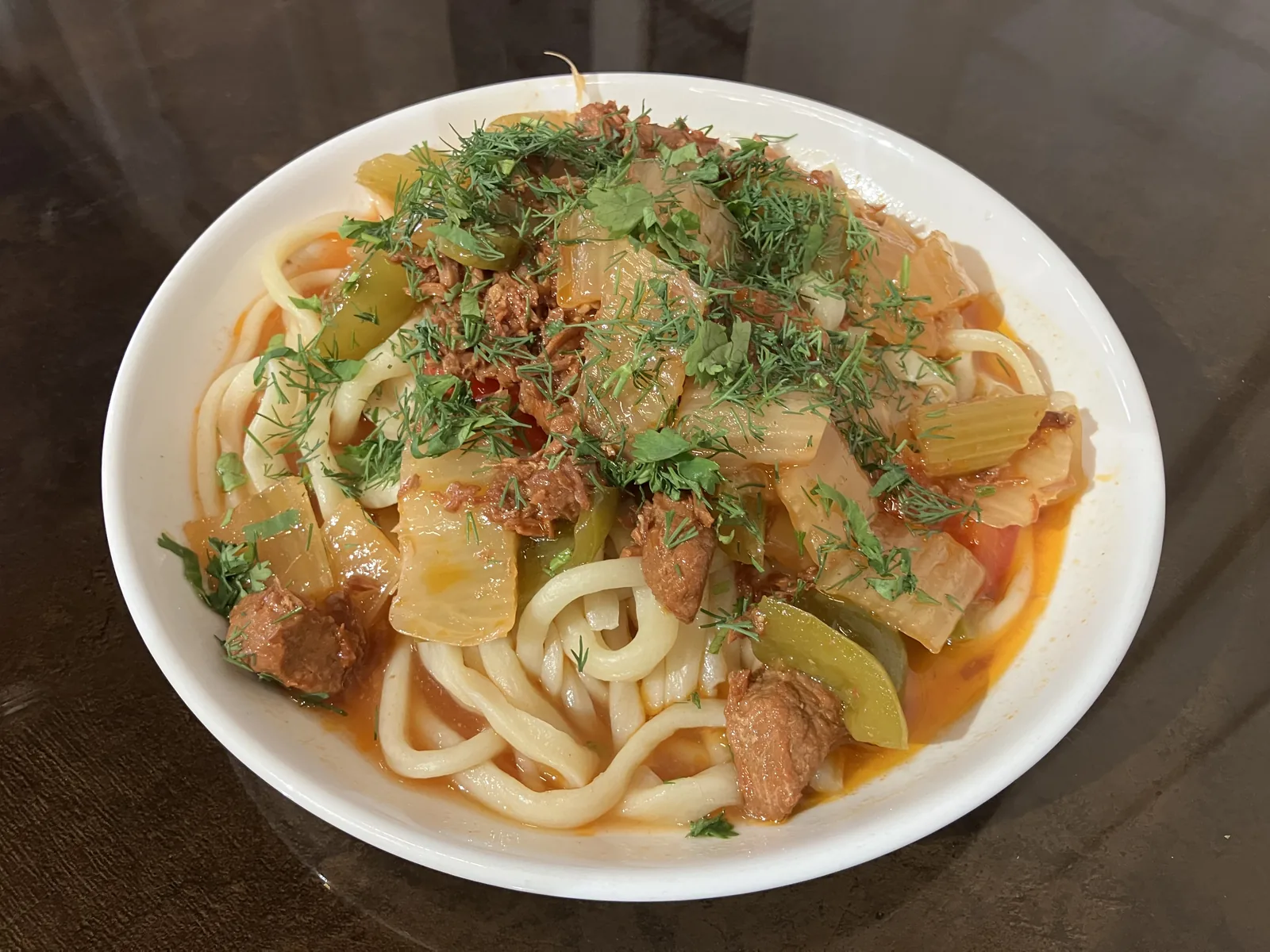
Lagman in a white bowl — thick hand-pulled noodles with beef, bell peppers and daikon in a savoury sauce, topped with fresh dill Kazakhstan flag Kazakhstan 2h
Dinner •Kazakh Silk Road Noodles

Kazakh Lagman

This kazakh lagman recipe is Kazakhstan's take on the great Silk Road noodle soup: noodles pulled by hand into long, chewy strands, laid in deep bowls and covered with a mild, savoury sauce of beef, daikon, bell peppers and tomatoes. It is gentler than its neighbours' versions — no fiery chilli heat, just warm cumin and coriander and the sweetness of the vegetables — and it is the dish Kazakh families cook when the steppe wind turns cold. One serving is about 675 g.

Hearty & Warming

Chewy hand-pulled noodles in a mild beef sauce with daikon and bell peppers — Kazakhstan's warming Silk Road noodle soup.

Pairs Well With
Pickled vegetables, flatbread & green tea
Pasta & Noodles
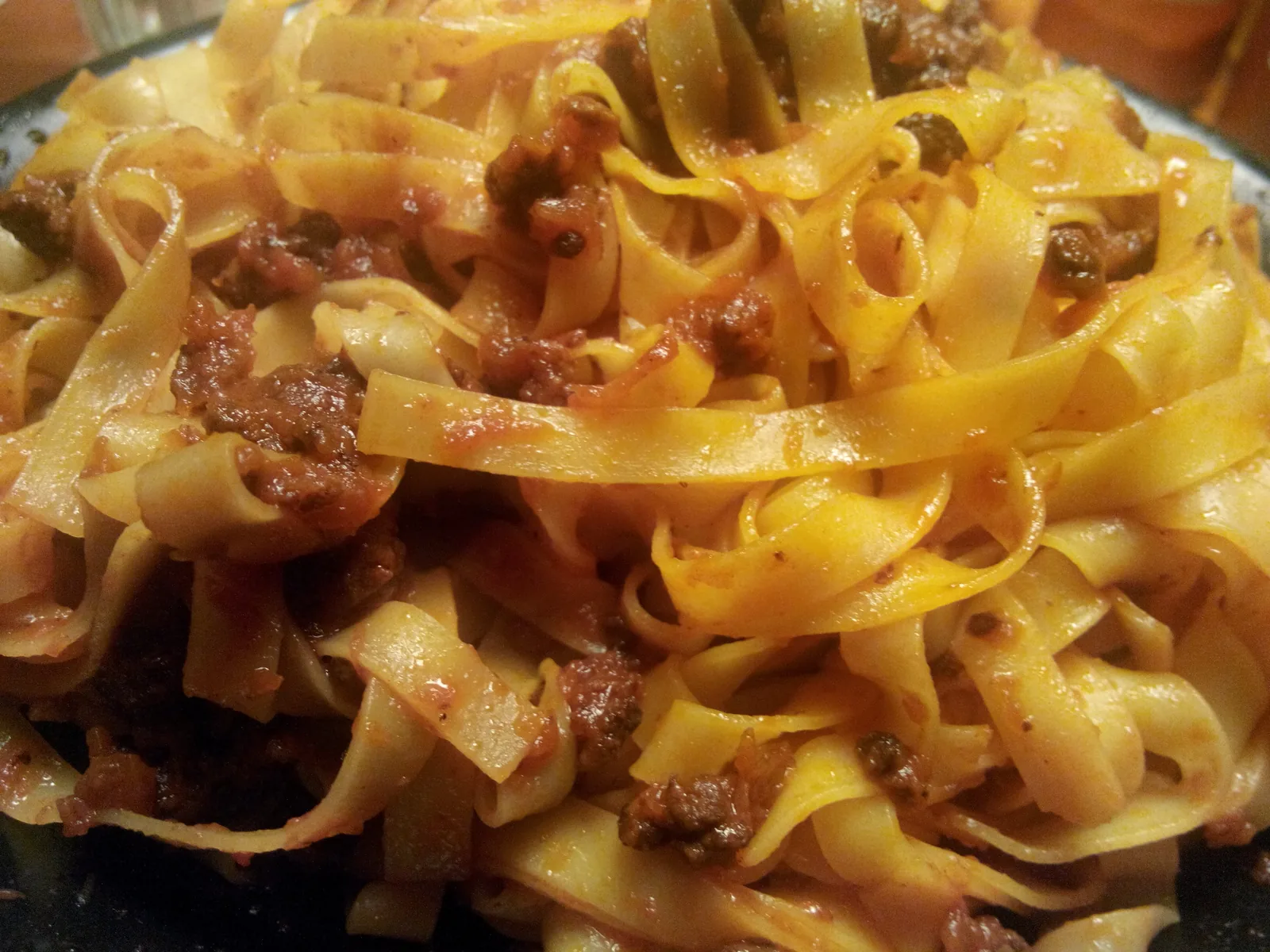
Tagliatelle al ragù Bolognese in a bowl with Parmigiano-Reggiano Italy flag Italy 4h 25m
Lunch •Emilia-Romagna

Tagliatelle al Ragù Bolognese

Slow-braised soffritto and coarse ground heritage meats layered over handmade egg yolk dough for mid-day stamina.

Lean Protein

Slow-simmered beef ragù tossed through fresh egg tagliatelle.

Pairs Well With
Bitter Radicchio & Aged Balsamico di Modena
Pasta & Noodles • High Protein

The Dinner Gazette

Never wonder what’s for dinner again

One email a week with easy dinner ideas from around the world — ingredients, steps and nutrition, tested in our kitchen first.

Delivered every Thursday morning. Unsubscribe anytime.