
Curated recipes from 193 countries  •  New seasonal Mediterranean issue out now

Overview

Kuzu Tandir

Kuzu Tandır, Tandır Kebabı, Turkish Lamb Tandoori

This kuzu tandir recipe is slow-roasted Turkish lamb: a bone-in shoulder rubbed with garlic, olive oil and thyme, wrapped tight and cooked low for hours until the meat shreds with a fork. One serving is about 280 g of lamb with roasted potatoes, tomato and peppers.

Kuzu tandir takes its name from the tandir, the clay oven in which lamb was once hung over coals for hours until it fell apart. The dish belongs to Akşehir in Konya province, whose tandir kebab holds a geographical indication registration in Turkey, and Konya's oven kebab is even mentioned in the 13th-century writings of Mevlana. Today most restaurants and home cooks use a regular oven sealed tight with foil, which gives the same falling-apart result.

Pairs well with: Warm flatbread, rice pilaf and raw onion salad

Provenance

Turkey flag Turkey

Akşehir Heritage

Middle Eastern

Time Dedication

4h 50m

20m prep • 270m cook

Batch Yield

6 Servings

593 kcal per serving

1 serving ≈ 280 g

Technical Skill

Intermediate

Medium (Slow Roast)

Meal Timing & Digestive Fit

Breakfast

Not Advised

Lunch

Hearty Midday Main

Dinner

Ideal Hearty Main

Snack & Tea

Inappropriate

Occasions: Festive dinners, family gatherings, weekend roasts, special occasions Cost: Medium — about $5–6 per serving at home
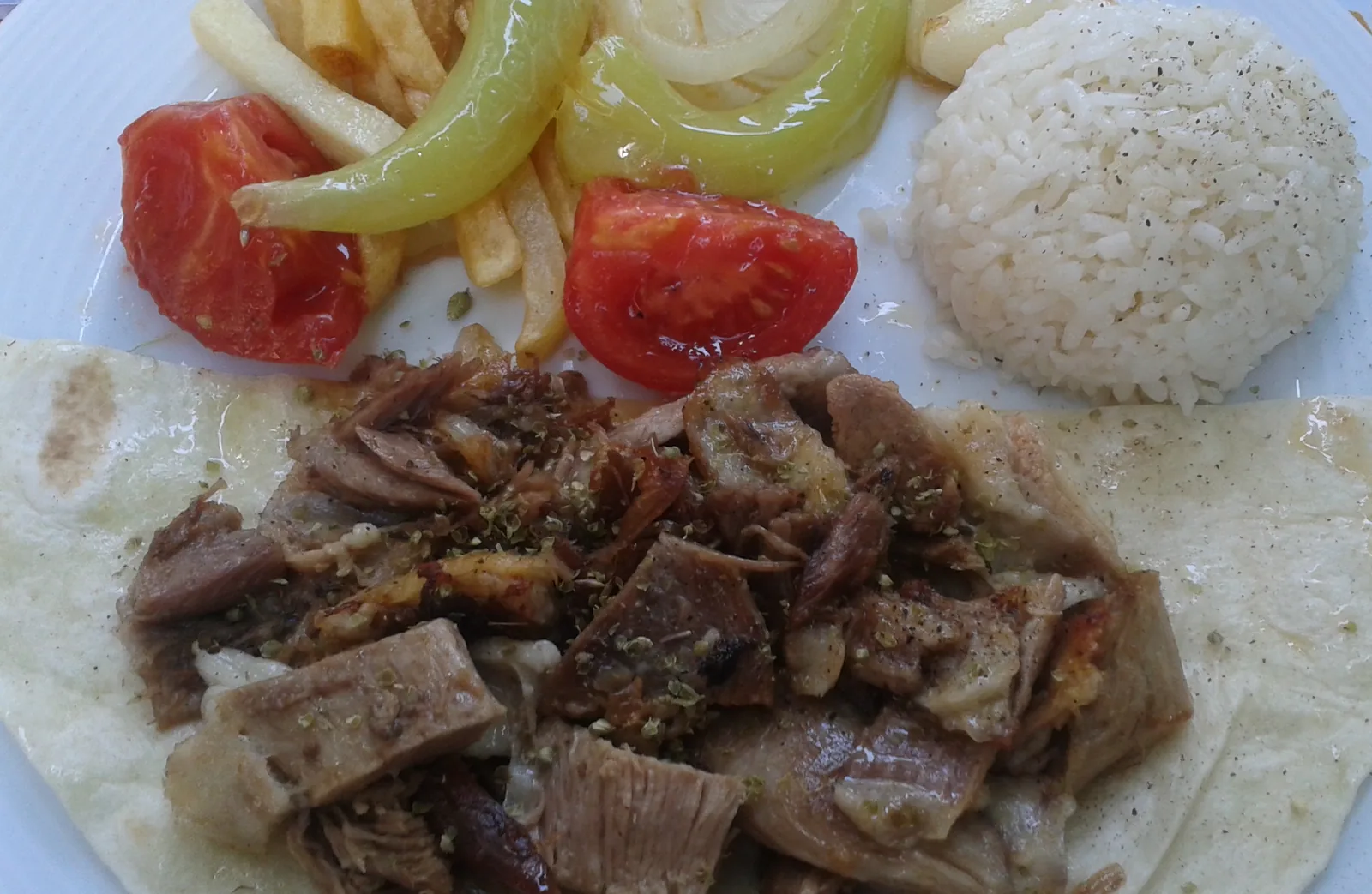
Shredded slow-roasted lamb piled on flatbread with a mound of rice pilaf, roasted tomato, peppers and fries

Akşehir Heritage

Photo: E4024, CC BY-SA 4.0, via Wikimedia Commons

The Heritage Formulary

Measured Ingredients

Estimated cost: Medium — about $5–6 per serving at home (USD)

A true tandir is judged by the fork test: the meat should give way with almost no resistance.

Execution Methodology & Culinary Technique

Step-by-Step Cooking Guide

Active 4h 50m
P

Prep Stage: Rub & Load the Pan

20 Mins • Rubbing & Cutting

Mix the olive oil, crushed garlic, thyme, salt and pepper into a paste and rub it all over the lamb shoulder, working it into the scored fat. Scatter the onion wedges, tomato halves, potato chunks and pepper strips around the lamb in a deep roasting pan, pour in the water, and seal the pan tightly with a double layer of foil.

Maestro Tip: The seal is the whole recipe — if steam escapes, the meat dries out. Crimp the foil hard around the rim.

  1. 1

    Rub the Lamb

    10 Mins No heat

    Pat the lamb dry, score the fat cap in a diamond pattern, and rub the garlic-thyme paste over every surface, including under any flaps of fat. Let it sit while you cut the vegetables.

    Scoring lets the rub reach the meat and helps the fat baste the joint as it melts.

    Done when: The lamb is evenly coated and the fat is scored.

  2. 2

    Load & Seal the Pan

    10 Mins No heat

    Place the lamb in the centre of a deep roasting pan, arrange the onion, tomato, potato and peppers around it, and pour the water into the pan. Cover with two layers of foil and crimp the edges tightly so no steam can escape.

    A lidded cast-iron pot works even better than foil if you own one.

    Done when: The pan is sealed with no gaps at the rim.

  3. 3

    Slow-Roast Until Tender

    240 Mins 160°C (320°F)

    Roast at 160°C (320°F) for about 4 hours. Do not open the foil for the first 3 hours. The lamb is ready when a fork twists the meat away from the bone with almost no resistance; for fall-apart texture the centre should reach about 93°C (200°F), well above the 63°C (145°F) food-safety minimum for lamb.

    Resist peeking — every opening lets out steam and adds cooking time.

    Done when: The meat shreds with a fork and pulls cleanly from the bone.

  4. 4

    Brown the Top

    25 Mins 200°C (400°F)

    Remove the foil, spoon the pan juices over the lamb, and return the pan uncovered to a 200°C (400°F) oven for about 25 minutes, until the top is golden and the edges are crisp.

    Baste once halfway through so the surface colours evenly without drying.

    Done when: The top is deep golden brown and the pan juices are glossy.

  5. 5

    Rest & Shred

    15 Mins Resting, off the heat

    Rest the lamb for 15 minutes, then shred it into chunks with two forks, tossing it through the pan juices and the roasted vegetables. Serve on warm flatbread with the pan juices spooned over.

    Resting lets the juices settle back into the meat instead of running onto the board.

    Done when: Juicy shreds of lamb that fall apart at a touch.

Finishing Touches & Plating

Serve the shredded lamb on warm flatbread with the roasted potatoes, tomato and peppers, and spoon the pan juices over everything.

Nutritional Physiology & Benefits

Nutrition

Energy

593

kcal / serving

Protein

46g

Complete AA

Carbs

16g

Complex

Fats

38g

Healthy

Per serving (6 servings · 1 serving ≈ 280 g)
Energy593 kcal
Protein46 g
Carbohydrates16 g
Fat38 g
Fibre2.7 g
Sugar3.1 g
Sodium643 mg
Per 100g
Energy212 kcal
Protein16.4 g
Carbohydrates5.7 g
Fat13.6 g
Fibre1 g
Sugar1.1 g
Sodium230 mg

Nutrition values are estimated — calculated from USDA FoodData Central values for the listed ingredients.

Vitamins & minerals: Lamb supplies vitamin B12, iron and zinc; potatoes add vitamin C and potassium; peppers add vitamin C.

High-Protein Main

About 46 g of protein per serving makes this a substantial main course that keeps you full for hours.

Iron & B12

Lamb is a rich source of haem iron and vitamin B12, nutrients that support red blood cells and energy.

Slow Cooking, Simple Ingredients

No frying and no heavy sauces — the flavour comes from time, garlic and thyme, with vegetables roasted in the same pan.

Food Pairings

What to Eat With

To optimize nutrient absorption and elevate the sensory depth, pair with these authentic accompaniments:

Sides

Warm Flatbread (Pide or Lavash)

Soft flatbread soaks up the pan juices and wraps the shredded lamb — the traditional way to eat tandir.

Rice Pilaf

Buttery rice pilaf is the classic accompaniment, catching the meat juices and rounding out the plate.

Vegetables

Raw Onion & Sumac Salad

Sharp raw onion with sumac cuts through the richness of the lamb and refreshes the palate between bites.

Drinks

Ayran

Cold salted yoghurt drink cools the richness of the roast and is the everyday Turkish table drink with lamb.

Complete menu

Start with the shredded kuzu tandir on warm flatbread, with rice pilaf and raw onion and sumac salad; finish with ayran and fresh fruit.

Digestive Guardrails

What NOT to Combine

To prevent digestive distress, sluggishness, or palate clash, avoid pairing the dish with these elements:

Very Salty Pickles Alongside

The lamb is already seasoned and the pan juices are salty; heavily salted pickles on the same plate can push sodium very high. Fresh onion salad is the better partner. This is general food information, not medical advice.

Eating Undercooked Lamb

Lamb must reach at least 63°C (145°F) inside, and this slow roast goes far beyond that; never serve lamb that is still cool and raw in the centre. This is general food information, not medical advice.

General information only, not medical advice — consult a doctor for personal dietary decisions.

Who Should Eat It

Who Should Eat

  • General adultsA rich, festive main; one serving is generous, so balance the plate with salad and bread.
  • ChildrenSuitable for children when the meat is shredded and cooled slightly; remove small bones carefully and skip the raw onion.
  • ElderlySoft, easy-to-chew meat, but rich — a smaller portion with plenty of vegetables suits most older diners.
  • Pregnant womenGenerally suitable when fully cooked; lamb is well cooked through in this recipe, but keep portions moderate and check with your clinician.
  • Breastfeeding womenGenerally suitable; lamb supplies iron and protein that support recovery.
  • AthletesAn excellent post-training meal with about 46 g protein; add rice pilaf for carbohydrate.
  • Weight gainA good choice — energy-dense, so eat a full serving with bread and pilaf.
  • Weight lossRich and energy-dense at about 593 kcal; choose a smaller portion, load up on salad, and skip the bread.

Health Conditions — Adjust or Avoid

Conditions

  • DiabetesLow in carbohydrate (about 16 g per serving, mostly from potato and vegetables); watch the pilaf portion if you count carbs.
  • High blood pressureAbout 643 mg sodium per serving; use less salt in the rub and eat fewer pan juices if you watch sodium, and ask your clinician.
  • Kidney diseaseHigh in protein and potassium; ask your clinician about portion size if you follow a restricted diet.
  • GoutLamb is high in purines; eat occasionally and in smaller portions if gout is a concern.
  • Stomach issuesRich and fatty; the lamb is roasted, not fried, but a smaller portion with salad is gentler on a sensitive stomach.
  • Cardiovascular diseaseHigh in saturated fat; choose the leaner shreds, eat plenty of salad, and keep portions moderate.
  • Fatty liverEnergy-dense and high in saturated fat; a modest portion with vegetables is the safer choice.
  • Food allergiesContains no major allergen as written; check flatbread and pilaf served alongside for wheat and milk.
  • Special therapeutic dietsIf you follow a prescribed low-sodium or low-fat diet, use less salt and choose lean shreds, and check with your clinician.

If you have a medical condition, consult your doctor before changing your diet.

Storage & Use

Storage & Use

How to store
Cool the lamb and vegetables quickly and store in sealed containers with the pan juices.
In the fridge
Cooked lamb keeps 3 days in the fridge at 4°C (40°F) or below; vegetables keep 2 days.
In the freezer
Shredded lamb freezes well for up to 3 months; vegetables freeze for 1 month.
How to reheat
Reheat covered in a 160°C (320°F) oven with a splash of water or pan juices until steaming hot throughout, to 74°C (165°F).
Freezing recommended
Yes — the shredded lamb freezes very well, up to 3 months.
Signs it has spoiled
Sour or off smell, slimy meat, or grey discolouration — discard.

More recipes to explore

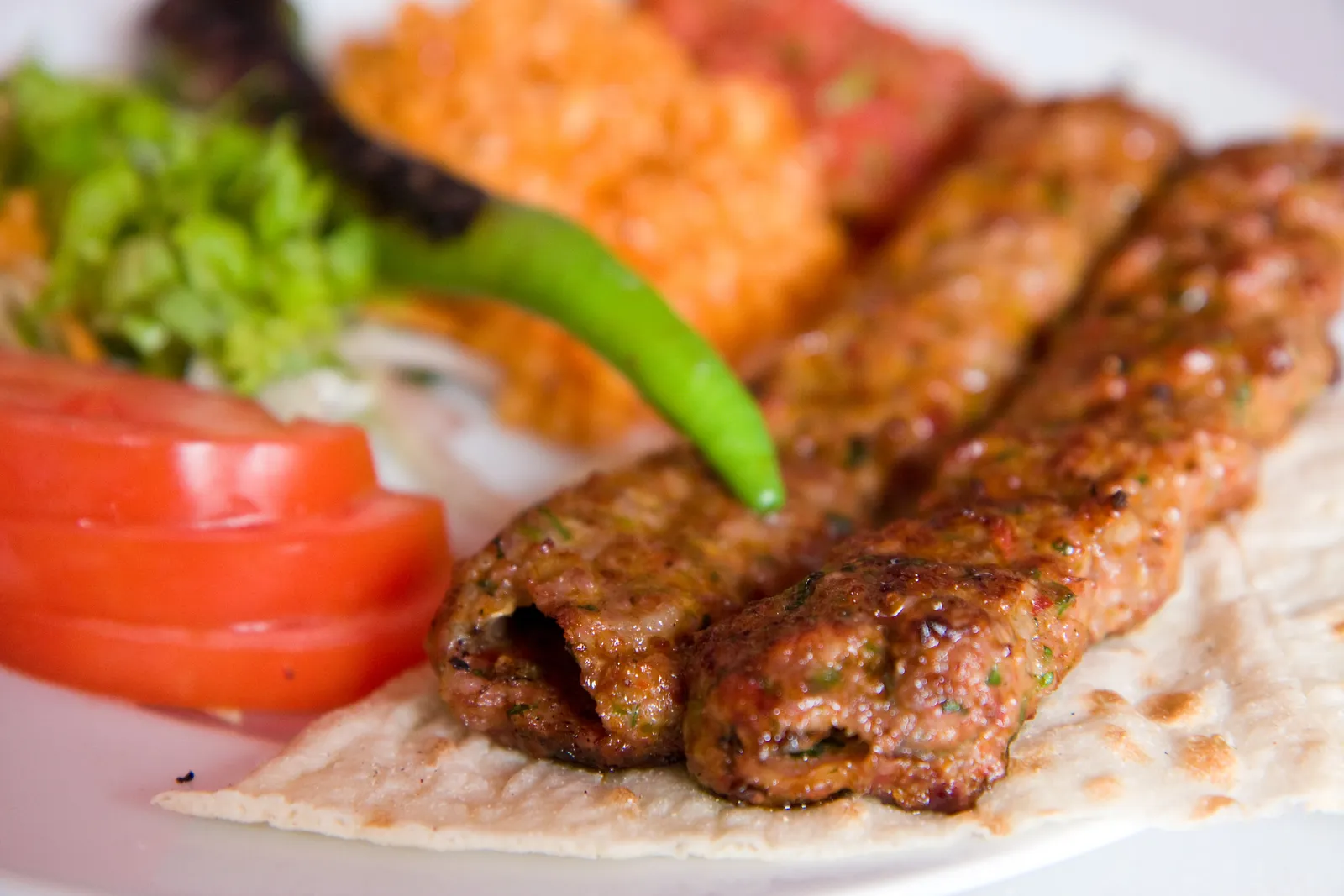
Adana kebab — long grilled minced-meat skewers on lavash with tomato, green chilli and salad Turkey flag Turkey 50m
Dinner •Adana Heritage

Adana Kebab

This adana kebab recipe is Adana's famous charcoal-grilled skewer: hand-minced lamb and beef mixed with lamb tail fat, sweet red pepper and pul biber, pressed onto wide flat skewers and grilled over glowing charcoal until the edges char and the juices run. It is served on warm lavash with grilled tomato, green chillies and a sharp sumac onion salad. One serving is about 439 g.

Adana's Charcoal-Grilled Icon

Hand-minced lamb and beef with tail fat and pul biber, pressed onto wide flat skewers and grilled over charcoal until charred at the edges — Adana's famous kebab.

Pairs Well With
Lavash, grilled tomato & sumac onion salad
High Protein
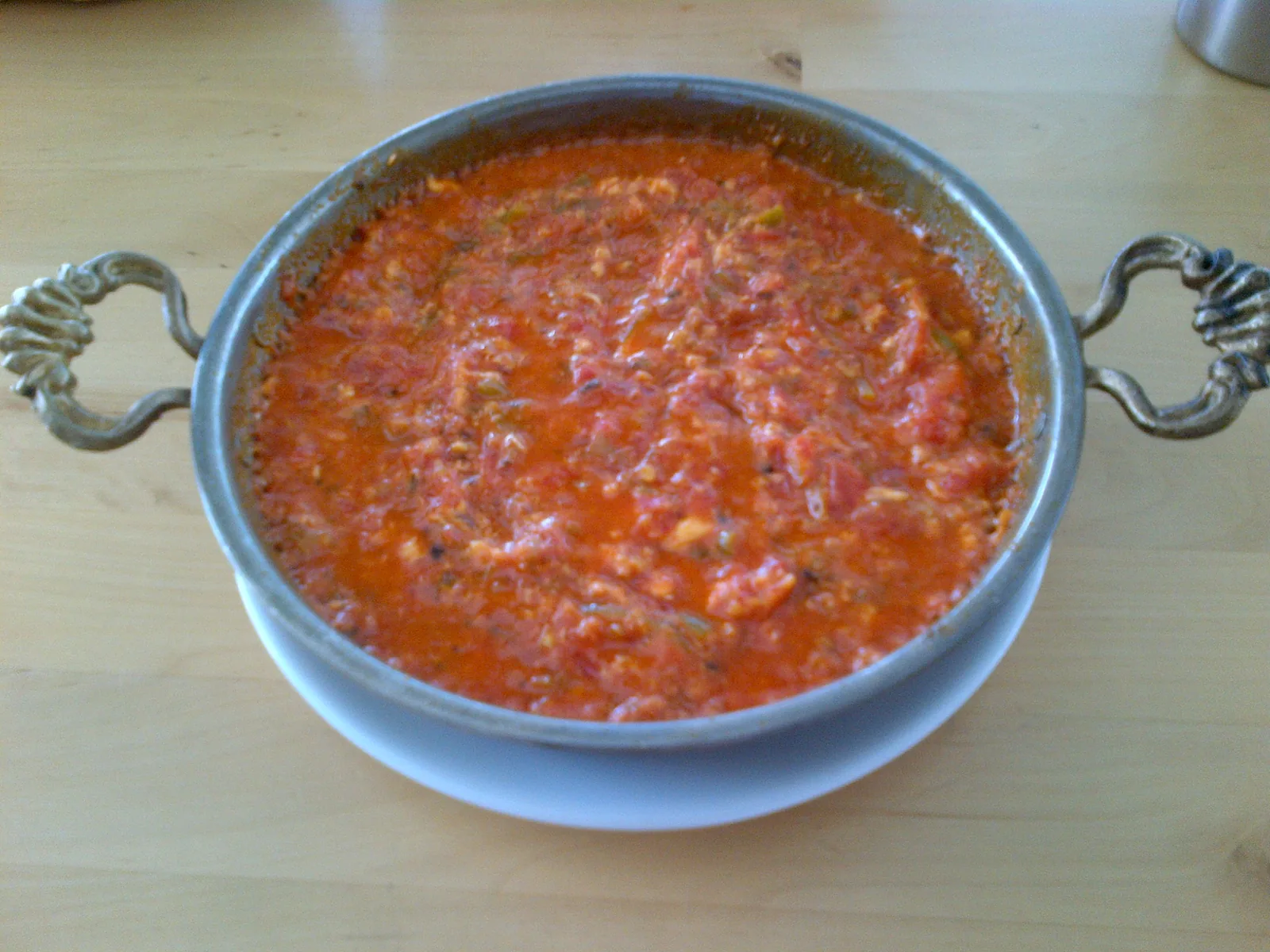
Menemen in a copper sahan pan — soft scrambled eggs stirred through a red tomato and green pepper sauce Turkey flag Turkey 30m
Breakfast •Izmir Breakfast Table

Menemen

This menemen recipe stirs beaten eggs into a soft tomato and green pepper sauce until they set into creamy curds — never poached whole, the way shakshuka does it. Cooked in one pan and served straight from it with bread, it is the classic Turkish breakfast. One serving is about 300 g.

Comfort & Warmth

Beaten eggs stirred into a soft tomato and green pepper sauce, scooped up with warm bread.

Pairs Well With
Crusty white bread, Turkish tea and sliced cucumber and tomato
Quick Prep (<30m)
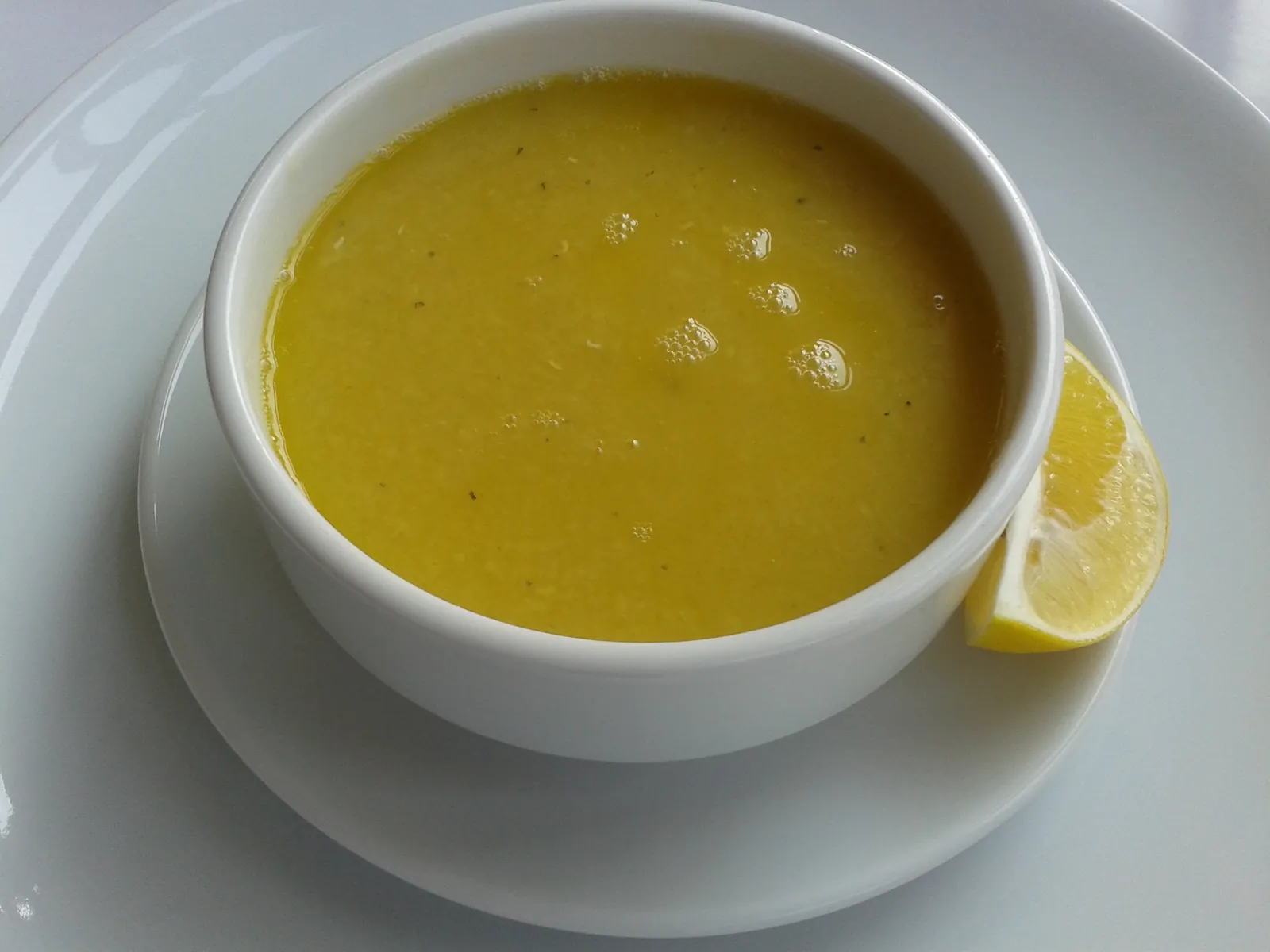
A white bowl of smooth golden Turkish lentil soup with a lemon wedge on the side Turkey flag Turkey 45m
Lunch •Ankara Lokanta Classic

Turkish Lentil Soup

This turkish lentil soup recipe turns red lentils, onion, carrot and potato into a smooth, golden soup, finished with lemon and a drizzle of paprika butter. One serving is about 325 g.

Comfort & Warmth

A silky red lentil soup, light enough for lunch and warm enough for a cold day.

Pairs Well With
Warm pide bread, lemon wedges and ayran
Soups & Broths
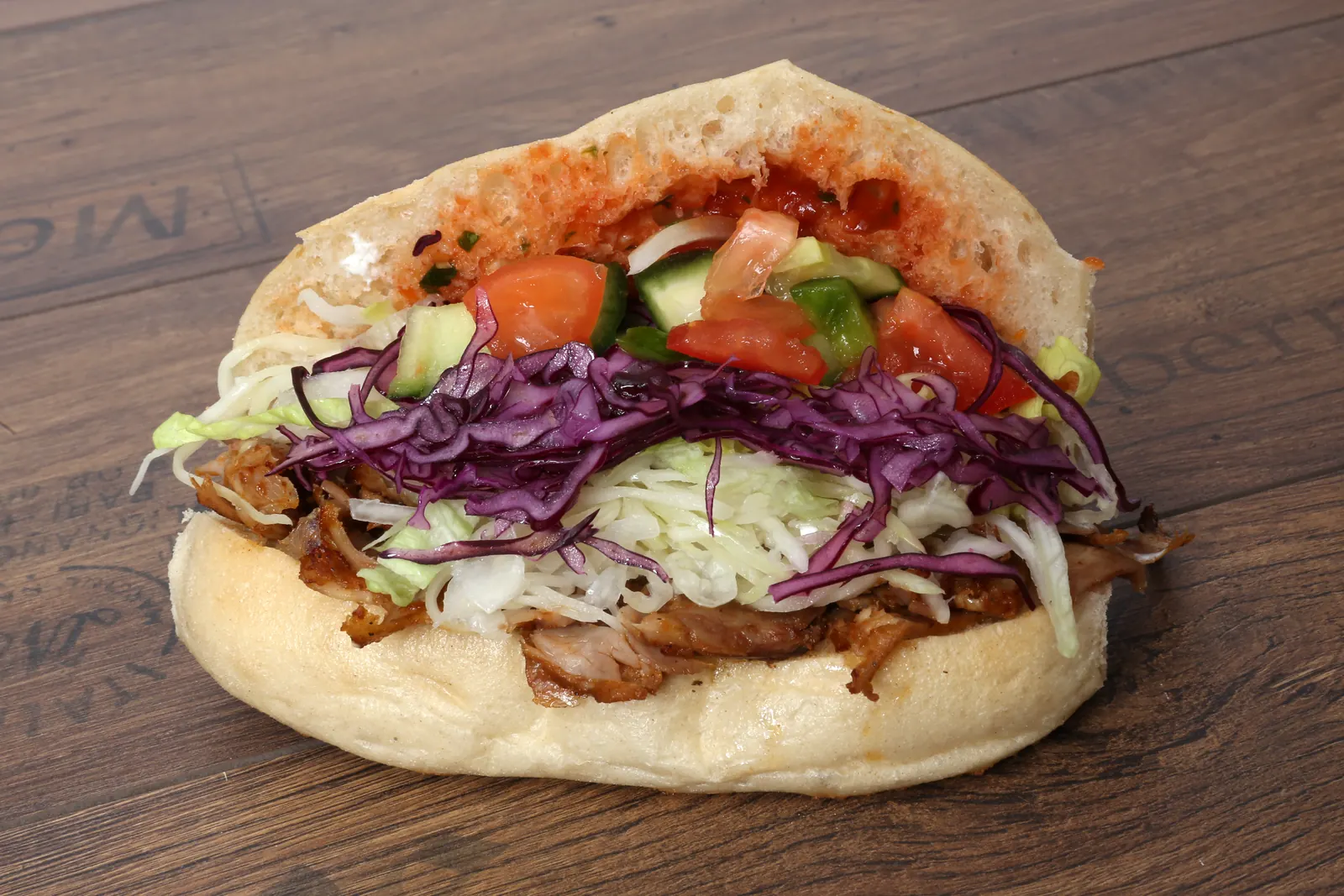
A doner kebab in flatbread filled with sliced lamb, red and white cabbage, tomato and cucumber Turkey flag Turkey 2h 55m
Dinner •Bursa Spit-Roast Heritage

Doner Kebab

This doner kebab recipe brings the Turkish spit-roast home: lamb leg marinated in yogurt, onion and spices, seared until charred at the edges, then sliced thin and tucked into warm pitta bread with crisp salad and a cool garlic yogurt sauce. No vertical spit needed — a ripping-hot pan does the job. One serving is about 415 g.

Charcoal-Grilled & Juicy

Home-style doner kebab — yogurt-marinated lamb, sliced thin and piled into warm pitta with salad and garlic sauce.

Pairs Well With
Serve in warm pitta with salad, garlic sauce and a little chilli sauce.
High Protein

The Dinner Gazette

Never wonder what’s for dinner again

One email a week with easy dinner ideas from around the world — ingredients, steps and nutrition, tested in our kitchen first.

Delivered every Thursday morning. Unsubscribe anytime.