Curated recipes from 193 countries  •  New seasonal Mediterranean issue out now

Overview

Lebanese Adas bi Hamod

Adas bi Hamod, Lentil Soup with Chard and Lemon

This lebanese adas bi hamod recipe turns brown lentils, Swiss chard and potato into a chunky, lemon-bright soup, finished with garlic and coriander fried in olive oil. Unlike the smooth red lentil soup of the same kitchen, this one is never blended — the lentils stay whole, the chard wilts into the broth, and the lemon goes in at the very end. One serving is about 370 g.

Adas bi hamod means lentils in sour — hamod is the sour of lemon — and the name is the recipe: brown lentils cooked with Swiss chard and potato, then sharpened at the very end with lemon juice and garlic fried with coriander in olive oil. It is a home-kitchen soup of Lebanon, the kind of frugal village cooking that turns a handful of lentils, a bunch of chard and a potato into a full meal, and it is a regular bowl through Lent and at the Ramadan table. It is a different dish from the smooth red lentil soup on this site, shorbat adas, which blends red lentils with cumin into a silky golden bowl — adas bi hamod keeps its lentils whole, its chard visible, and its lemon loud. The Egyptian and Iraqi Swiss chard stews in the same family are stews, not soups, and carry no lentils at all.

Pairs well with: Warm pita bread, a cucumber and tomato salad, and mint tea to finish.

Provenance

Lebanon flag Lebanon

Lebanese Home Cooking

Middle Eastern

Time Dedication

1h

15m prep • 45m cook

Batch Yield

6 Servings

266 kcal per serving

1 serving ≈ 370 g

Technical Skill

Easy

Easy (One Pot)

Meal Timing & Digestive Fit

Breakfast

Not Advised

Lunch

Prime Metabolic Fit

Dinner

Ideal Hearty Main

Snack & Tea

Inappropriate

Soups & Broths Occasions: A cold day, a light lunch, a meat-free Monday, Lent, Ramadan evenings, when you need a bowl that is a meal Cost: Low — about $2–3 per serving at home
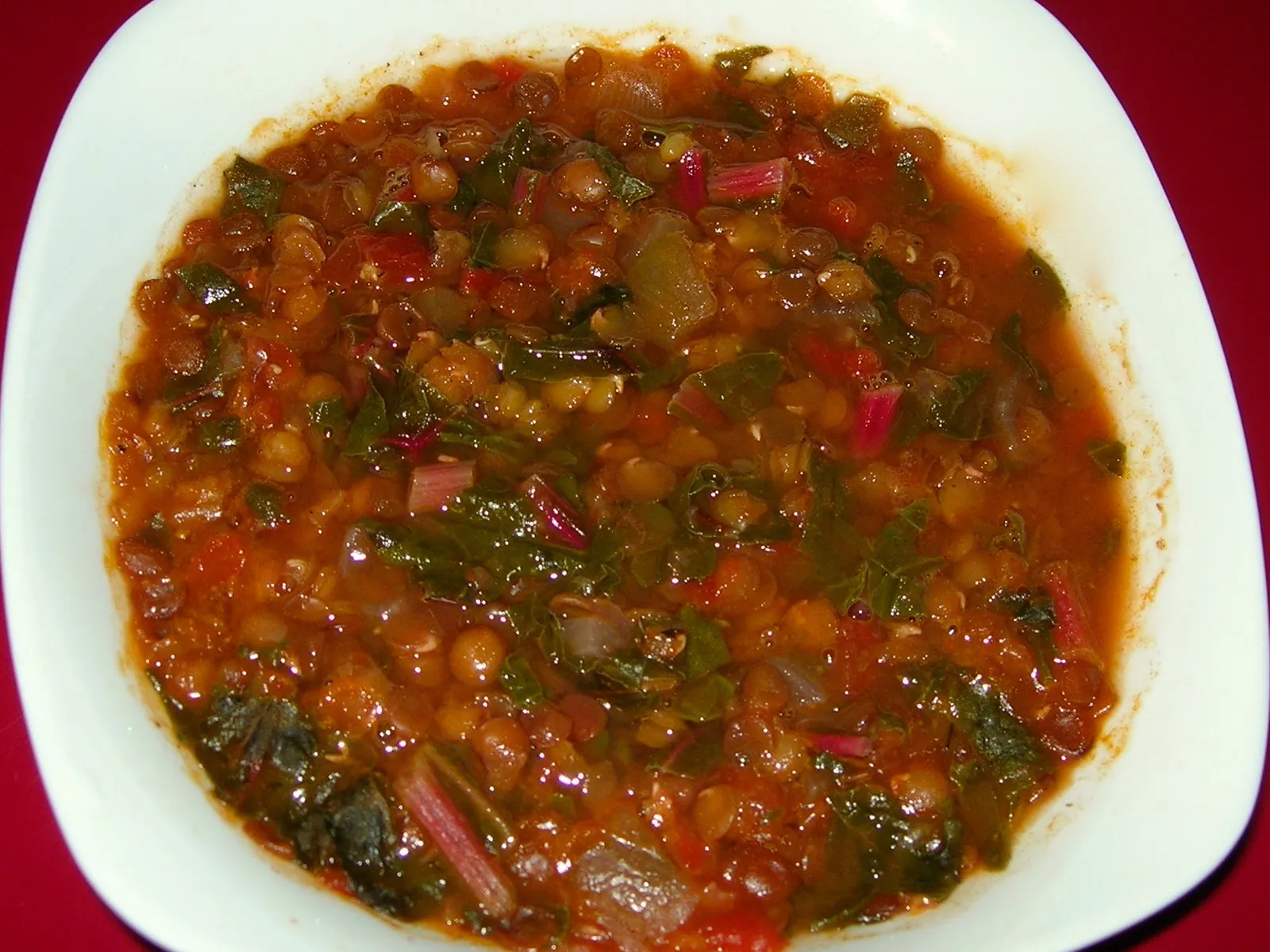
A white bowl of chunky Lebanese lentil soup with red Swiss chard leaves and pink stems in a rich broth, on a deep red table

Lebanese Home Cooking

Photo: Cajsa Lilliehook, CC BY-SA 2.0, via Wikimedia Commons

The Heritage Formulary

Measured Ingredients

Estimated cost: Low — about $2–3 per serving at home (USD)

A good adas bi hamod stays chunky — whole brown lentils, wilted chard and soft potato in a lemon-soured broth — never blended smooth like shorbat adas, and finished with garlic and coriander, not cumin.

Execution Methodology & Culinary Technique

Step-by-Step Cooking Guide

Active 1h
P

Prep Stage: Rinse, Chop, Measure

15 Mins • Knife Work

Pick over the brown lentils, rinse them in cold water until it runs clear, then drain. Wash the chard well, strip the leaves from the stems, chop the stems small and tear the leaves into wide ribbons. Dice the onion and potato, mince the garlic, and measure the ground coriander and stock, so everything is ready before the pot gets hot.

Maestro Tip: Wash the chard leaf by leaf — grit hides in the folds — and keep the stems separate from the leaves, because the stems need longer in the pot.

  1. 1

    Start the Lentils

    8 Mins Boil, ~100°C (212°F)

    Warm 2 tablespoons of the olive oil in a large pot. Add the onion and cook for 5 minutes, stirring now and then, until soft and pale. Pour in the vegetable stock, tip in the rinsed lentils and the chopped chard stems, and bring the pot to a rolling boil at about 100°C (212°F), skimming off any foam that rises.

    Skim the foam in the first minutes — it keeps the broth clear and the soup tasting clean.

    Done when: The stock is boiling, the foam is skimmed, and the lentils are in the pot.

  2. 2

    Simmer with the Potato

    20 Mins Gentle simmer, ~95°C (203°F)

    Turn the heat down to a gentle simmer, add the diced potato and the salt, and half-cover the pot with a lid. Cook for 20 minutes, stirring once or twice, until the lentils are tender but still whole and the potato is soft right through.

    Do not rush this with a hard boil — brown lentils burst and turn to mush if they boil hard. If the pot looks dry, add a splash of hot water, not cold.

    Done when: The lentils are tender and whole, and a potato cube crushes easily against the side of the pot.

  3. 3

    Wilt the Swiss Chard

    8 Mins Gentle simmer, ~95°C (203°F)

    Stir the torn chard leaves into the pot, pushing them down into the hot broth. Cook for 8 minutes, until the leaves have wilted completely and turned a deep, soft green.

    Chard shrinks a lot — the pot will look overflowing at first, then settle as the leaves wilt.

    Done when: The chard leaves are fully wilted, dark green and tender, with no raw bite left.

  4. 4

    Fry the Garlic and Coriander

    2 Mins Medium heat, ~160°C (320°F)

    While the chard wilts, warm the remaining tablespoon of olive oil in a small pan. Add the minced garlic and the ground coriander and fry for 1–2 minutes, stirring constantly, until the garlic is pale gold and the coriander smells warm and fragrant.

    Do not let the garlic brown, or it turns bitter and the whole pot tastes sharp — pale gold is the moment to stop.

    Done when: The garlic is pale gold and the pan smells warmly of coriander.

  5. 5

    Finish with Lemon

    3 Mins Off the heat (soup ~90°C / 194°F)

    Take the soup pot off the heat. Stir in the fried garlic and coriander with all of its oil, then the lemon juice and the chopped fresh coriander. Taste and add more salt, lemon or a pinch of black pepper until the sour, the garlic and the lentils are all in balance — the soup should taste bright, not flat.

    Add the lemon off the heat so its fresh flavour stays sharp instead of cooking away. Never blend this soup — it is meant to be chunky.

    Done when: The soup tastes bright with lemon, warm with garlic and coriander, and the lentils are still whole.

  6. 6

    Rest, Then Serve

    5 Mins Warm, ~70°C (158°F)

    Let the soup rest for 5 minutes so the flavours settle. Ladle into deep bowls, drizzle the remaining olive oil over each one, and serve hot with lemon wedges and warm pita on the side.

    The rest matters — the garlic and lemon need a few minutes to marry into the broth before the first spoonful.

    Done when: Each bowl is chunky and steaming, with whole lentils, wilted chard and soft potato in a lemon-bright broth.

Finishing Touches & Plating

Serve hot, with the lemon wedges and any extra olive oil on the table so everyone can adjust the brightness to their own taste.

Nutritional Physiology & Benefits

Nutrition

Energy

266

kcal / serving

Protein

12g

Complete AA

Carbs

40g

Complex

Fats

8g

Healthy

Per serving (6 servings · 1 serving ≈ 370 g)
Energy266 kcal
Protein12 g
Carbohydrates40 g
Fat8 g
Fibre6.4 g
Sugar4.6 g
Sodium765 mg
Per 100g
Energy72 kcal
Protein3.1 g
Carbohydrates10.7 g
Fat2.1 g
Fibre1.7 g
Sugar1.2 g
Sodium207 mg

Nutrition values are estimated — calculated from USDA FoodData Central values for the listed ingredients.

Vitamins & minerals: Nutrition is estimated. The soup provides iron and folate from the brown lentils, vitamin K and vitamin A from the Swiss chard, vitamin C from the lemon, and potassium from the potato.

Plant Protein That Fills You

Brown lentils give about 11.5 g of protein per serving, so one bowl with pita is a genuinely filling lunch.

Fibre for Steady Digestion

With about 6.4 g of fibre per serving, lentils and chard support digestion and keep you full for longer.

Iron, Folate and Greens

Lentils are a good plant source of iron and folate, chard brings vitamin K and vitamin A, and the vitamin C in the lemon helps the body absorb the iron.

Food Pairings

What to Eat With

To optimize nutrient absorption and elevate the sensory depth, pair with these authentic accompaniments:

Sides

Warm Pita Bread

Warm pita is the Lebanese way to eat a chunky soup — torn and dipped, it scoops up lentils and chard and turns the bowl into a full meal.

Vegetables

Cucumber and Tomato Salad

A cool, crisp salad with lemon and herbs cuts through the warm, earthy soup and gives the meal a fresh contrast.

Drinks

Mint Tea

Hot, sweet mint tea is the Levantine table drink with a warming lunch — its freshness balances the lemon and coriander.

Full Menus

As Lunch Before Grilled Fish

In a Lebanese home the soup often opens the meal, hearty enough to stand alone, before grilled fish or a mezze spread.

Complete menu

Start with this soup and warm pita, follow with grilled fish and a cucumber and tomato salad, and finish with mint tea and fresh fruit.

Digestive Guardrails

What NOT to Combine

To prevent digestive distress, sluggishness, or palate clash, avoid pairing the dish with these elements:

A Heavy Cream or Butter Finish

Cream or butter would smother the fresh lemon and coriander this soup is built on and turn a bright, light bowl heavy; keep the finish to olive oil and let the soup lead. This is general guidance, not medical advice.

Too Much Chilli in the Pot

A fiery chilli sauce fights the lemon and can upset a sensitive stomach, especially with the acidity of the lemon on top of the heat, so serve any chilli on the side instead of in the pot. This is general guidance, not medical advice.

General information only, not medical advice — consult a doctor for personal dietary decisions.

Who Should Eat It

Who Should Eat

  • General adultsAn ideal lunch — lentils, chard, potato and a little healthy fat in one bowl, about 266 kcal a serving.
  • ChildrenVery suitable from age 2+; the soup is soft, mild and easy to eat. Keep the lemon bright but not sharp, and serve any chilli on the side, never in the pot.
  • ElderlySoft, warm and easy to eat, with the potato and lentils already tender; serve warm, not piping hot, and in a smaller bowl if appetite is small.
  • Pregnant womenA good source of folate and iron from lentils and chard. Eat freshly cooked and hot, and ask your clinician about portion size.
  • Breastfeeding womenFilling and hydrating, with protein, iron and fibre; the coriander is mild, and lemon is a gentle flavour. Ask your clinician if you are unsure about portion size.
  • AthletesGood recovery food — about 39.5 g of carbohydrate and 11.5 g of protein per serving. Pair with extra pita for more energy after training.
  • Weight gainAdd a second helping or a generous drizzle more olive oil and an extra piece of pita to raise the energy of the meal.
  • Weight lossHigh in fibre and low in fat for its size, so one bowl is filling at about 266 kcal; keep the pita to one small piece if you are watching energy.

Health Conditions — Adjust or Avoid

Conditions

  • DiabetesLentils raise blood sugar slowly thanks to their fibre, but the potato is starchy, so keep the portion modest and the pita small. Ask your clinician about portion size.
  • High blood pressureMost of the sodium comes from the stock and added salt; use low-sodium stock and season lightly. Ask your clinician about a suitable portion.
  • Kidney diseaseLentils and potato are rich in potassium and the soup is fairly high in sodium, so keep the portion small and ask your clinician before eating it regularly.
  • GoutLentils contain purines, so people with gout should eat this soup in moderation and ask your clinician about how often it fits.
  • Stomach issuesThe soup is mild and soft, but lentils and chard fibre can cause gas for some people, and the lemon adds acidity; eat slowly and keep the portion modest. Ask your clinician if symptoms persist.
  • Cardiovascular diseaseA plant-based, low-fat soup with olive oil and fibre, which fits a heart-friendly pattern well; watch the salt and ask your clinician about portion size.
  • Fatty liverLow in fat and rich in fibre, this soup suits a lighter eating pattern; keep added oil modest and ask your clinician about your overall diet.
  • Food allergiesThis recipe contains no dairy, egg, nut, soy or wheat ingredients, but check your stock label — some stocks contain celery or gluten. If you are allergic to legumes, do not eat this dish, and ask your clinician.
  • Special therapeutic dietsNaturally vegan and gluten-free as written, and easy to adjust for salt; discuss any therapeutic diet with your clinician before making it a regular meal.

If you have a medical condition, consult your doctor before changing your diet.

Storage & Use

Storage & Use

How to store
Cool quickly and store in an airtight container.
In the fridge
4 days.
In the freezer
3 months.
How to reheat
Reheat gently until it simmers, stirring often; reheat to 74°C (165°F). Add a splash of water or stock if it has thickened too much, and stir in fresh lemon and coriander when serving.
Freezing recommended
Yes — this soup freezes very well for up to 3 months; freeze before adding the lemon and fresh coriander, and add them fresh when you reheat it.
Signs it has spoiled
Sour smell, mould on the surface, or a fizzy, fermented taste.

More recipes to explore

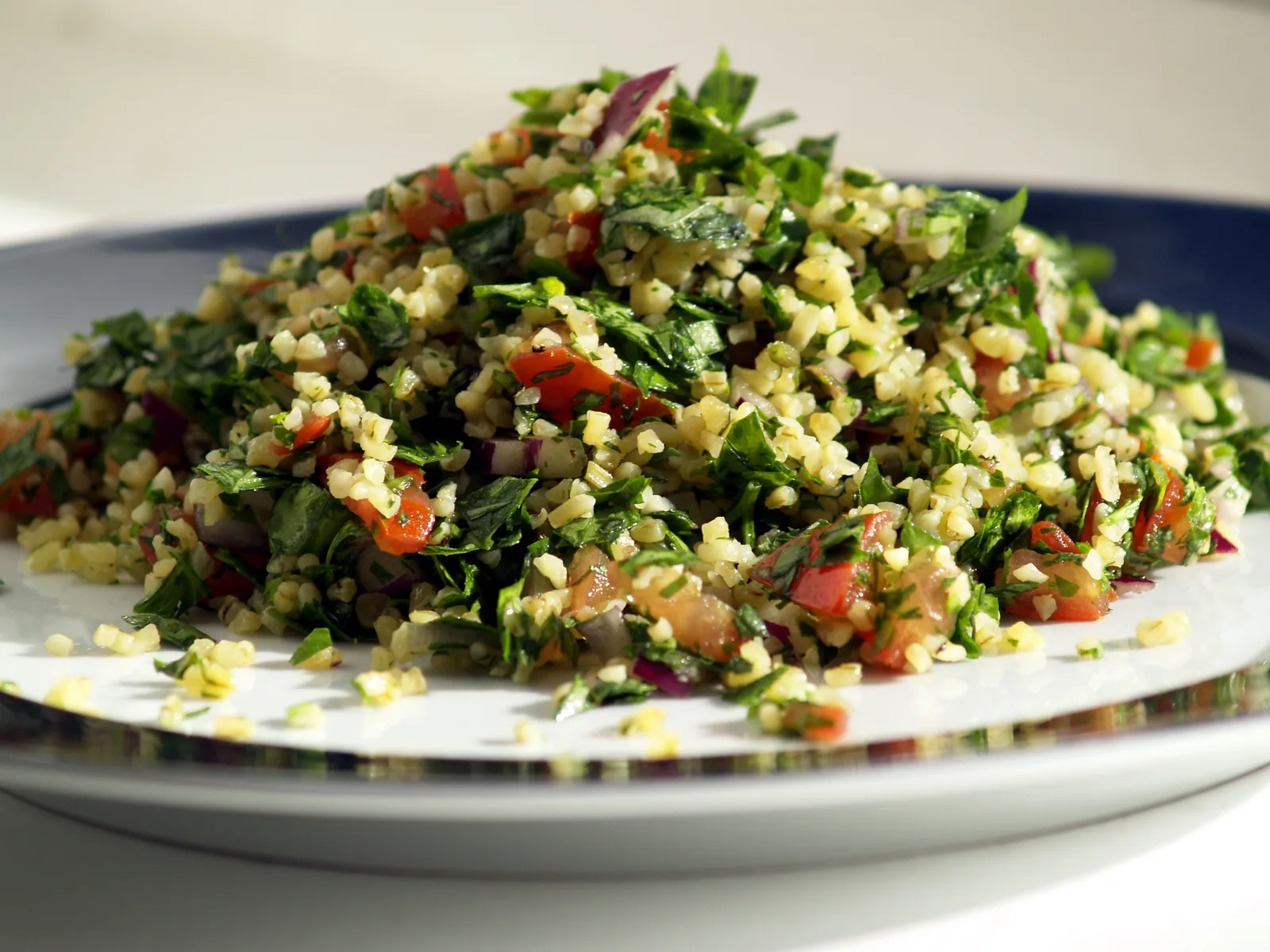
A plate of fresh Lebanese tabbouleh with chopped parsley, tomato and bulgur Lebanon flag Lebanon 25m
Lunch •Levantine Mezze Classic

Lebanese Tabbouleh

Tabbouleh is Lebanon's bright green parsley salad, where the herbs lead and fine bulgur plays a supporting role. Diced tomato, green onion and mint are tossed in lemon juice and olive oil for a fresh, lemony bite that wakes up any mezze table. One serving is about 216 g.

Light & Fresh

Mostly fresh parsley and tomato with a little bulgur, dressed in lemon and olive oil.

Pairs Well With
Warm pita bread, hummus and grilled halloumi
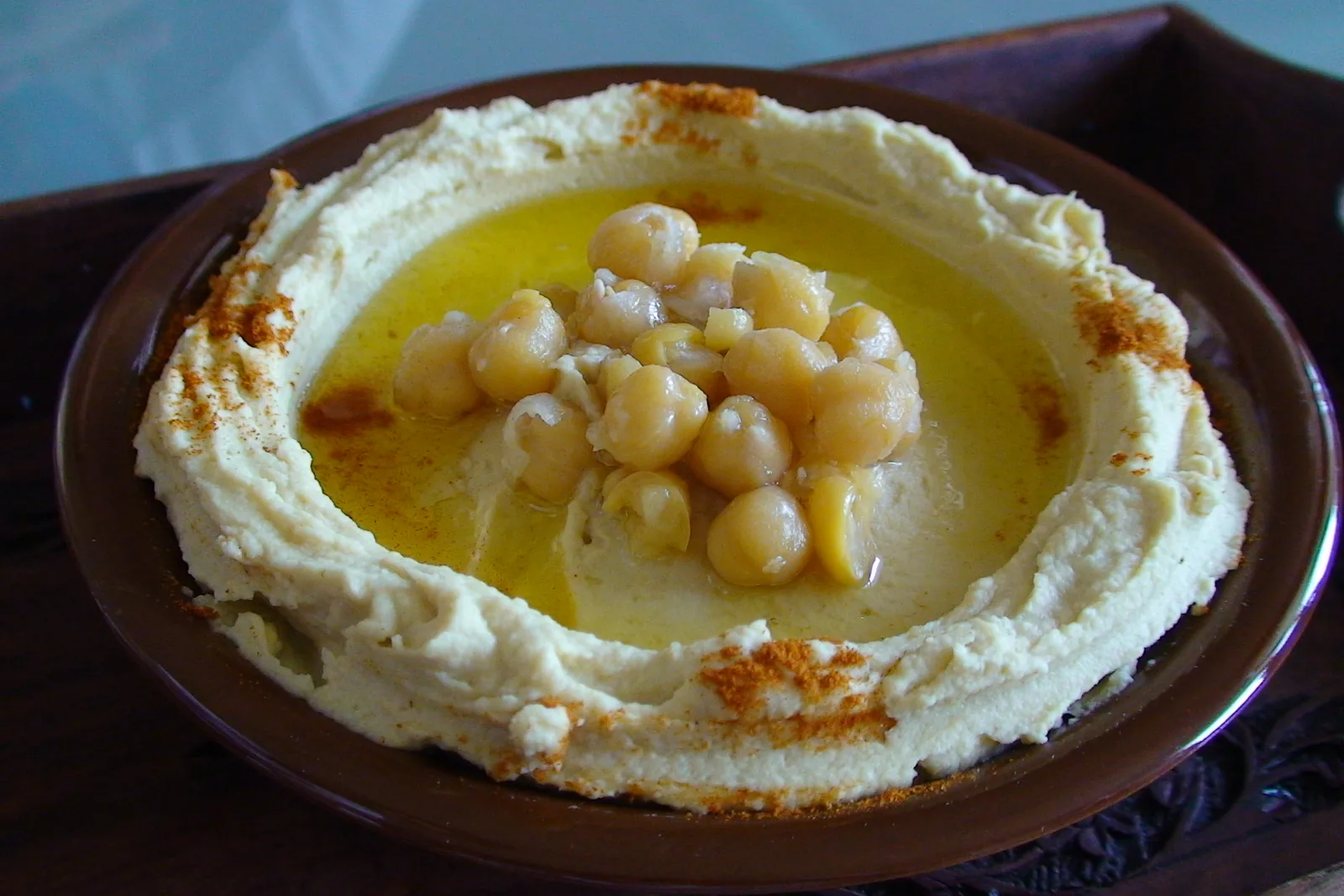
A bowl of cold Lebanese hummus with olive oil, whole chickpeas, paprika and parsley Lebanon flag Lebanon 1h 5m
Snack & Tea •Beirut Mezze Classic

Lebanese Hummus

Lebanese hummus is a cold, silky chickpea and tahini dip, lemon-forward with garlic and a pool of olive oil, topped with pine nuts and parsley. It is served chilled or at room temperature as part of a mezze spread, scooped up with warm pita — never served warm as a main plate. One serving is about 110 g.

Plant Protein Snack

Chickpeas and tahini blended into a smooth dip, with lemon, garlic and olive oil.

Pairs Well With
Warm pita bread, tabbouleh and olives
Quick Prep (<30m)
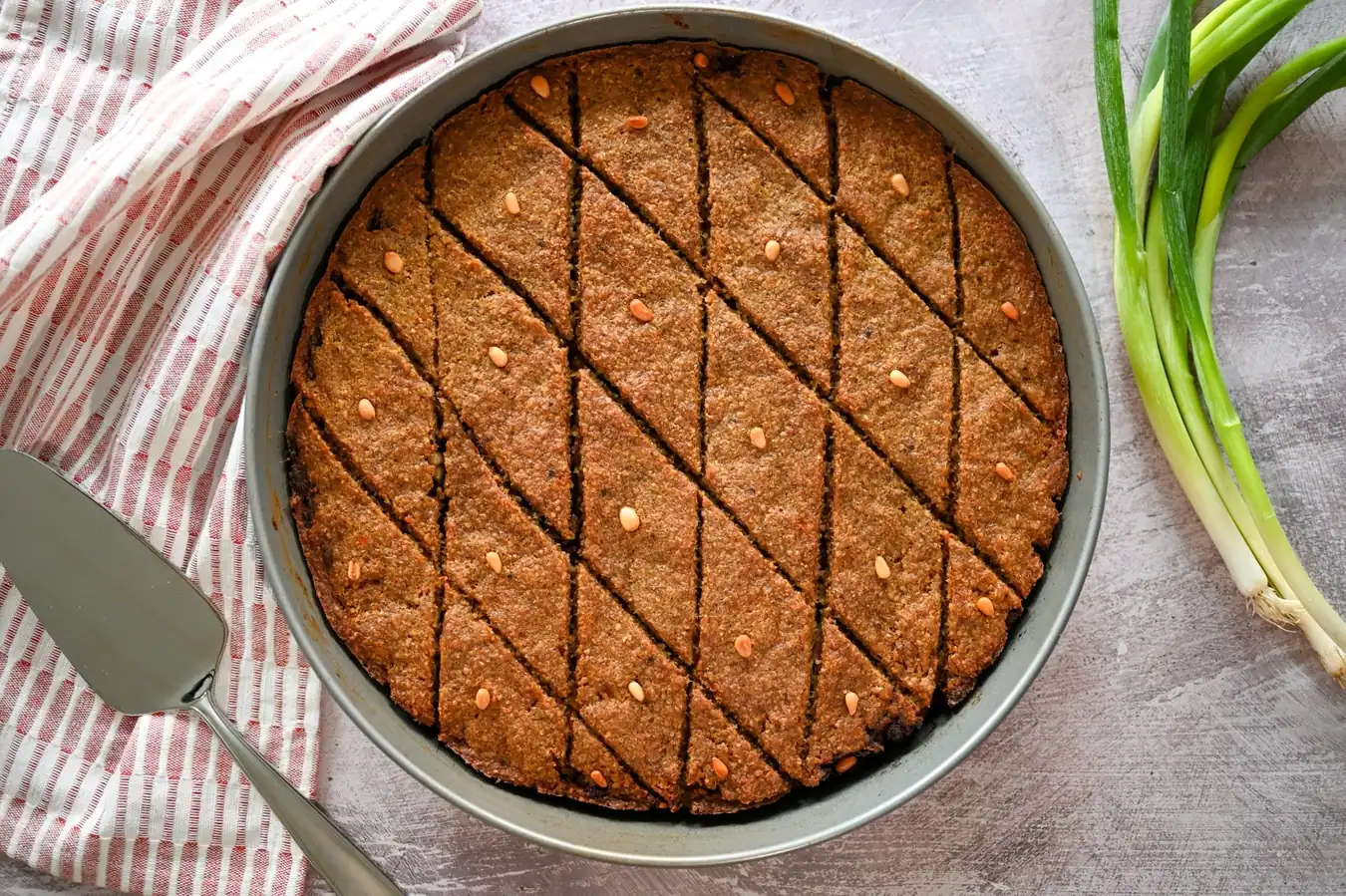
A baked tray of Lebanese kibbeh bil-saniyeh, scored into diamonds with pine nuts Lebanon flag Lebanon 1h 25m
Dinner •Lebanon's National Dish

Lebanese Kibbeh

Kibbeh bil-saniyeh is Lebanon's baked tray kibbeh: two layers of bulgur and lean beef sandwiching a spiced beef and pine-nut filling, scored into diamonds and baked until golden and crisp at the edges. It is the tray-baked form of Lebanon's national dish, made for sharing at the family table. One serving is about 202 g.

Hearty Family Dinner

Layers of bulgur and lean beef around a spiced pine-nut filling, baked until golden.

Pairs Well With
Yogurt, tabbouleh and warm pita bread
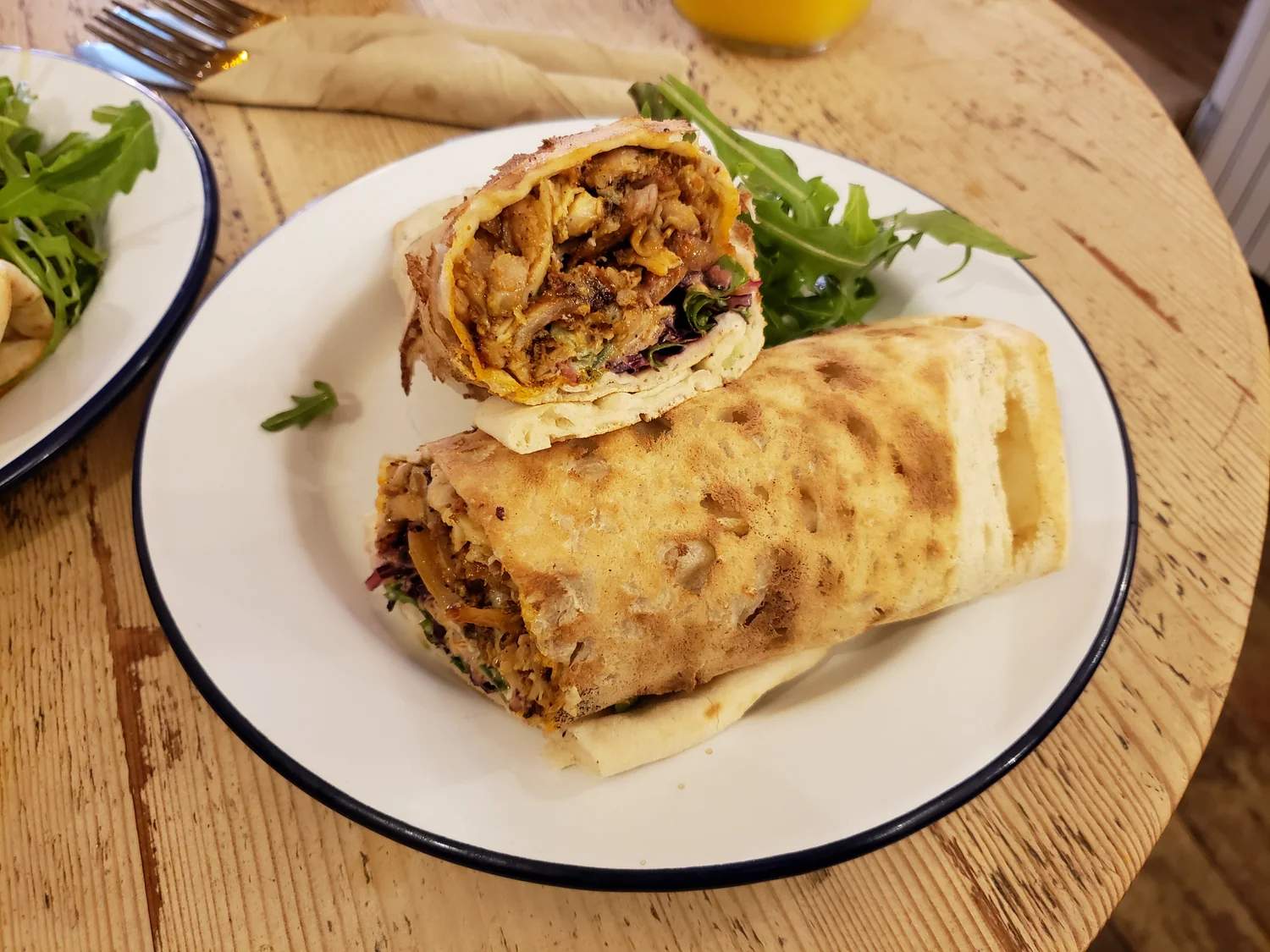
A sliced chicken shawarma wrap in toasted lavash showing spiced chicken, with rocket salad on a white plate Lebanon flag Lebanon 50m
Dinner •Beirut Street-Food Heritage

Lebanese Chicken Shawarma

This lebanese chicken shawarma recipe marinates boneless chicken thighs in yogurt, lemon, garlic and seven warm spices, then grills them until charred at the edges and slices them thin for rolling in soft Lebanese pita with toum, the whipped garlic sauce that defines the Lebanese version. Pickled turnips, dill pickles, tomato and parsley give every bite its sharp, fresh contrast. One serving is about 379 g.

High-Protein & Satisfying

Spice-marinated chicken thighs grilled and rolled in warm pita with toum, pickles and tomato — the Beirut street-food classic, made at home.

Pairs Well With
Toum, pickled turnips & fries
High Protein

The Dinner Gazette

Never wonder what’s for dinner again

One email a week with easy dinner ideas from around the world — ingredients, steps and nutrition, tested in our kitchen first.

Delivered every Thursday morning. Unsubscribe anytime.