Curated recipes from 193 countries  •  New seasonal Mediterranean issue out now

Overview

Lebanese Artichokes in Olive Oil

Ardishawki Bi Zayt, Enkinar bil Zeit, Lebanese Stuffed Artichokes, Artichokes in Oil

This lebanese artichokes in olive oil recipe turns eight tender artichoke hearts into a bright Lebanese mezze: each cup is filled with sweet green peas and diced carrots, braised gently in extra-virgin olive oil with garlic and lemon, then served at room temperature with lemon wedges. One serving is about 240 g.

Ardishawki bi zayt — artichokes in oil — is one of the cold mezze of the Levant, where artichokes have been grown around the Mediterranean for centuries and cooks learned to braise them in olive oil with lemon instead of serving them hot with butter. Lebanese cooks fill the tender hearts with peas and carrots, let the dish cool to room temperature, and set it out with hummus, olives and flatbread. The same oil-braised stuffed artichoke is made across Lebanon and Syria — the photograph used here is captioned as the Damascene style of this shared dish — and a Lebanese restaurant version, from Mint Café, was documented by the Houston Press in 2009.

Pairs well with: Hummus, tabbouleh and warm flatbread, with lemon wedges

Provenance

Lebanon flag Lebanon

Lebanese Mezze Heritage

Middle Eastern

Time Dedication

50m

20m prep • 30m cook

Batch Yield

4 Servings

236 kcal per serving

1 serving ≈ 240 g

Technical Skill

Intermediate

Moderate (Braise and Fill)

Meal Timing & Digestive Fit

Breakfast

Not Advised

Lunch

Prime Metabolic Fit

Dinner

Ideal Hearty Main

Snack & Tea

Inappropriate

Occasions: Mezze spreads, Ramadan iftar, family lunches, summer picnics, make-ahead entertaining Cost: Low — about $2–3 per serving at home
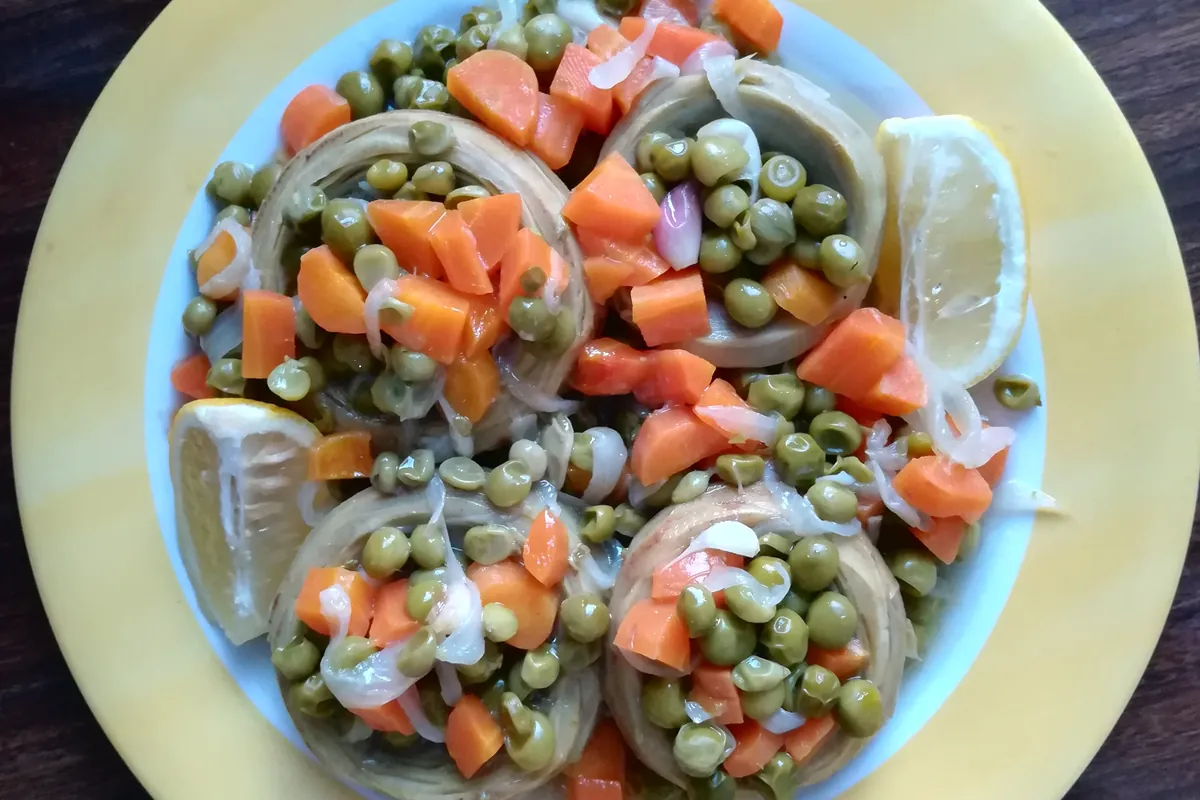
Four artichoke hearts stuffed with green peas, diced carrots and slivered onion, glossy with olive oil, with two lemon wedges on a yellow-rimmed plate — the photo is captioned as the Damascene style of this shared Levantine dish

Lebanese Mezze Heritage

Photo: عمر الشامي (Omar al-Shami), CC BY 4.0, via Wikimedia Commons

The Heritage Formulary

Measured Ingredients

Estimated cost: Low — about $2–3 per serving at home (USD)

A traditional Lebanese mezze: vegetarian, served at room temperature, with no meat in the oil version.

Execution Methodology & Culinary Technique

Step-by-Step Cooking Guide

Active 50m
P

Trim, dice and mix the filling

20 minutes

Thaw the artichoke hearts and pat them dry. Dice the carrots into small 1 cm cubes, slice the onion into thin slivers, mince the garlic and juice the lemons. Mix the peas, diced carrots and slivered onion in a bowl with a pinch of salt — this is the filling that will be spooned into the artichoke cups.

Maestro Tip: Dice the carrots small and even: pieces much bigger than the peas will not sit neatly inside the cups and will cook unevenly.

  1. 1

    Prepare the artichoke hearts

    10 minutes Room temperature (20°C / 68°F)

    Thaw frozen artichoke hearts fully and pat them dry with a clean cloth. If you are starting from fresh artichokes, trim off the stems and tough outer leaves, cut the tops flat, and scoop out the fuzzy choke with a spoon, leaving the cup intact. Rub the cut surfaces with a little of the lemon juice so they stay pale.

    Work with one heart at a time and keep the trimmed hearts in lemon water until you need them, so they do not brown.

    Done when: Hearts are clean cups with no fuzzy choke left inside, and the cut faces are still pale.

  2. 2

    Mix the pea and carrot filling

    5 minutes Room temperature (20°C / 68°F)

    Put the peas, diced carrots and slivered onion in a bowl with a pinch of salt and a grind of black pepper. Toss gently so the onion threads separate and everything is evenly mixed. Set the bowl aside — the filling cooks in the pan, not in the bowl.

    Taste a pea and a piece of carrot now: they should taste fresh and sweet, because the braise will only soften them, not add sweetness.

    Done when: Filling is evenly mixed, with peas, carrot cubes and onion slivers in every spoonful.

  3. 3

    Braise the hearts in olive oil and lemon

    25 minutes Gentle simmer, about 95°C (200°F)

    Pour 30 ml of the olive oil, the lemon juice, the water and the salt into a wide pan and bring to a gentle simmer over medium heat. Set the artichoke hearts in the pan cup-side up in a single layer, spoon a little of the liquid over each one, cover with a lid and simmer gently for about 25 minutes, until a knife slides easily into the thickest part of a heart and the hearts have taken on the lemony oil.

    Keep the simmer gentle, not rolling: a hard boil will break the hearts apart before they are tender.

    Done when: A knife slides into the base of a heart with no resistance, and the hearts look glossy from the oil.

  4. 4

    Warm the filling in garlic oil

    5 minutes Medium heat, about 160°C (320°F)

    While the hearts finish, warm the remaining 30 ml of olive oil in a small pan over medium heat. Add the minced garlic and stir for about 30 seconds until it smells fragrant but is still pale — do not let it brown. Add the pea, carrot and onion filling and stir for 2 to 3 minutes until the peas are bright green and the carrots are just tender, then take the pan off the heat.

    Pull the garlic off the heat the moment it turns fragrant; browned garlic turns bitter and would spoil the delicate lemon flavour.

    Done when: Peas are bright green, carrots are tender but still hold their shape, and the filling smells of garlic and lemon.

  5. 5

    Fill the cups and rest to room temperature

    5 minutes active, then about 30 minutes resting Room temperature (20°C / 68°F)

    Lift the braised hearts out of the pan with a slotted spoon and set them on a serving plate. Spoon the warm pea and carrot filling generously into each cup, letting a little spill over the edges, and drizzle a spoonful of the pan juices over the top. Leave the plate to cool until the hearts reach room temperature, about 30 minutes — this is a mezze, and it is meant to be eaten cool, not hot.

    Fill the cups while the hearts are still warm so the filling settles into the cups; the flavours marry as the dish cools.

    Done when: Each cup is heaped with filling, the plate is glossy with pan juices, and the dish feels neither warm nor cold to the touch.

  6. 6

    Garnish and serve with lemon wedges

    2 minutes Room temperature (20°C / 68°F)

    Scatter the chopped parsley over the filled hearts and tuck the lemon wedges around the edge of the plate. Serve at room temperature as part of a mezze spread, with flatbread for scooping up any filling that escapes the cups.

    Squeeze a lemon wedge over your own portion at the table — the fresh juice brightens the oil just before eating.

    Done when: The plate looks like the photo: green peas and orange carrots heaped in pale artichoke cups, glossy with oil, lemon wedges at the side.

Finishing Touches & Plating

Arrange the filled hearts in a single layer on a flat plate, drizzle over the last of the pan juices so they glisten, and serve at room temperature with lemon wedges and warm flatbread. The dish is at its best after its half-hour rest, when the lemon and olive oil have settled into the hearts.

Nutritional Physiology & Benefits

Nutrition

Energy

236

kcal / serving

Protein

7g

Complete AA

Carbs

25g

Complex

Fats

14g

Healthy

Per serving (4 servings · 1 serving ≈ 240 g)
Energy236 kcal
Protein7 g
Carbohydrates25 g
Fat14 g
Fibre10.1 g
Sugar6.1 g
Sodium434 mg
Per 100g
Energy98 kcal
Protein2.8 g
Carbohydrates10.3 g
Fat5.9 g
Fibre4.2 g
Sugar2.5 g
Sodium181 mg

Nutrition values are estimated — calculated from USDA FoodData Central values for the listed ingredients.

Vitamins & minerals: Vitamin C and folate (lemon, peas and artichokes), vitamin A (carrots), vitamin K (artichokes and parsley), potassium and magnesium (artichokes and peas), and vitamin E (olive oil). Nutrition values are estimated.

High in Fibre from Artichokes and Peas

A serving carries about 10.0 g of fibre, mostly from the artichoke hearts and peas. Fibre is part of a normal balanced diet and helps a meal feel filling.

Olive Oil, Not Butter or Cream

The dish is braised in extra-virgin olive oil, which is rich in monounsaturated fat, instead of butter or cream — so it stays light while still tasting rich.

Vitamin C, Folate and Vitamin A

Lemon juice and peas bring vitamin C and folate, and the carrots bring vitamin A — three nutrients that come naturally with the vegetables in the dish, with no supplements involved.

Food Pairings

What to Eat With

To optimize nutrient absorption and elevate the sensory depth, pair with these authentic accompaniments:

Sides

Hummus and Warm Flatbread

Creamy hummus and soft flatbread are the classic mezze partners: the bread scoops up any filling that escapes the cups, and the hummus adds protein to a light vegetable dish.

Fattoush Salad

Crisp lettuce, tomato, cucumber and crunchy toasted bread add crunch and freshness next to the soft, oily artichoke hearts — a contrast in texture that makes the mezze feel complete.

Vegetables

Tabbouleh

Tabbouleh's sharp lemon and parsley echo the flavours already in the artichokes, so the two dishes sit happily on the same plate without competing.

Drinks

Mint Tea

Hot mint tea cleanses the palate between bites of oily mezze and is the drink most often poured alongside a Lebanese mezze spread.

Complete menu

Start with hummus and olives, serve the artichokes in olive oil with tabbouleh and warm flatbread, and finish with fresh fruit and mint tea.

Digestive Guardrails

What NOT to Combine

To prevent digestive distress, sluggishness, or palate clash, avoid pairing the dish with these elements:

Heavy Creamy Dips on the Same Plate

Mayonnaise or a heavy creamy dip would coat the palate and bury the delicate lemon-and-olive-oil flavour the dish is built on, and would add a large amount of saturated fat to a light vegetable mezze. Serve the hearts with lemon wedges instead. This is general information, not medical advice.

Very Hot Chilli Sauce

A fiercely hot chilli sauce overwhelms the subtle, slightly sweet flavour of artichoke and peas, so you would taste only the heat. A pinch of red pepper flakes in the filling is enough warmth for this dish. This is general information, not medical advice.

Leaving It Out for Hours in Warm Weather

This dish is served at room temperature, but it is still perishable food: do not leave it sitting out for more than 2 hours (or 1 hour if it is warmer than 32°C / 90°F), because bacteria multiply quickly in that range. Chill any leftovers promptly. This is general information, not medical advice.

General information only, not medical advice — consult a doctor for personal dietary decisions.

Who Should Eat It

Who Should Eat

  • General adultsA light, fibre-rich mezze that suits most adults; two hearts make a good lunch portion alongside bread and a salad.
  • ChildrenSuitable from about age 3 in small pieces — the peas and carrots are soft and sweet, but cut the artichoke heart into bite-sized pieces and watch for the lemon's sharpness.
  • ElderlySoft, easy to chew and easy to digest; a gentle mezze, though anyone watching salt should note the 434 mg of sodium per serving.
  • Pregnant womenGenerally suitable: the vegetables are fully cooked, and the dish brings folate from the peas and artichokes. Eat it freshly made and well chilled if stored. Ask your clinician if you have any concerns.
  • Breastfeeding womenGenerally suitable; the fibre, folate and vitamin C are useful while breastfeeding. Keep the portion moderate if the onion or garlic upsets your baby.
  • AthletesA useful light meal between training sessions, but low in protein at 6.7 g a serving — pair it with hummus, yoghurt or grilled halloumi for recovery.
  • Weight gainA light dish on its own — add generous flatbread, hummus and an extra drizzle of olive oil to make it a more substantial meal.
  • Weight lossA good choice at 236 kcal a serving with 10.0 g of fibre: filling for the calories. Keep the bread modest and skip extra oil at the table.

Health Conditions — Adjust or Avoid

Conditions

  • DiabetesThe peas and carrots bring about 24.5 g of carbohydrate a serving, with 10.0 g of fibre to slow it down; count the portion and keep the bread modest. Ask your clinician about portion size.
  • High blood pressureSodium is moderate at 434 mg a serving, mostly from the added salt — use less salt in the braising liquid and skip extra seasoning at the table. Ask your clinician about portion size.
  • Kidney diseaseArtichokes and peas are fairly high in potassium, and the dish carries some sodium, so keep the portion small and eat it occasionally rather than daily. Ask your clinician.
  • GoutPeas are moderate in purines, so eat this as an occasional mezze in a modest portion rather than a large main. Ask your clinician.
  • Stomach issuesThe high fibre and the lemon juice can trouble a sensitive stomach — eat a small portion, chew well, and skip the raw onion if it causes discomfort. Ask your clinician.
  • Cardiovascular diseaseA plant-based dish braised in olive oil with no saturated fat from meat or dairy, which fits a heart-conscious pattern of eating. Ask your clinician about portion size.
  • Fatty liverLow in fat overall and built on vegetables and olive oil, with no added sugar; a sensible mezze choice. Ask your clinician.
  • Food allergiesArtichokes belong to the daisy family, so people allergic to ragweed, chrysanthemums or chamomile can cross-react — if that applies to you, avoid this dish. It contains no gluten, dairy, egg, nut, soy or seafood. Ask your clinician.
  • Special therapeutic dietsNaturally vegan, gluten-free and dairy-free as written, which fits many therapeutic patterns, but check the peas and artichokes against your own plan. Ask your clinician or dietitian.

If you have a medical condition, consult your doctor before changing your diet.

Storage & Use

Storage & Use

How to store
Cool the hearts quickly to room temperature, then store in a sealed container with a spoonful of the pan juices over them to keep them moist.
In the fridge
Keeps 3–4 days in the fridge at 4°C (40°F) or below; the flavour improves on day two as the lemon and oil settle in.
In the freezer
Not recommended — freezing makes the artichoke hearts soft and watery and the peas lose their bite.
How to reheat
Serve at room temperature, as intended. If you prefer it warm, heat gently in a covered pan over low heat with a splash of water until steaming hot throughout, to 74°C (165°F). Reheat only once.
Freezing recommended
No.
Signs it has spoiled
Sour or off smell beyond the normal lemon tang, slimy hearts or filling, or any mould — throw the whole portion away.

More recipes to explore

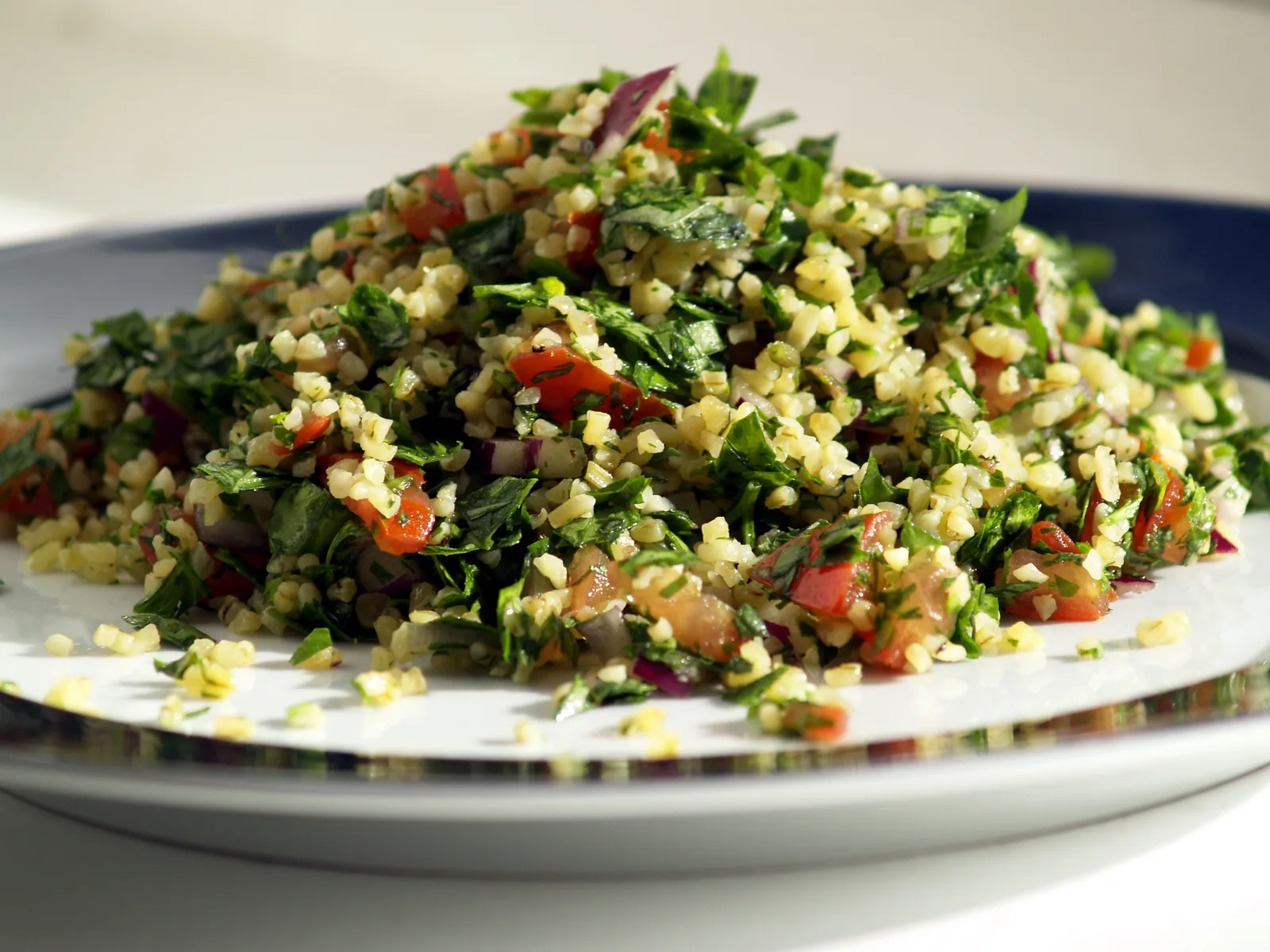
A plate of fresh Lebanese tabbouleh with chopped parsley, tomato and bulgur Lebanon flag Lebanon 25m
Lunch •Levantine Mezze Classic

Lebanese Tabbouleh

Tabbouleh is Lebanon's bright green parsley salad, where the herbs lead and fine bulgur plays a supporting role. Diced tomato, green onion and mint are tossed in lemon juice and olive oil for a fresh, lemony bite that wakes up any mezze table. One serving is about 216 g.

Light & Fresh

Mostly fresh parsley and tomato with a little bulgur, dressed in lemon and olive oil.

Pairs Well With
Warm pita bread, hummus and grilled halloumi
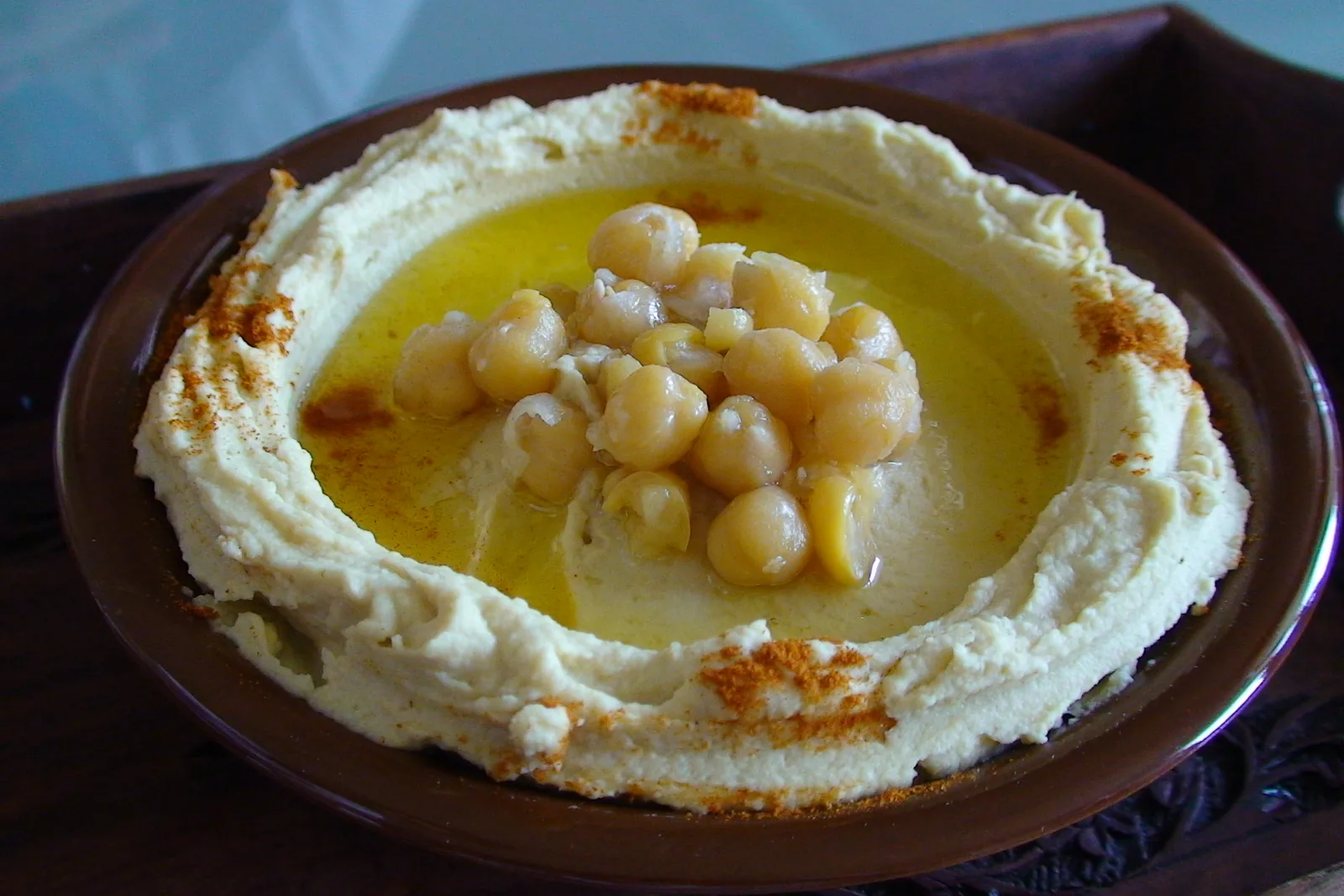
A bowl of cold Lebanese hummus with olive oil, whole chickpeas, paprika and parsley Lebanon flag Lebanon 1h 5m
Snack & Tea •Beirut Mezze Classic

Lebanese Hummus

Lebanese hummus is a cold, silky chickpea and tahini dip, lemon-forward with garlic and a pool of olive oil, topped with pine nuts and parsley. It is served chilled or at room temperature as part of a mezze spread, scooped up with warm pita — never served warm as a main plate. One serving is about 110 g.

Plant Protein Snack

Chickpeas and tahini blended into a smooth dip, with lemon, garlic and olive oil.

Pairs Well With
Warm pita bread, tabbouleh and olives
Quick Prep (<30m)
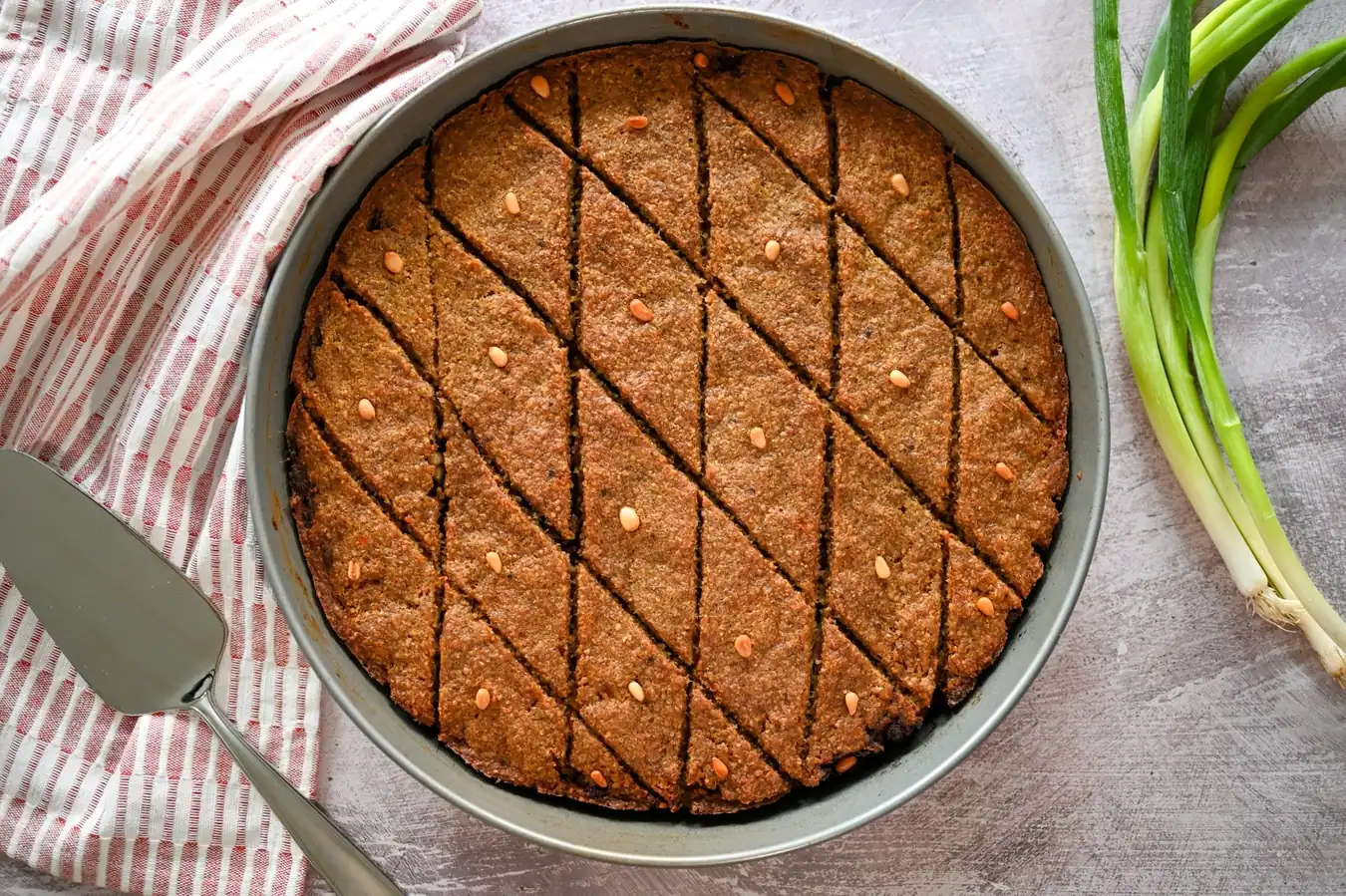
A baked tray of Lebanese kibbeh bil-saniyeh, scored into diamonds with pine nuts Lebanon flag Lebanon 1h 25m
Dinner •Lebanon's National Dish

Lebanese Kibbeh

Kibbeh bil-saniyeh is Lebanon's baked tray kibbeh: two layers of bulgur and lean beef sandwiching a spiced beef and pine-nut filling, scored into diamonds and baked until golden and crisp at the edges. It is the tray-baked form of Lebanon's national dish, made for sharing at the family table. One serving is about 202 g.

Hearty Family Dinner

Layers of bulgur and lean beef around a spiced pine-nut filling, baked until golden.

Pairs Well With
Yogurt, tabbouleh and warm pita bread
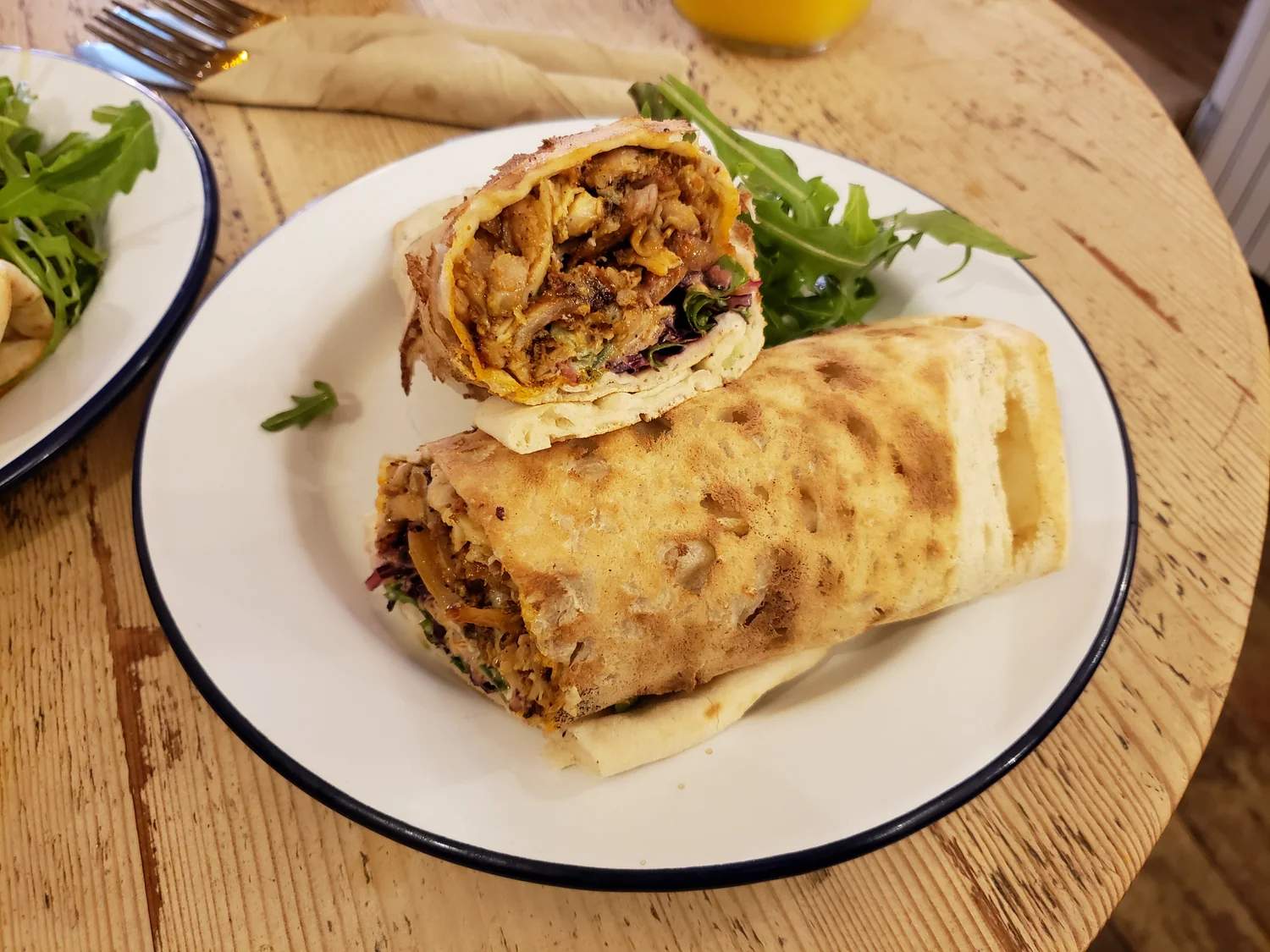
A sliced chicken shawarma wrap in toasted lavash showing spiced chicken, with rocket salad on a white plate Lebanon flag Lebanon 50m
Dinner •Beirut Street-Food Heritage

Lebanese Chicken Shawarma

This lebanese chicken shawarma recipe marinates boneless chicken thighs in yogurt, lemon, garlic and seven warm spices, then grills them until charred at the edges and slices them thin for rolling in soft Lebanese pita with toum, the whipped garlic sauce that defines the Lebanese version. Pickled turnips, dill pickles, tomato and parsley give every bite its sharp, fresh contrast. One serving is about 379 g.

High-Protein & Satisfying

Spice-marinated chicken thighs grilled and rolled in warm pita with toum, pickles and tomato — the Beirut street-food classic, made at home.

Pairs Well With
Toum, pickled turnips & fries
High Protein

The Dinner Gazette

Never wonder what’s for dinner again

One email a week with easy dinner ideas from around the world — ingredients, steps and nutrition, tested in our kitchen first.

Delivered every Thursday morning. Unsubscribe anytime.