Curated recipes from 193 countries  •  New seasonal Mediterranean issue out now

Overview

Lebanese Fasoulia

Fasoulia bil Batata, Fasolia, Lebanese White Bean Stew

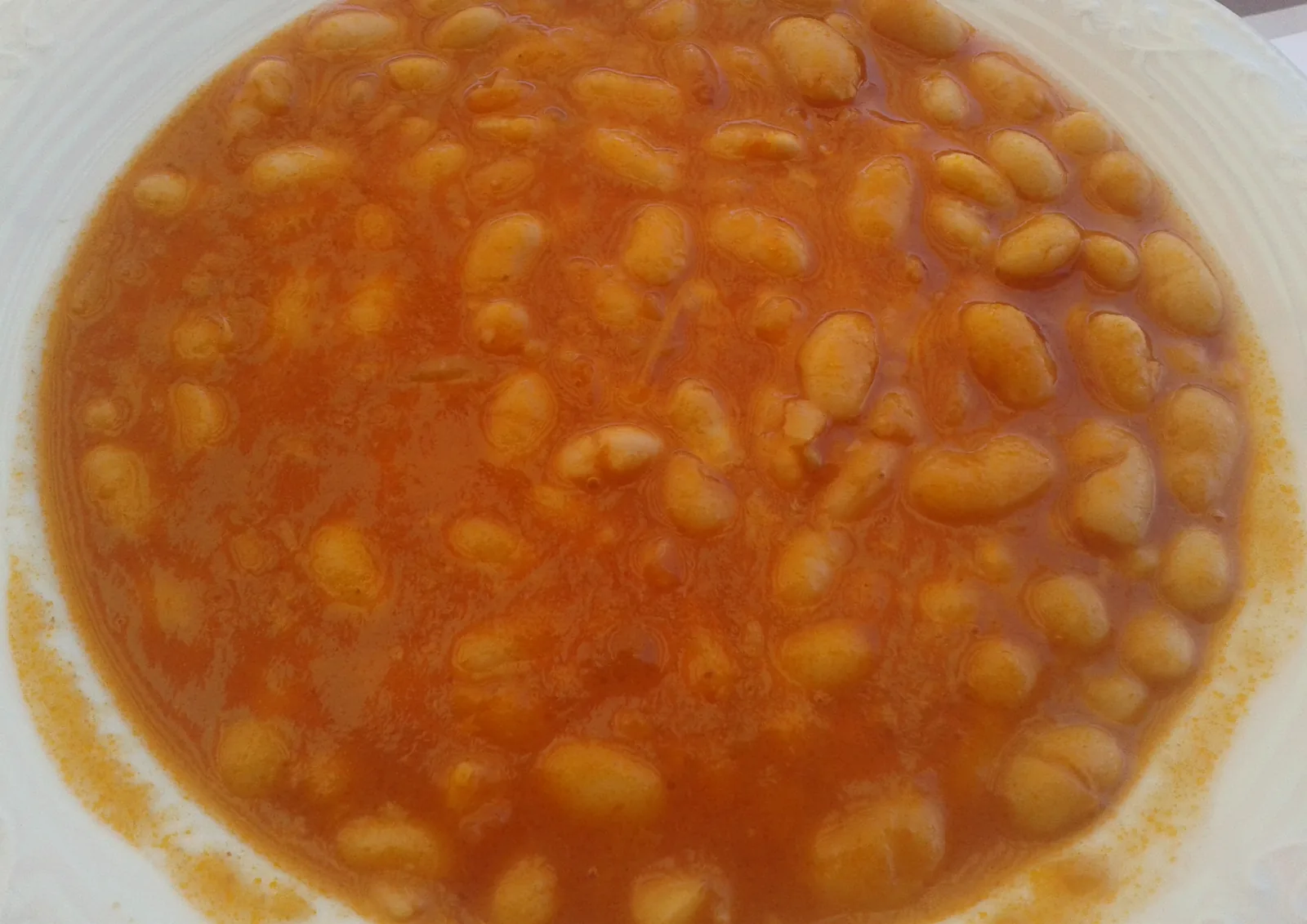
Lebanese fasoulia is a slow-simmered stew of white beans and potatoes in a lemony tomato sauce, scented with cumin, coriander and garlic. It is the kind of one-pot dinner Lebanese families ladle over vermicelli rice on a weeknight — hearty, cheap and completely plant-based. One serving is about 470 g.

Fasoulia belongs to the white-bean stews cooked across the Levant, a tradition built on the beans, tomatoes and olive oil of the eastern Mediterranean. In Lebanon it is everyday home cooking rather than restaurant food: dried beans simmered with tomato, garlic and spices, ladled over rice — fasolia wa roz, beans with rice. The potato version, fasoulia bil batata, is the one many Lebanese families make when they want the pot to stretch a little further.

Pairs well with: Vermicelli rice, pickled cucumbers and warm pita bread

Provenance

Lebanon flag Lebanon

Lebanese Home Cooking

Middle Eastern

Time Dedication

1h 40m

20m prep • 80m cook

Batch Yield

4 Servings

455 kcal per serving

1 serving ≈ 470 g

Technical Skill

Easy

Easy (One Pot)

Meal Timing & Digestive Fit

Breakfast

Not Advised

Lunch

Hearty Midday Main

Dinner

Ideal Hearty Main

Snack & Tea

Inappropriate

Occasions: Weeknight dinners, family dinners, Ramadan iftar, vegan dinners, budget meals Cost: Low — about $2–3 per serving at home
A white bowl of white beans stewed in a rich red tomato sauce

Lebanese Home Cooking

Photo: E4024, CC BY-SA 4.0, via Wikimedia Commons

The Heritage Formulary

Measured Ingredients

Estimated cost: Low — about $2–3 per serving at home (USD)

Real fasoulia is simmered low and slow from dried beans until creamy, with the potatoes cooked in the sauce so they soak up the tomato and lemon — never rushed, and made with water and olive oil, never meat stock, in the vegan version.

Execution Methodology & Culinary Technique

Step-by-Step Cooking Guide

Active 1h 40m
P

Prep Stage: Soak Overnight

8-12 Hours (overnight, hands-off)

Rinse the dried white beans, pick out any stones or broken beans, and cover with plenty of cold water. Leave to soak overnight, 8-12 hours. The beans will roughly double in size. Drain and rinse before cooking. This soak is hands-off time on top of the 20 minutes of active preparation.

Maestro Tip: If you forgot to soak, use two 400 g cans of cannellini beans, drained and rinsed, and skip straight to step 3 — add the canned beans at step 4 and simmer for 15 minutes instead of 20.

  1. 1

    Soak the Beans

    8-12 Hours (overnight) Room temperature

    Rinse 300 g dried white beans, pick out any stones, and cover with plenty of cold water in a large bowl. Leave overnight. Drain and rinse the soaked beans the next morning.

    The beans should look plump with split skins; if any still look shrunken, soak for another couple of hours.

    Done when: Beans plump, roughly doubled in size, skins loosening.

  2. 2

    Simmer the Beans Until Almost Tender

    40 Mins Gentle simmer, about 95 °C (200 °F)

    Put the drained beans in a heavy pot with 1.5 litres of fresh water. Bring to a boil over medium-high heat, skim off any foam, then turn down to the gentlest simmer, cover with the lid ajar, and cook for about 40 minutes until the beans are almost tender but still hold their shape. Drain and set aside.

    Do not salt the water — salt added now toughens the skins and stretches the cooking time. Keep the heat low; a hard boil bursts the beans.

    Done when: A bean crushes with firm pressure but is not yet fully soft; it will finish cooking in the sauce.

  3. 3

    Build the Tomato Sauce with Potatoes

    15 Mins Medium heat, about 160 °C (320 °F)

    Warm 3 tablespoons of olive oil in a wide, heavy pot over medium heat. Add the diced onion and cook for 5 minutes until soft and golden at the edges. Stir in the crushed garlic, cumin and coriander and cook for 1 minute until fragrant. Add the tomato paste and cook for 1-2 minutes until it darkens a shade, then add the grated tomatoes, the diced potatoes, the salt and 400 ml of water. Bring to a simmer.

    Cooking the tomato paste for a minute before the tomatoes go in takes away its raw, sharp edge and gives the sauce its deep red colour.

    Done when: Onion soft and golden, tomato paste darkened, sauce bubbling gently.

  4. 4

    Combine and Simmer

    20 Mins Gentle simmer, about 95 °C (200 °F)

    Add the drained beans to the sauce and stir gently. Turn the heat down to a gentle simmer, cover with the lid ajar, and cook for about 20 minutes until the potatoes are completely tender and the sauce has thickened enough to coat the beans. Stir once or twice so nothing catches on the bottom.

    If the sauce looks too thick before the potatoes are done, add a splash of hot water; if it looks too thin at the end, simmer uncovered for 5 more minutes.

    Done when: Potatoes break apart easily with a fork; beans creamy inside; sauce thick, not watery.

  5. 5

    Finish with Lemon and Parsley

    5 Mins Serve hot, above 60 °C (140 °F)

    Take the pot off the heat and stir in the lemon juice and half the chopped parsley. Rest for 5 minutes, then ladle into wide bowls, scatter the remaining parsley over the top, and serve hot with vermicelli rice.

    The lemon goes in off the heat so its brightness stays fresh — cooked lemon turns flat and bitter.

    Done when: Bright, lemony aroma; glossy sauce; steaming and ready to serve.

Finishing Touches & Plating

Taste once more before serving — the balance should be bright from the lemon, warm from the cumin and rich from the olive oil. Add a pinch more salt or another squeeze of lemon if either is shy.

Nutritional Physiology & Benefits

Nutrition

Energy

455

kcal / serving

Protein

22g

Complete AA

Carbs

71g

Complex

Fats

12g

Healthy

Per serving (4 servings · 1 serving ≈ 470 g)
Energy455 kcal
Protein22 g
Carbohydrates71 g
Fat12 g
Fibre15.9 g
Sugar7.3 g
Sodium517 mg
Per 100g
Energy97 kcal
Protein4.6 g
Carbohydrates15 g
Fat2.5 g
Fibre3.4 g
Sugar1.6 g
Sodium110 mg

Nutrition values are estimated — calculated from USDA FoodData Central values for the listed ingredients.

Vitamins & minerals: Folate and iron (white beans), vitamin C (tomato and lemon juice), vitamin K (parsley), potassium and magnesium (beans, potato and tomato). Nutrition is estimated.

Plant Protein That Keeps You Full

One serving gives 21.5 g of protein and 15.9 g of fibre from the beans and potatoes, which is why this stew keeps you full long after dinner.

Fibre for Steady Digestion

White beans and potatoes are naturally high in fibre, which supports regular digestion and slows how fast the meal's energy is released.

Iron and Folate, No Meat Needed

White beans provide folate and iron, while the tomato and lemon juice add vitamin C, which helps the body absorb the iron from the beans.

Food Pairings

What to Eat With

To optimize nutrient absorption and elevate the sensory depth, pair with these authentic accompaniments:

Sides

Vermicelli Rice

Fasoulia is almost always served with rice in Lebanon — the grains soak up the tomato sauce, and the vermicelli adds a gentle toasted flavour that suits the cumin.

Warm Pita Bread

Soft, warm pita is the second spoon for this stew — tear it and scoop, so none of the sauce is left in the bowl.

Vegetables

Pickled Cucumbers

A small handful of sharp, crunchy pickled cucumbers cuts through the rich beans and resets the palate between spoonfuls, which is why pickles appear on most Lebanese dinner tables.

Drinks

Sweet Mint Tea

Hot, sweet mint tea is the traditional finish — its warmth and sweetness balance the garlic and lemon in the stew.

Complete menu

Lebanese fasoulia ladled over vermicelli rice with pickled cucumbers and warm pita bread, finished with sweet mint tea — a complete Lebanese weeknight dinner.

Digestive Guardrails

What NOT to Combine

To prevent digestive distress, sluggishness, or palate clash, avoid pairing the dish with these elements:

Beans That Are Still Hard

Dried beans must be soaked and cooked until completely soft. Undercooked beans still contain natural lectins that can cause stomach cramps, nausea and diarrhoea, and thorough cooking is what destroys them. Never serve the stew while the beans or potatoes are still hard in the middle. This is general information, not medical advice; ask your clinician if you are unsure.

A Large Pile of Very Salty Pickles

The stew already carries about 517 mg of sodium per serving; a large pile of very salty pickles pushes the salt load much higher in one meal, so keep pickles to a small handful.

Heavy Fried Foods Alongside

Fasoulia is already rich with olive oil and potatoes; adding heavy fried foods on the same plate makes the meal very heavy in fat and slow to digest, so keep the sides fresh and light.

General information only, not medical advice — consult a doctor for personal dietary decisions.

Who Should Eat It

Who Should Eat

  • General adultsAn excellent everyday dinner — filling, cheap and high in fibre and plant protein, with 21.5 g of protein per serving.
  • ChildrenSoft beans and potatoes make it easy for children to eat; mash the potatoes a little for younger children and keep the lemon gentle. A good family dinner, served with rice.
  • ElderlySoft, easy to chew and rich in fibre and folate; a good choice, but watch the salt if blood pressure is a concern.
  • Pregnant womenA good source of folate and iron; make sure the beans are fully cooked and the stew is served piping hot.
  • Breastfeeding womenFine in normal portions; the protein, iron and fibre support recovery. Keep the garlic moderate if your baby seems sensitive to strong flavours in milk.
  • AthletesA strong recovery dinner: 21.5 g of protein and 70.6 g of carbohydrates per serving, plus rice on the side for more energy.
  • Weight gainAdd an extra drizzle of olive oil and a second helping of vermicelli rice — the stew takes extra calories happily.
  • Weight lossKeep the portion to one serving and go lighter on the olive oil and rice; the 15.9 g of fibre still keeps you full for hours.

Health Conditions — Adjust or Avoid

Conditions

  • DiabetesBeans and potatoes release energy slowly, but one serving still carries 70.6 g of carbohydrates — keep the portion as listed and go easy on the rice. Ask your clinician about portion sizes for you.
  • High blood pressureHold back on added salt and on salty pickles alongside; the lemon, garlic and cumin carry the flavour without salt. Ask your clinician if you are unsure about sodium.
  • Kidney diseaseWhite beans and potatoes are high in potassium and protein, so portions matter if you follow a restricted diet. Ask your clinician before making this a regular meal.
  • GoutBeans contain moderate amounts of purines; an occasional serving is usually fine, but frequent large portions may raise uric acid. Ask your clinician if you have gout.
  • Stomach issuesBeans can cause gas and bloating; the overnight soak and thorough cooking help, and eating slowly with rice rather than on an empty stomach is gentler. Ask your clinician if symptoms persist.
  • Cardiovascular diseaseThe olive oil and fibre fit a heart-friendly pattern; keep the oil to the amount listed and skip extra salty sides. Ask your clinician about your overall diet.
  • Fatty liverA modest portion with plenty of vegetables and less rice keeps the energy in check; the dish itself is low in saturated fat. Ask your clinician for personal guidance.
  • Food allergiesContains legumes (white beans). People with a legume allergy should avoid it. If you have an allergy, ask your clinician before trying it.
  • Special therapeutic dietsIf you follow a prescribed low-potassium, low-protein or low-purine diet, keep the portion small and check with your clinician first.

If you have a medical condition, consult your doctor before changing your diet.

Storage & Use

Storage & Use

How to store
Cool within 2 hours and store in an airtight container; keep the parsley separate.
In the fridge
Cooked fasoulia keeps 3-4 days in the fridge.
In the freezer
Up to 3 months, without the fresh parsley.
How to reheat
Reheat gently in a pan over low heat with a splash of water until it reaches 74 °C (165 °F) throughout; stir in fresh lemon juice after reheating. Do not reheat more than once.
Freezing recommended
Yes — up to 3 months; freeze the stew only, and add fresh parsley after reheating.
Signs it has spoiled
Sour smell, slimy surface, or mould.

More recipes to explore

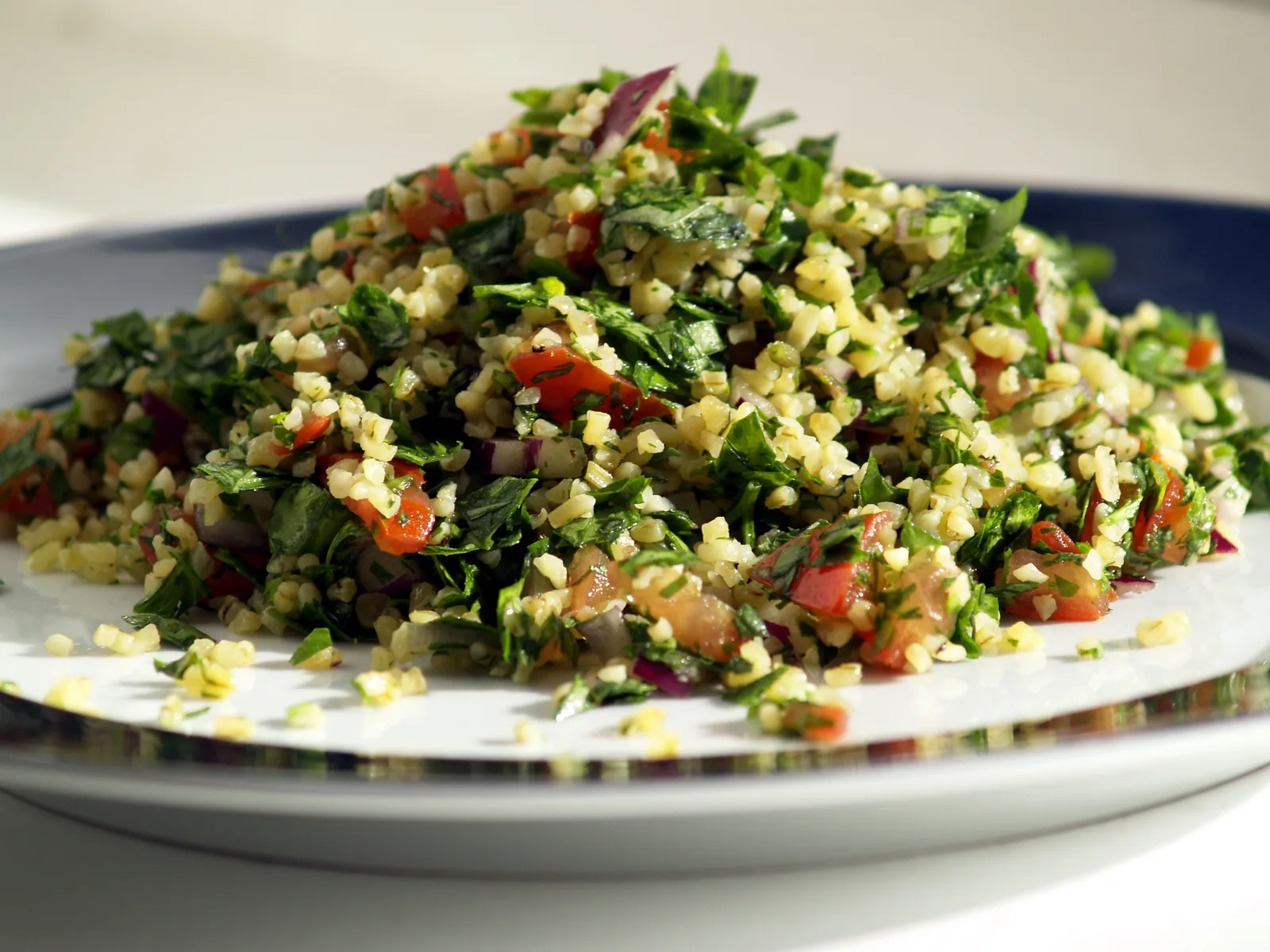
A plate of fresh Lebanese tabbouleh with chopped parsley, tomato and bulgur Lebanon flag Lebanon 25m
Lunch •Levantine Mezze Classic

Lebanese Tabbouleh

Tabbouleh is Lebanon's bright green parsley salad, where the herbs lead and fine bulgur plays a supporting role. Diced tomato, green onion and mint are tossed in lemon juice and olive oil for a fresh, lemony bite that wakes up any mezze table. One serving is about 216 g.

Light & Fresh

Mostly fresh parsley and tomato with a little bulgur, dressed in lemon and olive oil.

Pairs Well With
Warm pita bread, hummus and grilled halloumi
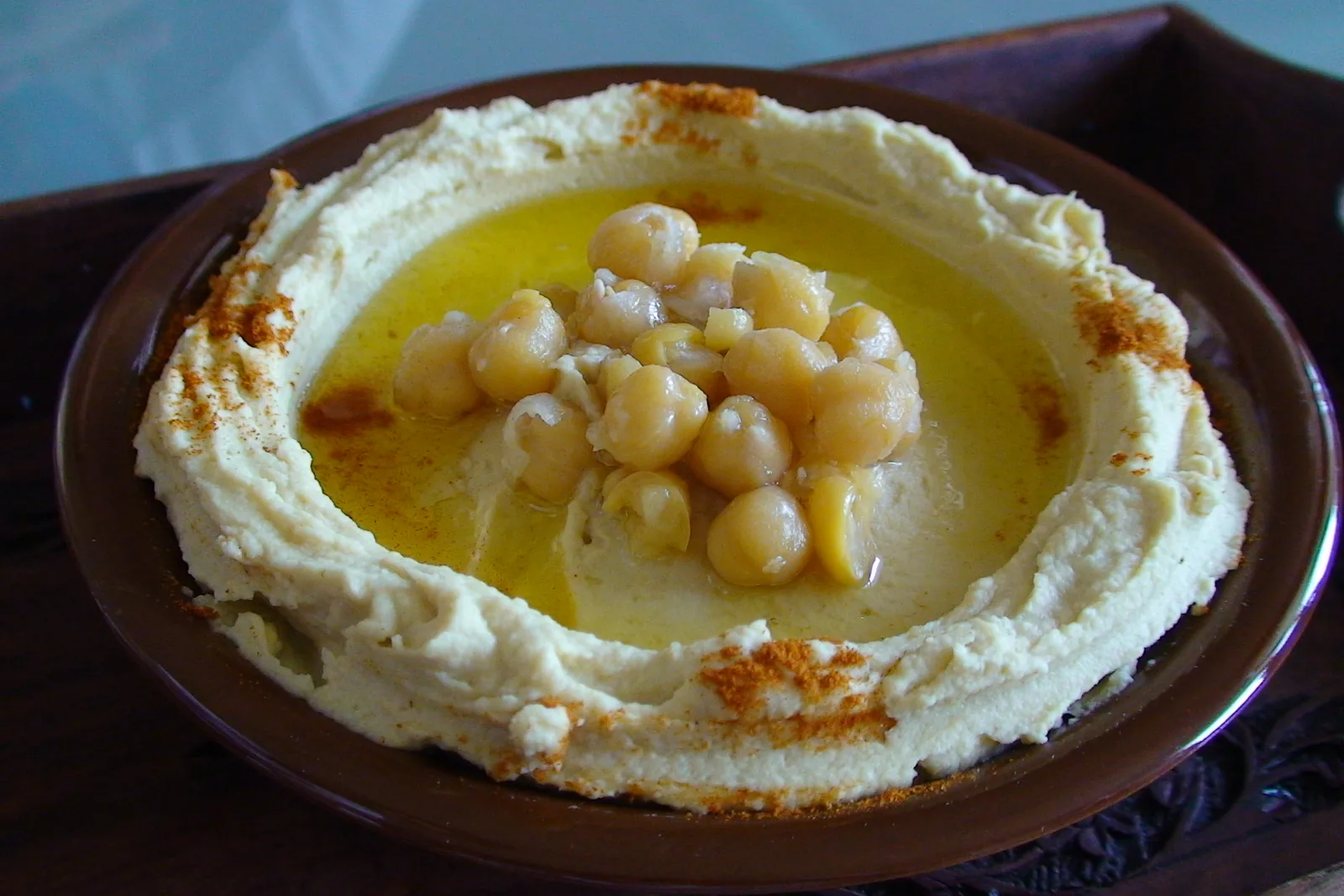
A bowl of cold Lebanese hummus with olive oil, whole chickpeas, paprika and parsley Lebanon flag Lebanon 1h 5m
Snack & Tea •Beirut Mezze Classic

Lebanese Hummus

Lebanese hummus is a cold, silky chickpea and tahini dip, lemon-forward with garlic and a pool of olive oil, topped with pine nuts and parsley. It is served chilled or at room temperature as part of a mezze spread, scooped up with warm pita — never served warm as a main plate. One serving is about 110 g.

Plant Protein Snack

Chickpeas and tahini blended into a smooth dip, with lemon, garlic and olive oil.

Pairs Well With
Warm pita bread, tabbouleh and olives
Quick Prep (<30m)
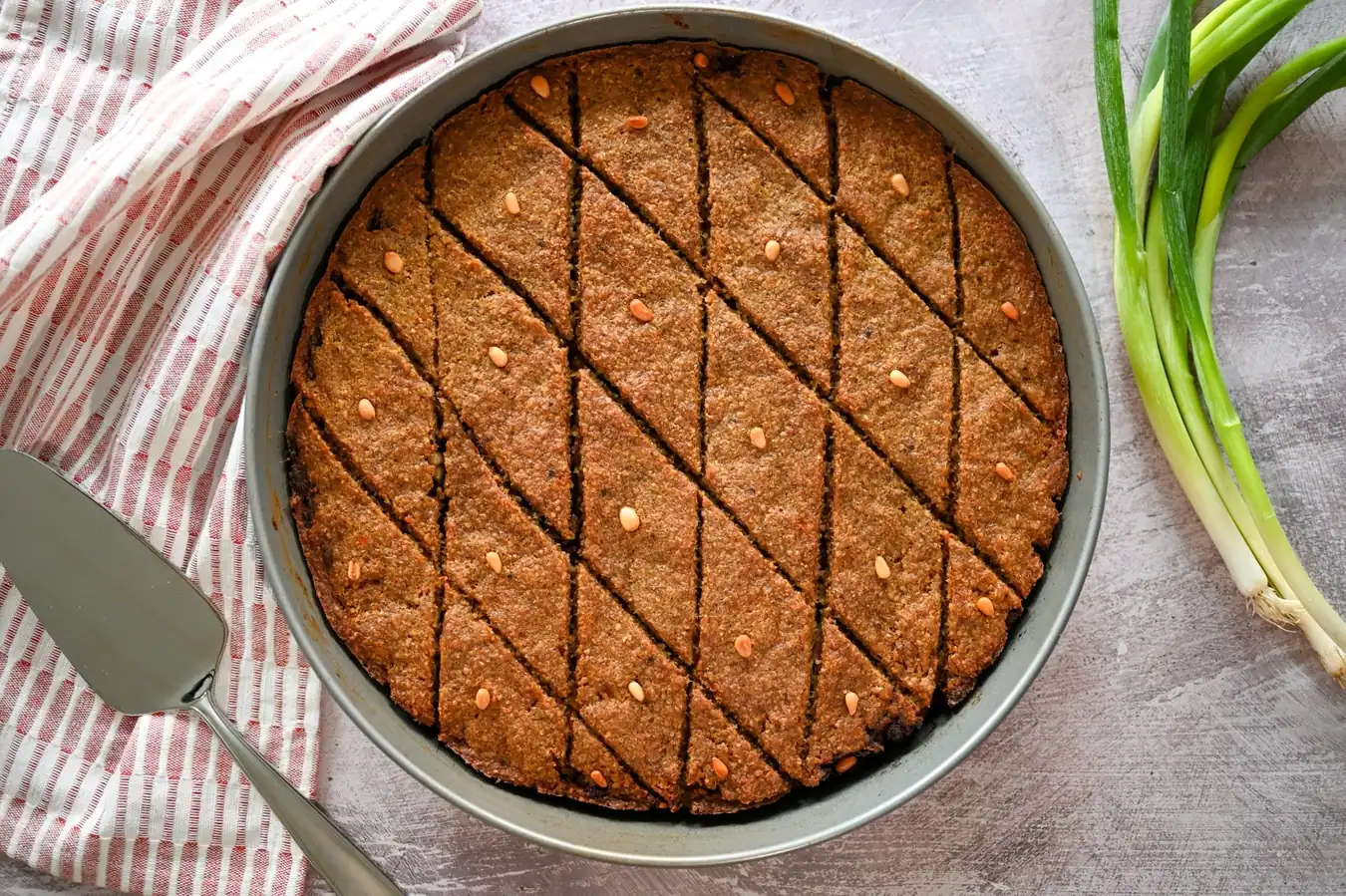
A baked tray of Lebanese kibbeh bil-saniyeh, scored into diamonds with pine nuts Lebanon flag Lebanon 1h 25m
Dinner •Lebanon's National Dish

Lebanese Kibbeh

Kibbeh bil-saniyeh is Lebanon's baked tray kibbeh: two layers of bulgur and lean beef sandwiching a spiced beef and pine-nut filling, scored into diamonds and baked until golden and crisp at the edges. It is the tray-baked form of Lebanon's national dish, made for sharing at the family table. One serving is about 202 g.

Hearty Family Dinner

Layers of bulgur and lean beef around a spiced pine-nut filling, baked until golden.

Pairs Well With
Yogurt, tabbouleh and warm pita bread
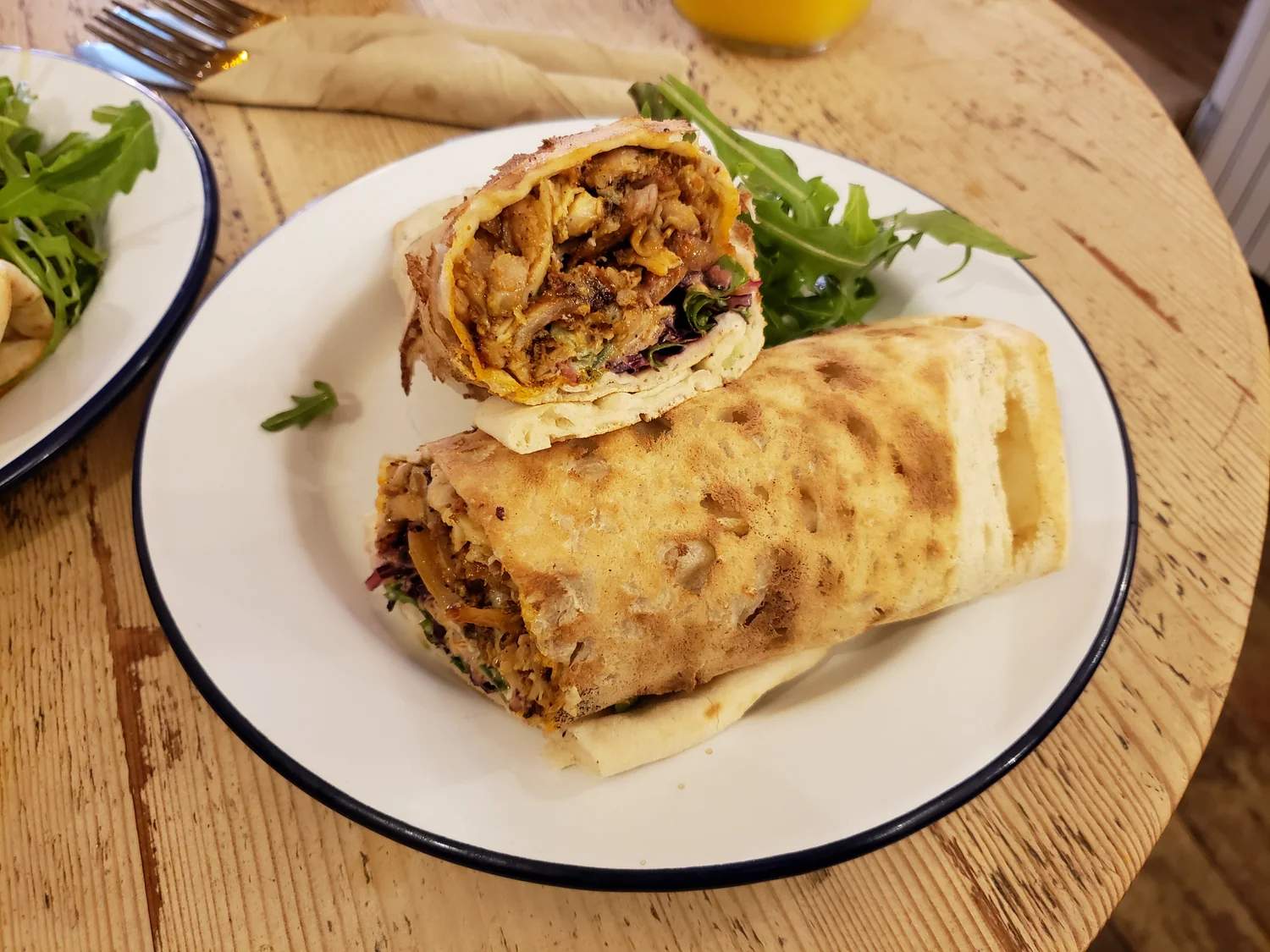
A sliced chicken shawarma wrap in toasted lavash showing spiced chicken, with rocket salad on a white plate Lebanon flag Lebanon 50m
Dinner •Beirut Street-Food Heritage

Lebanese Chicken Shawarma

This lebanese chicken shawarma recipe marinates boneless chicken thighs in yogurt, lemon, garlic and seven warm spices, then grills them until charred at the edges and slices them thin for rolling in soft Lebanese pita with toum, the whipped garlic sauce that defines the Lebanese version. Pickled turnips, dill pickles, tomato and parsley give every bite its sharp, fresh contrast. One serving is about 379 g.

High-Protein & Satisfying

Spice-marinated chicken thighs grilled and rolled in warm pita with toum, pickles and tomato — the Beirut street-food classic, made at home.

Pairs Well With
Toum, pickled turnips & fries
High Protein

The Dinner Gazette

Never wonder what’s for dinner again

One email a week with easy dinner ideas from around the world — ingredients, steps and nutrition, tested in our kitchen first.

Delivered every Thursday morning. Unsubscribe anytime.