Curated recipes from 193 countries  •  New seasonal Mediterranean issue out now

Overview

Lebanese Kaak

Kaak; Lebanese Sesame Bread Rings; Kaak el Beirut

Lebanese kaak is Beirut's street-corner sesame bread: hand-shaped rings rolled in toasted sesame, baked until the crust crackles and the inside stays soft and chewy. Vendors sell them warm from bicycle carts, usually with cheese or za'atar tucked inside. One serving is one ring, about 111 g.

Kaak is the Levant's street bread: sesame-coated rings sold warm by vendors across Beirut, Jerusalem and Amman, where they are eaten on the move, split and filled with cheese or za'atar. The ring shape is practical — it stacks on a vendor's pole and tears easily — and the sesame crust is what sets kaak apart from a plain bread ring. Lebanese bakers keep the crumb soft and the crust thin and crisp, so the bread is as good hours later as it is from the oven.

Pairs well with: Serve warm, split open and filled with white cheese, or with a bowl of labneh and olives.

Provenance

Lebanon flag Lebanon

Beirut Street Bread

Middle Eastern

Time Dedication

1h 55m

90m prep • 25m cook

Batch Yield

8 Servings

324 kcal per serving

1 serving ≈ 111 g

Technical Skill

Intermediate

Medium (Shaped by Hand)

Meal Timing & Digestive Fit

Breakfast

Not Advised

Lunch

Inappropriate

Dinner

Inappropriate

Snack & Tea

Ideal Light Bite

Occasions: Afternoon snack, school lunchbox, picnic bread, breakfast with cheese Cost: Low — about $1 per serving at home
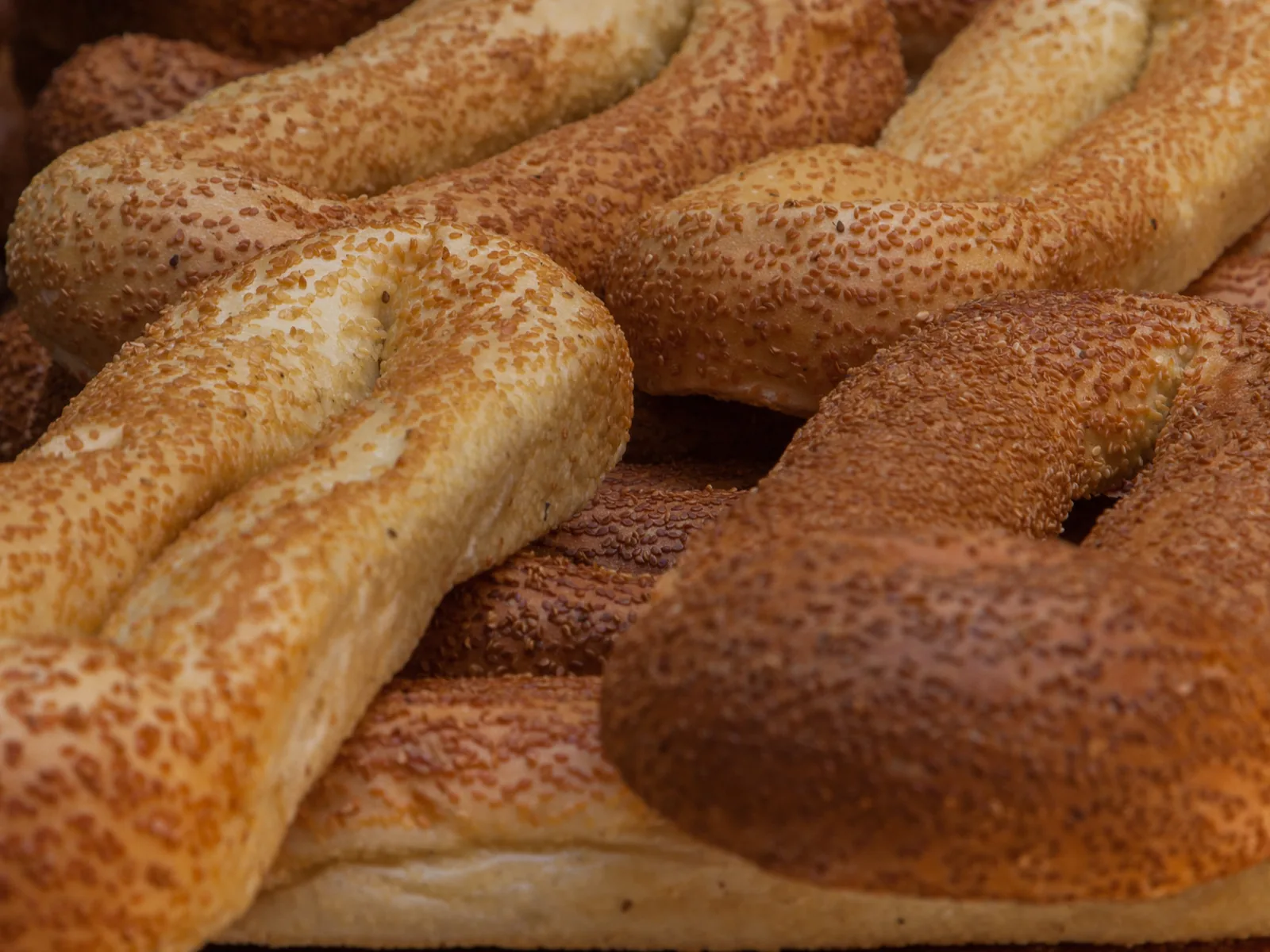
A pile of golden sesame-coated kaak rings, crisp and freshly baked.

Beirut Street Bread

Photo: Xavier Gillet, CC BY 2.0, via Wikimedia Commons

The Heritage Formulary

Measured Ingredients

Estimated cost: Low — about $1 per serving at home (USD)

The rings are rolled in sesame before baking, never after, so the seeds toast onto the crust.

Execution Methodology & Culinary Technique

Step-by-Step Cooking Guide

Active 1h 55m
P

Prep Stage: Dough Mixed, Risen and Shaped Into Rings

90 Mins • Mixing & Shaping

Bloom the yeast in warm water with sugar, then knead with the flour, salt and olive oil until smooth and elastic. Leave the dough to rise for 60 minutes until doubled, then divide into 8 pieces, roll each into a rope and join into a ring. Brush with the egg and honey wash and roll in toasted sesame.

Maestro Tip: A soft, slightly tacky dough makes the best rings — resist adding extra flour while kneading.

  1. 1

    Bloom the Yeast

    10 Mins • Hands On Warm water, about 35°C (95°F)

    Stir the sugar into the warm water, sprinkle the yeast over the top and leave it for 5–10 minutes until it foams. If nothing happens, the yeast is dead — start again with fresh yeast, because flat kaak never recovers in the oven.

    Water hotter than 43°C (110°F) kills yeast; test it on your wrist like a baby's bottle.

    Done when: A thick, foamy cap covers the surface of the water.

  2. 2

    Knead the Dough

    10 Mins • Hands On No heat

    Mix the flour and salt in a large bowl, pour in the yeast water and the olive oil, and stir until a shaggy dough forms. Turn it onto the bench and knead for 8–10 minutes until smooth, elastic and slightly tacky — it should spring back when poked.

    Knead by pushing the dough away with your palms, folding it back and turning it a quarter turn each time.

    Done when: The dough is smooth, springs back when poked, and passes the windowpane test.

  3. 3

    First Rise

    60 Mins • Resting Warm room, about 25°C (77°F)

    Shape the dough into a ball, oil the bowl lightly, cover with a damp cloth and leave in a warm spot for about 60 minutes until doubled in size. A cold kitchen slows the rise — put the bowl in an oven with only the light on.

    Press a fingertip into the dough: if the dent stays, the rise is done; if it springs back, give it more time.

    Done when: The dough has doubled and holds a fingertip dent.

  4. 4

    Shape the Rings

    15 Mins • Hands On No heat

    Punch the dough down gently and divide it into 8 equal pieces. Roll each piece into a rope about 30 cm long, then loop it into a ring and pinch the ends together firmly. If a ring looks lopsided, roll it again — an even rope bakes into an even ring.

    Roll with flat palms from the centre outward so the rope stays the same thickness along its length.

    Done when: Eight even rings, each joined firmly with no gap at the seam.

  5. 5

    Coat With Sesame

    5 Mins • Hands On No heat

    Brush each ring all over with the egg and honey wash, then roll it in the toasted sesame seeds, pressing gently so they stick. Set the rings on a lined baking tray with space between them and leave for 10 minutes while the oven heats.

    Wash first, seeds second — sesame sprinkled on dry dough falls off in the oven.

    Done when: Every ring is evenly coated with sesame, top and sides.

  6. 6

    Bake Until Golden

    25 Mins • Hands On Oven at 200°C (400°F)

    Bake at 200°C (400°F) for 20–25 minutes until the rings are deep golden and the sesame smells toasty. Tap the bottom of one ring: it should sound hollow. Cool on a rack for 10 minutes before eating so the crust sets crisp.

    If the tops brown too fast, cover loosely with foil for the last 5 minutes.

    Done when: Deep golden crust, hollow tap, sesame toasted and fragrant.

Finishing Touches & Plating

Cool the rings on a rack for 10 minutes so the crust stays crisp, then eat warm — split one open and tuck in cheese, za'atar or a smear of labneh.

Nutritional Physiology & Benefits

Nutrition

Energy

324

kcal / serving

Protein

9g

Complete AA

Carbs

52g

Complex

Fats

9g

Healthy

Per serving (8 servings · 1 serving ≈ 111 g)
Energy324 kcal
Protein9 g
Carbohydrates52 g
Fat9 g
Fibre2.8 g
Sugar2.5 g
Sodium496 mg
Per 100g
Energy291 kcal
Protein8 g
Carbohydrates46.8 g
Fat7.9 g
Fibre2.5 g
Sugar2.3 g
Sodium446 mg

Nutrition values are estimated — calculated from USDA FoodData Central values for the listed ingredients.

Vitamins & minerals: B vitamins and iron (flour), calcium and magnesium (sesame seeds), vitamin E (olive oil).

Sesame Brings Minerals

The sesame coating adds calcium, magnesium and iron to a simple bread, along with the nutty flavour that makes kaak distinctive.

Steady Energy

One ring supplies about 324 kcal, mostly from slow-digesting bread starch, so it keeps you going between meals without a sugar crash.

Simple, Short Ingredient List

Flour, water, yeast, salt, oil and sesame — no preservatives or additives, and nothing you cannot pronounce.

Food Pairings

What to Eat With

To optimize nutrient absorption and elevate the sensory depth, pair with these authentic accompaniments:

Sides

Halloumi and Tomato

Salty grilled halloumi and fresh tomato tucked inside a warm ring turn a snack into a small meal — the salt and acid balance the bread's mild sweetness.

Labneh and Olives

Cool, tangy labneh and briny olives are the classic Beirut accompaniment; the creamy dip softens the crisp crust beautifully.

Drinks

Mint Tea

Hot mint tea cuts through the sesame's richness and is the drink vendors serve alongside kaak all day.

Vegetables

Za'atar and Olive Oil

A small dish of za'atar mixed with olive oil for dipping gives the plain rings a herbal, savoury lift with almost no extra work.

Complete menu

Start with a small fattoush, follow with warm kaak filled with halloumi and tomato, and finish with fresh fruit and mint tea.

Digestive Guardrails

What NOT to Combine

To prevent digestive distress, sluggishness, or palate clash, avoid pairing the dish with these elements:

Sesame and Gluten Allergies

This bread contains wheat gluten and a sesame coating — both are major allergens. Do not serve it to anyone with a sesame or wheat allergy. This is general food information, not medical advice.

Stale Rings Go Hard, Not Bad

Kaak dries out quickly once baked; a day-old ring is safe to eat but tough. Warm it in the oven for a few minutes to revive it rather than eating it rock-hard. This is general food information, not medical advice.

General information only, not medical advice — consult a doctor for personal dietary decisions.

Who Should Eat It

Who Should Eat

  • General adultsA satisfying snack — one ring is about 324 kcal with good staying power.
  • ChildrenA lunchbox favourite: mild, chewy and fun to eat as a ring, but watch the sesame if a nut or seed allergy is suspected.
  • ElderlySoft inside and easy to chew once split; serve warm and avoid the very crusty ends if chewing is difficult.
  • Pregnant womenA plain, gentle snack that suits queasy days; the egg wash is fully baked through.
  • Breastfeeding womenA handy one-handed snack with steady energy; sesame adds useful minerals.
  • AthletesGood pre-workout carbohydrate — eat one ring an hour or two before training, ideally with cheese for protein.
  • Weight gainEnergy-dense for its size, especially filled with cheese — an easy way to add calories.
  • Weight lossFilling for a snack, but one ring is a portion; the sesame and oil add up, so skip the butter filling.

Health Conditions — Adjust or Avoid

Conditions

  • DiabetesAbout 52 g of carbohydrate per ring — a full portion for many people with diabetes; consider half a ring and ask your clinician about portion size.
  • High blood pressureSodium is about 496 mg per ring, mostly from the salt in the dough — keep to one ring and ask your clinician if salt is a concern.
  • Kidney diseaseSesame and wheat both add potassium and phosphorus; people with kidney disease should ask their clinician about portion size.
  • GoutBread and sesame are low in purines, so this is a gentle choice, but anyone managing gout should ask their clinician.
  • Stomach issuesFresh warm bread can feel heavy on a sensitive stomach; eat it cooled slightly and in a small portion, and ask your clinician if symptoms persist.
  • Cardiovascular diseaseThe fat is mostly unsaturated from olive oil and sesame, but the bread is salty — keep portions moderate and ask your clinician about overall salt intake.
  • Fatty liverA starchy snack that adds up quickly; one ring with a light filling fits better than two — ask your clinician.
  • Food allergiesContains wheat (gluten), sesame and egg — major allergens. Do not serve to anyone with a wheat, sesame or egg allergy.
  • Special therapeutic dietsThis is a general-information recipe, not a therapeutic diet. Anyone on a prescribed diet should ask their clinician or dietitian before making it a regular food.

If you have a medical condition, consult your doctor before changing your diet.

Storage & Use

Storage & Use

How to store
Cool completely, then store in a paper bag inside a sealed container.
In the fridge
Not recommended — the fridge dries bread out; keep at room temperature for up to 2 days.
In the freezer
Freeze well wrapped for up to 2 months.
How to reheat
Warm in a 180°C (350°F) oven for 5 minutes until crisp again.
Freezing recommended
Yes — freeze the same day they are baked for the best result.
Signs it has spoiled
Mould spots, a sour smell, or a rock-hard texture that does not revive in the oven — discard if any of these appear.

More recipes to explore

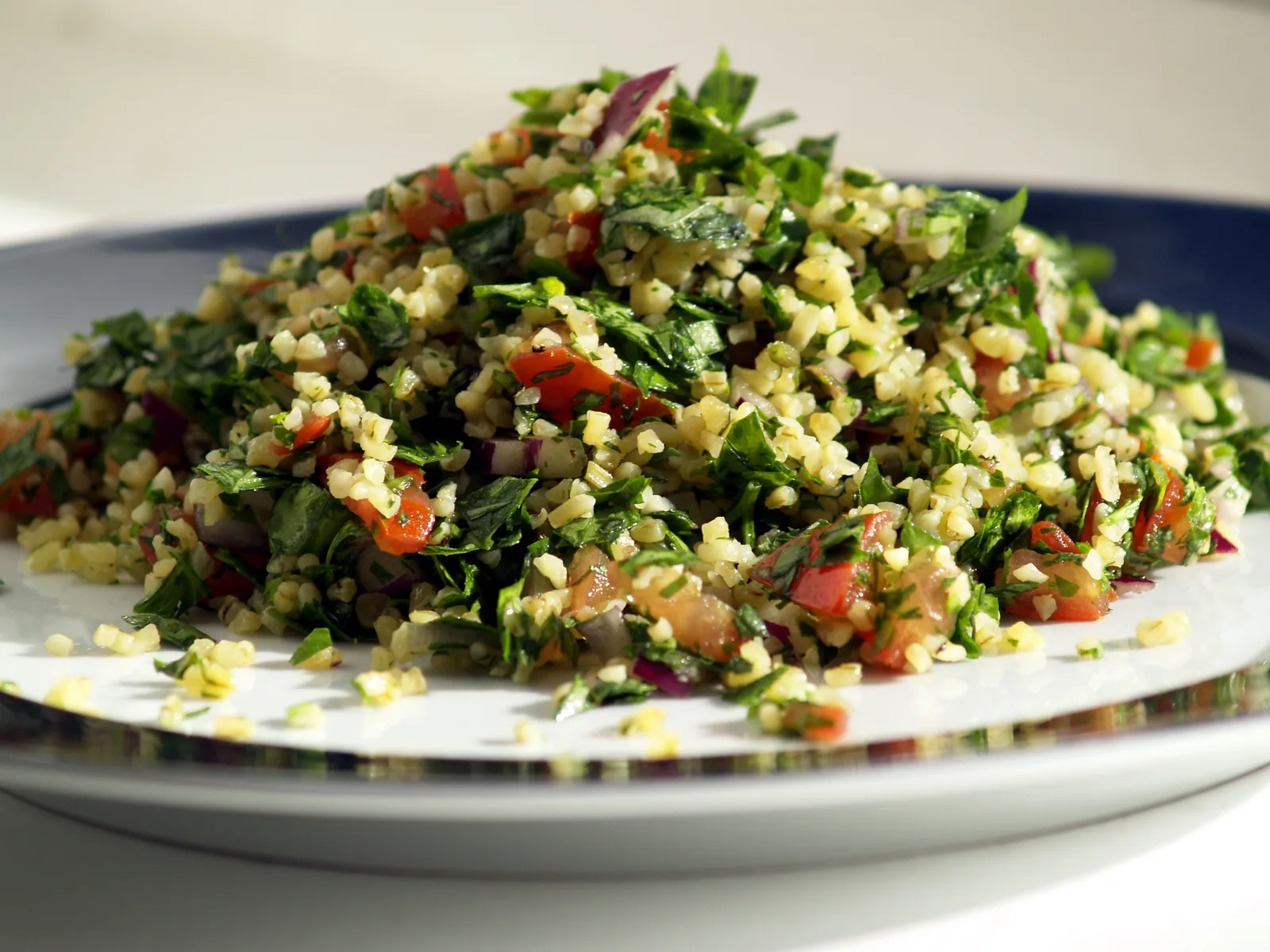
A plate of fresh Lebanese tabbouleh with chopped parsley, tomato and bulgur Lebanon flag Lebanon 25m
Lunch •Levantine Mezze Classic

Lebanese Tabbouleh

Tabbouleh is Lebanon's bright green parsley salad, where the herbs lead and fine bulgur plays a supporting role. Diced tomato, green onion and mint are tossed in lemon juice and olive oil for a fresh, lemony bite that wakes up any mezze table. One serving is about 216 g.

Light & Fresh

Mostly fresh parsley and tomato with a little bulgur, dressed in lemon and olive oil.

Pairs Well With
Warm pita bread, hummus and grilled halloumi
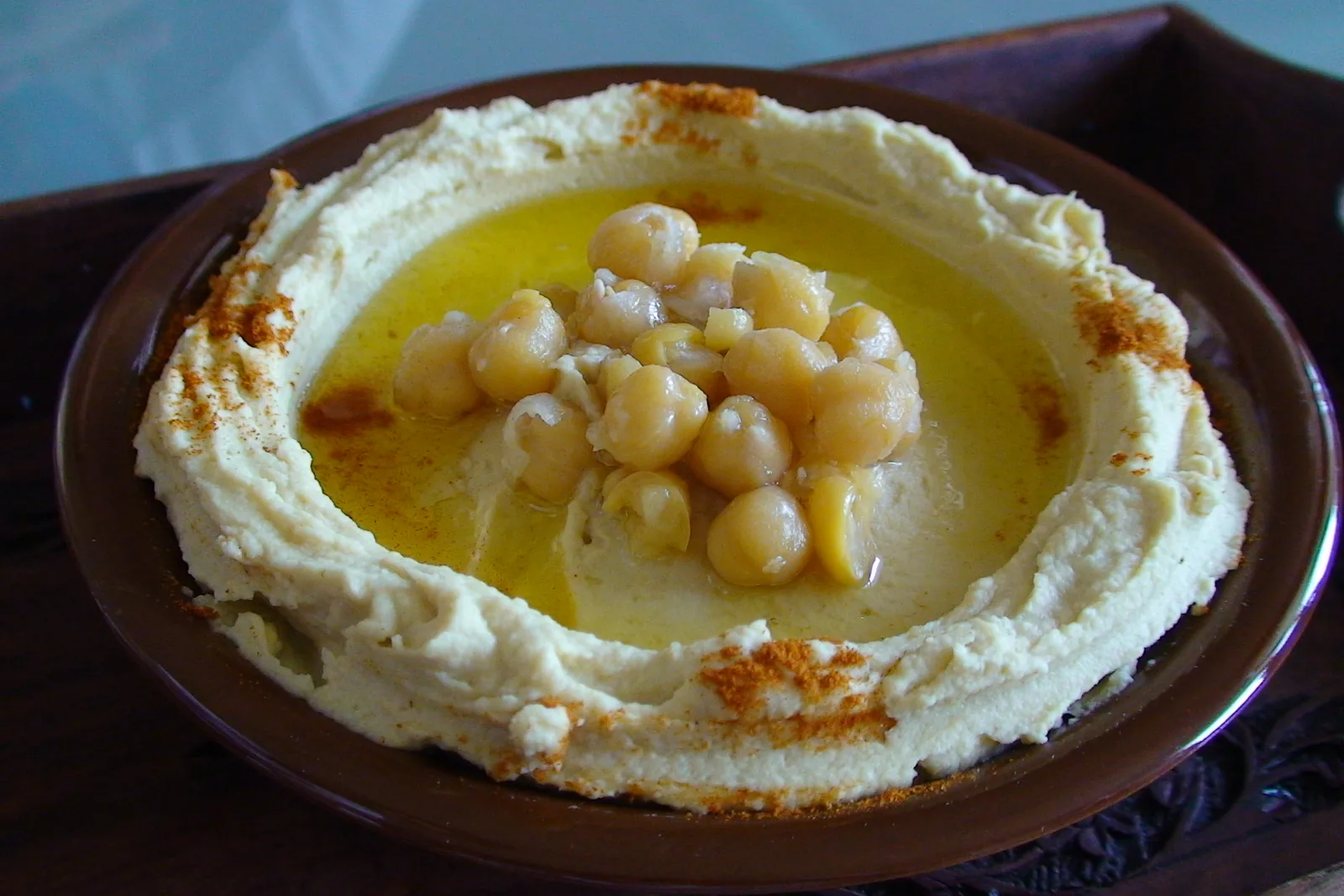
A bowl of cold Lebanese hummus with olive oil, whole chickpeas, paprika and parsley Lebanon flag Lebanon 1h 5m
Snack & Tea •Beirut Mezze Classic

Lebanese Hummus

Lebanese hummus is a cold, silky chickpea and tahini dip, lemon-forward with garlic and a pool of olive oil, topped with pine nuts and parsley. It is served chilled or at room temperature as part of a mezze spread, scooped up with warm pita — never served warm as a main plate. One serving is about 110 g.

Plant Protein Snack

Chickpeas and tahini blended into a smooth dip, with lemon, garlic and olive oil.

Pairs Well With
Warm pita bread, tabbouleh and olives
Quick Prep (<30m)
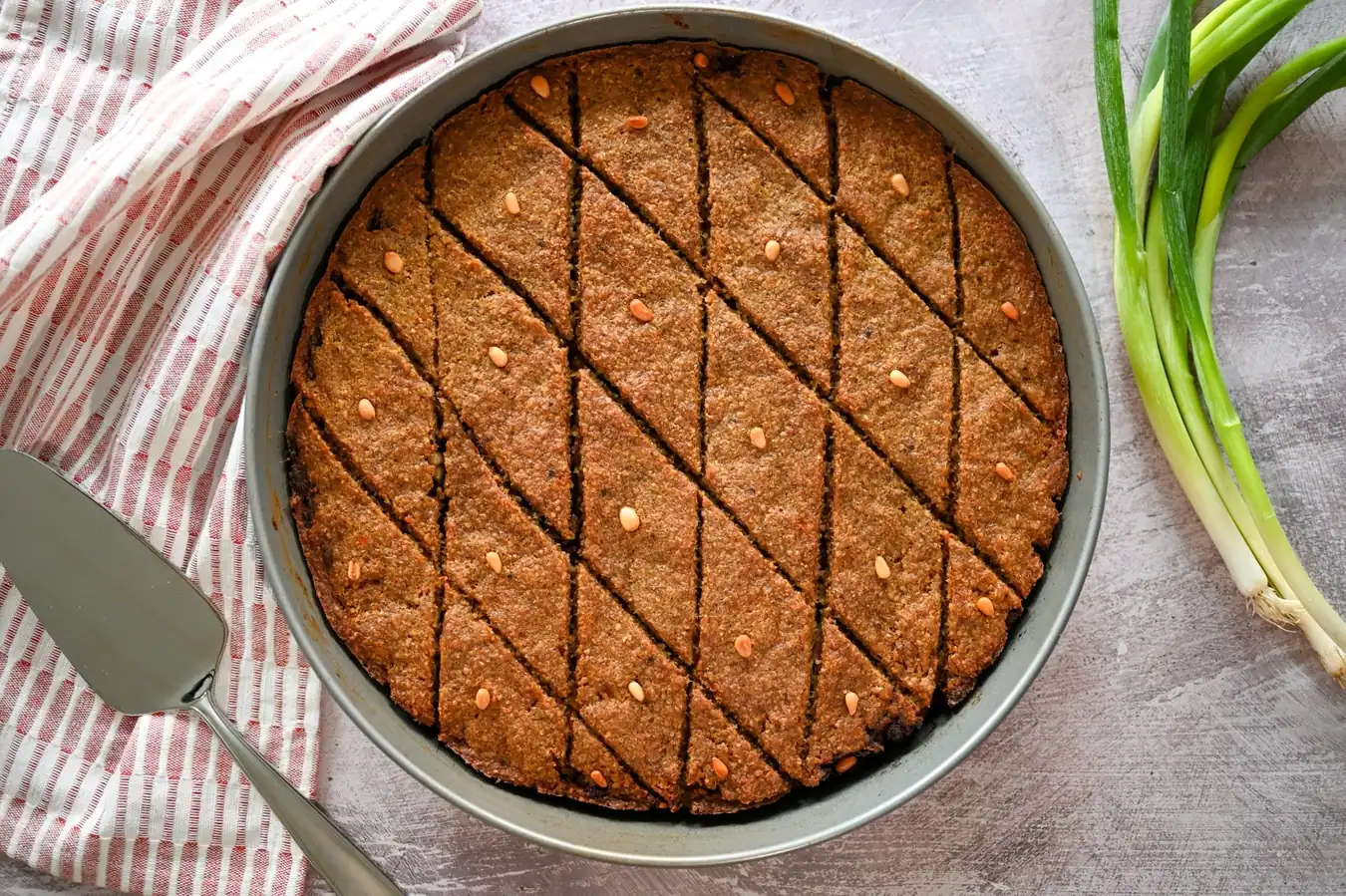
A baked tray of Lebanese kibbeh bil-saniyeh, scored into diamonds with pine nuts Lebanon flag Lebanon 1h 25m
Dinner •Lebanon's National Dish

Lebanese Kibbeh

Kibbeh bil-saniyeh is Lebanon's baked tray kibbeh: two layers of bulgur and lean beef sandwiching a spiced beef and pine-nut filling, scored into diamonds and baked until golden and crisp at the edges. It is the tray-baked form of Lebanon's national dish, made for sharing at the family table. One serving is about 202 g.

Hearty Family Dinner

Layers of bulgur and lean beef around a spiced pine-nut filling, baked until golden.

Pairs Well With
Yogurt, tabbouleh and warm pita bread
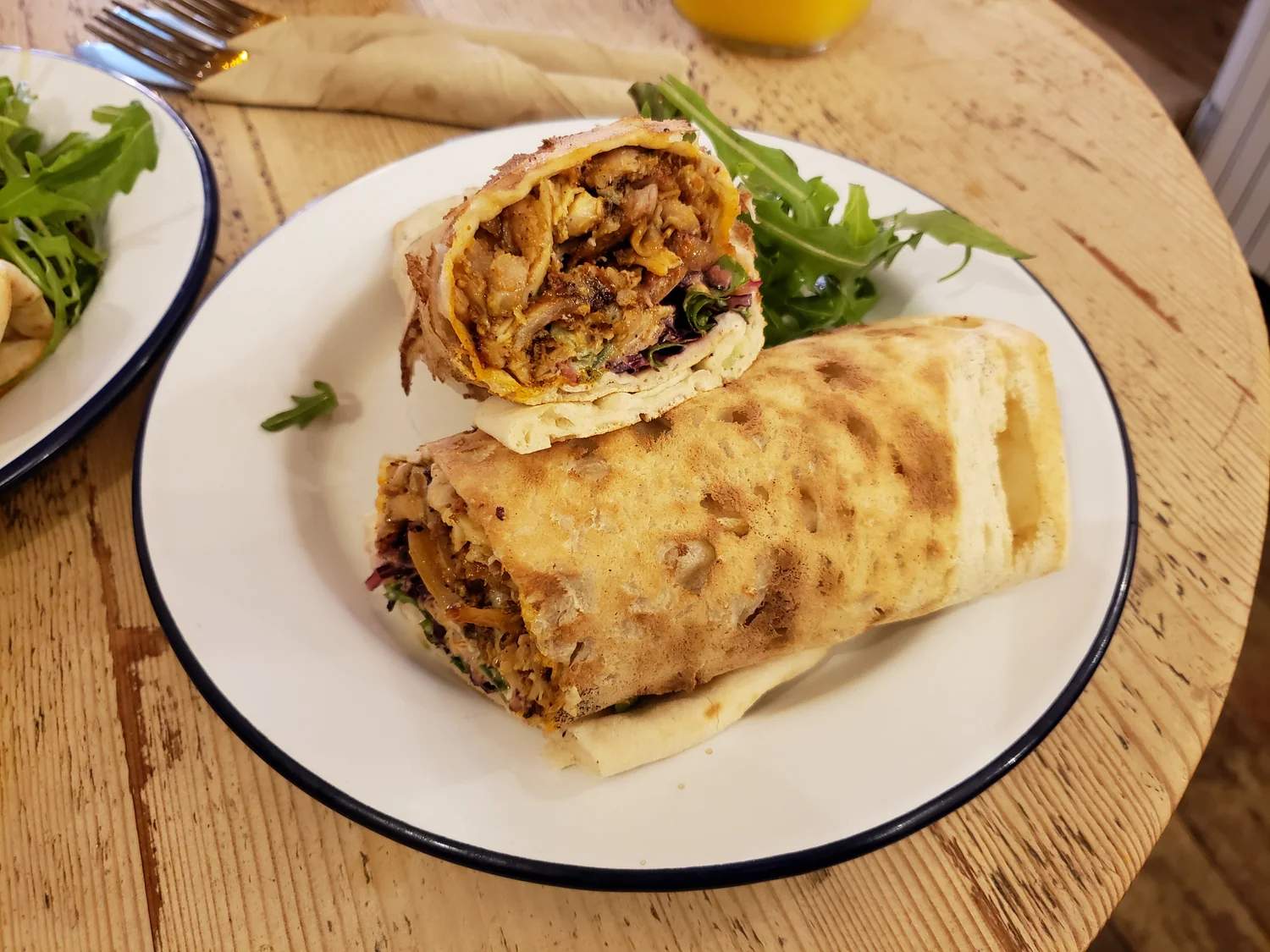
A sliced chicken shawarma wrap in toasted lavash showing spiced chicken, with rocket salad on a white plate Lebanon flag Lebanon 50m
Dinner •Beirut Street-Food Heritage

Lebanese Chicken Shawarma

This lebanese chicken shawarma recipe marinates boneless chicken thighs in yogurt, lemon, garlic and seven warm spices, then grills them until charred at the edges and slices them thin for rolling in soft Lebanese pita with toum, the whipped garlic sauce that defines the Lebanese version. Pickled turnips, dill pickles, tomato and parsley give every bite its sharp, fresh contrast. One serving is about 379 g.

High-Protein & Satisfying

Spice-marinated chicken thighs grilled and rolled in warm pita with toum, pickles and tomato — the Beirut street-food classic, made at home.

Pairs Well With
Toum, pickled turnips & fries
High Protein

The Dinner Gazette

Never wonder what’s for dinner again

One email a week with easy dinner ideas from around the world — ingredients, steps and nutrition, tested in our kitchen first.

Delivered every Thursday morning. Unsubscribe anytime.