
Curated recipes from 193 countries  •  New seasonal Mediterranean issue out now

Overview

Lebanese Lentil Salad

Lentil Tabbouleh, Salatat Adas, Lebanese Lentil Tabbouli

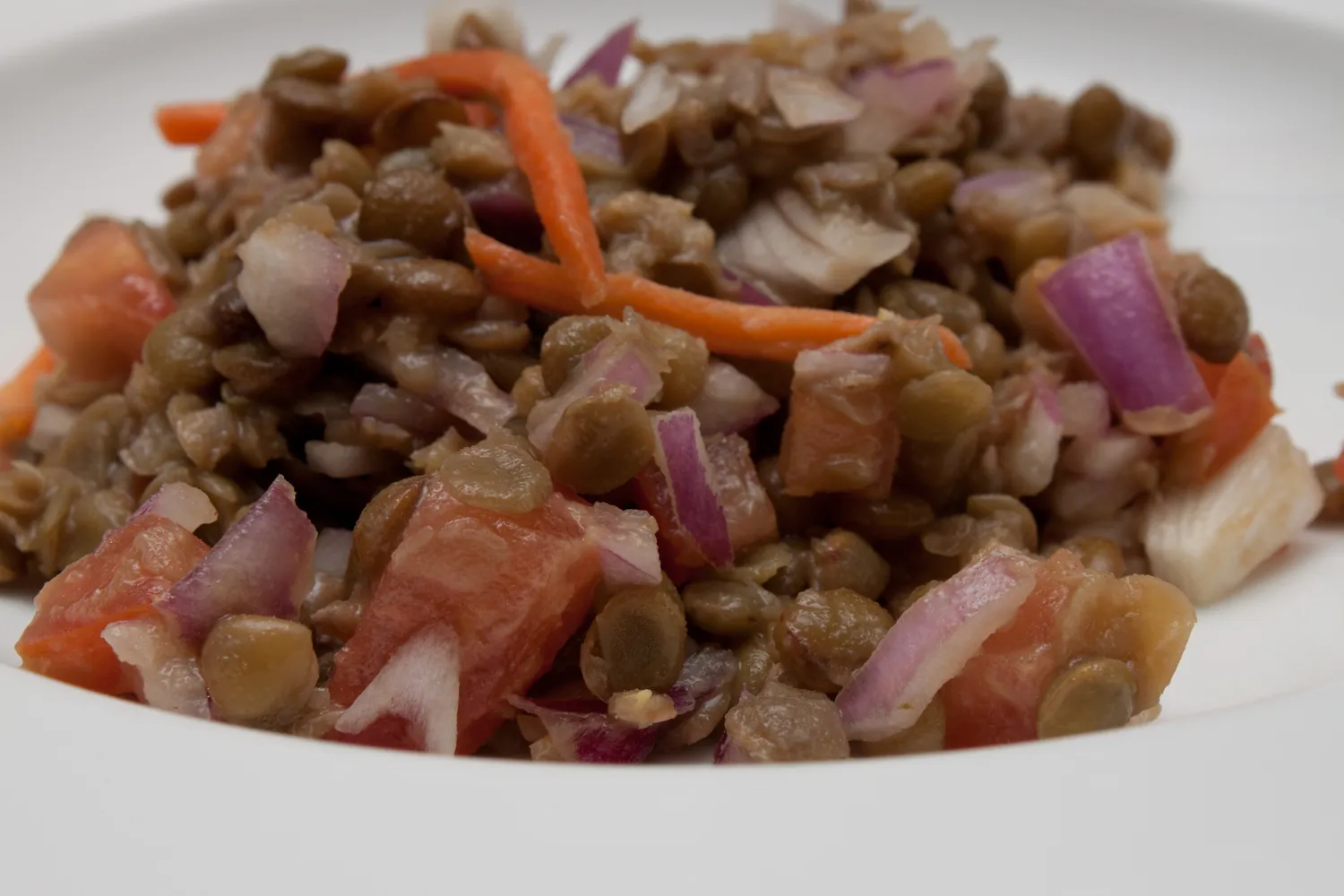
This lebanese lentil salad recipe tosses tender brown lentils with parsley, mint, tomato, red onion and carrot in a lemon and olive oil dressing with a whisper of cumin. It is the lentil cousin of tabbouleh, made for scooping up with warm bread or piling onto a mezze plate. One serving is about 235 g.

Tabbouleh comes from the mountains of Lebanon and Syria, where it has been eaten for centuries as part of the mezze table. Swapping the usual bulgur wheat for lentils is a modern, widely served variation that keeps the parsley, tomato, mint and lemon dressing of the original while adding the earthy bite of lentils.

Pairs well with: Warm pita bread, hummus and a glass of mint tea

Provenance

Lebanon flag Lebanon

Lebanese Mezze Classic

Middle Eastern

Time Dedication

45m

20m prep • 25m cook

Batch Yield

4 Servings

304 kcal per serving

1 serving ≈ 235 g

Technical Skill

Easy

Easy (One Pot)

Meal Timing & Digestive Fit

Breakfast

Not Advised

Lunch

Prime Metabolic Fit

Dinner

Ideal Hearty Main

Snack & Tea

Inappropriate

Occasions: Weekday lunch, Mezze spread, Picnic, Potluck, Ramadan iftar table Cost: Low — about $2–3 per serving at home
A close-up of Lebanese lentil salad with brown lentils, diced tomato, red onion and carrot strips on a white plate

Lebanese Mezze Classic

Photo: Joey Doll, CC BY 2.0, via Wikimedia Commons

The Heritage Formulary

Measured Ingredients

Estimated cost: Low — about $2–3 per serving at home (USD)

Brown or green lentils hold their shape best; red lentils turn to mush and are not used here.

Execution Methodology & Culinary Technique

Step-by-Step Cooking Guide

Active 45m
P

Prep Stage: Rinse, Chop and Whisk

20 Mins • Prep Work

Rinse the lentils and put them on to simmer. While they cook, dice the tomatoes and red onion, julienne the carrot, chop the parsley and mint, squeeze the lemons and whisk the dressing together in a small bowl.

Maestro Tip: Dry the herbs well after washing — wet herbs water down the dressing and make the salad soggy.

  1. 1

    Rinse and simmer the lentils

    25 Mins Simmer, about 95°C (200°F)

    Put the rinsed lentils and 750 ml of water in a medium saucepan. Bring to a boil, skim off any foam, then lower the heat and simmer for 20 to 25 minutes until the lentils are tender but still hold their shape. Drain well and spread on a plate to cool for 10 minutes.

    Start tasting at 18 minutes — brown lentils go from perfect to mushy in about 3 minutes.

    Done when: Lentils are tender with a slight bite; a squeezed lentil holds its shape instead of mashing.

  2. 2

    Whisk the lemon dressing

    5 Mins No heat

    Whisk the lemon juice, olive oil, minced garlic, ground cumin, salt and pepper in a small bowl until the dressing looks slightly thickened and cloudy.

    Whisking the lemon juice and oil together first keeps the dressing from pooling at the bottom of the bowl.

    Done when: Dressing is lightly emulsified and tastes bright, salty and warmly spiced.

  3. 3

    Chop the vegetables and herbs

    10 Mins No heat

    Dice the tomatoes and red onion into small, even pieces, cut the carrot into thin matchsticks, and chop the parsley and mint finely. Keep the herbs in a separate pile so they stay fluffy.

    Even, small pieces mean every spoonful gets lentils, herbs and tomato together.

    Done when: Vegetables are evenly diced and the herbs are finely chopped, not bruised.

  4. 4

    Toss the salad together

    5 Mins No heat

    Tip the warm lentils into a large bowl, pour over the dressing and toss gently. Fold in the tomatoes, onion, carrot, parsley and mint until everything is evenly mixed.

    Dressing the lentils while they are still warm helps them soak up the lemon and cumin.

    Done when: Every lentil is glossed with dressing and the herbs are evenly scattered through the salad.

  5. 5

    Rest, taste and serve

    10 Mins rest Serve at room temperature, about 20°C (68°F)

    Let the salad rest for 10 minutes so the flavours settle, then taste and add more lemon juice or salt if it needs it. Serve at room temperature or lightly chilled, with warm pita bread.

    The salad tastes best after its short rest — the lentils drink in the dressing and the herbs stay fresh.

    Done when: Salad tastes bright and lemony with a warm cumin background; the lentils are tender, not mushy.

Finishing Touches & Plating

Serve the salad in a wide, shallow bowl with the herbs on top and warm pita bread on the side for scooping.

Nutritional Physiology & Benefits

Nutrition

Energy

304

kcal / serving

Protein

14g

Complete AA

Carbs

40g

Complex

Fats

11g

Healthy

Per serving (4 servings · 1 serving ≈ 235 g)
Energy304 kcal
Protein14 g
Carbohydrates40 g
Fat11 g
Fibre7.4 g
Sugar4.1 g
Sodium410 mg
Per 100g
Energy129 kcal
Protein5.9 g
Carbohydrates16.9 g
Fat4.8 g
Fibre3.1 g
Sugar1.7 g
Sodium174 mg

Nutrition values are estimated — calculated from USDA FoodData Central values for the listed ingredients.

Vitamins & minerals: Lentils bring iron and folate, parsley and tomato add vitamin C and vitamin K, and the lemon juice helps the body use the iron from the lentils.

Plant Protein and Fibre

Lentils give about 14 g of protein and 7 g of fibre per serving, so this salad keeps you full far longer than a leafy salad alone.

Iron with Vitamin C

Lentils are a good source of iron, and the lemon juice and tomato in the dressing provide vitamin C, which helps the body absorb iron from plant foods.

Light but Satisfying

At about 304 calories a serving with plenty of vegetables and herbs, it works as a light lunch that still feels like a proper meal.

Food Pairings

What to Eat With

To optimize nutrient absorption and elevate the sensory depth, pair with these authentic accompaniments:

Sides

Warm Pita Bread

Soft, warm pita is made for scooping up lentils and soaking up the lemon dressing at the bottom of the bowl.

Sauces

Hummus

Creamy hummus next to the sharp, lemony salad gives the mezze plate a soft, rich contrast that balances the acidity.

Drinks

Mint Tea

Hot mint tea cleanses the palate between bites and echoes the fresh mint already in the salad.

More Pairings

Grilled Halloumi

Salty, golden halloumi adds a warm, chewy bite that turns the salad from a side dish into a full lunch.

Complete menu

Lebanese lentil salad with warm pita, hummus, grilled halloumi and mint tea makes a complete mezze lunch for four.

Digestive Guardrails

What NOT to Combine

To prevent digestive distress, sluggishness, or palate clash, avoid pairing the dish with these elements:

Leaving It Out in the Heat

Once dressed, the salad should not sit above 4°C (39°F) for more than 2 hours; the tomatoes and herbs spoil quickly in warm weather, so keep it chilled and return leftovers to the fridge promptly. This is general food safety information, not medical advice.

Heavy Creamy Dressings

Ranch or mayonnaise-based dressings drown the lemon and cumin that define this salad and add a lot of fat for no benefit; the light lemon and olive oil dressing is the point of the dish. This is general nutrition information, not medical advice.

General information only, not medical advice — consult a doctor for personal dietary decisions.

Who Should Eat It

Who Should Eat

  • General adultsA light, fibre-rich lunch that suits most adults as it is.
  • ChildrenMild and soft enough for children over 2 years; chop the onion finer and go easy on the pepper for younger children.
  • ElderlySoft lentils and a light dressing are easy to eat; serve at room temperature rather than fridge-cold for comfort.
  • Pregnant womenLentils, vegetables and olive oil fit well in pregnancy; make sure the lentils are fully cooked and the salad is freshly made.
  • Breastfeeding womenA good source of iron and folate while breastfeeding; eat it fresh and keep portions moderate if raw onion causes discomfort.
  • AthletesGood post-training food: protein and slow carbs from lentils with plenty of vegetables, plus salt to replace what sweat loses.
  • Weight gainAt about 304 calories a serving it is light for weight gain; add pita bread, halloumi or a drizzle more olive oil to raise the energy.
  • Weight lossHigh in fibre and low in fat, it is a filling choice for weight loss; keep the olive oil to the recipe amount and load up on the vegetables.

Health Conditions — Adjust or Avoid

Conditions

  • DiabetesLentils are slow-digesting and high in fibre, which helps steady blood sugar; keep the portion to one serving and ask your clinician about fitting it into your meal plan.
  • High blood pressureNaturally low in sodium if you keep the salt to the recipe amount; the lemon and herbs carry the flavour, but ask your clinician if you follow a strict low-sodium plan.
  • Kidney diseaseLentils are high in potassium and plant protein, so people with kidney disease should check portions with their clinician before eating this regularly.
  • GoutLentils are a moderate-purine legume; most people with gout tolerate modest portions, but ask your clinician if you are in a flare.
  • Stomach issuesRaw onion and a sharp lemon dressing can irritate a sensitive stomach; use less onion and lemon, and ask your clinician if symptoms persist.
  • Cardiovascular diseaseHigh in fibre with healthy fats from olive oil and no saturated fat to speak of; a heart-friendly choice, but ask your clinician about your overall diet.
  • Fatty liverLow in fat and high in fibre, which suits most fatty-liver eating patterns; keep the oil to the recipe amount and ask your clinician about your plan.
  • Food allergiesContains no gluten, dairy, egg, nuts or seafood; the only common allergen is none, but check the bread you serve it with and ask your clinician about any allergy.
  • Special therapeutic dietsA plain whole-food salad that fits many therapeutic diets, but always check with your clinician before using it as part of a prescribed diet.

If you have a medical condition, consult your doctor before changing your diet.

Storage & Use

Storage & Use

How to store
Store in a sealed container in the fridge; keep the dressing mixed in, as the lentils absorb it.
In the fridge
3 to 4 days in the fridge at 4°C (39°F) or below.
In the freezer
Not recommended — the herbs turn black and the tomatoes go watery on thawing.
How to reheat
Serve cold or at room temperature; do not reheat.
Freezing recommended
No — the salad does not freeze well.
Signs it has spoiled
Sour or vinegary smell, slimy herbs, mushy tomatoes or a fizzy taste — discard it.

More recipes to explore

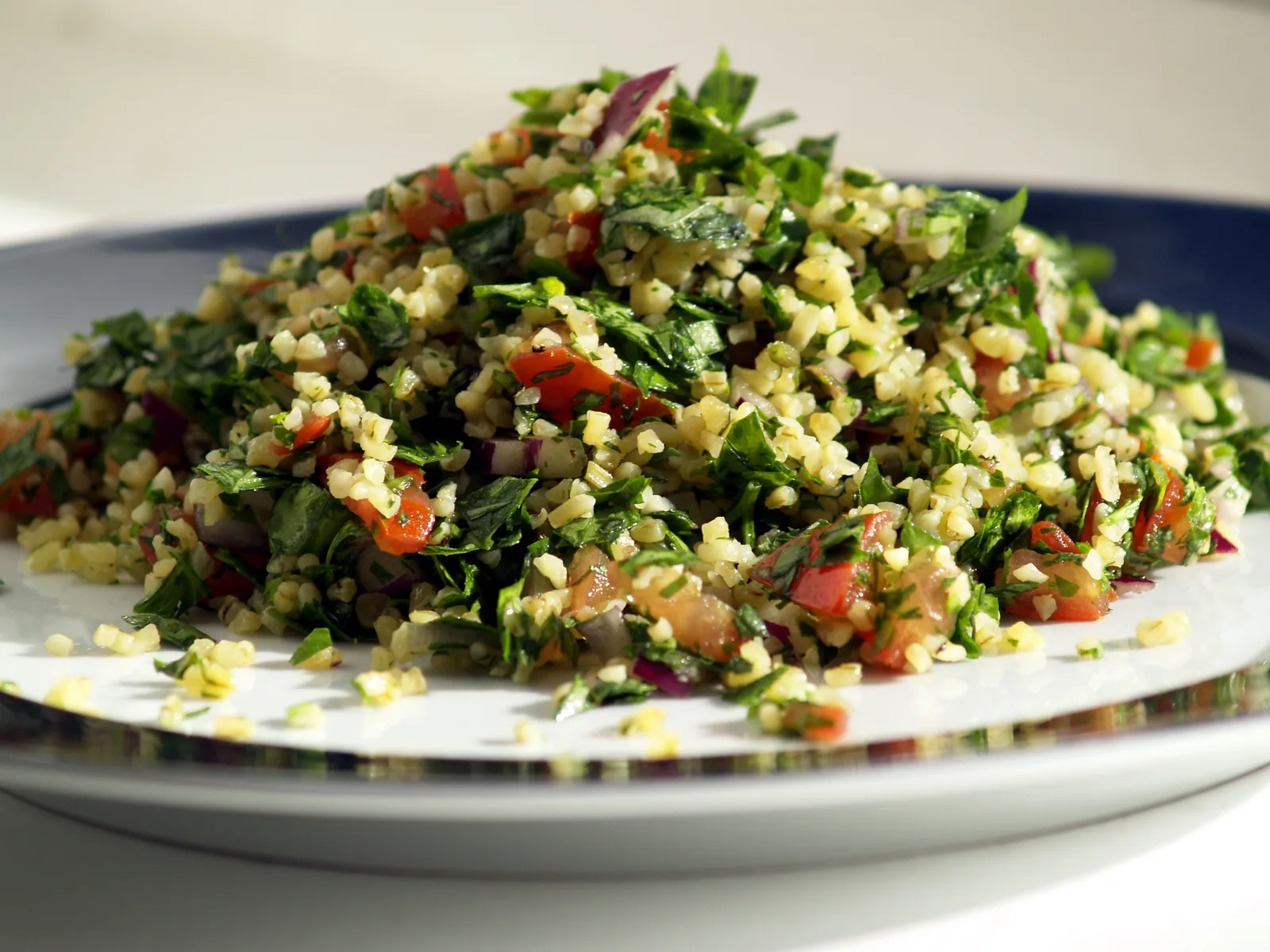
A plate of fresh Lebanese tabbouleh with chopped parsley, tomato and bulgur Lebanon flag Lebanon 25m
Lunch •Levantine Mezze Classic

Lebanese Tabbouleh

Tabbouleh is Lebanon's bright green parsley salad, where the herbs lead and fine bulgur plays a supporting role. Diced tomato, green onion and mint are tossed in lemon juice and olive oil for a fresh, lemony bite that wakes up any mezze table. One serving is about 216 g.

Light & Fresh

Mostly fresh parsley and tomato with a little bulgur, dressed in lemon and olive oil.

Pairs Well With
Warm pita bread, hummus and grilled halloumi
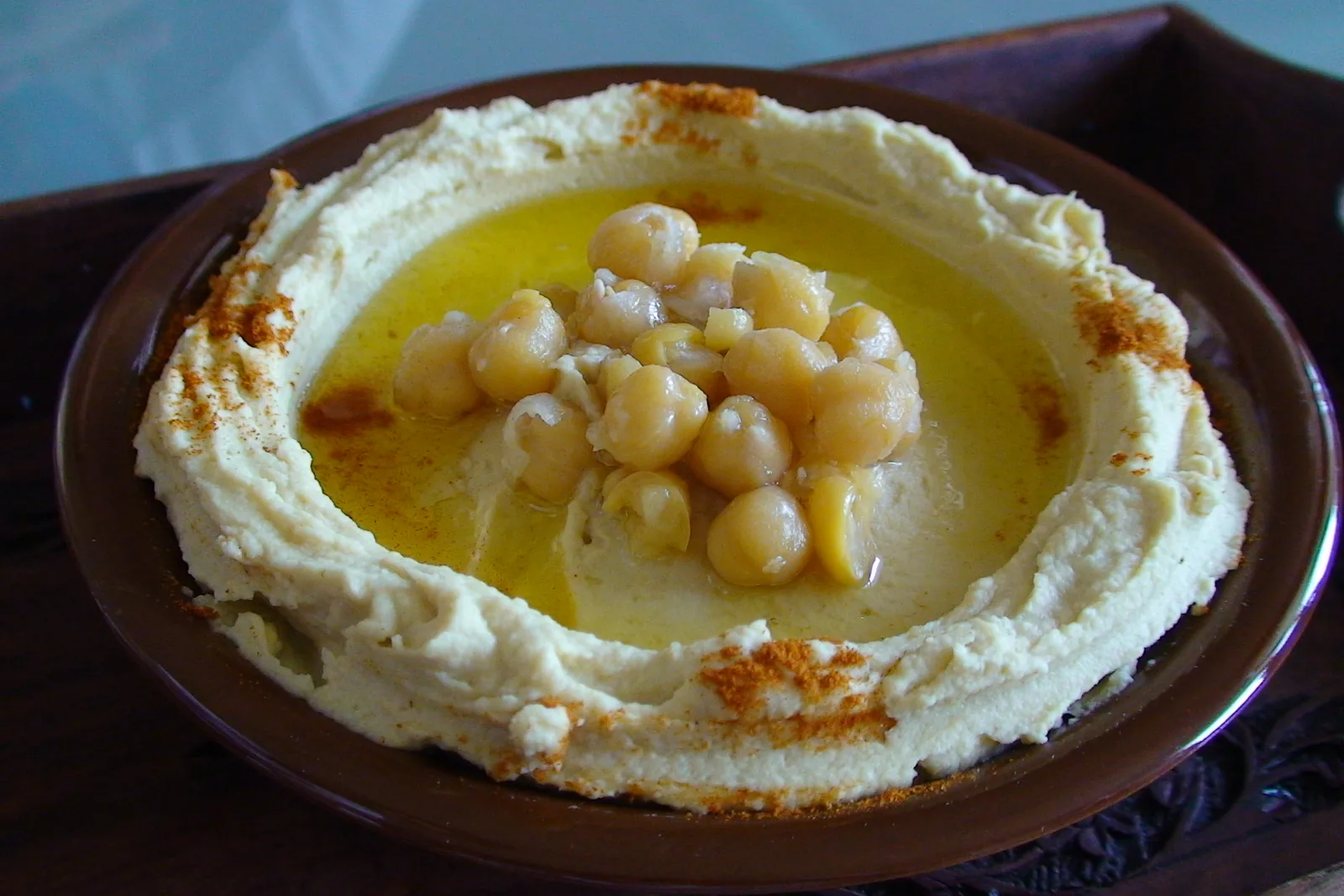
A bowl of cold Lebanese hummus with olive oil, whole chickpeas, paprika and parsley Lebanon flag Lebanon 1h 5m
Snack & Tea •Beirut Mezze Classic

Lebanese Hummus

Lebanese hummus is a cold, silky chickpea and tahini dip, lemon-forward with garlic and a pool of olive oil, topped with pine nuts and parsley. It is served chilled or at room temperature as part of a mezze spread, scooped up with warm pita — never served warm as a main plate. One serving is about 110 g.

Plant Protein Snack

Chickpeas and tahini blended into a smooth dip, with lemon, garlic and olive oil.

Pairs Well With
Warm pita bread, tabbouleh and olives
Quick Prep (<30m)
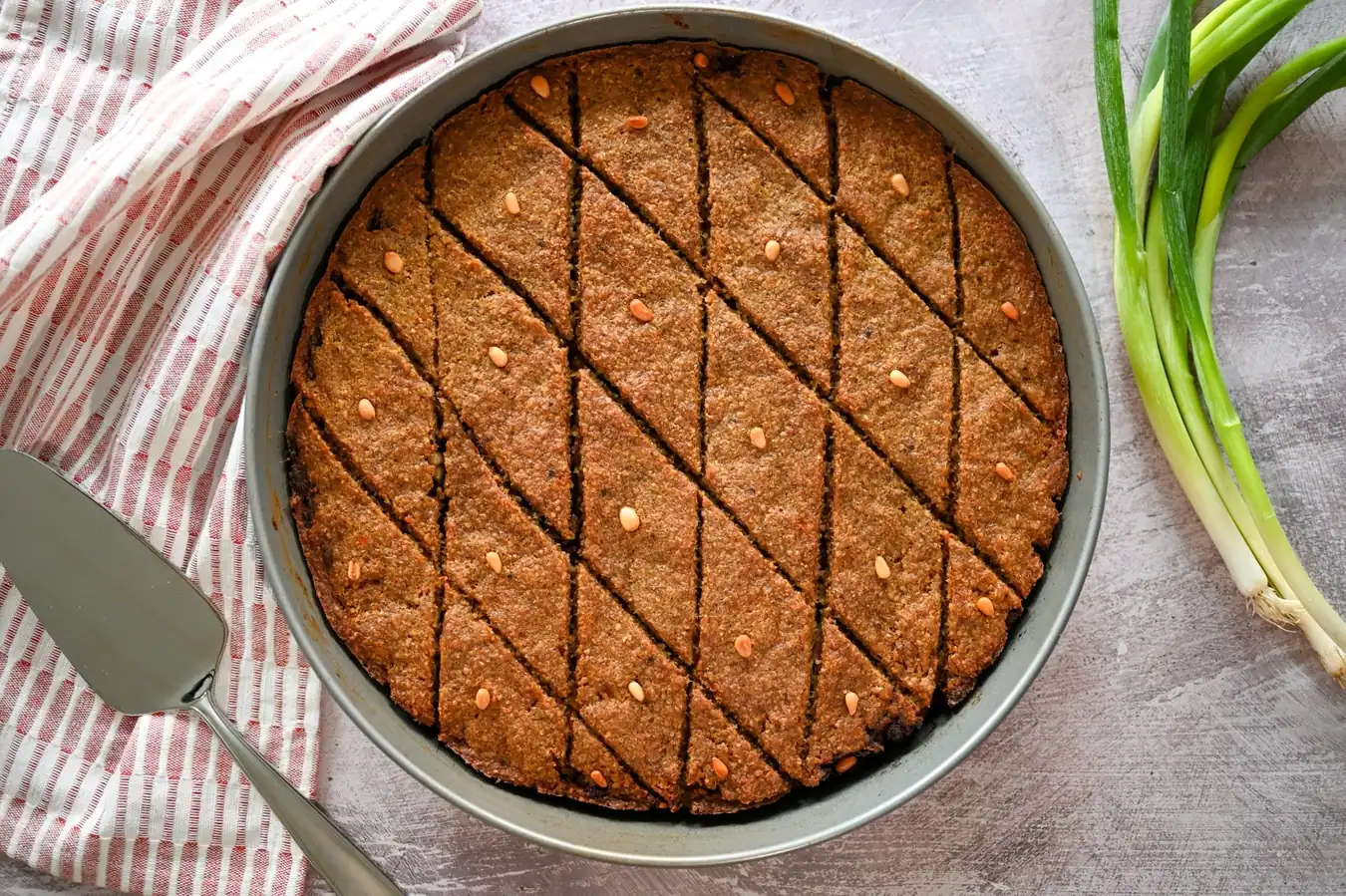
A baked tray of Lebanese kibbeh bil-saniyeh, scored into diamonds with pine nuts Lebanon flag Lebanon 1h 25m
Dinner •Lebanon's National Dish

Lebanese Kibbeh

Kibbeh bil-saniyeh is Lebanon's baked tray kibbeh: two layers of bulgur and lean beef sandwiching a spiced beef and pine-nut filling, scored into diamonds and baked until golden and crisp at the edges. It is the tray-baked form of Lebanon's national dish, made for sharing at the family table. One serving is about 202 g.

Hearty Family Dinner

Layers of bulgur and lean beef around a spiced pine-nut filling, baked until golden.

Pairs Well With
Yogurt, tabbouleh and warm pita bread
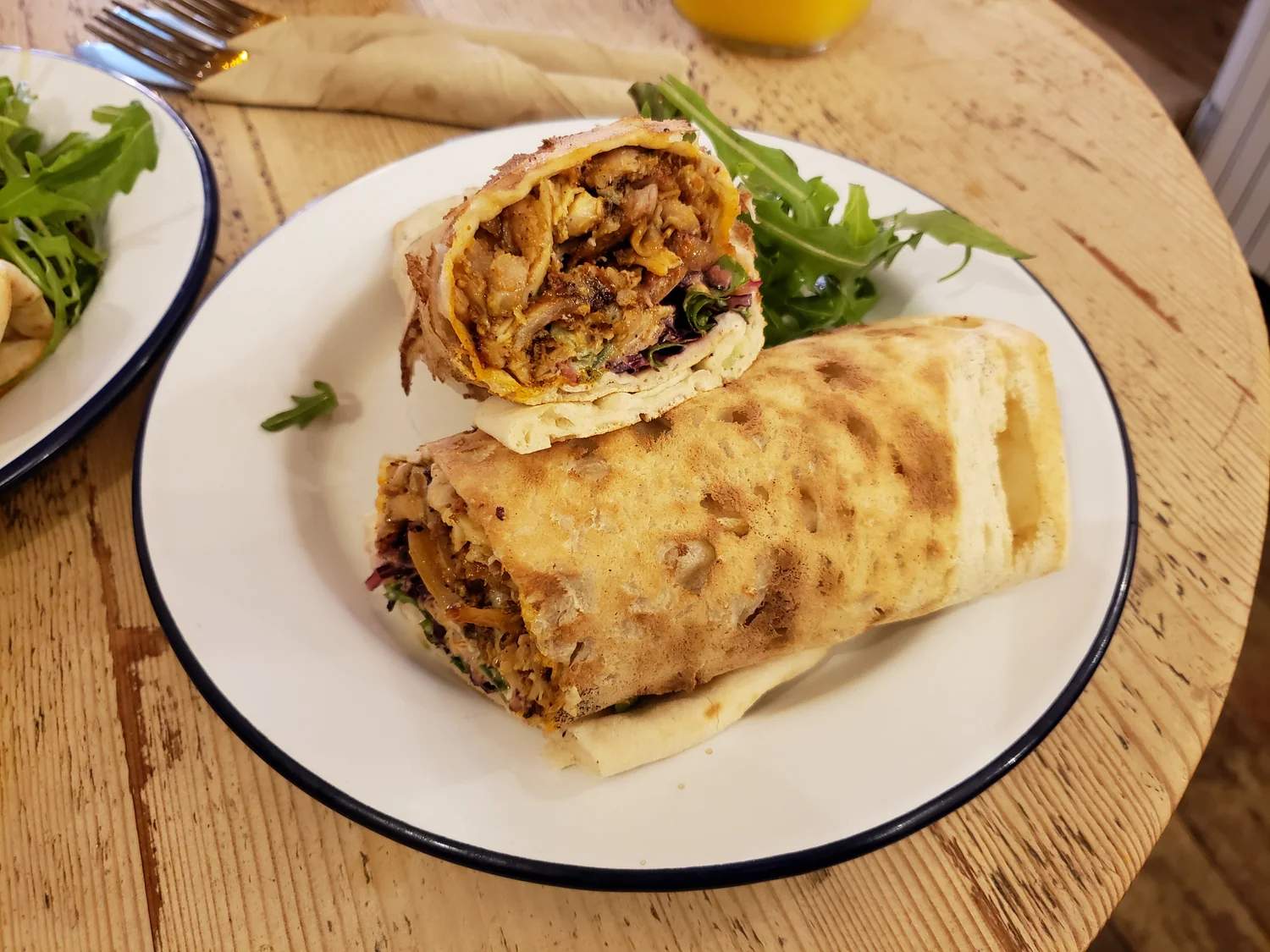
A sliced chicken shawarma wrap in toasted lavash showing spiced chicken, with rocket salad on a white plate Lebanon flag Lebanon 50m
Dinner •Beirut Street-Food Heritage

Lebanese Chicken Shawarma

This lebanese chicken shawarma recipe marinates boneless chicken thighs in yogurt, lemon, garlic and seven warm spices, then grills them until charred at the edges and slices them thin for rolling in soft Lebanese pita with toum, the whipped garlic sauce that defines the Lebanese version. Pickled turnips, dill pickles, tomato and parsley give every bite its sharp, fresh contrast. One serving is about 379 g.

High-Protein & Satisfying

Spice-marinated chicken thighs grilled and rolled in warm pita with toum, pickles and tomato — the Beirut street-food classic, made at home.

Pairs Well With
Toum, pickled turnips & fries
High Protein

The Dinner Gazette

Never wonder what’s for dinner again

One email a week with easy dinner ideas from around the world — ingredients, steps and nutrition, tested in our kitchen first.

Delivered every Thursday morning. Unsubscribe anytime.