Curated recipes from 193 countries  •  New seasonal Mediterranean issue out now

Overview

Lebanese Pita Bread

Khubz Arabi, Arabic bread, Lebanese pocket bread

This Lebanese pita bread recipe makes 8 soft, thin pocket breads — khubz arabi — from just flour, water, yeast, salt, a little sugar and olive oil. Rolled thin and baked in a very hot oven, each round puffs up like a balloon, then settles into two layers with a pocket in the middle, ready to split open and fill. One serving is one pita, about 95 g.

Pita is the daily bread of the Levant, and in Lebanon it is called khubz arabi — Arab bread. The thin, round loaves are baked in fiercely hot ovens, where the water in the dough turns to steam and blows the bread up into a balloon; when it settles, two layers remain with a pocket between them. Unlike the thicker, pocketless pita of Greece and Cyprus, the Lebanese loaf is thin and made to be split and filled, and it sits at the centre of the table at almost every meal, from breakfast labneh to evening shawarma.

Pairs well with: Serve warm with hummus, labneh, shawarma or falafel, or split and fill like a sandwich pocket.

Provenance

Lebanon flag Lebanon

Levantine Daily Bread

Middle Eastern

Time Dedication

1h 55m

90m prep • 25m cook

Batch Yield

8 Servings

251 kcal per serving

1 serving ≈ 95 g

Technical Skill

Intermediate

Medium (Yeast Bread)

Meal Timing & Digestive Fit

Breakfast

Not Advised

Lunch

Prime Metabolic Fit

Dinner

Ideal Hearty Main

Snack & Tea

Inappropriate

Occasions: Everyday lunches, mezze spreads, shawarma nights, picnics, family breakfasts with labneh Cost: Low — about $0.25 per pita at home

Folded Lebanese pita breads in a wicker basket lined with paper, pale and soft with light golden spots

Levantine Daily Bread

Photo: Azure Dragon of the East, CC BY-SA 3.0, via Wikimedia Commons

The Heritage Formulary

Measured Ingredients

Estimated cost: Low — about $0.25 per pita at home (USD)
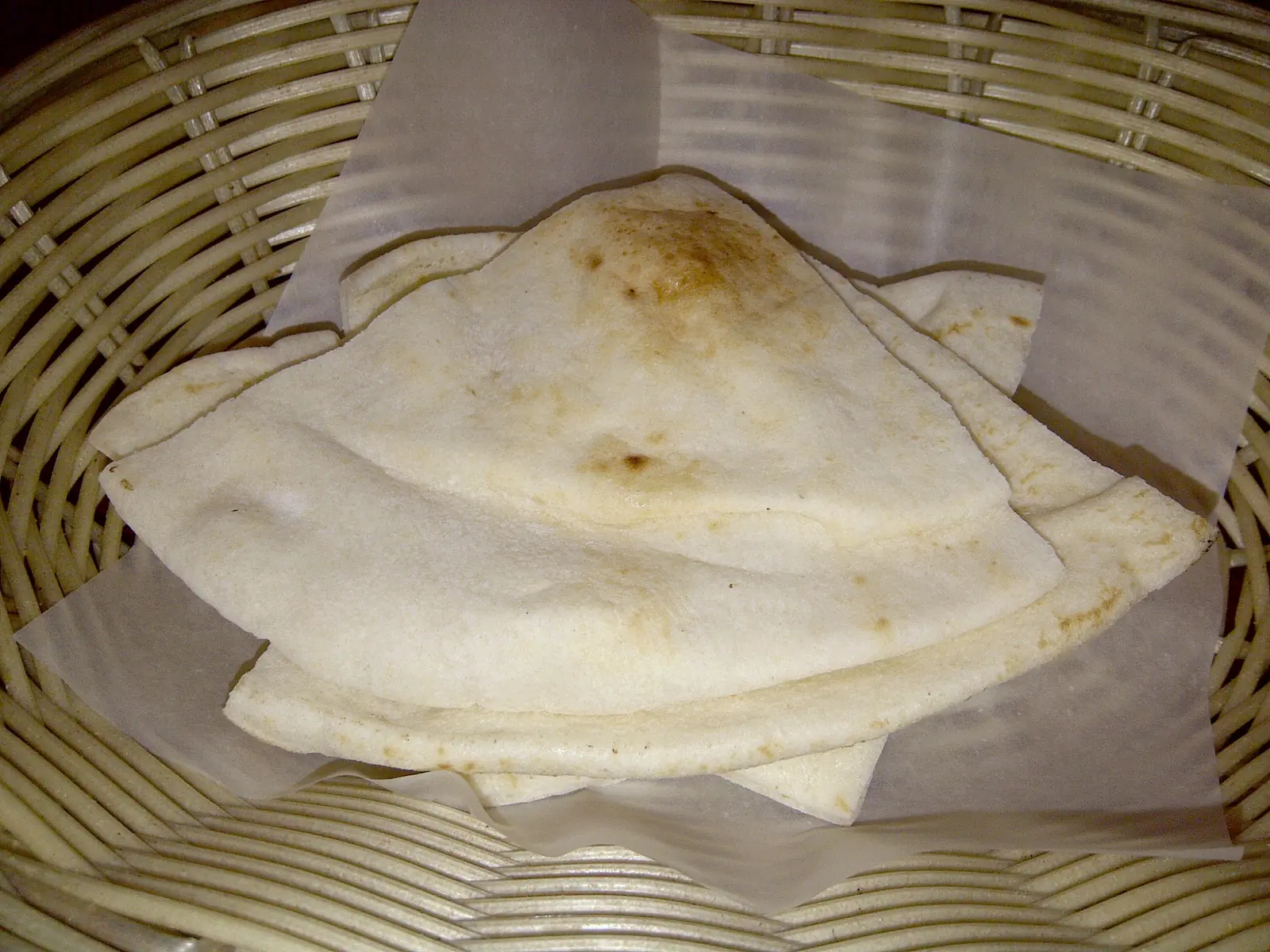
A good Lebanese pita puffs fully in the oven, stays pale with just a few golden spots, and splits cleanly into two soft layers.

Execution Methodology & Culinary Technique

Step-by-Step Cooking Guide

Active 1h 55m
P

Prep Stage: Mix, Knead and Rise the Dough

90 Mins

Bloom the yeast in the warm water with the sugar until foamy, then mix with the flour, salt and olive oil and knead for 8 to 10 minutes until smooth and elastic. Cover and leave in a warm place for about 60 minutes, until the dough has doubled in size.

Maestro Tip: A warm kitchen (about 24°C / 75°F) is ideal for the rise; in a cold kitchen, put the covered bowl in the oven with just the light on.

  1. 1

    Mix and Knead the Dough

    15 Mins 24°C (75°F)

    Stir the yeast and sugar into the 320 ml of warm water and leave for 5 minutes until foamy. Put the 500g of flour and the 10g of salt in a large bowl, pour in the yeast water and the 14g of olive oil, and mix into a shaggy dough. Turn it onto a lightly floured surface and knead for 8 to 10 minutes until smooth, soft and elastic.

    Knead by pushing the dough away with the heel of your hand, folding it back and turning it a quarter turn; the dough is ready when it springs back after a gentle poke.

    Done when: The dough is smooth, slightly tacky but not sticky, and springs back when poked.

  2. 2

    First Rise Until Doubled

    60 Mins 24°C (75°F)

    Shape the dough into a ball, put it in a lightly oiled bowl and turn it once to coat. Cover with a clean cloth or cling film and leave in a warm place for about 60 minutes, until it has doubled in size.

    Do not rush the rise: a full, slow rise is what gives the pita its flavour and its puff.

    Done when: The dough has doubled in size and holds a dent when you press it gently with a fingertip.

  3. 3

    Divide and Rest the Rounds

    10 Mins 24°C (75°F)

    Punch the dough down gently and divide it into 8 equal pieces of about 95g each. Roll each piece into a smooth ball, cover with a cloth and rest for 10 minutes so the gluten relaxes.

    The rest matters: rested dough rolls out thin without springing back, and thin dough is what puffs.

    Done when: Eight smooth balls, relaxed and slightly puffy under the cloth.

  4. 4

    Roll Out Thin

    10 Mins 24°C (75°F)

    On a lightly floured surface, roll each ball into a round about 20 cm across and 3 to 4 mm thick. Try to keep the thickness even and avoid creases or thin spots, which stop the pocket forming.

    Roll from the centre outwards, turning the round a quarter turn after each pass, and dust with as little flour as you can — too much flour dries the surface and stops the puff.

    Done when: Each round is even, about 20 cm across, thin enough to see your hand shadow through it.

  5. 5

    Bake Hot Until Puffed

    20 Mins 240°C (465°F)

    Heat the oven to 240°C (465°F) with a baking tray or pizza stone inside. Lay 2 rounds on the hot tray and bake for 3 to 4 minutes, until each one balloons up and turns pale with a few golden spots. Take them out, wrap them in a clean cloth so they stay soft, and repeat with the rest.

    Do not open the oven door while a batch is puffing — the rush of cool air can deflate them. If a pita does not puff, roll the next one thinner.

    Done when: Each pita has puffed like a balloon, with pale gold spots, and settles into two layers with a pocket inside.

Finishing Touches & Plating

Wrap the warm pitas in a clean cloth for 5 minutes so they stay soft and foldable, then serve warm. Split a pita open at the edge to make a pocket, or tear it into pieces for scooping.

Nutritional Physiology & Benefits

Nutrition

Energy

251

kcal / serving

Protein

7g

Complete AA

Carbs

49g

Complex

Fats

2g

Healthy

Per serving (8 servings · 1 serving ≈ 95 g)
Energy251 kcal
Protein7 g
Carbohydrates49 g
Fat2 g
Fibre1.9 g
Sugar1.4 g
Sodium486 mg
Per 100g
Energy264 kcal
Protein7.1 g
Carbohydrates51.9 g
Fat2.6 g
Fibre2 g
Sugar1.5 g
Sodium512 mg

Nutrition values are estimated — calculated from USDA FoodData Central values for the listed ingredients.

Vitamins & minerals: Small amounts of iron and B vitamins from the wheat flour, and vitamin E from the olive oil. Nutrition values are estimated.

Steady Energy

One 95 g pita gives about 251 kcal, mostly from slow-release starchy carbohydrate — the kind of steady fuel a lunch needs.

A Short, Honest Ingredient List

Flour, water, yeast, salt, a little sugar and olive oil — six ingredients you can pronounce, and nothing else.

No Preservatives When Homemade

Baked at home, these pitas contain no preservatives or dough conditioners; they are at their best the day they are made.

Food Pairings

What to Eat With

To optimize nutrient absorption and elevate the sensory depth, pair with these authentic accompaniments:

Sides

Hummus and Dips

Torn pita is the natural scoop for hummus, baba ghanoush and muhammara — the soft bread picks up every spoonful without breaking.

Shawarma or Falafel

The pocket is made for wrapping: sliced shawarma or falafel with salad and tahini sits neatly inside, and the bread stays soft around the filling.

Labneh with Za'atar and Olive Oil

Warm pita spread with thick labneh, dusted with za'atar and drizzled with olive oil is the classic Lebanese breakfast and snack — creamy, herby and salty against the plain bread.

Soups

Lentil Soup

A bowl of lentil soup with warm pita on the side is a complete, filling lunch: the bread soaks up the soup and turns it into a meal.

Complete menu

Serve warm pita with hummus, a plate of shawarma or falafel, chopped salad and pickles, and finish with fresh fruit.

Digestive Guardrails

What NOT to Combine

To prevent digestive distress, sluggishness, or palate clash, avoid pairing the dish with these elements:

Very Salty Fillings Every Day

One pita already carries about 486 mg of sodium, so filling it daily with salty cured meats, salty cheese or salty sauces can push the salt load high. Balance salty fillings with fresh salad and plain yoghurt. This is general information, not medical advice.

Leaving Baked Pitas Uncovered

Uncovered pitas dry out and turn crisp within hours because their thin crumb loses moisture fast. Keep them wrapped in a cloth or a sealed bag while they are still slightly warm.

General information only, not medical advice — consult a doctor for personal dietary decisions.

Who Should Eat It

Who Should Eat

  • General adultsA plain, everyday bread that suits most adults; one pita per person is a normal lunch portion with a filling or dip.
  • ChildrenChildren love the pocket: fill it with chicken, cheese or egg and salad for a lunch they can hold. Cut it into strips for younger children.
  • ElderlySoft and easy to chew when fresh and warm; serve it the day it is baked, as it firms up by the next day.
  • Pregnant womenA simple baked bread with no raw ingredients; eat it fresh and warm. Ask your clinician if you have concerns about any ingredient.
  • Breastfeeding womenA filling, energy-giving bread that pairs well with protein-rich fillings like egg, cheese or chickpeas.
  • AthletesAbout 49 g of carbohydrate per pita makes it useful fuel around training, especially filled with chicken or egg for protein.
  • Weight gainAt about 251 kcal a pita it adds energy easily, especially with rich fillings like cheese, hummus or meat.
  • Weight lossOne pita is a reasonable portion, but the carbohydrate adds up fast if you eat two or three; fill it with salad and lean protein rather than fried food.

Health Conditions — Adjust or Avoid

Conditions

  • DiabetesOne pita carries about 49 g of carbohydrate, so count it as a full starch portion and pair it with protein and salad rather than eating it on its own. Ask your clinician about portions.
  • High blood pressureAbout 486 mg of sodium per pita is moderate; watch salty fillings and sauces, which add up quickly. Ask your clinician if you need to limit sodium.
  • Kidney diseaseA white-flour bread with moderate sodium; people with kidney disease should keep portions modest and ask their clinician.
  • GoutPlain bread is low in purines and is not a gout trigger on its own; the filling matters more than the bread. Ask your clinician if unsure.
  • Stomach issuesFresh, soft pita is usually gentle on the stomach; eat it warm and avoid very spicy or acidic fillings if your stomach is sensitive.
  • Cardiovascular diseaseLow in fat and free of cholesterol, which suits a heart-friendly pattern; the salt is moderate. Ask your clinician about overall portions.
  • Fatty liverA refined-carbohydrate bread, so keep to one pita and fill it with vegetables and lean protein rather than fried or fatty fillings. Ask your clinician.
  • Food allergiesContains wheat (gluten). It is free of egg, milk, nuts and soy as written, but check the flour if you have a wheat allergy. If you have any food allergy, check every ingredient and ask your clinician.
  • Special therapeutic dietsNot suitable for a gluten-free diet; a gluten-free flour blend changes the puff and texture. Discuss adaptations with your clinician or dietitian.

If you have a medical condition, consult your doctor before changing your diet.

Storage & Use

Storage & Use

How to store
Cool completely, then store wrapped in a clean cloth inside a sealed bag or container.
In the fridge
Up to 2 days in a sealed bag; warm briefly in a hot oven or dry pan to soften before eating.
In the freezer
Up to 3 months; freeze flat in a sealed bag with sheets of baking paper between the pitas.
How to reheat
Warm in a hot oven at 200°C (400°F) for 2 to 3 minutes, or in a dry pan over medium heat, until soft and steaming.
Freezing recommended
Yes — pita freezes very well and is the best way to keep a batch fresh.
Signs it has spoiled
Mould spots, a sour smell, or a hard, dry texture that does not soften on warming.

More recipes to explore

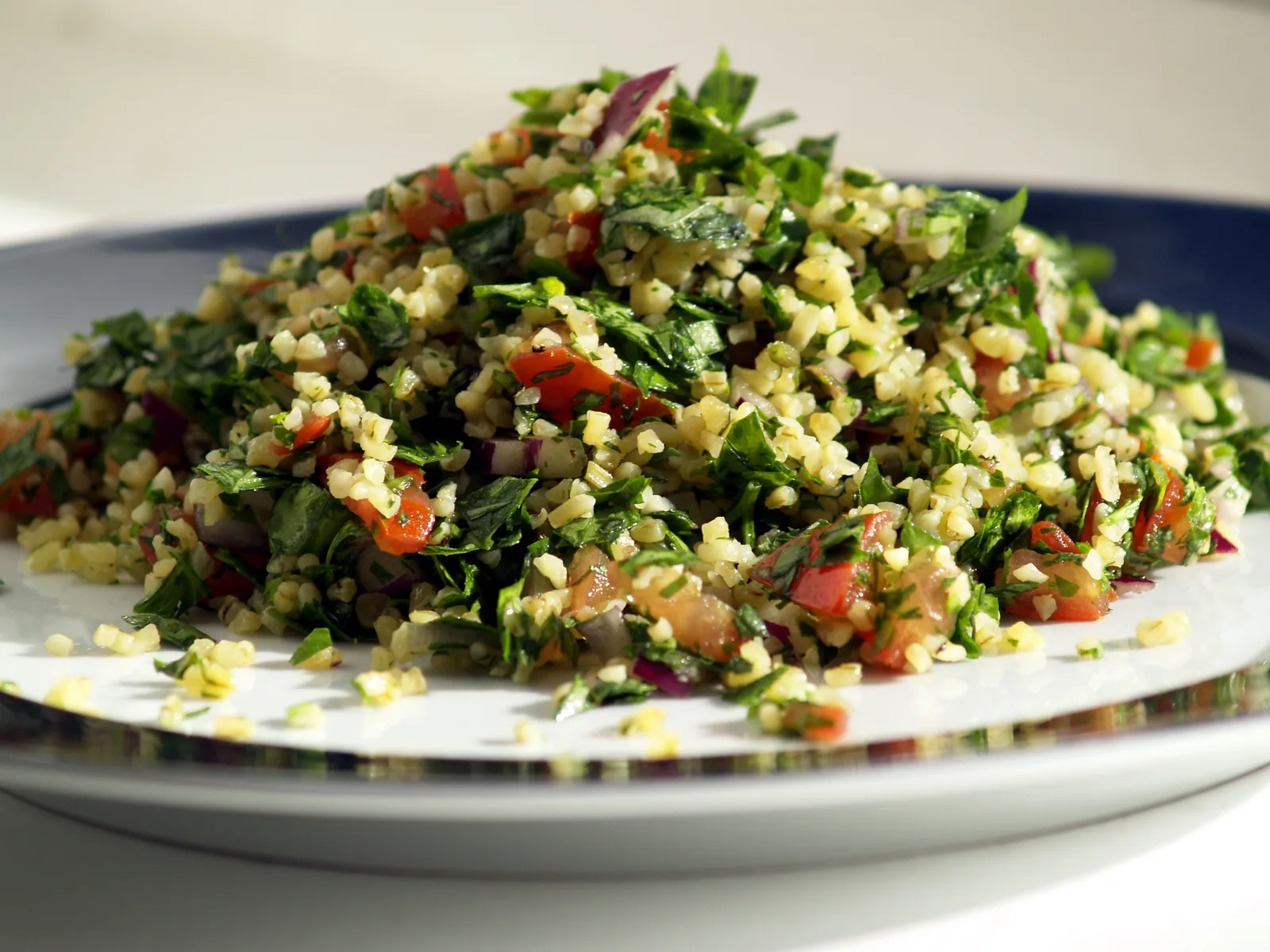
A plate of fresh Lebanese tabbouleh with chopped parsley, tomato and bulgur Lebanon flag Lebanon 25m
Lunch •Levantine Mezze Classic

Lebanese Tabbouleh

Tabbouleh is Lebanon's bright green parsley salad, where the herbs lead and fine bulgur plays a supporting role. Diced tomato, green onion and mint are tossed in lemon juice and olive oil for a fresh, lemony bite that wakes up any mezze table. One serving is about 216 g.

Light & Fresh

Mostly fresh parsley and tomato with a little bulgur, dressed in lemon and olive oil.

Pairs Well With
Warm pita bread, hummus and grilled halloumi
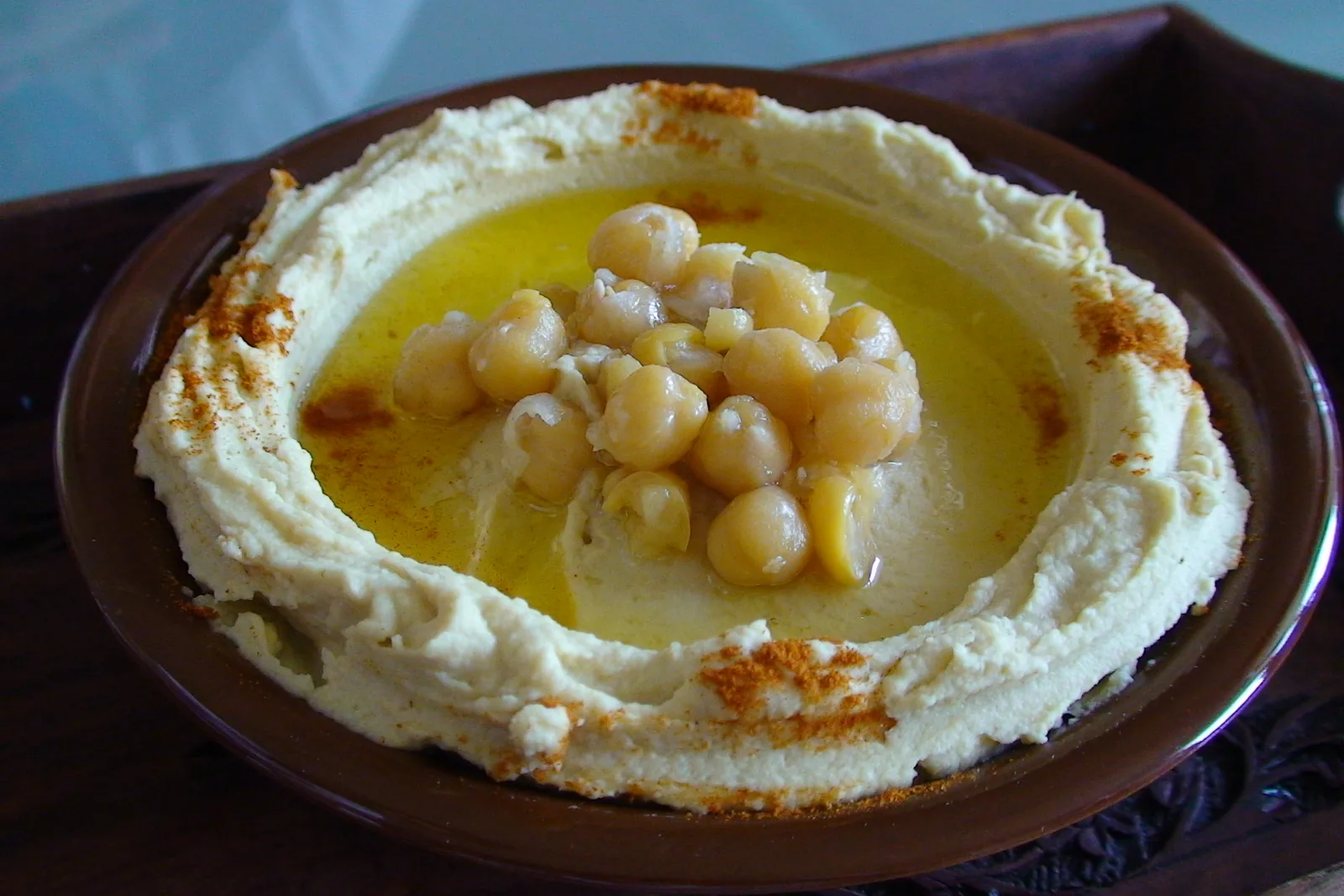
A bowl of cold Lebanese hummus with olive oil, whole chickpeas, paprika and parsley Lebanon flag Lebanon 1h 5m
Snack & Tea •Beirut Mezze Classic

Lebanese Hummus

Lebanese hummus is a cold, silky chickpea and tahini dip, lemon-forward with garlic and a pool of olive oil, topped with pine nuts and parsley. It is served chilled or at room temperature as part of a mezze spread, scooped up with warm pita — never served warm as a main plate. One serving is about 110 g.

Plant Protein Snack

Chickpeas and tahini blended into a smooth dip, with lemon, garlic and olive oil.

Pairs Well With
Warm pita bread, tabbouleh and olives
Quick Prep (<30m)
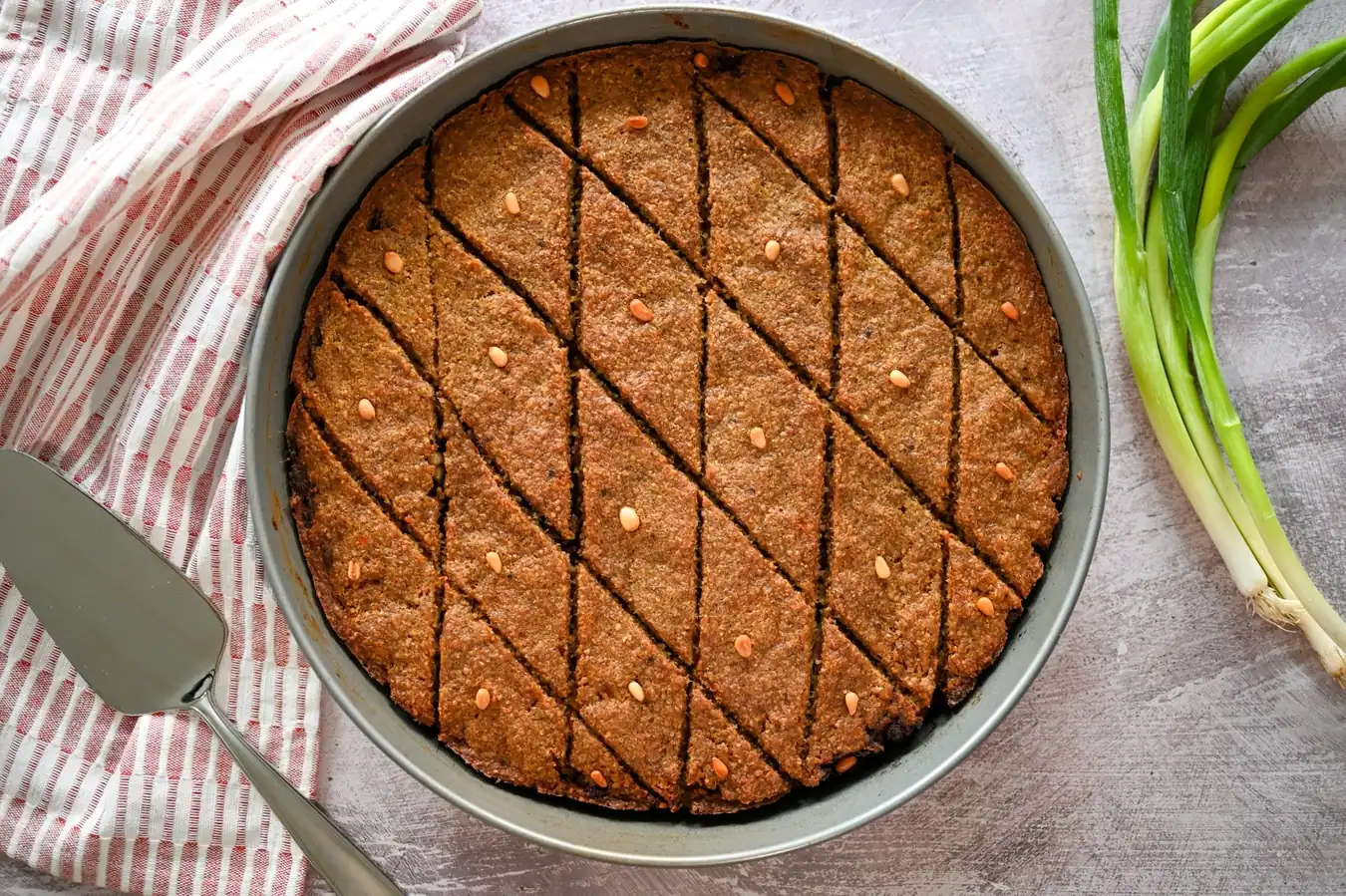
A baked tray of Lebanese kibbeh bil-saniyeh, scored into diamonds with pine nuts Lebanon flag Lebanon 1h 25m
Dinner •Lebanon's National Dish

Lebanese Kibbeh

Kibbeh bil-saniyeh is Lebanon's baked tray kibbeh: two layers of bulgur and lean beef sandwiching a spiced beef and pine-nut filling, scored into diamonds and baked until golden and crisp at the edges. It is the tray-baked form of Lebanon's national dish, made for sharing at the family table. One serving is about 202 g.

Hearty Family Dinner

Layers of bulgur and lean beef around a spiced pine-nut filling, baked until golden.

Pairs Well With
Yogurt, tabbouleh and warm pita bread
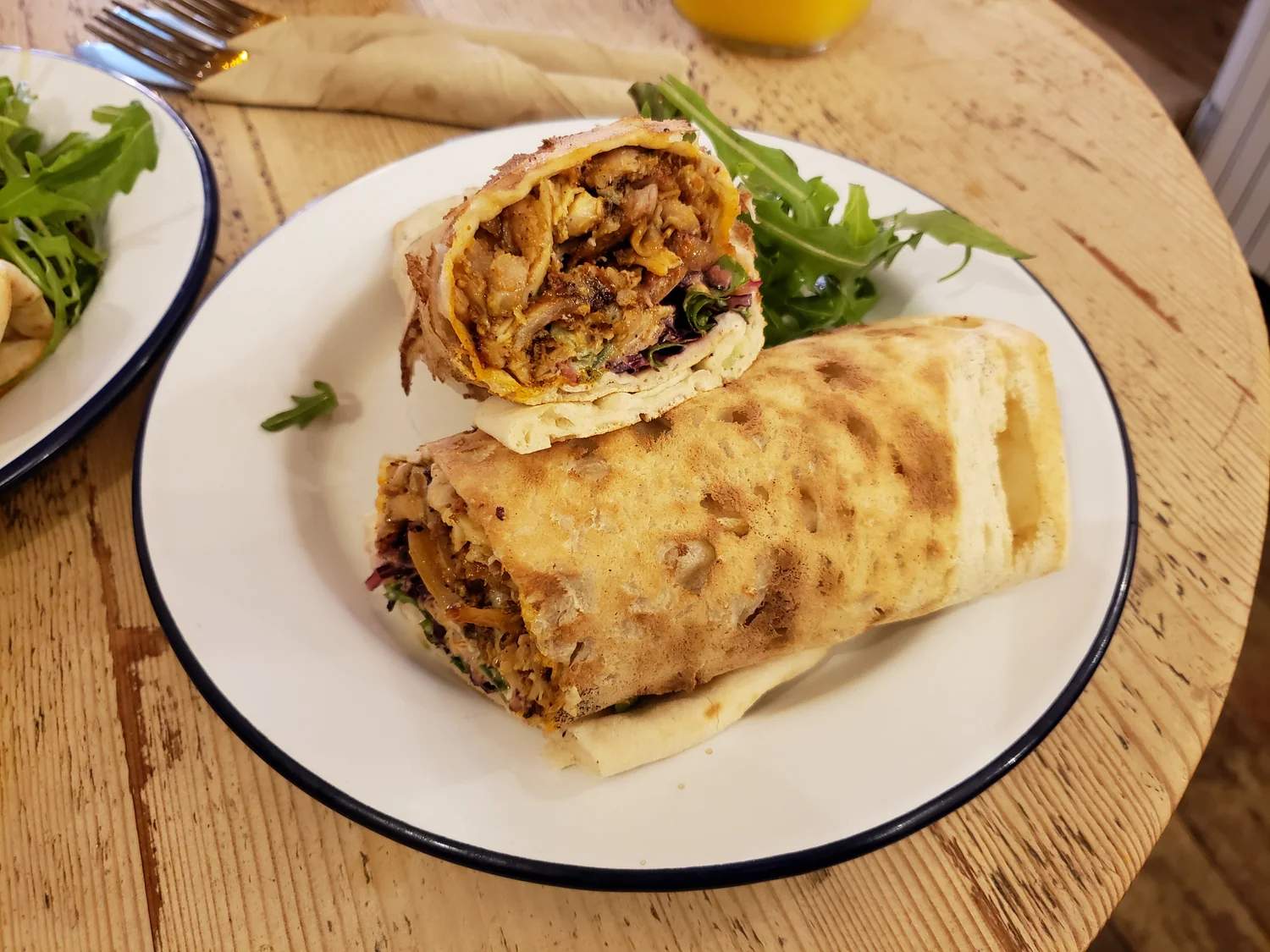
A sliced chicken shawarma wrap in toasted lavash showing spiced chicken, with rocket salad on a white plate Lebanon flag Lebanon 50m
Dinner •Beirut Street-Food Heritage

Lebanese Chicken Shawarma

This lebanese chicken shawarma recipe marinates boneless chicken thighs in yogurt, lemon, garlic and seven warm spices, then grills them until charred at the edges and slices them thin for rolling in soft Lebanese pita with toum, the whipped garlic sauce that defines the Lebanese version. Pickled turnips, dill pickles, tomato and parsley give every bite its sharp, fresh contrast. One serving is about 379 g.

High-Protein & Satisfying

Spice-marinated chicken thighs grilled and rolled in warm pita with toum, pickles and tomato — the Beirut street-food classic, made at home.

Pairs Well With
Toum, pickled turnips & fries
High Protein

The Dinner Gazette

Never wonder what’s for dinner again

One email a week with easy dinner ideas from around the world — ingredients, steps and nutrition, tested in our kitchen first.

Delivered every Thursday morning. Unsubscribe anytime.