Curated recipes from 193 countries  •  New seasonal Mediterranean issue out now

Overview

Lebanese Potato Kibbeh

Kibbet Batata, Kamounet Batata, Potato Kibbe

Lebanese potato kibbeh, or kibbet batata, is the meat-free cousin of Lebanon’s national dish: fluffy mashed potato kneaded with fine bulgur, grated onion, mint and warm kamouneh spices, then spread on a plate with fork ridges and finished with olive oil and walnuts. It is creamy, herby and deeply satisfying, and it is eaten cold or at room temperature as part of a mezze. One serving is about 263 g.

Kibbeh takes its name from the Arabic word kubbah, meaning ball, and Lebanon has more versions of it than any other country — meat, pumpkin, lentil and potato. Kibbet batata, also called kamounet batata, is the meat-free form: mashed potato kneaded with fine bulgur and the kamouneh spice mix of cumin, allspice and cinnamon. It is a traditional Lenten dish in Lebanon, eaten without meat during fasting, and a wheat-free cousin, patata jaab, is made in Iraqi Jewish kitchens for Passover.

Pairs well with: Warm pita bread, tabbouleh and olives.

Provenance

Lebanon flag Lebanon

Lebanese Lent Classic

Middle Eastern

Time Dedication

45m

25m prep • 20m cook

Batch Yield

4 Servings

386 kcal per serving

1 serving ≈ 263 g

Technical Skill

Intermediate

Medium (Kneaded Mezze)

Meal Timing & Digestive Fit

Breakfast

Not Advised

Lunch

Prime Metabolic Fit

Dinner

Ideal Hearty Main

Snack & Tea

Inappropriate

Occasions: Lent suppers, mezze spreads, summer lunches, vegetarian gatherings Cost: Low — about $2–3 per serving at home

Lebanese potato kibbeh spread on a white plate with fork ridges, fresh mint leaves and a drizzle of olive oil

Lebanese Lent Classic

Photo: Deed89 at English Wikipedia, CC BY-SA 3.0, via Wikimedia Commons

The Heritage Formulary

Measured Ingredients

Estimated cost: Low — about $2–3 per serving at home (USD)
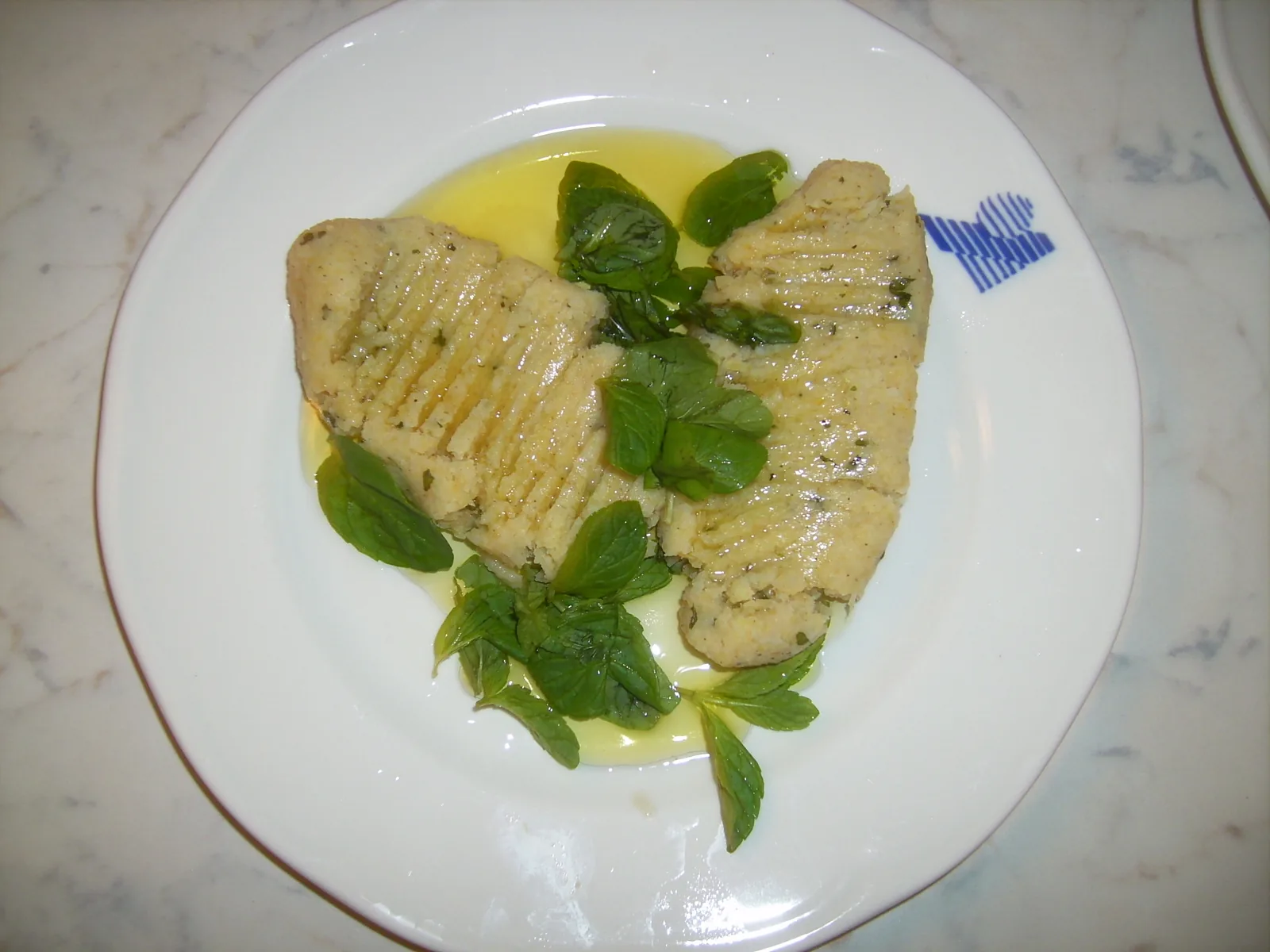
A traditional Lenten mezze: potato and bulgur kneaded with kamouneh spices, served cold with olive oil and mint.

Execution Methodology & Culinary Technique

Step-by-Step Cooking Guide

Active 45m
P

Boil the potatoes and soak the bulgur

25 minutes

Put the potato chunks in a pot of cold salted water and set it to boil. While they cook, rinse the fine bulgur, cover it with cold water and leave it to soak for 15 minutes, then squeeze it very dry in a clean cloth. Grate the onion and chop the mint and parsley so everything is ready to knead.

Maestro Tip: Squeeze the bulgur until no more water comes out — wet bulgur makes a sticky, heavy kibbeh.

  1. 1

    Boil the potatoes

    20 minutes Boiling water (100°C / 212°F)

    Boil the potato chunks in salted water for about 20 minutes, until a knife slides through with no resistance. Drain well and leave them in the hot pot for 2 minutes so the steam dries them out.

    Start in cold water so the potatoes cook evenly from edge to centre.

    Done when: The potatoes are completely tender and dry on the surface, not waterlogged.

  2. 2

    Soak the bulgur

    15 minutes Room temperature (20°C / 68°F)

    Rinse the fine bulgur in a sieve, then soak it in cold water for 15 minutes until it swells and softens. Tip it into a clean tea towel and wring it out hard until it feels almost dry.

    Fine (#1) bulgur is essential — coarse bulgur stays gritty and never kneads smooth.

    Done when: The bulgur is soft, swollen and dry to the touch, with no pooling water.

  3. 3

    Mash and knead

    10 minutes Room temperature (20°C / 68°F)

    Mash the hot potatoes until completely smooth, then add the squeezed bulgur, grated onion, mint, parsley, cumin, allspice, cinnamon, salt, pepper and half the olive oil. Knead with your hands for 5 minutes until the mixture is smooth, cohesive and slightly springy.

    Knead while the potato is still warm — it binds far better than cold mash.

    Done when: The paste holds together when pressed, is smooth with a faint grain from the bulgur, and smells of mint and cumin.

  4. 4

    Shape and chill

    30 minutes Cold (4°C / 39°F)

    Spread the kibbeh on a serving plate about 2 cm thick, smoothing the top with wet hands. Drag the tines of a fork across the surface in straight lines to make the classic ridged pattern, then cover and chill for at least 30 minutes so it firms up and the flavours settle.

    Wet hands stop the paste sticking and give a clean, smooth finish.

    Done when: The kibbeh is firm enough to hold its shape and the fork ridges are neat and even.

  5. 5

    Serve with mint and oil

    5 minutes Room temperature (20°C / 68°F)

    Drizzle the remaining olive oil generously over the top, scatter with the chopped walnuts and extra mint leaves, and squeeze the lemon juice over it just before serving. Serve at room temperature with warm pita bread for scooping.

    Add the lemon at the last moment so its brightness is not lost.

    Done when: The plate is glossy with oil, flecked green with mint, and the walnuts sit proud on top.

Finishing Touches & Plating

Serve the kibbeh at room temperature, never fridge-cold, so the olive oil stays fluid and the herbs taste their brightest.

Nutritional Physiology & Benefits

Nutrition

Energy

386

kcal / serving

Protein

8g

Complete AA

Carbs

55g

Complex

Fats

17g

Healthy

Per serving (4 servings · 1 serving ≈ 263 g)
Energy386 kcal
Protein8 g
Carbohydrates55 g
Fat17 g
Fibre7.8 g
Sugar2.9 g
Sodium505 mg
Per 100g
Energy147 kcal
Protein3 g
Carbohydrates20.8 g
Fat6.5 g
Fibre3 g
Sugar1.1 g
Sodium192 mg

Nutrition values are estimated — calculated from USDA FoodData Central values for the listed ingredients.

Vitamins & minerals: Provides vitamin C and potassium from the potatoes, plus vitamin K and folate from the fresh mint and parsley.

Naturally meat-free

Potato and bulgur replace the meat of classic kibbeh, so the dish is vegetarian and much lighter in saturated fat.

Fibre from potato and bulgur

Each serving gives about 7.8 g of fibre, which supports normal digestion and helps the meal feel filling.

Steady energy

Potato and bulgur provide slow-release carbohydrates, so one serving keeps you going without a heavy feeling.

Food Pairings

What to Eat With

To optimize nutrient absorption and elevate the sensory depth, pair with these authentic accompaniments:

Sides

Warm pita bread

Soft pita is the traditional scoop for kibbet batata — it carries the creamy paste far better than a fork.

Labneh with olive oil

Cool, tangy labneh sits beautifully beside the warm-spiced potato and adds a creamy contrast.

Vegetables

Tabbouleh

The sharp lemon and parsley of tabbouleh cut through the rich, starchy kibbeh and refresh the palate.

Drinks

Mint tea

Hot mint tea echoes the mint in the kibbeh and cleanses the palate between bites of the mezze.

Complete menu

Serve the potato kibbeh as the centre of a mezze with tabbouleh, hummus, labneh, olives and warm pita, followed by fresh fruit.

Digestive Guardrails

What NOT to Combine

To prevent digestive distress, sluggishness, or palate clash, avoid pairing the dish with these elements:

Very salty brined foods in large amounts

Pickled vegetables and brined olives are already salty, and eating a lot of them with this dish can push sodium far above the meal’s own modest level. Keep brined sides small. This is general information, not medical advice.

Leaving it out for hours

Cooked potato held at room temperature for a long time can grow bacteria, so do not leave the platter out all afternoon — keep it chilled and bring it out shortly before serving. This is general information, not medical advice.

General information only, not medical advice — consult a doctor for personal dietary decisions.

Who Should Eat It

Who Should Eat

  • General adultsA light, satisfying mezze lunch. One serving is filling, so pair it with salad rather than a second starchy main.
  • ChildrenMild, soft and easy to eat. Keep the pepper light for young children and serve with pita they can dip themselves.
  • ElderlySoft texture and easy to chew, with no hard pieces. Serve at room temperature and keep portions modest if appetite is small.
  • Pregnant womenA meat-free option with no raw ingredients. Make sure the potatoes are fully cooked and the dish is kept chilled until serving.
  • Breastfeeding womenA wholesome, filling mezze. The mint and spices are used in normal culinary amounts.
  • AthletesGood carbohydrate base for refuelling, with about 7.9 g of protein per serving. Add labneh or yoghurt if you need more protein after training.
  • Weight gainEasy to eat in larger portions, and the olive oil and walnuts add energy-dense calories without much volume.
  • Weight lossAt about 386 calories a serving with 7.8 g of fibre, it is filling for its calories. Watch the pita — it is easy to eat more bread than kibbeh.

Health Conditions — Adjust or Avoid

Conditions

  • DiabetesOne serving carries about 54.7 g of carbohydrates, mostly from potato and bulgur, so portion size matters and blood sugar should be monitored. If in doubt, ask your clinician or dietitian for advice that fits your own situation.
  • High blood pressureSodium is moderate at about 505 mg per serving, but salty sides can add a lot more, so keep brined accompaniments small. If in doubt, ask your clinician or dietitian for advice that fits your own situation.
  • Kidney diseasePotatoes are high in potassium, which some kidney diets limit, so check your own potassium allowance before a large portion. If in doubt, ask your clinician or dietitian for advice that fits your own situation.
  • GoutThe dish contains no meat or organ meats, so it is low in purines compared with classic kibbeh. Portion control still matters. If in doubt, ask your clinician or dietitian for advice that fits your own situation.
  • Stomach issuesSoft, low-fat and easy to digest for most people, though the raw onion may bother sensitive stomachs — use less onion if needed. If in doubt, ask your clinician or dietitian for advice that fits your own situation.
  • Cardiovascular diseaseOlive oil and walnuts provide unsaturated fats and the dish has no meat fat, but keep the added oil modest. If in doubt, ask your clinician or dietitian for advice that fits your own situation.
  • Fatty liverA plant-based, lower-fat meal that fits well into a balanced pattern. Keep portions moderate and skip extra fried sides. If in doubt, ask your clinician or dietitian for advice that fits your own situation.
  • Food allergiesContains wheat (bulgur) and tree nuts (walnuts). It is free of egg, dairy and meat. Check the pita served with it for its own allergens. If in doubt, ask your clinician or dietitian for advice that fits your own situation.
  • Special therapeutic dietsSuitable for vegetarian and vegan tables as written. For a gluten-free table, replace the bulgur with the same weight of cooked quinoa, which changes the texture. If in doubt, ask your clinician or dietitian for advice that fits your own situation.

If you have a medical condition, consult your doctor before changing your diet.

Storage & Use

Storage & Use

How to store
Press cling film directly onto the surface and keep in a covered container.
In the fridge
3 days at 4°C (39°F) or below.
In the freezer
Not recommended — freezing ruins the smooth texture.
How to reheat
Serve cold or at room temperature. If you prefer it warm, microwave gently until just warm, to 74°C (165°F), and stir in a little olive oil.
Freezing recommended
No, the texture becomes grainy after thawing.
Signs it has spoiled
Sour smell, darkening, or a slimy surface — discard if any appear.

More recipes to explore

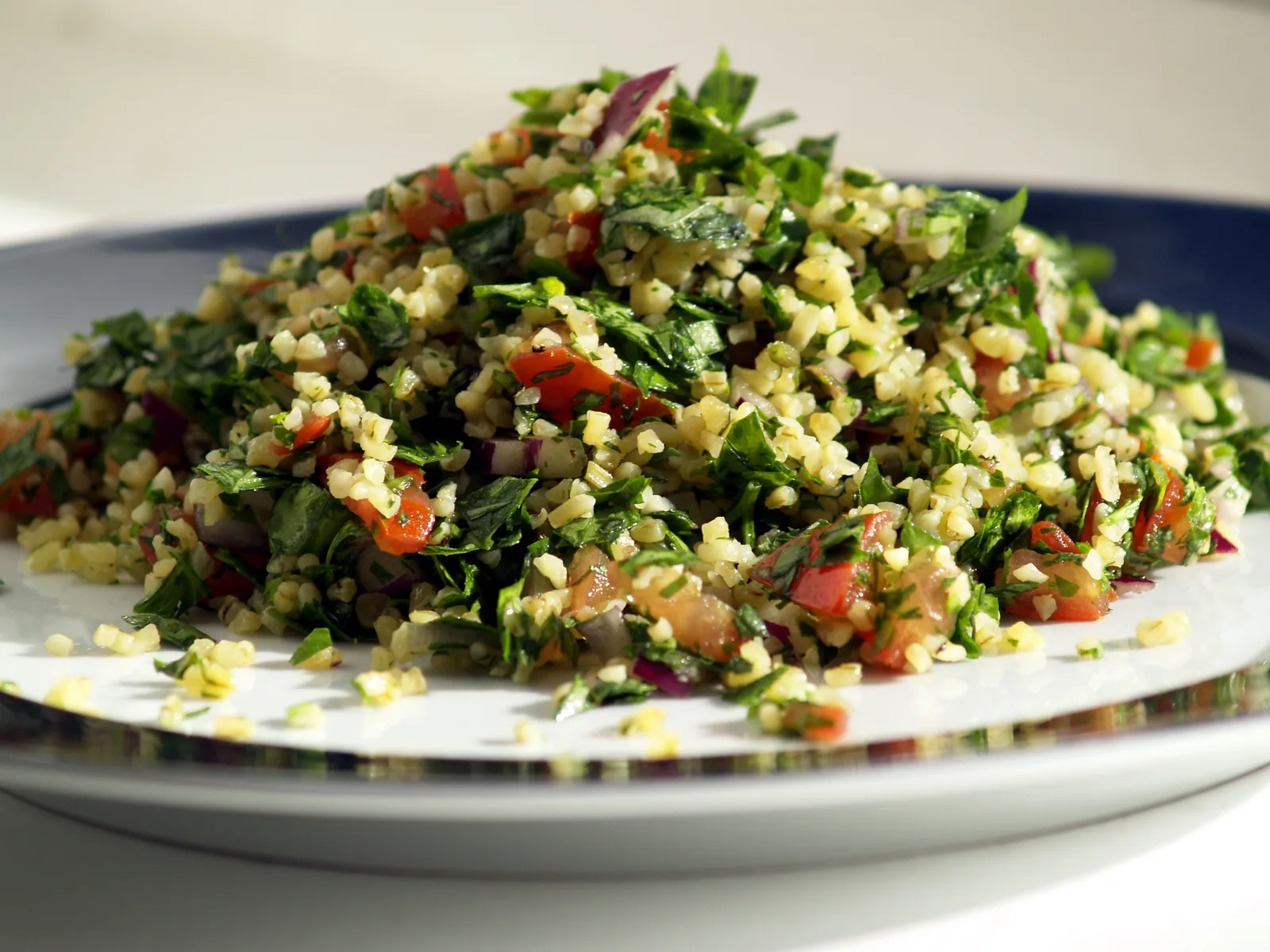
A plate of fresh Lebanese tabbouleh with chopped parsley, tomato and bulgur Lebanon flag Lebanon 25m
Lunch •Levantine Mezze Classic

Lebanese Tabbouleh

Tabbouleh is Lebanon's bright green parsley salad, where the herbs lead and fine bulgur plays a supporting role. Diced tomato, green onion and mint are tossed in lemon juice and olive oil for a fresh, lemony bite that wakes up any mezze table. One serving is about 216 g.

Light & Fresh

Mostly fresh parsley and tomato with a little bulgur, dressed in lemon and olive oil.

Pairs Well With
Warm pita bread, hummus and grilled halloumi
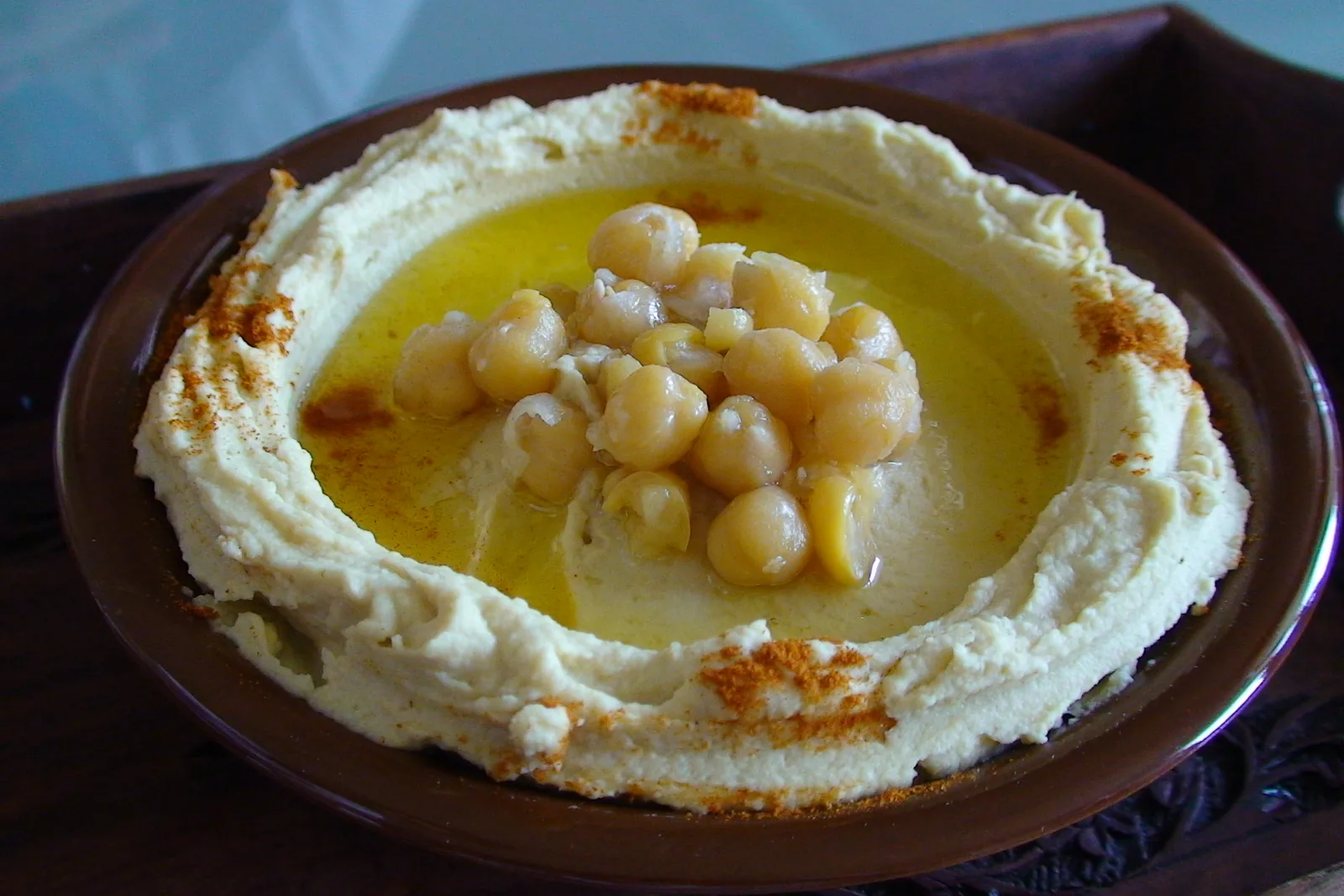
A bowl of cold Lebanese hummus with olive oil, whole chickpeas, paprika and parsley Lebanon flag Lebanon 1h 5m
Snack & Tea •Beirut Mezze Classic

Lebanese Hummus

Lebanese hummus is a cold, silky chickpea and tahini dip, lemon-forward with garlic and a pool of olive oil, topped with pine nuts and parsley. It is served chilled or at room temperature as part of a mezze spread, scooped up with warm pita — never served warm as a main plate. One serving is about 110 g.

Plant Protein Snack

Chickpeas and tahini blended into a smooth dip, with lemon, garlic and olive oil.

Pairs Well With
Warm pita bread, tabbouleh and olives
Quick Prep (<30m)
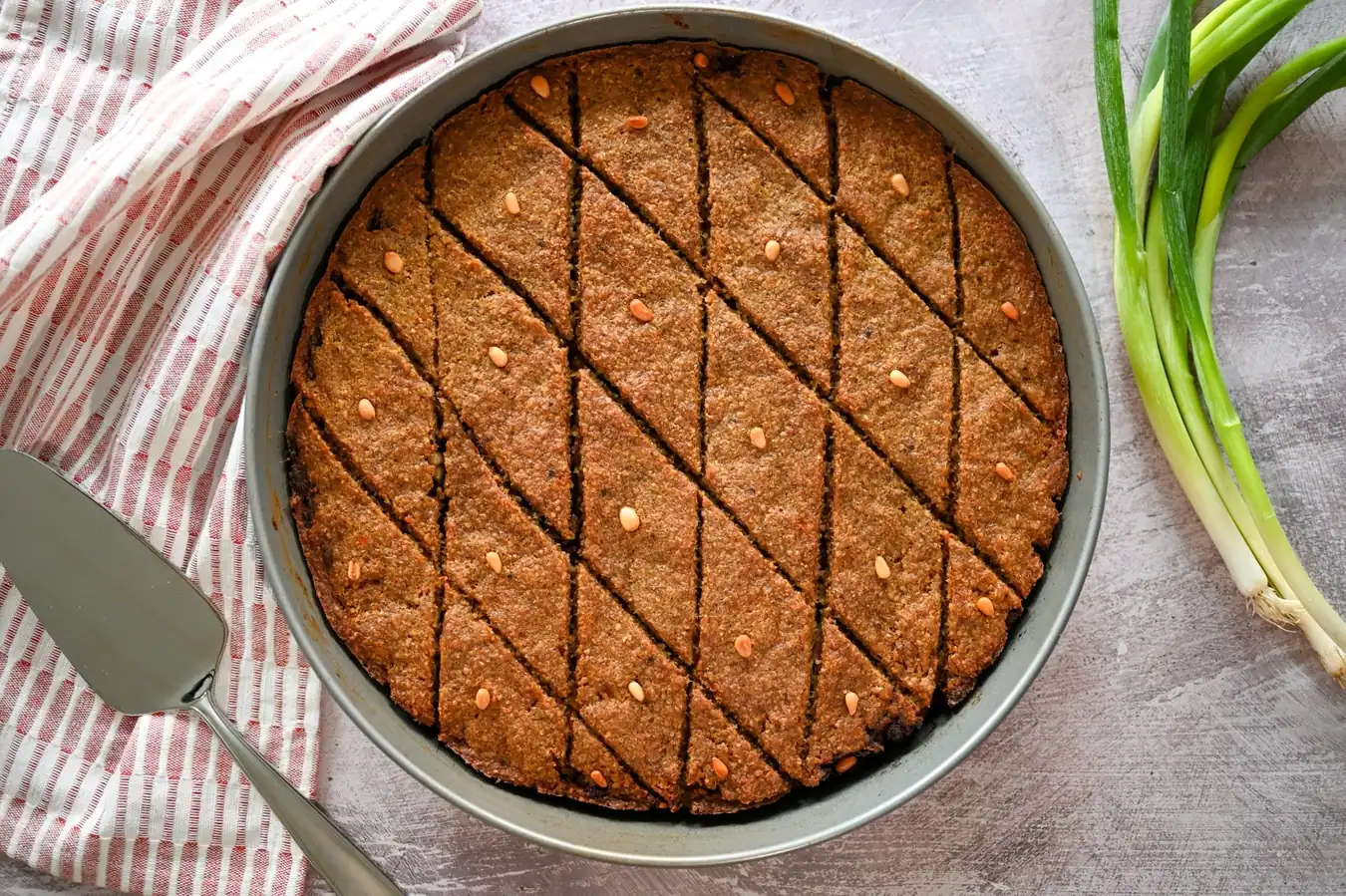
A baked tray of Lebanese kibbeh bil-saniyeh, scored into diamonds with pine nuts Lebanon flag Lebanon 1h 25m
Dinner •Lebanon's National Dish

Lebanese Kibbeh

Kibbeh bil-saniyeh is Lebanon's baked tray kibbeh: two layers of bulgur and lean beef sandwiching a spiced beef and pine-nut filling, scored into diamonds and baked until golden and crisp at the edges. It is the tray-baked form of Lebanon's national dish, made for sharing at the family table. One serving is about 202 g.

Hearty Family Dinner

Layers of bulgur and lean beef around a spiced pine-nut filling, baked until golden.

Pairs Well With
Yogurt, tabbouleh and warm pita bread
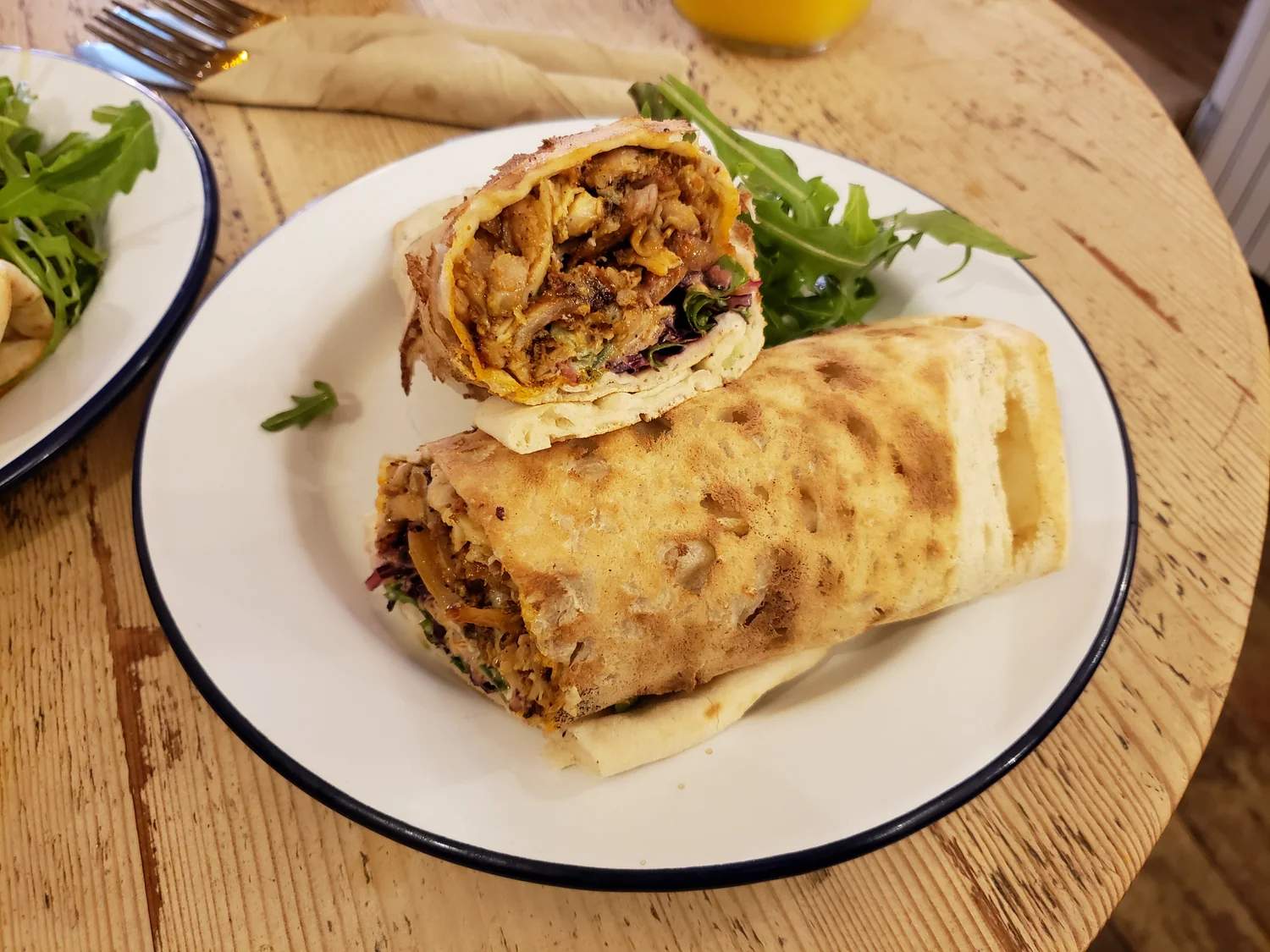
A sliced chicken shawarma wrap in toasted lavash showing spiced chicken, with rocket salad on a white plate Lebanon flag Lebanon 50m
Dinner •Beirut Street-Food Heritage

Lebanese Chicken Shawarma

This lebanese chicken shawarma recipe marinates boneless chicken thighs in yogurt, lemon, garlic and seven warm spices, then grills them until charred at the edges and slices them thin for rolling in soft Lebanese pita with toum, the whipped garlic sauce that defines the Lebanese version. Pickled turnips, dill pickles, tomato and parsley give every bite its sharp, fresh contrast. One serving is about 379 g.

High-Protein & Satisfying

Spice-marinated chicken thighs grilled and rolled in warm pita with toum, pickles and tomato — the Beirut street-food classic, made at home.

Pairs Well With
Toum, pickled turnips & fries
High Protein

The Dinner Gazette

Never wonder what’s for dinner again

One email a week with easy dinner ideas from around the world — ingredients, steps and nutrition, tested in our kitchen first.

Delivered every Thursday morning. Unsubscribe anytime.