Curated recipes from 193 countries  •  New seasonal Mediterranean issue out now

Overview

Lebanese Warak Enab

Warak Enab, Yalanji, Lebanese Stuffed Grape Leaves, Warak Arish

This lebanese warak enab recipe turns brined grape leaves, short-grain rice and a big handful of parsley and mint into neat little rolls that simmer in lemon water until tender, then chill into a bright, herby mezze. The Lebanese filling is vegetarian — no meat at all — just rice, tomato, onion, lemon juice and olive oil, so the lemon and herbs do all the talking. One serving is about 240 g, roughly six rolls with lemon wedges.

Warak enab means grape leaves in Arabic, and the dish is one of the oldest mezze of the Levant, where grapevines have grown for thousands of years and cooks learned to put the leaves to work. The name yalanji comes from the Turkish word yalanci, meaning false or pretender — a wink at the meatless filling, which imitates the meat dolma of the same region while standing on rice and herbs alone. In Lebanon the vegetarian, lemon-forward version is the classic: rolled by hand at home, simmered in lemon water and served cold on a sharing table.

Pairs well with: Hummus, tabbouleh and warm flatbread, with lemon wedges

Provenance

Lebanon flag Lebanon

Lebanese Mezze Heritage

Middle Eastern

Time Dedication

1h 55m

60m prep • 55m cook

Batch Yield

6 Servings

375 kcal per serving

1 serving ≈ 240 g

Technical Skill

Advanced

Advanced (Rolling)

Meal Timing & Digestive Fit

Breakfast

Not Advised

Lunch

Prime Metabolic Fit

Dinner

Ideal Hearty Main

Snack & Tea

Inappropriate

Occasions: Mezze spreads, Ramadan iftar, family lunches, summer picnics, make-ahead entertaining Cost: Low — about $2–3 per serving at home
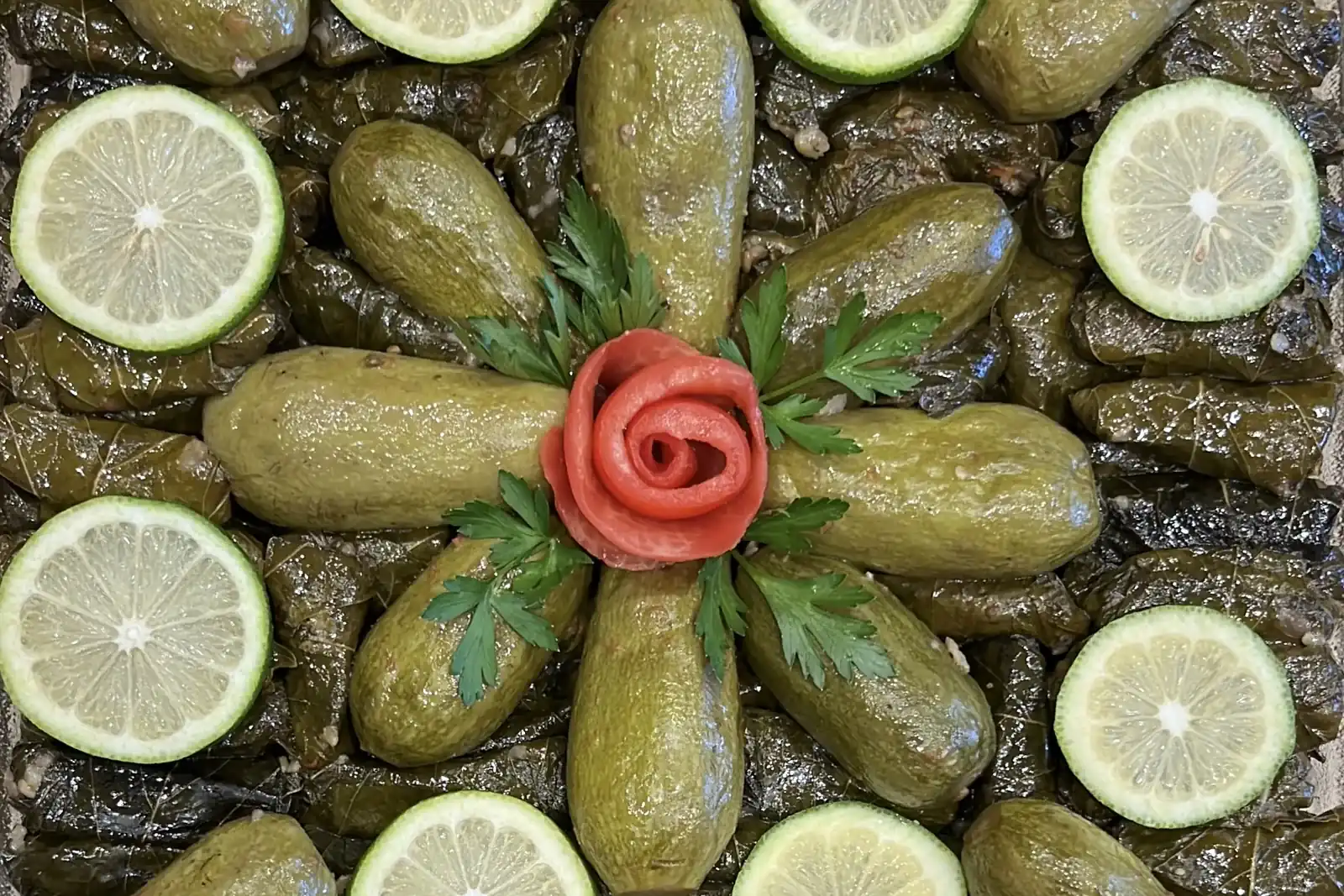
A platter of Lebanese warak enab, glossy stuffed grape leaves arranged with stuffed zucchini, lemon slices and a tomato rose in the centre

Lebanese Mezze Heritage

Photo: Aseel zm, CC0, via Wikimedia Commons

The Heritage Formulary

Measured Ingredients

Estimated cost: Low — about $2–3 per serving at home (USD)

A traditional Lebanese mezze: vegetarian, lemon-forward, and served cold.

Execution Methodology & Culinary Technique

Step-by-Step Cooking Guide

Active 1h 55m
P

Rinse, soak and mix the filling

25 minutes

Rinse the brined leaves and the rice, soak the rice for 15 minutes, then mix the drained rice with the diced tomato and onion, chopped parsley and mint, 80 ml of the lemon juice, 60 g of the olive oil and the salt. The filling should look green and smell sharply of lemon and herbs before a single leaf is rolled.

Maestro Tip: Taste a pinch of the filling: it should taste a little too lemony and a little too salty on its own, because the rice and leaves will mellow it as they cook.

  1. 1

    Rinse the leaves and soak the rice

    10 minutes Room temperature (20°C / 68°F)

    Rinse the brined grape leaves in several changes of cold water until they no longer taste very salty, then snip off the stems and lay the leaves flat, shiny side down, with any torn ones set aside for lining the pot. Rinse the rice until the water runs almost clear, soak it for 15 minutes, then drain it well.

    Keep the torn leaves — they make a protective layer at the bottom of the pot so the rolls never scorch.

    Done when: Leaves taste only mildly salty; rice is drained and no longer cloudy.

  2. 2

    Mix the herbed rice filling

    10 minutes Room temperature (20°C / 68°F)

    In a large bowl, combine the drained rice with the finely diced tomato and onion, the chopped parsley and mint, 80 ml of the lemon juice, 60 g of the olive oil and the salt. Mix gently with your hands or a spoon until everything is evenly coated and the filling looks flecked with green.

    Do not over-mix or crush the rice — the grains should stay whole so the rolls hold their shape.

    Done when: Filling is evenly green-flecked, moist and lemony.

  3. 3

    Roll the leaves

    30 minutes Room temperature (20°C / 68°F)

    Lay a leaf shiny side down, place about 1 tablespoon of filling near the stem end, fold the sides in over the filling, then roll up snugly from the stem end to the tip — firm enough to hold, loose enough for the rice to swell as it cooks. Repeat until the filling is used up, making about 36 rolls.

    If a leaf tears, patch it with a second small leaf rather than throwing it away; a double-wrapped roll cooks just as well.

    Done when: About 36 neat, finger-length rolls that hold together when lifted.

  4. 4

    Pack the pot and add the lemon cooking liquid

    10 minutes Room temperature (20°C / 68°F)

    Line a wide, heavy pot with the torn leaves, then pack the rolls in tight snug layers, seam side down, so they cannot unroll. Whisk the 500 ml of water with the remaining 40 ml of lemon juice and 30 g of olive oil, pour it over the rolls, and set a small heatproof plate on top to hold them down.

    Packing tightly matters more than neatness — loose rolls drift, open up and turn to mush.

    Done when: Rolls are packed tight, just covered by liquid, weighted with a plate.

  5. 5

    Simmer gently until tender

    45 minutes, plus 10 minutes resting Gentle simmer at about 95°C (203°F)

    Bring the pot to a gentle simmer over medium heat, then lower the heat, cover, and simmer for 45 minutes without stirring, until the rice inside is tender and the leaves are soft. Take the pot off the heat and leave it covered for 10 minutes so the rolls settle and absorb the last of the liquid.

    Keep it at a bare simmer — a hard boil shakes the rolls apart. If the pot looks dry before 45 minutes, add a splash of hot water.

    Done when: A test roll unwraps easily, the rice is fully tender and the leaf is soft, not chewy.

  6. 6

    Cool, chill and serve cold

    At least 2 hours Chill in the fridge at 4°C (40°F) or below

    Lift the rolls out of the pot, arrange them on a platter and let them cool to room temperature, then cover and chill in the fridge for at least 2 hours — overnight is even better. Serve cold or at room temperature, garnished with the lemon slices and a drizzle of the cooking liquid, with extra lemon wedges on the side. (The 2 hours of cooling are in addition to the 115 minutes of preparation and cooking above.)

    Warak enab tastes best the next day, once the lemon and olive oil have soaked right through the rolls.

    Done when: Rolls are cold, firm enough to pick up with the fingers, and bright with lemon.

Finishing Touches & Plating

Arrange the chilled rolls in overlapping rows on a flat platter, tuck lemon slices between them, and drizzle over a spoonful of the lemony cooking liquid so the leaves glisten. Serve as part of a mezze spread, eaten with the fingers or a fork.

Nutritional Physiology & Benefits

Nutrition

Energy

375

kcal / serving

Protein

7g

Complete AA

Carbs

53g

Complex

Fats

16g

Healthy

Per serving (6 servings · 1 serving ≈ 240 g)
Energy375 kcal
Protein7 g
Carbohydrates53 g
Fat16 g
Fibre6.4 g
Sugar4.9 g
Sodium628 mg
Per 100g
Energy156 kcal
Protein2.7 g
Carbohydrates21.9 g
Fat6.8 g
Fibre2.7 g
Sugar2 g
Sodium262 mg

Nutrition values are estimated — calculated from USDA FoodData Central values for the listed ingredients.

Vitamins & minerals: Vitamin A and vitamin K (grape leaves), folate (parsley, mint and rice), vitamin C (lemon) and vitamin E (olive oil). Nutrition values are estimated.

Plant-based and fibre-rich

With no meat, egg or dairy, the dish is naturally vegan, and the grape leaves and herbs provide about 6.4 g of fibre per serving, which supports normal digestion.

Fresh herbs and lemon

Parsley, mint and lemon juice supply vitamin C and folate, and the herbs give the dish its flavour without added sugar.

Olive oil fats

The fat in this dish comes from olive oil, which is mostly monounsaturated fat, rather than from butter or animal fat.

Food Pairings

What to Eat With

To optimize nutrient absorption and elevate the sensory depth, pair with these authentic accompaniments:

Sides

Hummus and warm flatbread

Creamy hummus and soft bread give the cold, lemony rolls something rich and warm to sit beside, and the bread is handy for scooping up the lemony juices.

Vegetables

Tabbouleh

Tabbouleh shares the same parsley, mint and lemon language as the filling, so the two dishes echo each other instead of competing.

Drinks

Mint tea

Hot mint tea cuts through the olive oil and refreshes the palate between the cool, tangy rolls.

Full Menus

A mezze spread

Served with olives, labneh and pickled vegetables, the rolls become the centrepiece of a sharing table where everyone picks at a little of everything.

Complete menu

Start with hummus and olives, serve the warak enab with tabbouleh and warm flatbread, and finish with fresh fruit and mint tea.

Digestive Guardrails

What NOT to Combine

To prevent digestive distress, sluggishness, or palate clash, avoid pairing the dish with these elements:

Very salty accompaniments

The brined leaves already bring a good deal of salt, so pairing the rolls with very salty pickles or cured meats can push a meal's sodium far higher than intended. This is general information, not medical advice.

Leaving them out in the heat

Cooked rice dishes should not sit at room temperature for long, especially in warm weather, because rice can harbour bacteria that reheating does not reliably remove. Chill the rolls promptly and keep them refrigerated. This is general food-safety information, not medical advice.

General information only, not medical advice — consult a doctor for personal dietary decisions.

Who Should Eat It

Who Should Eat

  • General adultsA good light lunch or mezze dish; six rolls make a satisfying serving with bread and salads.
  • ChildrenSuitable for children who enjoy tangy flavours; the lemon can be strong for younger children, so offer one roll to taste first.
  • ElderlySoft, easy to chew and easy to digest; the salt content is worth noting for those watching sodium.
  • Pregnant womenA plant-based option with folate from the herbs and rice; make sure the rolls are freshly made, properly chilled and eaten within a couple of days.
  • Breastfeeding womenA light, fibre-rich dish that fits well into a varied diet; no ingredient here is a common concern while breastfeeding.
  • AthletesUseful as a carbohydrate-rich side around training, but low in protein, so pair it with hummus, beans or another protein source.
  • Weight gainA modest-calorie dish at 375 kcal a serving; add bread, hummus and olives to make the meal more energy-dense.
  • Weight lossAt 375 kcal with 6.4 g of fibre per serving it is filling for its calories; watch the bread and olive-oil-heavy sides if calories matter.

Health Conditions — Adjust or Avoid

Conditions

  • DiabetesEach serving carries about 52.5 g of carbohydrate, mostly from rice, so count it as a starchy portion and pair it with vegetables and a protein-rich side. Ask your clinician or dietitian for advice tailored to you.
  • High blood pressureSodium is about 628 mg per serving, largely from the brined leaves; rinsing the leaves well and skipping extra salt at the table helps. Ask your clinician for advice tailored to you.
  • Kidney diseaseThe dish is moderate in potassium from the tomato, herbs and leaves, and the sodium may matter depending on your plan. Ask your clinician or dietitian before making it a regular dish.
  • GoutThis is a plant-based dish with no meat, offal or seafood, so it does not add the purine load of meat-based meals. Ask your clinician if you are unsure.
  • Stomach issuesThe lemon juice makes this a fairly acidic dish, which can bother people with reflux; the high fibre may also be uncomfortable in large portions. Eat a small portion first and ask your clinician if symptoms persist.
  • Cardiovascular diseaseThe fat here is mainly monounsaturated fat from olive oil, with no animal fat and no cholesterol. Ask your clinician for advice tailored to you.
  • Fatty liverA plant-based, moderate-calorie dish with no added sugar and no alcohol; it fits a generally liver-friendly pattern. Ask your clinician for advice tailored to you.
  • Food allergiesThis recipe contains none of the common major allergens — no gluten, dairy, egg, nuts, soy or seafood — but always check the label on your jar of brined grape leaves for additives. If you have an allergy, ask your clinician.
  • Special therapeutic dietsNaturally vegan and gluten-free, and suitable for many plant-based plans; check the brined-leaf label if your diet restricts salt or specific additives, and ask your clinician or dietitian.

If you have a medical condition, consult your doctor before changing your diet.

Storage & Use

Storage & Use

How to store
Cool the rolls quickly, then store in a covered container with a little of the cooking liquid spooned over them to keep them moist.
In the fridge
Keeps 3–4 days in the fridge at 4°C (40°F) or below; the flavour improves on day two.
In the freezer
Not recommended — freezing makes the leaves tough and the rice grainy.
How to reheat
Serve cold; if you prefer them barely warm, bring to room temperature rather than reheating, and never leave them out for more than 2 hours.
Freezing recommended
No.
Signs it has spoiled
Sour or off smell beyond the normal lemon tang, slimy leaves, or any mould.

More recipes to explore

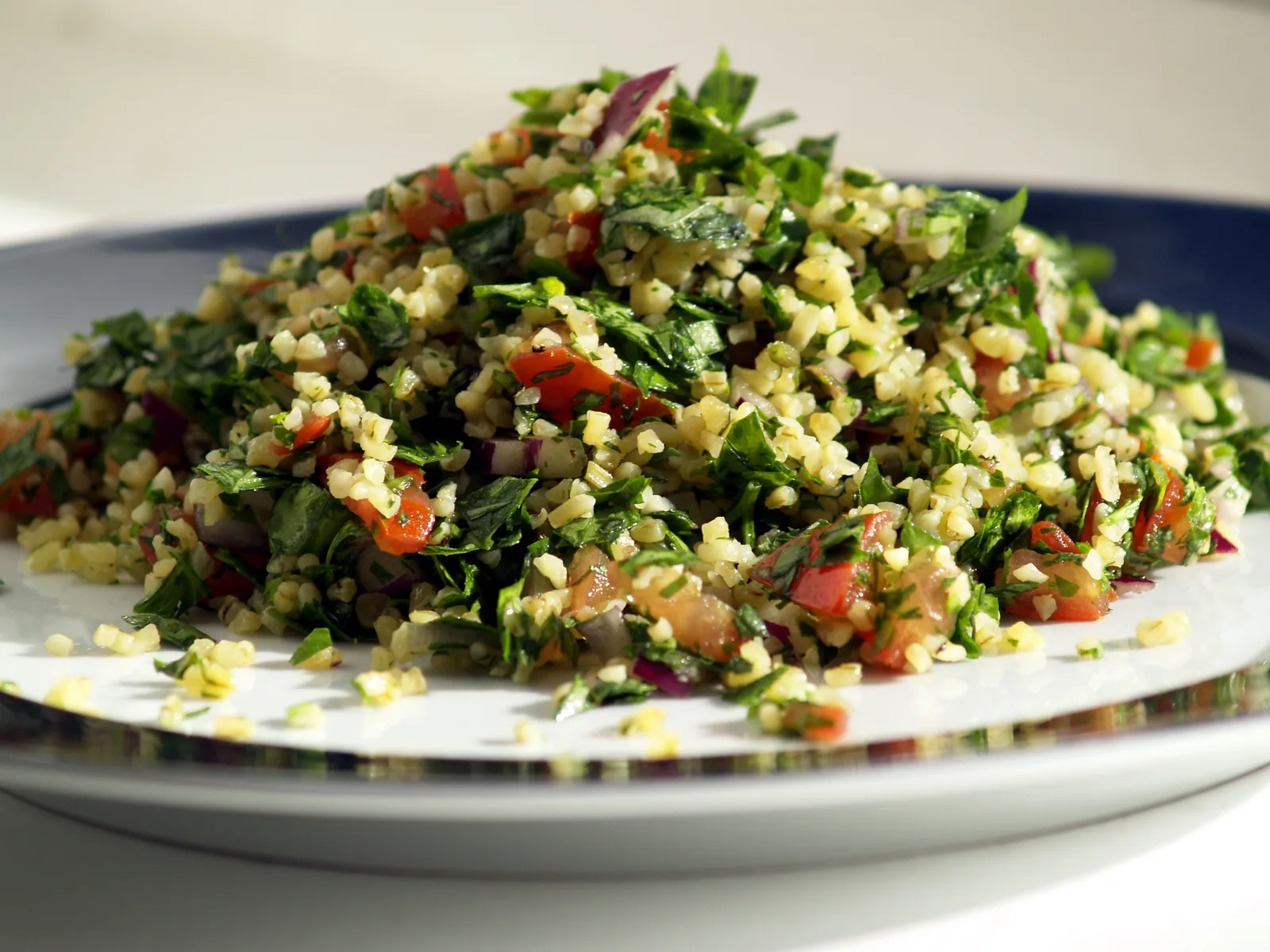
A plate of fresh Lebanese tabbouleh with chopped parsley, tomato and bulgur Lebanon flag Lebanon 25m
Lunch •Levantine Mezze Classic

Lebanese Tabbouleh

Tabbouleh is Lebanon's bright green parsley salad, where the herbs lead and fine bulgur plays a supporting role. Diced tomato, green onion and mint are tossed in lemon juice and olive oil for a fresh, lemony bite that wakes up any mezze table. One serving is about 216 g.

Light & Fresh

Mostly fresh parsley and tomato with a little bulgur, dressed in lemon and olive oil.

Pairs Well With
Warm pita bread, hummus and grilled halloumi
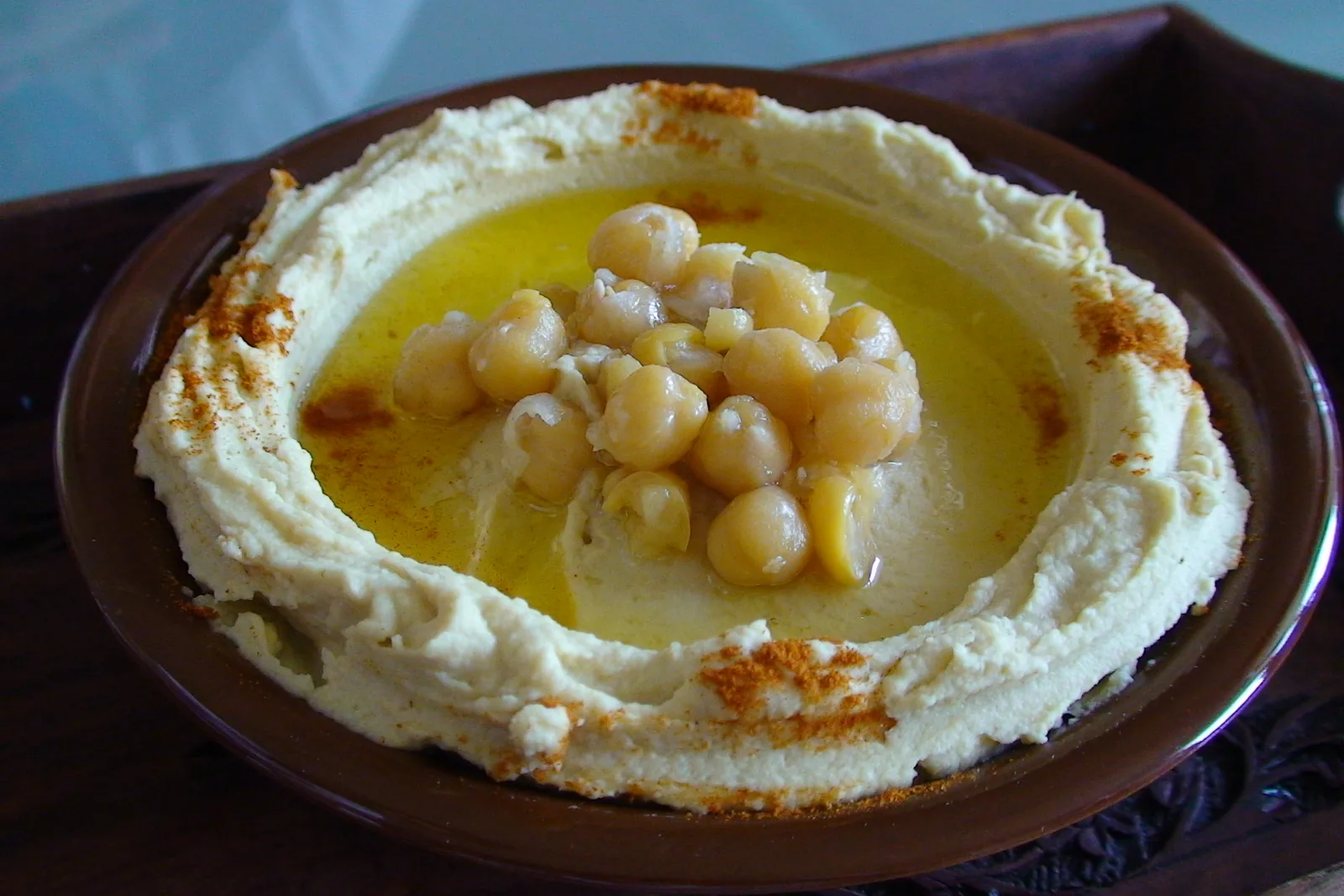
A bowl of cold Lebanese hummus with olive oil, whole chickpeas, paprika and parsley Lebanon flag Lebanon 1h 5m
Snack & Tea •Beirut Mezze Classic

Lebanese Hummus

Lebanese hummus is a cold, silky chickpea and tahini dip, lemon-forward with garlic and a pool of olive oil, topped with pine nuts and parsley. It is served chilled or at room temperature as part of a mezze spread, scooped up with warm pita — never served warm as a main plate. One serving is about 110 g.

Plant Protein Snack

Chickpeas and tahini blended into a smooth dip, with lemon, garlic and olive oil.

Pairs Well With
Warm pita bread, tabbouleh and olives
Quick Prep (<30m)
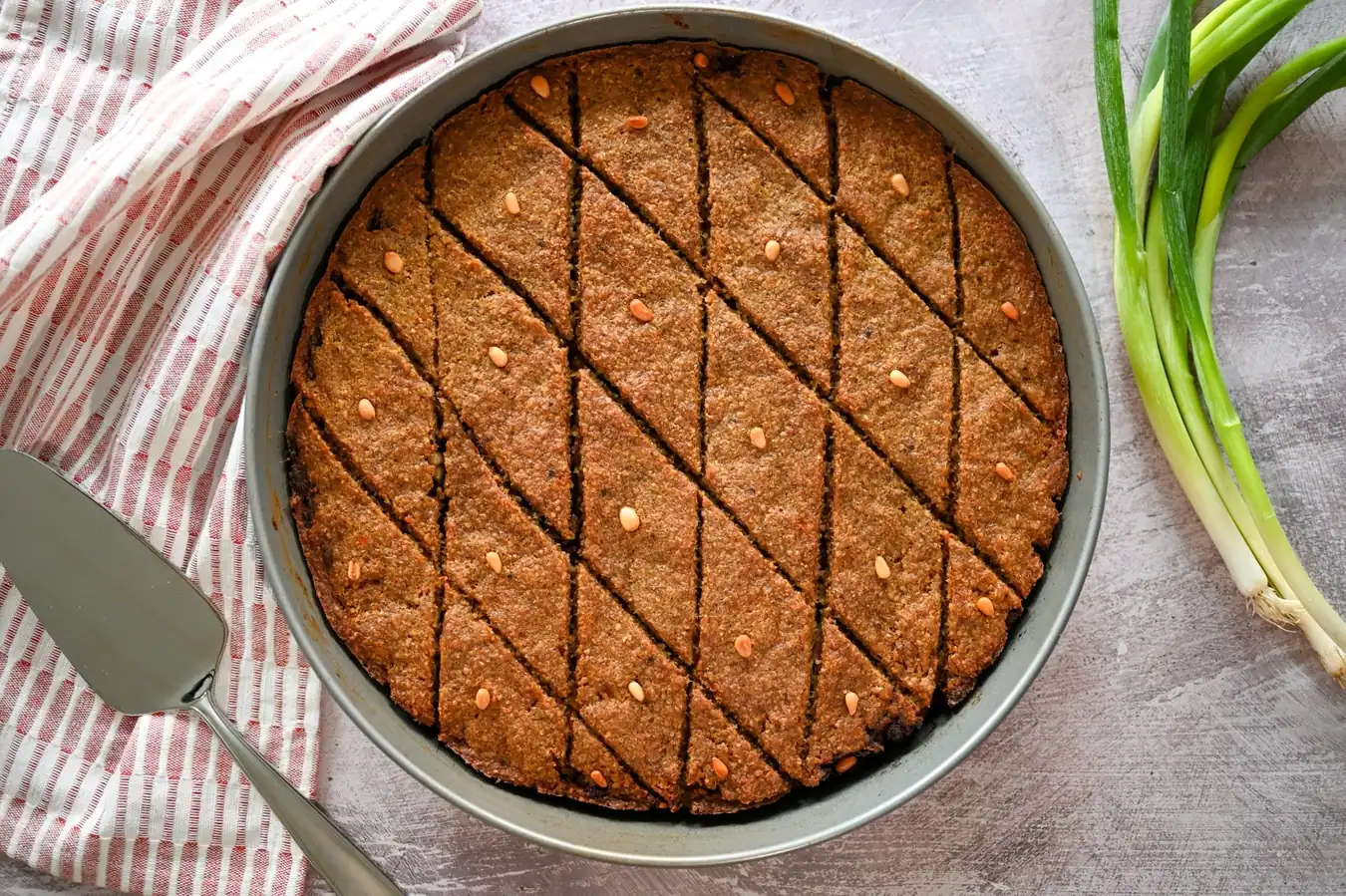
A baked tray of Lebanese kibbeh bil-saniyeh, scored into diamonds with pine nuts Lebanon flag Lebanon 1h 25m
Dinner •Lebanon's National Dish

Lebanese Kibbeh

Kibbeh bil-saniyeh is Lebanon's baked tray kibbeh: two layers of bulgur and lean beef sandwiching a spiced beef and pine-nut filling, scored into diamonds and baked until golden and crisp at the edges. It is the tray-baked form of Lebanon's national dish, made for sharing at the family table. One serving is about 202 g.

Hearty Family Dinner

Layers of bulgur and lean beef around a spiced pine-nut filling, baked until golden.

Pairs Well With
Yogurt, tabbouleh and warm pita bread
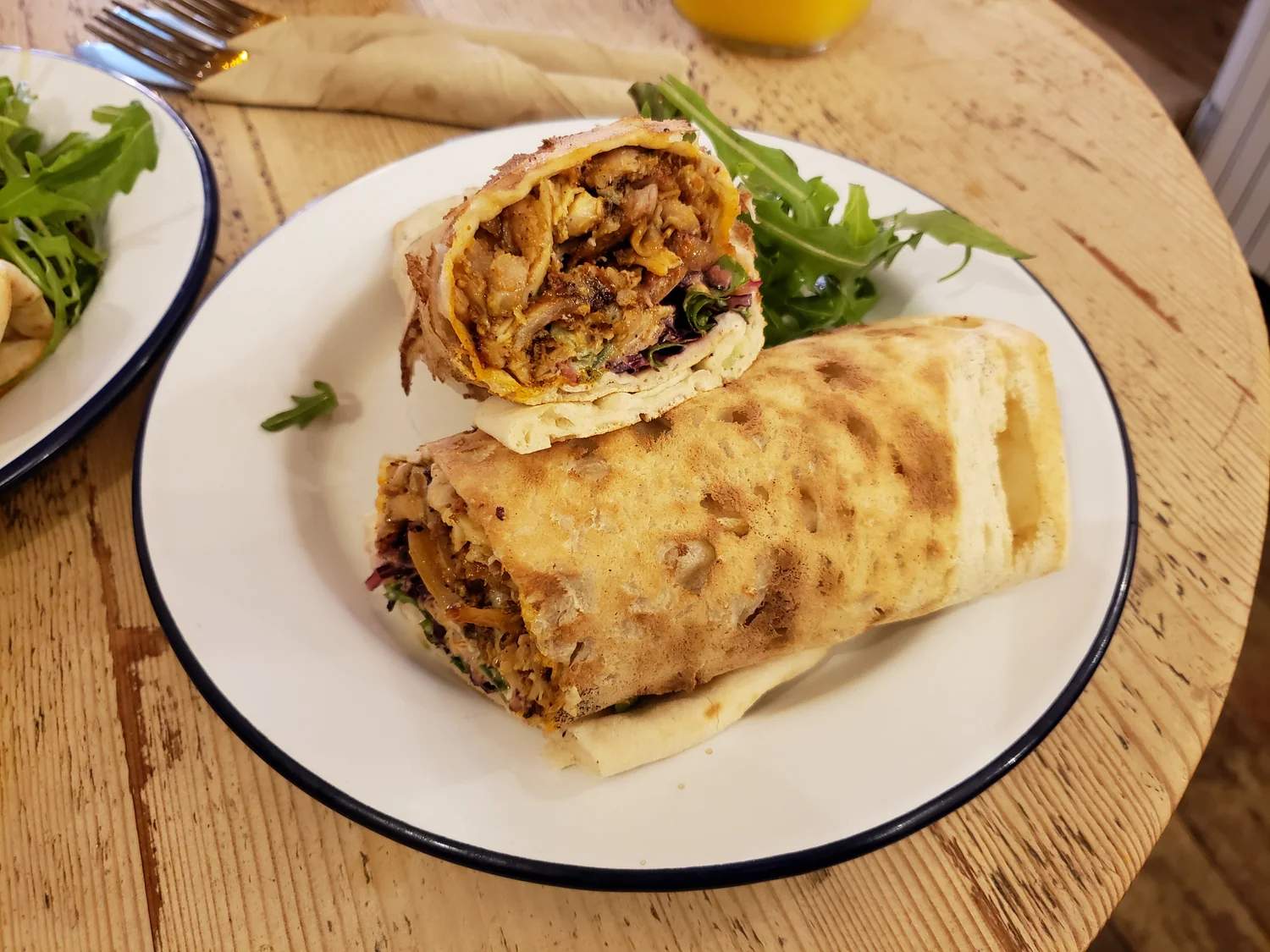
A sliced chicken shawarma wrap in toasted lavash showing spiced chicken, with rocket salad on a white plate Lebanon flag Lebanon 50m
Dinner •Beirut Street-Food Heritage

Lebanese Chicken Shawarma

This lebanese chicken shawarma recipe marinates boneless chicken thighs in yogurt, lemon, garlic and seven warm spices, then grills them until charred at the edges and slices them thin for rolling in soft Lebanese pita with toum, the whipped garlic sauce that defines the Lebanese version. Pickled turnips, dill pickles, tomato and parsley give every bite its sharp, fresh contrast. One serving is about 379 g.

High-Protein & Satisfying

Spice-marinated chicken thighs grilled and rolled in warm pita with toum, pickles and tomato — the Beirut street-food classic, made at home.

Pairs Well With
Toum, pickled turnips & fries
High Protein

The Dinner Gazette

Never wonder what’s for dinner again

One email a week with easy dinner ideas from around the world — ingredients, steps and nutrition, tested in our kitchen first.

Delivered every Thursday morning. Unsubscribe anytime.