
Curated recipes from 193 countries  •  New seasonal Mediterranean issue out now

Overview

Lebanese White Bean Salad

Salatet Fassoulia, Fasolia bi Zait, Lebanese Bean Salad

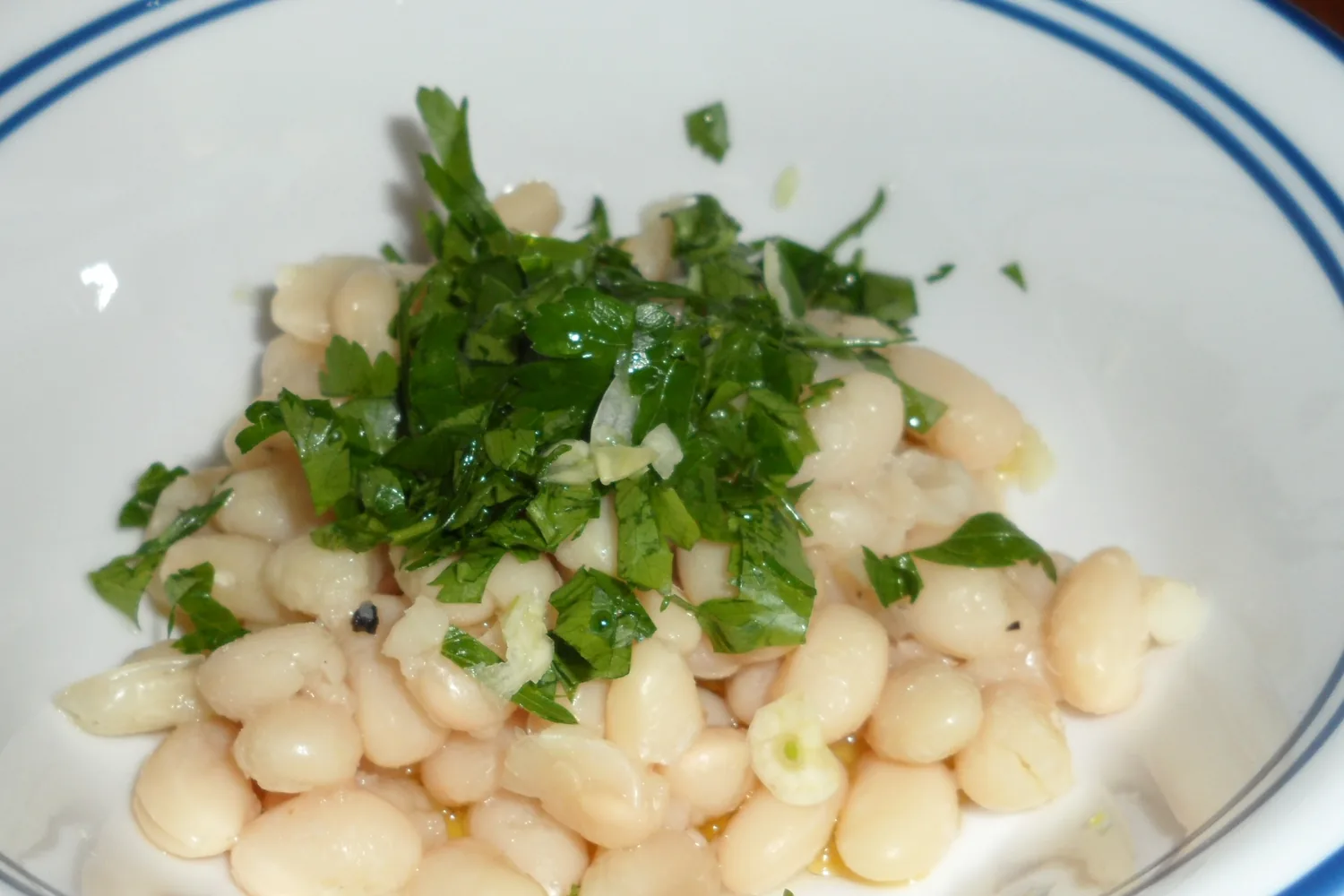
This Lebanese white bean salad recipe tosses creamy cannellini beans with ripe tomato, red onion, parsley and a sharp lemon-garlic dressing. One serving is about 229 g, with plenty of fibre and plant protein and no cooking at all. It is the kind of mezze salad that tastes better after a short rest, when the beans drink in the dressing.

Salatet fassoulia — white beans dressed in oil, lemon and garlic — is a staple of the Lebanese mezze table, where small plates of beans, chickpeas and lentils have been served with bread for generations. The name comes from fasolia, the Arabic word for beans, and the salad's lemon-garlic dressing is the same bright dressing used across Levantine salads. It is an everyday home dish rather than a restaurant invention: beans from the pantry, herbs from the garden, and a lemon squeezed over the top.

Pairs well with: Warm pita bread and a bowl of hummus

Provenance

Lebanon flag Lebanon

Levantine Mezze Classic

Middle Eastern

Time Dedication

20m

20m prep • 0m cook

Batch Yield

4 Servings

258 kcal per serving

1 serving ≈ 229 g

Technical Skill

Easy

Easy (No-Cook Mezze)

Meal Timing & Digestive Fit

Breakfast

Not Advised

Lunch

Prime Metabolic Fit

Dinner

Ideal Hearty Main

Snack & Tea

Inappropriate

Occasions: Mezze spreads, picnics, packed lunches, summer barbecues, Ramadan iftar Cost: Low — about $2–3 per serving at home
Creamy white beans tossed with chopped parsley and garlic in a white bowl with a blue rim

Levantine Mezze Classic

Photo: gran, CC BY 3.0, via Wikimedia Commons

The Heritage Formulary

Measured Ingredients

Estimated cost: Low — about $2–3 per serving at home (USD)

A good fasolia salad is judged by its dressing: bright with lemon, fragrant with garlic, and never drowned in oil.

Execution Methodology & Culinary Technique

Step-by-Step Cooking Guide

Active 20m
P

Prep Stage: Rinse, Chop and Whisk

20 Mins

Drain the beans into a colander and rinse under cold running water until the water runs clear, then shake dry — rinsing washes away much of the canning liquid and a good share of the salt. Dice the tomatoes and red onion, chop the parsley and mint, and mince the garlic. Whisk the lemon juice, olive oil, cumin and garlic into a cloudy dressing and season with salt and pepper.

Maestro Tip: Rinse the beans well: it is the single easiest way to cut the salt in a canned-bean salad.

  1. 1

    Rinse the Beans

    5 Mins Room temperature, ~20°C (68°F)

    Tip the beans into a colander and rinse under cold running water, tossing gently, until the water runs clear. Shake the colander hard and leave the beans to drain for a minute — wet beans water down the dressing.

    Rinse until the water is clear, not just until the beans look clean; the canning liquid is where most of the salt sits.

    Done when: Beans are clean, plump and dry to the touch.

  2. 2

    Chop the Salad

    8 Mins Room temperature, ~20°C (68°F)

    Put the beans in a wide serving bowl. Add the diced tomatoes, red onion, parsley and mint, and toss very gently with two spoons — you want the beans whole, not smashed.

    Dice the tomato small, about 1 cm, so every spoonful gets some tomato, onion and herbs.

    Done when: A colourful mix with the beans still whole.

  3. 3

    Whisk the Dressing

    3 Mins Room temperature, ~20°C (68°F)

    In a small bowl, whisk the lemon juice, olive oil, cumin and minced garlic together with the salt and pepper until the dressing turns cloudy and slightly thick.

    Whisk hard for a full 30 seconds: a properly mixed dressing coats the beans instead of sliding off them.

    Done when: A cloudy, lightly thickened dressing.

  4. 4

    Toss and Rest

    10 Mins Room temperature, ~20°C (68°F)

    Pour the dressing over the salad and toss gently until every bean glistens. Leave the bowl to rest for 10 minutes at room temperature so the beans drink in the lemon and garlic.

    Do not skip the rest — a bean salad eaten the second it is dressed tastes flat; ten minutes changes it completely.

    Done when: The beans taste seasoned right through, not just on the surface.

  5. 5

    Taste and Serve

    2 Mins Room temperature, ~20°C (68°F)

    Taste a bean and a spoonful of the dressing: add another squeeze of lemon if it needs brightness, or a pinch more salt. Scatter the sumac over the top and serve at room temperature or lightly chilled.

    Season at the end, after the rest — the beans absorb salt as they sit, and early seasoning can leave the salad over-salted.

    Done when: Bright, garlicky and well seasoned, with the sumac on top.

Finishing Touches & Plating

Serve at room temperature or lightly chilled, with warm pita for scooping and a last drizzle of olive oil over the top.

Nutritional Physiology & Benefits

Nutrition

Energy

258

kcal / serving

Protein

10g

Complete AA

Carbs

32g

Complex

Fats

11g

Healthy

Per serving (4 servings · 1 serving ≈ 229 g)
Energy258 kcal
Protein10 g
Carbohydrates32 g
Fat11 g
Fibre7.4 g
Sugar2.8 g
Sodium612 mg
Per 100g
Energy113 kcal
Protein4.4 g
Carbohydrates13.9 g
Fat4.8 g
Fibre3.2 g
Sugar1.2 g
Sodium267 mg

Nutrition values are estimated — calculated from USDA FoodData Central values for the listed ingredients.

Vitamins & minerals: Folate, iron and magnesium (white beans), vitamin C (lemon, tomato and parsley), vitamin K (parsley). All nutrition values are estimated.

Fibre and Plant Protein

White beans bring about 7.4 g of fibre and 10.1 g of protein per serving, which is what makes a simple salad genuinely filling.

Vitamin C from Lemon and Herbs

Lemon juice, tomato and parsley supply vitamin C, which helps the body absorb the iron in the beans.

Healthy Fats, No Cooking

Extra-virgin olive oil supplies monounsaturated fat, and nothing in the salad is fried or processed.

Food Pairings

What to Eat With

To optimize nutrient absorption and elevate the sensory depth, pair with these authentic accompaniments:

Sides

Warm Pita Bread

Soft pita is the proper tool for this salad — it scoops up beans and dressing that a fork leaves behind.

More Pairings

Hummus

Another chickpea-and-lemon mezze dish; together they turn a small salad into a proper mezze spread.

Drinks

Mint Tea

Hot, unsweetened mint tea cleanses the palate between bites of the garlicky, lemony beans.

Full Menus

Grilled Chicken Skewers

Lean grilled chicken adds warm protein to the cool salad, and the lemon in both ties the plate together.

Complete menu

Serve the salad as part of a mezze spread with hummus, tabbouleh and warm pita, or as a light lunch with grilled chicken skewers and mint tea.

Digestive Guardrails

What NOT to Combine

To prevent digestive distress, sluggishness, or palate clash, avoid pairing the dish with these elements:

Very Salty Accompaniments

The beans already carry salt from the can, even after rinsing, so piling on salty olives, feta and pickles in the same meal can push the sodium far higher than the salad alone. Keep salty extras small. This is general information, not medical advice.

Leaving It Out in the Heat

This is a perishable salad: do not leave it sitting in the sun or at room temperature for more than 2 hours, or bacteria can grow in the beans and dressing. Keep it chilled at a picnic and return leftovers to the fridge promptly. This is general information, not medical advice.

General information only, not medical advice — consult a doctor for personal dietary decisions.

Who Should Eat It

Who Should Eat

  • General adultsA complete, filling lunch for most adults — fibre, protein and healthy fat in one bowl.
  • ChildrenSuitable from age 2+ in small portions; the raw onion and garlic can be strong, so go easy on both for young children.
  • ElderlySoft, easy to chew and easy to digest; keep the onion mild and the salt light.
  • Pregnant womenFully cooked beans and a fresh dressing make it a good pregnancy lunch; keep the salt moderate. Ask your clinician about any concerns.
  • Breastfeeding womenA filling, iron-rich lunch that fits well into a breastfeeding diet; keep the salt in mind. Ask your clinician about any concerns.
  • AthletesAbout 10.1 g of protein and good fibre per serving — a solid light lunch, best paired with bread or chicken after training.
  • Weight gainEasy to eat in large portions — add a second helping and warm pita with olive oil.
  • Weight lossFilling for about 258 kcal a serving, with high fibre — keep to one serving and load up on the tomato and herbs.

Health Conditions — Adjust or Avoid

Conditions

  • DiabetesAbout 31.9 g of carbohydrate per serving from the beans and tomato — count it in your meal plan and keep the portion to one serving. Ask your clinician about portion size.
  • High blood pressureSodium is about 612 mg per serving, mostly from the canned beans — rinse the beans very well and skip extra salt. Ask your clinician about portion size.
  • Kidney diseaseBeans are high in potassium and the dressing adds sodium, which may need limiting; ask your clinician before eating this salad regularly.
  • GoutBeans are moderate in purines, so keep portions modest during a flare. Ask your clinician.
  • Stomach issuesRaw onion and garlic can irritate a sensitive stomach — use less of both and chew well. Ask your clinician if symptoms persist.
  • Cardiovascular diseaseLow in saturated fat and rich in fibre — a heart-friendly choice in normal portions. Ask your clinician about portion size.
  • Fatty liverFibre-rich and low in fat, so it fits well in a modest portion with plenty of tomato and herbs. Ask your clinician about portion size.
  • Food allergiesContains no major allergens as written — just check the canned-bean label for any added ingredients if you have a legume allergy. Ask your clinician.
  • Special therapeutic dietsIf you follow a prescribed low-sodium diet, rinse the beans thoroughly and use no added salt; check with your clinician before eating.

If you have a medical condition, consult your doctor before changing your diet.

Storage & Use

Storage & Use

How to store
Cool to room temperature, then store in an airtight container in the fridge.
In the fridge
3 days in the fridge in an airtight container; stir before serving.
In the freezer
Not recommended — frozen beans turn mealy and the herbs wilt.
How to reheat
No reheating needed; serve cold or at room temperature.
Freezing recommended
No — freezing spoils the texture of the beans and herbs.
Signs it has spoiled
Sour or off smell, slimy beans, or mould on the herbs.

More recipes to explore

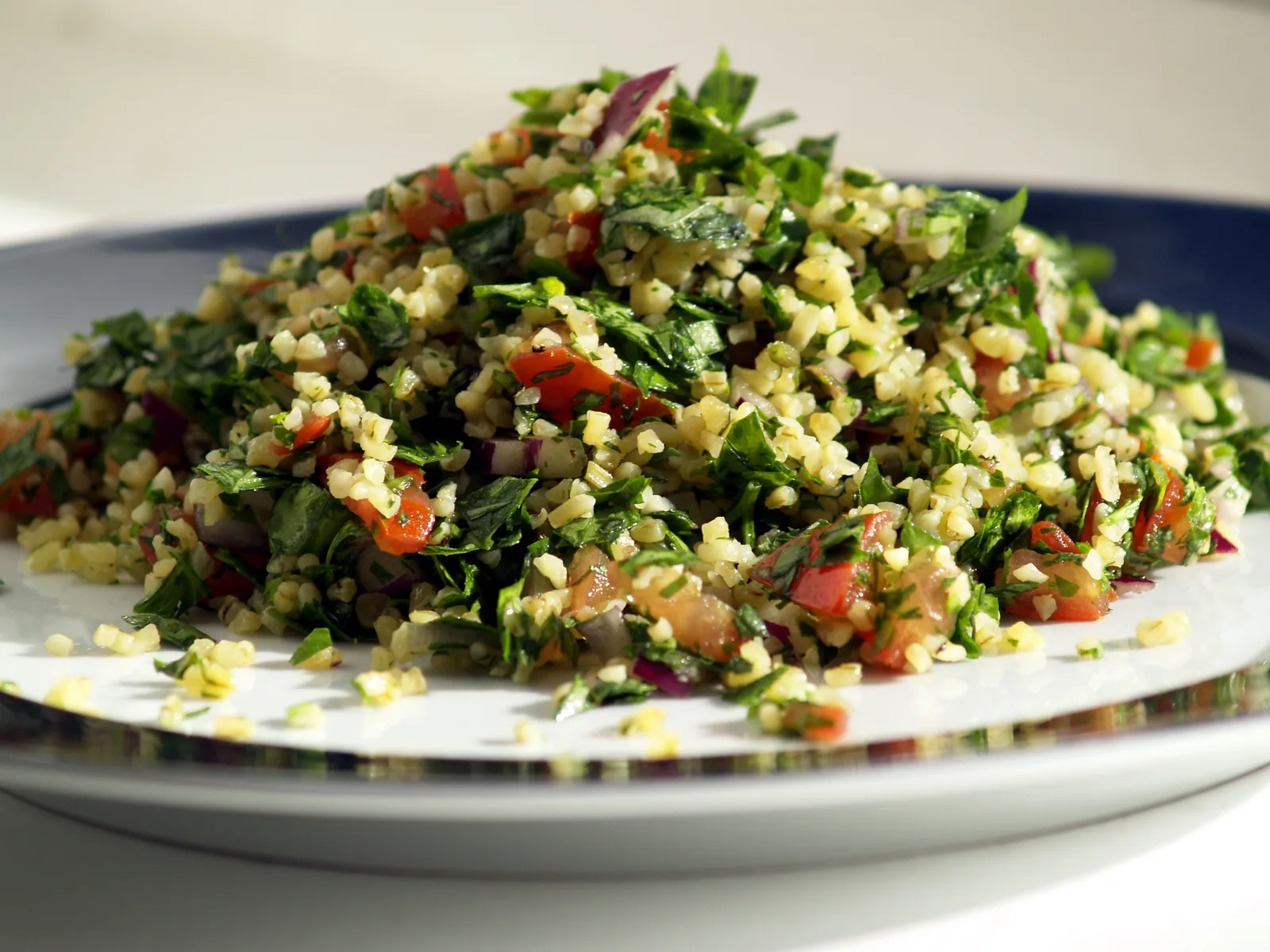
A plate of fresh Lebanese tabbouleh with chopped parsley, tomato and bulgur Lebanon flag Lebanon 25m
Lunch •Levantine Mezze Classic

Lebanese Tabbouleh

Tabbouleh is Lebanon's bright green parsley salad, where the herbs lead and fine bulgur plays a supporting role. Diced tomato, green onion and mint are tossed in lemon juice and olive oil for a fresh, lemony bite that wakes up any mezze table. One serving is about 216 g.

Light & Fresh

Mostly fresh parsley and tomato with a little bulgur, dressed in lemon and olive oil.

Pairs Well With
Warm pita bread, hummus and grilled halloumi
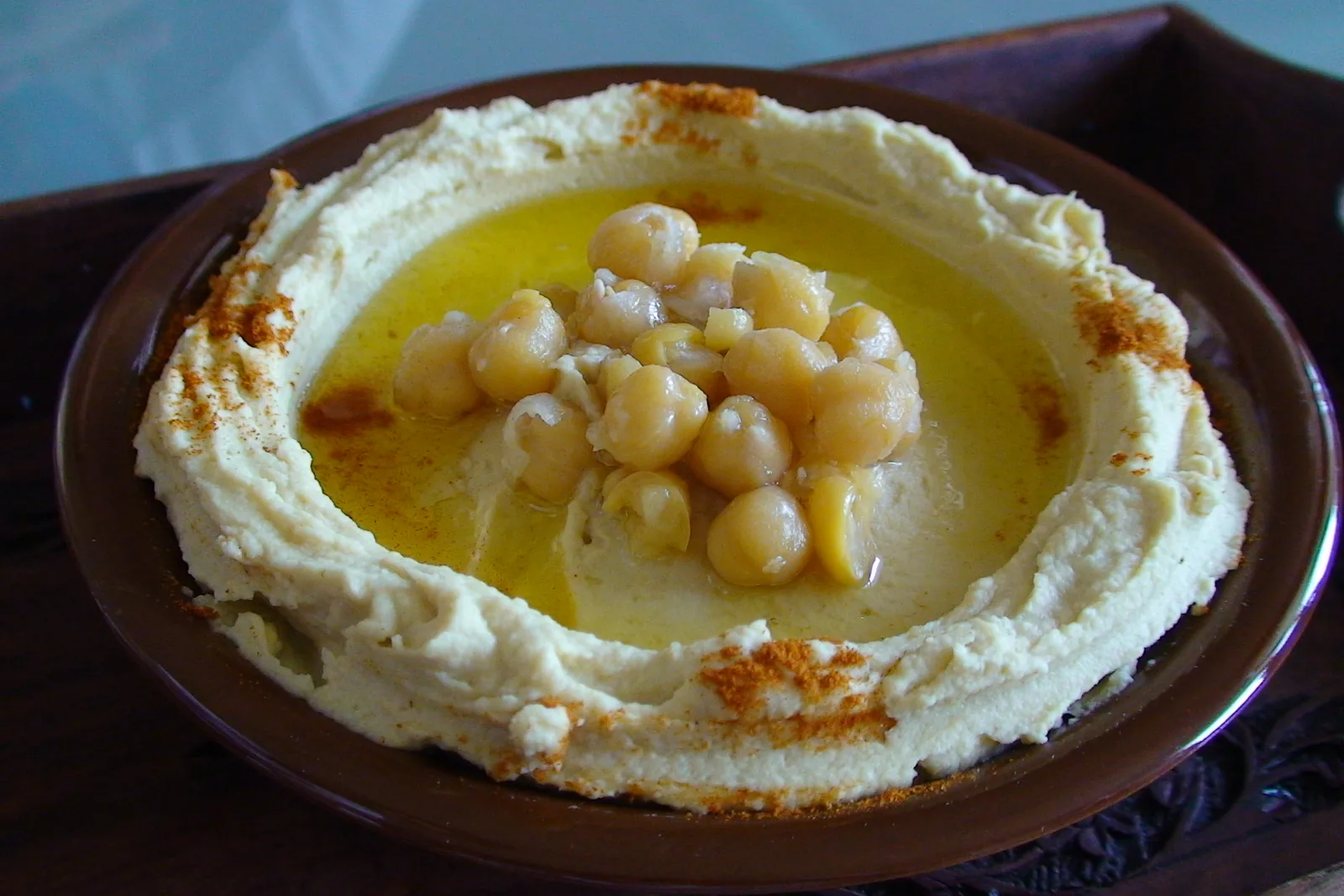
A bowl of cold Lebanese hummus with olive oil, whole chickpeas, paprika and parsley Lebanon flag Lebanon 1h 5m
Snack & Tea •Beirut Mezze Classic

Lebanese Hummus

Lebanese hummus is a cold, silky chickpea and tahini dip, lemon-forward with garlic and a pool of olive oil, topped with pine nuts and parsley. It is served chilled or at room temperature as part of a mezze spread, scooped up with warm pita — never served warm as a main plate. One serving is about 110 g.

Plant Protein Snack

Chickpeas and tahini blended into a smooth dip, with lemon, garlic and olive oil.

Pairs Well With
Warm pita bread, tabbouleh and olives
Quick Prep (<30m)
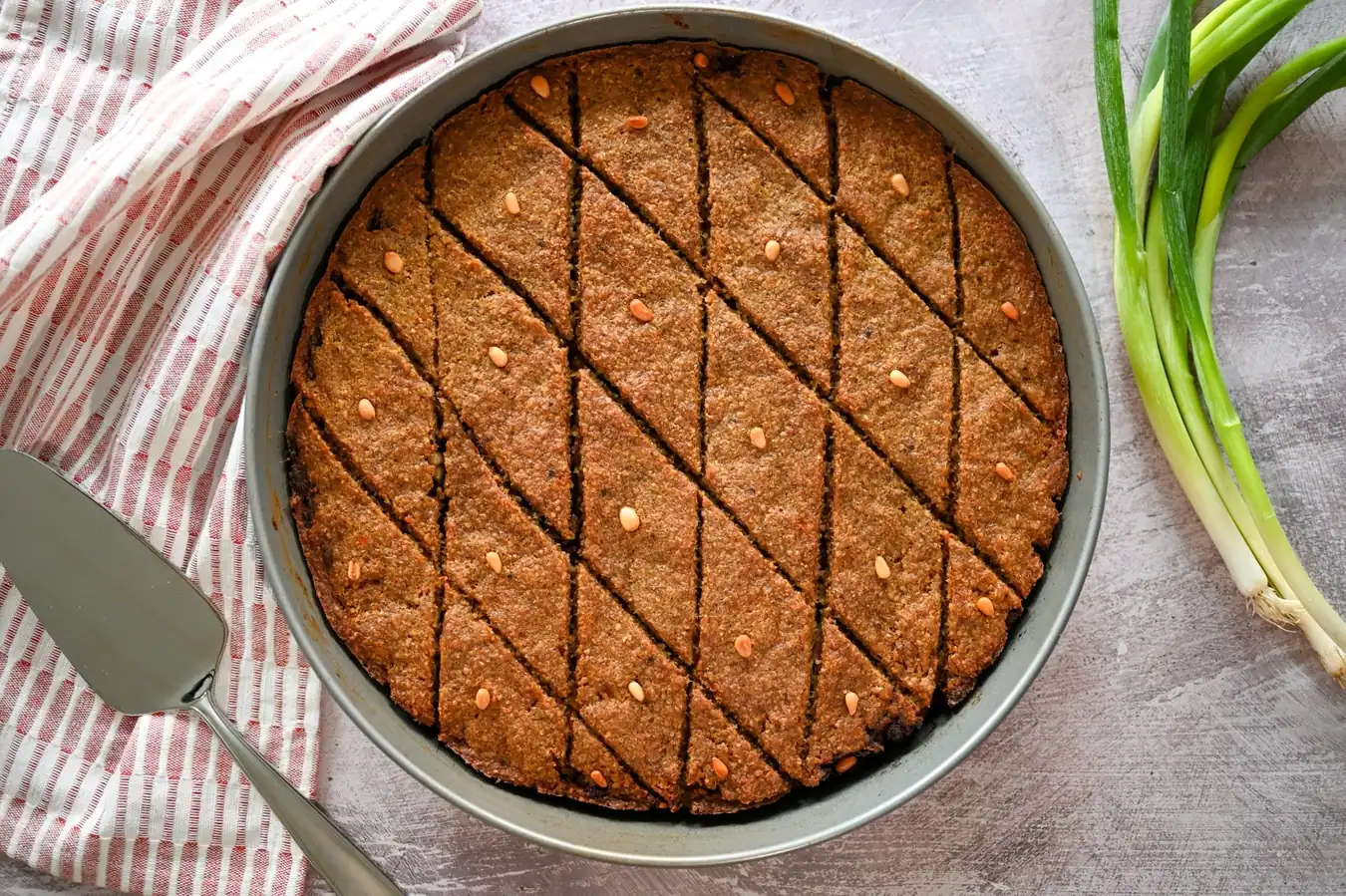
A baked tray of Lebanese kibbeh bil-saniyeh, scored into diamonds with pine nuts Lebanon flag Lebanon 1h 25m
Dinner •Lebanon's National Dish

Lebanese Kibbeh

Kibbeh bil-saniyeh is Lebanon's baked tray kibbeh: two layers of bulgur and lean beef sandwiching a spiced beef and pine-nut filling, scored into diamonds and baked until golden and crisp at the edges. It is the tray-baked form of Lebanon's national dish, made for sharing at the family table. One serving is about 202 g.

Hearty Family Dinner

Layers of bulgur and lean beef around a spiced pine-nut filling, baked until golden.

Pairs Well With
Yogurt, tabbouleh and warm pita bread
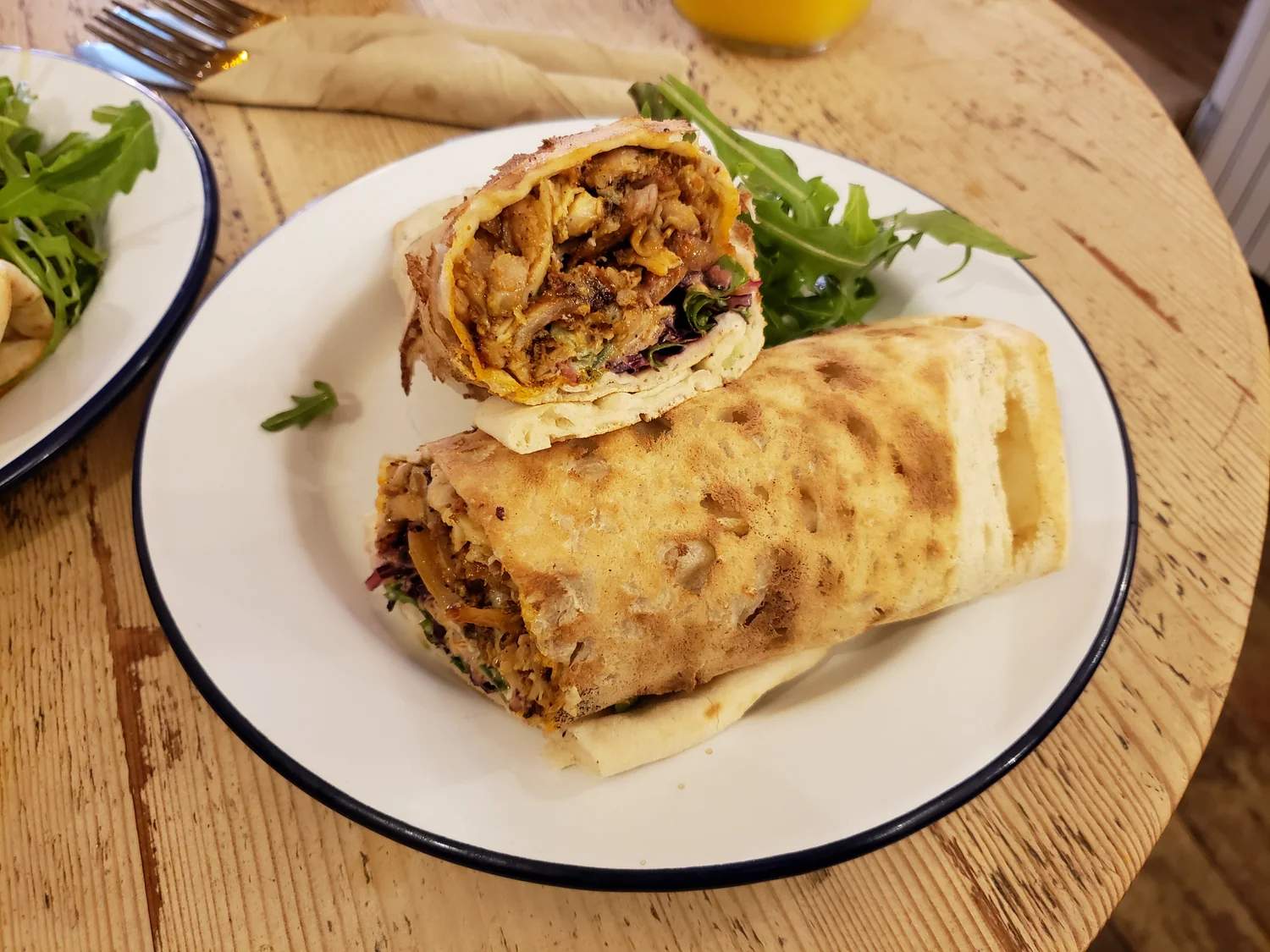
A sliced chicken shawarma wrap in toasted lavash showing spiced chicken, with rocket salad on a white plate Lebanon flag Lebanon 50m
Dinner •Beirut Street-Food Heritage

Lebanese Chicken Shawarma

This lebanese chicken shawarma recipe marinates boneless chicken thighs in yogurt, lemon, garlic and seven warm spices, then grills them until charred at the edges and slices them thin for rolling in soft Lebanese pita with toum, the whipped garlic sauce that defines the Lebanese version. Pickled turnips, dill pickles, tomato and parsley give every bite its sharp, fresh contrast. One serving is about 379 g.

High-Protein & Satisfying

Spice-marinated chicken thighs grilled and rolled in warm pita with toum, pickles and tomato — the Beirut street-food classic, made at home.

Pairs Well With
Toum, pickled turnips & fries
High Protein

The Dinner Gazette

Never wonder what’s for dinner again

One email a week with easy dinner ideas from around the world — ingredients, steps and nutrition, tested in our kitchen first.

Delivered every Thursday morning. Unsubscribe anytime.