Curated recipes from 193 countries  •  New seasonal Mediterranean issue out now

Overview

Lebanese Zucchini in Olive Oil

Koussa Bil Zait, Kousa Bil Zeit

This Lebanese zucchini in olive oil recipe turns thick zucchini spears golden in a generous pour of olive oil, then finishes them with soft onion, sweet capsicum, tomato, garlic and lemon. It is the classic Lenten mezze koussa bil zait, served warm or at room temperature with bread. One serving is about 285 g.

Koussa bil zait — zucchini in olive oil — belongs to the family of Lebanese tabikh, dishes cooked in plenty of olive oil and eaten warm or at room temperature. It is a classic of Lent, when many Lebanese tables go without meat, and it appears on mezze spreads across Lebanon, where a plate of soft vegetables in good olive oil is as much a main event as the grilled meats beside it. The dish has no single codified recipe; every household fries or braises its zucchini a little differently, with onion, tomato and lemon doing the seasoning.

Pairs well with: Warm pita bread and a bowl of hummus.

Provenance

Lebanon flag Lebanon

Lebanese Heritage

Middle Eastern

Time Dedication

45m

15m prep • 30m cook

Batch Yield

4 Servings

210 kcal per serving

1 serving ≈ 285 g

Technical Skill

Easy

Easy (One Pan)

Meal Timing & Digestive Fit

Breakfast

Not Advised

Lunch

Prime Metabolic Fit

Dinner

Ideal Hearty Main

Snack & Tea

Inappropriate

Occasions: Mezze spreads, Lenten meals, light lunches, summer gatherings Cost: Low — about $2–3 per serving at home
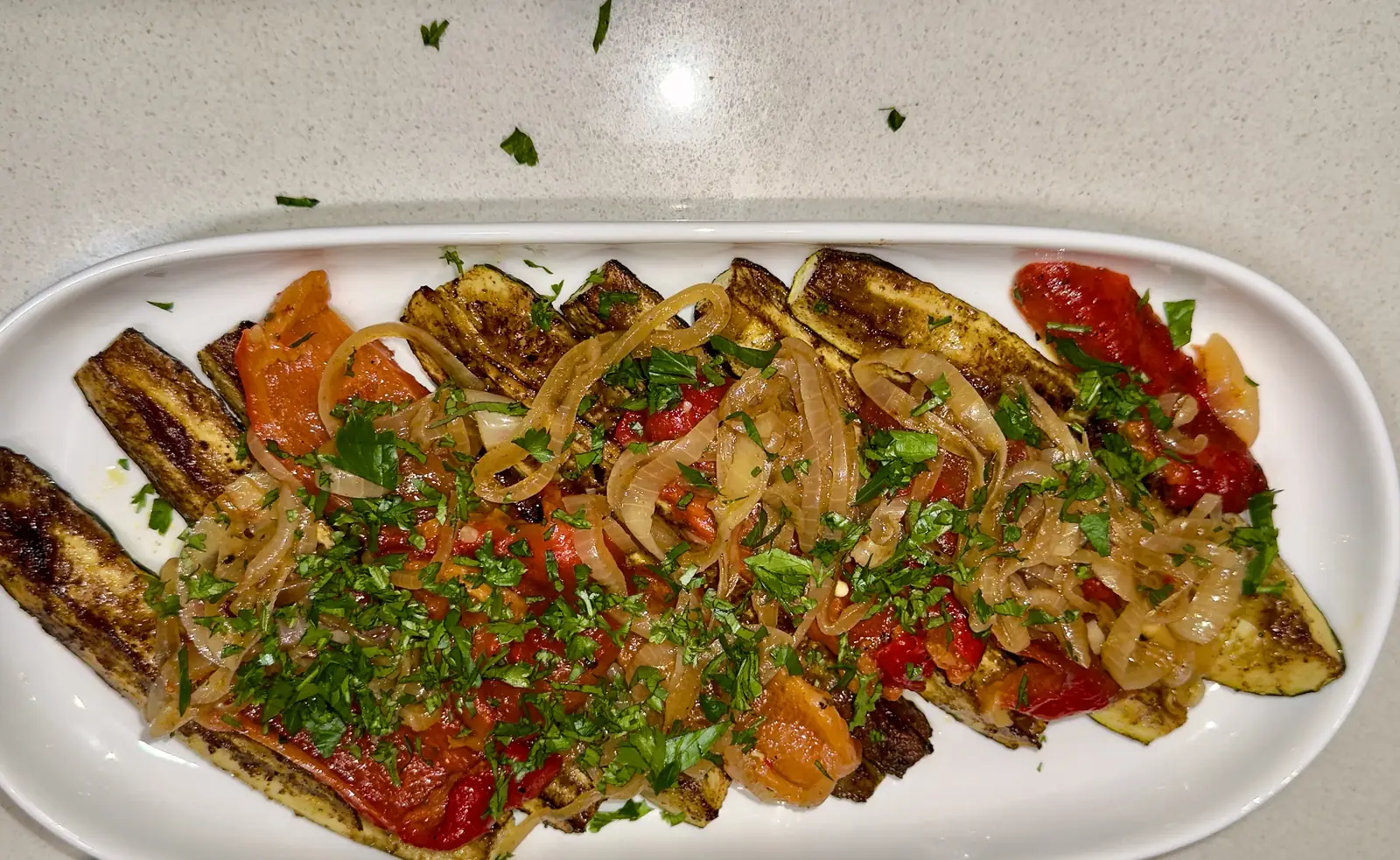
Grilled zucchini spears in olive oil topped with soft onion, red capsicum and chopped parsley on a white platter

Lebanese Heritage

Photo: Chris Olszewski, CC BY-SA 4.0, via Wikimedia Commons

The Heritage Formulary

Measured Ingredients

Estimated cost: Low — about $2–3 per serving at home (USD)

Made the mezze way: zucchini fried golden in olive oil, then finished with onion, tomato and lemon, and served at room temperature.

Execution Methodology & Culinary Technique

Step-by-Step Cooking Guide

Active 45m
P

Prep Stage: Slice & Chop

15 Mins • Slicing & Chopping

Cut the zucchini into thick spears, slice the onion into thin half-rings, strip the capsicum, chop the tomatoes and slice the garlic. Squeeze the lemon and chop the parsley, and keep everything in small bowls beside the stove.

Maestro Tip: Cut the zucchini spears thick, about 2 cm — thin slices turn to mush in the pan, while thick spears stay tender inside and golden outside.

  1. 1

    Fry the Zucchini Golden

    10 Mins Medium-high heat, ~190°C (375°F)

    Heat 3 tablespoons of the olive oil in a wide pan until it shimmers. Lay the zucchini spears in a single layer and fry for 4 to 5 minutes per side until deep golden at the edges. Lift them out onto a plate and season lightly with salt.

    Do not crowd the pan — fry in two batches if needed, because zucchini packed together steams instead of browning.

    Done when: Deep golden edges, pale and tender inside.

  2. 2

    Soften the Onion and Capsicum

    5 Mins Medium heat, ~175°C (350°F)

    Add the remaining tablespoon of oil to the same pan. Cook the onion and capsicum for 5 minutes, stirring often, until the onion is soft and sweet and the capsicum strips bend easily.

    Scrape up the golden bits left by the zucchini — they melt into the onion and carry the flavor of the whole dish.

    Done when: Onion soft and translucent, capsicum tender.

  3. 3

    Add Tomato and Garlic

    5 Mins Medium heat, ~175°C (350°F)

    Stir in the chopped tomatoes and sliced garlic and cook for 5 minutes until the tomatoes soften and their juices thicken into a light sauce around the onion.

    If the tomatoes are pale and under-ripe, a teaspoon of tomato paste stirred in here deepens the color and the flavor.

    Done when: Tomatoes soft, juices lightly thickened.

  4. 4

    Braise Briefly in Olive Oil

    5 Mins Low heat, ~150°C (300°F)

    Return the zucchini spears to the pan, spoon the tomato and onion over them, cover with a lid and cook gently for 5 minutes until the zucchini is tender all the way through.

    Keep the heat low — a hard boil would break the spears apart, while a gentle braise lets them drink in the olive oil.

    Done when: Zucchini tender through, spears still holding their shape.

  5. 5

    Finish with Lemon and Parsley

    5 Mins Off the heat — about 60°C (140°F) serving temperature

    Take the pan off the heat, squeeze the lemon juice over the top and scatter the parsley. Rest for 5 minutes so the flavors settle, then serve warm or at room temperature.

    Taste before serving — the lemon should brighten the oil, not dominate it, so add it a little at a time.

    Done when: Bright, lemony, glossy with olive oil, parsley fresh and green.

Finishing Touches & Plating

Spoon the zucchini onto a wide plate, drizzle with the pan juices, and serve warm or at room temperature with warm pita bread.

Nutritional Physiology & Benefits

Nutrition

Energy

210

kcal / serving

Protein

4g

Complete AA

Carbs

16g

Complex

Fats

16g

Healthy

Per serving (4 servings · 1 serving ≈ 285 g)
Energy210 kcal
Protein4 g
Carbohydrates16 g
Fat16 g
Fibre4.3 g
Sugar9.7 g
Sodium412 mg
Per 100g
Energy74 kcal
Protein1.4 g
Carbohydrates5.5 g
Fat5.6 g
Fibre1.5 g
Sugar3.4 g
Sodium145 mg

Nutrition values are estimated — calculated from USDA FoodData Central values for the listed ingredients.

Vitamins & minerals: Zucchini and capsicum supply vitamin C and potassium, tomatoes add vitamin A and lycopene, and parsley adds vitamin K and folate.

Olive Oil, the Heart of the Dish

The olive oil is not just the cooking fat — it is the sauce, and it supplies the monounsaturated fat that makes this mezze satisfying without any animal fat.

Zucchini for Vitamin C and Potassium

One serving carries a good share of the day's vitamin C from the zucchini, capsicum and tomato, plus potassium from the zucchini.

Light but Filling

At about 210 kcal a serving with 4.3 g of fibre, this is a light lunch that still feels like a real plate of food, especially with bread.

Food Pairings

What to Eat With

To optimize nutrient absorption and elevate the sensory depth, pair with these authentic accompaniments:

Sides

Warm Pita Bread

Soft pita is made for this dish — it scoops up the olive oil and tomato juices that the spoon leaves behind.

Hummus

Creamy hummus next to the soft, oily zucchini gives the mezze plate a second texture and a little extra protein.

Soups

Lentil Soup

A small bowl of lemony lentil soup turns the mezze into a full lunch, and its earthiness balances the bright tomato and lemon.

Drinks

Mint Tea

Hot mint tea cleanses the palate after the rich olive oil and keeps the meal feeling light.

Full Menus

Mezze Spread

Serve it as one plate among many — with hummus, olives and salad — and let everyone help themselves, mezze style.

Complete menu

Serve the zucchini warm or at room temperature with pita, hummus and a small lentil soup, then finish with mint tea and fresh fruit.

Digestive Guardrails

What NOT to Combine

To prevent digestive distress, sluggishness, or palate clash, avoid pairing the dish with these elements:

Drowning It in Extra Oil at the Table

The recipe already uses a generous amount of olive oil, so pouring more over the finished plate only adds fat without adding flavor. This is general food information, not medical advice.

Very Salty Breads and Pickles on the Same Plate

Salty flatbreads, brined olives and pickles all add sodium to a meal that is meant to be light, so keep them modest rather than piling them on. This is general food information, not medical advice.

General information only, not medical advice — consult a doctor for personal dietary decisions.

Who Should Eat It

Who Should Eat

  • General adultsA light, plant-based lunch — about 210 kcal a serving — that works well as a mezze plate with bread.
  • ChildrenSoft, mild and slightly sweet from the capsicum and tomato; cut the spears smaller for young children and go easy on the black pepper.
  • ElderlySoft vegetables in olive oil are easy to chew and gentle on the stomach; serve warm rather than fridge-cold.
  • Pregnant womenFine as a lunch when the vegetables are cooked through; the lemon and parsley add freshness. Ask your clinician about portions.
  • Breastfeeding womenA light, hydrating lunch with vegetables and olive oil; pair it with bread and hummus for a fuller meal.
  • AthletesLight on protein and energy, so treat it as a side or a light lunch and add hummus, lentils or bread for recovery fuel.
  • Weight gainLow in energy, so it suits weight gain only as part of a bigger mezze meal with bread, hummus and lentil soup.
  • Weight lossAbout 210 kcal a serving with plenty of vegetables and fibre, so it fits a lighter lunch well — keep the bread to one piece.

Health Conditions — Adjust or Avoid

Conditions

  • DiabetesThe vegetables are low in carbohydrate, so one serving fits easily; watch the bread rather than the zucchini. Ask your clinician about portions.
  • High blood pressureOne serving carries about 412 mg sodium, so do not add salty pickles or brined olives to the same plate. Ask your clinician about portions.
  • Kidney diseasePortions should stay modest, and the potassium from the vegetables matters for some kidney diets. Ask your clinician about portions.
  • GoutA plant-based dish with no purine-rich meat, so it is a gentle choice; keep the portion as stated. Ask your clinician about portions.
  • Stomach issuesCooked zucchini and olive oil are usually gentle, but raw onion can bother a sensitive stomach — cook the onion until fully soft. Ask your clinician about portions.
  • Cardiovascular diseaseOlive oil and vegetables make this a heart-friendly plate; the fat is mostly monounsaturated. Ask your clinician about portions.
  • Fatty liverLight in energy and free of added sugar, so it fits a lighter meal pattern well. Ask your clinician about portions.
  • Food allergiesContains no major allergen as written — no gluten, dairy, egg, nut, soy or fish. People with a nightshade sensitivity should note the tomato and capsicum. Ask your clinician about safe alternatives.
  • Special therapeutic dietsFits vegan, gluten-free and Mediterranean-style diets as written; any change to the oil or the bread should be discussed with a clinician.

If you have a medical condition, consult your doctor before changing your diet.

Storage & Use

Storage & Use

How to store
Cool quickly and store in a covered container; keep the bread separate.
In the fridge
Keeps 3 days in the fridge at 4°C (40°F) or below, in a covered container.
In the freezer
Not recommended — thawed zucchini turns soft and watery.
How to reheat
Warm gently in a pan over low heat until steaming hot, to 74°C (165°F); do not boil or the zucchini falls apart.
Freezing recommended
No.
Signs it has spoiled
Sour smell, slimy surface, or dull, grey-looking zucchini.

More recipes to explore

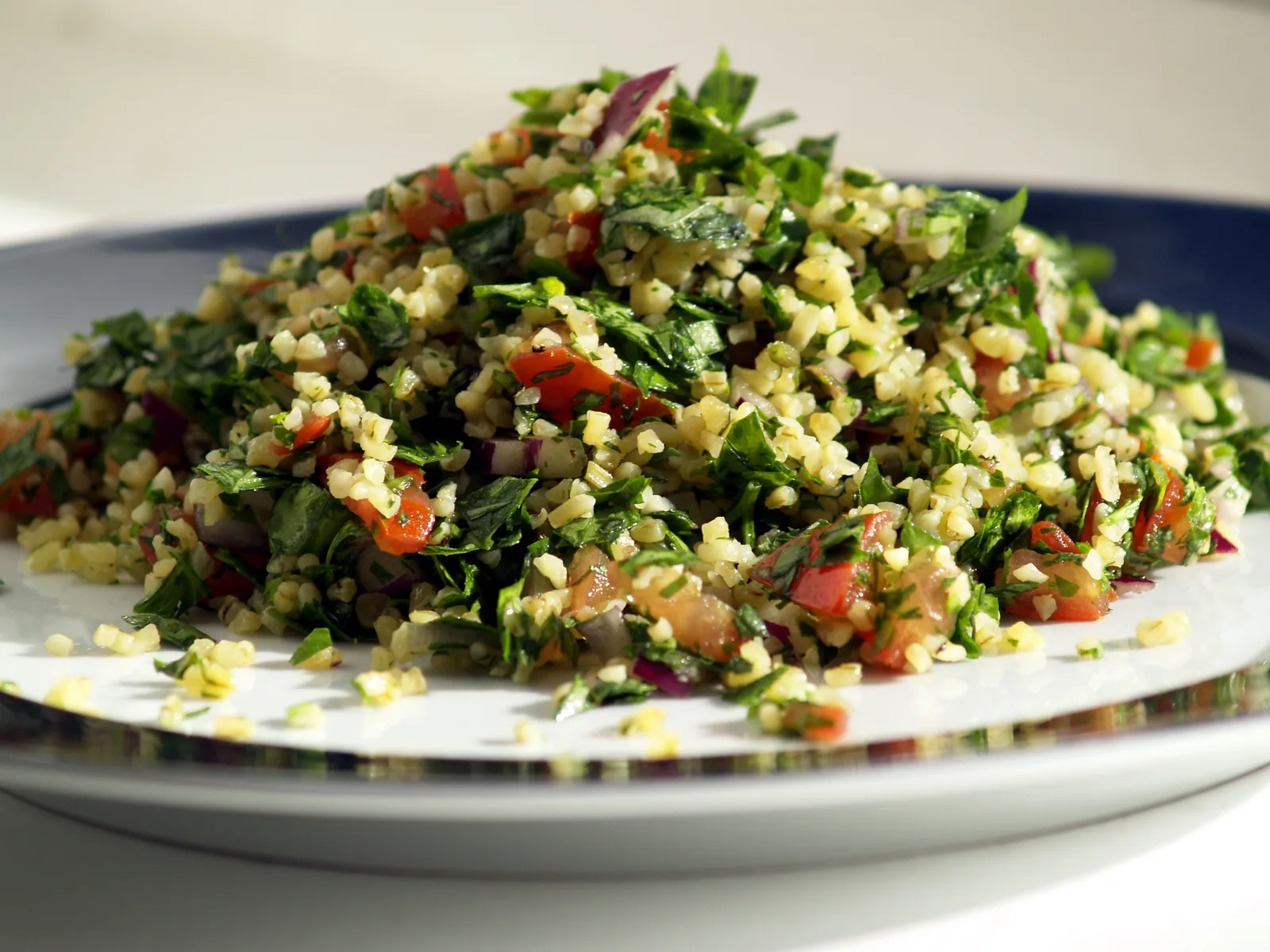
A plate of fresh Lebanese tabbouleh with chopped parsley, tomato and bulgur Lebanon flag Lebanon 25m
Lunch •Levantine Mezze Classic

Lebanese Tabbouleh

Tabbouleh is Lebanon's bright green parsley salad, where the herbs lead and fine bulgur plays a supporting role. Diced tomato, green onion and mint are tossed in lemon juice and olive oil for a fresh, lemony bite that wakes up any mezze table. One serving is about 216 g.

Light & Fresh

Mostly fresh parsley and tomato with a little bulgur, dressed in lemon and olive oil.

Pairs Well With
Warm pita bread, hummus and grilled halloumi
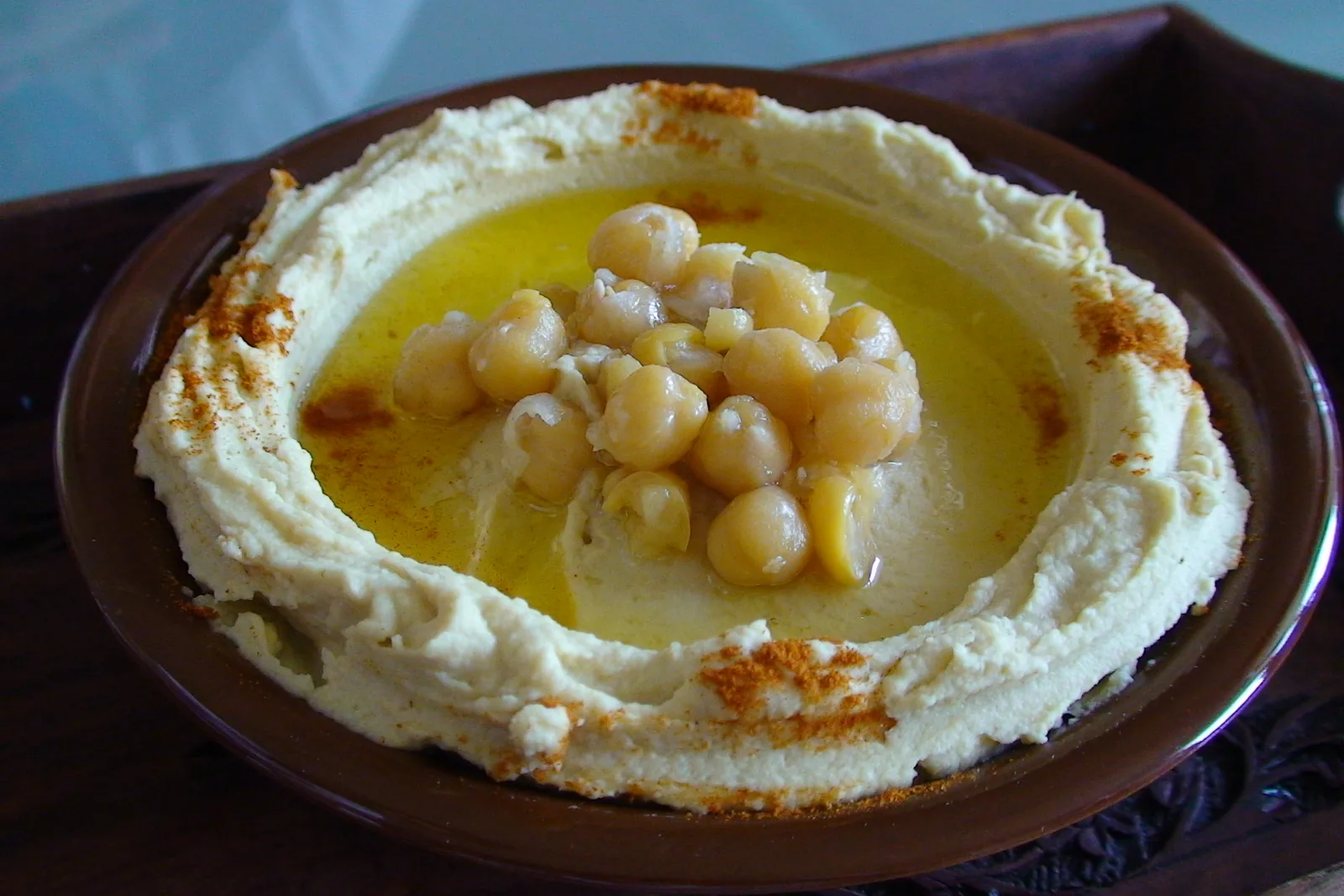
A bowl of cold Lebanese hummus with olive oil, whole chickpeas, paprika and parsley Lebanon flag Lebanon 1h 5m
Snack & Tea •Beirut Mezze Classic

Lebanese Hummus

Lebanese hummus is a cold, silky chickpea and tahini dip, lemon-forward with garlic and a pool of olive oil, topped with pine nuts and parsley. It is served chilled or at room temperature as part of a mezze spread, scooped up with warm pita — never served warm as a main plate. One serving is about 110 g.

Plant Protein Snack

Chickpeas and tahini blended into a smooth dip, with lemon, garlic and olive oil.

Pairs Well With
Warm pita bread, tabbouleh and olives
Quick Prep (<30m)
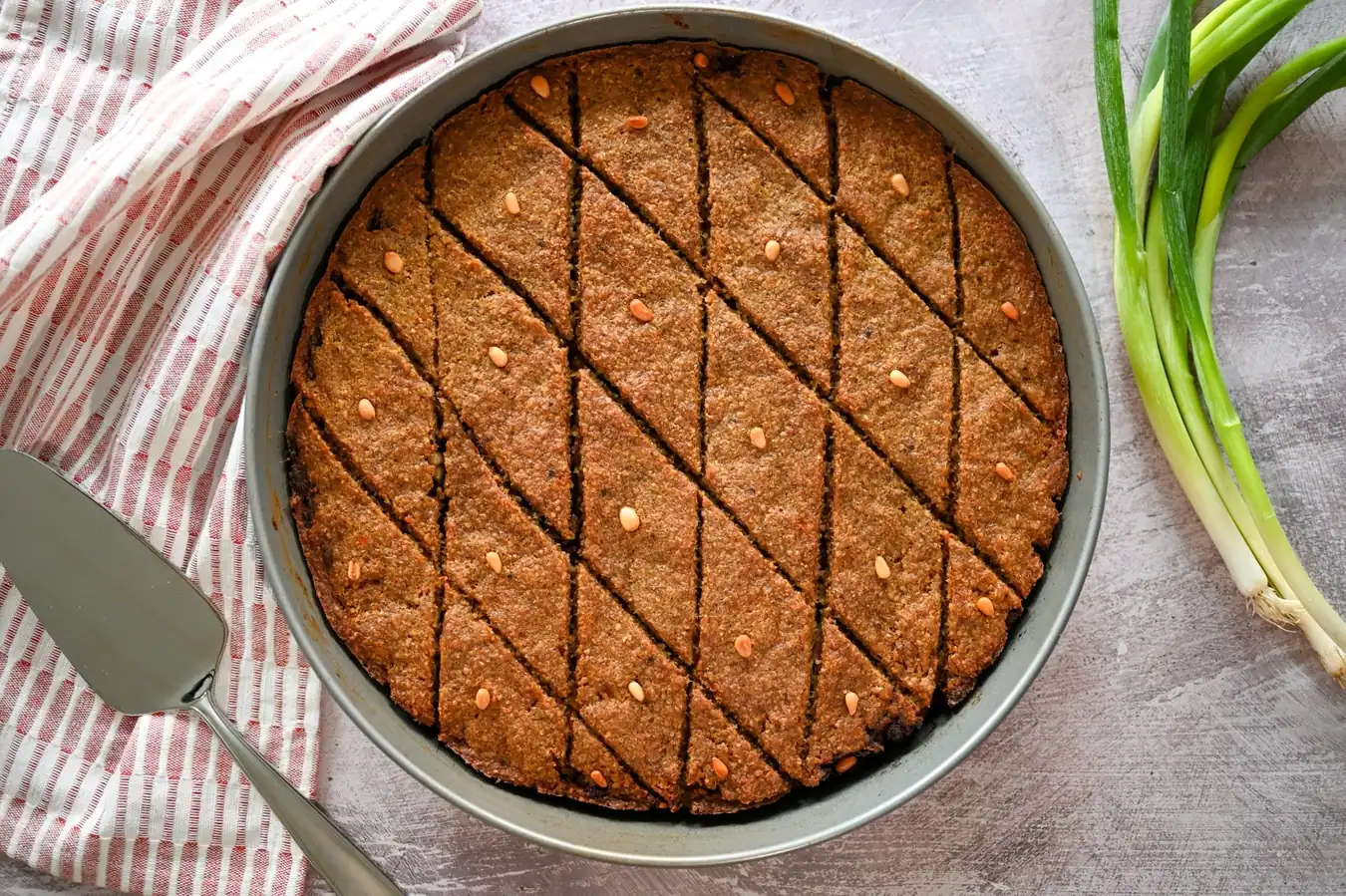
A baked tray of Lebanese kibbeh bil-saniyeh, scored into diamonds with pine nuts Lebanon flag Lebanon 1h 25m
Dinner •Lebanon's National Dish

Lebanese Kibbeh

Kibbeh bil-saniyeh is Lebanon's baked tray kibbeh: two layers of bulgur and lean beef sandwiching a spiced beef and pine-nut filling, scored into diamonds and baked until golden and crisp at the edges. It is the tray-baked form of Lebanon's national dish, made for sharing at the family table. One serving is about 202 g.

Hearty Family Dinner

Layers of bulgur and lean beef around a spiced pine-nut filling, baked until golden.

Pairs Well With
Yogurt, tabbouleh and warm pita bread
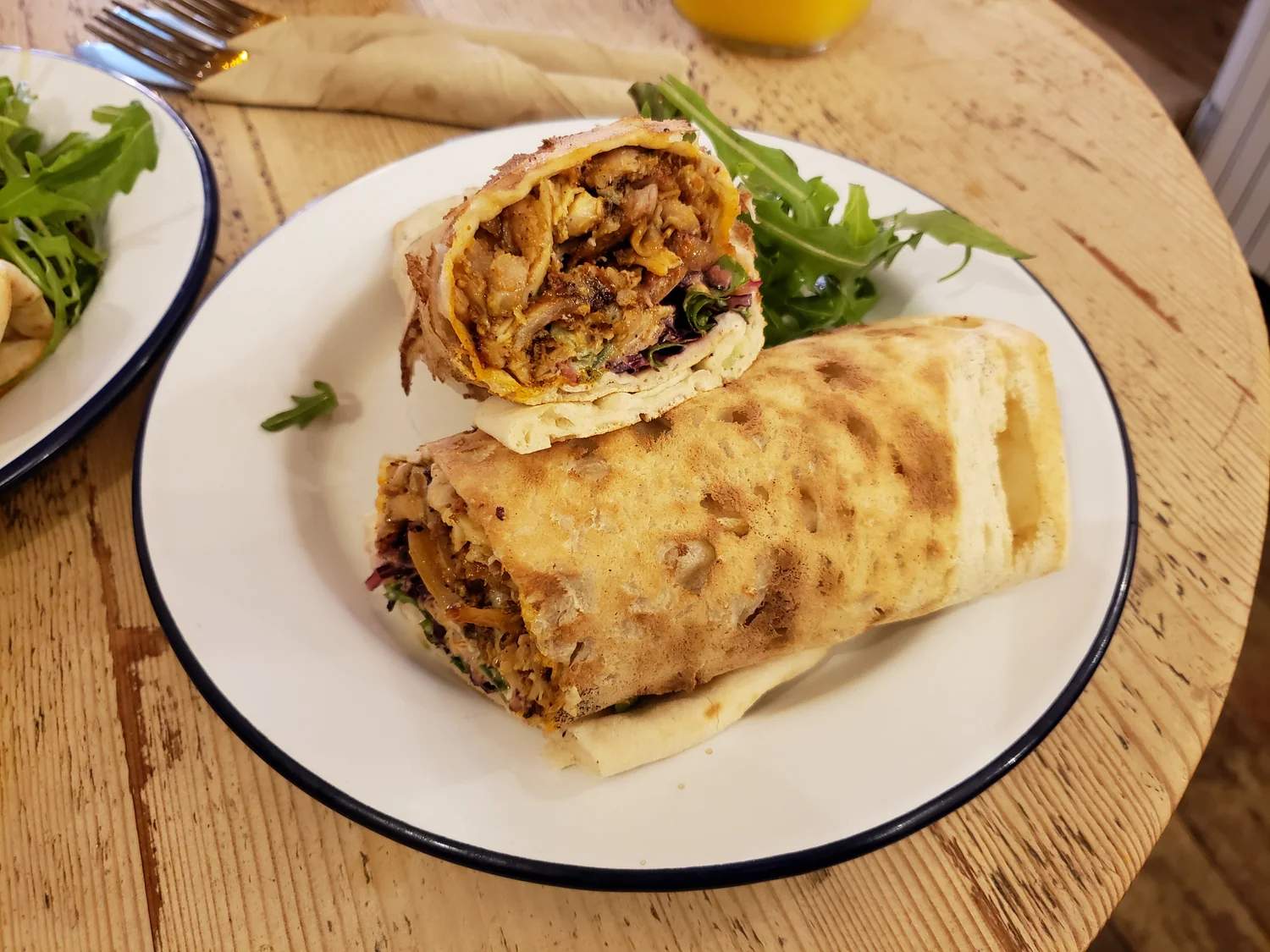
A sliced chicken shawarma wrap in toasted lavash showing spiced chicken, with rocket salad on a white plate Lebanon flag Lebanon 50m
Dinner •Beirut Street-Food Heritage

Lebanese Chicken Shawarma

This lebanese chicken shawarma recipe marinates boneless chicken thighs in yogurt, lemon, garlic and seven warm spices, then grills them until charred at the edges and slices them thin for rolling in soft Lebanese pita with toum, the whipped garlic sauce that defines the Lebanese version. Pickled turnips, dill pickles, tomato and parsley give every bite its sharp, fresh contrast. One serving is about 379 g.

High-Protein & Satisfying

Spice-marinated chicken thighs grilled and rolled in warm pita with toum, pickles and tomato — the Beirut street-food classic, made at home.

Pairs Well With
Toum, pickled turnips & fries
High Protein

The Dinner Gazette

Never wonder what’s for dinner again

One email a week with easy dinner ideas from around the world — ingredients, steps and nutrition, tested in our kitchen first.

Delivered every Thursday morning. Unsubscribe anytime.