Curated recipes from 193 countries  •  New seasonal Mediterranean issue out now

Overview

Lomo al Trapo

Salt-Crusted Beef Tenderloin, Beef Tenderloin in a Cloth

This lomo al trapo recipe wraps a whole beef tenderloin in a salt-packed cotton cloth and roasts it directly on glowing charcoal embers, so the cloth chars into a hard shell while the meat inside stays rosy and juicy. One serving is about 175 g. Slice it thick at the table with chimichurri or fresh ají and charred vegetables.

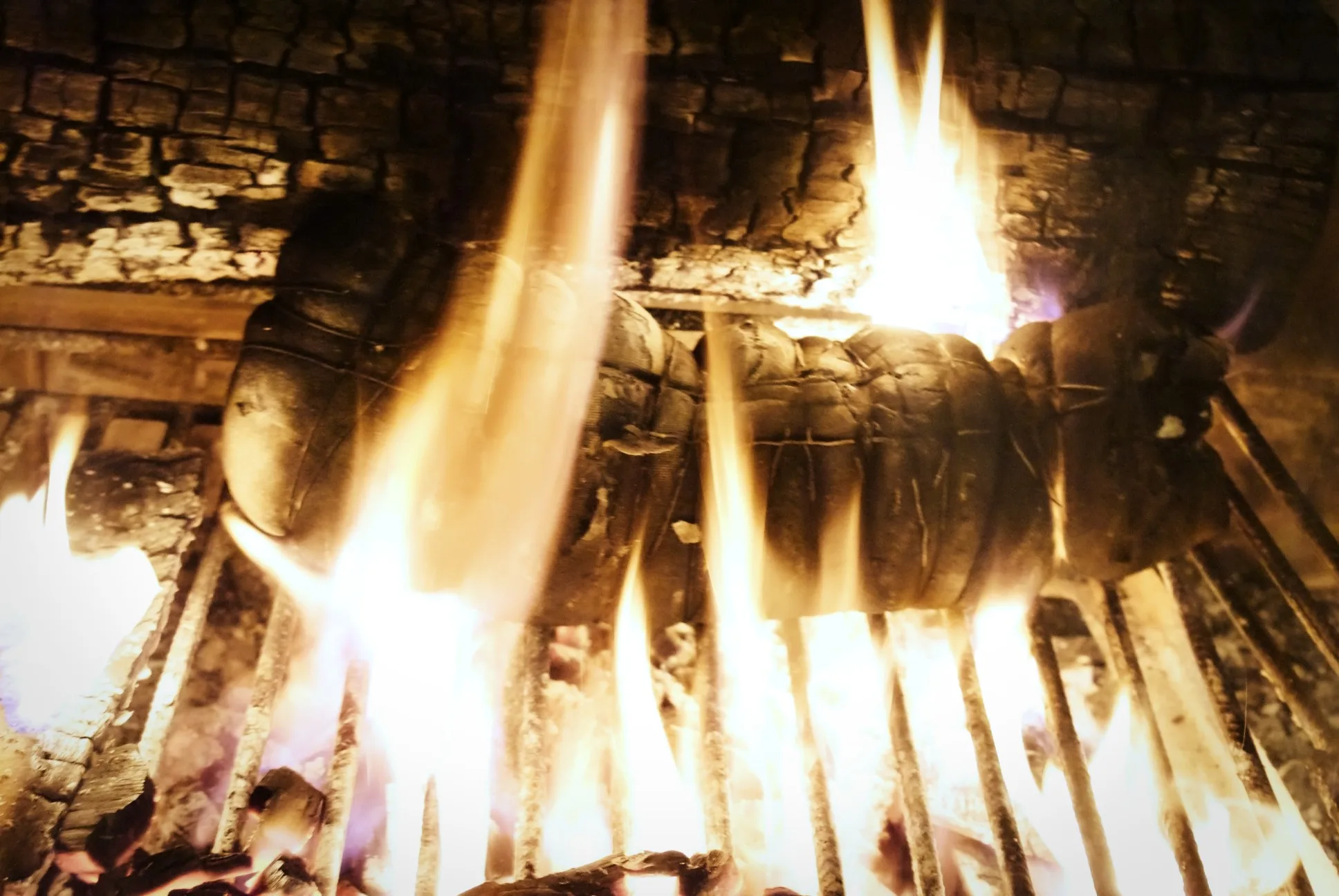
Lomo al trapo means 'tenderloin in a cloth', and the name is the whole recipe: a whole beef tenderloin is packed in coarse salt, rolled up in a cotton cloth and roasted directly on glowing embers. It is served at famous grill restaurants in Bogotá and cooked in the fireplace at Colombian homes, where the charred cloth is cracked open at the table to reveal a rosy, juicy roast. The dish reached cooks outside Colombia largely through Steven Raichlen's barbecue writing, which presents it as one of the oldest forms of live-fire cooking — roasting in the embers.

Pairs well with: Chimichurri or fresh Colombian ají, charred vegetables, baked potatoes and a cold beer or a glass of red wine.

Provenance

Colombia flag Colombia

Bogotá Grill Heritage

Latin America & Caribbean

Time Dedication

1h 10m

30m prep • 40m cook

Batch Yield

4 Servings

360 kcal per serving

1 serving ≈ 175 g

Technical Skill

Advanced

Hard (Live Fire / Embers)

Meal Timing & Digestive Fit

Breakfast

Not Advised

Lunch

Hearty Midday Main

Dinner

Ideal Hearty Main

Snack & Tea

Inappropriate

High Protein Occasions: Weekend grilling, festive dinner, Father's Day, New Year gathering, barbecue with friends Cost: Medium — about $9–12 per serving at home
Lomo al trapo cooking: a beef tenderloin wrapped in a salt-soaked cloth roasting over open flames on a grill (preparation shot, not plated)

Bogotá Grill Heritage

Photo: Juandominguezs, CC BY 3.0, via Wikimedia Commons

The Heritage Formulary

Measured Ingredients

Estimated cost: Medium — about $9–12 per serving at home (USD)

Made with a whole trimmed tenderloin, a 100% cotton cloth, a thick coarse-salt bed and glowing embers, cooked to 63°C (145°F) and rested before slicing.

Execution Methodology & Culinary Technique

Step-by-Step Cooking Guide

Active 1h 10m
P

Prep Stage: Trim, Rub & Wrap

30 Mins • Trimming, Rubbing & Wrapping

Trim the tenderloin, rub it with oil, garlic, oregano and pepper, then soak the cotton cloth in red wine, lay it flat, cover it with a thick bed of coarse salt and roll the beef up tightly inside. Tie the bundle firmly with cotton twine while the charcoal burns down to embers.

Maestro Tip: Do the wrapping on a baking tray — the salt goes everywhere, and the tray catches it. Check the cloth label twice: it must be 100% cotton, or it will melt instead of charring.

  1. 1

    Trim and Season the Tenderloin

    10 Mins Room temperature, about 22°C (72°F)

    Pat the tenderloin completely dry with paper towels. Slide a thin knife under the silver skin and peel it away, then trim any loose fat. Mash the garlic to a paste, stir it with the olive oil, oregano and black pepper, and rub the mixture over every surface of the meat. Do not add extra salt to the meat itself — the salt bed in the cloth does the seasoning.

    Tie the thin tail end under with twine so the roast is one even thickness; otherwise the thin end overcooks while the thick end is still raw.

    Done when: Meat evenly coated with the rub, one even thickness from end to end.

  2. 2

    Soak the Cloth and Build the Salt Bed

    20 Mins Room temperature, about 22°C (72°F)

    Lay the cotton cloth in a wide bowl and pour the red wine over it. Soak for 20 minutes, then lift it out and squeeze it gently so it is damp but not dripping. Lay it flat on a baking tray and spread the 300 g of coarse salt over it in a thick, even layer about 6 mm (1/4 in) deep, leaving a 2 cm (1 in) border clear all round. Set the tenderloin across the salt, parallel to one edge, and roll the cloth up tightly around it like a parcel, folding the ends in. Tie each end firmly with cotton twine and one tie around the middle.

    Roll it snug — a loose wrap lets the salt fall away and the cloth burn through before the meat is cooked. The bundle should feel firm and hold its shape when lifted.

    Done when: A firm, compact bundle with the meat fully covered in salt and cloth, tied tight at both ends.

  3. 3

    Roast the Bundle on the Embers

    20 Mins Glowing embers, about 230°C (450°F) at the grill; meat to 63°C (145°F)

    Light a charcoal grill and let the coals burn until they are covered in grey ash and glowing red underneath, then rake them into one even layer and take the cooking grate off. Lay the bundle directly on the embers, knot-side up, and do not touch it for 9 minutes. Turn it over with long tongs and cook for 9 more minutes. Push a meat thermometer through the cloth into the thickest part — the beef is ready when it reads at least 63°C (145°F). If it is not there yet, give it 2–3 minutes more per side.

    Glowing embers, not open flames: flames scorch the cloth to ash before the heat reaches the meat. If a flame flares up, move the bundle to a quieter patch of coals.

    Done when: Cloth blackened and stiff, salt hardened into a shell; centre of the meat at least 63°C (145°F).

  4. 4

    Rest and Crack the Crust

    15 Mins Resting, about 60°C (140°F)

    Lift the bundle onto a metal tray with long tongs and let it rest for 15 minutes — the temperature inside keeps rising a few degrees and the juices settle back into the meat. Cut the twine, peel the charred cloth away and tap the hard salt shell with the back of a knife so it cracks and falls off. Brush away any loose salt and cloth fibres with a dry pastry brush; do not rinse the meat.

    Do not skip the rest. Cutting into the roast straight off the fire lets the juices run out onto the board instead of staying in the meat.

    Done when: Salt shell cracked away cleanly, revealing a deep brown, evenly roasted surface.

  5. 5

    Slice and Serve

    5 Mins Serving temperature, about 60°C (140°F)

    Set the roast on a warm cutting board and slice it across the grain into thick medallions, about 2 cm (3/4 in) each — the centres should be rosy and juicy. Arrange on a warm platter, spoon chimichurri or fresh ají over the top or serve it on the side, and bring it to the table at once with charred vegetables and baked potatoes.

    Slice only what you are about to serve; the unsliced roast stays warmer and juicier on the board.

    Done when: Rosy, juicy centres with a well-seasoned browned edge; four servings of about 175 g each.

Finishing Touches & Plating

Serve the sliced lomo al trapo on a warm platter with chimichurri or ají spooned over the top and a little extra coarse salt on the side for anyone who wants it — the drama of the blackened cloth is half the dish, so tell the story at the table.

Nutritional Physiology & Benefits

Nutrition

Energy

360

kcal / serving

Protein

48g

Complete AA

Carbs

2g

Complex

Fats

18g

Healthy

Per serving (4 servings · 1 serving ≈ 175 g)
Energy360 kcal
Protein48 g
Carbohydrates2 g
Fat18 g
Fibre0.4 g
Sugar0.1 g
Sodium681 mg
Per 100g
Energy206 kcal
Protein27.7 g
Carbohydrates0.9 g
Fat10.3 g
Fibre0.2 g
Sugar0 g
Sodium389 mg

Nutrition values are estimated — calculated from USDA FoodData Central values for the listed ingredients.

Vitamins & minerals: Provides protein, iron, zinc and vitamin B12 from the beef, plus small amounts of vitamin C and vitamin K from the garlic and oregano. Nutrition is estimated.

Very High in Protein

About 48 g of protein per serving, which supports muscle maintenance and keeps you full for hours.

Iron and Vitamin B12

Beef tenderloin is a rich source of iron and vitamin B12, which the body uses for healthy blood.

Nothing but Beef, Salt and Fire

No marinades, sauces or additives are needed — the salt crust and the embers do all the work.

Food Pairings

What to Eat With

To optimize nutrient absorption and elevate the sensory depth, pair with these authentic accompaniments:

Sauces

Chimichurri

Bright, herby and sharp, chimichurri cuts through the richness of the beef and lifts the salty crust.

Fresh Colombian Ají

Tomato, onion, cilantro and lime bring a fresh, lightly hot bite that balances the smoky, salty roast.

Vegetables

Charred Vegetables

Peppers, spring onions and corn cooked on the same embers pick up the same smoky note and need no extra work.

Sides

Baked Potatoes

A plain baked potato gives the plate a soft, mild starch that soaks up the meat juices.

Drinks

Red Wine

A dry red wine stands up to the bold, salty beef and echoes the wine the cloth was soaked in.

Complete menu

Start with fresh ají and a cold drink while the bundle rests, then serve the sliced lomo al trapo with chimichurri, charred vegetables and baked potatoes, and finish with a glass of red wine.

Digestive Guardrails

What NOT to Combine

To prevent digestive distress, sluggishness, or palate clash, avoid pairing the dish with these elements:

Synthetic Cloth or Twine

Polyester and other synthetic fibres melt over hot coals and can release harmful fumes and melted plastic onto the food. Use 100% cotton cloth and cotton twine only. This is general information, not medical advice.

Cooking Over Open Flames

Open flames burn the cloth to ash before the heat reaches the meat, leaving it raw inside and scorched outside. Wait for glowing embers with no visible flames before the bundle goes on.

Heavy Creamy Sauces

Rich sauces bury the clean, smoky flavour the salt crust and embers build, and they add a lot of extra fat. This is general information, not medical advice.

General information only, not medical advice — consult a doctor for personal dietary decisions.

Who Should Eat It

Who Should Eat

  • General adultsA show-stopping weekend roast — one thick slice with vegetables and a baked potato is a full meal.
  • ChildrenChildren can have a small slice cut from the centre, cooked right through; keep the spicy ají and chimichurri on the side for them.
  • ElderlyThe meat is very tender once sliced across the grain, but the salt means a modest portion is wiser for those watching their sodium.
  • Pregnant womenMade with fresh beef cooked to at least 63°C (145°F) and served immediately; choose a slice from the centre and check with your clinician if unsure.
  • Breastfeeding womenFine in normal portions; the protein and iron are useful, but keep the overall fat and salt in mind.
  • AthletesExcellent protein and iron after training, with baked potatoes on the side for extra energy.
  • Weight gainProtein- and energy-dense, so it can help add calories — pair with baked potatoes and vegetables for extra energy.
  • Weight lossLean for beef, but still energy-dense; take one modest slice and fill the rest of the plate with vegetables rather than extra starch.

Health Conditions — Adjust or Avoid

Conditions

  • DiabetesThe beef itself is very low in carbohydrate, so the main thing to count is the baked potato and any sweet sauces. Ask your clinician about portion size.
  • High blood pressureContains about 681 mg of sodium per serving from the salt crust; take a modest slice and skip extra salt at the table. Ask your clinician for personal advice.
  • Kidney diseaseHigh in protein and sodium; usually not suitable in larger portions — ask your clinician.
  • GoutRed meat is rich in purines, so people with gout should take only a small portion; ask your clinician if you are unsure.
  • Stomach issuesRich and smoky, which can trigger reflux or discomfort; a small portion with plain baked potato is gentler. Ask your clinician if symptoms persist.
  • Cardiovascular diseaseModerate in saturated fat and sodium; treat it as an occasional celebration dish. Ask your clinician.
  • Fatty liverThe saturated fat and energy density make large portions unhelpful; keep it occasional and modest. Ask your clinician.
  • Food allergiesContains beef. No gluten, egg, milk, nuts or shellfish in the dish as written. Ask your clinician about any allergy concern.
  • Special therapeutic dietsNot suitable for low-sodium therapeutic diets because of the salt crust; ask your clinician or dietitian before including it.

If you have a medical condition, consult your doctor before changing your diet.

Storage & Use

Storage & Use

How to store
Cool quickly and store sliced meat in a covered container; do not leave out for more than 2 hours.
In the fridge
Keeps 3 days in the fridge at 4°C (40°F) or below.
In the freezer
Keeps 2 months in the freezer in a sealed bag; thaw overnight in the fridge.
How to reheat
Reheat gently in a low oven at 120°C (250°F) until warm through, to 74°C (165°F); add a splash of water and cover so it does not dry out.
Freezing recommended
Yes, if needed — though the texture is best fresh from the embers.
Signs it has spoiled
Sour smell, slimy surface, or grey-green discolouration.

More recipes to explore

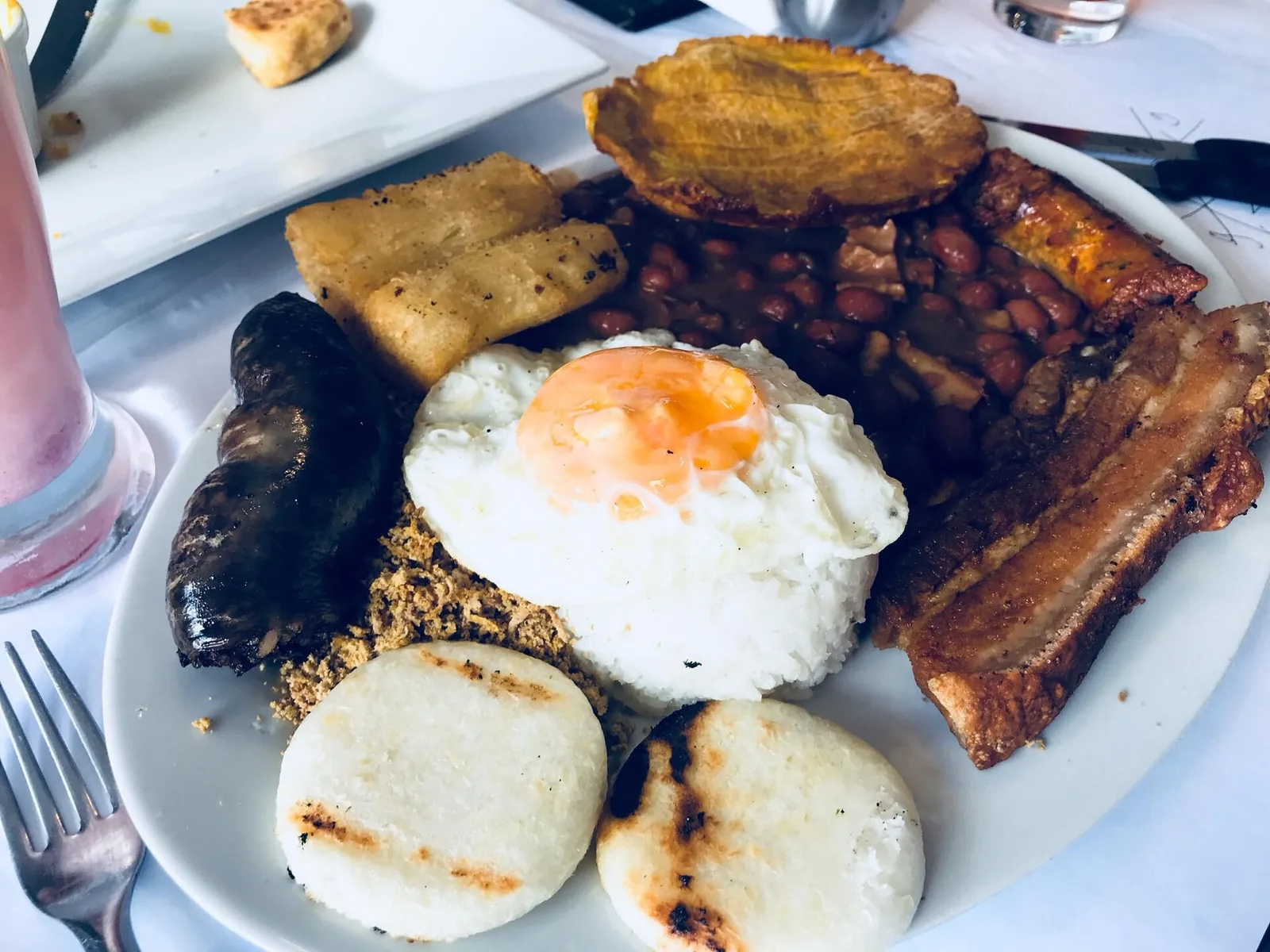
Bandeja paisa on a white plate with red beans, white rice, a fried egg, chicharrón, morcilla, chorizo, fried plantain and two small arepas Colombia flag Colombia 2h
Lunch •Antioquia Heritage

Bandeja Paisa

This bandeja paisa recipe builds the famous platter from Antioquia: red beans simmered with pork, white rice, crisp chicharrón, seasoned ground beef, chorizo and morcilla, a fried egg, sweet fried plantain, avocado, hogao sauce and a small grilled arepa. Every part is cooked separately, then piled onto one wide plate so each bite can mix a little of everything. One serving is about 894 g.

Hearty & Filling

A generous Antioquia platter of beans, rice, meats, egg, plantain and avocado, built to fuel a long working day.

Pairs Well With
A cold glass of panela lemonade or a light lager, with a small green salad on the side.
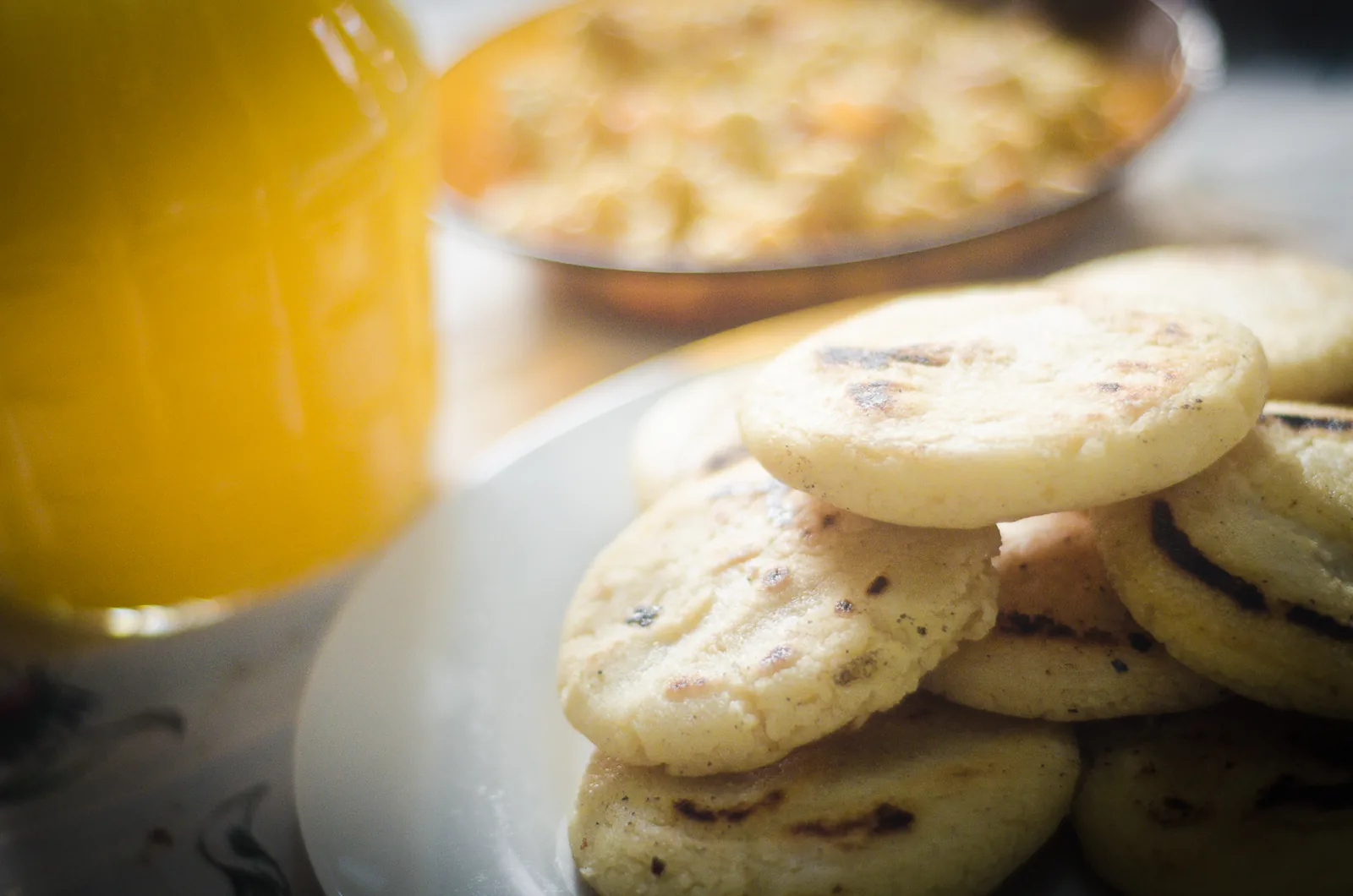
A stack of golden grilled Colombian arepas on a white plate, with a glass of orange juice beside them Colombia flag Colombia 35m
Breakfast •Andean Heritage

Colombian Arepas

This Colombian arepas recipe turns pre-cooked white cornmeal, warm water, butter and cheese into round corn cakes that are grilled until crisp outside and soft inside. The cheese is kneaded right into the dough, so every bite is savoury and gently melty. Colombian arepas are thinner and plainer than the stuffed Venezuelan kind: they are a breakfast bread, split open and filled at the table. One serving is about 220 g, two arepas.

Comfort & Warmth

Golden grilled corn cakes made from white masarepa, with melting cheese kneaded into the dough.

Pairs Well With
Hot chocolate or coffee, with butter and a slice of fresh cheese on the side.
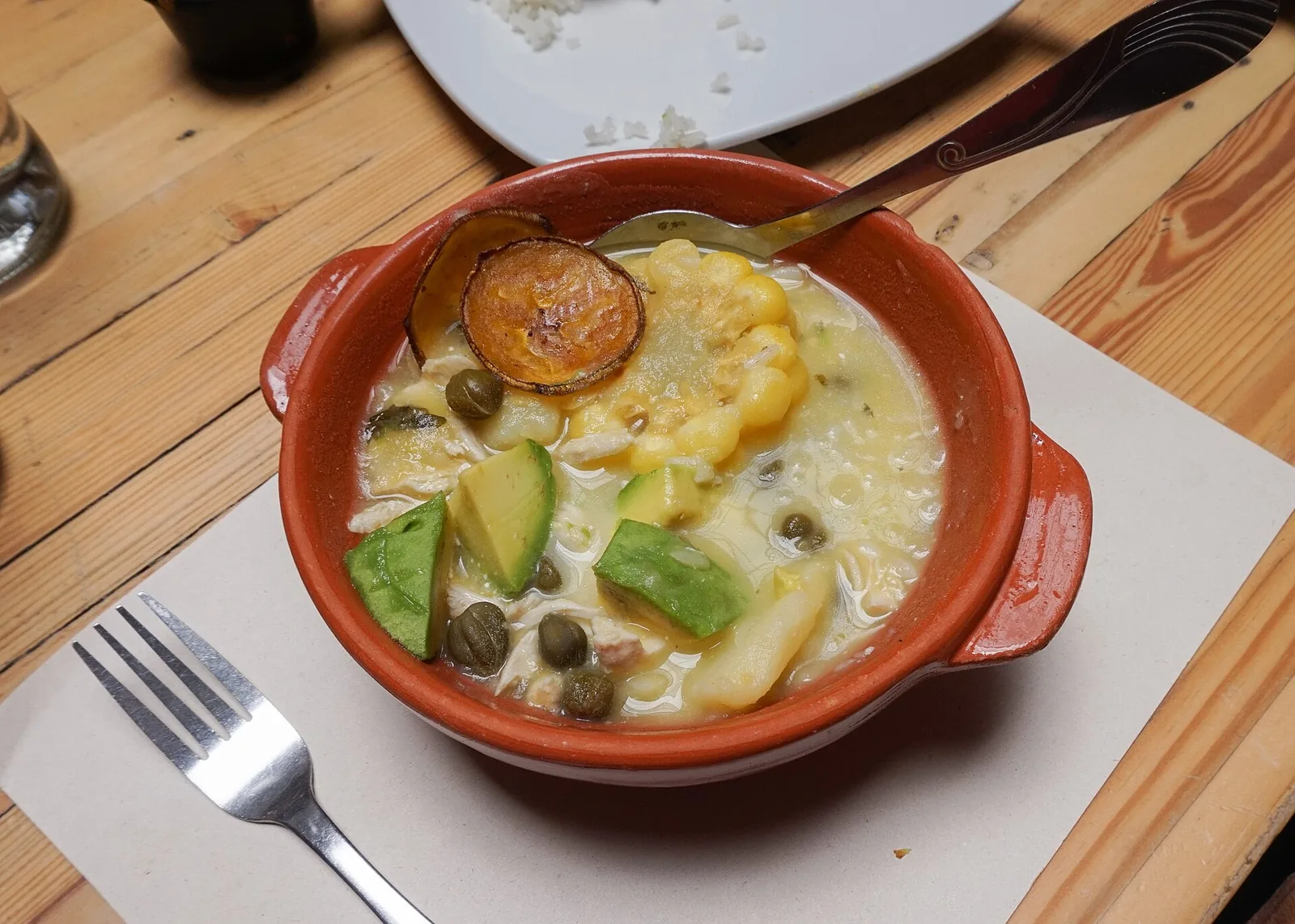
A bowl of ajiaco in a clay bowl, thick golden soup with corn, avocado, capers and shredded chicken Colombia flag Colombia 1h 30m
Lunch •Bogotá Heritage

Ajiaco

This ajiaco recipe is Bogotá's signature soup: chicken simmered with corn on the cob and three kinds of potato — pastusa, sabanera and criolla — until the criolla melts and thickens the broth golden. The herb guascas gives it its unmistakable earthy flavour, and every bowl is finished at the table with heavy cream, briny capers and sliced avocado. One serving is about 750 g, soup and toppings together.

Comfort & Warmth

Bogotá's thick chicken and potato soup, flavoured with guascas and served with cream, capers and avocado.

Pairs Well With
White rice and a small side salad, with the cream, capers and avocado passed around the table.
Soups & Broths
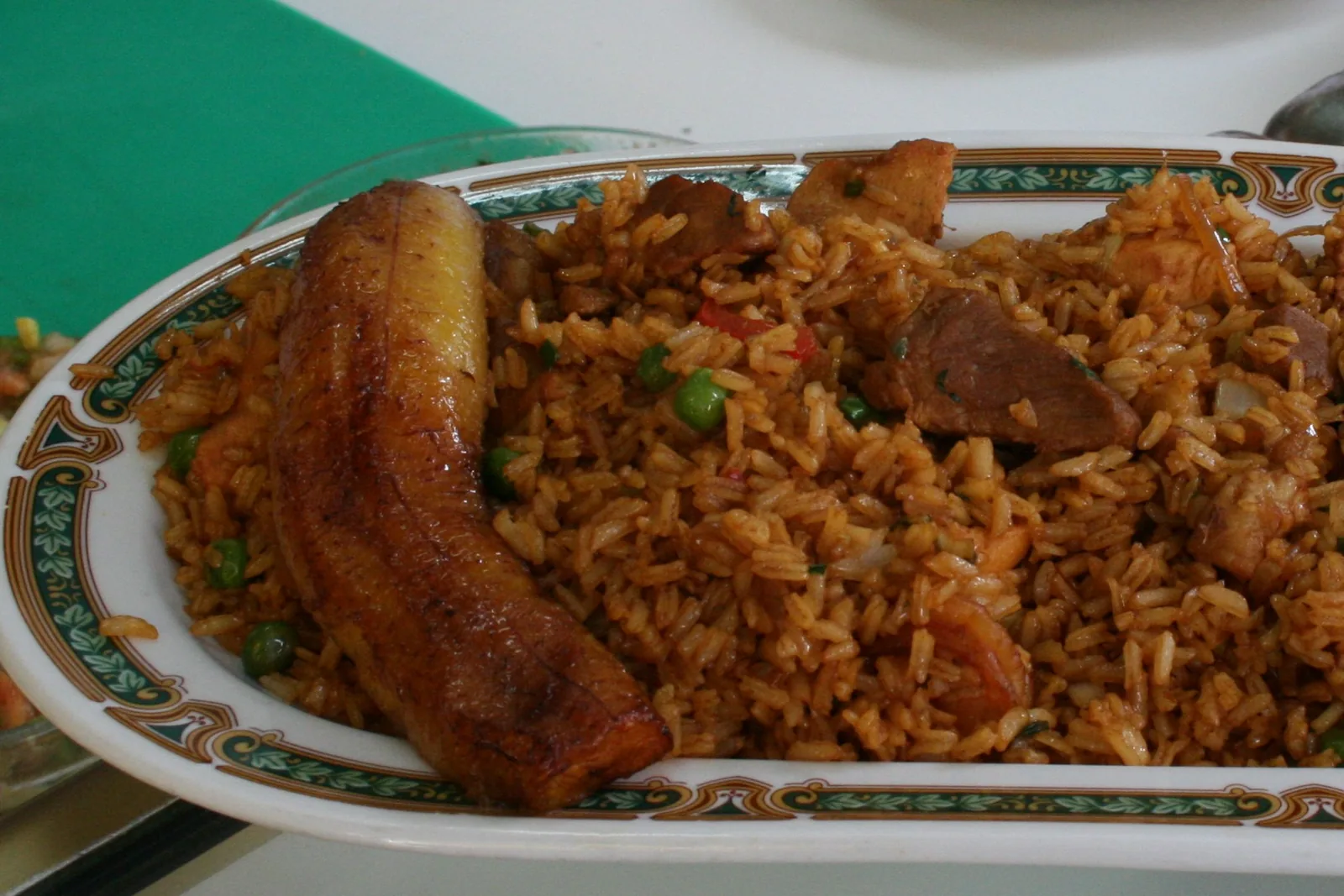
A platter of lechona with golden rice, roast pork pieces, green peas and a fried plantain Colombia flag Colombia 6h
Dinner •Tolima Heritage

Lechona

Lechona is Tolima's great festive roast: a deboned pig — here a pork shoulder with its skin — stuffed with rice and peas, sewn shut and roasted for hours until the meat is spoon-tender and the skin crackles. It is served chopped, a spoon of golden rice with every piece of pork, with arepas and fried plantain on the side. One serving is about 444 g.

Festive & Filling

Pork shoulder stuffed with rice and peas, roasted for hours until the meat is tender and the skin crackles.

Pairs Well With
White arepas, fried plantain and a cold beer
High Protein

The Dinner Gazette

Never wonder what’s for dinner again

One email a week with easy dinner ideas from around the world — ingredients, steps and nutrition, tested in our kitchen first.

Delivered every Thursday morning. Unsubscribe anytime.