
Curated recipes from 193 countries  •  New seasonal Mediterranean issue out now

Overview

Lulada

Lulada caleña, Lulo drink, Naranjilla drink

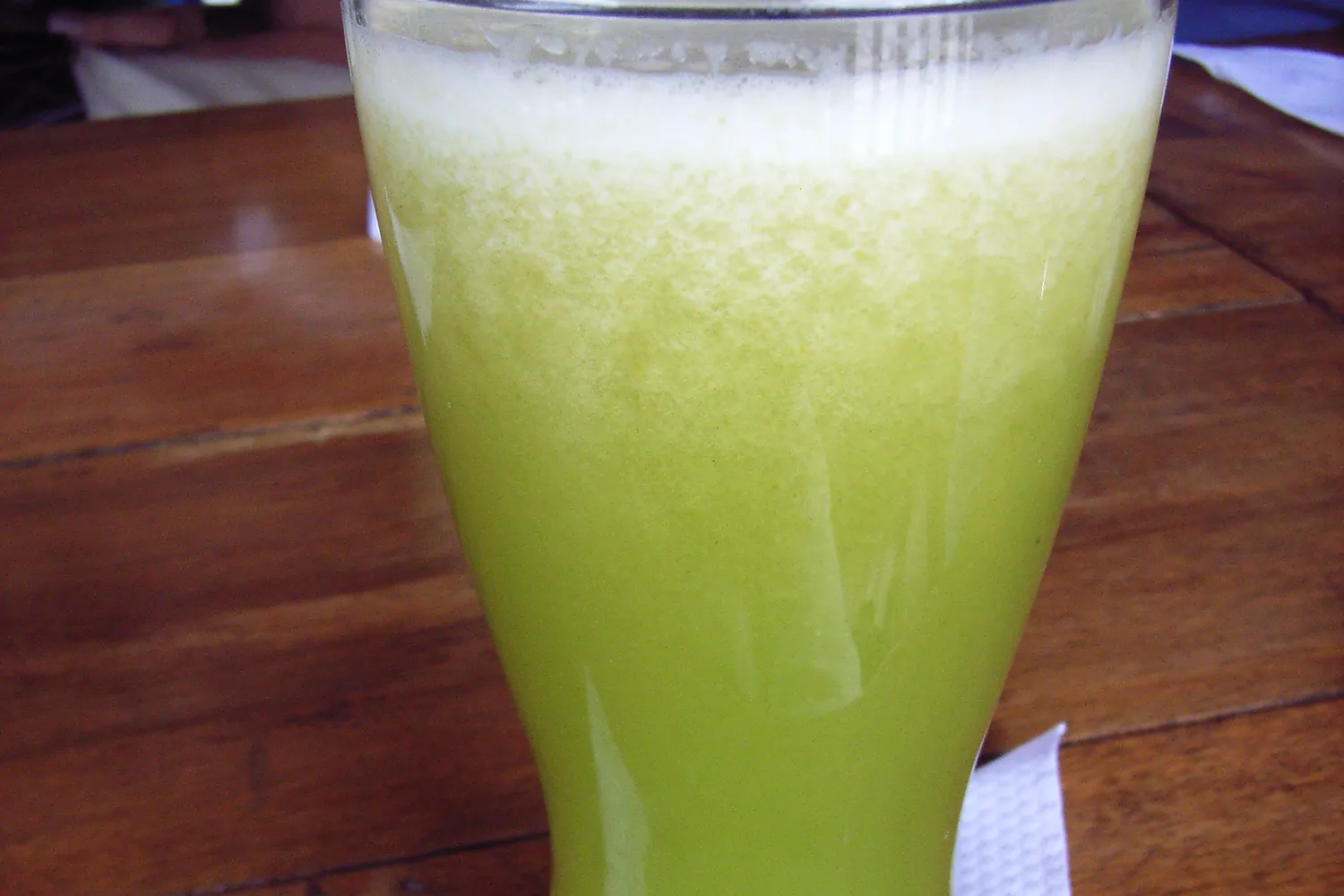
This lulada recipe starts with ripe lulo, the tangy green-gold fruit of Colombia's Valle del Cauca, and crushes the pulp by hand — never blended smooth — into a limeade base with sugar and plenty of crushed ice. One serving is a tall glass, about 399 g. It tastes like lime and pineapple with a floral edge, and it is the drink Cali reaches for on a hot afternoon.

Lulada comes from Cali, the capital of Valle del Cauca in south-west Colombia, where lulo grows in the Andean foothills. Street vendors and home cooks have made it the same way for generations: the pulp is crushed by hand, never blended, and stirred into a limeade base — the chunks of pulp are the point, and they are what set lulada apart from ordinary lulo juice. It travelled with Cali's ferias and salsa culture and is now poured all over Colombia.

Pairs well with: Pandebono or a cheese arepa on the side, and anything fried and salty

Provenance

Colombia flag Colombia

Valle del Cauca Heritage

Latin America & Caribbean

Time Dedication

10m

10m prep • 0m cook

Batch Yield

4 Servings

57 kcal per serving

1 serving ≈ 399 g

Technical Skill

Easy

Easy (No Cooking)

Meal Timing & Digestive Fit

Breakfast

Not Advised

Lunch

Inappropriate

Dinner

Inappropriate

Snack & Tea

Ideal Light Bite

Occasions: Hot afternoons, street-food snack, Cali feria season, family gatherings Cost: Low — about $1 per serving at home
A tall glass of pale green lulada, a frothy lulo drink with visible pulp, on a wooden table

Valle del Cauca Heritage

Photo: inyucho, CC BY 2.0, via Wikimedia Commons

The Heritage Formulary

Measured Ingredients

Estimated cost: Low — about $1 per serving at home (USD)

A true lulada is never blended smooth — the pulp is crushed by hand so the drink stays chunky, tart and cloudy.

Execution Methodology & Culinary Technique

Step-by-Step Cooking Guide

Active 10m
P

Prep Stage: Lulo, Lime and Ice

10 Mins • Crushing & Squeezing

Thaw the lulo pulp and tip it into a large bowl. Roll and squeeze the limes, measure the sugar, and crush the ice. Set out four tall glasses.

Maestro Tip: Chill the glasses in the freezer for 10 minutes — a cold glass keeps the lulada icy to the last sip.

  1. 1

    Crush the lulo pulp by hand

    5 Mins No heat

    Tip the thawed lulo pulp into a large bowl and crush it with your hands, breaking the pulp apart into small pieces. Work through the whole bowl until no large lumps remain, but stop while the pulp is still chunky — it should look torn, not pureed.

    Do not use a blender — blended lulada is just lulo juice, and the chunky pulp is what makes this drink a lulada.

    Done when: The pulp is broken into small pieces with juice running between them.

  2. 2

    Build the limeade base

    2 Mins No heat

    Pour the cold water into a large pitcher and stir in the lime juice and 2 tablespoons of the sugar. Stir for about a minute until the sugar has fully dissolved.

    Dissolve the sugar in the water first — sugar stirred into the pulp clumps and never quite disappears.

    Done when: The water tastes lightly tart and sweet, with no sugar grit at the bottom.

  3. 3

    Combine and sweeten to taste

    2 Mins No heat

    Scrape the crushed lulo pulp into the pitcher and stir it through the limeade. Taste and add the last tablespoon of sugar if you like it sweeter, stirring until it dissolves. The drink should be cloudy and pale green, with flecks of pulp floating through it.

    Lulo varies in tartness from batch to batch, so always taste before adding the last of the sugar.

    Done when: The drink is cloudy, pale green and flecked with pulp, sweet and tart in balance.

  4. 4

    Serve over crushed ice

    1 Min No heat

    Fill each tall glass halfway with crushed ice, pour the lulada over it, and stir once so the pulp spreads through the glass. Serve at once, with a long spoon for the pulp.

    Stir once, gently — hard stirring crushes the ice and waters the drink down.

    Done when: Each glass is full of ice and cloudy green drink, with pulp visible all the way through.

Finishing Touches & Plating

Serve at once, while the ice is still crunchy and the pulp is floating through the glass — lulada waits for no one.

Nutritional Physiology & Benefits

Nutrition

Energy

57

kcal / serving

Protein

0g

Complete AA

Carbs

15g

Complex

Fats

0g

Healthy

Per serving (4 servings · 1 serving ≈ 399 g)
Energy57 kcal
Protein0 g
Carbohydrates15 g
Fat0 g
Fibre0.9 g
Sugar12.0 g
Sodium3 mg
Per 100g
Energy14 kcal
Protein0.1 g
Carbohydrates3.7 g
Fat0 g
Fibre0.2 g
Sugar3 g
Sodium1 mg

Nutrition values are estimated — calculated from USDA FoodData Central values for the listed ingredients.

Vitamins & minerals: Vitamin C from the lulo and lime, plus small amounts of potassium and vitamin A from the lulo pulp. Nutrition is estimated.

Vitamin C From Lulo and Lime

Lulo and lime are both good sources of vitamin C, which supports normal immune function as part of a varied diet.

Light and Hydrating

At 57 kcal a glass, with water and crushed ice as the bulk of the drink, lulada hydrates without weighing you down.

A Little Natural Energy

The fruit sugars give a gentle lift — enough for a hot afternoon, without the crash of a canned energy drink.

Food Pairings

What to Eat With

To optimize nutrient absorption and elevate the sensory depth, pair with these authentic accompaniments:

Sides

Pandebono or Cheese Arepa

The warm, salty cheese bread is the classic partner — the drink's tartness cuts the richness, and the pair is pure Cali street food.

Fresh Fruit Salad

Mango, pineapple and papaya echo the tropical fruit in the glass and turn the drink into a light afternoon snack.

More Pairings

A Cold Beer or a Michelada

For adults, a light lager alongside a lulada is a common Cali pairing — the beer's bitterness plays against the drink's tart sweetness.

Full Menus

Empanadas as a Starter

Serve lulada first with a plate of empanadas — the cold tart drink cools the palate between hot, crisp bites.

Complete menu

Serve lulada ice-cold with pandebono and a fruit salad, then empanadas — a Valle del Cauca afternoon from drink to supper.

Digestive Guardrails

What NOT to Combine

To prevent digestive distress, sluggishness, or palate clash, avoid pairing the dish with these elements:

Do Not Blend the Pulp Smooth

A blender turns lulada into ordinary juice and loses the chunky texture that defines it. Crush by hand and keep the pulp visible. This is general information, not medical advice.

Avoid Leaving It Sitting in the Sun

Lulada is served over ice and melts fast; left warm, it turns flat and the pulp sinks. Drink it within minutes of pouring. This is general information, not medical advice.

Watch the Added Sugar

Three tablespoons of sugar across four glasses is modest, but extra spoonfuls add up — taste before sweetening more. This is general information, not medical advice.

General information only, not medical advice — consult a doctor for personal dietary decisions.

Who Should Eat It

Who Should Eat

  • General adultsA refreshing low-calorie drink for any hot afternoon — enjoy a tall glass and keep the sugar to taste.
  • ChildrenChildren love the tart-sweet taste — serve a smaller glass and go easy on the sugar for younger kids.
  • ElderlyLight, hydrating and easy to drink — a good choice for staying cool, with the sugar adjusted to taste.
  • Pregnant womenSafe when made with clean water and fresh fruit; wash the lulos and limes well before use.
  • Breastfeeding womenA hydrating drink that fits well between meals — keep the sugar modest.
  • AthletesGood for rehydrating after training in the heat, with a little fruit sugar for quick energy.
  • Weight gainAt 57 kcal a glass this will not add much energy — pair it with a cheese arepa or pandebono.
  • Weight lossOne of the lightest drinks on the site — keep the sugar to 3 tablespoons and skip seconds.

Health Conditions — Adjust or Avoid

Conditions

  • DiabetesOne glass carries about 15 g of carbohydrate and 12 g of sugar — modest for a sweet drink, but check with your clinician and skip extra sugar.
  • High blood pressureAlmost no sodium, about 3 mg a glass — no salt concern here.
  • Kidney diseaseLow in potassium and sodium as written; ask your clinician if you follow a strict fluid or potassium plan.
  • GoutFruit sugars in large amounts can matter for gout, but one glass is modest — keep portions to one serving.
  • Stomach issuesLulo and lime are both tart and acidic, so skip this during a flare-up of reflux or gastritis.
  • Cardiovascular diseaseNo fat, no cholesterol and almost no sodium — a heart-friendly drink as written.
  • Fatty liverLow in calories and free of fat; the sugar is modest at 12 g a glass, but keep it to one serving.
  • Food allergiesContains no common allergens. Lulo is a relative of tomato and potato (nightshade family) — people with nightshade sensitivity should try a small amount first.
  • Special therapeutic dietsFits low-fat and low-sodium diets; for low-sugar diets, cut the sugar in half or use a sugar-free sweetener and ask your clinician.

If you have a medical condition, consult your doctor before changing your diet.

Storage & Use

Storage & Use

How to store
Keep the limeade base (without ice) in a covered jug in the fridge.
In the fridge
Up to 2 days in the fridge; stir before serving as the pulp settles.
In the freezer
Freeze the limeade base (without ice) for up to 1 month; thaw in the fridge.
How to reheat
Do not reheat — this is a cold drink. Serve chilled over fresh crushed ice.
Freezing recommended
Yes, for the base only — add fresh ice when serving.
Signs it has spoiled
A sour or fermented smell, fizzing, or darkened pulp means it has turned — throw it away.

More recipes to explore

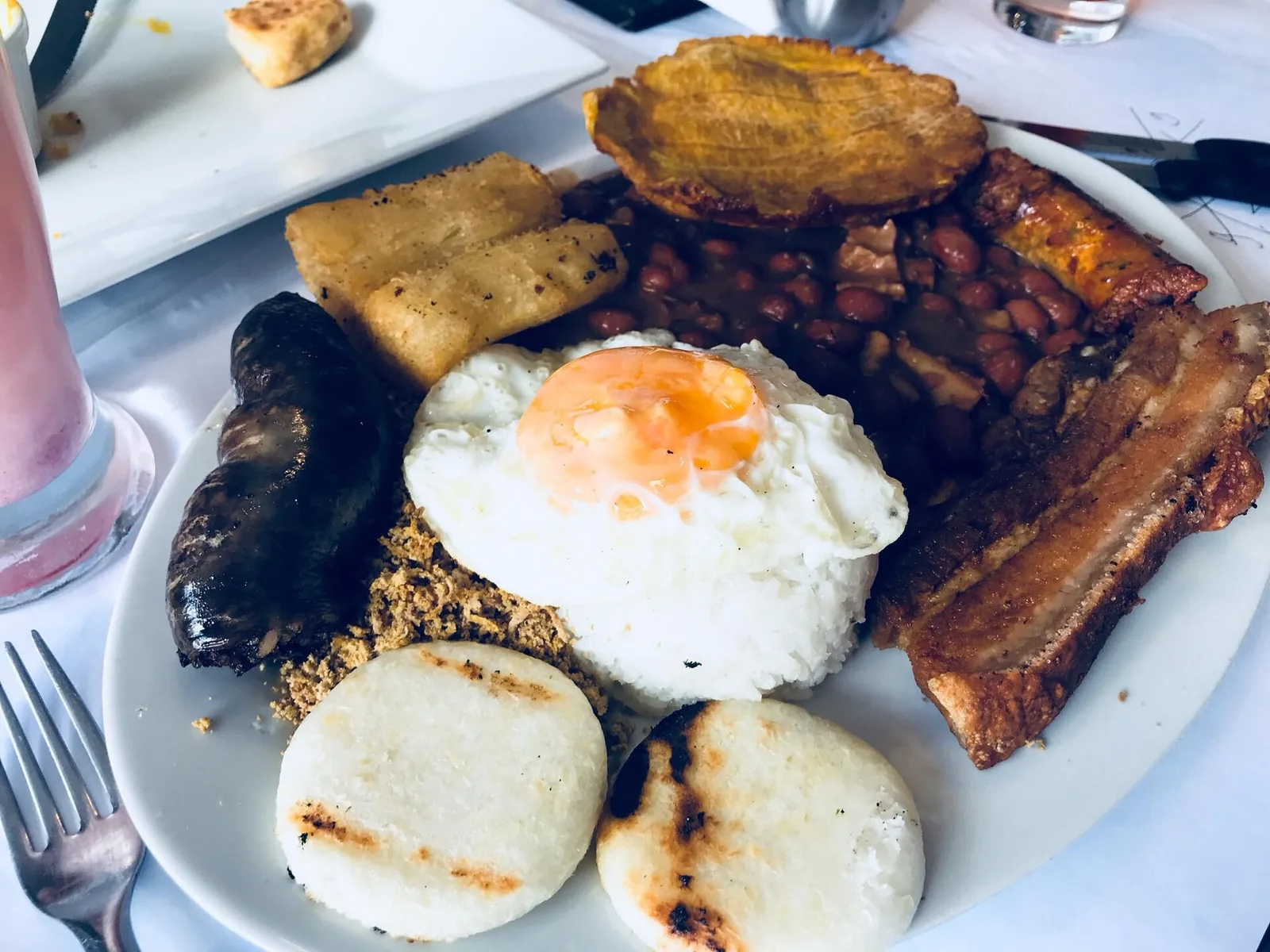
Bandeja paisa on a white plate with red beans, white rice, a fried egg, chicharrón, morcilla, chorizo, fried plantain and two small arepas Colombia flag Colombia 2h
Lunch •Antioquia Heritage

Bandeja Paisa

This bandeja paisa recipe builds the famous platter from Antioquia: red beans simmered with pork, white rice, crisp chicharrón, seasoned ground beef, chorizo and morcilla, a fried egg, sweet fried plantain, avocado, hogao sauce and a small grilled arepa. Every part is cooked separately, then piled onto one wide plate so each bite can mix a little of everything. One serving is about 894 g.

Hearty & Filling

A generous Antioquia platter of beans, rice, meats, egg, plantain and avocado, built to fuel a long working day.

Pairs Well With
A cold glass of panela lemonade or a light lager, with a small green salad on the side.
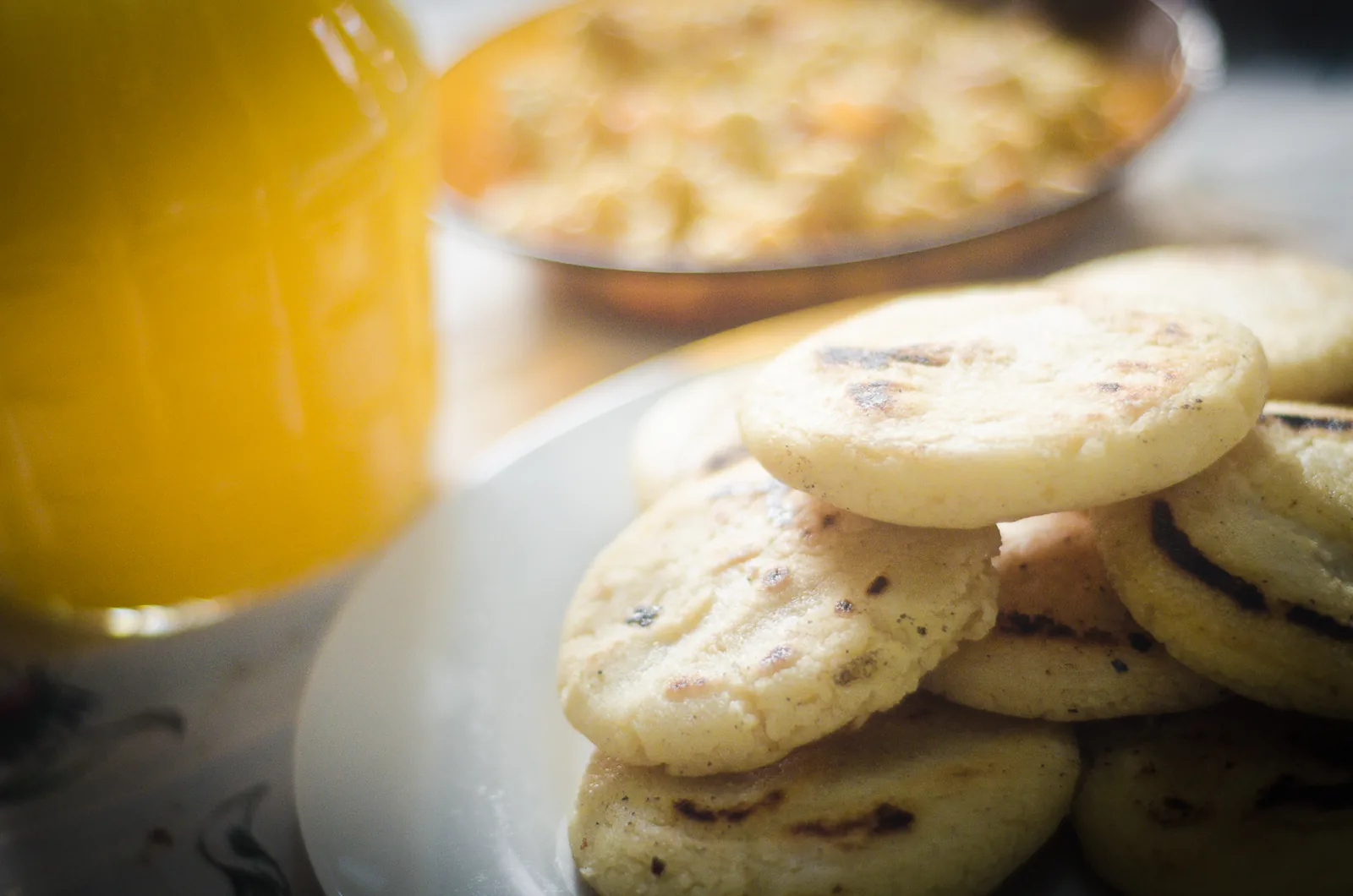
A stack of golden grilled Colombian arepas on a white plate, with a glass of orange juice beside them Colombia flag Colombia 35m
Breakfast •Andean Heritage

Colombian Arepas

This Colombian arepas recipe turns pre-cooked white cornmeal, warm water, butter and cheese into round corn cakes that are grilled until crisp outside and soft inside. The cheese is kneaded right into the dough, so every bite is savoury and gently melty. Colombian arepas are thinner and plainer than the stuffed Venezuelan kind: they are a breakfast bread, split open and filled at the table. One serving is about 220 g, two arepas.

Comfort & Warmth

Golden grilled corn cakes made from white masarepa, with melting cheese kneaded into the dough.

Pairs Well With
Hot chocolate or coffee, with butter and a slice of fresh cheese on the side.
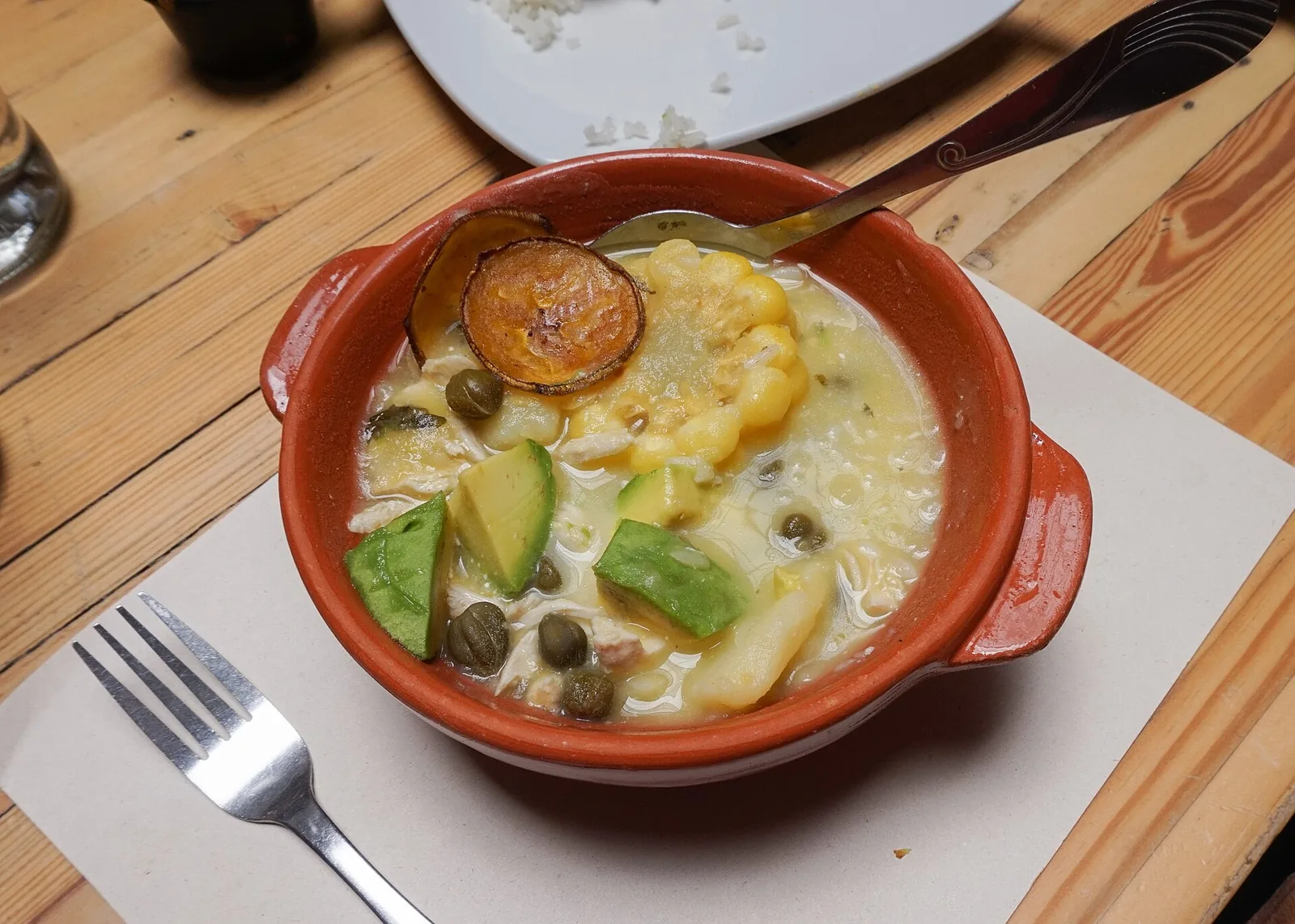
A bowl of ajiaco in a clay bowl, thick golden soup with corn, avocado, capers and shredded chicken Colombia flag Colombia 1h 30m
Lunch •Bogotá Heritage

Ajiaco

This ajiaco recipe is Bogotá's signature soup: chicken simmered with corn on the cob and three kinds of potato — pastusa, sabanera and criolla — until the criolla melts and thickens the broth golden. The herb guascas gives it its unmistakable earthy flavour, and every bowl is finished at the table with heavy cream, briny capers and sliced avocado. One serving is about 750 g, soup and toppings together.

Comfort & Warmth

Bogotá's thick chicken and potato soup, flavoured with guascas and served with cream, capers and avocado.

Pairs Well With
White rice and a small side salad, with the cream, capers and avocado passed around the table.
Soups & Broths
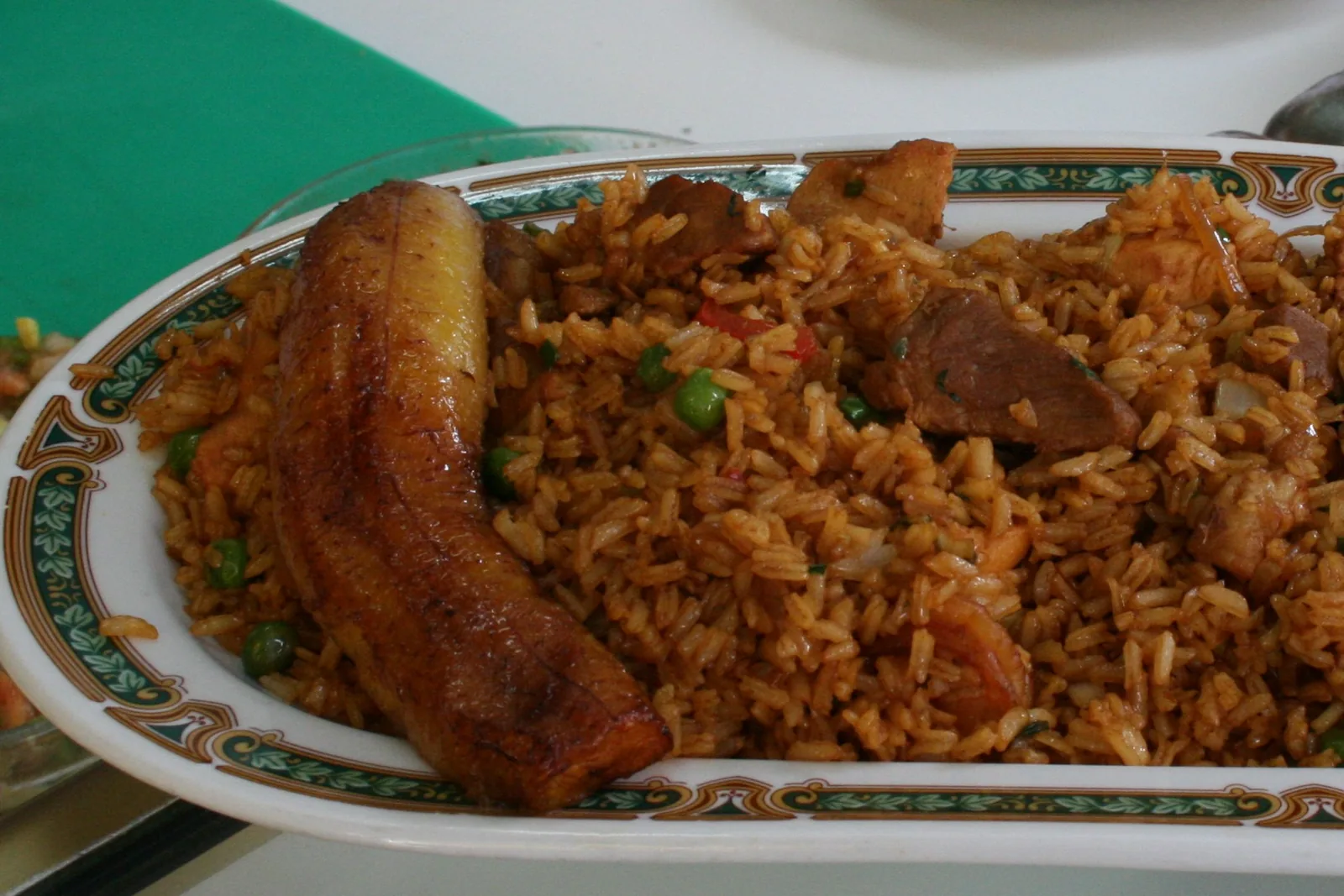
A platter of lechona with golden rice, roast pork pieces, green peas and a fried plantain Colombia flag Colombia 6h
Dinner •Tolima Heritage

Lechona

Lechona is Tolima's great festive roast: a deboned pig — here a pork shoulder with its skin — stuffed with rice and peas, sewn shut and roasted for hours until the meat is spoon-tender and the skin crackles. It is served chopped, a spoon of golden rice with every piece of pork, with arepas and fried plantain on the side. One serving is about 444 g.

Festive & Filling

Pork shoulder stuffed with rice and peas, roasted for hours until the meat is tender and the skin crackles.

Pairs Well With
White arepas, fried plantain and a cold beer
High Protein

The Dinner Gazette

Never wonder what’s for dinner again

One email a week with easy dinner ideas from around the world — ingredients, steps and nutrition, tested in our kitchen first.

Delivered every Thursday morning. Unsubscribe anytime.