Curated recipes from 193 countries  •  New seasonal Mediterranean issue out now

Overview

Montreal Smoked Meat

Montreal-style smoked meat, Schwartz's smoked meat

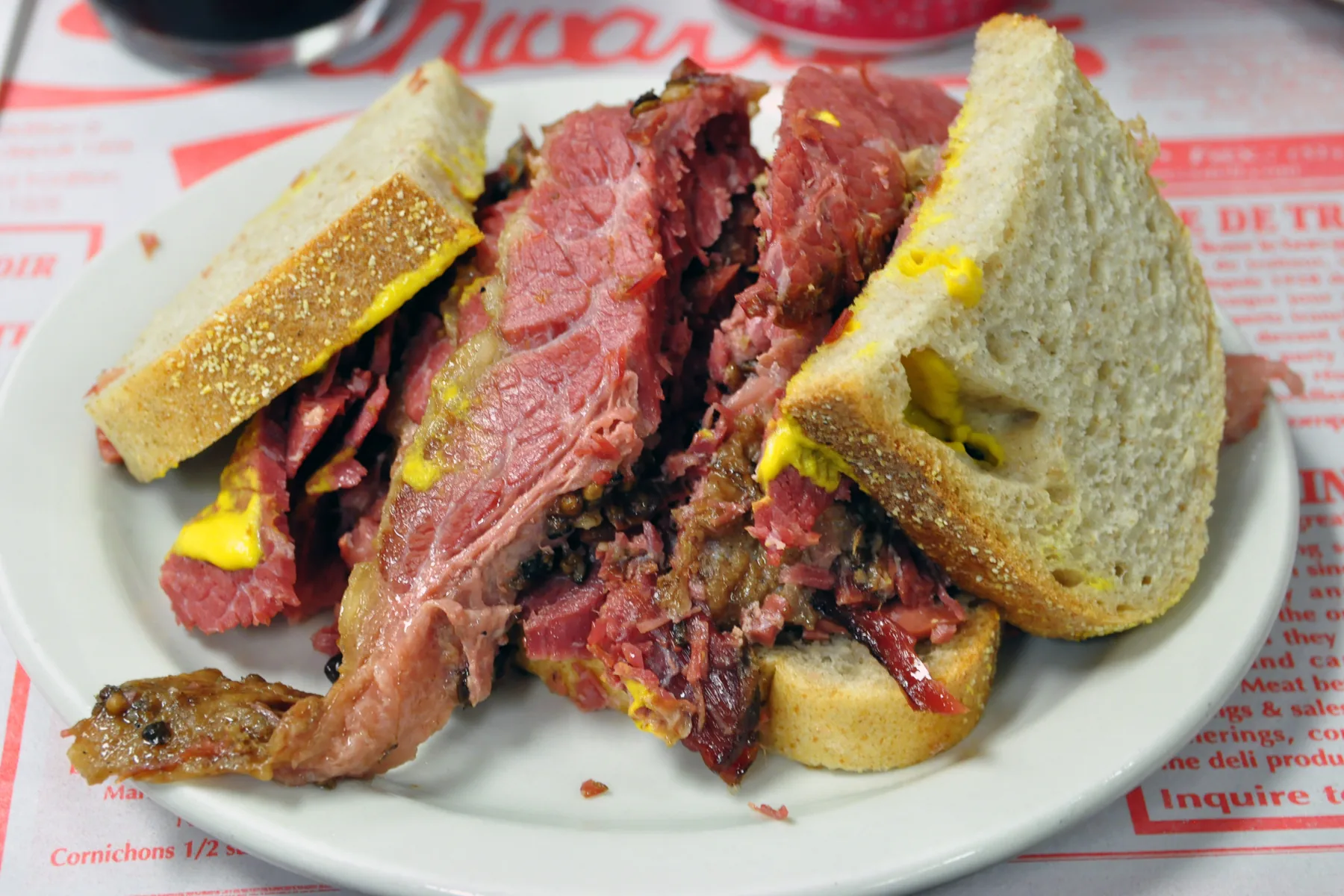
Montreal smoked meat is the deli sandwich that defines Montreal: beef brisket cured for seven days, smoked, then steamed until it falls apart, sliced thin and piled high on rye bread with yellow mustard. This montreal smoked meat recipe makes 8 generous sandwiches from one brisket, in the Schwartz's style — medium-fat, hand-sliced, mustard only. One sandwich is about 175 g.

Montreal smoked meat was created by Jewish immigrants from Eastern Europe, and Schwartz's — the Montreal Hebrew Delicatessen — has served it since Reuben Schwartz, an immigrant from Romania, opened the deli at 3895 Saint-Laurent Boulevard in 1928. The deli credits its flavour to a 10-day meat cure and a smokehouse built up over decades, and its smoked meat sandwich on rye with yellow mustard became the city's signature dish. It differs from New York pastrami: Montreal smoked meat is made from beef brisket cured in a coriander-forward spice mix, while pastrami is usually made from the fattier navel plate with a pepper-heavy rub.

Pairs well with: Half-sour pickle and black cherry soda

Provenance

Canada flag Canada

Montreal Deli Classic

North America

Time Dedication

10h 40m

40m prep • 600m cook

Batch Yield

8 Servings

482 kcal per serving

1 serving ≈ 175 g

Technical Skill

Advanced

Advanced (Cure, Smoke & Steam)

Meal Timing & Digestive Fit

Breakfast

Not Advised

Lunch

Prime Metabolic Fit

Dinner

Ideal Hearty Main

Snack & Tea

Inappropriate

High Protein Occasions: Weekend lunch, deli night, family gatherings, game day, special occasions Cost: Moderate — about $3 per sandwich at home
A Montreal smoked meat sandwich on rye bread with yellow mustard at Schwartz's deli

Montreal Deli Classic

Photo: chensiyuan, CC BY-SA 4.0, via Wikimedia Commons

The Heritage Formulary

Measured Ingredients

Estimated cost: Moderate — about $3 per sandwich at home (USD)

A week-long cure, a dark spice bark, steaming until tender, and thin hand-sliced meat piled on rye with mustard only.

Execution Methodology & Culinary Technique

Step-by-Step Cooking Guide

Active 10h 40m
P

Prep Stage: Trimming, Curing, Rubbing

40 Mins Active + 7 Days Curing • Brisket

Trim the brisket's fat cap to about 5 mm, then rub it all over with half the cure — kosher salt, Prague powder, brown sugar, crushed coriander, pepper, mustard seed and garlic — and seal it in a bag in the fridge for 7 days, turning it every day. The cure is what makes smoked meat pink, salty and safe to smoke low and slow. After curing, rinse the brisket, soak it for 1 hour to pull out excess salt, pat dry, and coat it with the reserved half of the spice mix as a rub.

Maestro Tip: Weigh the Prague powder exactly — curing salt is measured by weight, never by eye, and more is not better.

  1. 1

    Cure the brisket for 7 days

    7 days Fridge, about 4°C (40°F)

    Mix 60 g kosher salt, 7 g Prague powder #1, 15 g brown sugar, 15 g crushed coriander, 15 g crushed pepper, 10 g mustard seed and 20 g minced garlic, and rub HALF of the mixture all over the trimmed brisket — reserve the other half for the rub after curing. Seal in a large bag or covered tray, weigh it down lightly, and refrigerate for 7 days, turning the meat every day so the cure works evenly. Liquid will collect in the bag — that is normal.

    Keep the brisket cold the whole week: if your fridge is warmer than 4°C (40°F), do not cure meat at home.

    Done when: Brisket evenly coated in cure, firming up day by day, kept cold throughout.

  2. 2

    Rinse, soak and rub

    1 hour 30 mins Room temperature, then cold water

    Rinse the cured brisket under cold water, then soak it in a large pot of cold water for 1 hour, changing the water once, to pull out excess salt. Pat it completely dry. Mix the reserved half of the spice mixture with 5 g paprika and press the rub thickly all over the meat — this crust becomes the dark, spicy bark.

    Taste a tiny piece of the soaked meat before smoking: if it is still very salty, soak for another 30 minutes.

    Done when: A brisket coated thickly in dark spice rub, dry to the touch.

  3. 3

    Smoke low and slow

    7 hours 110°C (225°F), to 74°C (165°F) internal

    Smoke the brisket at 110°C (225°F) for about 7 hours, fat cap up, until the internal temperature reaches 74°C (165°F) and the outside is a deep mahogany bark. Use a mild wood such as oak or maple. Do not rush this step — the long, gentle smoke is what builds the flavour.

    Keep the smoker steady: big temperature swings dry the meat out before it is tender.

    Done when: Dark mahogany bark, internal temperature 74°C (165°F).

  4. 4

    Steam until falling tender

    3 hours Steaming, about 100°C (212°F), to 93°C (200°F) internal

    Move the brisket to a steamer or a roasting pan with a rack and a little water, covered tightly with foil, and steam for about 3 hours until the internal temperature reaches 93–96°C (200–205°F) and a skewer slides in with no resistance. Steaming is the Montreal secret: it finishes the meat meltingly tender without drying it.

    Do not let the pan boil dry — check the water level every hour and top it up with boiling water.

    Done when: Meat that yields to a skewer with no resistance, internal temperature above 93°C (200°F).

  5. 5

    Rest, slice and build the sandwich

    30 mins Room temperature, meat about 60°C (140°F)

    Rest the brisket for 20–30 minutes, then slice it thinly against the grain, by hand, in generous piles. Pile about 105 g of meat on a slice of rye, spread the other slice with 10 g yellow mustard, and close the sandwich. At Schwartz's the meat is ordered by fat content — lean, medium, medium-fat or fat — and medium is the house favourite.

    Slice against the grain and as thin as you can: thick slices across the grain are chewy, thin slices are tender.

    Done when: Thin, glistening slices piled high on rye with mustard — the sandwich should barely close.

Finishing Touches & Plating

Serve the sandwiches immediately, while the meat is still steaming, with a half-sour pickle on the side. The classic Schwartz's meal adds fries, coleslaw and a black cherry soda.

Nutritional Physiology & Benefits

Nutrition

Energy

482

kcal / serving

Protein

36g

Complete AA

Carbs

35g

Complex

Fats

22g

Healthy

Per serving (8 servings · 1 serving ≈ 175 g)
Energy482 kcal
Protein36 g
Carbohydrates35 g
Fat22 g
Fibre5.6 g
Sugar4.5 g
Sodium1609 mg
Per 100g
Energy275 kcal
Protein20.6 g
Carbohydrates20 g
Fat12.5 g
Fibre3.2 g
Sugar2.5 g
Sodium919 mg

Nutrition values are estimated — calculated from USDA FoodData Central values for the listed ingredients.

Vitamins & minerals: Rich in B vitamins, especially B12, plus iron and zinc (beef), with small amounts of B vitamins from rye bread.

High in Protein

About 36 g of protein per sandwich, from the brisket, makes it a genuinely filling lunch.

Iron, Zinc and Vitamin B12

Beef is a rich source of iron, zinc and vitamin B12 — nutrients that support energy and everyday health.

A Hearty, Satisfying Meal

A big, hot sandwich with rye and mustard is a slow, satisfying lunch — the kind of meal that keeps you full for hours.

Food Pairings

What to Eat With

To optimize nutrient absorption and elevate the sensory depth, pair with these authentic accompaniments:

Vegetables

Half-sour pickle

A cold, crunchy half-sour pickle cuts the rich, salty meat and resets your palate between bites.

Coleslaw

Crisp, lightly dressed coleslaw adds cool crunch and a little acidity beside the hot, fatty meat.

Drinks

Black cherry soda

The classic Schwartz's drink — its sweetness and fizz balance the salt and smoke of the meat.

Full Menus

Full menu: smoked meat sandwich, pickle, coleslaw, black cherry soda

The full Schwartz's meal: a medium-fat sandwich, a pickle, coleslaw and a black cherry soda.

Complete menu

Serve a medium-fat smoked meat sandwich on rye with a half-sour pickle and coleslaw, and a black cherry soda, for the full Schwartz's lunch.

Digestive Guardrails

What NOT to Combine

To prevent digestive distress, sluggishness, or palate clash, avoid pairing the dish with these elements:

Eating smoked meat with another very salty side

The sandwich is already very salty, about 1600 mg of sodium, so salty fries or salted nuts on the side add a lot more; a pickle and coleslaw are the lighter choice. This is general information, not medical advice.

Skipping the cure or guessing the curing salt

Smoked meat is held at low temperatures for hours, so the cure with the exact amount of Prague powder is a food-safety step, not a flavour choice — never skip it or measure it by eye. This is general information, not medical advice.

General information only, not medical advice — consult a doctor for personal dietary decisions.

Who Should Eat It

Who Should Eat

  • General adultsA hearty, filling lunch for most adults; one sandwich is a full meal.
  • ChildrenChildren usually prefer the lean cut and a smaller portion; the meat is very salty, so keep the serving modest.
  • ElderlyTender, thin-sliced meat is easy to eat; a smaller sandwich with coleslaw suits older eaters.
  • Pregnant womenThe meat is cured and fully cooked, but it is very salty and high in sodium, so one sandwich occasionally is the sensible approach — ask your clinician.
  • Breastfeeding womenEnergy- and protein-rich for long days, though very salty; pair with vegetables rather than a second sandwich.
  • AthletesHigh in protein after training, though the sodium is very high — drink water and balance the rest of the day.
  • Weight gainEnergy-dense and protein-rich, which helps when appetite is low.
  • Weight lossVery salty and rich, so half a sandwich with a large salad is the lighter way to enjoy it.

Health Conditions — Adjust or Avoid

Conditions

  • DiabetesAbout 35 g of carbohydrate per sandwich from the rye bread, and the meat is very salty — ask your clinician about fitting it into your meal plan.
  • High blood pressureVery high in sodium, about 1600 mg per sandwich, so this is an occasional food if you watch your blood pressure; ask your clinician.
  • Kidney diseaseHigh in protein, about 36 g per sandwich, and very high in sodium — ask your clinician for personal advice.
  • GoutRed meat and a rich diet can raise uric acid for some people; an occasional sandwich is usually fine, but ask your clinician if you have frequent flare-ups.
  • Stomach issuesVery salty, fatty meat can feel heavy and trigger reflux for some people; eat slowly and avoid eating it late at night. Ask your clinician if symptoms persist.
  • Cardiovascular diseaseHigh in saturated fat and sodium, so keep it an occasional treat, and ask your clinician for personal guidance.
  • Fatty liverHigh in saturated fat and sodium, so an occasional sandwich with salad is the better way to enjoy it; ask your clinician about your overall pattern.
  • Food allergiesContains wheat (rye bread) and mustard seed. Not suitable for gluten-free diets as written; mustard is an allergen for some people.
  • Special therapeutic dietsFor therapeutic diets, a lean cut with a smaller portion would be needed — ask your clinician or dietitian before adapting this recipe.

If you have a medical condition, consult your doctor before changing your diet.

Storage & Use

Storage & Use

How to store
Cool the sliced meat, then store in a covered container in the fridge, with a little of the steaming liquid to keep it moist.
In the fridge
4–5 days, in a covered container.
In the freezer
Up to 3 months, wrapped tightly in portions; thaw in the fridge overnight.
How to reheat
Steam gently or warm in a covered pan with a splash of water until steaming hot, 74°C (165°F), so the meat stays moist.
Freezing recommended
Yes — sliced smoked meat freezes well in portions.
Signs it has spoiled
Sour or off smell, slimy surface, grey or green discolouration — discard, do not taste to check.

More recipes to explore

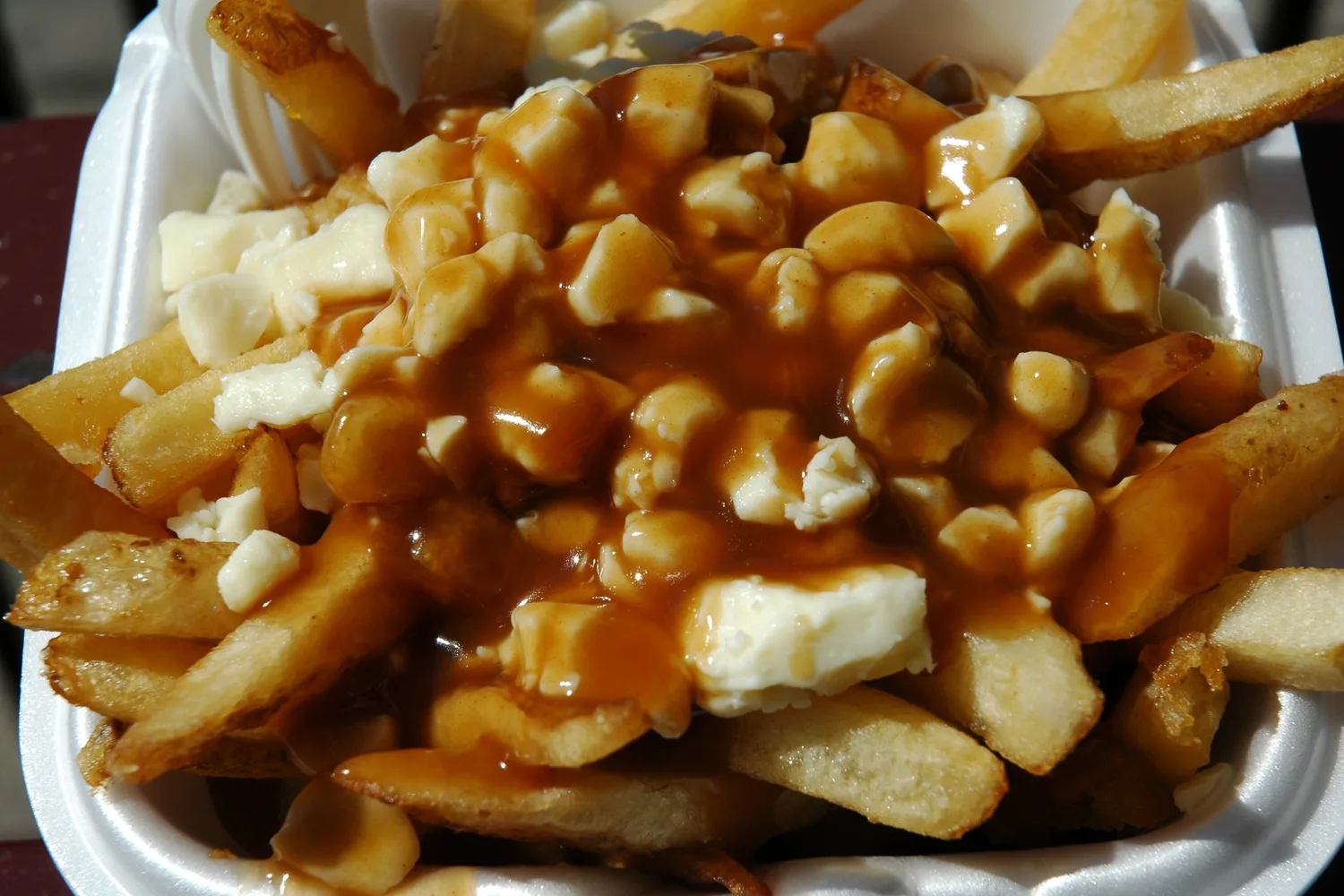
A close-up of classic poutine: golden french fries topped with white cheese curds and glossy brown gravy Canada flag Canada 55m
Lunch •Quebec Classic

Poutine

Poutine is Quebec's most famous dish: hot, crispy french fries topped with fresh cheese curds and a ladle of steaming beef gravy, served the moment the curds start to soften. This poutine recipe uses real cheese curds — never shredded cheese — and fries the potatoes twice so they stay crisp under the gravy. One serving is about 348 g.

Hearty Comfort Food

Crispy double-fried potatoes, squeaky fresh cheese curds and hot beef gravy — Quebec's most famous comfort dish.

Pairs Well With
Green salad & pickles
Golden butter tarts with glossy brown-sugar filling arranged on a wooden board Canada flag Canada 1h 5m
Snack & Tea •Ontario Classic

Butter Tarts

Butter tarts are Canada's most loved small pastry: flaky pastry cups filled with a gooey mixture of butter, brown sugar and egg, sometimes with raisins, baked until the filling bubbles and just sets. This butter tarts recipe makes 12 golden tarts with crisp shells and a soft, caramel centre — the classic Ontario version, firm enough to hold and soft enough to run. One tart is about 75 g.

Sweet & Comforting

Flaky pastry cups filled with a gooey butter, brown sugar and egg filling — Canada's most loved small pastry.

Pairs Well With
Tea & coffee
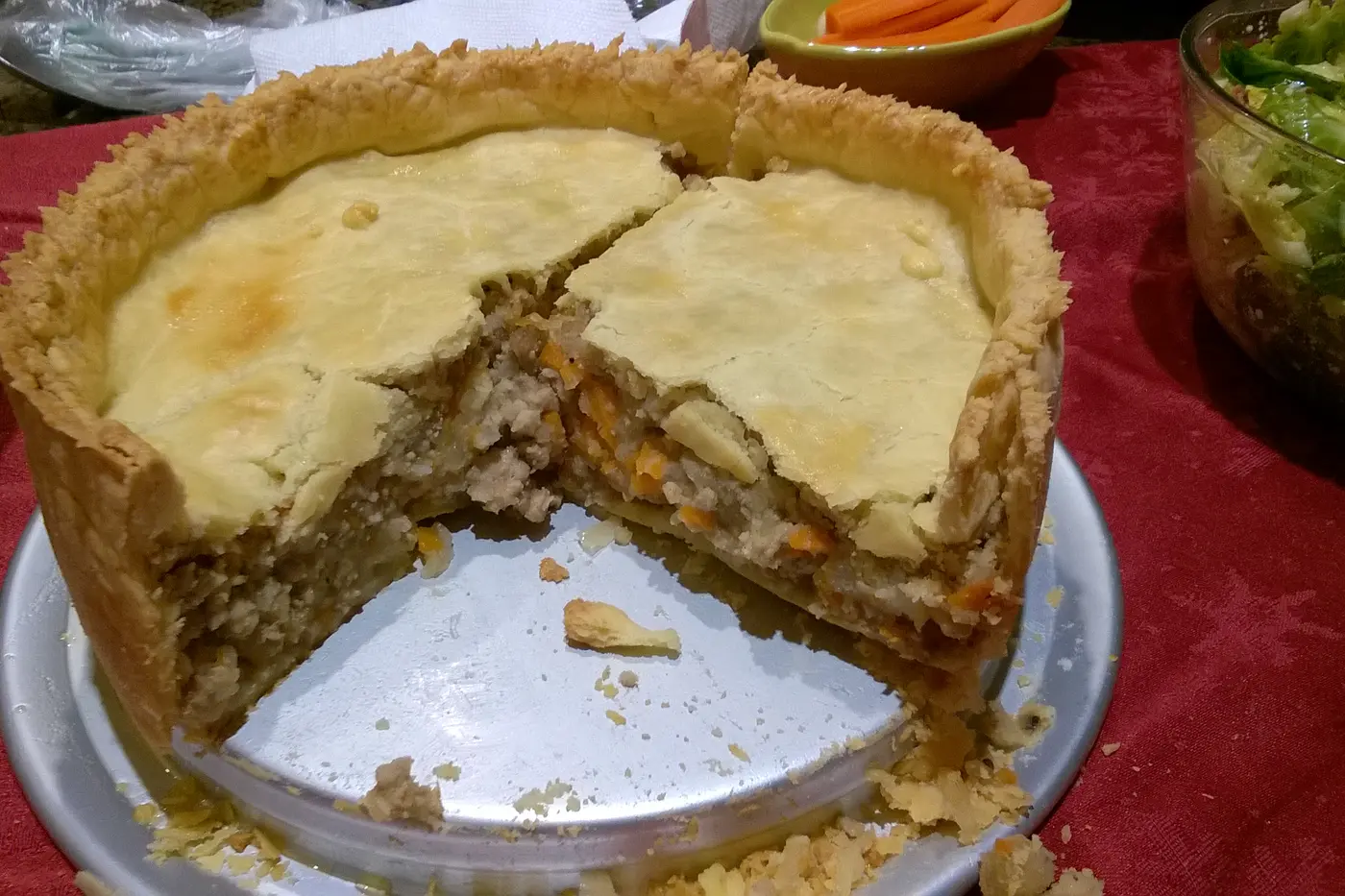
A deep-dish tourtière with a slice cut, showing the spiced ground-meat filling in golden pastry Canada flag Canada 2h
Dinner •Quebec Christmas Classic

Tourtière

Tourtière is the French-Canadian spiced pork pie: a deep-dish pie with a buttery double crust and a filling of ground pork, a little beef, mashed potato and onion, scented with cinnamon, cloves and savoury. It is the centrepiece of Quebec's Christmas Eve réveillon, served after midnight Mass. Unlike the Australian meat pie, which is a hand-held beef pie with tomato sauce, tourtière is a large, sliceable pie built for sharing, and its warm spices — not gravy — are what make it. This tourtiere recipe makes one deep-dish pie for eight. One slice is about 255 g.

Hearty & Festive

A deep-dish pie of spiced ground pork and potato in buttery pastry — the centrepiece of Quebec's Christmas Eve réveillon.

Pairs Well With
Green salad & pickles
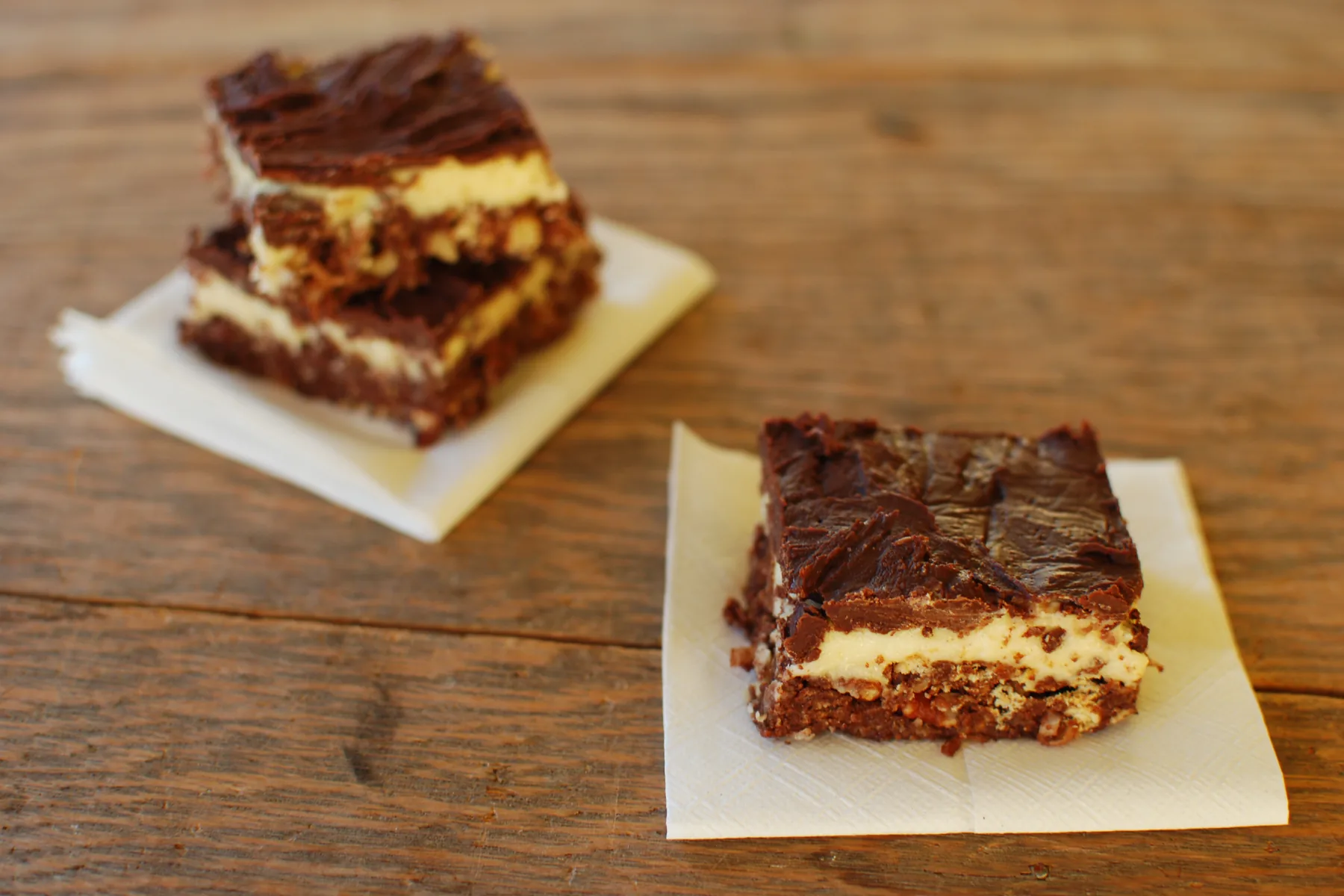
Three-layer Nanaimo bars with chocolate tops and pale custard filling on white napkins Canada flag Canada 40m
Snack & Tea •British Columbia Classic

Nanaimo Bars

Nanaimo bars are Canada's most famous no-bake square: a chewy cocoa, graham crumb, coconut and walnut base, a thick vanilla custard buttercream in the middle, and a thin, snappy layer of chocolate on top. This nanaimo bars recipe makes 16 bars in a 20 cm square pan, with no oven needed at all — the fridge does the work. One bar is about 66 g.

Sweet & Indulgent

Three no-bake layers — a cocoa-coconut crumb base, a custard buttercream middle and a chocolate top — in one small, rich square.

Pairs Well With
Coffee or black tea

The Dinner Gazette

Never wonder what’s for dinner again

One email a week with easy dinner ideas from around the world — ingredients, steps and nutrition, tested in our kitchen first.

Delivered every Thursday morning. Unsubscribe anytime.